ACT for the Public
ACT for the PublicWelcome to the For the Public section of this site!
We hope that you will find the information provided here on Acceptance and Commitment Therapy (ACT) useful in your journey of understanding and/or applying ACT to your life.
What is ACT?
Acceptance and Commitment Therapy (ACT) has developed as a behavioral intervention to help people learn strategies to live life more in the present, more focused on important values and goals, and less focused on painful thoughts, feelings and experiences. ACT teaches people how to engage with and overcome painful thoughts and feelings through acceptance and mindfulness techniques, to develop self-compassion and flexibility, and to build life-enhancing patterns of behavior. ACT is not about overcoming pain or fighting emotions; it's about embracing life and feeling everything it has to offer. It offers a way out of suffering by choosing to live a life based on what matters most. ACT has developed within a scientific tradition, and there continues to be a thriving research community that examines the basic science underlying ACT and the effectiveness of applying ACT techniques to numerous life problems such as anxiety, depression, PTSD, substance abuse, chronic pain, psychosis, eating problems, and weight management, just to name a few. While the other sections of this site are geared to professionals, you may wish to read more about ACT and Relational Frame Theory RFT (the basic contextual behavioral science of language and cognition on which ACT is based) as you continue interacting with the material. Simply come back and browse through the rest of the site at your leisure!
Resources and Support: ACT for Personal Growth
Many people find that learning from and with others is a great way to enact important life changes. We suggest one or more of the following may best meet your needs:
- Seeking a professional therapist with whom you feel comfortable
- Attending a professionally run therapy group
- Reading self-help books
- Joining the free ACT for the Public email listserv
- Finding others with whom to learn about and discuss applying ACT principles to your life
- ACBS members are encouraged to join the ACT for Professionals email listserv because once on this listserv you can ask virtually any question, or raise virtually any issue, and thousands of ACBS members will read it and you will almost always get thoughtful and helpful responses.
The links at the bottom of the page will walk you through the ways to seek out all of these different types of resources -- most of them from within this website. We have compiled this information in the hopes that it will be useful in guiding you to the right resources for you.
PLEASE NOTE: While research suggests that self-help books and other resources can be helpful for many people, professional psychotherapeutic services are often more interactive and tailored to your individual needs and therefore may be in your best interest. If you are already seeing a therapist, it is best to share with your therapist that you plan to seek additional resources in this community, and to share what you learn in this community so that he or she can better support your growth.
Tips for Seeking an ACT Therapist
Tips for Seeking an ACT TherapistLooking for a therapist who uses ACT strategies in your area? There are more therapists joining ACBS and becoming listed here each day, so check back frequently. Here is a searchable list to Find an ACT Therapist from within this site. If it doesn’t show an ACT therapist in your area, you may still be able to find one by other means. Some suggestions:
- Consult psychology, social work, and psychiatry departments at colleges or universities near you. Ask to speak to any members of the faculty or staff who are experts in behavior therapy, cognitive therapy, or clinical behavior analysis. Upon speaking to these experts, ask them if they have heard about ACT and know of any local ACT therapists.
- In countries besides the U.S., you may be able to contact similar organizations to try the strategy described above.
You can seek therapists through these other venues as well:
- The Association for Behavioral and Cognitive Therapies (ABCT) has a nation-wide database of PhD-level therapists, with searchable specialties (such as ACT) and by area. Visit www.abct.org and click "Find a Therapist".
- The National Association of Social Workers (NASW) has a nation-wide database of therapists licensed at the master's level (specializing in marriage and family therapy, health and wellness, aging, and more). Visit www.helpstartshere.org and click "Find a Social Worker".
You may wish to contact therapists in your area from these lists (above) to see if they use mindfulness and/or acceptance-based methods in their practice. You may find many that do, but do not specifically list themselves as ACT therapists. Research across therapeutic orientations suggests that the therapeutic relationship is an important agent for change, so we recommend that you seek a therapist with whom you feel comfortable and who is comfortable working with you and the issues you are bringing to therapy.
Connecting with Others
Connecting with OthersThere are two main ways to connect with others doing this work.
First, basic website use is free and open to anyone. ACBS members receive additional benefits.
Also, you may wish to join the For the Public email list. Here is a link to join. This email list is a general forum for public members reading ACT self-help books, working with an ACT therapist, or otherwise trying to apply ACT to their lives. Therapists, students and general members of the public all share their questions and personal experiences working with ACT principles on this list. It's free to join, and you can start posting questions right away as well as read older posts online. There are formal and informal groups formed through this email list who meet to discuss learning and applying ACT principles to their lives. These groups are not monitored or sponsored by ACBS, but they can be a great resource within which to learn and grow. You may wish to ask the Public listserv members for information about any groups in your area.
Self-Help Books
Self-Help BooksSelf-Help Books in English
Click here to see a list of ACT Self Help books.

Self-Help Books in Non-English Languages
Also, there are several self-help books written in other languages, as well as translations of Get Out Of Your Mind And Into Your Life, The Happiness Trap, and ACT On Life Not On Anger. Please click here for more information.
Information on Commonly Used Titles
Information on Commonly Used TitlesThese two books listed below are the most commonly discussed on the ACT for the Public Listserv.
 Get Out of Your Mind and Into Your Life offers a five-step plan for coping with painful emotions such as anxiety and depression. It teaches you how to learn life-enhancing behavior strategies that work to further the goals you value most. The realization that painful feelings cannot be controlled will open you to the possibility of fully emotional living. Once present, engaged, and aware, you can begin to build a new life for yourself filled with significance and meaning.
This self-help book was written for a general audience. If you or someone you love is struggling with getting out of your mind and onto a meaningful life path, this book is a great place to start.
Read this message from the author (Steve Hayes) regarding the use of Get Out of Your Mind and Into Your Life.
 The Happiness Trap: How to Stop Struggling and Start Living is the second self-help resource written for a wide-ranging audience and many find that it presents the ACT concepts in a clear, concise manner. Too many of us are caught in the happiness trap: we think that we should be happy all or most of the time, and we believe that we can control the circumstances of our lives in order to avoid unpleasant experiences. Using the principles of Acceptance and Commitment Therapy, Harris offers key concepts and specific techniques for escaping the “happiness trap” to create a full, rich, and meaningful life.
There is also a companion website for this book maintained by the author, with additional resources you may find useful as you apply this approach to your life.
Free Practical Audio Exercises
Free Practical Audio ExercisesSix ACT Conversations
These audio files are easy-to-understand, excellent resources for walking through the ACT model step-by-step and learning how to apply it to your life. Each segment consists of multiple parts, so you may wish to do a little bit of the exercises at a time.
Visit 6 ACT Conversations at RMIT University in Australia for more information. The audio files and accompanying worksheets are available for downloading.
Mindfulness Practice Exercises
There are several exercises recorded as mp3 or other audio files available for free download. You may wish to save them and listen to them on a computer or personal mp3 player.
- 15-minute Awareness exercise by Jason Luoma
- Leaves on the Stream exercise by Jenna LeJeune
- Observer Exercise from the 1999 ACT book recorded by Randy Burgess
- Live Mindfully is a blog organized by Integrative Health Partners, a mindfulness and acceptance group practice, and provides over a dozen excellent mindfulness and ACT exercises to download for free.
- Excercises in Spanish (Ejercicios en Español) de Fabian Maero
- Free Audio Meditations with Dennis Tirch, Paul Gilbert or Laura Silberstein-Tirch
Free Videos: Learning About and Applying ACT
Free Videos: Learning About and Applying ACTThere are many free videos that can help you learn about ACT and begin to apply it to your life. The videos listed here are by no means a comprehensive list, and different therapists and clients may use different ways to illustrate or apply ACT principles.
These videos span a wide range of topics, from how to use ACT principles to cope with common problems to animated ACT exercises you can practice at home. Most of the videos are developed by ACT therapists, but some are made by clients to illustrate how they've applied ACT principles to their lives.
These videos were not created for or by ACBS, but we have put some together here from various sources. We hope that you find some of them useful.
Simply click on the links below to browse. If you are looking for videos about RFT, check out this list. Also, don't forget about the many videos available to logged in ACBS members here.
If you find others on Youtube or elsewhere, please let us know by Adding a Comment and include the URL for the video and we'll get it up for you.
Anger, Compassion, and What It Means To Be Strong | Russell Kolts | TEDxOlympia
Anger, Compassion, and What It Means To Be Strong | Russell Kolts | TEDxOlympiaWhile anger can feel powerful in our bodies, many of us use angry behavior to avoid dealing with things that make us uncomfortable. Compassion gives us a way to be strong that helps us courageously face the things that scare us—about the world, and about ourselves—and help make them better.
Russell is a licensed clinical psychologist and Professor of Psychology at Eastern Washington University, where he has taught for the past 16 years and has received numerous honors including twice being named the associated student body’s Faculty of the Year. Dr. Kolts has authored and coauthored numerous books and scholarly articles, including The Compassionate Mind Guide to Managing Your Anger, An Open Hearted Life: Transformative Lessons for Compassionate Living from a Clinical Psychologist and a Buddhist Nun (with Thubten Chodron), and the forthcoming Buddhist Psychology and CBT: A Practitioner’s Guide (with Dennis Tirch and Laura Silberstein). Dr. Kolts has pioneered the application of Compassion Focused Therapy (CFT) to the treatment of problematic anger and regularly conducts trainings and workshops on CFT.
This talk was given at a TEDx event using the TED conference format but independently organized by a local community. Learn more at http://ted.com/tedx
Subtitles are available in: Arabic, Chinese, Italian, English, Japanese, and Serbian
Chessboard Metaphor
Chessboard MetaphorThis is a simple presentation of an ACT exercise commonly used in therapy that illustrates the difficulty with getting caught up in one's thoughts, as well as a way to change one's relationship to them.
DJ Moran, Ph.D. - Psychotherapy Academy
DJ Moran, Ph.D. - Psychotherapy AcademyHere are 4 videos from D.J. Moran, Ph.D. Transcripts are also available.
Eva Adriana Wilson, MD: The Strong and Healthy Self
Eva Adriana Wilson, MD: The Strong and Healthy SelfThe following is a 5 minute video with animations that focuses on the utility of distress in guiding valued living.
Hank Robb, Ph.D.: Being Where You Are and Doing What's Important
Hank Robb, Ph.D.: Being Where You Are and Doing What's ImportantDr. Hank Robb conducts an easy-to-follow introductory treatment session he calls "Being Where You Are and Doing What's Important" for this television series.
This is an excellent for a simple introduction on how ACT can be applied to your life.
Part 1
Our Psychological Landscape: Part 1 from Emily Rodrigues on Vimeo.
Part 2
Our Psychological Landscape: Part 2 from Emily Rodrigues on Vimeo.
Part 3
Our Psychological Landscape: Part 3 from Emily Rodrigues on Vimeo.
How do you turn the corner with anxiety?
How do you turn the corner with anxiety?This is an episode of a national television program in Australia called "Insight". This episode aired on November 6, 2018, on the topic of "Beating Anxiety".
Clients suffering with anxiety talk about the experiences and struggles with anxiety as well as different therapies they have tried.
Traditional CBT and ACT are featured centrally. Steven C. Hayes is a guest on this episode.
https://www.sbs.com.au/news/insight/tvepisode/beating-anxiety
Jason Luoma & Jenna LeJeune: The ACT Therapist
Jason Luoma & Jenna LeJeune: The ACT TherapistThe poem was created by Jason Luoma (http://www.drluoma.com) and Jenna LeJeune (http://www.portlandpsychotherapyclinic.com) as part of an Acceptance and Commitment Therapy conference in Australia. If you like the poem, come to an ACBS conference!
Joe Oliver: Demons on the Boat
Joe Oliver: Demons on the BoatThis is a simple, animated ACT metaphor for identifying and coping with difficult experiences. Animation by Joe Oliver.
Joe Oliver: The Unwanted Party Guest
Joe Oliver: The Unwanted Party GuestThis is another simple animated metaphor that illustrates one way to cope with difficult or unwanted experiences. Animation by Joe Oliver.
Jonathan Bricker: The willingness to crave
Jonathan Bricker: The willingness to crave Anonymous (not verified)Learning ACT - Skills and Comptencies for Clinicians
Learning ACT - Skills and Comptencies for CliniciansThese videos are from the Learning ACT DVD and expand upon excises and content covered in the book.
The first video serves as an introduction to the rest.
Living Well When You Don’t Feel Well - Joe Trunzo
Living Well When You Don’t Feel Well - Joe TrunzoLiving Well When You Don’t Feel Well: Overcoming Lyme Disease and Illness | Joe Trunzo | TEDxBryantU
Published on 5 Mar 2018
Trunzo highlights a different way of thinking and coping with diseases (and life), specifically Lyme. Dr. Trunzo earned his undergraduate degree in 1993 from Marywood University in Scranton PA and completed his graduate work in 2000 at Drexel University in Philadelphia, PA. He completed his pre-doctoral internship at the University of Vermont and his post-doctoral fellowship at the Centers for Behavioral & Preventive Medicine at Brown University Medical School in Providence, RI.
He is a Professor of Psychology and Chair of the Department of Applied Psychology at Bryant University. He is also a licensed, practicing clinical psychologist with expertise in the psychological management of chronic medical illnesses such as cancer and Lyme disease, as well as the treatment of mood and anxiety disorders, especially obsessive compulsive disorder.
He serves on several professional committees and belongs to a number of professional organizations. In his spare time, he enjoys being with his family, live music, running, and mountain climbing. This talk was given at a TEDx event using the TED conference format but independently organized by a local community. Learn more at https://www.ted.com/tedx
Louise Gardner - Your ACT Auntie Series
Louise Gardner - Your ACT Auntie SeriesACT Videos
- ACT unhooking skills
- Be Like A Bendy Tree!
- The Doorway of Decisions
- SOS! The Human Mind from Your ACT Auntie
- Tug of war with a Monster
- What are values?
Mindful Moment Videos
Matthieu Villatte - Self as Context (Flexible Self)
Matthieu Villatte - Self as Context (Flexible Self)This video illustrates how to use hierarchical framing to build a sense of self as a context or container of all psychological experiences. The client feels split among the different roles of his life at the moment (new job, baby)
Mental Brakes to Avoid Mental Breaks | Steven Hayes | TEDxDavidsonAcademy
Mental Brakes to Avoid Mental Breaks | Steven Hayes | TEDxDavidsonAcademyHow can we best deal with difficult or negative thoughts? Dr. Steven Hayes discusses language, cognition, and the science behind putting on the mental brakes.
Steven C. Hayes is Nevada Foundation Professor at the Department of Psychology at the University of Nevada. An author of 41 books and more than 575 scientific articles, he has shown in his research how language and thought leads to human suffering, and has developed "Acceptance and Commitment Therapy" a powerful therapy method that is useful in a wide variety of areas. His popular book "Get Out of Your Mind and Into Your Life" was featured in Time Magazine among several other major media outlets and for a time was the number one best selling self-help book in the United States. Dr. Hayes has been President of several scientific societies and has received several national awards, such as the Lifetime Achievement Award from the Association for Behavioral and Cognitive Therapy.
This talk was given at a TEDx event using the TED conference format but independently organized by a local community. Learn more at http://ted.com/tedx
Subtitles available in English and Italian
Mindfulness for Two - Experiential Role Plays
Mindfulness for Two - Experiential Role PlaysThe following are a series of experiential Role-Plays which accompany Kelly Wilson & Troy DuFrene's Mindfulness for Two.
Oliver, Christodoulou, & Whitfield: Passengers on the Bus -- metaphor animation
Oliver, Christodoulou, & Whitfield: Passengers on the Bus -- metaphor animationJoesph Oliver and colleagues, Vaso Christodoulou and Henry Whitfield worked alongside a youth media charity, Exposure, to develop this animation. This was done with the assistance of a grant from the British Association for Behavioural and Cognitive Psychotherapies (BABCP) ACT SIG. Exposure was set up to help kids who have had mental health problems get experience and find work within the media industry.
The animation is an allegory, telling the story of a bus driver, Tom, and his struggles with various passengers on his bus, as he heads his bus towards a life of meaning and vitality.
Enjoy!
Our Common Fate video - by Rikke Kjelgaard
Our Common Fate video - by Rikke KjelgaardThis video demonstrates our common humanity.
That every one of us experience unwanted thoughts and feelings.
Through processes of openness, awareness and engagement we can learn to hold these experiences lightly. We can learn to show ourselves, our inner and outer world both compassion and kindness while engaging in patterns of meaningful and vital behaviours.
This video is made with much appreciated contributions by trainers and trainees in Acceptance and Commitment Therapy (ACT).
***
The rejection of our common fate makes us strangers to each other.
The election of that fate, in love, reveals us as one body.
Sebastian Moore
***
Thank you Robyn Walser and Kelly Wilson for your inspiration and contribution to ACT and to my life and practice and to this movie.
-Rikke Kjelgaard
***
Music by Coldplay
Pain Management Programmes 2017 Glasgow Conference: Plenary Session 3 - The Great ACT Debate
Pain Management Programmes 2017 Glasgow Conference: Plenary Session 3 - The Great ACT DebatePain Management Programme 2017 Glasgow Conference
16th Biennial National Conference
Glasgow Caledonian University, Glasgow, Scotland
14th and 15th September 2017
Plenary Session 3 - The Great ACT Debate - "ACT: best thing since sliced bread or the Emperor’s new clothes?"
David Gillanders and James Coyne
Psychological flexibility: How love turns pain into purpose | Steven Hayes | TEDxUniversityofNevada
Psychological flexibility: How love turns pain into purpose | Steven Hayes | TEDxUniversityofNevadaWhat can we do to prosper when facing pain and suffering in our lives? More than a thousand studies suggest that a major part of the answer is learning psychological flexibility. Steven C. Hayes is one of the researchers who first identified that process and put it into action in the form of a popular acceptance and mindfulness method called Acceptance and Commitment Therapy. In this emotional talk, Hayes distills the essence of psychological flexibility down into a few easy to understand sentences. He takes viewers through a harrowing journey into his own panic disorder, to the very moment in his life when he made this life changing choice: I will not run from me. Hayes shows how making that choice allows us to connect with our own deep sense of meaning and purpose, arguing that taking a loving stance to your own pain allows you to bring love and contribution into the world.
Steven C. Hayes is Nevada Foundation Professor at the Department of Psychology at the University of Nevada. An author of 38 books and more than 540 scientific articles, he has shown in his research how language and thought leads to human suffering, and has developed “Acceptance and Commitment Therapy” a powerful therapy method that is useful in a wide variety of areas. His popular book “Get Out of Your Mind and Into Your Life” was featured in Time Magazine among several other major media outlets and for a time was the number one best selling self-help book in the United States. Dr. Hayes has been President of several scientific societies and has received several national awards, such as the Lifetime Achievement Award from the Association for Behavioral and Cognitive Therapy.
This talk was given at a TEDx event using the TED conference format but independently organized by a local community. Learn more at http://ted.com/tedx
Subtitles available in Dutch, English, Finnish, German, Greek, Italian, Japanese, Persian, Polish, Portuguese, Romanian, Russian, Spanish, and Swedish
Rich Blonna, Ph.D.: A Brief Introduction to ACT
Rich Blonna, Ph.D.: A Brief Introduction to ACTThis very brief introduction to ACT spells out the different components of the ACT work.
Russ Harris, MD: About ACT in simple terms
Russ Harris, MD: About ACT in simple termsIn this 30 minute interview with Australian motivational speaker Zara, Dr. Harris discusses ACT in simple terms and how he's applied it in his own life.
Self-Help Plus - Stress Management
Self-Help Plus - Stress ManagementWorld Health Organization's Self Help Plus (SH+) program - shown in 3 RCTs not only to reduce PTSD and depression, but also to prevent the onset of mental illness in those at risk.
- SH+ manual and audio files in English
Self-Help Plus (SH+) is WHO’s 5-session stress management course for large groups of up to 30 people. It is delivered by supervised, non-specialist facilitators who complete a short training course and use pre-recorded audio and an illustrated guide (Doing What Matters in Times of Stress - available in over 20 different languages) to teach stress management skills. The course is suitable for adults who experiences stress, wherever they live and whatever their circumstances. It has been shown to reduce psychological distress and prevent the onset of mental disorders. The format of SH+ makes it well-suited for use alongside other mental health interventions, as a first step in a stepped care programme, or as a community intervention delivered alongside broader community programming.
- Check out this free webinar of WHO's Self Help PlusACT protocol for refugees presented by: Russ Harris and Claudette Foley. They answer Frequently Asked Questions about the protocol – AKA “Self-help Plus” - and explore how to implement it.
Shamash Alidina ACT Training Videos
Shamash Alidina ACT Training VideosMr. Shamash Alidina has shared some videos on Acceptance and Commitment Training.
Here's the link: https://youtube.com/playlist?list=PLFqEhpJvR7lfJfhGFXSPQmRxfHI_mb9ba
The ACT Matrix 101 Videos by Kevin Polk, Ph.D.
The ACT Matrix 101 Videos by Kevin Polk, Ph.D. Kevin PolkThe OCD Mind and Uncertainty | ACT
The OCD Mind and Uncertainty | ACTA brief introductory video to help clients with OCD who are struggling with uncertainty and the urges OCD can bring about.
Submitted by Annabella Hagen
The secret to self control | Jonathan Bricker | TEDxRainier
The secret to self control | Jonathan Bricker | TEDxRainierJonathan Bricker's work has uncoved a scientifically sound approach to behavior change that is twice as effective as most currently practiced methods. His new methods are driving new norms and new apps for how people quit smoking and decrease obesity, saving many people from an early death.
Jonathan Bricker is an internationally recognized scientific leader in a bold approach called acceptance and commitment therapy. A Stanford researcher called his use of the approach “a breakthrough in behavioral research [that] has major public health implications for the major causes of preventable death.” Bricker and his team, having received $10 million in total federal research grants to study this topic, are rigorously testing this intervention on multiple platforms, including smartphone apps, websites, and telephone coaching. His SmartQuit app for quitting smoking was recently launched and is now in distribution worldwide.
This talk was given at a TEDx event using the TED conference format but independently organized by a local community. Learn more at http://ted.com/tedx
Subtitles available in English, French, German, Italian, Japanese, Korean, and Spanish
Thoughts on the future of ACBS and contextual psychology - 2016 - Steven Hayes & Barbara Gil-Luciano
Thoughts on the future of ACBS and contextual psychology - 2016 - Steven Hayes & Barbara Gil-LucianoSteven Hayes, University of Nevada, & Bárbara Gil-Luciano, Madrid Institute of Contextual Psychology
Some thoughts on the future of ACBS and contextual science from Steven Hayes. (recorded June 2016)
¿Cuál es el futuro de la CBS (Contextual Behavioral Science - Ciencia Contextual) y hacia dónde crees que se dirige la Psicología Contextual? Entrevista a Steven Hayes
subtitulado en español
Tom Lavin, MFT, LCADC, ACATA: : When Life Hurts - Meaning Can Provide Strength and Direction
Tom Lavin, MFT, LCADC, ACATA: : When Life Hurts - Meaning Can Provide Strength and Direction
When Life Hurts: Meaning can Provide Strength and Direction
Acceptance and Commitment Therapy/Logotherapy Perspective
Presented by Tom Lavin, MFT, LCADC, ACATA
Psychotherapist
Tom Lavin, MFT, LCADC, ACATA: Live Better Psychoeducation Series
Tom Lavin, MFT, LCADC, ACATA: Live Better Psychoeducation SeriesACT: Live Better Psychoeducation Series
The intention of the “Live Better Series” is to provide life perspectives and life enhancement skills to encourage and support people in living vital and meaningful lives.
The “Live Better Series” examines and explores what Dr. Salvatore R. Maddi found to be three essential life attitudes in developing stress hardiness-resiliency:
1. Commitment Attitude: strive to be engaged rather than isolated
2. Control Attitude: be engaged in influencing outcomes, rather than lapse into passivity and powerlessness
3. Challenge Attitude: view stressful situations as opportunities to learn and grow and live one’s values
In cultivating these three resiliency fostering attitudes, the psychoeducation series is based on the core principles of Dr. Steven C. Hayes’ Acceptance and Commitment Therapy:
1. Acceptance of what is
2. Identifying and then choosing and committing to personally meaningful values
3. Taking action on living a life based on one’s identified core values
Complimentary to the core principles of ACT, the series integrates the three essential elements of Dr. Viktor Frankl’s Logotherapy, a therapy based on the fundamental human desire to live a meaningful life:
1. Creative Values: identifying and manifesting one’s talents and gifts to contribute to life
2. Experiential Values: actively engaging with those elements of life that inspire and nurture one’s spirit
3. Attitudinal Values: adopt a self-transcendent attitude: responding with grace , courage , and wisdom in the face of inescapable suffering
Tom Lavin MFT, LCADC, ACATA, the recipient of the 2014 IMPACT AWARD of the Association for Contextual Behavioral Science, is the primary instructor.
Co-presenters for the series include Drs. Steven C. Hayes, Kelly Wilson, Victoria Follette, and Nicole Pavlatos.
****Worksheets that accompany each class are available here.
Tom Lavin, MFT, LCADC, ACATA: New Skills for Living - Experts on using ACT in daily life
Tom Lavin, MFT, LCADC, ACATA: New Skills for Living - Experts on using ACT in daily lifeTom Lavin, MFT, LCADC has hosted the local ABC affliate television show in Reno, NV titled New Skills for Living, a health and wellness series, since 1995 in an effort to help people learn skills to live vital and meaningful lives.
Tom is the recipient of the 2014 IMPACT AWARD of the Association for Contextual Behavioral Science.
You can see expert ACT therapists discuss how ACT principles can be applied to so many aspects of your life!
Topics: ACT in Daily Life, Anxiety, Addiction, Chronic Illness, PTSD, Eating Disorders, Mindfulness for College Students, Families and Addiction Recovery, Smoking Cessation, Valued-Based Living, Happy Couples, Autism, Meaningful Living, etc.
Each of the videos are approximately 20-30 minutes in length.
Visit easeap.com for more information.
"ACT in Daily Life", Steven C. Hayes, PhD
"ACT: Anxiety" Steven C. Hayes, PhD
"ACT: Addressing Addiction" Steven C. Hayes, PhD
"ACT Addressing Chronic Illness" Steven C Hayes, PhD
"Mindfulness for College Students" Jacqueline Pistorello, PhD
"ACT: PTSD" Jacqueline Pistorello, PhD
"ACT: Anxiety" Kelly G. Wilson, PhD
"ACT: PTSD Treatment" Victoria Follette, PhD
"Stop Smoking" Jonathan Bricker, PhD
"Happy Couples" Robyn D. Walser, PhD
"Living Values Makes a Difference" Jennifer C. Plumb, MA
"Effective Psychotherapy" Tom Lavin, MFT, LADC
"Help for People with Eating Disorders" Jason Lillis, PhD
"ACT Therapy for Substance Abuse and Disordered Eating" Lindsay B. Fletcher, MA
"Principles of Vital Living" Tom Lavin, MFT, LADC
"How Families Can Deal with Financial and Relationship Stress" Tom Lavin, MFT, LADC
"Addiction and Family Recovery" Tom Lavin, MFT, LADC
"ACT: Autism" Nanni Presti, MD, PhD
"Addiction Recovery" Barbara Kohlenberg, PhD
"When Life Hurts: ACT and Logotherapy" Tom Lavin, MFT LADC
Resources for Learning More about ACT
Resources for Learning More about ACTFirst check out the Resources for Learning About ACT.
See the list of ACT books.
To understand more of the ACT langauge and concepts, check out the ACT Glossary of Terms.
To gain a deeper understanding about ACT and it's intellectual foundations, you may wish to browse through this section of the site: www.contextualscience.org/basic_foundations. The topics presented here are written with professionals in mind, but it is a good starting place for learning more about the roots of ACT.
A Note on the Research Supporting ACT
A Note on the Research Supporting ACTYou may be wondering about how effective ACT is when studied carefully. The Get Out of Your Mind and Into Your Life book has been studied and shown to be helpful in reducing stress and increasing quality of life. Other studies on self-help books or using self-help books in conjunction with therapy are on-going.
It takes quite a lot to become what is called an "empirically supported treatment"; meaning that a number of rigorous research studies indicate that the treatment has been shown to be effective for helping people cope with a particular problem.
In the U.S., ACT was listed in 2011 as an empirically supported treatment for numerous problems by SAMHSA's National Registry of Evidence Based Programs and Practices (SAMHSA is the Substance Abuse and Mental Health Services Administration, a division of the Department of Health and Human Services).
There has been at least one and in many cases several carefully controlled studies on ACT for substance abuse and smoking, anxiety problems (including OCD, generalized anxiety disorder, and social phobia), chronic pain, psychosis, borderline personality disorder, and coping with chronic disease such as diabetes, epilepsy, or cancer.
ACT has also been shown to be helpful for people who struggle with severe mental illness or have more than one disorder or problem (e.g., anxiety and depression); many ACT studies treat people who have the problem of interest as well as other diagnoses. It's also been used with success for reducing worksite stress, and reducing stigma and prejudice.
Researchers have done a considerable amount of research that shows that the individual processes within ACT can be helpful across problems, and researchers care about ensuring that the treatment you get is likely to be helpful for the particular problem(s) for which you seek help.
As of December 2019, there are over 300 ACT Randomized Controlled Trials and over 45 peer reviewed assessments of the ACT evidence base.
ACT TEDTalks
ACT TEDTalks Emanuele RossiDirect Links to International Subtitles
Direct Links to International SubtitlesArabic
TED Olympia _ الغضب والتعاطف ومعنى أن تكون قوياً _ راسل كولتز
https://www.youtube.com/embed/QG4Z185MBJE?cc_load_policy=1&cc_lang_pref=ar
السر وراء التحكم فى النفس | جوناثان بريكر | TEDxRainier
https://www.youtube.com/embed/tTb3d5cjSFI?cc_load_policy=1&cc_lang_pref=ar
خلق تواصل إستثنائي- ماڤيس تساي TEDxEverett
https://www.youtube.com/embed/B9kg1UdzDvw?cc_load_policy=1&cc_lang_pref=ar
TED _ موهبة الشجاعة العاطفية وتأثيرها _ سوزان ديفد
https://www.youtube.com/embed/NDQ1Mi5I4rg?cc_load_policy=1&cc_lang_pref=ar
لماذا من الصعب أن نكون بشرا | جون فورسيث | TEDxUnionCollege
https://www.youtube.com/embed/zo-CaG0A1Xs?cc_load_policy=1&cc_lang_pref=ar
قوة الصغر | اشلينغ ليونارد كورتين | TEDxBallyroanLibrary
https://www.youtube.com/embed/w4WpBax7rJU?cc_load_policy=1&cc_lang_pref=ar
Bulgarian
Дарбата и силата на емоционалния кураж
https://www.youtube.com/embed/NDQ1Mi5I4rg?cc_load_policy=1&cc_lang_pref=bg
Chinese Simplified
避免精神崩溃的精神刹车 | Steven Hayes | TEDxDavidsonAcademy
https://www.youtube.com/embed/GnSHpBRLJrQ?cc_load_policy=1&cc_lang_pref=zh-CN
愤怒,同情,以及它意味着什么是强 | Russell Kolts | TEDxOlympia
https://www.youtube.com/embed/QG4Z185MBJE?cc_load_policy=1&cc_lang_pref=zh-CN
情感勇气的礼物和力量 | Susan David | TED
https://www.youtube.com/embed/NDQ1Mi5I4rg?cc_load_policy=1&cc_lang_pref=zh-CN
为什么做人那么难?| 约翰 · 福赛斯 | TEDxUnionCollege
https://www.youtube.com/embed/zo-CaG0A1Xs?cc_load_policy=1&cc_lang_pref=zh-CN
Chinese Traditional
情感勇氣的禮物和力量 | Susan David | TED
https://www.youtube.com/embed/NDQ1Mi5I4rg?cc_load_policy=1&cc_lang_pref=zh-TW
為什麼做人那麼難 | 約翰.福賽斯( John Forsyth) | TEDxUnionCollege
https://www.youtube.com/embed/zo-CaG0A1Xs?cc_load_policy=1&cc_lang_pref=zh-TW
Danish
Modet til at føle | Susan David | TED
https://www.youtube.com/embed/NDQ1Mi5I4rg?cc_load_policy=1&cc_lang_pref=da
Dutch
Psychologische flexibiliteit: je pijn wijst je de weg | Steven Hayes | TEDx University of Nevada
http://bit.ly/SteveTED1-cc-Nederlands
De gave en kracht van emotionele moed | Susan David | TED
https://www.youtube.com/embed/NDQ1Mi5I4rg?cc_load_policy=1&cc_lang_pref=nl
English
Psychological flexibility: How love turns pain into purpose | Steven Hayes | TEDxUniversityofNevada
http://bit.ly/SteveTED1-cc-English
Mental Brakes to Avoid Mental Breaks | Steven Hayes | TEDxDavidsonAcademy
http://bit.ly/SteveTED2-cc-English
The secret to self control | Jonathan Bricker | TEDxRainier
https://www.youtube.com/embed/tTb3d5cjSFI?cc_load_policy=1&cc_lang_pref=en
Anger, Compassion, and What It Means To Be Strong | Russell Kolts | TEDxOlympia
https://www.youtube.com/embed/QG4Z185MBJE?cc_load_policy=1&cc_lang_pref=en
Create Extraordinary Interactions | Mavis Tsai | TEDxEverett
https://www.youtube.com/embed/B9kg1UdzDvw?cc_load_policy=1&cc_lang_pref=en
The gift and power of emotional courage | Susan David | TED
https://www.youtube.com/embed/NDQ1Mi5I4rg?cc_load_policy=1&cc_lang_pref=en
Why it's hard being human | John Forsyth | TEDxUnionCollege
https://www.youtube.com/embed/zo-CaG0A1Xs?cc_load_policy=1&cc_lang_pref=en
Living Well When You Don’t Feel Well: Overcoming Lyme Disease and Illness | Joe Trunzo | TEDxBryantU
https://www.youtube.com/embed/keC6R-Qtb_M?cc_load_policy=1&cc_lang_pref=en
The Power of Small | Aisling Leonard-Curtin | TEDxBallyroanLibrary
https://www.youtube.com/embed/w4WpBax7rJU?cc_load_policy=1&cc_lang_pref=en
Finnish
Psykologinen joustavuus: Kuinka rakkaus kääntää tuskan tarkoitukseksi | Steven Hayes | TEDx University of Nevada
http://bit.ly/SteveTED1-cc-Suomalainen
French
La flexibilité psychologique : comment l'amour fait de la douleur une raison d'être | Steven Hayes | TEDx University of Nevada
https://www.youtube.com/embed/o79_gmO5ppg?cc_load_policy=1&cc_lang_pref=fr
Le secret de la maitrise de soi | Jonathan Bricker | TEDx Rainier
https://www.youtube.com/embed/tTb3d5cjSFI?cc_load_policy=1&cc_lang_pref=fr
Le don et le pouvoir du courage émotionnel | Susan David | TED
https://www.youtube.com/embed/NDQ1Mi5I4rg?cc_load_policy=1&cc_lang_pref=fr
Pourquoi est-ce si difficile d'être un être humain | John Forsyth | TEDxUnionCollege
https://www.youtube.com/embed/zo-CaG0A1Xs?cc_load_policy=1&cc_lang_pref=fr
German
Psychologische Flexibilität: Wie Liebe Schmerz in existenzielle Bestimmung verwandelt | Steven Hayes | TEDxUniversityofNevada
http://bit.ly/SteveTED1-cc-Deutsch
Mentale Bremsen verhindern mentale Zusammenbrüche | Steven Hayes | TEDx Davidson Academy
http://bit.ly/SteveTED2-cc-Deutsch
Das Geheimnis der Selbstkontrolle | Jonathan Bricker | TEDx Rainier
https://www.youtube.com/embed/tTb3d5cjSFI?cc_load_policy=1&cc_lang_pref=de
Ärger, Mitgefühl und was es bedeutet, stark zu sein | Russell Kolts | TEDxOlympia
https://www.youtube.com/embed/QG4Z185MBJE?cc_load_policy=1&cc_lang_pref=de
Die Gabe und Kraft gefühlsbestimmten Mutes | Susan David | TED
https://www.youtube.com/embed/NDQ1Mi5I4rg?cc_load_policy=1&cc_lang_pref=de
Greek
Ψυχολογική ευελιξία: Πώς η αγάπη μετατρέπει τον πόνο σε σκοπό | Στίβεν Χέιζ | TEDx University of Nevada
http://bit.ly/SteveTED1-cc-ελληνικά
Θυμός, συμπόνια και τι σημαίνει να είσαι δυνατός | Russell Kolts | TEDxOlympia
https://www.youtube.com/embed/QG4Z185MBJE?cc_load_policy=1&cc_lang_pref=el
Δημιουργήστε εξαιρετικές αλληλεπιδράσεις | Mavis Tsai | TEDxEverett
https://www.youtube.com/embed/B9kg1UdzDvw?cc_load_policy=1&cc_lang_pref=el
Το δώρο και η δύναμη του συναισθηματικού κουράγιου
https://www.youtube.com/embed/NDQ1Mi5I4rg?cc_load_policy=1&cc_lang_pref=el
Hebrew
המתנה והכח של אומץ רגשי | Susan David | TED
https://www.youtube.com/embed/NDQ1Mi5I4rg?cc_load_policy=1&cc_lang_pref=iw
Hungarian
Pszichénk rugalmassága : Hogyan változtathatja a szeretet, a fájdalmat motivációvá? | Steven Hayes | TEDx University of Nevada
https://www.youtube.com/embed/o79_gmO5ppg?cc_load_policy=1&cc_lang_pref=hu
Az érzelmi bátorság adománya és hatalma | Susan David | TED
https://www.youtube.com/embed/NDQ1Mi5I4rg?cc_load_policy=1&cc_lang_pref=hu
Italian
Flessibilità Psicologica: come l'amore dà senso alla sofferenza | Steven Hayes | TEDx University of Nevada
http://bit.ly/SteveTED1-cc-Italiano
Freni mentali per evitare crolli mentali | Steven Hayes | TEDx Davidson Academy
http://bit.ly/SteveTED2-cc-Italiano
Il segreto dell'autocontrollo | Jonathan Bricker | TEDx Rainier
https://www.youtube.com/embed/tTb3d5cjSFI?cc_load_policy=1&cc_lang_pref=it
Rabbia, compassione e cosa significa essere forti | Russell Kolts | TEDx Olympia
https://www.youtube.com/embed/QG4Z185MBJE?cc_load_policy=1&cc_lang_pref=it
Il dono e la forza del coraggio emozionale | Susan David | TED
https://www.youtube.com/embed/NDQ1Mi5I4rg?cc_load_policy=1&cc_lang_pref=it
Il potere delle piccole cose | Aisling Leonard Curtin | TEDxBallyroanLibrary
https://www.youtube.com/embed/w4WpBax7rJU?cc_load_policy=1&cc_lang_pref=it
Japanese
心理的柔軟性: 愛がどうやって痛みを目的に変えるか | スティーブン ヘイズ | TEDx University of Nevada(ネバダ大学)
http://bit.ly/SteveTED1-cc-日本語
ネガティブな感情をスローダウンする方法|スティーヴン·ヘイズ|TEDxDavidsonAcademy(デビットソン·アカデミー)
http://bit.ly/SteveTED2-cc-日本語
セルフコントロールの秘訣 | ジョナサン·ブリッカー | TED× Rainier
https://www.youtube.com/embed/tTb3d5cjSFI?cc_load_policy=1&cc_lang_pref=ja
怒りと思いやり、そして強くなることの意味 | ラッセル·コルツ | TEDx Olympia
https://www.youtube.com/embed/QG4Z185MBJE?cc_load_policy=1&cc_lang_pref=ja
感情に向き合う勇気の力と素晴らしさ | Susan David | TED
https://www.youtube.com/embed/NDQ1Mi5I4rg?cc_load_policy=1&cc_lang_pref=ja
Korean
자기 통제의 비밀 | 조나단 브릭커 (Jonathan Bricker ) | TEDx Rainier
https://www.youtube.com/embed/tTb3d5cjSFI?cc_load_policy=1&cc_lang_pref=ko
특별한 교감 나누기 | 마비스 차이(Mavis Tsai) | TEDxEverett
https://www.youtube.com/embed/B9kg1UdzDvw?cc_load_policy=1&cc_lang_pref=ko
자신의 감정을 마주할 수 있는 용기 (Susan David) | TED
https://www.youtube.com/embed/NDQ1Mi5I4rg?cc_load_policy=1&cc_lang_pref=ko
작은 것의 힘 | 애슐링 레오나르드 커틴(Aisling Leonard-Curtin) | TEDxBallyroanLibrary
https://www.youtube.com/embed/w4WpBax7rJU?cc_load_policy=1&cc_lang_pref=ko
Macedonian
Mental Brakes to Avoid Mental Breaks | Steven Hayes | TEDxDavidsonAcademy
http://bit.ly/SteveTED2-cc-македонски
Дарот и моќта на храброста | Susan David | TED
https://www.youtube.com/embed/NDQ1Mi5I4rg?cc_load_policy=1&cc_lang_pref=mk
Marathi
भावनिक धैर्य: एक ताकद, तशीच देणगीही. | Susan David | TED
https://www.youtube.com/embed/NDQ1Mi5I4rg?cc_load_policy=1&cc_lang_pref=mr
Persian
انعطاف پذیری روانشناختی : چگونه عشق، درد انسان را به هدف و معنا سوق میدهد
http://bit.ly/SteveTED1-cc-فارسی
ترمزهای ذهنی برای دوری از درهم شکستن روانی | استیو هیز | TEDxDavidsonAcademy
http://bit.ly/SteveTED2-cc-فارسی
موهبت و قدرت شهامت عاطفی | سوزان دیوید | TED
https://www.youtube.com/embed/NDQ1Mi5I4rg?cc_load_policy=1&cc_lang_pref=fa
Polish
Elastyczność psychologiczna: Jak miłość zmienia ból w powołanie| Steven Hayes | TEDx University of Nevada
http://bit.ly/SteveTED1-cc-Polskie
Dar i moc emocjonalnej odwagi | Susan David | TED
https://www.youtube.com/embed/NDQ1Mi5I4rg?cc_load_policy=1&cc_lang_pref=pl
Portuguese
O dom e o poder da coragem emocional | Susan David | TED
https://www.youtube.com/embed/NDQ1Mi5I4rg?cc_load_policy=1&cc_lang_pref=pt-PT
Portuguese, Brazilian
Flexibilidade psicológica: como o amor transforma a dor em propósito | Steven Hayes | TEDx Universidade de Nevada
http://bit.ly/SteveTED1-cc-Portugues
https://www.youtube.com/embed/o79_gmO5ppg?cc_load_policy=1&cc_lang_pref=pt-BR
Raiva, compaixão e o que significa ser forte | Russell Kolts | TEDxOlympia
https://www.youtube.com/embed/QG4Z185MBJE?cc_load_policy=1&cc_lang_pref=pt-BR
O segredo do autocontrole | Jonathan Bricker | TEDxRainier
https://www.youtube.com/embed/tTb3d5cjSFI?cc_load_policy=1&cc_lang_pref=pt-BR
Create Extraordinary Interactions | Mavis Tsai | TEDxEverett
https://www.youtube.com/embed/B9kg1UdzDvw?cc_load_policy=1&cc_lang_pref=pt-BR
O dom e o poder da coragem emocional | Susan David | TED
https://www.youtube.com/embed/NDQ1Mi5I4rg?cc_load_policy=1&cc_lang_pref=pt-BR
O poder do pequeno | Aisling Leonard-Curtin | TEDxBallyroanLibrary
https://www.youtube.com/embed/w4WpBax7rJU?cc_load_policy=1&cc_lang_pref=pt-BR
Romanian
Flexibilitatea psihologică. Cum iubirea transformă durerea în scop | Steven Hayes | TEDx University of Nevada
http://bit.ly/SteveTED1-cc-Română
Darul și puterea curajului emoțional | Susan David | TED
https://www.youtube.com/embed/NDQ1Mi5I4rg?cc_load_policy=1&cc_lang_pref=ro
Russian
Психологическая гибкость: Как боль превращается в цель благодаря любви | Steven Hayes | TEDxUniversityofNevada
http://bit.ly/SteveTED1-cc-русский
Секрет самоконтроля | Джонатан Брикер | TEDxRainier
https://www.youtube.com/embed/tTb3d5cjSFI?cc_load_policy=1&cc_lang_pref=ru
Создание экстраординарных взаимодействий | Мавис Цай | TEDxEverett
https://www.youtube.com/embed/B9kg1UdzDvw?cc_load_policy=1&cc_lang_pref=ru
Дар и сила эмоциональной смелости | Susan David | TED
https://www.youtube.com/embed/NDQ1Mi5I4rg?cc_load_policy=1&cc_lang_pref=ru
Гнев, сострадание и что значит быть сильным | Рассел Колтс | TEDxOlympia
https://www.youtube.com/embed/QG4Z185MBJE?cc_load_policy=1&cc_lang_pref=ru
Serbian
Bes, saosećajnost i šta znači biti jak | Rasel Kolts (Russell Kolts) | TEDx Olympia
https://www.youtube.com/embed/QG4Z185MBJE?cc_load_policy=1&cc_lang_pref=sr
Dar i snaga emocionalne hrabrosti | Susan David | TED
https://www.youtube.com/embed/NDQ1Mi5I4rg?cc_load_policy=1&cc_lang_pref=sr
Spanish
Flexibilidad psicológica: Como el amor convierte el dolor en propósito | Steven Hayes | TEDx University of Nevada
http://bit.ly/SteveTED1-cc-Español
Frenos mentales para evitar daños mentales | Steven Hayes | TEDx Davidson Academy
http://bit.ly/SteveTED2-cc-Español
El secreto del autocontrol | Jonathan Bricker | TEDx Rainier
https://www.youtube.com/embed/tTb3d5cjSFI?cc_load_policy=1&cc_lang_pref=es
Create Extraordinary Interactions | Mavis Tsai | TEDxEverett
https://www.youtube.com/embed/B9kg1UdzDvw?cc_load_policy=1&cc_lang_pref=es
El don y el poder del coraje emocional | Susan David | TED
https://www.youtube.com/embed/NDQ1Mi5I4rg?cc_load_policy=1&cc_lang_pref=es
Por qué es difícil ser humano | John Forsyth | TEDxUnionCollege
https://www.youtube.com/embed/zo-CaG0A1Xs?cc_load_policy=1&cc_lang_pref=es
Swedish
Psykologisk flexibilitet: Hur kärlek förvandlar smärta till mening | Steven Hayes | TEDxUniversityofNevada
http://bit.ly/SteveTED1-cc-Svenska
Turkish
Psikolojik esneklik: Aşk acıyı nasıl amaca dönüştürür? | Steven Hayes | TEDx University of Nevada
https://www.youtube.com/embed/o79_gmO5ppg?cc_load_policy=1&cc_lang_pref=tr
Kendini kontrol etmenin sırrı | Jonathan Bricker | TEDxRainier
https://www.youtube.com/embed/tTb3d5cjSFI?cc_load_policy=1&cc_lang_pref=tr
Duygusal cesaret yetenek ve gücü | Susan David | TED
https://www.youtube.com/embed/NDQ1Mi5I4rg?cc_load_policy=1&cc_lang_pref=tr
Vietnamese
Cách tạo nên những mối liên kết kỳ diệu - Mavis Tsai | TEDxEverett
https://www.youtube.com/embed/B9kg1UdzDvw?cc_load_policy=1&cc_lang_pref=vi
Anger, Compassion, and What It Means To Be Strong | Russell Kolts
Anger, Compassion, and What It Means To Be Strong | Russell KoltsWhile anger can feel powerful in our bodies, many of us use angry behavior to avoid dealing with things that make us uncomfortable. Compassion gives us a way to be strong that helps us courageously face the things that scare us—about the world, and about ourselves—and help make them better.
 Russell is a licensed clinical psychologist and Professor of Psychology at Eastern Washington University, where he has taught for the past 16 years and has received numerous honors including twice being named the associated student body’s Faculty of the Year. Dr. Kolts has authored and coauthored numerous books and scholarly articles, including The Compassionate Mind Guide to Managing Your Anger, An Open Hearted Life: Transformative Lessons for Compassionate Living from a Clinical Psychologist and a Buddhist Nun (with Thubten Chodron), and the forthcoming Buddhist Psychology and CBT: A Practitioner’s Guide (with Dennis Tirch and Laura Silberstein). Dr. Kolts has pioneered the application of Compassion Focused Therapy (CFT) to the treatment of problematic anger and regularly conducts trainings and workshops on CFT.
This talk was given at a TEDx event using the TED conference format but independently organized by a local community. Learn more at http://ted.com/tedx
Create Extraordinary Interactions | Mavis Tsai
Create Extraordinary Interactions | Mavis TsaiOur ability to form close connections is not only at the core of our mental health, but interpersonal closeness helps us live longer. Mavis Tsai presents the components of an extraordinary interaction and six powerful questions you can share with others to create unforgettable conversations.
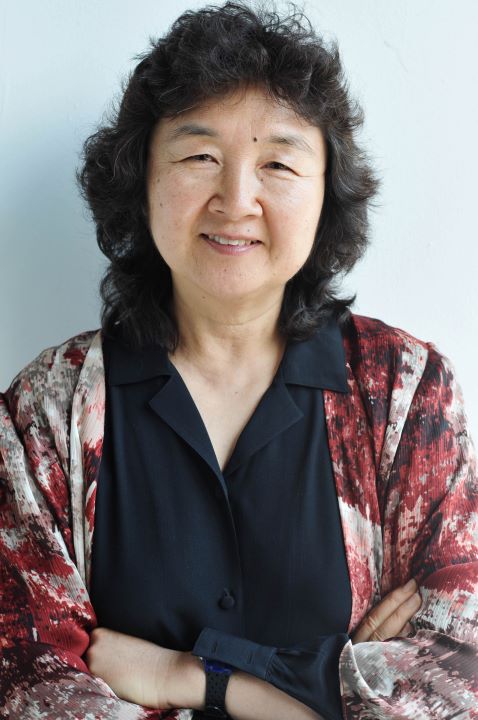 Mavis Tsai, Ph.D., is a clinical psychologist/research scientist and Associate Director of University of Washington’s Center for Science of Social Connection. She has gained a world-wide following as the co-creator of Functional Analytic Psychotherapy (FAP), a contextual behavioral and relational therapy that harnesses the power of the therapeutic relationship to transform clients’ lives. She is the co-author/editor of five text books on FAP (some of which have been translated into Portuguese, Spanish, Japanese and Italian) and over 60 articles and book chapters. She received Washington State Psychological Association’s 2014 Distinguished Psychologist Award in recognition of outstanding contributions to knowledge in clinical psychology. Her most recent and passionate work is in training volunteers in five continents to launch Live with Awareness, Courage and Love Meetups, which address the need for people to connect more authentically with themselves and with others, and to spread the
This talk was given at a TEDx event using the TED conference format but independently organized by a local community. Learn more at http://ted.com/tedx
Living Well When You Don’t Feel Well: Overcoming Lyme Disease and Illness | Joe Trunzo
Living Well When You Don’t Feel Well: Overcoming Lyme Disease and Illness | Joe TrunzoTrunzo highlights a different way of thinking and coping with diseases (and life), specifically Lyme.
Dr. Trunzo earned his undergraduate degree in 1993 from Marywood University in Scranton PA and completed his graduate work in 2000 at Drexel University in Philadelphia, PA. He completed his pre-doctoral internship at the University of Vermont and his post-doctoral fellowship at the Centers for Behavioral & Preventive Medicine at Brown University Medical School in Providence, RI.
He is a Professor of Psychology and Chair of the Department of Applied Psychology at Bryant University. He is also a licensed, practicing clinical psychologist with expertise in the psychological management of chronic medical illnesses such as cancer and Lyme disease, as well as the treatment of mood and anxiety disorders, especially obsessive compulsive disorder.
He serves on several professional committees and belongs to a number of professional organizations. In his spare time, he enjoys being with his family, live music, running, and mountain climbing. This talk was given at a TEDx event using the TED conference format but independently organized by a local community. Learn more at https://www.ted.com/tedx
Mental Brakes to Avoid Mental Breaks | Steven Hayes
Mental Brakes to Avoid Mental Breaks | Steven HayesHow can we best deal with difficult or negative thoughts? Dr. Steven Hayes discusses language, cognition, and the science behind putting on the mental brakes.
 Steven C. Hayes is Nevada Foundation Professor at the Department of Psychology at the University of Nevada. An author of 38 books and more than 540 scientific articles, he has shown in his research how language and thought leads to human suffering, and has developed “Acceptance and Commitment Therapy” a powerful therapy method that is useful in a wide variety of areas. His popular book “Get Out of Your Mind and Into Your Life” was featured in Time Magazine among several other major media outlets and for a time was the number one best selling self-help book in the United States. Dr. Hayes has been President of several scientific societies and has received several national awards, such as the Lifetime Achievement Award from the Association for Behavioral and Cognitive Therapy.
This talk was given at a TEDx event using the TED conference format but independently organized by a local community. Learn more at http://ted.com/tedx
Psychological flexibility: How love turns pain into purpose | Steven Hayes
Psychological flexibility: How love turns pain into purpose | Steven HayesWhat can we do to prosper when facing pain and suffering in our lives? More than a thousand studies suggest that a major part of the answer is learning psychological flexibility. Steven C. Hayes is one of the researchers who first identified that process and put it into action in the form of a popular acceptance and mindfulness method called Acceptance and Commitment Therapy. In this emotional talk, Hayes distills the essence of psychological flexibility down into a few easy to understand sentences. He takes viewers through a harrowing journey into his own panic disorder, to the very moment in his life when he made this life changing choice: I will not run from me. Hayes shows how making that choice allows us to connect with our own deep sense of meaning and purpose, arguing that taking a loving stance to your own pain allows you to bring love and contribution into the world.
Steven C. Hayes is Nevada Foundation Professor at the Department of Psychology at the University of Nevada. An author of 38 books and more than 540 scientific articles, he has shown in his research how language and thought leads to human suffering, and has developed “Acceptance and Commitment Therapy” a powerful therapy method that is useful in a wide variety of areas. His popular book “Get Out of Your Mind and Into Your Life” was featured in Time Magazine among several other major media outlets and for a time was the number one best selling self-help book in the United States. Dr. Hayes has been President of several scientific societies and has received several national awards, such as the Lifetime Achievement Award from the Association for Behavioral and Cognitive Therapy.
This talk was given at a TEDx event using the TED conference format but independently organized by a local community. Learn more at http://ted.com/tedx
The Power of Small | Aisling Leonard-Curtin
The Power of Small | Aisling Leonard-Curtin Aisling Leonard-Curtin, M.Sc., C.Psychol., Ps.S.I., is a chartered counselling psychologist who lives with her wife Trish in Dublin. She is co-director of Act Now Purposeful Living, has a private practice, and deliver acceptance/mindfulness workshops. She has over a decades experience in a wide range of settings including adult psychiatry, psycho-oncology, educational, health and community. Aisling’s hobbies include writing fiction, performing improve comedy and hanging out with her pets. Aisling Leonard-Curtin, M.Sc., C.Psychol., Ps.S.I., is a chartered counselling psychologist who lives with her wife Trish in Dublin. She is co-director of Act Now Purposeful Living, has a private practice, and deliver acceptance/mindfulness workshops. She has over a decades experience in a wide range of settings including adult psychiatry, psycho-oncology, educational, health and community. Aisling’s hobbies include writing fiction, performing improve comedy and hanging out with her pets. This talk was given at a TEDx event using the TED conference format but independently organized by a local community. Learn more at https://www.ted.com/tedx
The gift and power of emotional courage | Susan David
The gift and power of emotional courage | Susan DavidPsychologist Susan David shares how the way we deal with our emotions shapes everything that matters: our actions, careers, relationships, health and happiness. In this deeply moving, humorous and potentially life-changing talk, she challenges a culture that prizes positivity over emotional truth and discusses the powerful strategies of emotional agility. A talk to share.
 Susan David, Ph.D. is one of the world’s leading management thinkers and an award winning Harvard Medical School psychologist. Her new #1 Wall Street Journal bestselling book, Emotional Agility based on the concept Harvard Business Review heralded as a Management Idea of the Year and winner of the Thinkers50 Breakthrough Idea Award, describes the psychological skills critical to thriving in times of complexity and change. She is a frequent contributor to the Harvard Business Review, New York Times, Washington Post, Wall Street Journal, and guest on national radio and television. Named on the Thinkers50 global list of the top management thinkers, Susan is a sought-after keynote speaker and consultant, with clients that include the World Economic Forum, EY, United Nations, Google, Microsoft, NASDAQ, and many other national and multinational organizations. Her focus is on defining and executing effective strategy, especially in the areas of engagement, high-performance leadership, and culture change. Susan is the CEO of Evidence Based Psychology, on the faculty at Harvard Medical School, a Cofounder of the Institute of Coaching (a Harvard Medical School/McLean affiliate), and on the Scientific Advisory Boards of Thrive Global and Virgin Pulse. Susan is also core faculty of the global Homeward Bound, an all-women leadership program that culminates in an expedition to Antarctica and aims at increasing the influence and impact of women in the sciences.
The secret to self control | Jonathan Bricker
The secret to self control | Jonathan BrickerJonathan Bricker's work has uncovered a scientifically sound approach to behavior change that is twice as effective as most currently practiced methods. His new methods are driving new norms and new apps for how people quit smoking and decrease obesity, saving many people from an early death.
 Jonathan Bricker is an internationally recognized scientific leader in a bold approach called acceptance and commitment therapy. A Stanford researcher called his use of the approach “a breakthrough in behavioral research [that] has major public health implications for the major causes of preventable death.” Bricker and his team, having received $10 million in total federal research grants to study this topic, are rigorously testing this intervention on multiple platforms, including smartphone apps, websites, and telephone coaching. His SmartQuit app for quitting smoking was recently launched and is now in distribution worldwide.
This talk was given at a TEDx event using the TED conference format but independently organized by a local community. Learn more at http://ted.com/tedx
Why It's Hard Being Human | John Forsyth
Why It's Hard Being Human | John ForsythJohn devoted most of his adult life to writing, speaking, teaching, doing research, and training mental health professionals and the public in the use of Acceptance and Commitment Therapy (ACT) and practices that cultivate mindfulness, loving kindness, and self-compassion. He is also a Professor of Psychology and Director the Anxiety Disorders Research Program at the University at Albany, SUNY in Upstate New York. This is a job that he absolutely love. But he also wear many other hats. He’s a licensed clinical psychologist in New York, with expertise in the use and application of Acceptance and Commitment Therapy (ACT) for several forms of psychological and emotional suffering. He is also an active researcher, teacher, and consultant and serve as a senior editor of the ACT book series with New Harbinger Publications. His talk is a narration of why it is hard to be human in today's advanced world. John devoted most of his adult life to writing, speaking, teaching, doing research, and training mental health professionals and the public in the use of Acceptance and Commitment Therapy (ACT) and practices that cultivate mindfulness, loving kindness, and self-compassion. He has been at this for over 20 years, and have seen the enormous impact that ACT can have in the lives of many, including my life too.
He is a Professor of Psychology and Director the Anxiety Disorders Research Program at the University at Albany, SUNY in Upstate New York. This is a job that he absolutely love. But he also wear many other hats. He’s a licensed clinical psychologist in New York, with expertise in the use and application of Acceptance and Commitment Therapy (ACT) for several forms of psychological and emotional suffering. He is also an active researcher, teacher, and consultant and serve as a senior editor of the ACT book series with New Harbinger Publications. This talk was given at a TEDx event using the TED conference format but independently organized by a local community. Learn more at https://www.ted.com/tedx
Η αξία της ζωής | Maria Karekla
Η αξία της ζωής | Maria Karekla
Η Δρ. Μαρία Καρεκλά είναι κάτοχος διδακτορικού στην Κλινική Ψυχολογία, με ειδικότητα στις Αγχώδεις Διαταραχές και στην Ψυχολογία της Υγείας. Είναι Επίκουρη Καθηγήτρια στο Τμήμα Ψυχολογίας του Πανεπιστημίου Κύπρου και υπεύθυνη του εργαστηρίου ACThealthy: Εργαστήρι Κλινικής Ψυχολογίας και Συμπεριφορικής Ιατρικής, καθώς συντονίζει την επιτροπή του διδακτορικού προγράμματος στην κλινική ψυχολογία. Επίσης προεδρεύει της Επιτροπής Βιοηθικής Κύπρου για βιοϊατρικές μελέτες και είναι μέλος του Συμβουλίου Εγγραφής Ψυχολόγων.
Ανάμεσα στις ερευνητικές της δραστηριότητες συμπεριλαμβάνονται έργα στο θέμα της θαλασσαιμίας, του διαβήτη, των διατροφικών διαταραχών, του άσθματος, του καπνίσματος και των χρόνιων πόνων. Οι έρευνες της έχουν λάβει επιχορήγηση από Εθνικούς, Ευρωπαϊκούς και άλλους φορείς και έχουν βραβευτεί από οργανισμούς όπως η Ευρωπαϊκή επιτροπή και το Pompidou group, το Association for the Advancement of Behavior Therapy και το Society of Behavioral Medicine. Έχει στο βιογραφικό της πέραν των 50 δημοσιεύσεων σε επιστημονικά περιοδικά. Επίσης εκπροσωπεί το Πανεπιστήμιο Κύπρου και την Κύπρο σε διάφορες επιτροπές που άπτονται του επαγγέλματος της.
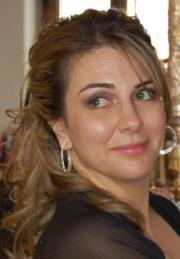 Dr. Maria Karekla holds a doctorate degree in Clinical Psychology from the University at Albany, SUNY with a specialisation in Anxiety Disorders and Health Psychology. Currently holds the position of Assistant Professor for Clinical Psychology at the University of Cyprus and she is responsible for the ACTHealthy lab: Laboratory of Clinical Psychology and Behavioral Medicine, while she is a key member in the development of the doctoral level clinical psychology program. She actively and systematically participates in psychological research projects that have received awards by (among others) the European council and Pompidou’s group, and the Association for the Advancement of Behavior Therapy. Her research focuses on areas of health promotion and the investigation of individual difference factors (especially experiential avoidance) as they relate to the development and maintenance of various forms of psychopathology (especially anxiety disorders and health related problems). She is a member of the clinical psychology and school psychology program development committees at the University of Cyprus. Maria is currently a member of the European Awarding Committee for the specialization of psychotherapy of EFPA and has served as a liaison of the Cyprus Psychologists Association to numerous subcommittees and task forces of EFPA. A number of her research projects have received local, EU and other funding. Dr. Karekla’s “ACTHealthy: Anxiety disorders and Health Psychology” research laboratory has cooperated with other institutions, business and bodies both in Cyprus and abroad on numerous project.
More CBS TEDxTalks
More CBS TEDxTalksFree ACT Articles, Podcasts, and Interviews
Free ACT Articles, Podcasts, and InterviewsThere are several articles that have appeared in magazines and popular news outlets, as well as interviews with ACT experts on the radio, the internet, and podcasts. Click on the following links to peruse these articles: ACT in Popular Media and also Podcasts.