ACBS
ACBS
Vision Statement:
ACBS is dedicated to the alleviation of human suffering and the advancement of human well-being through research and practice grounded in contextual behavioral science.
Mission Statement:
ACBS is an international community of scholars, researchers, educators, practitioners, and others whose mission is to:
- support a dynamic interaction between basic and applied research;
- disseminate contextual behavioral science;
- continue to develop principles, theories, and practical applications grounded in empirical knowledge and guided by the best available scientific evidence;
- support all members who wish to participate in this work.
Values Statement:
Throughout the ACBS community, we work in a collegial, open, generous, self-critical, non-discriminatory, and mutually supportive way.
Founded in 2005 (incorporated in 2006).
The Association welcomes professional, student, and affiliate members. Check out our current membership directory.
Benefits of ACBS Membership
Benefits of ACBS MembershipBenefits of Membership

Paid ACBS membership (professional, student, or affiliate) provides the following benefits:
- Full access to the website and premium content. Links to the following resources are viewable only when logged into your current, paid ACBS member account:
- Access to the ACT & RFT listservs (for professional members and student members only).
- Access to the Journal of Contextual Behavioral Science (JCBS), for practitioners and researchers.
- Your profile listed in the ACT Therapist Directory on our site, if you so choose (professional members only).
- Contributing privileges to add content to the site (publications, blogs, comments, book pages, training events, etc.).
- Voting privileges in ACBS elections.
- Eligibility to join to any of our Chapters and Special Interest Groups -- or start your own!
- Networking with other professionals around the world via our extremely active Listservs.
- Discounted ACBS World Conference registration.
- Supporting an organization that supports you!
Click for detailed instructions to become an ACBS member.
or just go directly here to JOIN!
ACBS Membership Scholarship
ACBS Membership ScholarshipACBS Membership Scholarship Policy
ACBS is committed to outreach to scholars, practitioners, researchers and other professionals who have a strong interest in ACT, RFT and Contextual Behavioral Science and who have difficulty affording full membership in the organization. For those who are interested in a membership scholarship, we ask that you read the policy carefully, and complete the following scholarship application.
Scholarship Application - APPLY HERE
I. Purpose
Outreach to scholars, practitioners, researchers and other professionals worldwide with a strong interest in ACT, RFT and Contextual Behavioral Science is among ACBS’s highest priorities. To further that goal, scholarships for membership are available on a yearly basis for those who cannot afford the full membership dues.
II. Scope
Membership scholarships are provided to self-nominated individuals in the field of ACT, RFT and Contextual Behavioral Science on a case-by-case basis. Membership scholarships are designed to support the financial obligations of ACBS membership for scholars, researchers, educators, practitioners, and other professionals who support the mission of ACBS.
III. Award
Scholarship recipients receive complimentary membership to ACBS for one full calendar year.
IV. Eligibility
Scholarships are available to any scholars, practitioners, researchers and other professionals who have a strong interest in ACT, RFT and Contextual Behavioral Science. Applicants must declare an inability to pay ACBS membership dues. Prior ACBS membership does not impact eligibility.
A. Applicants must reside in one of the low and lower-middle income economies as defined by World Bank Country and Lending Groups calculated using the World Bank Atlas method. A list of eligible countries is included below.
B. Applicants who are awarded membership scholarships are expected to actively contribute to ACBS and its endeavors by way of the following: submission of an abstract to the ACBS World Conference, active participation in an ACBS Chapter/SIG or Committee, conducting research on ACT, RFT and Contextual Behavioral Science, contribution to the journal, contribution to the web page or other activities that benefit ACBS and its mission.
V. Application Process
A. Applicants must complete the application form and submit it, using the form found on the website here. Applications can be submitted any time of the year. Applications received will be reviewed twice each year (in early October and early April) and acceptance emails, will be sent out soon after the reviews are completed.
B. Applicants must re-apply annually and can renew for two more years (three years total). An email with a link to the scholarship renewal application form will be sent to scholarship recipients one month prior to their membership renewal date. Applicants must complete this application form to renew their membership.
C. Applicants must declare that they cannot afford to pay membership dues.
D. Applicants must also be able to communicate via email.
VI. Selection Process
A. Currently, ACBS accepts 50 new membership applications each year (25 memberships will be awarded both in October and in April). Prior ACBS membership does not impact eligibility.
• ACBS staff will process new scholarship applications up to 50 memberships (25 in October and 25 in April). Memberships will be awarded using random selection if more than 25 scholarship applications are received (for either review/selection period).
B. Recipients will be notified of the decisions via email, by ACBS staff.
Eligible Country List
This eligible country list includes low and lower-middle income economies as defined by World Bank Country and Lending Groups calculated using the World Bank Atlas method. For a more detailed explanation by the World Bank please see their country income table.
Afghanistan
Angola
Bangladesh
Benin
Bhutan
Bolivia
Burkina Faso
Burundi
Cabo Verde
Cambodia
Cameroon
Central African Republic
Chad
Comoros
Congo, Dem. Rep.
Congo, Rep.
Côte d'Ivoire/Ivory Coast
Djibouti
Egypt, Arab Rep.
El Salvador
Eritrea
Eswatini
Ethiopia
Gambia
Ghana
Guinea Guinea-Bissau
Haiti
Honduras
India
Indonesia
Iran
Kenya
Kiribati
Korea, Dem. Rep (North)
Kyrgyz Republic
Lao PDR
Lesotho
Liberia
Madagascar
Malawi
Mali
Mauritania
Micronesia, Fed. Sts.
Moldova
Mongolia
Morocco
Mozambique
Myanmar
Nepal
Nicaragua
Niger
Nigeria Pakistan
Papua New Guinea
Philippines
Rwanda
São Tomé and Principe
Senegal
Sierra Leone
Solomon Islands
Somalia
South Sudan
Sudan
Syrian Arab Republic
Tajikistan
Tanzania
Timor-Leste
Togo
Tunisia
Uganda
Ukraine
Uzbekistan
Vanuatu
Vietnam
West Bank and Gaza
Yemen, Rep.
Zambia
Zimbabwe
Getting Started
Getting Started croppedmore_0_1.jpg)
New to ACBS? Welcome aboard!
This page will give you some suggestions for using this website and the wonderful world of contextual behavioral science more generally.
What is ACBS?
Founded in 2005, the Association for Contextual Behavioral Science (ACBS) is a professional society dedicated to the advancement of functional contextual cognitive and behavioral science and practice, with the goals of alleviating human suffering and advancing human well-being. For more information about ACBS, click here.
Here is an introduction to contextual behavioral science, the philosophy that underlies our approach to psychological science and practice.
We recognize that you may have many interests you share in common with other ACBS members. We've found that if you join email listservs and special interests groups that reflect your passions, you are about five times more likely to remain an ACBS member! That makes perfect sense, doesn't it? We are social beings, after all. So, before you do anything else, please consider joining the main ACT for Professionals email listserv. Receive the listserv posts for a while to see how it works, and then ask your questions on the listserv. They will be answered! Then decide...
Are you interested in the basic psychological science underlying contextual behavioral science?
In that case you might want to read about Relational Frame Theory (RFT), and you should consider joining the RFT email listserv.
If you want to further your learning, we have compiled several RFT resources for novice and expert alike.
Are you interested in the application of that science to important domains such as psychotherapy and other forms of psychosocial intervention?
In that case you might want to start reading up on Acceptance and Commitment Therapy (ACT).
You can find further resources for learning about ACT.
Try accessing our resources for practitioners.
You should consider joining the ACT for Professionals email listserv.
If you find yourself particularly drawn to ACT and wish to share your excitement with others, maybe you would like to start training?
Do you want to review the research done on ACT, RFT, and CBS?
A good way to do that is to peruse the official journal of ACBS, the Journal of Contextual Behavioral Science. ACBS members can read all JCBS articles for free.
Additionally, you can search our repository of publications and research resources.
Finally, perhaps most valuable of all, take advantage of the networking ACBS offers!
Remember: you are a social being! Whatever you’re interested in or wherever you live, don't stop until you find others inside ACBS who live nearby or are interested in the same thing. ACBS is home to more than 60 Chapters and Affiliates around the world. We have specific Special Interest Groups that help connect people with similar passions, from climate change to diversity, equity, and inclusion; from evolutionary science to spirituality; from autism to pain management. Check out the calendar of Chapter, Affiliate, and SIG events. ACBS members are cooperating to make a difference.
The ACBS community wants to hear your voice.
Hopefully this introductory guide has been helpful. If you’d like any further information on any of the above then please feel free to contact us.
Member use of ACBS logo
Member use of ACBS logo Members may use the ACBS logo on their personal websites to show that they are a member of the Association for Contextual Behavioral Science. They may only do this while they have a valid membership with ACBS.
HOWEVER, ACBS does not permit it to be used to imply an endorsement. It must be very clear that its presence only indicates membership.
In English it could say "Member of the following associations:" or something similar and be among a list of other professional associations to which you belong.
Members may not say that they are endorsed by, or an affiliate of ACBS. This may also not be implied in any way (for example, by simply adding the logo with no explanatory text).
ACBS Chapters and SIGs have different permissions related to their use of the ACBS logo.
ACBS retains all ownership and copyright of the logo, in its original and derivitive forms. Members may not edit the ACBS logo in any way without written permission from ACBS. ACBS retains the right to revoke the logo's use by any member, for any reason, without cause. Members, Chapters, and SIGs do not have the authority to grant rights for the use of the logo or other ACBS intellectual property (including, but not limited to, content on this website, membership lists, etc.) to a 3rd party or other affiliate.
ACBS Committees
ACBS CommitteesBelow are brief descriptions of the areas & functions of ACBS Volunteer Committees. Some are more established than others, but your interest in serving is always welcome!
To indicate your interest, please go here: https://contextualscience.org/volunteer
Click on an option below to read more about each committee:
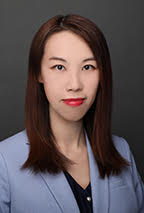
Awards Committee
Chair: Connie Chong
The committee shall develop and administer a cohesive awards and recognition program and nominate candidates for appropriate awards and recognition to the Board of Directors.
CE Committee
Chair: Katy Rothfelder
This committee shall be responsible for staying abreast of industry guidelines on Continuing Education and evaluating ACBS and co-sponsor training events for suitability and approval.
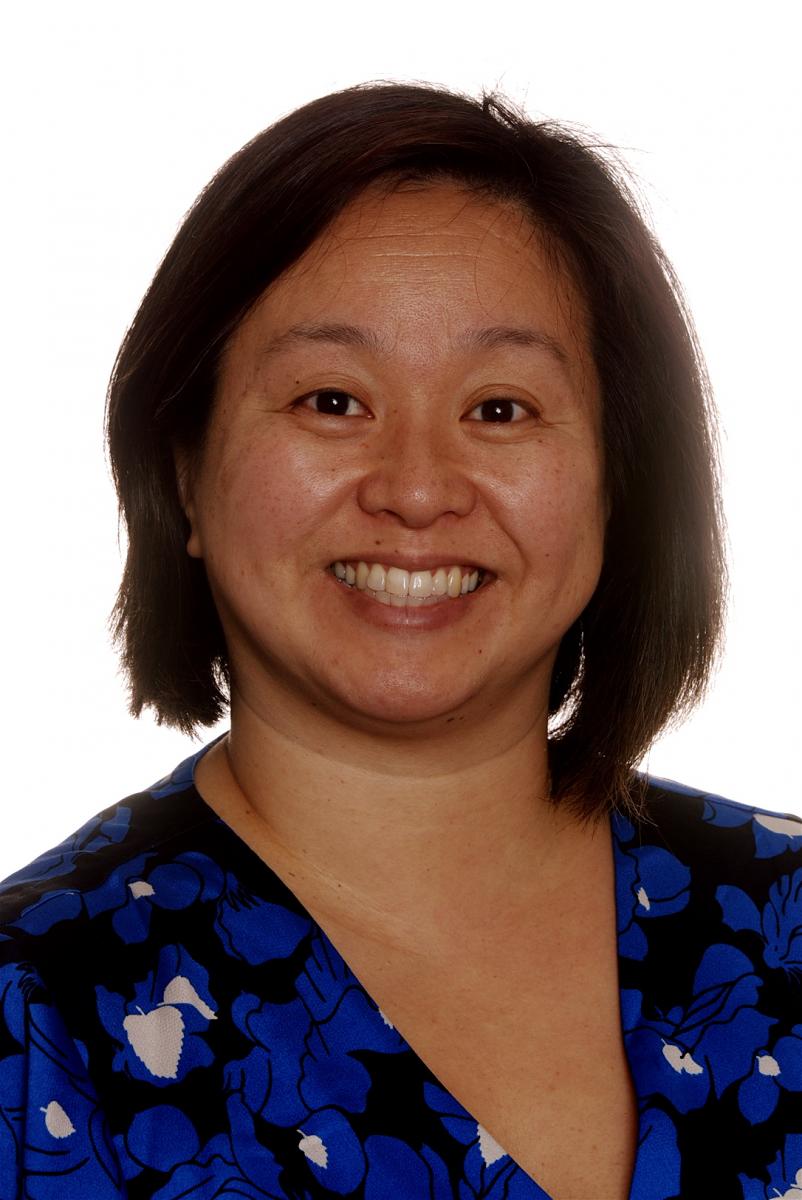 Chapter and SIG Committee
Chair: Mai Manchanda
This committee shall be responsible for advising and supporting chapters and special interest groups (SIGs). The committee facilitates the creation and continuation of chapters and SIGs, coordinates and provides liaisons between chapters/SIGs/committees and the board, promotes collaborations among chapters & SIGs, facilitates the yearly chapter/SIG meeting, keeps relevant resources current and available, helps maintain harmonious function between & within chapters/SIGS and provides mentors for new chapters & SIGS.
The committee will promote and encourage the values of the main association to ensure the activities of the chapters and SIG to be compatible with the overarching goals and philosophy of ACBS. The committee shall be responsible for reviewing annual reports submitted by the chapters and SIGs, and promoting connections with ACBS international.
Communications Committee.jpg)
Chair: Katy Rothfelder
This committee is responsible for coordinating and facilitating the communications media of ACBS. These media include, but are not limited to, websites, newsletters, listservs, and social media. This committee will also oversee marketing efforts through communications channels designed to increase awareness of and membership in ACBS. This committee will develop and maintain a strategic plan to maximize synergy and impact of these communications methods. This committee is composed of several subcommittees: Social Media Subcommittee, Website Research Dissemination Subcommittee, Wikipedia Subcommittee, and Video Transcription and Translation Subcommittee. For more information about the Communications Committee, please click here.
Conference Strategy Committee
This committee in consultation with the Executive Director shall make decisions regarding broad policies related to ACBS’s Annual Conference. They shall recommend future conference locations, evaluate venue proposals, and choose future conference sites, with final approval reserved by the ACBS Board. They are tasked with thematic determinations, plenary speaker approval, conference structure determination (timing, length, etc.), and other related decisions. They shall invite pre-conference workshops, or create an ad hoc to complete the task. They will act as a resource for conference program chairs, as needed.
.jpeg)
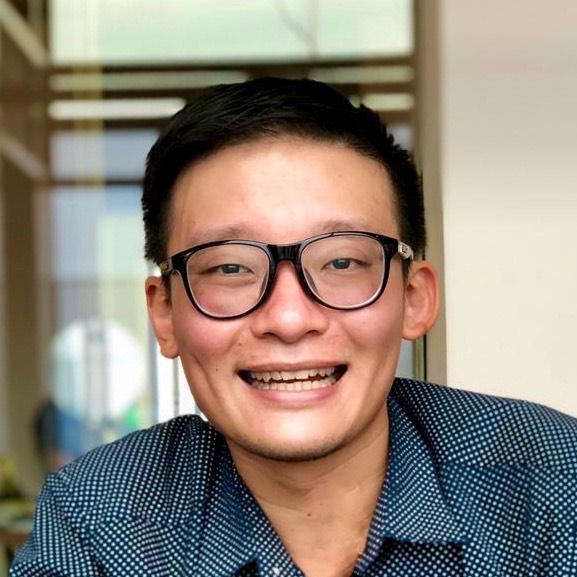
Developing Nations Committee
Co-Chairs: Eugene Koh and Wendy Shoesmith
The purpose of the committee is to evaluate and support the dissemination of CBS in developing nations (DN). This will include 1) developing strategies to raise money, 2) addressing needs of DN in research and applied training, 3) promoting distance training, 4) distributing funding, and 5) facilitating links between trainers and DN.
Diversity, Equity, and Inclusion Committee
Chair: Lucia Loureiro
This committee shall develop strategies to promote diversity within the association, as well as to disseminate Contextual Behavioral Science to diverse populations. This committee is charged with considering diversity at all levels of ACBS. For example, this committee shall serve to support diversity with regard to both basic and applied science, as well as to promote conventional demographic diversity. For more information about the DEI Committee, please click here.
Grants Committee
Co-Chairs: Kristy Dalrymple and Jason Lillis
The Association of Contextual Behavioral Science (ACBS) Research Development Grants provide financial support for research that advances the field of Contextual Behavioral Science (CBS). The purpose of these Research Development Grants is to provide financial support for high quality, innovative original research projects.
 Membership Committee
Co-Chairs: Wyatt Evans and Danielle Moyer
Incoming Co-Chairs: Jeridith Lord & Ashlyne Mullen
This committee shall be responsible for recruiting new professional, student, and affiliate members, retaining current members, and facilitating transition from student to professional membership. The committee is charged with establishing and sustaining long-term membership options, evaluating the needs of members and their satisfaction, and liaising with Diversity and Chapter & SIGs committees.
Past Presidents Committee
This committee shall serve as an advisory committee to the ACBS Board based on need or request. The former presidents of ACBS may contribute their experience and knowledge for the institutional memory and betterment of the Association. The Past Presidents Committee shall nominate candidates for appropriate awards and recognition to the Board of Directors. The Board of directors will approve the nomination for the award(s) or recognition by 2/3 vote.
Program Committee
2024 Co-Chairs: Mônica Valentim and Jeanette Villanueva
This committee is responsible for formulating and preparing the program for the annual convention (excluding plenaries and pre-conference workshops), working in close coordination with the Conference Strategic Planning Committee, Committees on Continuing Education, Executive Director or any other committees as necessary. It shall liaise with the Chapters & SIGs Committee for program building. President-Elect nominates the chair of the committee for the year of his/her presidency.
Publications Committee
Chair: Rhonda Merwin
The purpose of this committee is to assist in the success of the Journal of Contextual Behavioral Science, and future association journals or magazines (as distinct from the on-line newsletter or website, which is a form of membership communication). Among other issues, the committee deals with issues of promotion, impact, quality, coverage, efficiency, organization, readership, cost, publisher relations, membership relations, and the selection of editors.
 Scientific Strategic Council (SSC)
Chair: Joanna Arch
The Scientific Strategic Council will play a pivotal role in advancing the strategic aims of the association and promoting scientific excellence in the field of Contextual Behavioural Science.
Training Committee
Chair: Lou Lasprugato
This committee shall support the development, evaluation, and availability of high-quality CBS training (e.g. ACT, applied RFT), and do so in a manner consistent with statements of the ACBS community’s values as described in the Trainers’ Agreement. Here, “high quality” means training that creates conditions that establish higher levels of psychological flexibility through empirically supported processes, and that increases the trainees’ ability to apply CBS. Toward that mission, one standing duty of this committee is to oversee and coordinate the peer-review process for being listed as a recognized ACT trainer on the ACBS website.
Awards Committee
Awards CommitteeThe ACBS Awards Committee was formed in 2016 and is committed to the growth of ACBS values by recognizing the important works of those who have excelled in various aspects in the field of contextual behaviorism. The ACBS Awards Committee has grown to include the following duties:
- Review the applications and select the recipient of the Michael J. Asher Dissertation Award.
- Assist in selecting the Junior Investigator Poster Awards from the poster presentations at the annual ACBS World Conference.
- Review the application and select the receipient of the ACBS Diversity Award.
The Awards Committee is planning to increase the number of awards available in the future.
We are always looking for new volunteers who want to serve on the Awards Committee, we are particularly interested in increasing our members from non-US countries.
Committee members are currently asked for a very small-time commitment - assisting with the awards selection will involve 2-3 hours of your time in February OR in the month before the World Conference. Please indicate your interest here!
The 2023/2024 ACBS Awards Committee
Connie Chong - Chair (Hong Kong) Co-Chair
Anne Donnelly (USA)
Lauren Lawson (Australia)
Yim Wah Mak (Hong Kong)
Staci Martin (USA)
Michael Swadling (Australia)
A full list of ACBS Awards can be found here.
(This page was updated on 08/02/2023)
Chapter & SIG Committee Information
Chapter & SIG Committee InformationThe primary function of this committee is to advise and support existing ACBS chapters, affiliates, and SIGs, as well as to maintain & promote the development and organization of new chapters, affiliates, & SIGs.
A major tool for accomplishing this is the chapter & SIG annual report, an important method of annual communication for existing chapters. Beyond the annual report however, we strongly encourage all ACBS members to consider contacting us with needs, requests, concerns or ideas regarding chapter's & SIG's at any time throughout the year. We can help with: general guidance regarding holding an event/training, increasing membership, reviving struggling chapters/SIG’s or starting new ones, information about or facilitation of elections, conflict resolution within or between chapters/SIG's and the promotion & coordination of synthetic efforts among chapters/SIG’s. For more information, be sure to check out the Chapter, SIG, Affiliate Leader Resources.
We are always looking for new volunteers who want to serve on the Chapter & SIG Committee, we are particularly interested in increasing our members from non-US countries.
The committee has an average of 3-4 meetings per year (meetings are typically 1 hour in duration). Volunteer hours vary depending on projects/tasks with an average of 1-2 hours per month. Please indicate your interest here!
Feel free to contact any of our commitee members!
2023/2024 Chapter & SIG Committee
Committee Chair - Mai Manchanda, U.S.
Members at Large
Jill Holtz, U.S.
Silvia Nicolescu, Romania
Daniel Simsion, Australia
Holly Yates, U.S.
(This page was updated on 10/03/2023)
Chapter & SIG Committee Summit Series
Chapter & SIG Committee Summit SeriesUsing Prosocial to Engage Chapters - held 30 October. You will find the recording here.
Communications Committee Information
Communications Committee InformationCommunications Committee Chair (2023-2024): Katy Rothfelder
This committee is responsible for coordinating and facilitating the communications media of ACBS. These media include, but are not limited to websites, newsletters, listservs, and social media. This committee will also oversee marketing efforts through communications channels designed to increase awareness of and membership in ACBS. This committee will develop and maintain a strategic plan to maximize synergy and impact of these communications methods.
- Social Media Subcommittee - This subcommittee is responsible for working alongside the ACBS for internal and external communications via social media vehicles. This includes developing content for current and future listservs, social networking functions (e.g., Facebook, twitter), and blogs.
- Website Subcommittee - This subcommittee is responsible for developing content for and managing the ACBS website.
We are always looking for new volunteers who want to serve on the Communications Committee. Specific skill set are really flexible and they can be directly decided between volunteers and the committee - general time committment is 1-2 hours each month. Please indicate your interest here!
(This webpage was updated on 4/15/24)
Conference Strategy Committee
Conference Strategy CommitteeThis committee in consultation with the Executive Director shall make decisions regarding broad policies related to ACBS’s Annual Conference. They shall recommend future conference locations, evaluate venue proposals, and choose future conference sites, with final approval reserved by the ACBS Board. They are tasked with thematic determinations, plenary speaker approval, conference structure determination (timing, length, etc.), and other related decisions. They shall invite pre-conference workshops, or create an ad hoc to complete the task. They will act as a resource for conference program chairs, as needed.
In the past, the Conference Strategy Committee has been responsible for:
• Organizing the annual world conference by selecting plenary speakers, pre-conference workshops and working on non-program items (social events, etc.)
• Ensuring diversity in selected speakers and workshops
• Reviewing conference evaluation information to improve the conference.
2023/2024 Conference Strategy Committee Members
Sonja Batten
Diana Garcia
Andrew Gloster
Jennifer Gregg
Dawn Johnson
Maria Karekla
Louise McHugh
Rhonda Merwin
Miranda Morris
Manuela O'Connell
Giovambattista Presti
Laura Silberstein-Tirch
Dennis Tirch
Shawn Costello-Whooley
(This page was updated on 10/04/2023)
World Conference Venue Selection Policy
World Conference Venue Selection PolicyHow does ACBS decide where to hold the annual World Conference?
There are many factors that go into the ACBS World Conference site location decision. It is important to note that these factors are assessed at the time site decisions are made and may change in the period between contracting and the actual conference. Although we consider all of these factors, we can never balance all of them perfectly in every year. Here are some of the most critical considerations:
- Geographic rotation. Where possible, the ACBS Board is committed to a regular rotation among the major hubs of international ACBS members.
- Availability of adequate space. The location needs to be large enough and with sufficient infrastructure to accommodate up to 1,000 people who need meeting space, local transportation, meals, sleeping rooms, and other services for nearly a week—and with the goal of hosting most activities and services within walking distance of the conference.
- Track record on public policies that reflect ACBS core values. However, policy landscapes often change quickly, and unfortunately, sometimes a location’s public policies become misaligned with ACBS values after signing.
- Affordability for registrants. Potential cities must include favorable rates for conference center space and services. These rates determine the total cost for registrants to attend the meeting, and ACBS negotiates aggressively to keep the cost as affordable as possible. Sometimes using university space enables costs to be kept lower.
- Air transportation routes from high volume domestic and international markets. Airline service routes and historical performance are reviewed as part of the decision to ensure that there are sufficient numbers of flights without undue numbers of connections required to travel. Bus and train access is also preferred.
ACBS conducts extensive research and in-person visits to help determine the best conference locations and while personal opinions are subjective, the final selection decision is made after very careful consideration with the Conference Strategy Committee and members of the ACBS Board of Directors.
To secure the space and services ACBS needs to produce a conference, we must sign contracts several years in advance. Significant and unavoidable cancellation fees are part of these contracts, which can make changes or cancellations impractical or impossible.
The current selection criteria are considered:
1) Conference venue space available and pricing (including technology, catering, meeting space, etc.)
2) Accommodations/hotel options quality and pricing
3) Accessibility and comfort via air/ground transportation across our diverse demographic and geographic membership
4) Location interest/attractiveness for our membership
5) Local support (volunteers, potential local attendee pool, etc.).
6) Rotating to serve different parts of the world and time zones
Values Statement:
Throughout the ACBS community, we work in a collegial, open, generous, self-critical, non-discriminatory, and mutually supportive way. We have yet to find a venue that 100% perfectly matches our values, however we do our best to balance them by considering these below:
- Collegial - we invite member suggestions of places to host the WC
- Open - we are creating this document to provide as much transparency as possible in our decision making processes and encourage you to reach out to the Conference Strategy Committee (CSC) with questions
- Generous - we are aware of affordability concerns and ensuring we make the conference available to as many as possible by keeping costs low and providing as much as we can (social events, etc.) to provide maximum value
- Self-critical - we are willing (and do) take feedback, discuss that feedback and act on it in as many ways as we are able to
- Non-discriminatory - we consider the openness and accessibility of potential conference host locations and do our best to provide for people's needs (food preferences, financial costs, gender-neutral toilets, consideration of freedom of individuals in countries, etc.)
- Supportive - we are welcoming and respectful of different views and actively seek these out, whilst also moving forwards with the difficult tasks of organising large events
Approved by the CSC on October 26, 2023
Developing Nations Committee
Developing Nations CommitteeThe ACBS Developing Nations Committee links ACBS members from the developing nations to the bigger ACBS Community. The committee also wants to take ACT to developing nations where it hasn’t been introduced yet. The ACBS Developing Nations Committee has grown to include the following duties:
• Support ACBS members in developing nations, including training, clinical supervision, and research supervision,
• Support Chapters and Affiliates located in developing nations,
• Review the applications and select the recipients of the Developing Nations Committee Scholarship,
• Fundraising for the Developing Nations Training Fund.
We are always looking for new volunteers who want to serve on the Developing Nations Committee! We meet 11 times a year and ask that volunteers offer 2 hours a week of their time. This may wax and wane. The committee takes a perspective of utilizing Working Party approach where a committee member takes accountability and coordinates with volunteers not on the committee for a goal oriented, time limited project. Please indicate your interest here!
The 2023/2024 ACBS Developing Nations Committee
Eugene Koh, Co-Chair (Malaysia)
Wendy Shoesmith, Co-Chair (Malaysia)
Amrina Bhullar (India)
Paulo Bozza (Brazil)
Carolina Fernandez Diaz (Argentina)
Vanessa del Aguila (Peru)
Daniel Granados (Mexico)
Lydia Maingi (Kenya)
Margot Osorio (Peru)
Merve Terzioglu (Türkiye)
(This page was updated on 02/29/2024)
Developing Nations Training Fund
Developing Nations Training FundWe need your support!
ACBS is an international society but in many corners of the world it is difficult for professionals to attend ACBS conferences and trainings due simply to cost. The Developing Nations Fund helps disseminate CBS in the developing world and provides scholarships for attendees and presenters from developing nations to attend the world conference. We know that our members from diverse backgrounds contribute depth and richness to the organization and this program will lead to a better ACBS for all of us.
Often a very small amount of help can make a huge difference in their home country -- professionals often play a very important role in public policy and determining what kinds of services are available.
Every dollar/euro/yen goes to helping those in need -- not a nickel goes to administration. Since its inception 30+ professionals in developing countries around the world have come to the the ACBS World Conference, and several trainings have been held in developing countries.
Money collected for this fund is distributed by an ACBS Developing Nations Fund committee. Scholarships are awarded based on need and merit. Click here to see previous scholarship recipients.
Won't you help? You may donate via Paypal by using the button below.
Please note that this contribution does not qualify as a tax-deductible charitable contribution, according to USA tax law ... but it's a nice thing to do.
ACBS LMIC International Conference 2023
ACBS LMIC International Conference 2023ACBS LMIC International Conference 2023
17 November 2023
Virtual Conference
Please go here to see your timezone in comparison to the live conference time zone.
The ACBS Developing Nations Committee (DNC) and various Chapters and stakeholders proudly present the inaugural ACBS LMIC International Conference (ALIC). This event aims to collectively unite professionals, researchers, and practitioners from low-middle-income countries (LMICs) to enhance psychological well-being and promote evidence-based interventions. This conference provides a unique platform for exchanging ideas, collaborating, and exploring innovative approaches to behaviour change in LMICs settings. The conference aims to bring together contextual science practitioners, researchers and leaders from LMICs to strengthen the practice of contextual sciences internationally.
The organisers
The organisers of this conference consist of members of the DNC and members from various chapters and affiliates within developing countries.
The purpose
Two common feedbacks often pop up during discussions with practitioners from developing nations: the difficulties in accessing international resources due to limitations of logistics and costs and the differences in time zones often unfavourable to developing nations. This virtual conference is organised with those two pieces of feedback in mind. The conference is intentionally priced at an affordable low cost for participation. The novel experimental format of 24 hours is also chosen to allow every participant from different time zones to be involved with the live conference. Recordings of the events will also be provided to participants after the conference.
The funding
Everyone involved in the organising of the conference does so voluntarily. No honorarium is provided. All collected funds will be channelled to DNC training funds and various chapters within developing nations to support future activities within developing nations.
The networking
Aside from the opportunity to learn and interact with esteemed speakers, there will also be scientific and networking activities within the conference. The scientific activities aim to provide a low-barrier platform for researchers to share their work on an international level. As for networking opportunities, this is a chance for participants to connect with other like-minded partitioners worldwide to share experiences and skills and build friendships.
Conference Booklet/Schedule
The presentations
- Panel: Mujeres Apoyando Mujeres:Explorando los Desafios Actuales con Flexibilidad y Compasión (Panel: Women Supporting Women: Exploring Today's Challenges with Flexibility and Compassion) - Peru Chapter Board (Vanessa del Aguila, Margot Osorio, Paola Saavedra, Guilia Mendoza)
- El terapeuta ACT en el dolor crónico - Maria Jose Lami
- All Appetitive All the Time: Convolving Breadth and Flexibility of Functional Relations - Emily Sandoz
- Shaping Bravery in an Age of Anxiety: Empowering Flexible Youth to Shape Our Future - Lisa Coyne
- Afrontando el Desafio : Cuando un Paciente no te Cae Bien" - Victor Fabris
- Bibliometric Analysis as a Mapping Tool for the Contextual Behaviour Science Research Landscape - Walton Wider
- Un sueño Colectivo Construyendo una Comunidad Basada en Valores (A Collective Dream Building a Community Based on Values) - Mexico chapter
- Incorporando la Ciencia Contextual Conductual en la Curricula Escolar (Incorporating Contextual Behavioral Science into the School Curriculum) - Jorge Everardo Aguilar
- IBCT: an ACT Consistent Couples Approach - Nathaniel Chua
- ACT for Severe Mental Disorders: Theoretical Background and Clinical Experience - Turkiye Chapter (Sevinç Ulusoy, Denizhan Ramakan, Merve Terzioğlu, Şengül İlkay)
- Application of ACT on Chinese Skeleton Team to Prepare Winter Olympic Games - Shousen Xu
- Self-Narrative Style and Case Conceptualisation - Yan Zong
- ACT for Perinatal Health: A Two-Country Development and Cultural Adaptation Model - Cerith Waters, Nurfarahin Musa, Nicholas Pang
- Is it possible to have low cost and high scale interventions for the most marginalised? - Claudette Foley, Farahnaz Mohibi, Omid Standard, Michaele Saban-Bernaur, and Dafne Morroni.
- Process Based Therapy & ACT (tentative topic) - Steven Hayes
- ACT Group Therapy Experience for middle eastern LAMIC country - Fady Safwat
- Training non-specialist healthcare staff in ACT based approaches in low resource setting: The Ultra Brief Psychological Intervention Course - Wendy Shoesmith
- Relational Frame Theory and The Self in Therapy - Louise McHugh
- Relational Approach to ACT - Huoyuan Luo
The workshops
- Using Functional Contextualism in Your Therapy Sessions Miranda Morris & Paulo Bozza
- Evocar en contexto. Potenciando las intervenciones de las terapias contextuales mediante el establecimiento de un espacio evocativo. German Teti
- ACT in society Michaele Terena Saban-Bernauer/Helen Maia
- El uso de la Psicoterapia Analítico Funcional con Víctima de Violencia con la Pareja: Una propuesta Amanda Muñoz
- Interlocking Behavioral Contigencies: utilizing basic CBS principles to empower your effectiveness in the context of the therapeutic relationship Raul Vaz Manzione
- El Hexaflex desde el Análisis de la Conducta Clínica. Una introducción. Daniel Granados
- Presentación 1"Reflexiones sobre la relación terapéutica desde una mirada contextual" (formado en TCC y en ACT) Bolivia Affiliate
- Presentación 2 “La rumia como primera respuesta en patrones inflexibles establecidos” (Maestría en Terapias Contextuales) Bolivia Affiliate
- Presentacion 3 “Desarrollo de la comunidad de terapeutas contextuales en Bolivia” (MSc Sports and Exercise Psychology, entrenado en TCC y ACT) Bolivia Affiliate
- Estrategias para tratar el Trauma por Abuso Sexual Carolina Fernández
- ACT en Adicciones (ACT in Adictions) Ivan Lizarraga
- Promoviendo la Conexión y Flexibilidad en el Terapeuta (Promoting Connection and Flexibility in the Therapist) Grupo Portland de Perú Chapter
- Finding Meaning in Pain: The Role of Values in Therapy Farah Gulamoydeen
- "The Ecological Self: Embodying 'Self as Context' to Effectively Address the Multiple Global Crises of the Unraveling Socio-Economic World Order." ("El yo ecológico: encarnar el 'yo como contexto' para abordar eficazmente las múltiples crisis globales del orden mundial socioeconómico que se deshace".) Margot Osorio & Martin Willis
Registration Fee based on country of residence
Tier 1 $50 USD
Tier 2 $25 USD
Tier 3 $10 USD
Please Note - Conference registration closed on 10th November 2023, 00:01a.m. (GMT8+)
Diversity, Equity, and Inclusion Committee
Diversity, Equity, and Inclusion CommitteeThe ACBS Diversity, Equity, and Inclusion Committee is dedicated to creating a more inclusive community that is sensitive to diverse personal and professional backgrounds and their perspectives, experiences, and insights. The Committee endorses a broad definition of diversity including but not limited to professional discipline and setting, age and generational influences, gender and sexual orientation, ethnicity, national origin and indigenous heritage, religion and spiritual orientation, and disability. We seek to provide programs and resources that enhance inclusion, building and supporting relationships across levels of ACBS (membership and leadership) and beyond.
The Diversity, Equity, and Inclusion Committee welcomes & encourages suggestions and feedback from all members. Please feel free to contact us through the website. If you would like to suggest a project that might benefit the community, please download the diversity project form from the website, fill it in and send it to us at your convenience. We will respond as soon as we can.
We´re accepting values-based donations for training, scholarships, and diversity initiatives. Please DONATE NOW, follow this link: https://contextualscience.org/diversity_committee_fund
We are always looking for new volunteers who want to serve on the Diversity, Equity and Inclusion Committee! The DEI Committee meets monthly for an hour. Please indicate your interest here!
2023/2024 ACBS Diversity, Equity, and Inclusion Committee Members:
Lucia Loureiro - Chair (Argentina)
Alison DeLizza, Ph.D. (U.S.)
Paulo Gomes (Brazil)
Daniel C. Rosen, Ph.D (U.S.)
(This page was updated on 10/09/2023)
DEI Trainer/Researcher/Guest Directory
DEI Trainer/Researcher/Guest DirectoryWelcome! Find a trainer, research partner, co-presenter, or interview guest here
The Diversity, Equity, and Inclusion Committee of the ACBS has created this page where ACBS member practitioners, trainers, researchers, etc., can self-identify as available for providing workshops, trainings, consultations, podcast interviews, collaborations, networking, etc.
This space is designed to highlight underrepresented and diverse members of the ACBS community. This directory is welcoming and inclusive.
If you would like to appear on this page fill out this form.
Minimum requirements to appear on this page are ACBS membership and self-nomination.
Legal Disclaimer: ACBS makes no express or implied warranty as to any matter including, without limitation, the fitness of any particular practitioner, trainer, consultant, or researcher, and the merchantability or fitness for any particular purpose. We are not responsible for any reliance on any indicator of certification, special credentials, expertise, or other specialized knowledge.
El comité de Diversidad Inclusión y Equidad de la ACBS ha creado está página donde los miembros entrenadores, practicantes investigadores,etc. puedan autoidentificarse con disponibilidad para brindar talleres, entrenamientos, consultorías, colaboraciones, entrevistas podcast, networking, etc.
Este espacio está diseñado para destacar a miembros diversos y subrepresentados de la comunidad ACBS. Este directorio es acogedor e inclusivo.
Si deseas aparecer en esta página completa este formulario.
Los requisitos mínimos para aparecer en esta página son la membresía de ACBS y la auto nominación.
Descargo de responsabilidad legal: La ACBS no ofrece ninguna garantía expresa o implícita en cuanto a cualquier asunto, incluyendo, y sin limitación, como : la idoneidad de un entrenador, consultor o investigador en particular, y sobre la comerciabilidad o idoneidad para un propósito particular. No somos responsables de depender de ningún indicador de certificación, credenciales especiales, experiencia u otro conocimiento especializado.
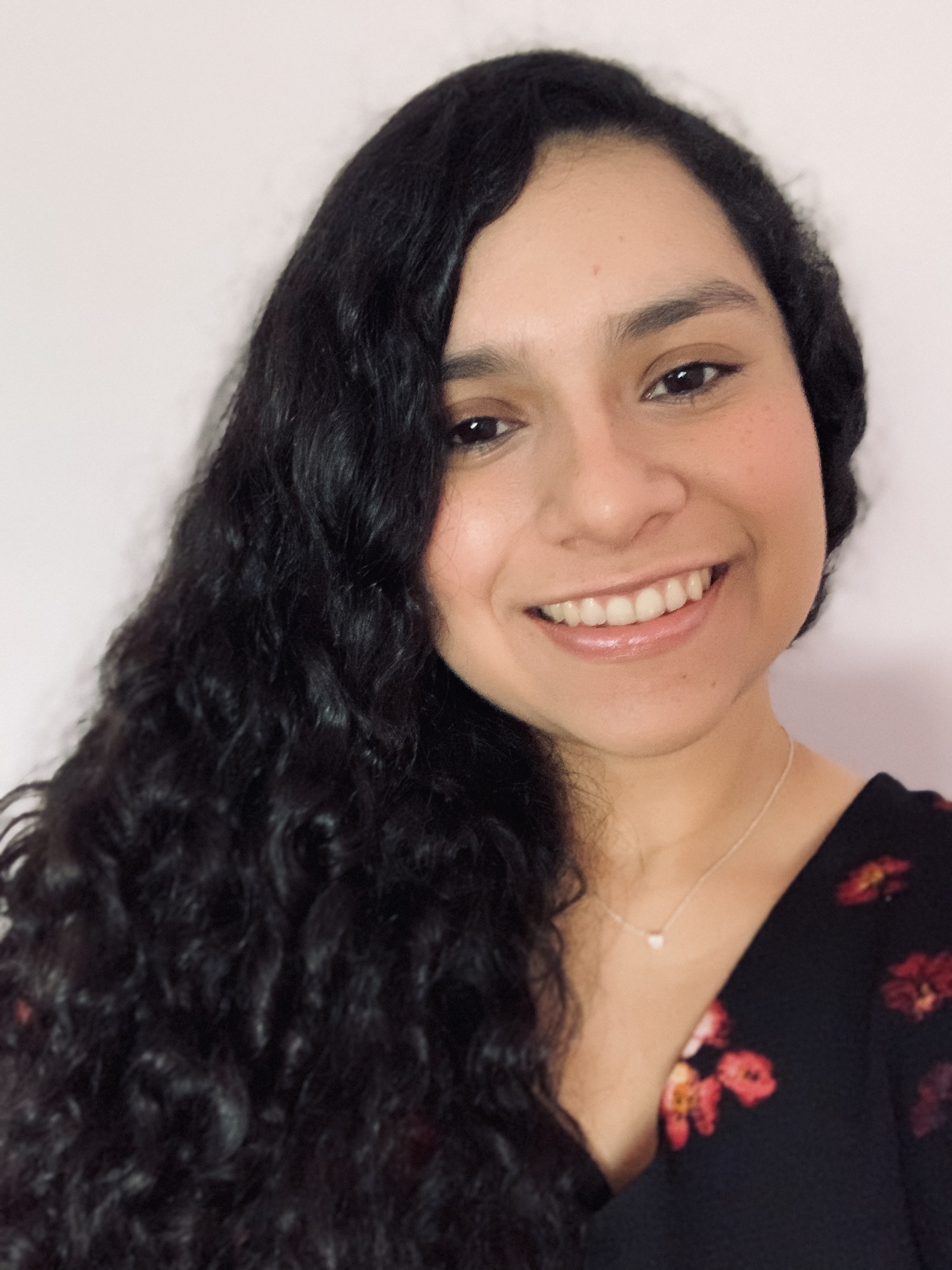
Natalia A. Baires, Ph.D., BCBA-D
Location: Los Angeles, CA, USA
Contact Info: natalia.baires@siu.edu
Bio: As a Board Certified Behavior Analyst, Dr. Natalia Baires has over six years of experience providing and supervising services based in behavior analysis for individuals with Autism Spectrum Disorder and other related Developmental Disabilities across a variety of ages and settings. Her research interests include social diversity, equity, inclusion, and justice, the study of language and cognition via Relational Frame Theory, enhancing behavioral flexibility in individuals with expanded vocal repertoires using Acceptance and Commitment Training, increasing compassionate care within behavior-analytic services and supervision, and bridging theory and application of cultural responsiveness for underrepresented populations receiving behavior-analytic services. Natalia received her B.A. in Psychology and Chicano/a Studies from CSUN, went on to complete her M.S. in Counseling/Applied Behavior Analysis from CSULA, and most recently earned her Ph.D. in Psychology/Behavior Analysis and Therapy from SIU. She is currently an Assistant Professor in the Behavior Analysis and Therapy (BAT) program at SIU. As perhaps the first Latina professor at SIU's BAT program, Natalia is committed to infusing social justice into her pedagogy and curricula for future behavior scientists.
Specialities/Areas of interest: ACT; RFT; DEI; social justice/equity, increasing compassionate care within behavior-analytic services and supervision, and cultural responsiveness for culturally and linguistically diverse individuals
Available for: Workshops; trainings; presentations; panels; podcast interviews; media appearances; research collaboration
Past interviews/trainings conducted: I have conducted invited presentations in Spanish for caregivers of individuals with autism relating to what Applied Behavior Analysis is and how caregivers can maintain self-care and self-compassion during COVID-19 using an ACT approach. I have also collaborated in providing an interdisciplinary workshop in Spanish for caregivers of individuals with autism discussing adolescence and related topics, as well as an invited workshop for teaching direct care staff how to incorporate ACT into their professional roles. Finally, I have conducted numerous symposia, panels, and poster presentations at conferences such as ACBS's WorldCon, the Association for Behavior Analysis International (annual convention), Association for Behavior Analysis International (autism convention), California Association for Behavior Analysis, Illinois Association for Behavior Analysis, Women in Behavior Analysis, and the Association for Professional Behavior Analysis.
Languages spoken: English and Spanish
Tags: Applied behavior analysis, behavior analysis, contextual science, race, ethnicity, feminism, sexism, discrimination, social justice, representation, inclusion, equity, ACT, RFT, cultural responsiveness, Latinx, Hispanic
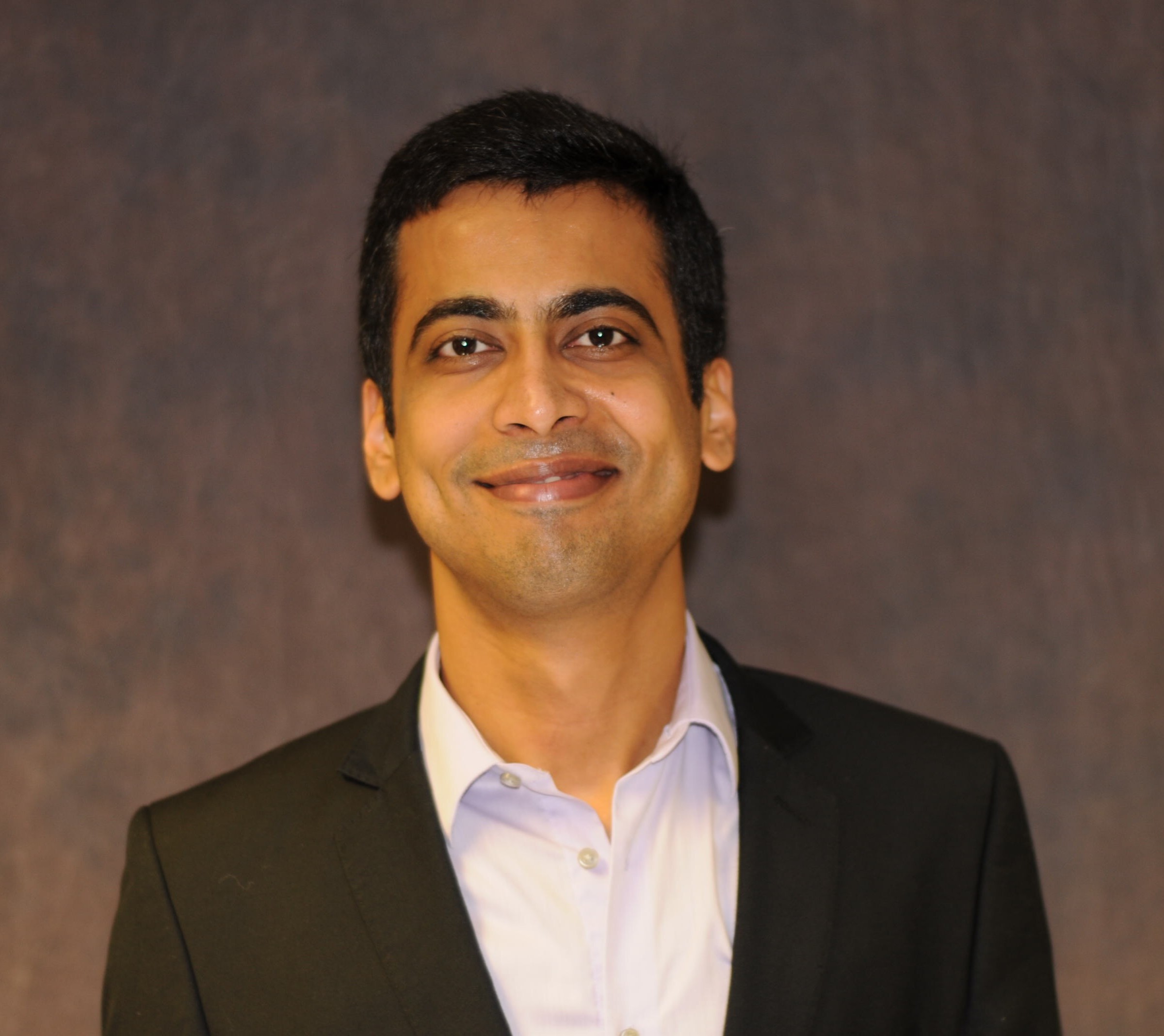
Yash Bhambhani, PhD
Location: New York, NY, USA
Contact Info: yashnpbhambhani@gmail.com
Bio: Yash (he/him/his) is a therapist, researcher, lecturer, and supervisor working in New York, accruing his hours to become a licensed clinical psychologist. He identifies as a cisgender gay man, from India. He completed his PhD from the University of Mississippi. His areas of interest and expertise include Acceptance and Commitment Therapy, substance use, issues surrounding sexual orientation and gender diversity, and working with historically underserved groups. He has published research on sexual racism, and given workshops on decolonizing desire and working with QTPOC.
Specialities/Areas of interest: ACT, qtpoc, sexuality, gender identity, decolonizing, underserved groups, minority mental health, lgbtq
Available for: Clinical and research consultation, workshops, media appearances
Past interviews/trainings conducted: Working with QTPOC using CBS, Loving my Brown Skin: Decolonizing Desire, Sexual Racism and MSM
Languages spoken: English and Hindi
Tags: Mindfulness, ACT, decolonizing, lgbtq, poc
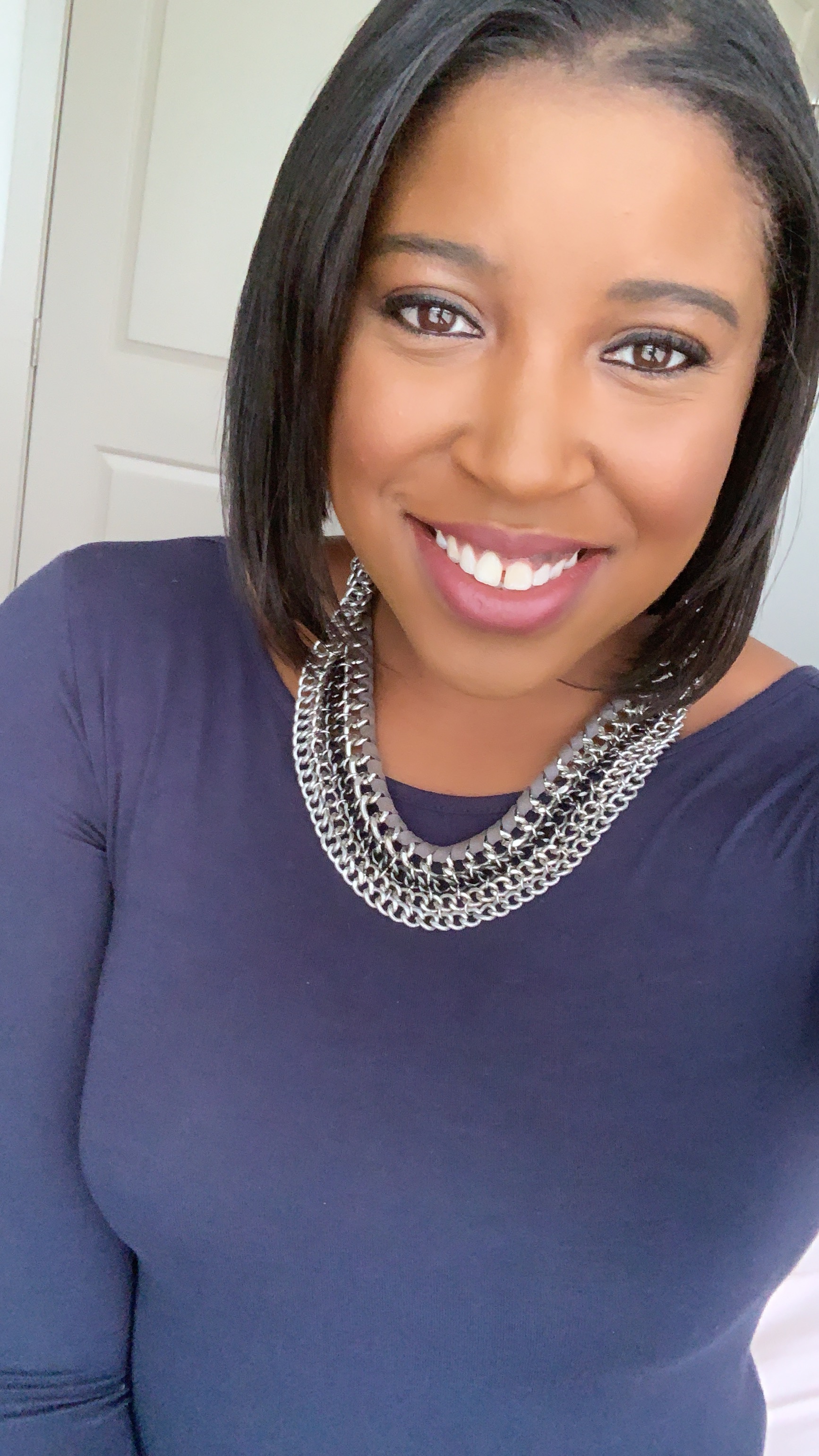
Adrienne Bradley M.Ed., BCBA., LBA (she/her)
Location: Detroit, Michigan, USA
Contact Info: adrienne.michelle1911@gmail.com
Bio: In 2014, Adrienne graduated from Central Michigan University with a Bachelors in Exercise Science, and a minor in Psychology. She graduated from Wayne State University in 2018 with a Masters in Education Psychology, and a concentration in Applied Behavioral Analysis. Adrienne has experience with teaching in the BCBA and BCaBA programs at Wayne State University. She recently became heavily involved in the ABA field in relations to diversity, equity, and inclusion. Through this work, Adrienne is now the president of Black Applied Behavior Analyst Inc. and the co-host of the Shades of ABA podcast. Adrienne's focus has been to provide education, experiences, and disseminate ABA to underserved communities.
Specialities/Areas of interest: DEI, Parent training & ACT, Toileting, Academia
Available for: workshops, interviews, podcast, trainings
Past interviews/trainings conducted: Recently interviewed with BABAT, ABA Inside track, All Autism Talk, #dobetter podcast, WIBA conference, AZABA conference, MNABA conference, BAAM conference.
Languages spoken: English
Tags: Child & Adolescents on the spectrum, ADHD
Nasiah Cirincione-Ulezi, Ed.D., BCBA
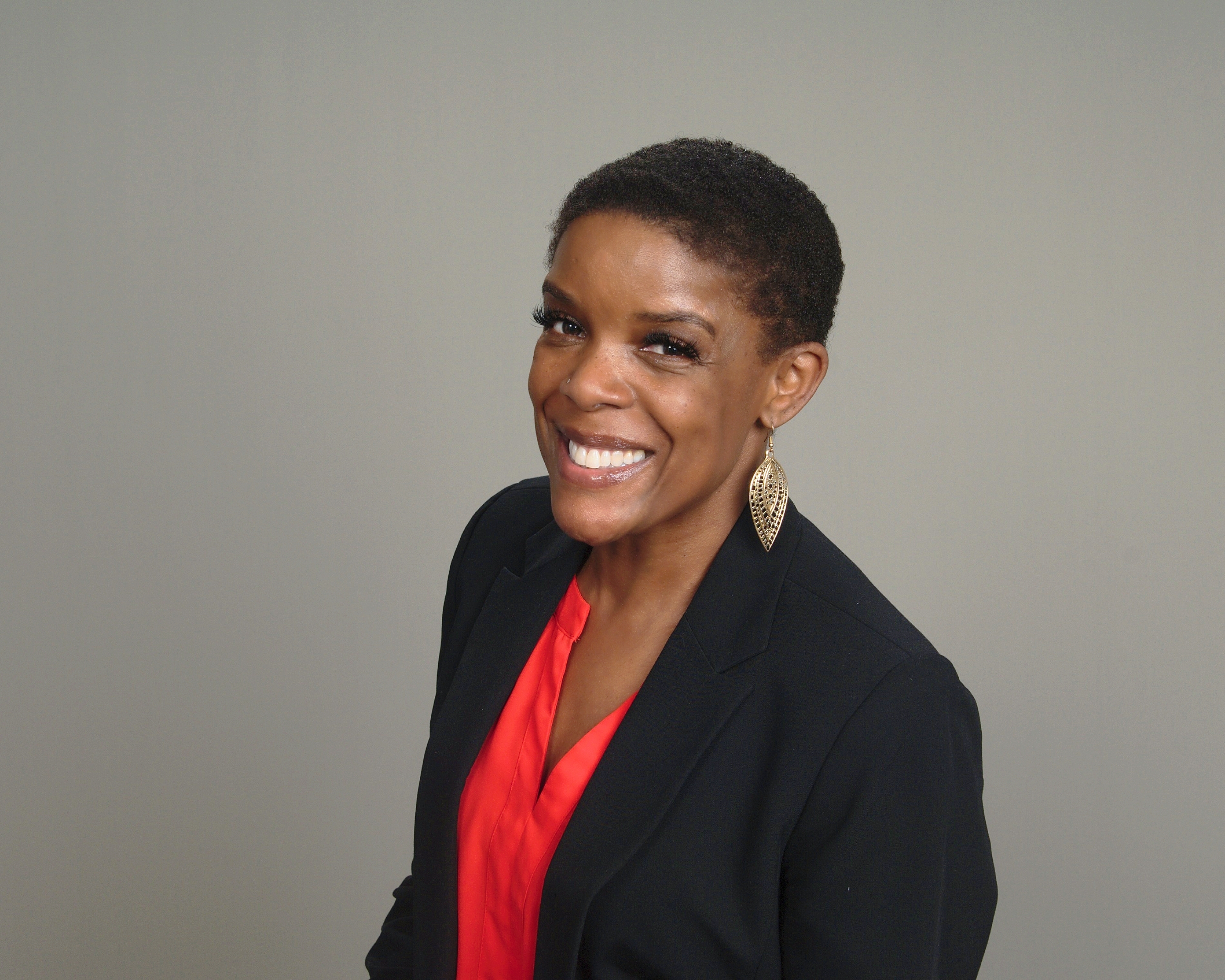
Location: Bolingbrook, IL, USA
Contact Info: Contact Me
You can find me on: LinkedIn
Bio: Nasiah is a Board Certified Behavior Analyst, with a Doctorate degree in Education from Loyola University of Chicago. She holds a Master’s degree in Special Education from the University of Illinois at Chicago, and a Master's degree in Educational Leadership from the American College of Education. In addition to her BCBA credential, she is an Illinois licensed special education teacher and an Illinois Early Intervention provider and State evaluator. Professionally, she has served as a special educator, clinician, educational administrator and professor of special education. Her clinical experience spans infancy through adulthood. Currently, she is the CEO & Founder of ULEZI, LLC, Co-Founder of Pivot 2 Inclusion and serves as a court appointed special advocate, for children in the Illinois foster care system. She is also an Advisory Board member for Black Applied Behavior Analysts, Board member for the Illinois Association for Behavior Analysis and an Affiliate Chapters Board Member for the Association for Behavior Analysis International. Dr. Cirincione-Ulezi has published in the Journal Behavior Analysis in Practice. She has trained leaders and teams in organizations to engage in reflective practices that lead to more diverse, equitable and inclusive environments. Her research interests include supervision, mentoring, leadership and reflective practices. She is a champion for diversity, equity and inclusion and is deeply committed to using her skills and experiences, paired with the science of applied behavior analysis, to empower the lives of the people and organizations she supports and serves, in positive,meaningful and sustainable ways.
Specialities/Areas of interest: Reflective Practice and Supervision
Available for: Workshops, Consultation via Zoom, Podcast Interviews, Media appearances
Past interviews/trainings conducted: Workshops on Reflective Practice/Supervision, Inclusion, Diversity and Life Transitions
Languages spoken: English
Tags: DEI, Mindfulness, Inclusion, Life Transitions
Jenn DiBartolomeo, MA
Location: Southern New Jersey/Greater Philadelphia Area; Virtual
Contact Info: jdibartolomeo16@gmail.com
Bio: Jenn DiBartolomeo, MA is a therapist who specializes in LGBTQ+ mental health care and sexuality-related counseling. She received her Bachelor's degree in Psychology from Temple University and is currently a doctoral student in Clinical Psychology and Human Sexuality at Widener University. Jenn has experience working in a variety of mental health settings, including schools, psychiatric hospitals, residential eating disorder treatment facilities and outpatient addiction treatments. Her feminist values lead to a socially-aware, integrative approach to therapy that considers not just the mental health of the person in front of her, but also the world that the person lives in. She also likes to integrate mindfulness and acceptance practices in therapy in order to help clients live in the present moment as opposed to ruminating on the past or worrying about the future. Jenn works from a sex positive, kink positive, and poly-aware lens and welcomes discussion of these topics in therapy. In creating a safe and supportive therapeutic relationship, Jenn aims to help clients with challenges such as depression, anxiety, trauma, self-image, relationships, eating disorders, addictions, and many other topics.
Specialities/Areas of interest: LGBTQ+, human sexuality, kink, polyamory, consensual nonmonogamy, sexual trauma, substance abuse, harm reduction, eating disorders, bisexual erasure
Available for: Workshop, Seminars, Zoom Consultation, Interviews, Peer/Group Supervision, Individual Therapy, Sex Therapy, Sex Education Workshops/Seminars, etc.
Past interviews/trainings conducted: - Didactic Presentations: "Sexuality and Substance Abuse," and "Sexual Dysfunction in Clients with Substance Abuse and/or HIV" - APA Bi+ Committee Symposium at the 2020 APA Virtual Convention - SYNChronicity 2020 Virtual Conference Poster Presentation- The Impacts of Bisexual Erasure and Monosexism in Integrated Mental Health Care - Dissertation: "Bisexual Therapy Clients: Are Therapists Perpetuating Monosexism and Biphobia in the Therapy Room?"
Languages spoken: English
Tags: Human Sexuality, Sexuality, LGBTQ, Gay, Lesbian, Bisexual, Transgender, Pansexual, Intersex, Asexual, Addiction, Substance Abuse, Eating Disorders, Sex, Relationships
Denisha Gingles
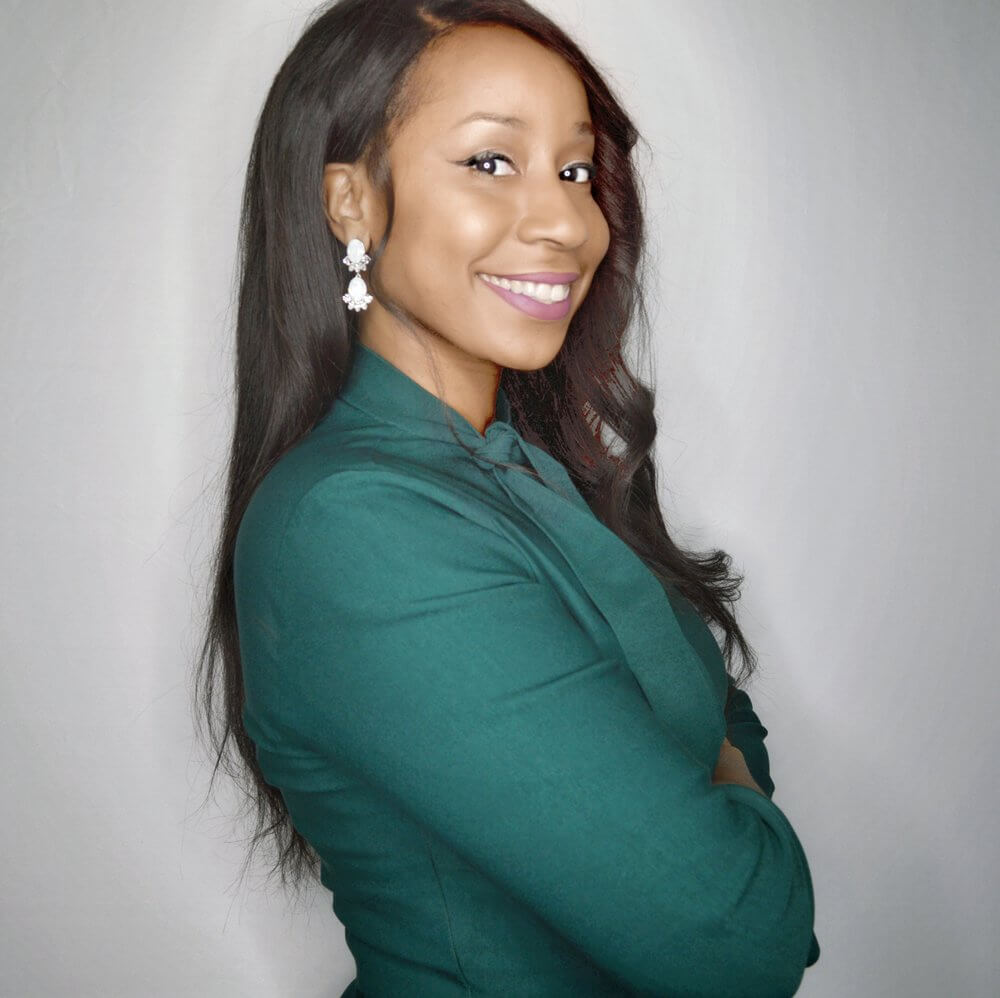
Location: Baltimore, MD, USA
Contact Info: dginglesbcba@gmail.com
Bio: Denisha Gingles is a Board Certified and Licensed Behavior Analyst, currently residing in the state of Maryland. To date, she has provided services in Missouri, New York, as well as Kenya, Africa. She is the Clinical Director and CEO of a full-service agency in Baltimore that provides behavioral services to children, teens, and young adults. Denisha graduated from the University of Baltimore with a Master’s degree in Counseling Psychology and received her BCBA certification through Endicott College in Beverly, Massachusetts. Her interests include equitable practice, Acceptance and Commitment Therapy, social justice, supervision/staff/parent training, and behavior assessment and intervention. In addition to behavior analysis, Denisha is a social justice activist and advocate; her key issue areas include criminal justice reform, education reform, and racial justice. Furthermore, she facilitates anti-oppression workshops focused on privilege and social systems with a goal of creating change agents to work as an accomplice for other targeted and marginalized groups.
Specialities/Areas of interest: Social Justice; ACT; RFT; Racial justice; criminal justice; education reform; privilege and oppression
Available for: Workshops, corporate and individual consultation, podcasts, media appearances
Past interviews/trainings conducted: Bell, M., Bolden, S., Gingles, D., Fleming, Z., and Armstrong, A.(2020). A Dialogue on Black Women Paving a Way Towards an Inclusive Future in Behavior Analysis. Panel discussion presented at the Women in Behavior Analysis 2020 Conference. | Bradley, A., Gingles, D., Lechego, S., Cironcine-Ulezi, N., Cuddus, S. (2020). Coalition, Competition, and the Coveted Seat at the Table: People of Color Organizations Navigating Traditionally White Only Spaces in Solidarity. Panel discussion presented at the Women in Behavior Analysis 2020 Conference.
Languages spoken: English
Tags: Social Justice; ACT; RFT; Racial justice; criminal justice; education reform; privilege and oppression; Accomplice; Change Agent; decolonization
Katelyn E. Kendrick, M.Ed., BCBA, QBA, IBA (they/them)
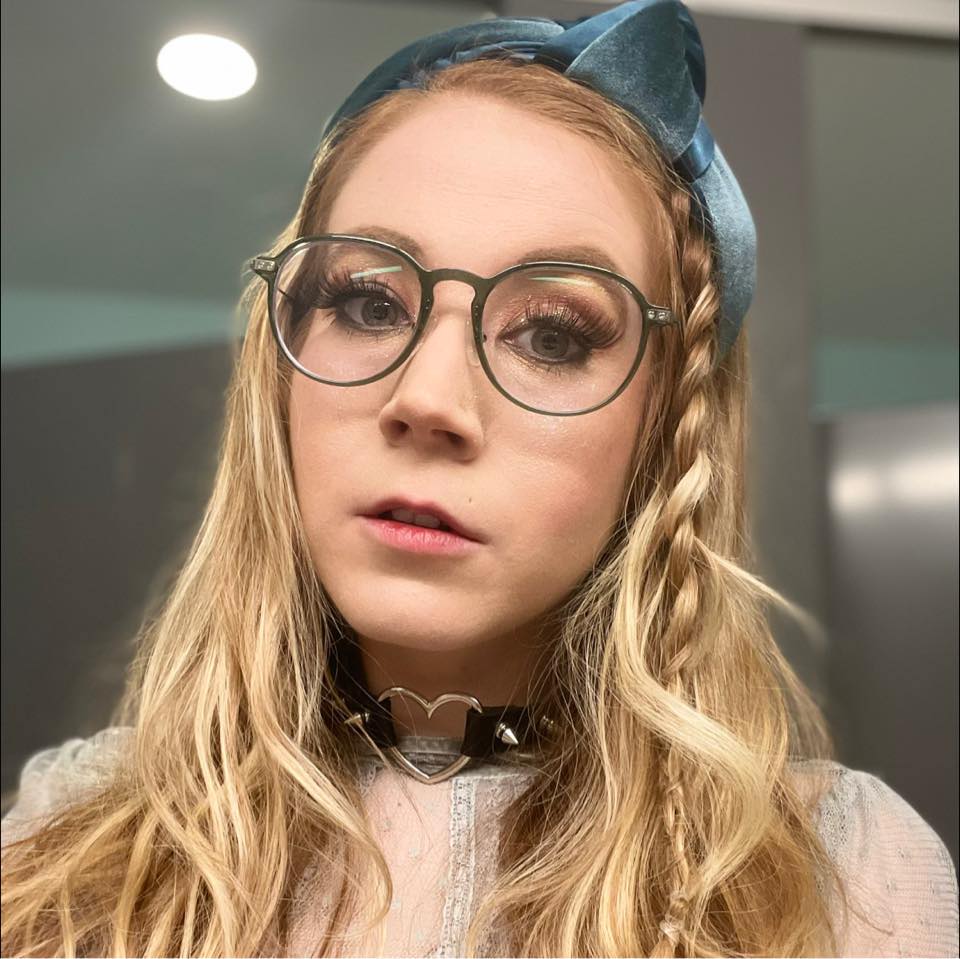
Location: Denver, Colorado
Contact Info: Contact Me
You can find me on: LinkedIn
Bio: Katelyn E. Kendrick (they/them) is a neurodiversity-affirming Board Certified Behavior Analyst/senior clinician for an early-intervention clinic in the north Denver-Metro region. In 2015, they received a B.A. in History with a concentration in US History and a minor in Education from The University of California, Riverside. In 2017, they graduated with a M.Ed. in Behavior Analysis from the University of Cincinnati. They have worked in the field of Applied Behavior Analysis since 2013 and have been certified as a BCBA since 2019. Since 2008, Katelyn has been involved in advocacy movements, first inspired by marriage equality and the passage of Prop 8 in California. Since then, they have become involved with DEI related endeavors with various behavior analytic professional organizations and community theatre organizations in the Denver-metro region. Katelyn lives their life at the intersection of multiple identities including being neurodivergent, disabled, bisexual, and a non-binary femme.
Specialities/Areas of interest: Applied Behavior Analysis, Neurodiversity, Relational Frame Theory, Acceptance and Commitment Therapy, Anti-racist training for white practitioners, Parent training, Ableism in Applied Behavior Analysis, Lived Experience with disability and neurodivergence; Queer issues
Available for: Workshops, Consultation via Zoom, Podcast Interviews, Media Appearances, Blogs, Organizational Trainings
Past interviews/trainings conducted: Constructing Behavior Change Programming While Maintaining and Anti-Ableist Lens; ACT & Unconscious Racism: Implications for White Practitioners to ACT; The Client’s Journey: Understanding Women’s Experiences with PTSD; Conduct Disorders; Cultural Competence in Practice; Acceptance and Commitment Therapy; Anti-Racist Reading Group for White Practitioners; Connecting Diversity, Equity, & Inclusion to Theory: An Introduction; Breaking the Ice: Racial & Social Justice in Theater; The Context for Decolonization; Race, Gender, Sexuality, Neurodiversity, and Behavior Analysis; Identifying and Combating Ableism in Applied Practice; Applied Behavior Analysis Fundamentals; Advanced Applied Behavior Analysis Skills; Registered Behavior Technician Preparation; Rapport Building; Visual Schedules
Languages spoken: English
Tags: ACTraining, RFT, anti-racism, neurodiversity, anti-ableism, ABA, disability, lived experience
Veera Balaji Kumar
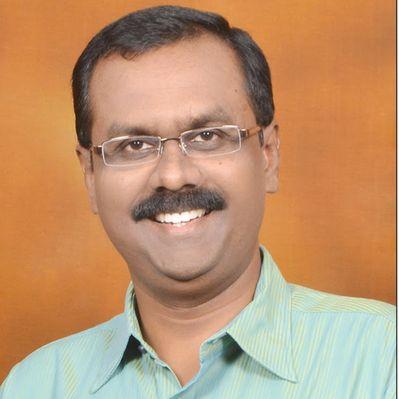
Location: Madurai, TN, India
Contact Info: Contact Me
Bio: Dr Veera Balaji Kumar is an accomplished health psychologist in private practice with more than a decade of experience in treating anxiety, depression, phobias, grief and personality disorders. Dr Veera is the assistant professor of psychology in MS Chellamuthu institute of mental health and rehabilitation, guiding doctorate scholars toward their PhD degree. He is an expert in mindfulness based therapies like DBT, MBCT and acceptance and commitment therapy. Dr Veera has conducted workshops and training programs for counselors and social workers in counseling skills and mindfulness based psychotherapies. He maintains a website www.mindfulindia.com to spread awareness about the benefits of mindfulness practices. Dr Veera has conducted HR training programs for corporate employees on stress management, emotional intelligence, interpersonal skills, team building and conflict management.
Specialities/Areas of interest: ACT beginner's training
Available for: ACT workshop, Tele-consultation, podcast interview
Past interviews/trainings conducted: ACT training for counselors
Languages spoken: English and Tamil
Tags: Mindfulness, Anxiety, depression, grief, coaching
Dr. Houyuan Luo, C. Psych.
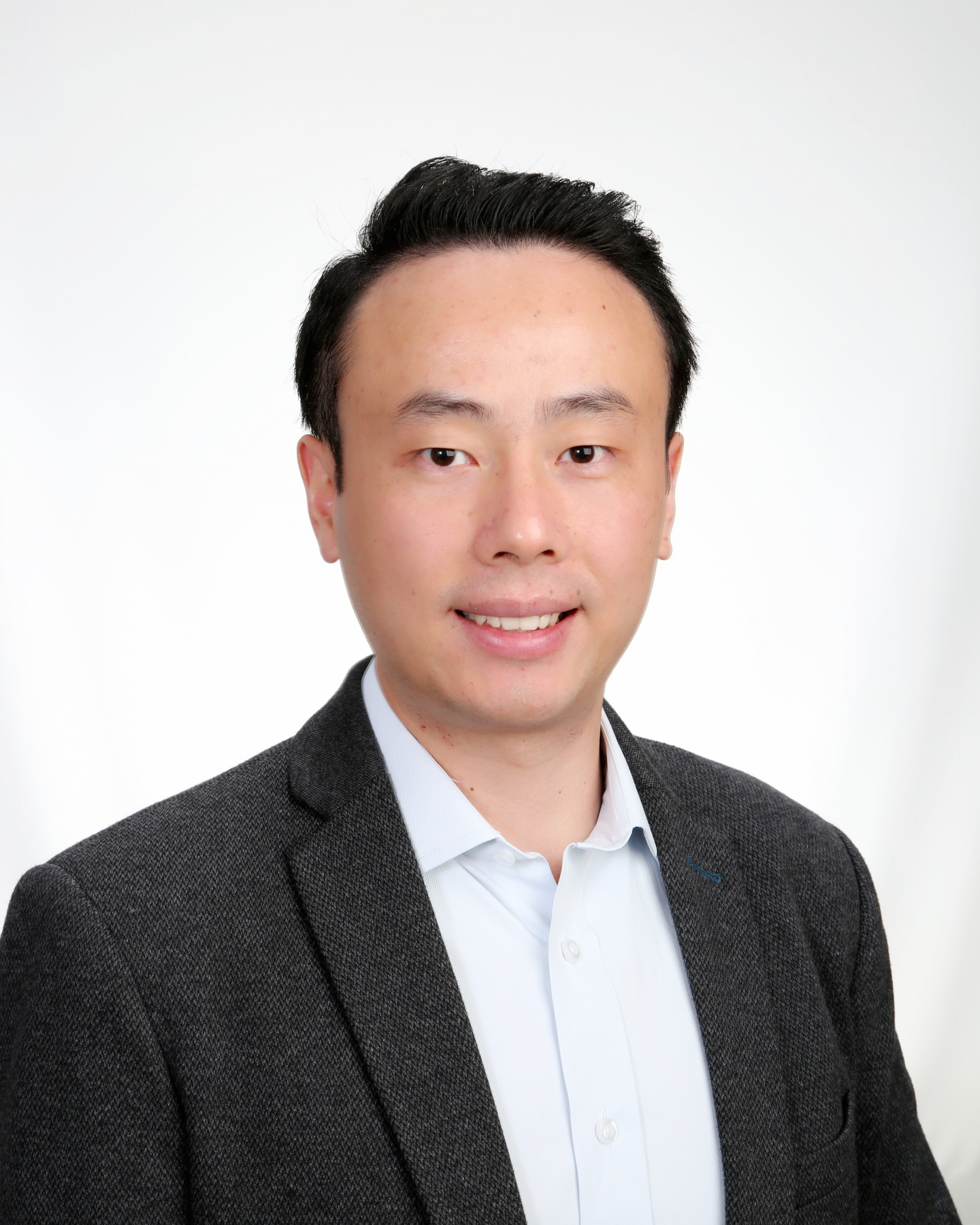
Location: Toronto, Ontario, Canada
Contact Info: Contact Me
You can find me on: My Website
Bio: I am a Registered Psychologist in Ontario, Canada. I came to Canada as an international student from China and I earned a Ph.D. in Counselling Psychology in the University of Alberta. I aspire to be an excellent clinician, clinical supervisor/trainer, and leader in mental health profession. I believe that ongoing practice, reading, reflection, asking for feedback, and integrating them into my behavior/practice are crucial to become better. Throughout my study and career journey, I strive to live up to the aspiration. Clinically, I work primarily from Cognitive Behavioral Therapy (CBT) and Acceptance and Commitment Therapy (ACT) approach. I value empathy, compassion, and understanding in clinical work. Also, I routinely seek feedback from clients to make sure my work meets their needs. I am particularly passionate about existential issues, such as meaning of life, death and dying, and the nature and art of making life decisions. That is why I am especially interested in working with people who have health anxiety (hypochondriasis), grief and loss, and are suffering from chronic medical illness. Also, I was drawn to ACT due to its existential component. With ACT, I help clients identify what matters to them (life values) and what gets in the way. Then, we work together to solve the problems, accept the challenges or reduce the impact of them. Ultimately, the goal of my therapy is to help clients lead a meaningful life despite the concerns still exist sometimes.
Specialities/Areas of interest: I have received solid training in providing psychological assessment and psychotherapy to adults with various concerns such as depression, anxieties, trauma, grief and loss, relationship, stress management, self-criticism, psychosis and medical concerns.
Available for: Workshops Consultation via Zoom, Podcast Interviews, Media Appearances
Past interviews/trainings conducted: Introduction to ACT with Association of Chinese Helping Professionals and Psychologists–International,ACHPPI Introduction to ACT with Trauma Recovery Centre, University of California, San Francisco/Zuckerberg San Francisco General Hospital and Trauma Center
Languages spoken: English, Mandarin
Tags: Health Anxiety, Anxiety Disorders, Psychosis, Mood Disorders
Nehjla Mashal, PhD
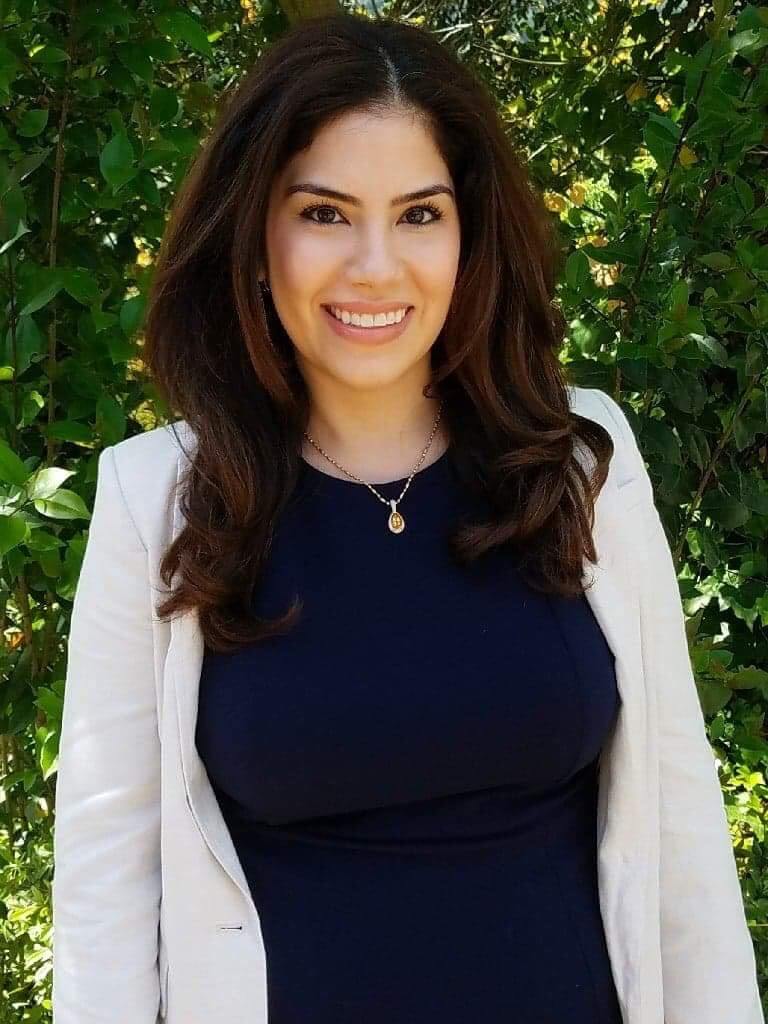
Location: San Francisco, CA
Contact Info: Contact Me
Bio: Dr. Nehjla Mashal, Ph.D., is a licensed clinical psychologist specializing in evidence-based psychotherapies for anxiety, depression, and trauma in teens and adults at Pacific Anxiety Group. She is also interested in assertiveness and effective communication strategies, diversity and intersectionality, and the relationship between anxiety and interpersonal functioning. Dr. Mashal received her B.A. in Psychology from UCLA and her Ph.D. in Clinical Psychology from Northwestern University. She has served as a study therapist on a randomized controlled trial of cognitive behavioral therapy (CBT) for generalized anxiety disorder and a pilot study of problem-solving therapy (PST) for anxiety disorders. Dr. Mashal had a dual appointment as a postdoctoral fellow at the Sierra Pacific Mental Illness Research Education and Clinical Centers (MIRECC) at VA Palo Alto Health Care System and at Stanford University School of Medicine in the Department of Psychiatry and Behavioral Sciences. Dr. Mashal has extensive training in CBT, Problem Solving Therapy (PST), Dialectical Behavior Therapy (DBT), Acceptance and Commitment Therapy (ACT), Behavioral Activation (BA), Cognitive Processing Therapy (CPT), Exposure and Response Prevention (ERP), and applied tension and exposure for blood-injection-injury (BII) phobia. Dr. Mashal provides clinical supervision to trainees, communicates evidence-based psychotherapy strategies to the public, and occasionally coauthors academic journal articles. Her writing has also appeared in Yahoo Sports, Yahoo Money, Popsugar, and her website, moxieandcandor.com.
Specialities/Areas of interest: psychotherapy process, process-based psychotherapy, training/consultation via role play, anxiety disorders, depression, trauma, ACT, effective communication strategies/interpersonal effectiveness, diversity and intersectionality, intersectional case conceptualization
Available for: Workshops, Consultation via Zoom, Podcast Interviews, Media appearances
Past interviews/trainings conducted: Mashal, N. (2020, October 20) Making Psychotherapy Come Alive Using Humor, Metaphor, and Story. [Workshop – 2 CE hours]. Pacific Anxiety Group & open to Northern California Cognitive-Behavioral Therapy Network members, Online Event, CA, United States. Mashal, N. (2020, August 10) Interpersonal Effectiveness: Teaching Clients to Ask for Things, Negotiate, & Boundary Set [Workshop – 1 hour]. Heard. Online Event, CA, United States. Mashal, N. (2020, May 2) Intersectional Case Conceptualization in ACT. [Workshop – 2 CE hours]. Bay Area ACBS Conference. San Francisco, CA, United States. https://www.praxiscet.com/wp-content/uploads/2020/03/Bay-Area-ACBS-Conference-Sessions.pdf (Conference canceled) Intersectional Case Conceptualization. Pacific Anxiety Group. Continuing Education Workshop, [2 CE hours]. Menlo Park, CA, 2020. Nehjla Mashal Problem Solving Therapy Pacific Anxiety Group. Continuing Education Workshop, [1 CE hour]. Menlo Park, CA, 2019. Nehjla Mashal Intersectional Case Conceptualization. San Francisco VAMC. Continuing Education Workshop, San Francisco, CA, 2019. Nehjla Mashal, Dawn Lawhon, Jerika Norona, Amanda Khan, & Erin Watson. Best Clinical Practices for Anxiety Disorders in Older Adults. American Psychological Association Annual Convention Continuing Education Workshop, Washington, DC, 2017.
Languages spoken: English
Tags: Psychotherapy Process, ACT, Humor/Metaphor in Psychotherapy, Process-Based Psychotherapy, Anxiety Disorders, Depression, Trauma, Effective Communication Strategies/Interpersonal Effectiveness, Diversity and Intersectionality, Intersectional Case Conceptualization
Táhcita Mizael, PhD
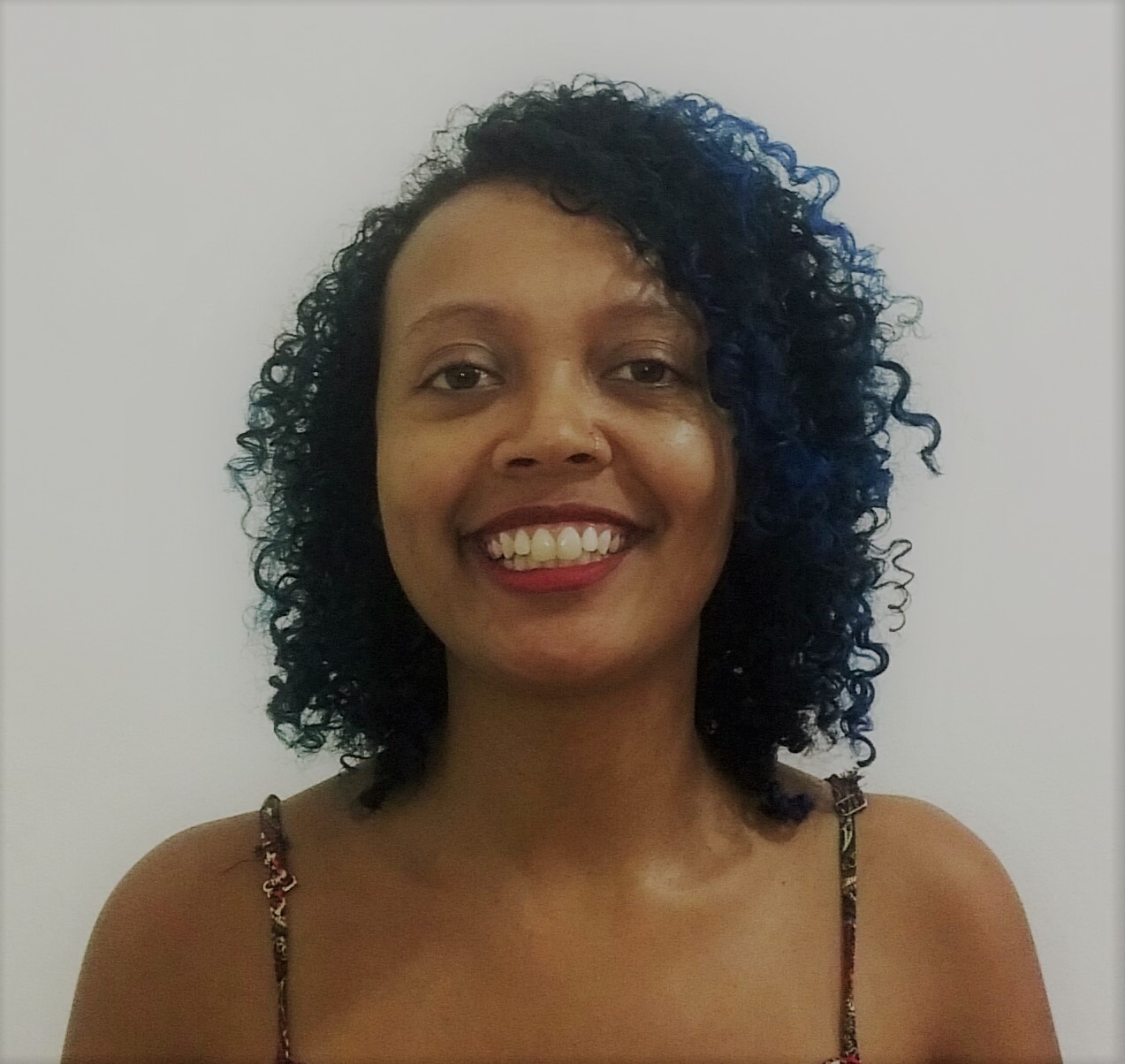
Location: Sao Paulo, Sao Paulo, Brazil
Contact Info: tahcitammizael@gmail.com
Bio: I am a clinical psychologist and an expert in gender and sexuality. Currently, I am a postdoctoral researcher in the field of Experimental Psychology. I have clinical and academic experience on race issues (particularly Black Brazilians), sexual orientation and gender identity, feminism, and intersectionality, which are my areas of interest. My pronouns are she/her.
Specialities/Areas of interest: My research interests are focused on experimental ways to investigate the reduction of racial prejudice and other types of biases. I am also interested in feminist therapy, and in a clinical practice focused on the specificities of Black people and people of color.
Available for: I have conducted usually 4-hour workshops and courses in several cities throughout Brazil. I also offer clinical consultation via Zoom or Skype.
Past interviews/trainings conducted: I have experience giving workshops and courses focused on the clinical practice with LGBTQ individuals, clinical practice with Black and people of color (especially Black Brazilians). I am also open to interviews and podcasts focused on my topics of expertise.
Languages spoken: Portuguese, English, Spanish
Tags: Race, Feminism, LGBTQ, Sexual and Gender Diversity, RFT, ACT, FAP.
Danielle N. Moyer, PhD, She/Her
Location: Portland, OR
Contact Info: Contact Me
Bio: Danielle is a licensed clinical psychologist from southern Louisiana, currently practicing in Portland, Oregon. She is an Assistant Professor of Pediatrics at Oregon Health & Science University and head of psychology in the Doernbecher Gender Clinic. She provides interdisciplinary psychological services to transgender and gender diverse youth who are seeking medical transition and their families. Danielle has been an active member of ACBS since 2011, and she approaches all of her work from a functional contextual philosophy of science. She is an early career psychologist with a strong history of research, education, and clinical practice in the areas of ACT and RFT. Research interests include acceptance and mindfulness based processes in children and parents, training and supervision, health outcomes for transgender and gender diverse youth, and the intersection of the three. Danielle is a past officer of the ACBS Children, Adolescents, and Families SIG; an outgoing officer of the ACBS Gender and Sexual Diversity SIG; and a current officer and co-founding member of the Society for Pediatric Psychology (APA Division 54) Gender Health SIG. She is committed to promoting diversity, equity, and inclusion, even when it is controversial, uncomfortable, or when she gets it wrong.
Specialities/Areas of interest: Gender and sexual diversity; Psychological functioning and wellbeing among transgender and gender diverse youth and their families; medical transition for gender diverse youth; pediatric health psychology; ACT; RFT; DEI; Parenting; Training and supervision
Available for: Research collaboration; Conference collaboration; Workshops; Consultation; Podcast interviews; Media appearances
Past interviews/trainings conducted: ACBS workshop on professional psychological flexibility around sensitive topics and underrepresented populations; Grand rounds on interdisciplinary care for transgender and gender diverse youth; Internship seminar on clinical RFT; Community workshop on mental health care for gender diverse youth
Languages spoken: English
Tags: LGBTQ; Transgender; Youth; Children; Adolescents; Families; Parenting; ACT; RFT
Margot Osorio Psicóloga Clínica y de la Salud
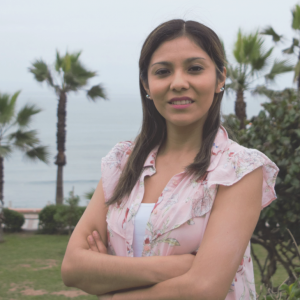
Location: Lima Perú
Contact Info: Contact Me
Bio: Psicóloga especializada en ACT, CBT, MBSR. 12 años de experiencia en contextos sanitarios públicos y privados. Miembro fundadora y Directora de Imagen Institucional de VALUES Instituto Peruano de Psicología y Ciencia Contextual. Brinda entrenamiento y capacitación a otros profesionales de la salud de todo el Perú en intervenciones de salud conductual desde la Terapia de Aceptación y compromismo, Terapia Cognitivo Conductual y Mindfulness. Capacitadora Nacional del Ministerio de Salud de Peru sobre intervención con enfoque de género en adicciones.
Specialities/Areas of interest: Salud mental, Salud Pública, salud conductual
Available for: Entrenamiento, formación, cursos, talleres.
Past interviews/trainings conducted: Entrenamiento en Terapia de Aceptación y Compromiso, Guiando la recuperación de las Mujeres GROW MINSA.
Languages spoken: Español
Tags: Mindfulness, RFT, ACT, CBT
Tonya M. Pan-Weisz, Ph.D.
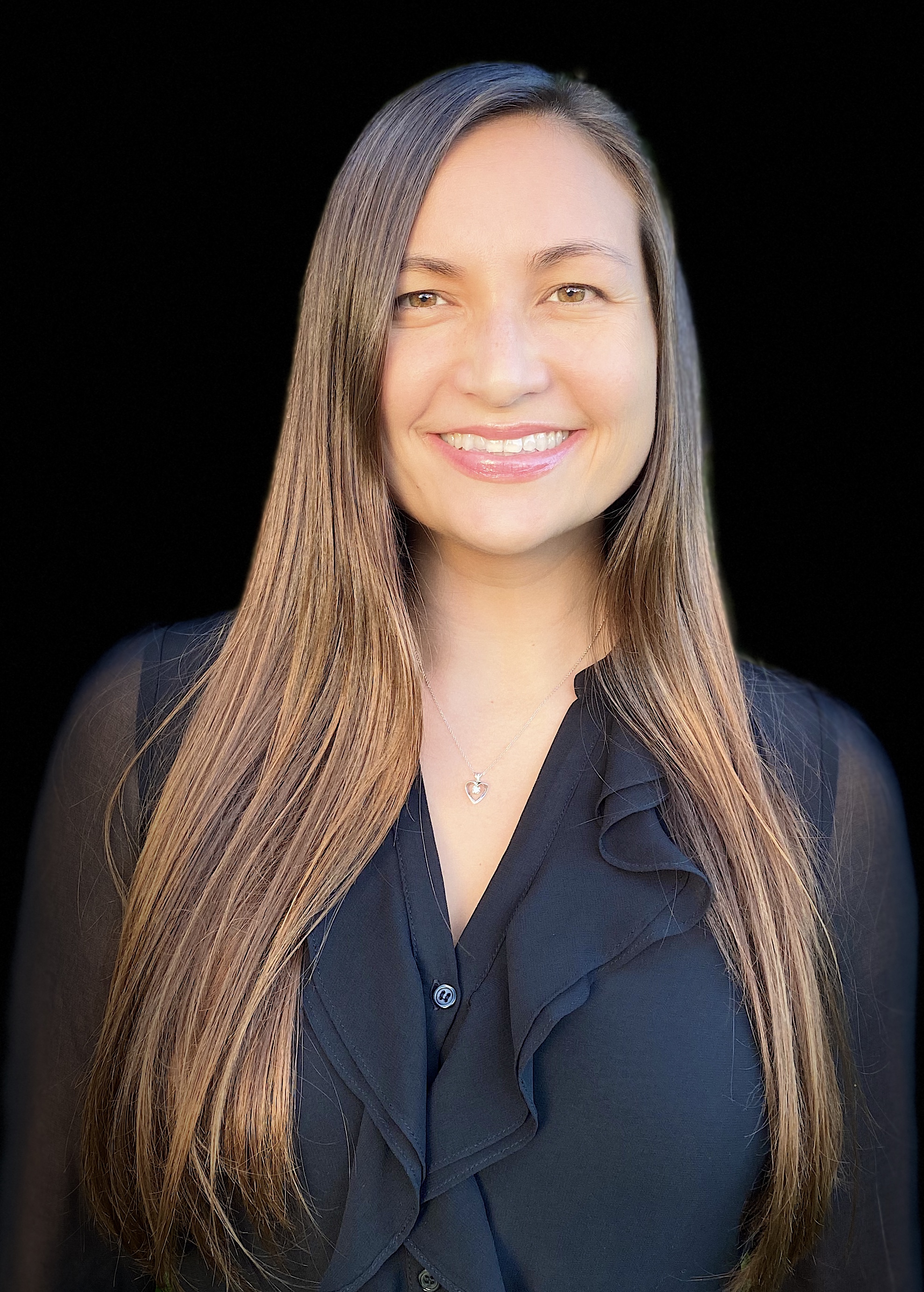
Location: San Diego, CA, USA; virtutal in CA, USA
Contact Info: Contact Me
Bio: Tonya M. Pan-Weisz, Ph.D. (she/hers) is a Staff Psychologist at the Veteran Affairs San Diego Healthcare System (VASDHS). She has research expertise in psycho-oncology and psychometrics, and clinical expertise in psycho-oncology, chronic pain, and couples. She enjoys working with people with a wide range of backgrounds and identities; providing evidence-based, compassionate, and affirming care; and promoting health equity. Dr. Pan-Weisz completed her graduate training at the San Diego State University (SDSU)/University of California (UC) San Diego Joint Doctoral Program in Clinical Psychology, her APA-accredited Predoctoral Internship at UC San Diego/VASDHS, and her APA-accredited Postdoctoral Fellowship at VASDHS/UC San Diego. On a personal note, Dr. Pan-Weisz is the daughter of a Chinese immigrant and a mid-western small farmer, a long-term survivor of non-Hodgkin's Lymphoma, and the first in her family to earn a Ph.D.
Specialities/Areas of interest: Health Psychology; Behavioral Medicine; Psycho-Oncology; Chronic Pain; Couples; Measurement; Psychometrics; Stigma; Health Equity; Medically Underserved Populations; ACT; RFT; Process-based Therapy; IBCT; Relationships
Available for: Introduction to ACT workshops; consultation via Zoom
Past interviews/trainings conducted: Introduction to RFT and ACT for psychiatry residents
Languages spoken: English
Tags: VA; Veterans; chronic pain; cancer/psycho-oncology; brain tumors; cancer-related cognitive impairment; sleep disturbance; couples; integrative care; mindfulness; ACT; RFT; CBT; CBT-I; IBCT; EFT; health promotion; bi-racial; affirming; health equity; adults; evidence-based psychotherapy
Jennifer Shepard Payne, Ph.D., LCSW
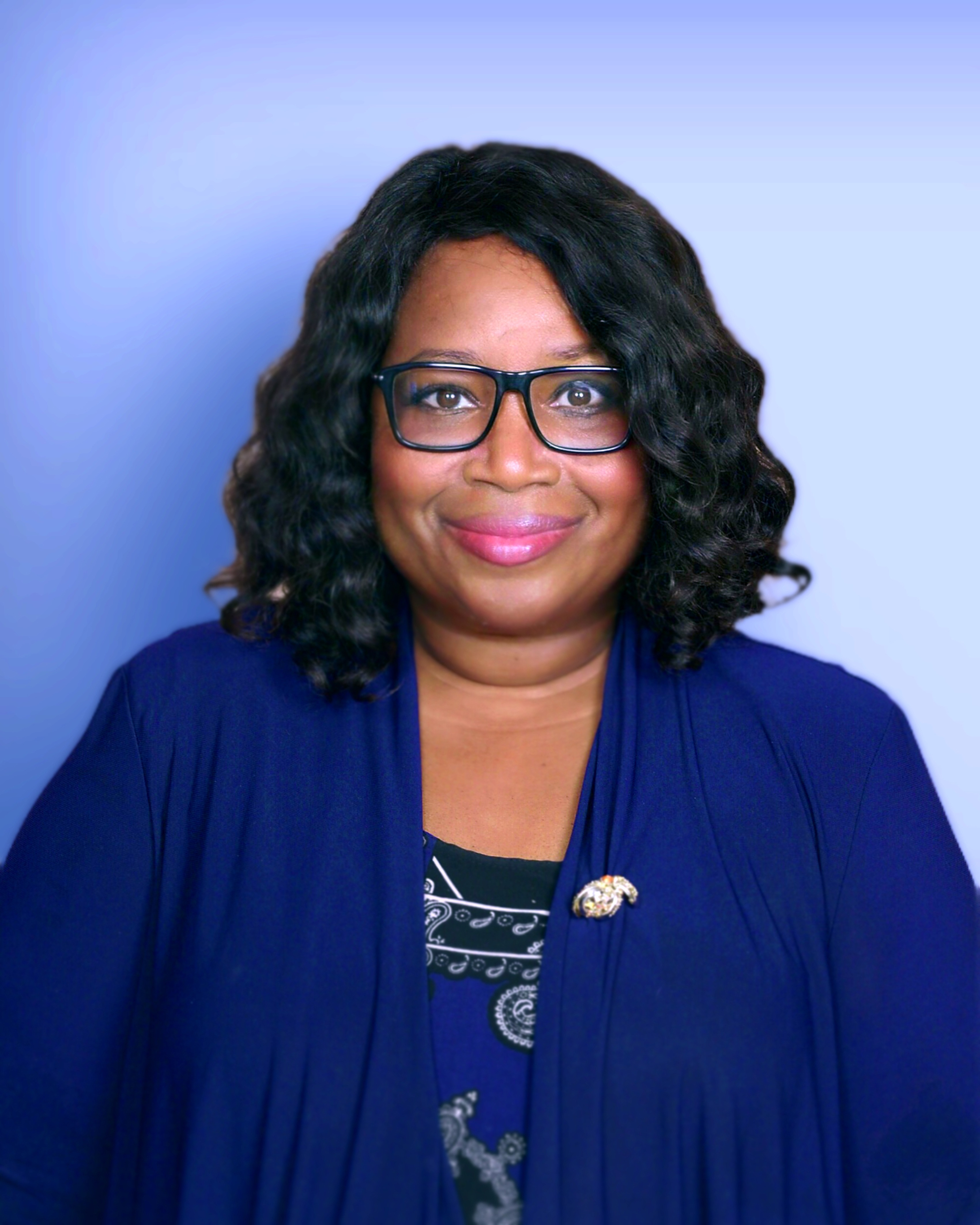
Location: National consultation provision (licensed in CA)
Contact Info: jennifer@drjspayne.com
Bio: Jennifer Shepard Payne, Ph.D., LCSW, is an Associate Professor at Azusa Pacific University in the Department of Social Work. She received her doctorate from the UCLA School of Public Affairs and is a Licensed Clinical Social Worker with many years of experience in mental health clinical practice and administration. Her research interests include developing culturally tailored community-based depression and trauma interventions and addressing minority mental health disparities. For several years, Dr. Payne has been working on culturally tailoring ACT for African American communities (both clinically and via research). She has a private practice, DTG Counseling and Consulting, where she provides ACT counseling and coaching primarily to African Americans of faith suffering from anxiety or trauma. Dr. Payne has engaged in ongoing research on the application of the social determinants of health to ACT for traumatized African Americans. She is an Executive Committee member of the Diversity, Equity, and Inclusion SIG within ACBS. For more information, her website is www.drjspayne.com.
Specialities/Areas of interest: Minority mental health disparity research, cultural tailoring of ACT for African Americans and resource-poor populations
Available for: Research collaborations, workshops, podcast interviews
Past interviews/trainings conducted: Examples of past workshops in 2020 include: 1) Using Acceptance and Commitment Therapy (ACT) to Treat Anxiety & Trauma in Black Christians from Urban Areas; 2) Applying the Social Determinants of Health for African Americans; 3)More Than The Blues: Dealing with COVID-19; Treating Trauma with ACT: An Introductory Training for MEND Participants (with Robyn Walser, Debbie Sorensen, Meg McKelvie & Miranda Morris). More information is located at www.drjspayne.com.
Languages spoken: English
Tags: Cultural tailoring of ACT, African American trauma
Zayna Ratty
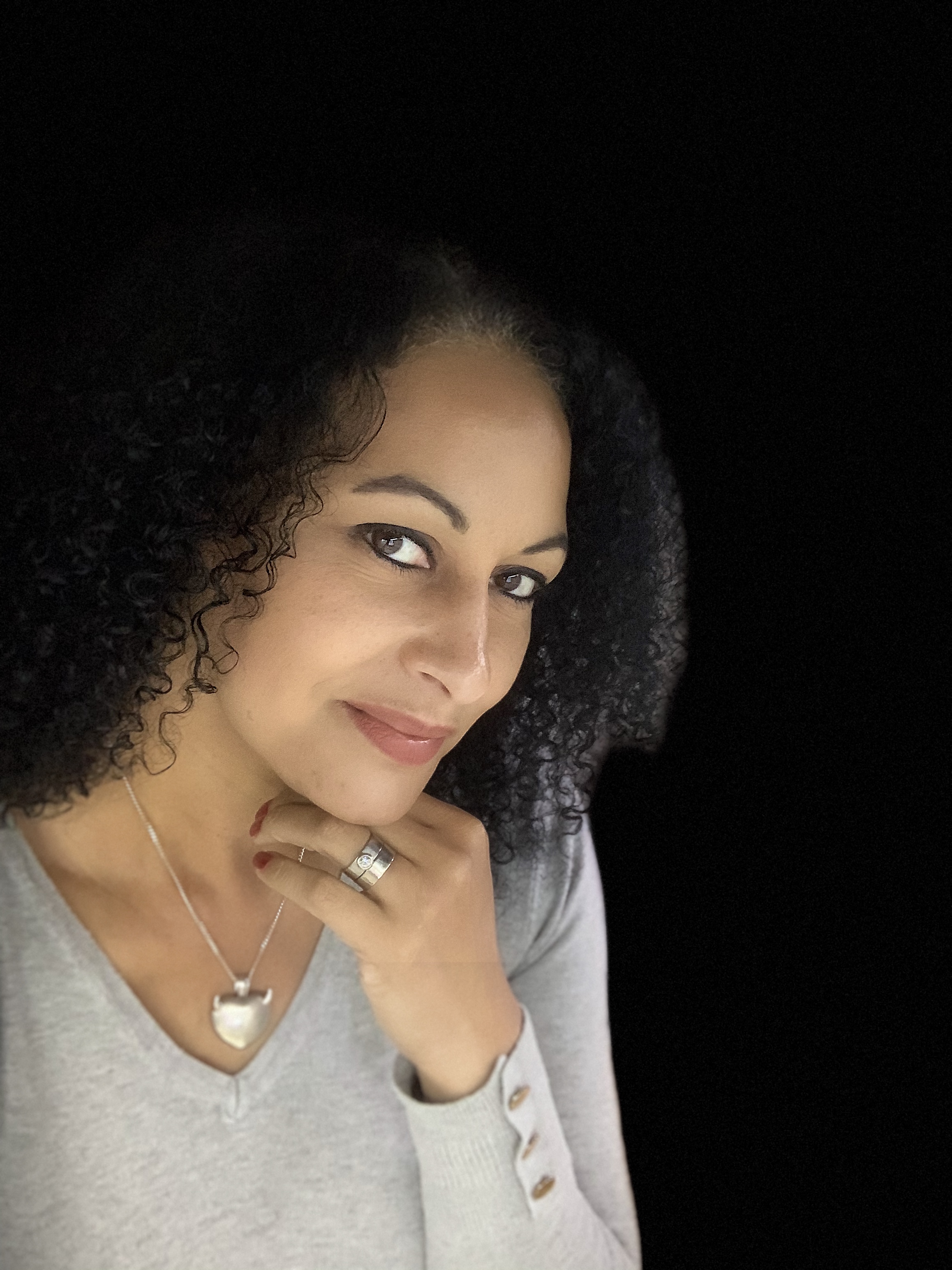
Location: Oxfordshire United Kingdom
Contact Info: zrtherapy@outlook.com
Bio: Zayna Ratty (She, Her, Hers) is an LGBTQIA+, GSRD, Polyamory, BDSM, Race & Ethnicity Hypno-Psychotherapist, ACT Practitioner, presenter, columnist, and trainer based in Oxfordshire UK. 1st PoC Chair of Oxford Pride and Diversity & Equalities Officer at National College of Hypnosis & Psychotherapy. Latest projects include providing corporate training on diversity, inclusion and cultural sensitivity in the workplace with its intersections with marginalised communities. Podcast co-host at ‘Beyond Monogamy’ launching Sept 2020, along with being an experienced podcast guest. I talk and train on Misogynoir, relationship diversity, proxemics, code switching, Intersectional theory that happens through sexuality, religion, class, disability, race, ethnicity, gender, neurodiversity in marginalised communities, and the hierarchal social, legal, and policy mechanisms that act as multiple layers of oppression. As a mental health columnist at OxMag and Fyne Times, I write about life and how we can incorporate psychotherapeutic interventions to the betterment of every stage of our lives in easy to understand ways. I volunteer as a Stonewall PoC Role Model and am a 2 time LGBT+ Positive Role Model Award Nominee at the National Diversity Awards’s. Hypno-Psychotherapist of the year at The Oxfordshire Prestige Awards 2020 and multiple award nominee. My charity, diversity consulting work and private therapeutic practice explore how race, gender, sexuality and relationship diversity create a prism of intersecting identities. You can learn more about me and my practice at www.zayna.net & @zrtherapy
Specialities/Areas of interest: LGBTQIA+, GSRD, Race & Ethnicity, BDSM, Polyamory (CNM)
Available for: Workshops, Therapy, Podcast guesting and hosting, media appearances and writing, Panels, Interviews, Presentations, columnist
Past interviews/trainings conducted: BBC, Cosmo, DIVA, Gal-Dem, Pink Therapy, Oxford Times, Oxfordshire Magazine, Brookes University, Oxford University, LBC, A to Z of Sex, Hypnosis Weekly, Refinery29, Vice.com, Unicorn Magazine, Fyne Times, Oxford Pride, Pitt Rivers Museum, Natural History Museum, LGBT+ History Month, NCHP, Unmuted, BLM Pride Oxford, Bi-Pride UK, PolyDay London, Lets Talk Queer PoC, UBS
Languages spoken: English
Tags: LGBTQIA+, GSRD, Ethnicity, Race, Interracial relationships, Polyamory, CNM, Kink, BDSM, Hypno-Psychotherapy
Ron Rogge, Associate Professor of Clinical Psychology
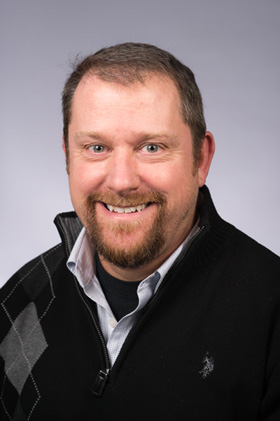
Location: Rochester, NY, USA
Contact Info: ronald.rogge@rochester.edu
Bio: I run a research lab focused on examining the roles of psychological flexibility and mindfulness in romantic relationships and families.
Specialities/Areas of interest: Measure development, multivariate statistics, couples and family research, gender and sexual orientation diversity
Available for: research consultation, podcast interviews, media appearances
Languages spoken: English
Tags: Mindfulness, Psychological flexibility, Couples, Families
Matthew D. Skinta, PhD, ABPP
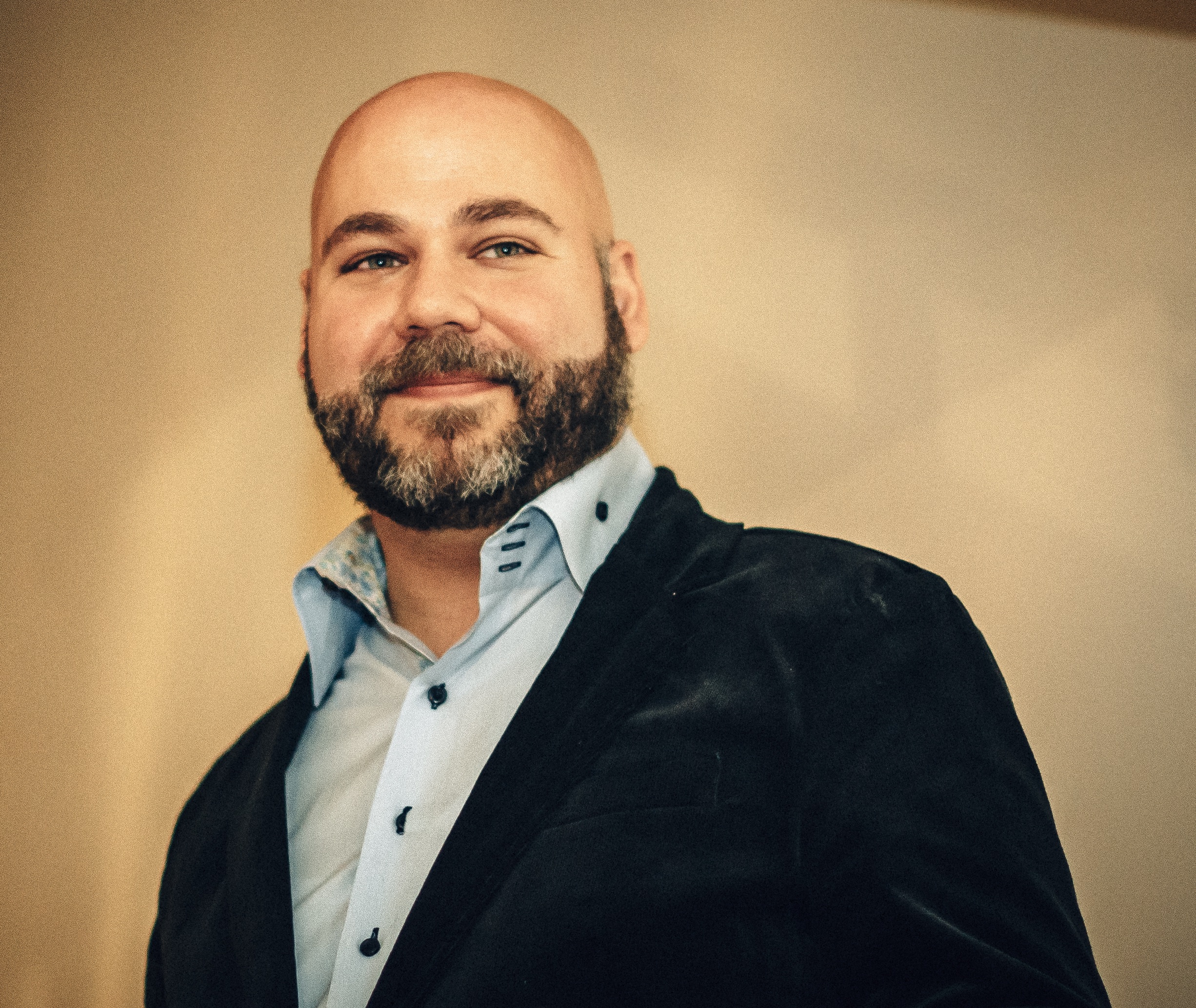
Location: Chicago, IL, USA
Contact Info: mskinta@roosevelt.edu
Bio: I am board certified in clinical health psychology, reflecting my background in integrated medical settings, HIV/AIDS-related work, and a respect for the ways that our physical health reflects and affects psychological well-being. I have specific clinical experience and expertise working with sexual orientation and gender identity, HIV/AIDS, chronic pain, and chronic depression. My pronouns are he/him.
Specialities/Areas of interest: My research interests are primarily focused on the interpersonal costs of minority stress upon sexual and gender minority (SGM) individuals. Histories of shame, family rejection, stigma, and concealment can lead to patterns of challenge and barriers to connection. I am a peer-reviewed ACT trainer, a certified FAP trainer and therapist, and a certified teacher of Compassion Cultivation Training.
Available for: I offer periodic 8-week FAP courses, and have customized multi-session courses, such as FAP Level I with an anti-racism emphasis, LGBTQ psychotherapy and other topics. I offer CBS consultation with values-based rates. I also am open to podcasts and interviews regarding topics of expertise.
Past interviews/trainings conducted: I've conducted workshops from 2 hours to 2 days across. North America, Latin America, and Europe (so far).
Languages spoken: English
Tags: ACT, FAP, Mindfulness, Compassion, LGBTQ, Sexual and Gender Diversity
Dr. Michelle Teo, CPsychol, DCounsPsych
Location: Dublin, Ireland
Contact Info: Contact Me
You can find me on: LinkedIn & My Website
Bio: Chartered Counselling Psychologist trained as a humanistic, integrative practitioner with additional advanced training in Acceptance & Commitment Therapy and mindfulness-based interventions. Currently the Lead Psychologist for a company that designs and implements workplace wellbeing programmes for large-scale, multinational organizations. Engaging with normative populations at this time with prior experience in acute hospital setting and community mental health. Passionate about accessibility to mental healthcare, diversity & inclusive practice, and cross-cultural awareness in practice.
Specialities/Areas of interest: Counselling psychology, acceptance and commitment therapy, forensic populations
Available for: Workshops, podcast interviews
Past interviews/trainings conducted: Deliver workshops in current role to groups as large as 100 attendees
Languages spoken: English
Tags: ACT, mindfulness, DBT, humanistic therapy. Anxiety, depression, intrapersonal conflicts, sexuality/identity
Manabu Yoshimoto - 吉本 学
Location: Higashi Osaka City, Osaka, Japan 大阪府東大阪市
Contact Info: manabuyoshimoto220@gmail.com
You can find me on:Twitter @manabinho220
Bio: I'm a Japanese psychological certified psychologist and only have a BA. I’ve been running BPD family/peers support group "COCO"(voluntary group) in Osaka for 3 years and mainly providing mindfulness exercises, some ACT metaphors/exercises, interpersonal skills and so on for people who have a family member and partner etc with BPD. Furthermore I’m conducting ACT teletherapy via Google Hangouts in individual setting. ACT is so useful for them to defuse with these unpleasant feelings and live a full, rich and meaning life. To tell the truth, I’m a partner who has been supporting my wife who has diagnosed BPD and eating disorder for about a decade. So I can understand their suffering. I’m preparing to provide ACT groups for both people with BPD and people who support them now. I'll keep doing because one of my personal values is to support people who are suffering from severe mental disorders and their family/peers. 日本心理学会の認定心理士で、心理学部卒です。 大阪でBPD支援団体”COCO”(任意団体)を運営しており3年目に突入しました。主にBPD本人を支えるご家族やパートナー等にマインドフルネスや対人関係スキル、ACTのメタファー・エクセサイズなどを提供しています。また、GoogleハングアウトによるACT(個人精神療法)も実施しています。 ACTは辛い感情とフュージョンすることなく、豊かで意義深い人生を送る手助けをしてくれます。 私自身BPDや摂食障害と診断された妻を約10年間支えているパートナーです。ですから皆さんの苦しみは理解できます。 現在、BPD本人向けの集団療法と家族向けのものを準備中です。私の価値は重篤な精神障害のある方やその家族を支援することですから、頑張ってまいります。
Specialities/Areas of interest: ACT, BPD, DBT, CFT, STEPPS, PTSD, family/peers support, mindfulness, compassion, 家族会, マインドフルネス, コンパッション
Available for: Presentation, Workshop (If any request, I’d like to look into the workshop for beginners.) 講演、ワークショップ(ご要望があれば、初心者向けのものを検討したいと思います。)
Past interviews/trainings conducted: I’ve sort of talked about “ACT practice via Google Hangouts” at a Zoom small conference held by ACT Japan. ACT Japan主催のZoomミニカンファレンスで"GoogleハングアウトによるACTの実践"について少しお話させていただきました。
Languages spoken: 日本語, English (Not fluent)
Tags: ACT, DBT, Borderline Personality Disorder, Post-Traumatic Stress Disorder, Family/peers support, Mindfulness, Compassion, Interpersonal skills, Taking care of yourself, 境界性パーソナリティ障害, 心的外傷後ストレス障害, マインドフルネス, コンパッション, 対人関係スキル, セルフケア
Diversity Report
Diversity ReportACBS Diversity Survey Report - December 28, 2015
For: The ACBS Diversity Committee ... Niloo Afari, Dave Kovaka, Andrew Sherrill, Karen Regan, Gwyneth Williams, Ann Eberhardt
ACBS Diversity Committee Mission Statement:
The ACBS Diversity Committee is dedicated to creating a more inclusive ACBS community in all realms of the organization in respect and appreciation for diverse personal and professional backgrounds with different perspectives, experiences, and insights. The Committee endorses a broad definition of diversity that includes but is not limited to professional discipline and setting, communities of color, minority status, cultural and language perspectives, religious and spiritual beliefs, socioeconomic status, as well as sex, age, race, ethnicity, nationality, sexual orientation, gender identity, and disability. We seek to provide programs and resources that enhance inclusion, build and support relationships with other ACBS committees, and encourage greater diversity within the membership and leadership of ACBS.
Diversity Survey Summary of Findings
A. Introduction
The ACBS Diversity Committee conducted a membership-wide survey in 2014 in order to: a) better understand the needs of the growing ACBS membership; b) understand some of the barriers and facilitators to active participation within ACBS; and c) get input on directions to enhance inclusion and encourage greater diversity. A 27-item survey was therefore developed, which included a combination of multiple response and open-ended questions. A link to the web-based survey was sent to the entire ACBS membership (N ~ 7,200) as well as the ACT (n ~ 1,700) and RFT (n ~ 680) listservs. Members were encouraged to respond to this anonymous survey.
In collating the results, responses to the multiple choice questions were summarized and responses to the open-ended questions were reviewed by a team of coders. Each open ended question was coded by a single coder. Coders reviewed nearly 200 pages of write-in responses in order to identify themes falling into 3 categories: supportive experiences (what is working), unsupportive experience or barriers (what is not working), and strategies to improve support (suggestions).
B. Respondent Sociodemographic Characteristics
A total of 709 members (about 10% of the entire membership) responded to the survey and of those 541 had complete responses to every question. Nearly 60% of the respondents were female; 51% were in the 25-44 years age group, 22% in the 45-54 years, and 23% in the 55 years and older age groups. Of the 537 respondents who wrote in a response with regards to race/ethnicity, 428 (79.7%) indicated White or Caucasian. Nearly 85% identified as heterosexual. One half (50.5%) of respondents were from the United States, 11% from Australia, 7.05% from United Kingdom, 5.4% from Canada, 14.5% from a European country, and 1.8% from Central or South America. Thus, a total of 74% reported being from a Country in which English is the primary language (Figure 1). 73% of respondents reported having a professional membership and 20% reported a student membership. 34.5% identified their current profession as clinical psychologist, 6% as counseling psychologist, and 7.4% as another type of psychologist, indicating that nearly one half (47.9%) were psychologists. Another 9% identified their current profession as counselor, 8.32% as social worker, and 3.61% as physician/psychiatrist. Five individuals wrote in that they were in the nursing profession (RN, Clinical Nurse Specialist, or Nurse Practitioner). Correspondingly, 36% reported PhD level training, 38.34% reported Masters level training and 4% indicated having received training as an MD. 27.3% of respondents reported working in a private practice setting, 26% were working in a hospital or other clinical setting, and 19.5% were working in an educational or research setting.
C. Thoughts on Supportive Environment and Diversity
In response to the question “Does the ACBS community provide a supportive environment for the following members”, more than 70% of respondents agreed or somewhat agreed that the community was supportive of them personally but less than 40% agreed or somewhat agreed that the community was supportive of non-English speakers, members with disabilities, nurses, physicians, those working in non-MH settings, and ethnic and racial minorities (Figure 2). 36% of respondents agreed that they have some or a great deal to contribute to the community. Additionally, 60% of respondents agreed or somewhat agreed that one of the ACBS goals for increasing diversity should include mentoring. Other goals with high rates of agreement included: cultural competence (in use of ACT in practice), providing scholarship and funding, increasing diversity-related research, and outreach to students and trainees (Figure 3). When asked specifically about diversity goals (Figure 4), the 3 categories with the highest endorsement were cultural diversity (43.6%), professional diversity (35.4%), and socioeconomic diversity (31.2%). An additional 44 responses were written in, most of which were consistent with the pre-existing categories; disability (5) and religious affiliation (5) were identified as additional diversity dimensions that would be useful to attend to.
D. Goals in Joining ACBS
A set of survey questions focused on understanding the membership’s needs and interests within the organization, by asking about goals in joining ACBS (Table 1), and facilitators and barriers to those goals. When asked about their goals in joining ACBS, the majority (69%) indicated that they joined to learn about the latest developments in ACT and RFT, have access to clinical materials and expertise (67%), and have access to research materials and expertise (57%); the endorsement of these goals is consistent with a focus on gaining information and education. One third to one half of respondents endorsed goals that were consistent with networking, collaboration, and enhancing a sense of belonging. The goals of contributing to the latest developments in ACT and RFT (25%) and being able to add content like publications and training opportunities to the website (14%) were the least endorsed goals.
We also asked if respondents had found people within the community to help them achieve these goals. Only 43% said they had found help and 94% of these respondents (218 individuals; 31% of the total N) provided information on their strategies and types of help they had sought. The primary strategies (Table 2) for the type of help received revolved around various forms of clinical support through information (38%), training opportunities (26%), consultation (22%), supervision (18%), and emotional support (17%). The primary methods of connecting with help (Table 3) included attending trainings (39%), online forums (38%), and in person (28%).
Only 103 individuals (14.5% of the total N) responded to the question, “what do you think prevents you from finding people to support you” (Table 4). These respondents indicated that the biggest barriers to getting help were lack of time (29%), lack of need (12.6%), having joined just recently (10.7%), not sure how to connect or ask for help (8.7%), distance (8.7%), and not making the effort to find support (7.8%).
Only 152 responses were provided to the query for suggestions on ways to enhance the process for ACBS members to receive more support (Table 5). Of these, 27% suggested maintaining the status quo, and 15% were unsure. Specific suggestions to enhance a supportive environment included:
1. Providing training opportunities,
2. Improving the use of the website,
3. Providing financial assistance,
4. Increasing and improving chapter and sig activities,
5. Increasing conversation about diversity,
6. Establishing a mentorship program,
7. Improving forums for communication,
8. Increasing/improving newsletters.
E. Use of ACT and RFT Listservs
We also wanted to get some information about the mode and style of communication that would be conducive to greater participation. Although a minority of the ACBS membership is on the ACT and RFT listservs, these are our most prominent avenues to communication. Thus, several questions asked about the ACT and RFT listservs in order to examine barriers to the use of the listserv and suggestions to improve diversity and openness of the listservs.
Not all individuals who responded to the survey answered the questions about the listservs. Therefore, the sample size for questions 21-25 ranges from 457-501 individuals. 64% of respondents indicated that they read the ACT listserv often or occasionally, primarily because they find it useful to their understanding of ACT and RFT (33.7%), clinical work (32.7%), learning about the latest developments in ACT and RFT (30%), and research (12.1%). Another 25 write-in responses suggested that individuals read the ACT listserv for personal growth, to share resources and activities, networking, feeling connected, and modeling professional behavior. Alternately, 36% of respondents indicated that they read the ACT listserv infrequently or not at all, primarily because of not being a member of the listserv (10.6%), being too busy (12.3%), and not having anything to contribute (3.4%). There were 30 write-in responses that also indicated lack knowledge about the listserv, having just joined, and not knowing how to use the listserv as barriers.
Similarly, 29% of the respondents indicated that they read the RFT listserv often or occasionally because they find it useful to their understanding of ACT and RFT (14.1%), the latest developments in ACT and RFT (11.7%), clinical work (9.9%), and research (7.9%). Alternately, 71% of the respondents indicated that they read the RFT listserv infrequently or not at all, primarily because they were not a member of the RFT listserv (31.6%), were too busy (12%), and didn’t have anything to contribute (4%).
While 29-64% of respondents indicated that they read the ACT or RFT listservs, only 8% and
2.8% said they posted often or frequently to the ACT and RFT listservs, respectively. Primary reasons for not posting to either of the listservs were not being a member of the listservs, being too busy, and not having anything to contribute. For the ACT listserv, 6-11% of the responses expressed worries about how their responses would be perceived or that they might be wrong, or felt intimidated.
Question 25 asked, “In what ways do you find the ACT and/or RFT listservs useful” (Figure 5). The areas with greatest endorsement included: having access to clinical materials and expertise (47.8%), learning the latest developments in ACT and RFT (46.4%), having access to research materials and expertise (36.5%), and belonging to a group with shared values (35.3%).
F. Suggestions to Improve Listserv Use
Question 26 asked, “What suggestions do you have that might make posting on the listservs more welcoming to people who share your concerns?” There were 196 write-in responses to this question (Table 6); with 50% of the responses either indicating that the listservs were already welcoming or did not make any suggestions for improvement.
Respondents made several logistical recommendations to improve access and use of the listservs. The majority of these recommendations centered on making the listservs “easier to join” by:
1. Sending out emails to remind people to sign up for the listservs,
2. Sending welcoming email explaining the listserv process,
3. Providing regular information regarding the listservs,
4. Giving explicit instructions on how to join and how to access listservs.
Other recommendations included improving the organization of listservs so they are “easier to follow”, for example:
1. Allowing “keyword searches” to make it easier to find topics of interest,
2. “Trending post updates”,
3. “Improving thread organization” so it’s easier to find topics of interest,
4. Setting up a system by which individuals can choose to be alerted to topics of interest.
Other suggestions included alternate ways to access the listserv postings such as:
1. “Through the website”,
2. An “online URL/forum to read/post for those without regular access to email”.
Of note, several of the strategies described above are already in place. For example, new members do receive information on how to join the listservs and the listserv posts are on the website and therefore searchable for members who do not have regular access to email.
The majority of recommendations to encourage postings focused on:
1. Directly soliciting postings from infrequent posters, non-mental health professionals, and more female posters,
2. Posting discussion questions,
3. General encouragement by “big names”.
A subset of comments focused specifically on encouraging new members (newbies) by:
1. Establishing a forum with a moderator for newbies,
2. Providing mentorship to newbies,
3. Establishing a committee to respond to newbie and basic posts,
4. Hosting an intro session/webinar,
5. Providing general encouragement to newbies, students and beginner questions.
Comments regarding language and content included:
1. Posting in different languages or providing translation for the listservs,
2. Reducing the use of jargon and academic language,
3. Reducing activity on the main listservs by creating other listservs, for example, for referrals, employment opportunities, etc.,
4. Expanding the scope of the main listservs by discussing broader topics, for example, practice issues, more personal topics, and practical how-to guides.
5. Ask high volume posters to self-edit (e.g., suggest limit of one post a day)
G. What ACBS Does Right
Two questions obtained information on: a) what characteristics of the organization have been supportive of members (Question 17); and b) what ACBS does right about diversity (Question 27). Across these 2 questions, 178 comments addressed these topics.
Prominent supportive experiences included:
1. Welcoming environment,
2. Useful website materials,
3. Members responsive to each other’s requests,
4. Organization responsive to membership needs,
5. Affordable involvement.
73 comments focused on organization characteristics that are not supportive of the membership (Table 7). Prominent unsupportive experiences included predominating male gender, non- transparent organization, lack of cultural/developmental adaptation, predominance of English, inaccessible events, and perceived “micro-aggression”.
H. Suggestions and Strategies to Improve ACBS and Diversity
81 comments to Question 17 made suggestions about improving support for diversity (Table 8). These suggestions included:
1. Encouraging more participation for new and diverse members,
2. Promoting more supervision, mentorship, and consultation,
3. Promoting local events,
4. Improving affordability,
5. Promoting professional diversity.
Question 27 was the question that most directly asked for suggestions on how to make ACBS more welcoming or more useful to a diverse community. Despite the directive nature of the question, 42% of the 185 comments stated that they had no suggestions or ACBS was doing a good job or specified what ACBS does right. 37 comments made suggestions for improvement including (Table 9):
1. Increasing mentorship,
2. Providing translation service,
3. Increasing diversity-related conversations,
4. Networking and meet-up events,
5. Supporting local efforts.
I. Summary
Approximately 10% of the general ACBS membership responded to the survey, thus the findings may not be generalizable to the entire membership and should be interpreted with caution. Nonetheless, the demographics of the respondents were surprisingly similar to what we know of the ACBS membership in general: greater female to male ratio, primarily white, English- speaking, from the Unites States, and psychologist. We also found that more than ½ of respondents work in clinical settings. Given the demographic characteristics of the respondents, the results may not be applicable to members of minority groups. In other words, the majority of the respondents who gave us input about inclusivity are not necessarily diverse.
The primary goal when joining ACBS appeared to be gaining access to materials and expertise, which was typically received through clinical support, information, training opportunities, and consultation/supervision. Information collected about the use of the 2 main listservs (ACT and RFT) suggested that only a minority of the ACBS membership use the listservs, and those who do typically find it useful for accessing information, as opposed to making a contribution to the listservs. The apparent primary barriers to using and actively participating in the listservs are not being a member of the listserv, and a lack of time. Additionally, many of the suggestions to improve listserv use may already have been implemented.
Altogether, these results suggest that the ACBS membership may be highly clinically oriented and interested in using and applying information in their practice, and has been relatively less active in contributing to threads on the listservs. Therefore, the organization may want to explore other ways of engaging clinicians in dialogue.
Several questions obtained information about what groups were perceived to be poorly supported and what domains of diversity needed more work. Areas of diversity to increase that were suggested by respondents include:
1. Cultural diversity
2. Professional diversity
3. Socioeconomic diversity
Survey results suggested that Specific members that would benefit from greater support and engagement include:
1. Non-English speaking individuals
2. Persons with disabilities
3. Nurses
4. Physicians
5. Those working in non-mental health settings
6. Ethnic and racial minorities
The category of diversity that most participants endorsed as an area to increase was cultural diversity. In addition, many participants endorsed related sub-categories, such as language, nationality, race/ethnicity, etc. Collectively, this is indicative of the importance and salience of the topic of cultural diversity. It also suggests that the membership may have slightly different ways of framing the issue of cultural diversity pertinent to each person’s own experience.
The figures below detail in graphical format the statistics described in this report.
Figure 1. Respondents' Country of Residence
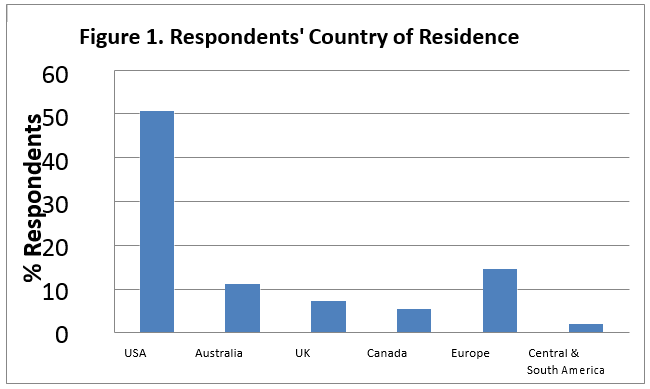
Figure 2. Does the ACBS community provide a supportive environment for the following members?
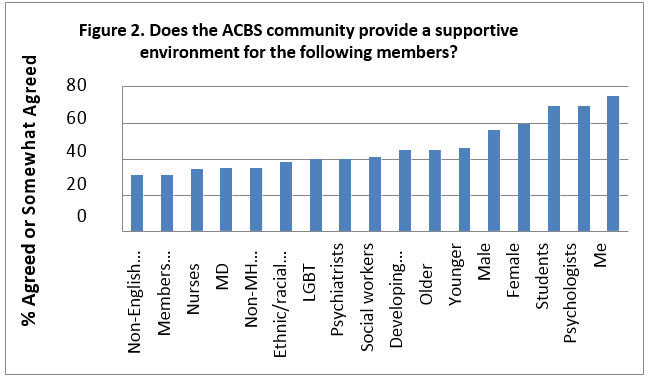
Figure 3. Should the ACBS goals for increasing diversity include…
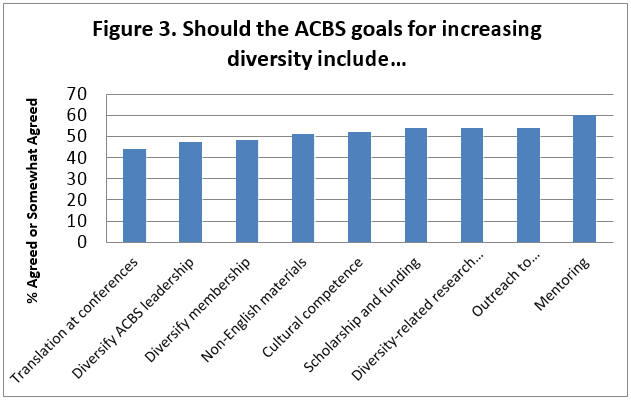
Figure 4. What Factors of Diversity should ACBS Focus on?
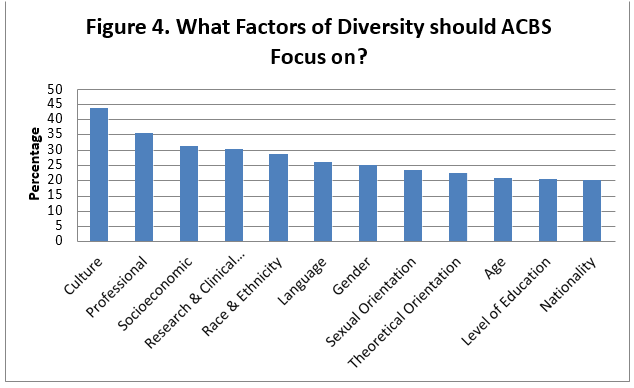
Figure 5. In What Ways Are Listservs Useful?
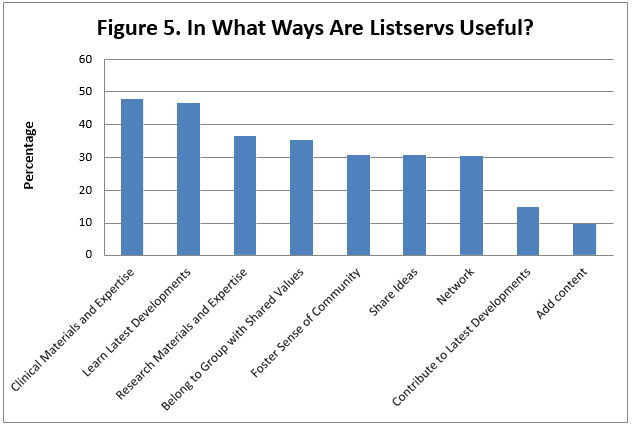
Table 1.
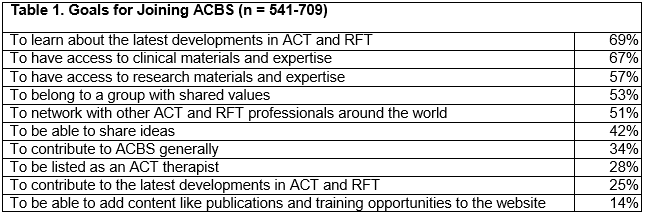
Table 2.
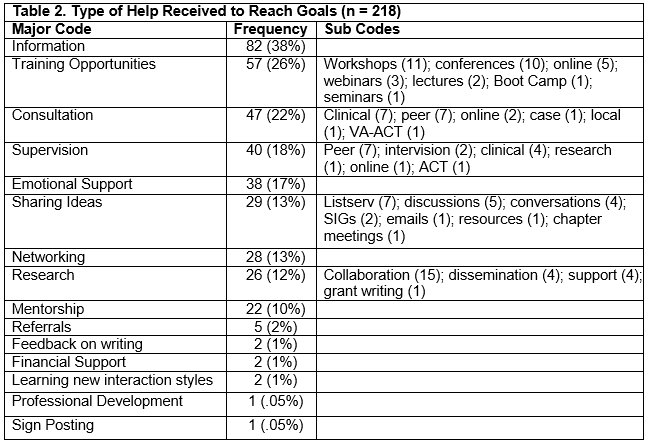
Table 3.
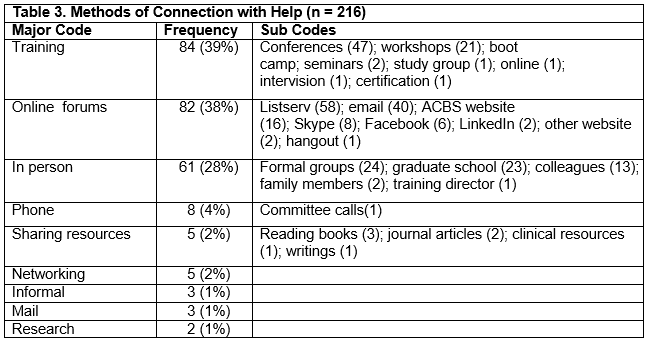
Table 4.
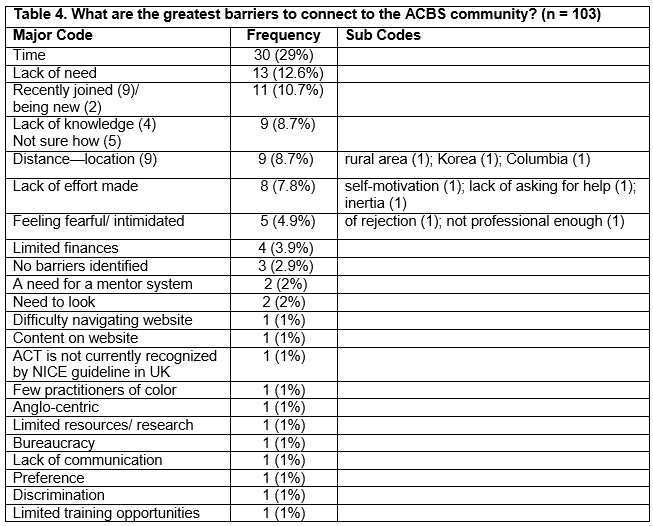
Table 5.
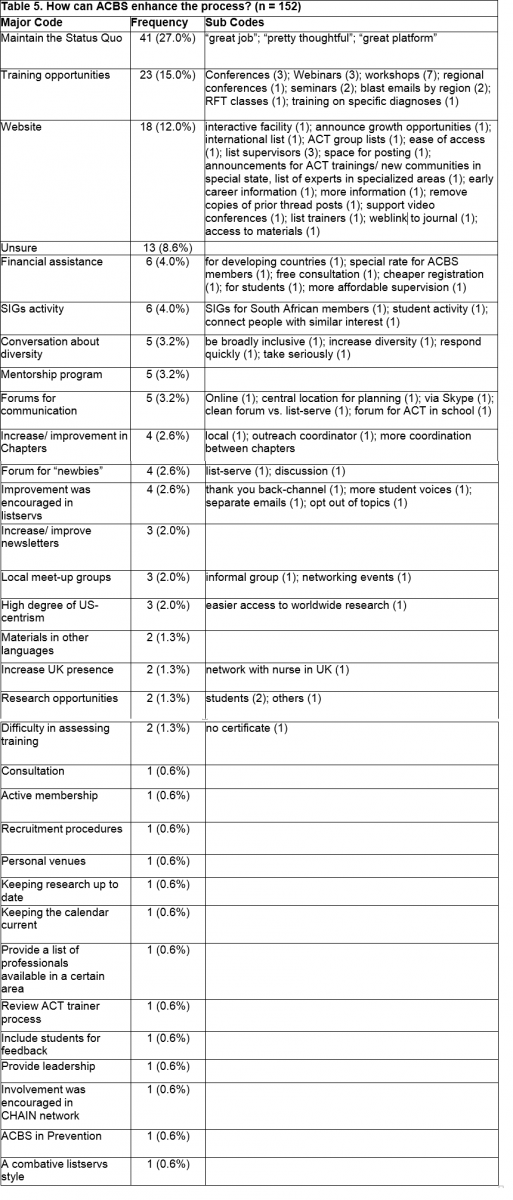
Table 6.
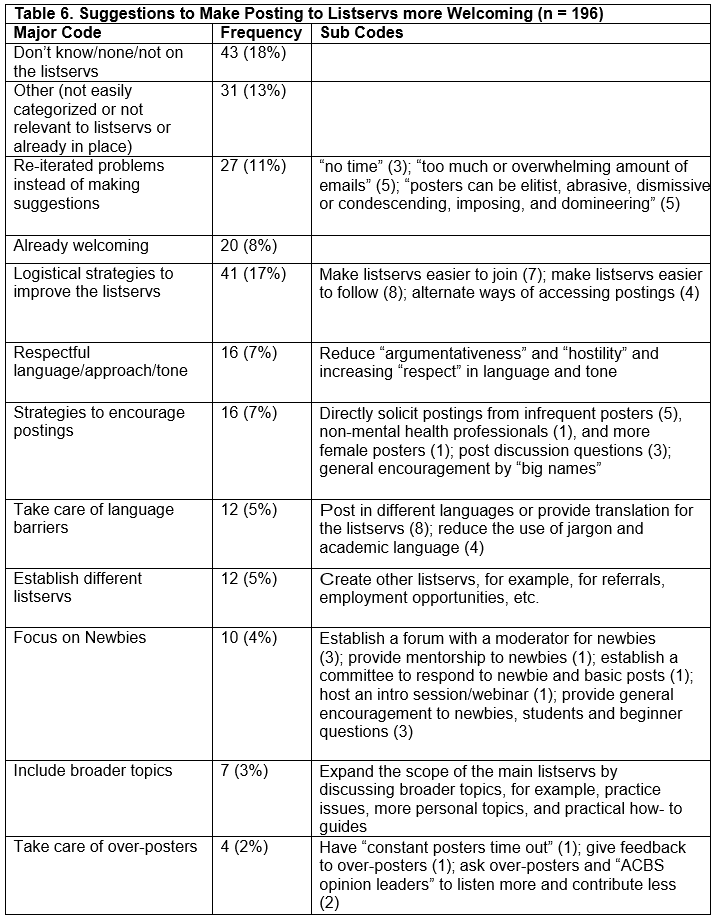
Table 7.
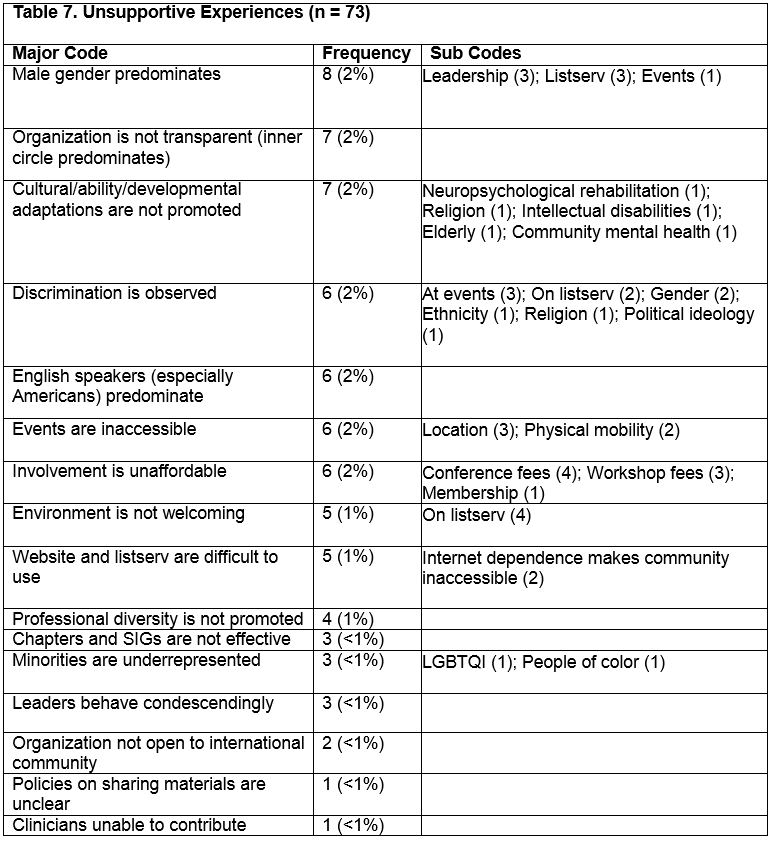
Table 8.
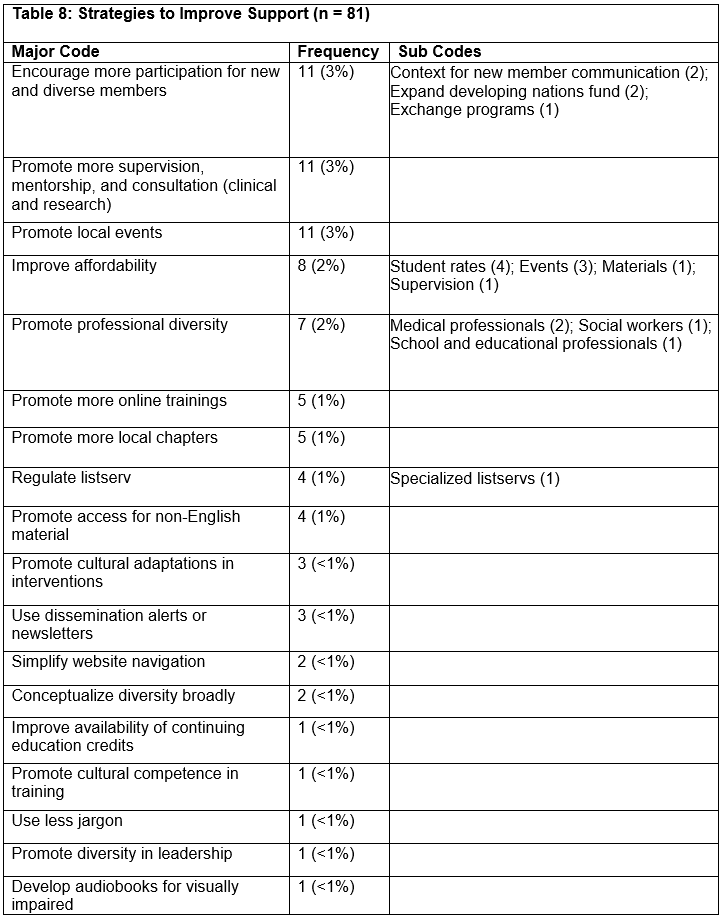
Table 9.
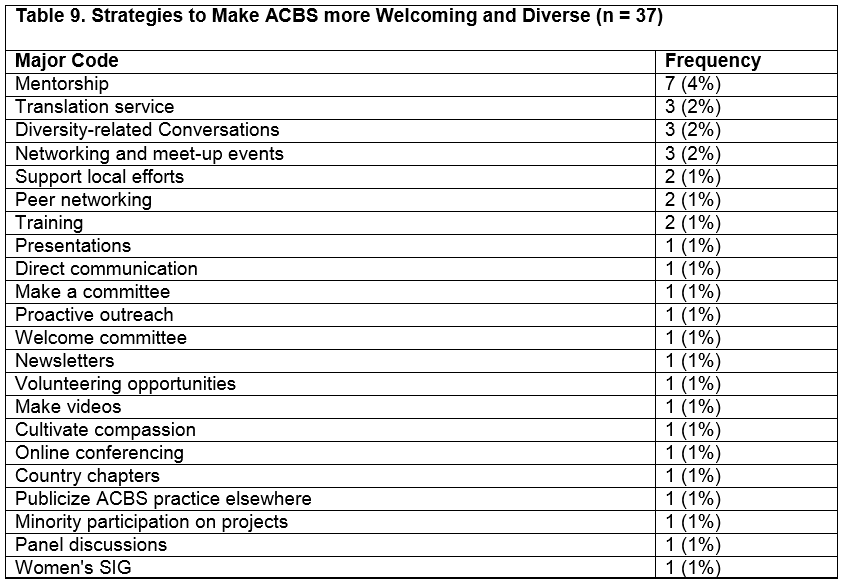
Diversity, Equity, and Inclusion Committee Fund
Diversity, Equity, and Inclusion Committee FundWe need your support!
The Diversity, Equity, and Inclusion Committee wants to bring more diversity awareness to the ACBS community through training, scholarships, and diversity initiatives. Please consider donating to the Diversity, Equity, and Inclusion Committee Fund to help further these initiatives.
The Diversity, Equity, and Inclusion Committee is aiming to bring increased diversity to the ACBS annual conferences by providing scholarships for individuals who come from diverse backgrounds and who would not be able to attend an ACBS conference without this added financial support. Both trainees and professionals are eligible. Please note that this is a separate scholarship from the Developing Nations Fund. Click here to see previous scholarship recipients.
If you would like to donate to the Diversity, Equity, and Inclusion Committee Fund, please click below:
Please note that this contribution does not qualify as a tax-deductible charitable contribution, according to USA tax law ... but it's a nice thing to do.
Grants Committee
Grants CommitteeThe Association of Contextual Behavioral Science (ACBS) Research Development Grants provide financial support for research that advances the field of Contextual Behavioral Science (CBS). The purpose of these Research Development Grants is to provide financial support for high quality, innovative original research projects. You can read more about the Research Development Grants on the ACBS website. https://contextualscience.org/acbs_research_development_grant_scheme
The Grants Committee recruits and manages dozens of reviewers each year. The committee solicits applications, coordinates the reviewers, and presents the reviewers' final results to the ACBS Board of Directors. Thank you to the Grant Committee for managing the entire process professionally and smoothly.
The 2022/2023 Grants Committee
Kristy Dalrymple, Co-Chair
Jason Lillis, Co-Chair
Nuno Ferreira
Jaimee Heffner
Megan Kelly
Päivi Lappalainen
Andreas Larsson
Thomas Szabo
Membership Committee
Membership CommitteeThis committee shall be responsible for recruiting new professional, student, and affiliate members, retaining current members, and facilitating transition from student to professional membership. The committee is charged with establishing and sustaining long-term membership options, evaluating the needs of members and their satisfaction, and liaising with Diversity and Chapter & SIGs committees.
In the past, the Membership Committee has been responsible for:
• Conducting a Membership survey
• Composing engagement emails to be sent out to new members
• Composing emails to re-engage members due to renew
• Facilitating the process of identifying ACBS Fellows.
We are always looking for new volunteers who want to serve on the Membership Committee! The 2021/2022 The Membership Committee meets every 6 weeks and 1-2 hours per month are generally needed from volunteers. Please indicate your interest here!
The 2023/2024 ACBS Membership Committee
Wyatt Evans (USA) - Co-Chair
Danielle Moyer (USA) - Co-chair
Jeridith Lord (USA) - Incoming Co-Chair
Ashlyne Mullen (USA) - Incoming Co-Chair
Sarah Cassidy (Ireland)
Alison DeLizza (USA)
Lanaya Ethington (USA)
Lane Godsey (USA)
Tina Joanes (Germany)
Daniel Maitland (USA)
Courtney Pflieger (USA)
Amanda Rhodes (USA)
This page was last updated on 08/15/2023
2022 Membership Committee Survey Results
2022 Membership Committee Survey ResultsPlease find the results of the Membership Committee Survey and action plans included on the attached infographic.
Finding your home in ACBS
Finding your home in ACBSPresented at the ACBS World Conference Nicosia, Cyprus 2023 by Danielle Moyer, Wyatt Evans, Amanda Rhodes, Valerie Kiel, Lanaya Ethington, and Sarah Cassidy
"Finding your home in ACBS: How to get (more) connected and involved"
Founded in 2005 by a small number of people with a shared interest, ACBS has grown into an organization of over 9,000 members across more than 100 countries. There are now 44 Chapters, 43 Special Interest Groups, and 14 Leadership Committees.
As ACBS grows in size and scope, so does the need to actively build and maintain community. But with so many ways to get connected and involved, it can be challenging and even daunting to figure out which ones will be most interesting and meaningful to you. Brought to you by the ACBS Membership Committee, this panel will provide a straightforward introduction to community involvement opportunities within ACBS.
Whether you are brand new to ACBS, a longtime listserv lurker, or even Steve Hayes himself, this panel is sure to have something for you. Join us in exploring how to get more You into the community and more We into ACBS!
Publications Committee
Publications CommitteeThe purpose of this committee is to assist in the success of the Journal of Contextual Behavioral Science, and future association journals or magazines (as distinct from the on-line newsletter or website, which is a form of membership communication). The publication committee will provide independent oversight of the journal. The purpose of this committee is to make the editor and editorial staff accountable to the society. It is designed to prevent JCBS from moving in an ACBS inconsistent direction (e.g., a rogue editor that goes against the spirit of ACBS). Among other issues, the committee deals with issues of promotion, impact, quality, coverage, efficiency, organization, readership, cost, publisher relations, membership relations, and the selection of editors. The committee will review the content of the publications (e.g., are the publications consistent with the ACBS vision). It should also review the journal finances. Finally, it should review the editors report, which will describe the journal’s performance (e.g., speed of manuscript flow, numbers of publication, citation rates), and future plans (e.g., anticipated special issues, content areas and directions).
In the past, the Publications Committee has been responsible for:
• Monitoring and improving the impact of JCBS
• Monitoring and improving editorial flow of JCBS
• Contract implementation and renewal negotiations with the publisher of JCBS
2023/2024 Publications Committee
Rhonda Merwin, Ph.D. - Committee Chair
Dermot Barnes-Holmes
Megan Kelly
Lance McCracken
(This page was updated on 06/09/2023)
Scientific Strategic Council (SSC)
Scientific Strategic Council (SSC)We are delighted to announce the establishment of the Scientific Strategic Council (SSC) within the Association of Contextual Behavioural Science (ACBS). The SSC will play a pivotal role in advancing the strategic aims of the association and promoting scientific excellence in the field of Contextual Behavioural Science (CBS).
The ACBS Scientific Strategic Council has grown to include the following duties:
New SSC Committee Members:
Joanna Arch - Chair
Lance McCracken
Connie Chong
Staci Martin
Nigel Vahey
Clarissa Ong
***Centering Science Pillar (CSP) members will be on the SSC during the transition phase:
Louise McHugh
Jonathan Bricker
Emily Sandoz
Ken Fung
Brandon Gaudiano
Mike Levin
Training Committee
Training CommitteeThis committee shall support the development, evaluation, and availability of high-quality CBS training (e.g. ACT, applied RFT), and do so in a manner consistent with statements of the ACBS community’s values as described in the Trainers’ Agreement. Here, “high quality” means training that creates conditions that establish higher levels of psychological flexibility through empirically supported processes, and that increases the trainees’ ability to apply CBS. Toward that mission, one standing duty of this committee is to oversee and coordinate the peer-review process for being listed as a recognized ACT trainer on the ACBS website.
In the past, the Training Committee has been responsible for:
• Oversight of the peer-review process, including updates to the process and forms
• Creating a video describing how peer-review operates
• Conducting and evaluating a Trainer’s survey
• Encouraging diverse trainers to apply for the peer-review process
• Developing a Trainer’s Think Tank for World Conferences (which encourages trainer community building)
2022/2023 Committee
Current Chair - Lou Lasprugato, Ph.D.
Raul Manzione
Giovanni Miselli
Sarah Pegrum
Mônica Valentim
(This page was updated on 06/09/2023)
Committee Resources
Committee ResourcesBelow we have attached some resources you might find useful in your committee work (Committee Descriptions, Committee Handbook and Practical tips). Sample templates are also available on the next page.
We've also included some policies important to committee chairs.
Sample Committee Templates
Sample Committee TemplatesBelow we have attached some resources you might find useful in your committee work (Sample templates for minutes, reports, agendas, etc).
ACBS Diversity, Equity, & Inclusion
ACBS Diversity, Equity, & InclusionACBS is proud to share our new and longstanding efforts to be a more inclusive, equitable, and diverse international organization. If you would be interested in getting involved and volunteering please let us know here and we'll get you connected.
DEI Committee
This committee shall develop strategies to promote diversity within the association, as well as to disseminate Contextual Behavioral Science to diverse populations. This committee is charged with considering diversity at all levels of ACBS. For example, this committee shall serve to support diversity with regard to both basic and applied science, as well as to promote conventional demographic diversity. To join us and volunteer, please go here.
JEDI project
Some of our goals with this project are to: Identify and redress existing policies or procedures in the organization that may disproportionately marginalize or negatively impact individual or collective membership, particularly sexual and gender diverse groups, racial/ethnic minority groups and members from developing nations. Increase pathways to support more diverse representation in leadership positions including committee, chapter, and SIG leadership positions.; Increase and diversify efforts to support the recruitment, retention, and active participation of a diverse membership.; Promote a spirit of inclusion and belonging within the organization, where all members feel encouraged and empowered to honor and celebrate cultural differences.; Identify specific issues/initiatives that members feel motivated and interested in leading, on a voluntary basis. Learn more here and get involved.
JCBS
Diversity, Equity, and Inclusion Pledge
Recent JCBS articles
- Assessing the functions of Japanese words for self using the implicit relational assessment procedure
- Ways of responding to body image threats: Development of the Body Image Flexibility and Inflexibility Scale for youth
- The role of psychological flexibility and socioeconomic status in adolescent identity development
- A systematic review of inclusion of minoritized populations in randomized controlled trials of acceptance and commitment therapy
- Racial microaggressions and trauma symptoms in a black American sample: The moderating role of self-compassion
WHO project
The World Health Organization (WHO) decided around 2015 to test ACT as a fully scalable psychological intervention. Dr. Mark van Ommeren, head of Mental Health, was looking for a radically transdiagnostic approach that could help with the wide variety of mental and behavioral consequences of war. The breadth of outcomes across different problems areas world wide for ACT attracted his attention. Go here to read more.
Multilingual content
- Educational content in multiple languages
- Videos - more that 40 videos available (audio or subtitles) in Spanish
- Metaphors in languages other than English
- Assessment measures in more than 45 languages
Diversity, Equity, and Inclusion SIG
- Learn more and join the DEI SIG.
- Video highlight (DEI SIG Webinar): When Cherished Cultural Memories Become Unintended Casualties: Using ACT & RFT to Transform Pain Back Into Purpose
- Video highlight (DEI SIG Webinar): Applying the Social Determinants of Health to ACT for African Americans
- Video highlight (DEI SIG Webinar): Watching out for Self-Righteousness Within: A CBS Account of Diversity and the Promotion of Diversity
- Video highlight (DEI SIG Webinar): Decolonising Drug Studies: Victorian Aboriginal Women's Narratives on Healing, Drug use and Drug recovery
- Video highlight (DEI SIG Webinar): Working with Sexual Orientation and Gender Diversity
- Video highlight (DEI SIG Webinar): Context for Decolonization: Historical, Philosophical, and Theoretical Underpinnings
ACT Across Cultures SIG
- Learn more and join the ACT Across Cultures SIG
- Video highlight (Student SIG Webinar): ACT for Migrants: Fostering Resilience in New Waters
Women in ACBS SIG
- Learn more and join the Women in ACBS SIG.
- Video highlight (Women in ACBS SIG Webinar): The Balancing ‘ACT’ in Parenting Acceptance, Commitment, and the Illusion of Work-Life Balance
- Video highlight (Women in ACBS SIG Webinar): Women and Burnout: Coming Together to Connect and Recharge
- Video highlight (Women in ACBS SIG Webinar): Resilience in ACTion: Fostering Black Women's Healing from Racialized Trauma
Gender and Sexual Diversity SIG.png)
- Learn more and join the Gender and Sexual Diversity SIG.
- Knowledge is power: Top Five Things to Say (or not) to Transgender People by lore dickey
ACT and the Christian Client SIG
- Learn more and join the ACT and the Christian Client SIG
- Article: Suicide prevention training for Christian faith-based organizations using Acceptance and Commitment Therapy: a pilot controlled trial of The HOLLY Program
ACT and Judiasm SIG
Asian Culture and CBS SIG
- Learn more and join the Asian Culture and CBS SIG.
- Video highlight (Asian Culture and CBS SIG Webinar): Working with Asian Clients Using ACT
- Video highlight (Asian Culture and CBS SIG Webinar): Cultural Difference in the Understanding of Experiential Avoidance between Chinese and Western People
Video resources (examples)
- ACBS World Conference session: Providing Culturally-Appropriate ACT: Diversity, Equity, and Inclusion SIG Sponsored
- CBS SuperLab Webinar: Translational Applications of Relational Density: Gender and Racial Prejudice
- SIG event: DEI in ACTion: Lessons learned (and learning) from the NYC-ACBS Chapter
- CBS SuperLab Webinar: ACT-based Approaches to Preventing and Treating Relationship Violence
- ACBS World Conference session: ACT-ing Queer: The Psychological Flexibility Model as a navigational framework for LGBTQ-identified clinicians
- ACBS World Conference session: Experiences of Stigma, Stress, and Stereotypes across Marginalized Populations
Values-Based Dues
Since the beginning of ACBS, we have had Values-Based Dues. We are one of the only major societies doing this experiment and so far is is working. Members may choose how much they are willing to pay for your membership, based on ability to pay and honest assessment of how much this community and website fits with your goals and values. ACBS does not want inability to pay to be a barrier to learning and connecting about CBS. Go here to learn more.
LMIC membership scholarships
ACBS is committed to outreach to scholars, practitioners, researchers and other professionals who have a strong interest in ACT, RFT, and Contextual Behavioral Science and who have difficulty affording full membership in the organization. Go here to learn more or apply.
DEI Scholarships
The Diversity, Equity, and Inclusion (DEI) Committee is aiming to bring increased diversity to our annual conferences by providing funds for individuals who come from diverse backgrounds and who would not be able to attend an ACBS conference without this added financial support. Awarded annually since 2015. Learn more.
Diversity Award
This Diversity Award will be given to one qualifying ACBS member each year who disseminates CBS work aimed at advancing diversity, equity, and inclusion. Specifically, the award focuses on dissemination of work across categories including gender, race, ethnicity, language, income, sexual/gender identity, religion, neurodiversity, and disability. This work can be disseminated through research publications, teaching, clinical work, and/or community service. Go here to learn more or apply.
Chapter/SIG Awards
An award serving Justice, Equity, Diversity, and Inclusion goals is given to one Chapter and one SIG to enhance collaboration and/or connections amongst ACBS members. Learn more.
ACBS Foundation Luoma Fund
The Aaron S. Luoma Fund aims to advance global health, reduce global disparities, and promote global equity. Go here to learn more and donate. Go here to apply.
ACBS Inclusive Science Grant
The new Inclusive Science Grant is intended to promote and support ACBS researchers in developing high quality pilot data that will form the foundation for future competitive grant proposals underpinned by inclusivity, broadly defined. More specifically, this grant focuses on facilitating the early pilot stage of potentially grant-fundable research emphasizing diversity, equity, and inclusion (DEI) and/or interdisciplinary focus. Go here to learn more and apply.
Student opportunities
- Join the ACBS Student SIG and get connected.
- Check here for student specific awards, scholarships, and funding opportunities.
ACBS Board of Directors Elections
ACBS values diversity in all of it's forms on our Board to best represent our community. Go here to learn more about our elections.
Board statement on "Conversion" therapy
The ACBS Board resolutely denounces the use of so-called “conversion therapy”, which involves the use of coercive practices associated with sexual orientation and gender identity that use shame, punishment, or other abusive strategies. Go here to read more.
Board statement on use of CESS.png)
The board members of ACBS wish to state that we are unequivocally opposed to the use of contingent electric skin shock (CESS), in the treatment of challenging behaviors or under any circumstances. We believe in a compassionate science, one that employs evidence based practices to help individuals reach their full potential. Go here to read the full statement.
ACBS Endorsement of IPsyNet Statement and Commitment
IPsyNet statement provides a unified call to affirm human rights and end discrimination against LGBTIQ+ people around the world. Go here to learn more.
DN scholarships
ACBS is an international society but in many corners of the world it is difficult for professionals to attend ACBS conferences and trainings due simply to cost. The Developing Nations Fund helps disseminate CBS in the developing world and provides scholarships for attendees from developing nations to attend the world conference. We know that our members from diverse backgrounds contribute depth and richness to the organization and this program will lead to a better ACBS for all of us. Go here to learn more and apply.
ACT for ALL Project
ACT for ALL is an ongoing effort to develop and share online resources for professionals from diverse nations to learn about ACT and to learn about adapting its application for various cultural contexts. With the support of the ACBS Developing Nations Committee and the Training Committee, ACT for ALL resources are developed through collaborations between volunteer peer reviewed ACT trainers (PRTs) and valued professionals from low and middle income countries (LAMIC). Go here to learn more.
LMIC/LAMIC Resources page
ACBS volunteers from LMIC nations have currated a list of available resources specificially with LMIC students, professionals, and researchers in mind. Go here to learn more.
Please note, opening and closing dates of different programs/projects vary by program.
ACBS JEDI Project
ACBS JEDI ProjectWe are an organization of people from a diverse range of professional and cultural groups. We are also growing fast. We believe that if ACBS is to keep pace with members and their needs, we must proactively assess and address obstacles to justice, equity, diversity, and inclusion. In order to do this, we need outside perspectives to inform behaviors, policies, and systems inside ACBS. In consultation with the DEI and DN committees, ACBS contracted to work with a JEDI consultant. JEDI stands for justice, equity, diversity, and inclusion.
Some of our goals
- Identify and redress existing policies or procedures in the organization that may disproportionately marginalize or negatively impact individual or collective membership, particularly sexual and gender diverse groups, racial/ethnic minority groups and members from developing nations.
- Increase pathways to support more diverse representation in leadership positions including committee, chapter, and SIG leadership positions.
- Increase and diversify efforts to support the recruitment, retention, and active participation of a diverse membership.
- Promote a spirit of inclusion and belonging within the organization, where all members feel encouraged and empowered to honor and celebrate cultural differences.
- Identify specific issues/initiatives that members feel motivated and interested in leading, on a voluntary basis.
The work began late in 2022 with teams of volunteers recruited and organized soon after. The 5 teams and their areas of interest are:
- Researcher support (to support ACBS member’s DEI research goals)
- Membership development (recruitment, retention in line with DEI goals)
- Training (improvement in training techniques and opportunities, mentorship, career advancement in line with DEI goals)
- Leadership (support upcoming leaders in ACBS, mentorship)
- Governance (Review current policies and procedures for obstacles to DEI goals and facilitate evidence-based revision)
Our JEDI Consultant, Dr. Tyson Panke, met with teams in September to provide feedback regarding draft proposals. Teams are now working to refine their proposals and will meet again with Dr. Panke in December, before submitting final proposals to the ACBS Board in January, 2024.
There is still time to join us moving JEDI work forward. Please submit your interest here.
ACBS Foundation
ACBS FoundationACBS Foundation is about you. As a non-profit charitable foundation, we provide financial support for activities of training, education, research, dissemination of information, and outreach that minimize human suffering and increase well-being. Join in this effort!
Why You Should Donate

- You care for imminent societal pressures such as environmental disasters, poverty, mental health and social injustices
- You are concerned about people in need
- You trust and support behavioral science in alleviating suffering and distress, worldwide
- See previous scholarship and grant recipients here
How You Can Help
We are grateful to our founders, Jason Luoma and Jenna LeJeune, for making the dream of bringing our work to the global community and making it possible for us to change the world. You can be part of this exciting time in growth of the Foundation. You can make a difference in developing nations, a sustainable environment, and a more peaceful society.
The ACBS Foundation is accepting donations. Donations are welcome from all ACBS members and can be made here:
If you are not an ACBS Member and would like to donate, please contact us at office@contextualscience.org for assistance with membership options in joining the association.
Advantage for Donors
Donations to the ACBS Foundation can be tax deductible. Tax receipts available upon request. The ACBS Foundation is a 501(c)3 non-profit corporation. Contributions may be tax deductible pursuant to the provisions of section 170(c) of the Internal Revenue Code of 1986, 26 U.S.C. § 170(c).
Contact Us
Our Values and Vision
Our Values and VisionGoals
We started with a vision to make people thrive…. We continue with the vision to inspire the society about our work…. And help people make the most of their lives.
Where We Started
ACBS is a professional organization whose purpose is to meet the needs of its professional members. Early on, the association recognized the need to form a Foundation that would enable the broader goals of ACBS, over and above meeting the needs of its members. The ACBS Foundation was established thanks to the generous donation of two longtime members, Jason Luoma and Jenna LeJeune. Thanks to their donation, the ACBS Foundation was made practical and sustainable. The ACBS Foundation serves the needs of the worldwide community through the programs listed below.
Where We Contribute
Funding students to attend and learn cutting-edge information about contextual science at the ACBS World Conference. Student scholarships set the premises for the future scientists to work to expand CBS and apply it to emerging societal challenges.
Funding for CBS projects related to the environment, social justice, and behavior in real life contexts.
Our Activities
Our ActivitiesACBS Foundation Grant
The ACBS Foundation is proud to announce a new funding mechanism for CBS projects related to the environment, social justice, and behavior in real life contexts.
In particular, we are looking to support and fund projects that break new ground. These could include - but are not limited to - projects focusing on:
• global warming
• interventions in hitherto untested populations
• novel applications or modalities of interventions
• projects focused on dissemination
• projects that address public policy
• projects that measure outcomes of training
• projects that examine interventions in naturally occurring groups (prosocial)
• projects that have the potential to improve diversity, equity, and inclusion and/or address institutional racism
• projects involving developing nations, refugees or other disenfranchised or marginalized people
• projects that address biological correlates of CBS-relevant targets (multi-level approaches)
• interventions using technology that would have a wide reach to help people in their natural contexts
ACBS Foundation Student Scholarship
The Foundation coordinates the awarding of student scholarships to attend and learn cutting-edge information about contextual science at the ACBS World Conference.
Read more about our previous Grant & Scholarship Recipients here
ACBS Foundation Student Scholarship
ACBS Foundation Student ScholarshipA goal of the ACBS Foundation is to support existing activities within ACBS. The ACBS Foundation Student Scholarship will enable students to attend the annual ACBS World Conference. The scholarship will cover the full student conference registration fee. To read more about the ACBS Foundation or donate to the Foundation click here.
Award Recipients:
ACBS World Conference 2024 - Buenos Aires, Argentina
• Paula Rodríguez, Fundación Universitaria Konrad Lorenz
• Ezaeza Gaby Sanz Galvan, Edge Hill University
ACBS World Conference 2023 - Nicosia, Cypress
• Yass Radd, City University of London
• Xu Wang, Chinese University of Hong Kong
ACBS World Conference 2022 - San Francisco, USA
• Zacharias Christensen, University of Copenhagen, Denmark
• Jiayin Ruan, The Hong Kong Polytechnic University, China
ACBS Virtual World Conference 2021
• Jin Xiaohuan, The Chinese University of Hong Kong, China
• Pinelopi Konstantinou, University of Cyprus, Cyprus
ACBS World Conference 2020
• Nadina Pantea, Babeș-Bolyai University, Romania
• Alison Stapleton, University College Dublin, Ireland
Requirements:
Nominees must be:
- Student members of ACBS in good standing (i.e., membership dues are up to date);
- Currently enrolled as a student in an undergraduate or graduate program;
- Presenting a poster, a paper as part of a symposium, or IGNITE presentation. Please note that these submissions MUST be submitted by February 15, even though the general poster submission deadline is later for the conference. (In the event that your oral/symposium presentation is not accepted, scholarship recipients will be guaranteed a poster acceptance on the same topic/research.)
- Willing to write a brief report highlighting the benefits to my work/study that I received from attending the ACBS World Conference. This write up may be used by the ACBS Foundation for promotional purposes.
We encourage applications from first time ACBS conference attendees, students from under-represented groups in ACBS (e.g. developing nations), and students who demonstrate financial need. We define “financial need” as including one or more of the following, but understand that there might be other examples:
- Your school will not provide any reimbursement or funding for this trip. You are funding this trip 100% by yourself.
- You have recently gone through personal situations that have put a strain on you financially.
- You do not have student assistantships (i.e., paid Teaching Assistant or Research Assistant appointments). You are funding all of your studies with student loans and/or working other jobs outside of school.
- You live in a developing nation where financial resources are scarce.
This scholarship must be used in in the year awarded and can not be delayed to future years. This scholarship may only be used to offset the main conference registration fees (the scholarship may not be applied to any other expense). If an individual is awarded more than one scholarship in the same conference year, the total value of all scholarships may not exceed the total cost of the ACBS World Conference registration fee.
Previous Grant & Scholarship Recipients
Previous Grant & Scholarship RecipientsACBS Foundation Student Scholarship
Click here for more information and to apply.
The goal of the ACBS Foundation is to support existing activities within ACBS and explore areas for future development. One step in moving towards this goal has been to create the ACBS Foundation Student Scholarship, which provides 2 outstanding students complimentary registration to attend the ACBS World Conference.
The Application opens on November 1 and the deadline to apply is February 15.
Previous Award Recipients can be found below.
ACBS Foundation Grant
Click here for more information and to apply
The ACBS Foundation aims to promote CBS projects around the world. With the goal of facilitating interventions that promote well-being, we are proud to announce a new funding mechanism for ground-breaking projects that share this aim in the realms of interventions, training, and research.
The aim of the ACBS Foundation grant is to finance projects and/or research that advances the understanding of how CBS principles can be used to impact social or environmental issues.
Grant Application Schedule
The annual grant call is open from January 15 – March 1.
Grant Award Announcements by June 1.
Grant Start Dates, by September 1.
Previous Grant Recipients can be found below.
2020 ACBS Foundation Student Scholar
2020 ACBS Foundation Student ScholarACBS World Conference 2020 - Alison Stapleton, University College Dublin
"As a self-funded PhD student with a passion for knowledge transfer and exchange, receiving the ACBS Foundation Student Scholarship gave me space to fully engage in the ACBS World Conference. Rather than having to divide my time between conference participation and my fulltime job, the ACBS Foundation Student Scholarship allowed me to focus fully and connect with the values underlying my participation in ACBSWC18, namely dissemination, collaboration, and fun. Thanks to the ACBS Foundation Student Scholarship I was able to present two posters, an IGNITE, an oral presentation, AND my first ever Folly! I have benefitted immensely from the ACBS Foundation Student Scholarship both personally and professionally, having formed new connections with labs around the world and also received insightful feedback on my current research. The ACBS Foundation Student Scholarship took my ACBSWC18 experience to the next level, allowing me to immerse myself fully without needing to worry financially.
ACBS is dedicated to supporting all its members and I can honestly say that the ACBS Foundation Student Scholarship gave me the springboard I needed as an early career self-funded researcher."
2021 ACBS Foundation Grant
2021 ACBS Foundation Grant2021 Grant Recipient:
Maria Hamdani, University of Akron (USA) and her colleagues (Dr. Vickie Coleman Gallagher, Dr. Grace H. C. Huang and Dr. Kelly Yu-Hsin Liao) are proud to be the recipients of the first ACBS Foundation Grant for their research on Psychological Flexibility and Adaptive Job and Family Behaviors of Resettled Syrian and Ukranian Refugees in USA.
"Unlike past studies of refugee experiences, our study examines the role of psychological flexibility in transition issues at the advanced stages of refugee work and family life in their new country. This grant will extend our ongoing research to support refugee wellness, self-determination, employment success, and their family's overall health and wellbeing. As researchers across the College of Business Administration, College of Education, and Department of Psychology, the Foundation Grant will strengthen our collaboration between the two universities and the local resettlement agencies, to build a holistic view of the refugee crisis, support the community, and attract additional funding resources for future research,"---Dr. Hamdani
2021 ACBS Foundation Student Scholars
2021 ACBS Foundation Student ScholarsAward Recipients for the ACBS Virtual World Conference 2021: Jin Xiaohuan, The Chinese University of Hong Kong, China and Pinelopi Konstantinou, University of Cyprus, Cyprus
The goal of the ACBS Foundation is to support existing activities within ACBS and explore areas for future development. One step in moving towards this goal has been to create the ACBS Foundation Student Scholarship, which provides two outstanding students complimentary registration to attend the ACBS World Conference.
Jin Xiaohuan, The Chinese University of Hong Kong, China 
"As a PhD student from China which is classified as upper-middle-income economies, I am very grateful to receive ACBS Foundation Student Scholarship. The scholarship is not only as financial support to fund my registration fee to fully engage in the ACBS World Conference, but also as spiritual support to encourage me to keep my passion in CBS research and clinical practice.
The ACBS Foundation Student Scholarship gave me an opportunity to fully focus on ACBS Virtual conference 2021, in which I have learned a lot regarding the theories, techniques, delivery methods and effective tools of ACT in a series of settings for a series of different populations. I have met so many excellent experts in ACT, RFT and CBS. With this opportunity, I was able to present an oral presentation related to ACT with parents of children with health conditions and communicate with other scholars in this field.
The ACBS Virtual conference 2021 funded by the ACBS Foundation Student Scholarship benefitted me a lot, taking my knowledge, skills, and insight of ACT to a new level, which will continue to help my research program. It also provided a platform to meet so many expert scholars from all over the world."
Pinelopi Konstantinou, University of Cyprus, Cyprus 
It was my honour to be awarded for the ACBS Foundation Student Scholarship to attend the ACBS World Conference 2021. The ACBS Foundation Student Scholarship helped me to fully engage in the ACBS conference and thus expand my knowledge on ACT and improve both as a clinical psychologist and a researcher. I have benefitted immensely from the ACBS Foundation Scholarship as I was able to present a poster on providing recommendations to other professionals who are interested in conducting digital-based research. I received useful feedback and insight on my research, and I had the opportunity to build my professional network by connecting with experienced clinicians and researchers in ACT.
Thanks to the ACBS Foundation Student Scholarship I was able to attend to a wide variety of symposiums, workshops and panels, and I left fully inspired with many new ideas for future studies in health and clinical psychology. As an early-career and self-funded researcher, the ACBS Foundation Scholarship helped me to expand my knowledge and improve my clinical and research skills, and I am confident that the ACBS community can keep me motivated throughout my career.
2022 ACBS Foundation Grant
2022 ACBS Foundation Grant2022 Grant Recipient:
Wenqian ZHAO, PhD Candidate of The Chinese University of Hong Kong (Hong Kong SAR, China) and her supervisors (Prof. Wai Tong CHIEN and Prof. Yuen Yu CHONG) are proud to be the recipients of the 2022 ACBS Foundation Grant for Miss ZHAO’s PhD research on Effectiveness of online ACT-based program for breast cancer survivors on improving body image disturbance.
"We combined the nursing techniques (i.e., health education) with ACT techniques in our intervention to examine the effectiveness of ACT-based intervention on improving body image disturbance of breast cancer survivors. This grant will support our ongoing research to help breast cancer survivors on improving their perceived body image, emotional problems and dysfunctions during the treatment and/or rehabilitation. As a video-conferencing program, the Foundation Grant will strengthen feasibility and acceptability of the intervention (especially the internet utilization) during the whole research, to establish an accessible, sustainable online platform for telemedicine nursing service; promote the physical, psychological and social rehabilitation of breast cancer survivors; and attract more attention and funding resources for future research on those patients and also other populations with the similar body image concerns."
2022 ACBS Foundation Student Scholars
2022 ACBS Foundation Student ScholarsAward Recipients for the ACBS World Conference 2022: Zacharias Christensen, University of Copenhagen, Denmark and Jiayin Ruan, The Hong Kong Polytechnic University, China
The goal of the ACBS Foundation is to support existing activities within ACBS and explore areas for future development. One step in moving towards this goal has been to create the ACBS Foundation Student Scholarship, which provides two outstanding students complimentary registration to attend the ACBS World Conference.
Jiayin Ruan, The Hong Kong Polytechnic University, China
It was my great honor to be awarded for the ACBS Foundation Student Scholarship. As a PhD student who is a novice but quite interested in Acceptance and commitment therapy (ACT), the ACBS Foundation Student Scholarship not only served as a financial support for me to fully engage in the ACBS World Conference 2022, but also as an encouragement and support for me to keep my passion in ACT related studies and clinical practice.
During these unforgettable conference days, I learned a lot related to Contextual Behavioral Science (CBS), ACT, Relational Frame Theory, clinical behavior analytic assessment, bringing compassion to life in the therapy, using ACT and compassion-based skills, fidelity training, empowering the flexibility, using contextual behavioral principles, and so on. The information of various programs and workshops was so impressive, valuable, and useful! I also benefited a lot while discussing with scholars around the world.
The ACBS Foundation Student Scholarship 2022 provided me a valuable opportunity to enter the ACBS research and practice. Meanwhile, this chance deepened my understanding of ACT and other CBS related knowledge and skills. I am confident that this unforgettable experience not only helps my research program, but also keeps me motivated throughout my ACT career.
Zacharias Christensen, University of Copenhagen, Denmark
2023 ACBS Foundation Grant
2023 ACBS Foundation Grant2023 Grant Recipient: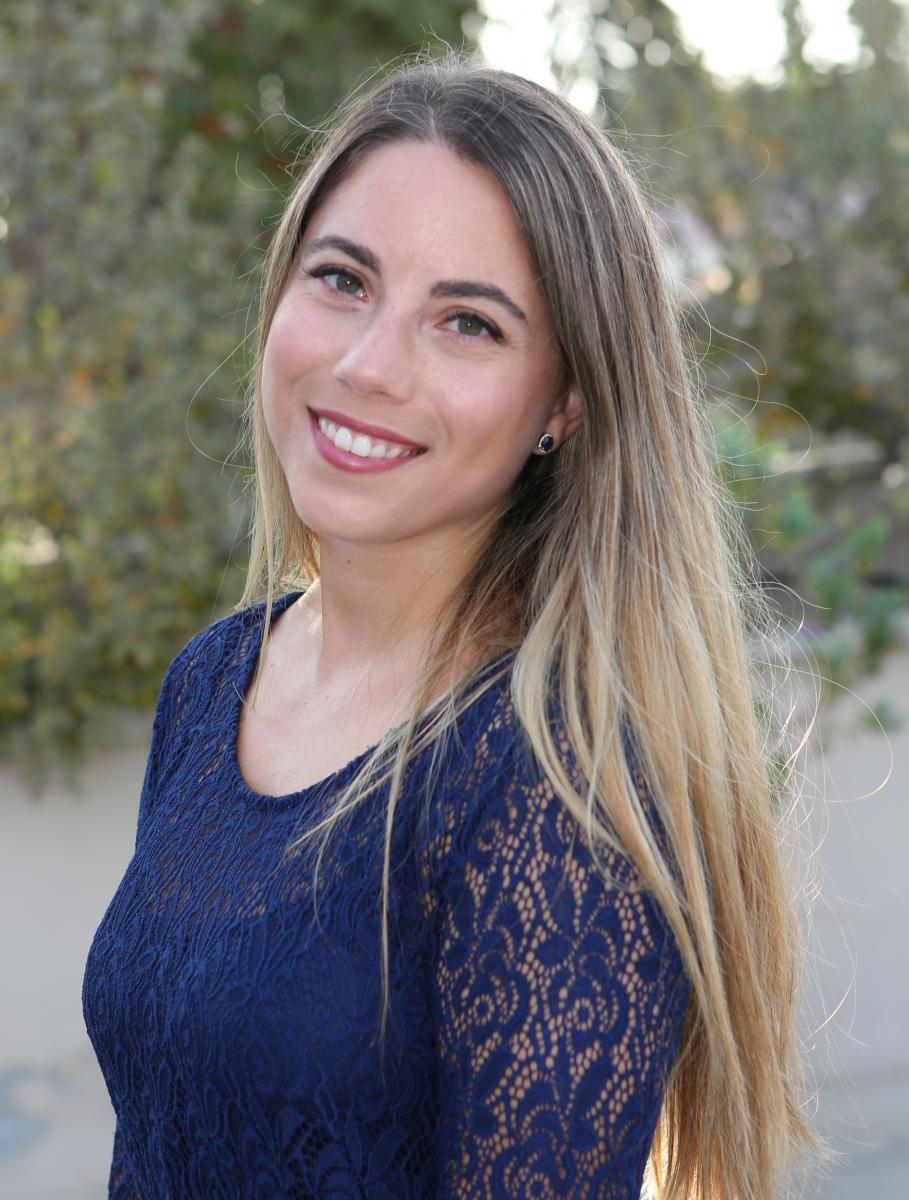
Dafne Morroni, Clinical Psychology PhD Candidate of the University of Cyprus (Nicosia, Cyprus) and her supervisor (Dr. Maria Karekla) are proud to be the recipients of the 2023 ACBS Foundation Grant for Miss Morroni’s PhD research on Acceptance and Commitment Therapy with Unaccompanied Minors.
For this project, the Self-Help Plus (SH+) protocol (World Health Organization, 2021) which has been successfully implemented in adult refugees, was adapted for adolescents from 13- 18 years old. A four-week ACT group intervention is currently being carried out with unaccompanied minors in shelters in major cities across the country. It is anticipated that the ACT group intervention will improve the minors’ psychological wellbeing, augment prosocial behaviour, and enhance quality of life. The Foundation Grant will be funding translation and printing of therapy materials as well as interpreters for the intervention. The Foundation Grant will aid in establishing feasibility and acceptability of ACT in unaccompanied minors. We hope that the support of the Foundation Grant will lead to increased interest and funding resources for future research with this underserved and vulnerable population.
2023 ACBS Foundation Student Scholars
2023 ACBS Foundation Student ScholarsAward Recipients for the ACBS World Conference 2023: Yass Radd, City University of London and Xu Wang, Chinese University of Hong Kong.
The goal of the ACBS Foundation is to support existing activities within ACBS and explore areas for future development. One step in moving towards this goal has been to create the ACBS Foundation Student Scholarship, which provides two outstanding students complimentary registration to attend the ACBS World Conference.
Xu Wang, Chinese University of Hong Kong
 I would like to express my sincere gratitude to ACBS for awarding me the 2023 ACBS World Conference student scholarship. This financial assistance not only enabled me to attend the conference but also exemplified ACBS's commitment to supporting young researchers and students in their pursuit of knowledge and professional development. During the conference, I had the privilege of delivering an oral presentation on a systematic review of compassion-based interventions for parents of children and adolescents with chronic health conditions. This experience allowed me to contribute to the field and share my findings with fellow researchers and practitioners.
The 2023 ACBS World Conference encompassed a diverse range of symposiums, workshops, and panels. I had the invaluable opportunity to learn about theories and techniques about compassion from the founders of compassion-focused therapy, as well as gain insights from clinical experts and scholars on the application of compassion-based interventions in various populations. Additionally, I acquired knowledge and skills related to acceptance and commitment therapy, which will undoubtedly enhance my future research and clinical practice. The chance to connect with experts in the field and learn from their experiences was truly transformative.
Participating in the 2023 ACBS World Conference was an enriching experience that expanded my knowledge and deepened my appreciation for contextual behavioral science. The opportunity to present my research, engage in meaningful discussions, and learn from esteemed professionals in the field has been truly invaluable. I look forward to applying the knowledge and skills gained from this conference to further my research and make a positive impact on the lives of parents and children affected by chronic health conditions.
Yass Radd, City University of London
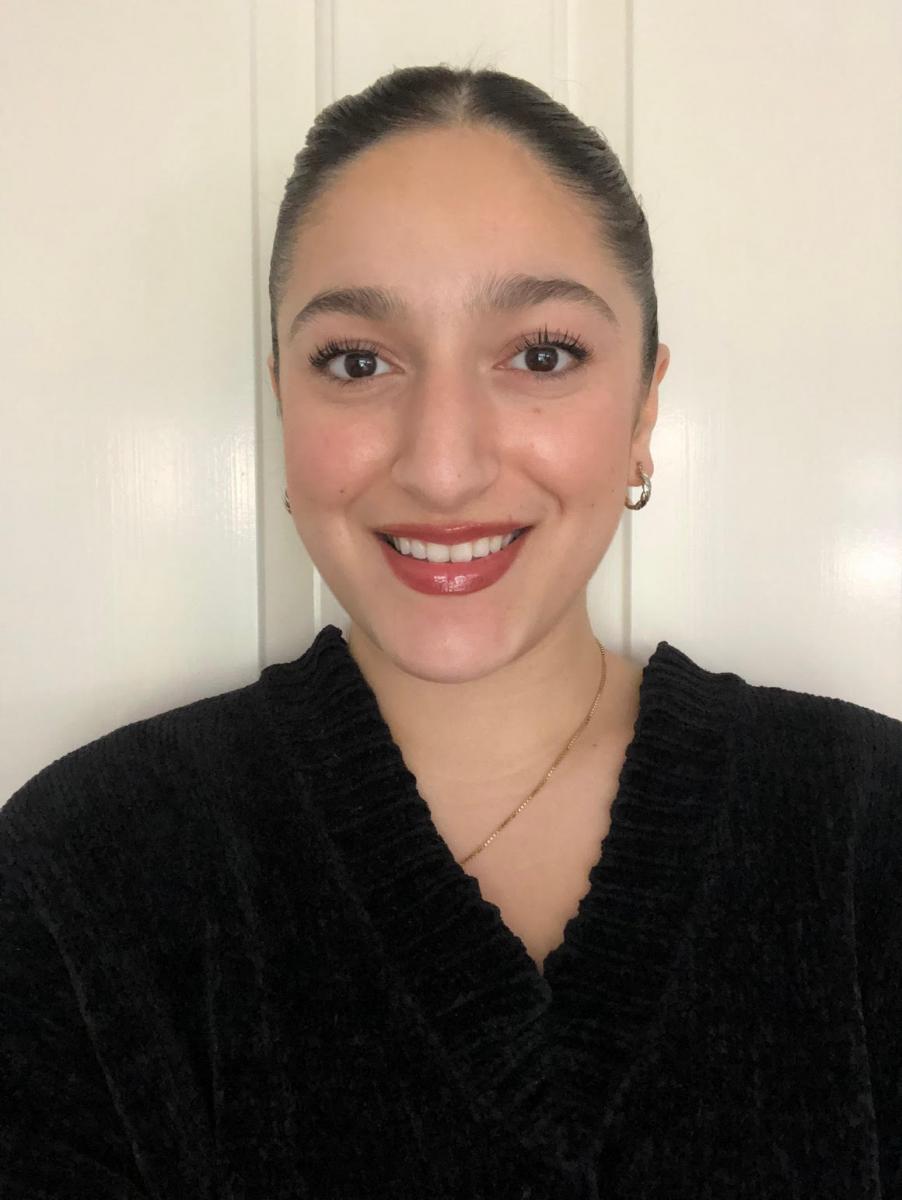
Attending and presenting at the ACBS 2023 World Conference in Cyprus was a truly great experience. Being a year into my part-time PhD at the time, it is sometimes difficult to feel fully immersed in the research and literature. My attendance at the conference gave me the chance to get up to date with the current research being carried out as well as consider the future of contextual behaviour science.
Getting involved by presenting my own research as part of a symposium was very rewarding and the new connections and friends I made were invaluable. I left feeling refreshed, inspired, and ready to continue research into ACT interventions. I am grateful of the support and opportunity to have attended my first ACBS conference and hope to attend many more in the future.
Why should you donate to the Foundation?
Why should you donate to the Foundation?
Thinking of donating? We are all here to support you.
There are many ways you can support our work, but what we ensure with any donation is that you will be well-informed about where your donations are going. Your donations support the activities of the Foundation such as Student Scholarships and the annual Foundation Grant.
How to donate?
- Commit to your values! Simply make your donations using the button above.
- Have questions? Interested in named giving opportunities? Our board’s members are very open to discuss any questions or help you see where your donations will go. Email us here and we will contact you.
Aaron S. Luoma Fund for Global Equity
Aaron S. Luoma Fund for Global EquityAaron S. Luoma Fund for Global Equity Mission
The Aaron S. Luoma Fund aims to advance global health, reduce global disparities, and promote global equity.
This fund is intended to support the application of CBS principles by individuals or organizations operating in or residing in low and low-middle income countries.
Possible uses of this fund include (amongst others):
- scholarships for individuals to obtain CBS-related training (such through attending the ACBS annual conference)
- support of scientific research projects or research capacity building by investigators residing in low and low-middle income countries
- support for organizations or individuals located in low and low-middle income countries to enable public health projects informed by CBS principles
About Aaron
Just because a person has died, their story doesn’t need to end. Aaron was one of the many people who walk this world as quiet revolutionaries, building bridges of love and compassion. He called himself a “citizen of the world” and identified with a global community above his identity as part of a particular nation, place, or group. Throughout his life, he worked to transcend geography, political borders, ethnicity, race, and other aspects of group identity. This fund is intended to continue that legacy.
2023 ACBS Foundation Grant - Aaron S. Luoma Fund for Global Equity
2023 ACBS Foundation Grant - Aaron S. Luoma Fund for Global Equity2023 Grant Recipient
Dr. Alice Morgan, Coordinator of Clinical Psychology at the Royal Children's Hospital, Melbourne, Australia, and research team Rachel Lassman (Baby Ubuntu) and Michael Gumisiriza (Cohere) are proud to be the recipients of the 2023 ACBS Foundation Grant - Aaron S. Luoma Fund for Global Equity to complete a research project: Helping caregivers create Mighty Children: A Caregiver Support program for Children living with disability in a refugee camp.
The Mighty Children program is a 9 week peer support and education program for caregivers of children living with disability. Based off the Getting to Know Cerebral Palsy program, and with the addition of ACT techniques targeting caregiver wellbeing and resilience through mindfulness, gratitude and acceptance, Mighty Children has previously been found feasible and acceptable in a humanitarian setting in Afghanistan. This Foundation Grant will allow us to train expert-parents and community workers in a Refugee-led Organsiation to run the intervention in their community. We will then trial the feasibility and acceptability of the intervention for a refugee setting in Uganda for caretakers of children living with a disability aged 2-10 years old. It is hoped that with further investment this program may be rolled out in larger trials in across the refugee camps in Uganda and potentially other countries.
Founding Donors
Founding DonorsYour help and support mean so much! Your generous donations will make it possible for us to help the world through contextual science and to explore areas for future development. The ACBS Foundation's first open call for grant proposals was announced January, 2021. More information about the Foundation Grant can be found here.
We would especially like to thank Jason Luoma and Jenna LeJeune for their great generosity which led to the creation of the Aaron S. Luoma Fund for Global Equity.
(Updates regarding the Foundation’s progress can be found here. Wondering how you can help? Please consider donating to the Foundation here.)
Thank you all!
The ACBS Foundation Board
ACBS Foundation - Founding Donors
Niloofar Afari
Konrad Ambroziak
Jaqueline A-Tjack
Katie Barrett
Danny Barron
Andrea Bassanini
Mathew Boone
Michael Bordieri
James Braggs
Paul Buckley
Richard Coates
Contextual Change LLC
Shawn Costello
Susan Chapel
Lisa Coyne
Shane Curley
Doug Detrick
Frederick Dionne
Michael Dougher
Larry Dumka
Jack Engels
Michael Femenella
Julia Fiebig
Lauren Franke
Mathias Funke
Andreas Galipo
Andrew Gloster
Ciara Graydon
Ashley Greenwell
Jennifer Gregg
Julie Hamilton
Rob Handelman
Lindsay Hardie
Louise Hayes
Steven C. Hayes
Fiona Healy O’Neill
Nicholas Hooper
Cynthia J’Anthony
Mark Kaufman
Lydia Kaus
Janice Keeman
Kate Kellum
Anastasia Keller-Collins
Valerie Kiel
Jennifer Krafft
Aline Kruit
Cheryl Lamin
Michelle Landis
Louis Lasprugato
Jenna LeJeune
John Lestino
Miguel Lewis
Dario Lipovac
Carmen Luciano
Jason Luoma
John & Gracia Luoma
Daniel Lyons
Michael Maher
Michelle Maidenberg
María Cecilia Maiojas Schneider
Donald Marks
John Matthews
Jan Martz
Michael May
Agnieszka Mazurczak
Louise McHugh
Katherine McInnis
Paul Miller
Juan Montes
Louis Morales Knight
Miranda Morris
Amanda Munoz-Martinez
Sean O’Dell
IJ Oksas
Gwen Pearl
Tonya Pan-Weisz
Janiece Pompa
Rob Purssey
Emily Rodrigues
Neeltje Rosmalen
Venancio Ruiz-González
Joey Salvatore
Emily Sandoz
Arancha Santos de la Rosa
Mary Sawyer
Lucas André Schuster de Souza
Rachel Swartz
Joy Sereda
Shoshana Shea
Louise Shepherd
Richard Shook
Laura Silberstein-Tirch
Patricia Simons
Patrick Smith
Stephanie Sokolosky
Jill Stoddard
Thomas Szabo
Marcel Tassara
Christein Terry
The Center for CFT
Dennis Tirch
Kuohsi Tsao
Renae Visscher
Michael Vurek
Robyn Walser
Steve Ward
Jonathan Weinstein
David Sloan Wilson
Joann Wright
Manabu Yoshimoto
Robert Zettle
Gift Acceptance Policy
Gift Acceptance PolicyAssociation for Contextual Behavioral Science Foundation - Gift Acceptance Policy
Mission Statement
The ACBS Foundation provides financial support for activities of training, education, research, dissemination of information, and outreach that minimize human suffering and increase well-being.
Vision Statement
The ACBS Foundation harnesses scientific discoveries in order to alleviate human suffering and promote well-being for all.
Values Statement
The Foundation supports:
• Charity
• Collegiality
• Equality
• Equity
• Generosity
• Human development
• Mutually supportive practice
• Non-discrimination
• Openness
• Self-critical practice
Purpose of Gift Acceptance Policy
The Foundation is incorporated in Nevada, United States of America. Its federal tax identification number is 83-2620099.
The purpose of the Foundation’s Gift Acceptance Policy (the “Policy”) is to govern the acceptance of gifts and to provide guidance to donors in completing gifts.
The scope of this Policy is limited to acceptance or non-acceptance of proposed gifts; it is not intended to cover disposition of property owned by the Foundation.
Gift Acceptance Policy for Gifts from non-US Donors
The Foundation will accept, or consider for acceptance, contributions of cash from donors globally to varying degrees. Regardless of the donor’s country of residence acceptance of a gift of any kind must comply with the policies and procedures established by the Foundation Board of Directors, including but not limited to those outlined in this gift acceptance policy as amended periodically. The acceptance of a gift of any kind must comply with all local laws, and transfer of the assets to the Foundation cannot violate any U.S. or local laws.
All monetary amounts in this Policy are in U.S. dollars and all references to “the IRS” are to the United States Internal Revenue Service.
Use of Legal Counsel
The Foundation does not provide legal, tax, or financial advice. It is the donor’s responsibility to discuss all charitable gift planning decisions with his or her legal, financial, or tax advisor before entering into any commitment to make a gift to the Foundation.
The Foundation will seek the advice of legal counsel in matters relating to acceptance of certain gifts, when appropriate.
Gift Definition
A gift is a voluntary transfer of assets from a person or an organization to the Foundation. The Foundation may accept or decline any gift.
The following criteria generally identify a gift:
• A gift is motivated by charitable intent;
• Gifts are irrevocable transfers of assets;
• Gifts are not generally subject to an exchange of consideration or other contractual duties between the foundation and the donor, although objectives may be stated and funds may be restricted to a specific purpose;
• Donors are not provided financial accountings; and
• A gift is not completed until it has been accepted by the Foundation. The Foundation reserves the right to decline any gift.
Types of Acceptable Gifts
An outright gift involves the donor’s voluntary and intentional transfer of money or assets to the Foundation without expectation of receiving a benefit related to the value of the transfer. Although the donor may request restrictions on the use of the gift, the donor may not retain control over the money or property transferred to the Foundation.
The Foundation accepts gifts in the form of cash, check, money order, and credit cards. The Foundation is pleased to consider and discuss other types of gifts (e.g., securities or gifts in the form of real estate, personal property, or non-public or restricted securities) on a case by case basis.
Cash, Checks, and Money Order — Cash, checks, and money orders may be accepted regardless of the amount. The value of any cash, check, or money order is its face value. Checks and Money Orders must be made payable to “Association for Contextual Behavioral Science Foundation”.
Electronic Funds Transfers — Instructions for electronic funds transfers are available upon request.
Credit Card Contributions — Funds may be transferred to the Foundation via credit card. Secure credit card contributions may be made at https://contextualscience.org/acbs_foundation. There is no minimum donation requirement for a credit card transaction.
Gift Designation
To provide the Foundation with maximum flexibility in the pursuit of its mission, donors are encouraged to make unrestricted gifts to the Foundation. All receipts from unrestricted donations will become part of the Foundation General Fund to support activities related to its mission and to support an endowment (invested funds to provide additional funds for future allocation).
Restricted Gifts – Restricted donations of large gifts specified for a particular purpose will be considered on a case by case basis in discussion with the Foundation President or his or her designee and in concurrence with the Foundation Board. All restricted gift arrangements shall be memorialized in a written document describing the restrictions on the gift by the donor and other obligations that may be undertaken by the Foundation with respect to the gift. Gift agreements may be reviewed and approved by the Foundation’s legal counsel, if appropriate, prior to signature by donor and Foundation representative.
Variance Power – The Foundation reserves the right to broaden or alter the purpose of a restricted gift should it be determined in the future that the original purpose of the gift no longer is in the best interest of the Foundation or fits with the priorities or mission of the Foundation.
Unacceptable Gifts
The Foundation will not accept any gifts that:
• Contain a condition that is inconsistent with the mission of the Foundation as determined by the Foundation Board;
• Contain a condition that the proceeds will be spent by the Foundation for the personal benefit of a named individual or individuals;
• Require the Foundation to employ a specified person now or at a future date;
• Inhibit the Foundation from seeking gifts from other donors;
• Expose the Foundation to adverse publicity, litigation, or other liabilities; or
• Require undue expenditures, or involve the Foundation in unexpected responsibilities because of their source, conditions, or purpose.
Gift Acknowledgment
The Foundation will acknowledge the receipt of all gifts in writing and in a manner which satisfies the IRS's substantiation requirements set forth in IRC Section 170(f) for the deduction of charitable gifts by individual donors. Aside from acknowledgement of receipt of gifts, the Foundation is not responsible for maintaining records for proof of charitable contributions.
The Foundation Board may establish criteria for the recognition and honoring of a donor with certain honors or benefits based on various giving levels achieved by a donor and the type of gift. These honors or benefits may include the listing of the donor’s name on a roll or plaque of significant donors or the opportunity to receive invitations to donor recognition events. Donors will be requested to indicate whether they would prefer to be recognized or to remain anonymous as permitted by legal requirements.
Confidentiality - Information concerning all transactions between a donor and the Foundation will be held by the Foundation in strict confidence and may be publicly disclosed only with the permission of the donor, where confidentiality would not violate any legal requirements for disclosure.
Anonymity - The Foundation will respect the wishes of donors wishing to support the Foundation anonymously and will take reasonable steps to safeguard those donors’ identity where anonymity would not violate any legal requirements for disclosure.
Additional Stipulations
The Foundation is committed to the highest ethical standards. The Foundation Board members and staff at all levels of the organization will handle information about and from donors and donations with respect and privacy.
Acceptance and documentation of gifts must be under the supervision of the ACBS Foundation Executive Director with concurrence from the Foundation Board, in order to maximize the value of those gifts to the Foundation, while minimizing costs and risks to the Foundation associated with those gifts.
The following persons are authorized to sign restricted gift agreements on behalf of the Foundation: President, Vice President, and Treasurer.
Finder’s fees will not be paid to trust officers or attorneys, etc., for directing contributions to the Foundation.
Expenses associated with a donor’s gift shall be borne by the donor.
Policy Amendment and Review
Responsibility for review of and recommended amendments to the Policy shall be that of the Foundation Board. The Foundation Board of Directors shall periodically (but no less frequently than every five years) review these policies to ensure that they continue to accurately describe the policies of the Foundation with respect to acceptance of gifts, and shall propose for adoption those revisions that are determined to be necessary or appropriate in order for the statement of Policy to accurately reflect the policies of the Foundation. These policies shall also be reviewed upon the enactment or promulgation of legislation or regulatory rules affecting fundraising and gift acceptance by the Foundation, to assure continued compliance by the Foundation with the legislation and rules. To amend the Policy, a written amendment shall be prepared and submitted to the Board for review and approval.
Policy Effective Date
The Gift Acceptance Policy was adopted on May 17, 2019, and became effective on that date.
Robert (Bob) J. Kohlenberg Research Fund
Robert (Bob) J. Kohlenberg Research Fund.jpg)
“My mission is to engage as fully and deeply as I can with the world—including interpersonal, cultural and physical realms. This includes: 1) striving to love ever more deeply and increasing the scope and intensity of my attachment to, caring for and benefiting others; 2) increasing my concern and involvement with solving sociopolitical problems; 3) passionately playing with ideas that foster creativity and intellectually challenging myself and stimulating others to do the same: and 4) learning about, deepening my understanding, and having hands-on involvement and connection to the physical and technological features of the world in which I live.” Robert J. Kohlenberg (1937-2021)
Dr. Kohlenberg was a dedicated member of ACBS from its inception. He co-conceptualized Functional Analytic Psychotherapy (FAP) in the 1980s, a “contextual, behavioral, relational approach to psychotherapy in which therapists focus on what happens in session between the client and therapist to shape the interpersonal behaviors, emotional awareness, and self-expression necessary for clients to create and maintain close relationships and to live meaningful liveslives” (Kohlenberg & Tsai, 1991; Tsai et al., 2009; Tsai, Callaghan & Kohlenberg, 2013).” This endowed fund honors the legacy of Dr. Kohlenberg’s pioneering work by continuing this spirit of inquiry.
The Robert J. Kohlenberg Research Award will support graduate student and early career research focused on advancing knowledge and expertise in Functional Analytic Psychotherapy or its dissemination to the general public via the Awareness, Courage & Love Global Project.
To learn more about Bob Kohlenberg’s life and legacy, please read the beautiful obituary published on Recompose.
To contribute to the Robert J. Kohlenberg Fund, click the donate button below:
2023 Robert J. Kohlenberg Research Award Grant
2023 Robert J. Kohlenberg Research Award Grant2023 ACBS Foundation Robert J. Kohlenberg Research Award Grant Recipient: Sara Robayo
Sara Robayo, MS in Clinical Psychology at the Pontificia Universidad Javeriana, Bogota, Colombia, and research team Yors Garcia (Pontificia Universidad Javeriana), Amanda Muñoz-Martinez (Universidad de los Andes), and Matthew Skinta (Roosevelt University) are proud to be the recipients of the 2023 ACBS Robert J. Kohlenberg Research Grant to complete a research project on evaluating the Effect of Functional Analytic Psychotherapy in Intimacy and Minority Stress in Trans and Gender non-conforming people.
The main goal of this research project is using functional analytic psychotherapy (FAP) to improve intimacy repertories and stress minority levels in trans and gender non-conforming (TGNC) people living in Colombia (South America). In this country TGNC individuals are at greater risk of severe mental issues compared to cisgender counterpart, not to mention the limited access they have to evidence-based interventions that may help them with their specific needs. One of the most common difficulties reported by these individuals and observed in psychotherapeutic sessions is the lack of intimacy repertoires. These repertoires are important to develop close and significant relationships with significant ones. In addition, TGNC people have difficulties coping with minority stress, which consist of high levels of stress faced by members of stigmatized minority groups. Therefore, this research grant will be used to evaluate the impact of FAP in developing intimacy repertoires in TGNC people as well as teaching them alternative repertoires to effectively face minority stressors. We hope this study opens a new line of research and moves forward the legacy left by Robert Kohlenberg.
Click here to read more about the ACBS Foundation's Robert J. Kohlenberg Research Fund.
ACBS Foundation Grant
ACBS Foundation GrantThe ACBS Foundation aims to promote CBS projects around the world. With the goal of facilitating interventions that promote well-being, this funding mechanism is for ground-breaking projects that share this aim in the realms of interventions, training, and research (these projects are funded through the General Fund or the Aaron S. Luoma Fund for Global Equity).
The Robert J. Kohlenberg Research Award honors the legacy of Bob Kohlenberg, it will support graduate student and early career research focused on FAP. This grant is made possible through the generosity of Mavis Tsai and Barbara Kohlenberg.
Apply here to be a Volunteer Reviewer (note, applicants are ineligible to review)
About the Call
The aim of the ACBS Foundation grant is to finance projects and/or research that advances the understanding of how CBS principles can be used to impact social or environmental issues.
The Robert J. Kohlenberg Research Award will support graduate student and early career research focused on advancing knowledge and expertise in Functional Analytic Psychotherapy or its dissemination to the general public via the Awareness, Courage & Love Global Project.
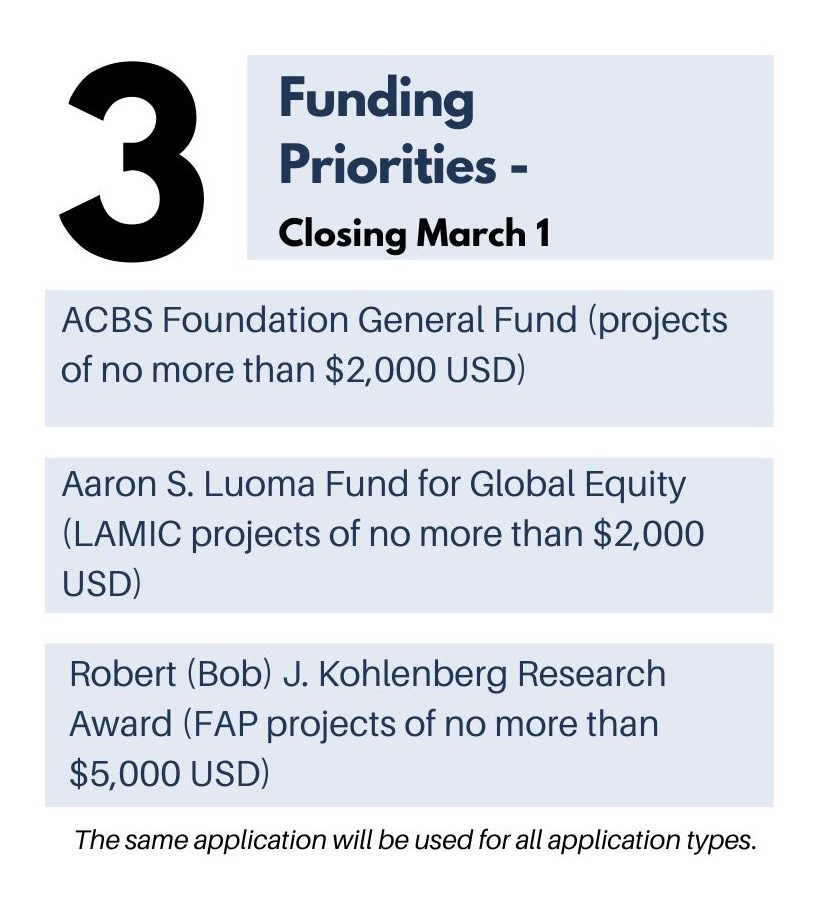
Value and Duration
- ACBS Foundation Grant will typically be awarded to projects of no more than $2,000 USD; however, larger projects will be considered based on their merits. Typical projects should be completed within 12 months of the award.
- ACBS Foundation Grant - LAMIC (Low and Middle Income Countries) is awarded to qualifying projects of no more than $2,000 USD annually. Please consider proposing projects that align with the goals and requirements of the Aaron S. Luoma fund for Global Equity.
- Robert J. Kohlenberg Research Award will be awarded to a project of no more than $5,000 USD. Typical projects should be completed within 18 months of the award.
Conditions of Award
Awardees will be required to report their findings to the ACBS Foundation in the form of a brief written report. The results will be made public by the ACBS Foundation and the awardees are requested (but not required) to submit their project for presentation consideration (oral or a poster) at an ACBS World Conference.
Eligibility
For all applications, the principal investigator must be a member of ACBS at the time of submission.
Additionally, for the Robert J. Kohlenberg Research Award the principal investigator must be a graduate student or early career researcher.
• For the Kohlenberg Award, the ACBS Foundation defines “graduate student and early career” for the purpose of this grant as a post-baccalaureate student seeking a degree in a field relevant to the purposes of the association, or an early career researcher as a person who completed their terminal degree within the past 7 years (or 10 years if you took time off for personal reasons such as family). An early career researcher includes individuals in current postdoctoral and faculty positions, as well as those in other employment positions.
Ethics
All projects must consider ethical issues. If the primary applicant is employed at a university, institution of higher and further education, registered charity, research institute, and this is a research study, they must obtain Institutional Review Board (IRB) approval. If the project is applied or training-based, and the primary applicant does not work one of the above listed institutions that has an IRB, the applicant must include a statement in the application about how the ethical approach of the project is being independently reviewed for compliance with ethical guidelines of a relevant professional organization (e.g., https://www.apa.org/ethics/code or similar). These formal requirements must be met before the funds can be released, and a formal statement of attestation to adherence to ethical principles is required.
Foundation Grant Topics
In particular, we are looking to support and fund projects that break new ground. These could include - but are not limited to - projects focusing on climate change, interventions in hitherto untested populations, novel applications or modalities of interventions, projects focused on dissemination, projects that address public policy, projects that measure outcomes of training, projects that examine interventions in naturally occurring groups (prosocial), projects that have the potential to improve diversity, equity, and inclusion and/or address institutional racism, projects involving developing nations, refugees or other disenfranchised or marginalized people, projects that address biological correlates of CBS-relevant targets (multi-level approaches), or interventions using technology that would have a wide reach to help people in their natural contexts.
Funding Program Aims
The aim of these awards is to provide financial support for innovative and original projects of high quality and potential. The choice of theme and the design of the project rests entirely with the Principal Applicant). The applications will be judged both on fit with the call, scientific quality, originality, and potential to maintain the implementation (for applied projects) or to clearly and compellingly demonstrate how the project will be subsequently implemented in the real-world and the planned steps that will be taken to ensure this (for research projects). Funding will only be allocated for costs directly related to the proposed project (e.g., programming costs, participant payment, etc.). The grants will not provide salary support for the Applicant, but may be used to support staff engaged on the project. Institutional Facilities & Administrative expenses (indirect expenses) will not be covered.
Proposals are favored which:
● demonstrate compelling scientific excellence in the design and project plan;
OR
● involve projects that may not be easily funded at present by an alternative source;
AND
● surmount traditional disciplinary boundaries;
involve projects which, if successful, are sustainable in the future and/or has the chance of obtaining additional funding in the future;
● include people early in their career;
● include diverse collaborators (if multiple investigators are included).
Grant Application Schedule
The 2024 grant call is open from January 15 – March 1.
Grant Award Announcements by June 1, 2024.
Grant Start Dates, by September 1, 2024.
How to Apply
1. Read Instructions and create application document
2. Submit application here between January 15, 2024 and March 1, 2024 17:00 GMT (10:30pm Delhi/ 5:00pm London/ 1:00pm New York).
- The same application will be used for all 3 grant types.
- Additional Grant Details (Grant Policy)
Foundation Annual Reports
Foundation Annual ReportsThe foundation is committed to transparency and openness. On this page, you can find all of our previous annual activities and the funds we provided to projects that break new ground.
2023 Annual Report - ACBS Foundation
2023 Annual Report - ACBS FoundationMESSAGE FROM THE PRESIDENT
On behalf of the board of the ACBS Foundation I want to sincerely thank you for the invaluable support that you continue to provide for our shared mission. Our members are at the core of what makes us great and why we have so much potential to make change in the future.
We provide funds to people and projects who would otherwise not have access to funding. Through this, we serve our worldwide community by funding social/community initiatives and CBS research projects related to the environment, improving diversity, equity, and inclusion, and addressing institutional racism in real life contexts. Our work is focused on ending global disparities. We’re proud to say that we’re already making an impact. Some of the steps we achieved over the last year include awarding: 2 Foundation Student Scholarships and 3 Grant Awards.
The ACBS Foundation Board wishes to expressly thank everyone who helped facilitate our work by making a donation, participating in our July fundraiser, or by peer reviewing all of the funding applications that we received. I would particularly like to thank the Foundation’s Grant and Awards committee for their help coordinating and overseeing this year’s peer review process (especially Drs. John Hoch, Michaela Schok, and Yukie Kurumiya).
We look forward to continuing the momentum this year and beyond in order to further support existing CBS activities and explore areas for future development.
Kind regards,
Nigel Vahey
Login to see the report below.
2022 Annual Report - ACBS Foundation
2022 Annual Report - ACBS FoundationDear ACBS members,
On behalf of the board of the ACBS Foundation I want to sincerely thank you for the invaluable support that you continue to provide for our shared mission. Our members are at the core of what makes us great and why we have so much potential to make change in the future.
We provide funds to people and projects who would otherwise not have access to funding. Through this, we serve our worldwide community by funding social/community initiatives and CBS research projects related to the environment, improving diversity, equity, and inclusion, and addressing institutional racism in real life contexts. Our work is focused on ending global disparities.
As I’m sure you recall, the ACBS Foundation was established thanks to the generous donation of two longtime members, Jason Luoma and Jenna LeJeune. This donation was used as the basis for the Aaron S. Luoma Fund for Global Equity, which funds any initiatives matching its mission via the annual Foundation Grant.
More recently, in December 2022, Mavis Tsai and Barbara Kohlenberg have very generously initiated a second grant award program called the Robert (Bob) J. Kohlenberg Research Award. This fund is specifically designed to support graduate student and early career research focused on advancing knowledge and expertise in Functional Analytic Psychotherapy or its dissemination to the general public via the Awareness, Courage & Love Global Project.
We’re proud to say that we’re already making an impact. Some of the steps we achieved over the last year include:
- Awarding two Foundation Student Scholarships to attend the ACBS Virtual World Conference. To read about the impact the Foundation scholarship had for the 2022 recipients, click here.
- Awarding the second ACBS Foundation grant to Wenqian ZHAO, PhD Candidate of The Chinese University of Hong Kong (Hong Kong SAR, China) and her supervisors (Prof. Wai Tong CHIEN and Prof. Yuen Yu CHONG) for Miss ZHAO’s PhD research on Effectiveness of online ACT-based program for breast cancer survivors on improving body image disturbance. To read more click here.
The ACBS Foundation board wish to expressly thank everyone who helped facilitate this work by making a donation or by peer reviewing all of the funding applications that we received. If you have not done so already, please consider volunteering to be a peer reviewer for our grant applications in 2023. To learn more about the ACBS Foundation, please click here.
We look forward to continuing the momentum this year and beyond in order to further support existing CBS activities and explore areas for future development.
Kind regards,
Nigel Vahey
Login to see the report below.
2021 Annual Report - ACBS Foundation
2021 Annual Report - ACBS FoundationDear ACBS members,
We want to thank you for supporting the ACBS Foundation in our early days. The ACBS Foundation was established thanks to the generous donation of two longtime members, Jason Luoma and Jenna LeJeune. Our members are at the core of what makes us great and why we have so much potential to make change in the future.
We provide funds to people and projects who would otherwise not have access to funding. Through this, we serve our worldwide community through initiatives for CBS projects related to the environment, improving diversity, equity, and inclusion, and addressing institutional racism in real life contexts. Our work is focused on ending global disparities.
We’re proud to say that we’re already making an impact. Some of the steps we achieved over the last year include:
- Offering two Foundation Student Scholarships to attend the ACBS Virtual World Conference. To read about the impact the Foundation scholarship Funding had for the 2021 recipients, click here.
- Working to expand the Foundation Development Committee and continue our work on a development plan including a pilot fundraising effort with CBS research labs.
- Awarding the first ACBS Foundation grant to Maria Hamdani, University of Akron (USA) and her colleagues (Dr. Vickie Coleman Gallagher, Dr. Grace H. C. Huang and Dr. Kelly Yu-Hsin Liao) for their research on Psychological Flexibility and Adaptive Job and Family Behaviors of Resettled Syrian and Ukrainian Refugees in USA. To read more click here.
Simultaneously, we were able to raise $11,743.68 USD. We wish to expressly thank everyone who helped facilitate this work by making a donation. You too can help. To learn more about the ACBS Foundation, please click here. We look forward to continuing the momentum this year and beyond in order to further support existing CBS activities and explore areas for future development.
Wishing you the best,
Andrew Gloster
Login to see the report below.
2020 Annual Report - ACBS Foundation
2020 Annual Report - ACBS FoundationDear ACBS members,
2020 was a challenging year for everyone but we hope that you have arrived safely in 2021. During this turbulent year it was an honor and a privilege to get to work toward our common, values-driven goals to support CBS and the lives it touches.
We, the ACBS Foundation Board, worked to further establish the ACBS Foundation so that we can better serve the ACBS community.
Some of the steps we took to achieve this included:
- Offering two Foundation Student Scholarships to attend the World Conference
- Working with a consultant to develop efficient polices and a development plan
- Launching the first ACBS Foundation grant (application deadline March 1, 2021)
Simultaneously, we were able to raise $6,657.03 USD. We wish to expressly thank everyone who donated this year. Their names are included in this 2020 Annual Report.
We look forward to continuing the momentum this year in order to further support existing activities within ACBS and explore areas for future development.
Wishing you the best,
Andrew Gloster
ACBS Foundation Board President
Login to see the report below.
Meet us (the people behind the Foundation)
Meet us (the people behind the Foundation)2024 ACBS Foundation Board
According to our Foundation By-laws the Association of Contextual and Behavioral Sciences (ACBS) board is entitled to fill a majority of board positions and the Board of Directors of the Corporation shall fill the other positions. The Directors shall hold office until their successors have been duly appointed and qualified. Each director shall hold office until the expiration of the term for which he was appointed, and until his successor has been duly elected and qualified, or until his prior resignation or removal as hereinafter provided (see the bylaws here for more detail).
The ACBS Foundation board works without pay and consists of:
Nigel Vahey, Ph.D. (President)
He is a tenured lecturer in psychology at Technological University Dublin, Ireland. After completing his PhD with Prof. Dermot Barnes-Holmes in 2015, he worked for three years as a senior post-doctoral researcher with Prof. Robert Whelan at Trinity College Institute of Neuroscience in collaboration with Prof.’s Louise McHugh and Jonathan Bricker. He is keenly interested in translational research relating the IRAP, RFT and ACT to addiction, impulsivity, neuroscience, open science, web/smartphone-based interventions, and inclusive education. He is an associate editor of the Journal of Contextual Behavioral Science and recently served as member-at-large (basic science) on the ACBS board of directors. His research has attracted 550+ academic citations and €500,000+ of grants/awards/scholarships. Latterly, while teaching and working with social workers, community workers and counsellors, he has been particularly interested in the socially-constructed nature of self; and how it relates to prosociality, multi-level group selection, trauma, stigma, inclusion/exclusion, and public health messaging.
 M. Joann Wright, Ph.D. (Vice President)
M. Joann Wright is the Founder of ACT One, an online presence dedicated to offering supervision, consultation, presentations, training and therapy utilizing the Acceptance and Commitment Therapy (AC1) model. Additionally, she is a licensed clinical psychologist for the Linden Oaks Medical Group in Naperville, Illinois. She is an Association of Contextual and Behavioral Sciences (ACBS) Fellow and Peer-Reviewed ACT Trainer. Joann is dedicated to teaching and delivering ACT in order to help people reduce the suffering in their lives. To that end, she has co-authored two ACT books aimed at assisting other therapists with their ACT work; Learning ACT for Group Treatment An Acceptance and Commitment Therapy Skills Training Manual for Therapists (Westrup & Wright, 2017) and Experiencing ACT from the Inside Out: A Self-Practice/Self-Reflection Workbook for Therapists (Titch, Silberstein-Titch, Codd, Brock & Wright, 2019). Throughout her career, Joann was responsible for creating both an ACT-based anxiety intensive outpatient program and a doctoral training program which focused on contextual behavioral sciences. Joann has also served as the director of a university counseling center and has taught at the graduate level at several universities.
.jpg)
Jessica Borushok, Ph.D. (Treasurer)
Jessica Borushok is a psychologist in private practice in Los Angeles, California specializing in helping "busy minds" get unstuck, out of their own way, and back to their best selves. In addition to clinical work, Dr. Borushok is an award-winning author, Peer Reviewed ACT Trainer, and consultant. Dr. Borushok has co-authored numerous books and self-growth tools, including The ACT Approach. She has served on the Board of ACBS previously and is currently serving the ACBS community as a member of the Membership Committee as well as Strategic Lead for the Creating a Culture of Empowerment and Productivity Pillar.
Pam Katz is a Licenced Clinical Social Worker in private practice in Chicago, IL for over 20 years. Pam specializes in treating Anxiety, Body Focused Repetitive Behaviors, and ADHD. She is the current president of the ACBS Chicago Chapter, and she also sits on the ACBS Social Work Sig Board.
Sarah Cassidy, Ph.D. (Member at Large)
Dr Sarah Cassidy is an Educational, Child & Adolescent Psychologist, a Peer Reviewed ACT Trainer, the Founder and Director of Smithsfield Clinic, and Co-Founder and Co-Director of New England Centre for OCD & Anxiety, Ireland Branch. Sarah also co-founded and is Chief Education Officer at RaiseYourIQ.com, a Maynooth University based campus company conducting cutting edge educational technological research using SMART training. Her many other roles include lecturing, training and researching in Child, Educational and Counselling Psychology from the CBS perspective in universities, health service executive, public and private organizations and clinics. She has authored numerous peer reviewed scientific articles in RFT and more recently, two best-selling ACT children’s books in the Tired of Anxiety series with co-author, Dr. Lisa Coyne.
Kenneth Fung, M.D. (Member at Large)
Dr. Kenneth Fung is Staff Psychiatrist and Clinical Director of the Asian Initiative in Mental Health Program at the Toronto Western Hospital, University Health Network. He is the Director of Global Mental Health and Associate Professor with the Department of Psychiatry, University of Toronto. His research, teaching, and clinical interest include both cultural psychiatry and psychotherapy, especially Acceptance and Commitment Therapy (ACT), CBT, and mindfulness. He conducts community-based research in stigma, resilience, mental health promotion, trauma, caregivers for children with ASD, immigrant and refugee mental health, and pandemic response. He is psychiatric consultant to the Hong Fook Mental Health Association and Mon Sheong Scarborough Long-Term Care Centre. He is the immediate Past President of the Society of the Study of Psychiatry and Culture, the immediate past chair of the Transcultural Section of the Canadian Psychiatric Association, and a Board Member of the World Association for Cultural Psychiatry. He is a past Chair and current officer and Historian of the Federation of Chinese American and Chinese Canadian Medical Societies. He is a past Chair of the Ontario Chapter and current member of the Centering Science Pillar Committee of the Association of Contextual Behavioral Science (ACBS). He is recognized as a Distinguished Fellow of the Canadian Psychiatric Association, Fellow of the American Psychiatric Association, and Fellow of Association of Contextual Behavioral Science (ACBS).
Vasilis S. Vasiliou, Ph.D. (Member at Large)
Vasilis S. Vasiliou is a Clinical Psychologist and Post-doctoral Research Associate at the University of Oxford, Medical Science Division, UK. He works at the Nuffield Department of Orthopedics, Rheumatology, and Musculoskeletal Sciences (NDORMS) where he leads several studies, involving individuals with various localized chronic pain conditions. His research emphasizes the application of the newest Contextual Cognitive-Behavioral interventions (e.g., Acceptance and Commitment Therapy, Mindfulness, etc) in pediatric and adults with chronic illness and chronic pain conditions. He is a current President of the Greece & Cyprus ACBS local chapter and a member of the editorial board of the JCBS.
Foundation Bylaws
Foundation Bylaws
Article I - Offices
Section 1. Principal Office
The principal office of the corporation shall be located in the City of Reno, County of Washoe, State of Nevada, or at such other location as the Board of Directors may from time to time determine. Other offices and places of business may be established by resolution of the Board of Directors.
Article II - Nonprofit Purposes
Section 1. IRC Section 501(c)(3) Purposes
This corporation is organized exclusively for one or more of the purposes as specified in Section 501(c)(3) of the Internal Revenue Code, including, for such purposes, the making of distributions to organizations that qualify as exempt organizations under Section 501 (c)(3) of the Internal Revenue Code.
Section 2. Specific Objectives and Purposes
The specific objective of this corporation is dedicated to the alleviation of human suffering and the advancement of human well-being through research and practice grounded in contextual behavioral science.
The specific purpose is to support research and applications of contextual behavioral science. Activities may include, but are not limited to, assisting in research, education, training, and applied uses. This assistance may be in the form of, but not limited to, scholarships, grants, donations, or Foundation managed programs.
Article Ill - Directors
Section 1. Number
The Corporation shall be managed by a Board of Directors. Each director shall be at least 18 years of age. The Board of Directors shall consist of not less than three (3) members. Subject to the foregoing, the number of Board of Directors may be fixed from time to time by action of the Directors. The number of Directors may be increased or decreased by action of the members or the Board of Directors, provided that any action by the Board of Directors to affect such increase or decrease shall require the vote of a majority of the entire Board of Directors. No decrease shall shorten the term of any director then in office.
Section 2. Selection and Removal
The Association of Contextual and Behavioral Sciences (ACBS) board is entitled to fill a majority of board positions and the Board of Directors of the Corporation shall fill the other positions. Both ACBS and the Corporation shall be entitled to veto any board member, in its sole discretion, at the time of the appointment.
The Directors shall hold office until their successors have been duly appointed and qualified. Each director shall hold office ·until the expiration of the term for which he was appointed, and until his successor has been duly elected and qualified, or until his prior resignation or removal as hereinafter provided.
(a) The Board of Directors may remove any director by a vote of a majority of the Board.
(b) A director may resign at any time by giving written notice to the Board of Directors or to an officer of the Corporation. Unless otherwise specified in the notice, the resignation shall take effect upon receipt thereof by the Board of Directors or such officer. Acceptance of such resignation shall not be necessary to make it effective.
Section 3. Powers
Subject to the provisions of the laws of this state and any limitations in the Articles of Incorporation and these Bylaws relating to action required or permitted to be taken or approved by the members, if any, of this corporation, the activities and affairs of this corporation shall be conducted, and all corporate powers shall be exercised by or under the direction of the Board of Directors.
Section 4. Duties
It shall be the duty of the directors to:
a. Perform any and all duties imposed on them collectively or individually by law, by the Articles of Incorporation, or by these Bylaws;
b. Appoint and remove, employ and discharge, and, except as otherwise provided in these Bylaws, prescribe the duties and fix the compensation, if any, of all officers, agents and employees of the corporation;
c. Supervise all officers, agents and employees of the corporation to assure that their duties are performed properly;
d. Meet at such times and places as required by these Bylaws;
e. Register their addresses with the Secretary of the corporation, and notices of meetings mailed, faxed, emailed or telegraphed to them at such addresses shall be valid notices thereof.
Section 5. Term of Office
Each Director shall hold office for a period of 3 year(s) and until his or her successor is appointed and qualifies. The Directors shall be entitled to serve up to three (_3_) successive terms after which time they will be required to rotate off the board for at least one year.
Section 6. Compensation
Directors shall serve without compensation except that a reasonable fee may be paid to directors for attending regular and special meetings of the board. In addition, they shall be allowed reasonable advancement or reimbursement of expenses incurred in the performance of their duties.
Section 7. Place Of Meetings
Meetings shall be held at the principal office of the corporation unless otherwise provided by the board or at such other place or as an online conference meeting as may be designated from time to time by resolution of the Board of Directors.
Section 8. Regular Meetings
Regular meetings of the Board of Directors shall be held at any place within or out of the state which has been designated from time to time by resolution of the Board or by written consent of all members of the Board. In the absence of such designation, regular meetings shall be held at the registered office of the corporation.
Section 9. Special Meetings
Special meetings of the Board of Directors may be called by the Chairperson of the Board, the President, the Vice President, the Secretary, by any two directors, or, if different, by the persons specifically authorized under the laws of this state to call special meetings of the board. Such meetings shall be held at the principal office of the corporation or, if different, at the place or by online conference meeting designated by the person or persons calling the special meeting.
Section 10. Notice of Meetings
Unless otherwise provided by the Articles of Incorporation, these Bylaws, or provisions of law, the following provisions shall govern the giving of notice for meetings of the Board of Directors:
a. Regular Meetings. No notice need be given of any regular meeting of the board of directors.
b. Special Meetings. At least ten (10) days prior notice shall be given by the Secretary of the corporation to each Director of each special meeting of the board. Such notice may be oral or written, may be given personally, by first class mail, email (using read receipt to document that the email has been received), or telephone, and shall state the place, date and time of the meeting and the matters proposed to be acted upon at the meeting. In the case of email notification, the director to be contacted shall acknowledge personal receipt of the email notice by a return message or telephone call within twenty-four hours of the first transmission.
c. Waiver of Notice. Whenever any notice of a meeting is required to be given to any Director of this corporation under provisions of the Articles of Incorporation, these Bylaws or the law of this state, a waiver of notice in writing signed by the director, whether before or after the time of the meeting, shall be equivalent to the giving of such notice.
Section 11. Quorum for Meetings
A quorum shall consist of a majority of the members of the Board of Directors. Except as otherwise provided under the Articles of Incorporation, these Bylaws or provisions of law, no business shall be considered by the board at any meeting at which the required quorum is not present, and the only motion which the Chair shall entertain at such meeting is a motion to adjourn.
Section 12. Majority Action As Board Action
Every act or decision done or made by a majority of the Director's present at a meeting duly held at which a quorum is present is the act of the Board of Directors, unless the Articles of Incorporation, these Bylaws or provisions of law require a greater percentage or different voting rules for approval of a matter by the board.
Section 13. Conduct of Meetings
Meetings of the Board of Directors shall be presided over by the Chairperson of the Board, or, if no such person has been so designated or, in his or her absence, the President of the corporation or, in his or her absence, by the Vice President of the corporation or, in the absence of each of these persons, by a Chairperson chosen by a majority of the directors present at the meeting. The Secretary of the corporation shall act as secretary of all meetings of the board, provided that, in his or her absence, the presiding officer shall appoint another person to act as Secretary of the Meeting.
Meetings shall be governed by Roberts Rules of Order, insofar as such rules are not inconsistent with or in conflict with the Articles of Incorporation, these Bylaws or with provisions of law.
Any board meeting may be held by conference telephone, video screen communication, or other communications equipment. Participation in a meeting under this section shall constitute presence in person at the meeting if all of the following apply:
(a) Each board member participating in the meeting can communicate concurrently with all other members.
(b) Each board member is provided the means of participating in all matters before the board, including the capacity to propose, or to interpose an objection to, a specific action to be taken by the corporation.
(c) The chair is satisfied that both of the following facts are true:
(1) A person communicating by telephone, video screen, or other communications equipment is a director entitled to participate in the board meeting.
(2) All statements, questions, actions, or votes were made by that director and not by another person not permitted to participate as a director.
Section 14. Vacancies
Vacancies on the Board of Directors shall exist (1) on the death, resignation or removal of any director, and (2) whenever the number of authorized directors is increased.
Any director may resign effective upon giving written notice to the Chairperson of the Board, the President, the Secretary of the Board of Directors, unless the notice specifies a later time for the effectiveness of such resignation. No director may resign if the corporation would then be left without a duly elected director or directors in charge of its affairs, except upon notice to the Office of the Attorney General or other appropriate agency of this state.
Directors may be removed from office, with or without cause, as permitted by and in accordance with these Bylaws of the laws of this state.
Unless otherwise prohibited by the Articles of Incorporation, these Bylaws or provisions of law, vacancies on the board may be filled as outlined herein. A person elected to fill a vacancy on the board shall hold office until the next election of the Board of Directors or until his or her death, resignation or removal from office.
Section 15. Nonliability of Directors
The directors shall not be personally liable for the debts, liabilities or other obligations of the corporation.
Section 16. Indemnification by Corporation of Directors and Officers
The directors and officers of the corporation shall be indemnified by the corporation to the fullest extent permissible under the laws of this state.
Section 17. Insurance For Corporate Agents
Except as may be otherwise provided under provisions of law, the Board of Directors may adopt a resolution authorizing the purchase and maintenance of insurance on behalf of any agent of the corporation (including a director, officer, employee or other agent of the corporation) against liabilities asserted against or incurred by the agent in such capacity or arising out of the agent's status as such, whether or not the corporation would have the power to indemnify the agent against such liability under the Articles of Incorporation, these Bylaws or provisions of law.
Article IV - Officers
Section 1. Designation Of Officers
The officers of the corporation shall be a President, a Vice President, a Secretary, and a Treasurer. The corporation may also have such other officers with such titles as may be determined from time to time by the Board of Directors.
Section 2. Qualifications
Any person at the age of majority (18 years old) may serve as officer of this corporation.
Section 3. Appointment of Officers and Term of Office
The officers will be elected by the board of directors. The officers shall hold the positions for a term of _three__ (_3_) year(s), or until such time their replacement is elected.
Section 4. Removal and Resignation
Any officer may be removed, either with or without cause, by the Board of Directors, at any time. Any officer may resign at any time by giving written notice to the Board of Directors or to the President or Secretary of the corporation. Any such resignation shall take effect at the date of receipt of such notice or at any later date specified therein, and, unless otherwise specified therein, the acceptance of such resignation shall not be necessary to make it effective.
Section 5. Vacancies
Any vacancy caused by the death, resignation, removal, disqualification or otherwise, of any officer shall be filled by either the Board of Directors as stipulated above. In the event of a vacancy in any office other than that of President, such vacancy may be filled temporarily by appointment by the President until such time as the vacancy is filled. Vacancies occurring in offices of officers appointed at the discretion of the board may or may not be filled as the board shall determine.
Section 6. Duties of President
The President shall be the chief executive officer of the corporation and shall, subject to the control of the Board of Directors, supervise and control the affairs of the corporation and the activities of the officers. He or she shall perform all duties incident to his or her office and such other duties as may be required by law, by the Articles of Incorporation or by these Bylaws or which may be prescribed from time to time by the Board of Directors. Unless another person is specifically appointed as Chairperson of the Board of Directors, the President shall preside at all meetings of the Board of Directors. Except as otherwise expressly provided by law, by the Articles of Incorporation or by these Bylaws, he or she shall, in the name of the corporation, execute such deeds, mortgages, bonds, contracts, checks or other instruments which may from time to time be authorized by the Board of Directors.
Section 7. Duties of Vice President
In the absence of the President, or in the event of his or her inability or refusal to act, the Vice President shall perform all the duties of the President, and when so acting shall have all the powers of, and be subject to all the restrictions on, the President. The Vice President shall have other powers and perform such other duties as may be prescribed by law, by the Articles of Incorporation or by these Bylaws or as may be prescribed by the Board of Directors.
Section 8. Duties of Secretary
The Secretary shall:
Certify and keep at the principal office of the corporation the original, or a copy, of these Bylaws as amended or otherwise altered to date.
Keep at the principal office of the corporation or at such other place as the board may determine, a book of minutes of all meetings of the directors, and, if applicable, meetings of committees of directors, recording therein the time and place of holding, whether regular or special, how called, how notice thereof was given, the names of those present or represented at the meeting and the proceedings thereof.
See that all notices are duly given in accordance with the provisions of these Bylaws or as required by law.
Be custodian of the records and of the seal of the corporation and affix the seal, as authorized by law or the provisions of these Bylaws, to duly executed documents of the corporation.
Exhibit at all reasonable times to any director of the corporation, or to his or her agent or attorney, on request therefore, the Bylaws, and the minutes of the proceedings of the directors of the corporation.
In general, perform all duties incident to the office of Secretary and such other duties as may be required by law, by the Articles of Incorporation or by these Bylaws or which may be assigned to him or her from time to time by the Board of Directors.
Section 9. Duties Of Treasurer
The Treasurer shall:
Have charge and custody of, and be responsible for, all funds and securities of the corporation, and deposit all such funds in the name of the corporation in such banks, trust companies or other depositories as shall be selected by the Board of Directors.
Coordinate and approve the receipt for, monies due and payable to the corporation from any source whatsoever.
Coordinate and approve, disburse, or cause to be disbursed, the funds of the corporation as may be directed by the Board of Directors, taking proper vouchers for such disbursements.
Coordinate and approve adequate and correct accounts of the corporation's properties and business transactions, including accounts of its assets, liabilities, receipts, disbursements, gains and losses.
Exhibit at all reasonable times the books of account and financial records to any director of the corporation, or to his or her agent or attorney, on request therefore.
Render to the President and directors, whenever requested, an account of any or all of his or her transactions as Treasurer and of the financial condition of the corporation.
Prepare, or cause to be prepared, and certify, or cause to be certified, the financial statements to be included in any required reports.
In general, perform all duties incident to the office of Treasurer and such other duties as may be required by law, by the Articles of Incorporation of the corporation or by these Bylaws or which may be assigned to him or her from time to time by the Board of Directors.
Section 10. Compensation
The salaries of the officers, if any, shall be fixed from time to time by resolution of the Board of Directors. In all cases, any salaries received by officers of this corporation shall be reasonable and given in return for services actually rendered to or for the corporation.
Article V - Committees
Section 1. Executive Committee
The Board of Directors may, by a majority vote of its members, designate an Executive Committee consisting of 3 board members and may delegate to such committee the powers and authority of the board in the management of the business and affairs of the corporation, to the extent permitted, and except as may otherwise be provided, by provisions of law.
By a majority vote of its members, the board may at any time revoke or modify any or all of the Executive Committee authority so delegated, increase or decrease but not below two (2) the number of the members of the Executive Committee and fill vacancies on the Executive Committee from the members of the board. The Executive Committee shall keep regular minutes of its proceedings, cause them to be filed with the corporate records and report the same to the board from time to time as the board may require.
Section 2. Other Committees
The corporation shall have such other committees as may from time to time be designated by resolution of the Board of Directors. These committees may consist of persons who are not also members of the board and shall act in an advisory capacity to the board.
Section 3. Meetings and Action of Committees
Meetings and action of committees shall be governed by, noticed, held and taken in accordance with the provisions of these Bylaws concerning meetings of the Board of Directors, with such changes in the context of such Bylaw provisions as are necessary to substitute the committee and its members for the Board of Directors and its members, except that the time for regular and special meetings of committees may be fixed by resolution of the Board of Directors or by the committee. The Board of Directors may also adopt rules and regulations pertaining to the conduct of meetings of committees to the extent that such rules and regulations are not inconsistent with the provisions of these Bylaws.
Article VI - Execution of Instruments, Deposits and Funds
Section 1. Execution of Instruments
The Board of Directors, except as otherwise provided in these Bylaws, may by resolution authorize any officer or agent of the corporation to enter into any contract or execute and deliver any instrument in the name of and on behalf of the corporation, and such authority may be general or confined to specific instances. Unless so authorized, no officer, agent or employee shall have any power or authority to bind the corporation by any contract or engagement or to pledge its credit or to render it liable monetarily for any purpose or in any amount.
Section 2. Checks and Notes
Except as otherwise specifically determined by resolution of the Board of Directors, or as otherwise required by law, checks, drafts, promissory notes, orders for the payment of money and other evidence of indebtedness of the corporation shall be approved by the Treasurer and by the President of the corporation.
Section 3. Deposits
All funds of the corporation shall be deposited from time to time to the credit of the corporation in such banks, trust companies or other depositories as the Board of Directors may select.
Section 4. Gifts
The Board of Directors may accept on behalf of the corporation any contribution, gift, bequest or devise for the nonprofit purposes of this corporation.
Article VII - Corporate Records, Reports and Seal
Section 1. Maintenance of Corporate Records
The corporation shall keep at its principal office:
a. Minutes of all meetings of directors, committees of the board and, if this corporation has members, of all meetings of members, indicating the time and place of holding such meetings, whether regular or special, how called, the notice given and the names of those present and the proceedings thereof;
b. Adequate and correct books and records of account, including accounts of its properties and business transactions and accounts of its assets, liabilities, receipts, disbursements, gains and losses;
c. A copy of the corporation's Articles of Incorporation and Bylaws as amended to date.
Section 2. Corporate Seal
The Board of Directors may adopt, use and at will alter, a corporate seal. Such seal shall be kept at the principal office of the corporation. Failure to affix the seal to corporate instruments, however, shall not affect the validity of any such instrument.
Section 3. Directors' Inspection Rights
Every director shall have the absolute right at any reasonable time to inspect and copy all books, records and documents of every kind and to inspect the physical properties of the corporation and shall have such other rights to inspect the books, records and properties of this corporation as may be required under the Articles of Incorporation, other provisions of these Bylaws and provisions of law.
Section 4. Right To Copy And Make Extracts
Any inspection under the provisions of this Article may be made in person or by agent or attorney and the right to inspection shall include the right to copy and make extracts.
Section 5. Periodic Report
The board shall cause any annual or periodic report required under law to be prepared and delivered to an office of this state or country of this corporation, to be so prepared and delivered within the time limits set by law.
Article VIII - IRC 501(c)(3) Tax Exemption Provisions
Section 1. Limitations on Activities
No substantial part of the activities of this corporation shall be the carrying on of propaganda, or otherwise attempting to influence legislation (except as otherwise provided by Section 501 (h) of the Internal Revenue Code), and this corporation shall not participate in, or intervene in (including the publishing or distribution of statements), any political campaign on behalf of, or in opposition to, any candidate for public office.
Notwithstanding any other provisions of these Bylaws, this corporation shall not carry on any activities not permitted to be carried on (a) by a corporation exempt from federal income tax under Section 501(c)(3) of the Internal Revenue Code, or (b) by a corporation, contributions to which are deductible under Section 170(c)(2) of the Internal Revenue Code.
Section 2. Prohibition Against Private Inurement
No part of the net earnings of this corporation shall inure to the benefit of, or be distributable to, its directors, officers or other private persons, except that the corporation shall be authorized and empowered to pay reasonable compensation for services rendered and to make payments and distributions in furtherance of the purposes of this corporation.
Section 3. Distribution of Assets
Upon the dissolution of this corporation, its assets remaining after payment, or provision for payment, of all debts and liabilities of this corporation shall be distributed for one or more exempt purposes within the meaning of Section 501(c)(3) of the Internal Revenue Code or shall be distributed to the federal government, or to a state or local government, for a public purpose. Such distribution shall be made in accordance with all applicable provisions of the laws of this state.
Section 4. Private Foundation Requirements and Restrictions
In any taxable year in which this corporation is a private foundation as described in Section 509(a) of the Internal Revenue Code, the corporation 1) shall distribute its income for said period at such time and manner as not to subject it to tax under Section 4942 of the Internal Revenue Code; 2) shall not engage in any act of self-dealing as defined in Section 4941(d) of the Internal Revenue Code; 3) shall not retain any excess business holdings as defined in Section 4943(c) of the Internal Revenue Code; 4) shall not make any investments in such manner as to subject the corporation to tax under Section 4944 of the Internal Revenue Code; and 5) shall not make any taxable expenditures as defined in Section 4945(d) of the Internal Revenue Code.
Article IX - Amendment of Bylaws
Section 1. Amendment
This corporation may adopt, amend or repeal the Bylaws of this corporation and except as may otherwise be specified under provisions of law, these Bylaws, or any of them, may be altered, amended or repealed and new Bylaws adopted by approval of the Board of Directors. No such amendments shall be effective until they are also approved by the ACBS Board of Directors.
Article X - Construction and Terms
If there is any conflict between the provisions of these Bylaws and the Articles of Incorporation of this corporation, the provisions of the Articles of Incorporation shall govern.
Should any of the provisions or portions of these Bylaws be held unenforceable or invalid for any reason, the remaining provisions and portions of these Bylaws shall be unaffected by such holding.
All references in these Bylaws to the Articles of Incorporation shall be to the Articles of Incorporation, Articles of Organization, Certificate of Incorporation, Organizational Charter, Corporate Charter or other founding document of this corporation filed with an office of this state and used to establish the legal existence of this corporation.
All references in these Bylaws to a section or sections of the Internal Revenue Code shall be to such sections of the Internal Revenue Code of 1986 as amended from time to time, or to corresponding provisions of any future federal tax code.
Approved by the ACBS Board, Oct. 6, 2019.
ACBS Staff
ACBS StaffEmily N. Rodrigues, M.A., CAE (Certified Association Executive, 2015)
Executive Director
Emily has been with ACBS since its inception in 2006. In her role as Executive Director, Emily works with the ACBS Board and Committees to execute the mission of ACBS. If you have an ACBS question you can contact Emily at acbs"@"contextualscience.org (remove the quotation marks when emailing).
Abbie Lanning
Education and Training Coordinator
Abbie has been with ACBS since 2017. Abbie manages CE compliance, Training Committee administration, and conference related data (submissions, evals, etc.) and reporting. support"@"contextualscience.org
Renae Visscher
Volunteer Coordinator
Renae has been with ACBS since 2019 and has the important task of vounteer and committee support. office"@"contextualscience.org
Melissa Wesolek
Event and Communication Manager
Melissa has been with ACBS since 2021. She manages the ACBS World Conference and other training events, in addition to our member communications, newsletters, and social media. staff"@"contextualscience.org
ACBS Strategic Plan: current strategic planning priorities/initiatives
ACBS Strategic Plan: current strategic planning priorities/initiatives
Strategic Planning Meeting
The ACBS Board strategic planning meeting was held and based off of ACBS member focus group data, and one on one interviews, a picture of the current state of the organization came into focus. The Board considered the arguments for what to keep and what to change within the organization. While we have much to be proud of as a community, the Board felt that the following four areas are priorities for change, so that we better execute our mission.
While this is still in the early stages, we wanted to share the four main strategic imperatives that were developed as a part of this meeting.

1. Expanding and improving our digital presence - The goal is for an improved and expanded digital platform and increased professional and public awareness and to become industry leaders in our science and dissemination. Carmine DiChiara - Lead; Tiffany Rochester - Champion
 2. Centering Science - Our goal is to make our support for science and research a more featured part of our work by doing more to support a robust worldwide research community within ACBS. Louise McHugh - Lead; Jonathan Bricker - Champion
 3. Creating a culture of empowerment and productivity - The goal is to help to make our Board, Committees, and Components more efficient and productive with clear goals and tasks and frequent communication. Jessica Borushok - Lead; Laura Silberstein-Tirch - Champion
 4. Building a culture of competency to support effective dissemination in ACBS - Our goal is to support the ACBS community in developing and refining the science guiding best practices in training, competency measurement, application and dissemination of CBS. Robyn Walser - Lead; Nanni Presti - Champion
Progress Update
- Sept. 2019 - Leads complete online Project Management Training
- Sept.-Oct. 2019 - Leads build core team
- Oct. 2019 - Leads hold first meeting with core teams
- Nov. 2019 - Outreach to Committees to collect relevant suggestions for the pillars
- Dec. 2019 - Core teams submit sketch outlines of their primary projects
- Jan. 2020 - Board members review the initial sketch outlines and provide feedback. Projects that most closely align with goals and with the best chance for success are selected for further development. All four teams are making good progress and moving forward with their work (adding a high level of detail to their initial sketches)
- February-August 2020 - Teams further develop their projects to add the high level of detail needed for the implementation phase (delays due to COVID-19)
- September-November 2020 - Teams submit final detailed plans for their primary projects
- November 2020 - Board appoints new lead for the Digital Pillar
- October-December 2020 - Board members review the detailed plans developed by each core team. Projects that most closely align with goals and with the best chance for success are selected to move forward
- November 2020 - Creating a Culture of Empowerment and Productivity Pillar has their primary projects approved and move on to planning stage (creating processes, procedures, templates, etc.)
- February 2021 - Centering Science Pillar is approved for 3 major projects and moves on to the planning stage
- February 2021 - Board looks to recruit new lead for the Digital Pillar
- April 2021 - Open call for Digital Pillar Lead. The Centering Science Pillar opens the application for the Early Career Mentee Program
- June 2021 - The Centering Science Pillar announces the CBS Superlab and the Contextual Behavioral Scientist-Practitioner Network at the 2021 Virtual Conference
- September 2021 - The first CBS Superlab session is held
- October 2021 - The Centering Science Pillar opens the application for the Interdisciplinary Science Capacity Building Seed Grant
- December 2021 - The Competency Pillar discussed a priority list for their primary projects with the Board, and are moving on to writing up their research to-date and additional planning
- August 2022 - The Inclusive Science Grant developed by the Centering Science Pillar opens as an additional ACBS Research Development Grant
- October 2022 - The Competency and Dissemination Working Group (Competency Pillar) creates a webpage of information and member resources
- February 2023 - The current and future Science Pillar projects will be managed under an ongoing Scientific Strategic Council (approved by the ACBS Board on February 1)
- May 2023 - An open call was sent out to membership to gather volunteers for the Scientific Strategic Council
- June 2023 - A new award opportunity for Chapters & SIGs was announced
- July 2023 - A chair and committee members for the Scientific Strategic Council were announced. The Competency Pillar presented some of their findings at the ACBS World Conference.

More detail about the Strategic Pillars
More detail about the Strategic PillarsAttached you can find more detail about the process and our strategic pillars.
Competency and Dissemination Working Group Homepage
Competency and Dissemination Working Group HomepageThe Working group for the Competency and Dissemination Strategic PIllar has been actively working through the pandemic to achieve the strategic goals etablished by the ACBS Board. This website is just starting to be built with the intent to organize information relevant to Competency and Dissemination of Contextual Behavioral Science.
What has the working group been doing?
Guided by this aim from the ACBS Board's call to action: “We envision a scientific community in which members of ACBS could find evidence informed guidelines on how to learn, how to apply, and how to measure their skill development over time,” the working group has
●Held bi-weekly and/or monthly meetings to determine the process and content of the information needed to create a thorough report for the ACBS Board.
●Reviewed definitions of competency and explored how to write about competency in ways that are consistent with the principles of CBS
●Conducted an initial literature review to assess the current published status of competency training in CBS approaches.
● Chaired two panels at the ACBS World Conference in 2022. One panel shared the results of the competency literature review. The other panel explored international issues in competency and dissemination
How is competency defined?
Competencies describe the behaviors to be displayed by all members of a community applying specified interventions with specified populations.
Competencies are complex and dynamically interactive clusters of behaviors that enable a person to execute a professional activity with a myriad of potential outcomes (Marrelli, 1998). These clusters may include:
● integrated knowledge of concepts and procedures;
● skills and abilities;
● behaviors and strategies;
● attitudes, beliefs, and values;
● dispositions and personal characteristics;
● self-perceptions; and
● motivations (Mentkowski, 2000)
Elements of Competencies involve the whole person and are:
● transmittable/teachable (relevant to effective dissemination)
● observable (behaviorally stated)
● measurable (based on assessment: exams or skills practice demonstration)
● containable (not so ambiguous as to be never-ending in nature)
● practical (implementable, applicable to a specific area)
● verifiable/linked to external validity
● parsimonious
● criterion referenced rather than norm referenced
● derived by experts
● interpersonal behaviors that support the therapeutic alliance (the behaviors need to be specified, reliable, trainable, etc.)
● flexible and transferable across settings
Competencies also need to be continually reevaluated and redefined as commensurate with new research findings. Supervision and consultation are essential to this process. Supervision provides the context for competence to be developed, providing the essential tools to achieve ongoing development (initiating learning and ongoing skill uptake), performance monitoring, perspective-taking, and evaluating “meta-competence” - the ability to assess what one knows and what one doesn’t know. Meta-competence (perspective taking) helps fulfill the professional responsibility to pursue and support competence throughout one’s career.
Resources In Development
Competency and Dissemination panels from the World Conference
-
International Perspectives on CBS Competency and Dissemination - Panel presented by Sean Wright, Carmen Luciano, Zhuohong Zhu, Amanda Muñoz-Martinez, Steven Hayes, Hannah Bockarie (June 2022)
-
Putting the task force report into action - Panel presented by Maria Karekla, Rhonda Merwin, Steven Hayes, Louise McHugh, Kenneth Fung (June 2022)
-
Report from the ACBS Strategic Pillar for Competency and Dissemination - Panel presented by Raul Manzione, Alycia Zink, Sean Wright, Giovambattista Presti, Robyn Walser (June 2022)
-
CBS Competencies: The good, the bad, and the need - Panel presented by Steve Hayes, Russell Kolts, Raul Manzione, Robyn Walser, and Sean Wright (July 2023)
Competency measures for CBS-informed approaches
Choose below
Compassion-Focused Therapy (CFT) - Competencies
Compassion-Focused Therapy (CFT) - CompetenciesCompetencies for Compassion-Focused Therapy (CFT) have been established but have not been evaluated in research to date. Liddell, Allan, and Goss (2017) used a Delphi approach, recruiting 12 CFT experts to identify “the CFT competency framework (CFT-CF)”. This framework comprised six area of competence: creating safeness, meta-skills, non-phase-specific skills, phase-specific skills, knowledge and understanding, and use of supervision. 25 primary competencies were identified within these areas.
Gilbert and Wood created an unpublished scale called the CFT Therapy Assessment Guide, s a 45- item scale assessing “microskills, formulation skills, skills in explaining CFT, and contracting” (Horwood et al., 2020).
To build a more formal competency measure that included behavioral anchors, Horwood et al. (2020) used a Delphi approach and developed a CFT therapist competence rating scale (CFT-TCRS). The CFT-TCRS consists of 14 CFT unique competencies and 9 CFT microskills.
The CFT unique competencies include: psychoeducation, recognising motives and emotions, actively working with the three systems, understanding the relationship between three systems, compassionate mind training, building motivation, building courage, cultivating and tolerating positive feelings in the drive system, functional analysis, fears/blocks/resistances, unconscious emotions and processes, formulation, and multiple selves.
The CFT microskills include: non-verbal communication to build rapport, non-verbal communication and motivational/emotional systems, verbal communication, pacing, Socratic questioning, paraphrasing and summaries, agenda setting, validation and normalization, and mentalization.
Bell, Hickey, and Bennett-Levy (2022) described the benefits of self-practice/self-reflection (SP/SR) training specifically for CFT therapists. There is a SP/SR book for CFT therapists (Kolts et al., 2018). Bell, Dixon, and Kolts (2017) reported the qualitative results of a 4-week SP/SR approach for CFT trainees to develop a compassionate internal supervisor.
Additional guidance for therapists has been published in multiple books (Gilbert & Simos, 2022; Kolts, 2016).
Additionally, some CFT experts have been publishing on the benefit of self-practice/self-reflection as a means to develop competence in CBT more generally (Thwaites et al., 2014;2015).
References
Bell, T., Dixon, A., & Kolts, R. (2017). Developing a compassionate internal supervisor: Compassion‐focused therapy for trainee therapists. Clinical psychology & psychotherapy, 24(3), 632-648.
Bell, T., Hickey, T., & Bennett-Levy, J. (2022). Self-practice/self-reflection (SP/SR) training for compassion-focused therapists. In P. Gilbert & G. Simos (Eds.), Compassion focused therapy: Clinical practice and applications (pp. 371–384). Routledge. https://doi.org/10.
Gilbert, P., & Simos, G. (Eds.), Compassion focused therapy: Clinical practice and applications (pp. 371–384). Routledge.
Horwood, V., Allan, S., Goss, K., & Gilbert, P. (2020). The development of the compassion focused therapy therapist competence rating scale. Psychology and Psychotherapy: Theory, Research and Practice, 93(2), 387-407.
Kolts, R. L. (2016). CFT made simple: A clinician's guide to practicing compassion-focused therapy. New Harbinger Publications.
Kolts, R. L., Bell, T., Bennett-Levy, J., & Irons, C. (2018). Experiencing compassion-focused therapy from the inside out: A self-practice/self-reflection workbook for therapists. Guilford Publications.
Liddell, A. E., Allan, S., & Goss, K. (2017). Therapist competencies necessary for the delivery of compassion‐focused therapy: A Delphi study. Psychology and Psychotherapy: Theory, Research and Practice, 90(2), 156-176.
Thwaites, R., & Bennett‐Levy, Melanie Davis and Anna Chaddock, J. (2014). Using Self‐Practice and Self‐Reflection (SP/SR) to Enhance CBT Competence and Metacompetence. How to become a more effective CBT therapist: Mastering metacompetence in clinical practice, 239-254.
Thwaites, R., Cairns, L., Bennett‐Levy, J., Johnston, L., Lowrie, R., Robinson, A., ... & Perry, H. (2015). Developing Metacompetence in Low Intensity Cognitive‐Behavioural Therapy (CBT) Interventions: Evaluating a Self‐Practice/Self‐Reflection Programme for Experienced Low Intensity CBT Practitioners. Australian Psychologist, 50(5), 311-321.
Functional Analytic Psychotherapy (FAP) - Competencies
Functional Analytic Psychotherapy (FAP) - CompetenciesOverview
Functional analytic psychotherapy (FAP)(Kohlenberg &; Tsai, 1987;1991) is a modern,
contextual behavioral psychotherapy that applies behavioral analytic principles to shape client
behavior in the context of a nurturing therapeutic relationship. The proposed mechanism of
change in FAP is the therapist providing appropriate contingent responses to the client’s
clinically relevant behaviors (CRBs) that occur in session. Evidence of FAP’s effectiveness
continues to grow (Kanter et al., 2017) and practitioner interest in learning and using FAP
appears to be growing as well. Assessment of therapist competency in FAP has been an
increased focus as the research on FAP has matured. This section will review existing measures
of FAP competency. For the sake of comprehensiveness, measures of FAP adherence as well as
microprocess-level measures of therapists’ abilities to respond to client behavior with FAP-
consistent responses will also be reviewed. Competency, the ability to appropriately select and
enact FAP-consistent therapist behaviors that are tailored to specific client presentations across
time and across clients, is a more stringently defined class of behavior compared to the classes of
behavior that constitute FAP adherence or FAP-consistent behavior at the microprocess level.
Adherence and microprocess measures might be considered necessary, but not sufficient aspects
of competency. However, since measurement of competency can be resource intense (in terms of
time and complexity of the measurement procedure as well as the time and complexity in the
training of assessors), simpler, pragmatic measures of competency may be useful, particularly
when it is known how they relate to gold standard measures of competency.
Materials/Assessments/Work Products
FAP competencies organized by ACLB (awareness, courage, love, and behaviorism) model
and FAP based on process (Tsai, personal communication).
Description: Created by the developers of FAP, the FAP competencies organized by ACLB
measures five general competencies are defined, with 2-10 subcompetencies defined under each
general competency. Four of the general competencies correspond to the awareness, courage,
love, and behaviorism framework described in Tsai et al. (2009). The fifth general competency is
the ability to integrate the FAP skills in the “logical” FAP interaction (Weeks et al., 2012).
Competencies are collaboratively scored on a five point scale (1=poor; 5=excellent) with
competency being defined as scores of three (good) or above.
FAP Competency Scale (FAPCS) (Kanter, personal communication; Maitland et al., 2016a)
Description: The FAPCS, like the ACLB, is a way to operationalize a measure of competency
that was informed by the comprehensive training vision of the FAP co-developers. The FAPCS
is a 12-item scale developed by a FAP expert (in collaboration with other FAP experts including
the FAP co-developers). The scale includes four items measuring “generalized repertoires” of
awareness, courage, love, and behavioral theory. Eight items measure specific competencies
(assessing CRB, evoking CRBs, appropriate self-disclosure, responding to problematic client
behavior [“CRB1s”], responding to improved client behavior [“CRB2s”], tracking impact of
therapist’s attempts to use reinforcement, providing and shaping functional interpretations
[“CRB3s”], and implementing generalization through homework assignments) that map onto the
five principal FAP rules (Kohlenberg &; Tsai, 1991). Trained coders score recorded therapy
sessions using a four point scale (0=no indication of the behavior at all in the session; 3=a full,
highly competent repertoire displayed in the session). The minimum threshold for FAP
competency is set at a score of 2. Since CRBs are idiographically defined based on the case
conceptualization, the FAPCS is ideally used when the case conceptualization is provided;
however, the FAPCS can be scored without a case conceptualization.
FAP Vignettes (Kanter et al., 2013).
Description: Two brief vignettes are presented followed by prompts for open-ended responses by
trainees. Two items are based on the first vignette, which is a 13 line transcript in which a client
expresses nervousness in response to a therapist’s question. Item one asks trainees to give a FAP-
informed therapist response to the client’s nervousness. Item two asks trainees to provide a brief
FAP rationale to the client. The second vignette presents a single client utterance that trainees are
told to assume represents a clinical improvement (CRB2). The third item measures the extent to
which trainees offer a FAP-consistent response to this CRB2. Items are scored an academic scale
ranging from an F to an A+, which is converted to a numerical scale (F = 0 to A+ = 12) to permit
statistical comparison. The three items are averaged to provide an overall score. Reliability
assessed by a second coder was high (ICCs ranging from 0.88-0.91 for the items).
FAP Impact Scale (FAPIS) (Kanter et al., 2012).
Description: The FAPIS is a self-report scale with 46 items measuring the impact of FAP
training on trainees. A sample item is “I say things that are hard to say to my clients.” Items are
scored on a 7-point scale (1=”disagree strongly, 4=””neutral/mixed”, 7=”agree strongly”).
Kanter et al. (2012) describe pilot data on the reliability and validity of the scale with two
cohorts (n=10 each) of graduate students. In the study, FAPIS total score had internal
consistency α=0.94.
FAP Rating Scale (FAPRS)(Callaghan & Follette, 2008; Callaghan & Ruckstuhl, 2000;
Callaghan et al. 2005; Callaghan et al., 2008)
Description: The FAPRS is a manualized coding system that categorizes client and therapist
statements (turns) on a turn-by-turn basis based on the functional (rather than topographic)
properties of the statements. Callaghan and Follette (2008) state that the FAPRS is “designed to
be functional, or at least quasi-functional with respect to the codes that are assigned to each
client or therapist behavior.” (p. 62). Coders assess the apparent functions of a statement based
on an established FAP case conceptualization. Therefore, the same statement made in a different
client-therapist dyad may be coded differently based on the specific case conceptualization for
each client. Callaghan and Follette (2008) described seven possible codes for client statements
(e.g., CRB2 is a clinically relevant behavior that reflects an in session improvement per the case
conceptualization). Therapist statements are categorized as one of 15 possible codes. Coders are
instructed not to code what the therapist attempts to do but rather whether those attempts are
successful or not. In some applications of the FAPRS, certain codes are combined or omitted for
strategic analytic purposes. A coding hierarchy establishes the priority rules when a statement
appears to contain more than one codable response. For example, if a turn reflects both
problematic in-session behavior and improved in-session behavior, it would be coded as an
improved in-session behavior (CRB2). Since the functional impact of a statement needs to be
assessed in context of the behavior that precedes and follows it, certain codes require an
appropriate antecedent behavior (e.g., a therapist effectively responding to a CRB1, coded as
TCRB1, can only occur in response to a client’s CRB1). To identify the function of a response,
coders can consider the six turns (three statements by the client, three by the therapist) that
follow a statement before deciding how to code that statement.
Therapist In Session Strategies Scale (THISS) (Kohlenberg et al., 2002; Parker, 2006; Parker
et al., 1996)
Description: The THISS consists of 36 items that are divided into four content subscales:
Cognitive Therapy, In Vivo Cognitive Therapy, FAP, and Interpersonal Therapy. The FAP
subscale measures in vivo interventions specific to FAP (e.g., therapist disclosure of thoughts or
feelings about the client’s in vivo behavior).
FAP Adherence Scale (Maitland & Gaynor, 2016)
Description: The FAP Adherence Scale is a 10 item measure with four items comprising a
supportive listening subscale, five items related to application of FAP rules comprising a FAP
subscale, and one item measuring homework assignment. Items 1-9 are scored from 0 (did not
occur) to 3 (occurred three or more times). The homework item is scored as 0 (did not occur, 1
(partial) or 2 (occurred).
Functional Assessment of Skills for Interpersonal Therapists (FASIT) (Callaghan, 2006b)
Description: The FASIT is a detailed manual describing five general classes of interpersonal
behavior that are proposed to be critical for effective interpersonal therapies, particularly FAP.
The manual describes several examples in each class and provides guidance for a trainee or
supervisor to discriminate effective from ineffective therapist behaviors. An appendix includes
idiographic measures of behavior that therapists may be targeting in their own repertoires.
References
Busch, A. M., Callaghan, G. M., Kanter, J. W., Baruch, D. E., &; Weeks, C. E. (2010). The
Functional Analytic Psychotherapy Rating Scale: A replication and extension. Journal of
Contemporary Psychotherapy, 40, 11-19. doi:10.1007/s10879-009- 9122-8.
Busch, A. M., Kanter, J. W., Callaghan, G. M., Baruch, D. E., Weeks, C. E., &; Berlin, K. S.
(2009). A micro-process analysis of functional analytic psychotherapy’s mechanism of change.
Behavior Therapy, 40, 280-290.
Callaghan, G. M. (2006a). The Functional Idiographic Assessment Template (FIAT) system: For
use with interpersonally-based interventions including Functional Analytic Psychotherapy (FAP)
and FAP-enhanced treatments. The Behavior Analyst Today, 7(3), 357-398.
Callaghan, G. M. (2006b). Functional Assessment of Skills for Interpersonal Therapists: The
FASIT system: For the assessment of therapist behavior for interpersonally-based interventions
including Functional Analytic Psychotherapy or FAP-enhanced treatments. The Behavior
Analyst Today 7(3): 399-433.
Callaghan, G. M., &; Follette, W. C. (2008). FAPRS manual: manual for the Functional Analytic
Psychotherapy Rating Scale (FAPRS). Behavior Analyst Today, 9, 57-97.
Callaghan, G., &; Follette, W. (2020). Interpersonal Behavior Therapy (IBT), Functional
Assessment, and the Value of Principle-Driven Behavioral Case Conceptualizations. The
Psychological Record, OnlineFirst, 1-11.
Callaghan, G. M., Follette, W. C., Ruckstuhl, L. E., &; Linnerooth, P. J. N. (2008). The
Functional Analytic Psychotherapy Rating Scale: A behavioral psychotherapy coding system.
Behavior Analyst Today, 9, 98-116.
Callaghan, G. M., &; Ruckstuhl, L. E. (2000). Manual for the functional analytic psychotherapy
rating scale (version 2). Unpublished manual.
Callaghan, G. M., Ruckstuhl, L. E., &; Busch, A. M. (2005). Manual for the Functional Analytic
Psychotherapy Rating Scale (version 3). Unpublished manual. San José State University, San
Jose, CA.
Callaghan, G. M., Summers, C. J., &; Weidman, M. (2003). The treatment of histrionic and
narcissistic personality disorder behaviors: A single-subject demonstration of clinical
improvement using functional analytic psychotherapy. Journal of contemporary psychotherapy,
33(4), 321-339.
Esparza Lizarazo, N. E., Muñoz-Martínez, A. M., Santos, M. M., &; Kanter, J. W. (2015). A
within-subjects evaluation of the effects of functional analytic psychotherapy on in-session and
out-of-session client behavior. The Psychological Record, 65(3), 463-474.
Find a FAP supervisor (n.d.). Functional analytic psychotherapy. Retrieved August 4, 2020, from
https://functionalanalyticpsychotherapy.com/find-a-fap-supervisor/.
Kanter, J. W., Landes, S. J., Busch, A. M., Rusch, L. C., Brown, K. R., Baruch, D. E., &;
Holman, G. I. (2006). The effect of contingent reinforcement on target variables in outpatient
psychotherapy for depression: A successful and unsuccessful case using functional analytic
psychotherapy. Journal of applied behavior analysis, 39(4), 463-467.
Kanter, J. W., Manbeck, K. E., Kuczynski, A. M., Maitland, D. W., Villas-Bôas, A., &; Ortega,
M. A. R. (2017). A comprehensive review of research on functional analytic
psychotherapy. Clinical Psychology Review, 58, 141-156.
Kanter, J. W., Tsai, M., Holman, G., &; Koerner, K. (2012). Preliminary data from a randomized
pilot study of web-based functional analytic psychotherapy therapist training. Psychotherapy,
50(2), 248.
Keng, S. L., Waddington, E., Lin, X. B., Tan, M. S. Q., Henn‐Haase, C., &; Kanter, J. W.
(2017). Effects of functional analytic psychotherapy therapist training on therapist factors among
therapist trainees in Singapore: A randomized controlled trial. Clinical psychology &;
psychotherapy, 24(4), 1014-1027.
Knott, L. E., Wetterneck, C. T., Norwood, W., & Bistricky, S. L. (2019). The impact of training in functional analytic therapy on therapists’ target behavior. Behavior Analysis: Research and Practice, 19(2), 164.
Kohlenberg, R. J., Kanter, J. W., Bolling, M. Y., Parker, C. R., &; Tsai, M. (2002). Enhancing
cognitive therapy for depression with functional analytic psychotherapy: Treatment guidelines
and empirical findings. Cognitive and Behavioral Practice, 9(3), 213-229.
Kohlenberg, R.J., &; Tsai, M. (1987). Functional analytic psychotherapy. In N. S. Jacobson (Ed.),
Psychotherapists in clinical practice: Cognitive and behavioral perspectives (pp. 388-443). New
York: Guilford Press.
Kohlenberg, R. J., &; Tsai, M. (1991). Functional analytic psychotherapy: Creating intense and
curative therapeutic relationships. Plenum Press. https://doi.org/10.1007/978-0-387-70855-3
Landes, S. J., Kanter, J. W., Weeks, C. E., &; Busch, A. M. (2013). The impact of the active
components of functional analytic psychotherapy on idiographic target behaviors. Journal of
Contextual Behavioral Science, 2(1-2), 49-57.
Maitland, D. W., &; Gaynor, S. T. (2016). Functional analytic psychotherapy compared with
supportive listening: An alternating treatments design examining distinctiveness, session
evaluations, and interpersonal functioning. Behavior Analysis: Research and Practice, 16(2), 52-
64.
Maitland, D. W., Kanter, J. W., Tsai, M., Kuczynski, A. M., Manbeck, K. E., &; Kohlenberg, R.
J. (2016a). Preliminary findings on the effects of online Functional Analytic Psychotherapy
training on therapist competency. The Psychological Record, 66(4), 627-637.
Maitland, D. W., Petts, R. A., Knott, L. E., Briggs, C. A., Moore, J. A., &; Gaynor, S. T. (2016b).
A randomized controlled trial of functional analytic psychotherapy versus watchful waiting:
Enhancing social connectedness and reducing anxiety and avoidance. Behavior Analysis:
Research and Practice, 16(3), 103-122.
Novoa-Gómez, M., Córdoba-Salgado, O., Rojas, N., Sosa, L., Cifuentes, D., &; Robayo, S.
(2019). A descriptive analysis of the interactions during clinical supervision. Frontiers in
Psychology, 10, 1-8.
Oshiro, C. K. B., Kanter, J. W., &; Meyer, S. B. (2012). A single-case experimental
demonstration of functional analytic psychotherapy with two clients with severe interpersonal
problems. International Journal of Behavioral Consultation and Therapy, v7 n2-3 p111-116.
Parker, C. R. (2006). Is there a therapist in the house? Measuring in-vivo therapist strategies
during FAP -enhanced cognitive therapy for depression. Dissertation: University of Washington
Parker, Bolling, Kohlenberg (1996) Therapist In-vivo strategy scale. Unpublished manuscript.
University of Washington, Seattle.
Tsai, M., Kohlenberg, R. J., Kanter, J. W., Kohlenberg, B., Follette, W. C., &; Callaghan, G. M.
(2009). A guide to functional analytic psychotherapy. Awareness, courage, love and
behaviorism. New York: Springer.
Vandenberghe, L. (2009). A functional analytic approach to group psychotherapy. The Behavior
Analyst Today, 10(1), 71-82.
Weeks, C. E., Kanter, J. W., Bonow, J. T., Landes, S. J., &; Busch, A. M. (2012). Translating the
theoretical into practical: A logical framework of functional analytic psychotherapy interactions
for research, training, and clinical purposes. Behavior Modification, 36(1), 87-119.
Internet-based Interventions - Competencies
Internet-based Interventions - CompetenciesOverview
Rapid progress in technology has diversified the way behavior change methods such as psychotherapy or coaching are provided. The global movement to limit face-to-face contact caused by the COVID-19 pandemic has accelerated the provision of behavior change methods delivered via the internet. As an example, Cognitive Behavioral Therapy (CBT) has been adapted in various ways. Therapy materials, video clips, and worksheets are provided online, and symptom questionnaires and self-assessments are used to monitor progress as usual but these may be collected and scored in different formats. Generally speaking, there are two types of remote CBT provision. First, clients practice CBT without the support of a therapist. Second, a therapist supports a client by using a remote method such as an online meeting, mail, chat, and telephone. VR has also been used to provide CBT (Maheu, Pulier, McMenamin, & Posen, 2012).
Terminology
Psychological services or interventions provided via the internet have been described in the literature with a variety of terms including "telepsychological services," "Digital mental health technology," "web-based," "Internet CBT," and "tele-CBT." Another complication is that internet-based interventions have sometimes been described as "telehealth" yet the term telehealth has been used in multiple ways, sometimes referring to the provision of psychological services specifically and sometimes referring more generally to both medical and behavioral health interventions. This proliferation of terms has been called “terminology chaos (Barak, 2013). Term reduction is required to evaluate the effectiveness and tasks of remote psychological services or interventions (Andersson, Titov, Dear, Rozental, & Carlbring, 2019). Here we use Internet CBT (ICBT) to represent all types of remote CBTs.
Benefits
Internet-based psychological interventions, including ICBT, have significant advantages over face-to-face psychological services or interventions in terms of time, effort, and costs. A client can choose a good therapist without considering distance, even in a different country (subject to country-specific laws and profession-specific regulations). Internet-based services can be delivered to people with mobility difficulties, such as severe physical disability. Remote delivery of services offers an advantage to clinical research as well since much more participants can be recruited beyond geographical barriers (Andersson, et al., 2019), which may lead to more diverse research samples.
Issues
Data security is crucial, especially when sensitive information is exchanged. Legal requirements for managing personal data are being developed in many countries, and ICBT guidelines are also being provided by the American Psychological Association (Joint Taskforce for the Development of Telepsychology Guidelines for Psychologists, 2013) and Canada (Johnson, 2014). Older persons who are not familiar with using a computer and smartphone and people living in unavailable areas or countries would not be able to benefit from ICBT. The gap in dissemination has widened. Finally, the acceptance of ICBT by insurance companies depends on their country (Andersson et al., 2019).
Current evidence base
Many studies have investigated the effectiveness of ICBT. Recent meta-analyses have shown that ICBT is more effective than no treatment, and therapist-supported ICBT is the same as face-to-face CBT (Cuijpers, Cristea, Karyotaki, Reijnders, & Huibers, 2016; Cuijpers et al., 2009; Spek et al., 2007). A study comparing ICBT with and without therapist support showed that ICBT with support was more effective than that without support for anxiety disorders and depressions (Andrews et al., 2018; Olthuis, Watt, Bailey, Hayden, & Stewart, 2016; Sijbrandij, Kunovski, & Cuijpers, 2016). However, it should be noted that the quality of the evidence was low to moderate (Olthuis et al., 2016).
CBS therapies delivered via the internet
Regarding therapies under the rubric of contextual behavior science (CBS), there are some meta-analyses. Most of them focused on Acceptance and Commitment Therapy. The effectiveness or feasibility were reported for subjective wellbeing (Stenhoff, Steadman, Nevitt, Benson, & White, 2020), anxiety (Brown, Glendenning, Hoon, & John, 2016; Kelson, Rollin, Ridout, & Campbell, 2019), and depression (French, Golijani-Moghaddam, & Schröder, 2017; Thompson, Destree, Albertella, & Fontenelle, 2021; Trindade et al., 2021). Lakeman et al. (2022) and van Leeuwen et al. (2021) conducted systematic reviews of DBT provided by the Internet. Lakeman et al. (2022, p.11) reported “current research evidence does not support a permanent shift towards online or blended DBT. It is pivotal and timely to increase efforts to investigate the efficacy of online DBT, compared to standard face-to-face DBT.”
Competency measures
To date, there are limited measures of competency for internet-based interventions. There are several best practice guidelines for the use of telepsychology, which can be used for self-assessment of one's fidelity to the guidelines. For example, see Figure 1 from Maheu et al. (2021) describing telebehavioral health competencies:
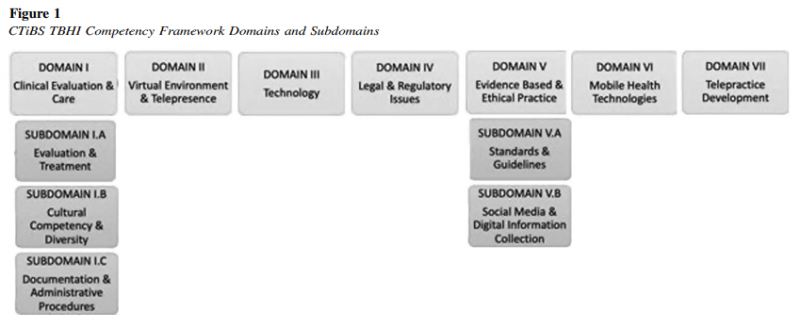
These telepsychology guidelines typically describe ways of effectively delivering services via remote electronic means, and there are meant to apply to a range of psychological interventions spanning a variety of theoretical approaches (e.g., cognitive-behavioral, psychodynamic, humanistic). In a scoping review, McCord et al. (2020) distilled a set of guidelines.
Specific interventions, such as ACT, may have a set of competency measures. Generally, these competencies are not altered when the intervention is delivered remotely. Essentially, practitioners are expected to meet the competencies of telepsychology and the intervention-specific competencies at the same time. As McCord et al (2020) noted: in their discussion of telepsychology competence:
"Most basically, a clinician must first be competent in his or her ability to effectively enact the content of the chosen treatment, regardless of the mode of communication (i.e., telepsychology vs. in‐person). No matter the means of transmitting the services, a provider must be extensively trained and prepared in treatments that they are offering to clients. This includes receiving proper supervision and feedback throughout the training process. For example, a psychologist conducting cognitive behavioral therapy over videoconferencing would not only need to be properly trained in this treatment but also be able to make proper adaptations to treatment based on any available best practices and clinical judgment. An example of an adaptation may be mailing worksheets or sending them over a secure file transfer electronically so that they client is able to follow along and participate in homework. (p. 1076)."
Recently, Weisenmuller & Luzier (2022) called for technology to be considered a core competency for psychologists to develop.
How is culture addressed In the competencies?
Some studies have attempted to adapt or modify ICBT programs developed in Western countries to culturally different countries. Patel et al. (2016) and Abuwalla (2017) adapted the CATCH-IT (Competent Adulthood Transition with Cognitive-Behavioral, Humanistic and Interpersonal Training program), which is an internet-based intervention targeting teens at risk for developing depression, to China and Arabian countries. Zemestani, Hosseini, Petersen, & Twohig (2022) reported internet-based ACT (iACT) in Iran was equally effective as ACT delivered in Western countries. Ramaiya et al.,(2017)provided DBT to persons in Nepal. They conducted the study with three phases. One was qualitative interviews with major Nepali mental health stakeholders, the second was an adaptation workshop with 15 Nepali counselors, and the third was a small-scale treatment pilot with eligible clients in one rural district. They concluded that while DBT concepts were the least comprehensible to clients, the high program completion rate suggested the utility of structured, skills-based treatment of DBT. A systematic review of DBT (Haft, O'Grady, Shaller, & Liu, 2022) revealed that most adaptations involved modifications to language, metaphors, methods, and context, and there was insufficient evidence to determine the effectiveness of culturally adapted DBT. Competency has usually been assessed in these studies by measuring fidelity to the specified intervention. Fidelity measures may include items that address the aim of successfully adapting the intervention to a different cultural context, but competency in doing so is rarely measured.
Willis et al. (2022) made recommendations for increasing the cultural responsivity of telepsychology (and mHealth) interventions, but they did not call for new directions in measures of competence.
How have competencies been operationalized in diverse practice settings and delivery modalities?
Aside from resources on best-practices in delivering therapy through telehealth, no specific guidance was found. McCord et al. (2020) identified key variations in practice settings and delivery modalities for telepsychology, but called for an overall focus on competence and multicultural competence that did not vary across settings.
Materials / Assessments / Work Products
-in process
Dissemination and maintenance of competencies
Implementation of internet-based interventions has been studied (see e.g., Benavides-Vaello, Strode, & Sheeran, 2013; Jang-Jaccard, Nepal, Alem, & Li, 2014), and the adoption of best-practices has also been described, particularly in the context of the Covid-19 pandemic (Alqahtani et al., 2021; Dopp et al., 2020; Penney et al., 2021) Little is known about the maintenance of competencies specific to internet-based interventions.
References
Abuwalla, Z., Kadhem, Z., Gladstone, T., Mikhael, E., Bishay, A., & Van Voorhees, B. W. (2017). Proposed model for the cultural adaptation of an Internet-based depression prevention intervention (CATCH-IT) for Arab adolescents. International Journal of Adolescent Medicine and Health, 31(1), 20160147.
Alqahtani, M. M. J., Alkhamees, H. A., Alkhalaf, A. M., Alarjan, S. S., Alzahrani, H. S., AlSaad, G. F., ... & Alqahtani, K. M. M. (2021). Toward establishing telepsychology guideline. Turning the challenges of COVID-19 into opportunity. Ethics, Medicine and Public Health, 16, 100612.
Andersson, G., Titov, N., Dear, B. F., Rozental, A., & Carlbring, P. (2019). Internet‐delivered psychological treatments: from innovation to implementation. World Psychiatry, 18(1), 20-28.
Andrews, G., Basu, A., Cuijpers, P., Craske, M., McEvoy, P., English, C., & Newby, J. (2018). Computer therapy for the anxiety and depression disorders is effective, acceptable and practical health care: an updated meta-analysis. Journal of anxiety disorders, 55, 70-78.
Barak, A. (2013). Concepts, definitions, and applications: the terminology cha os of Internetsupported psychotherapeutic interventions. Paper presented at the 6th Meeting of the International Society for Research on Internet Interventions, Chicago.
Benavides-Vaello, S., Strode, A., & Sheeran, B. C. (2013). Using technology in the delivery of mental health and substance abuse treatment in rural communities: a review. The journal of behavioral health services & research, 40(1), 111-120.
Brown, M., Glendenning, A., Hoon, A. E., & John, A. (2016). Effectiveness of web-delivered acceptance and commitment therapy in relation to mental health and well-being: a systematic review and meta-analysis. Journal of medical Internet research, 18(8), e221.
Cuijpers, P., Cristea, I. A., Karyotaki, E., Reijnders, M., & Huibers, M. J. (2016). How effective are cognitive behavior therapies for major depression and anxiety disorders? A meta‐analytic update of the evidence. World Psychiatry, 15(3), 245-258.
Cuijpers, P., Marks, I. M., van Straten, A., Cavanagh, K., Gega, L., & Andersson, G. (2009). Computer‐aided psychotherapy for anxiety disorders: A meta‐analytic review. Cognitive Behaviour Therapy, 38(2), 66-82.
Dopp, A. R., Mapes, A. R., Wolkowicz, N. R., McCord, C. E., & Feldner, M. T. (2021). Incorporating telehealth into health service psychology training: A mixed-method study of student perspectives. Digital health, 7, 2055207620980222.
Joint Taskforce for the Development of Telepsychology Guidelines for Psychologists (2013). Guidelines for the practice of Telepsychology. The American psychologist, 68(9), 791-800.
French, K., Golijani-Moghaddam, N., & Schr?der, T. (2017). What is the evidence for the efficacy of self-help acceptance and commitment therapy? A systematic review and meta-analysis. Journal of Contextual Behavioral Science, 6(4), 360-374.
Haft, S. L., O'Grady, S. M., Shaller, E. A., & Liu, N. H. (2022). Cultural adaptations of dialectical behavior therapy: A systematic review. Journal of consulting and clinical psychology.
Jang-Jaccard, J., Nepal, S., Alem, L., & Li, J. (2014). Barriers for delivering telehealth in rural Australia: a review based on Australian trials and studies. Telemedicine and e-Health,?20(5), 496-504.
Johnson, G. R. (2014). Toward uniform competency standards in telepsychology: A proposed framework for Canadian psychologists. Canadian Psychology/Psychologie canadienne, 55(4), 291.
Kelson, J., Rollin, A., Ridout, B., & Campbell, A. (2019). Internet-delivered acceptance and commitment therapy for anxiety treatment: systematic review. Journal of medical Internet research, 21(1), e12530.
Lakeman, R., King, P., Hurley, J., Tranter, R., Leggett, A., Campbell, K., & Herrera, C. (2022). Towards online delivery of Dialectical Behaviour Therapy: A scoping review. International Journal of Mental Health Nursing, 31(4), 843-856.
Maheu, M. M., Pulier, M. L., McMenamin, J. P., & Posen, L. (2012). Future of telepsychology, telehealth, and various technologies in psychological research and practice. Professional psychology: Research and practice, 43(6), 613.
Maheu, M. M., Wright, S. D., Neufeld, J., Drude, K. P., Hilty, D. M., Baker, D. C., & Callan, J. E. (2021). Interprofessional telebehavioral health competencies framework: Implications for telepsychology. Professional Psychology: Research and Practice, 52(5), 439.
McCord, C., Bernhard, P., Walsh, M., Rosner, C., & Console, K. (2020). A consolidated model for telepsychology practice. Journal of Clinical Psychology, 76(6), 1060-1082.
Olthuis, J. V., Watt, M. C., Bailey, K., Hayden, J. A., & Stewart, S. H. (2016). Therapist‐supported Internet cognitive behavioural therapy for anxiety disorders in adults. Cochrane Database of Systematic Reviews(3).
Patel, U., Sobowale, K., Fan, J., Liu, N., Kuwabara, S., Lei, Z., . . . Van Voorhees, B. (2016). Cultural considerations for the adaptation of an Internet-based intervention for depression prevention in Mainland China. International Journal of Adolescent Medicine and Health, 29(5), 20150099.
Penney, E., Reynolds, J., Knott, V., & Green, H. (2022). Lessons from 2020: practical and clinical aspects of rapid telepsychology adoption in clinical psychology postgraduate programs. Australian Psychologist, 57(3), 161-166.
Ramaiya, M. K., Fiorillo, D., Regmi, U., Robins, C. J., & Kohrt, B. A. (2017). A cultural adaptation of dialectical behavior therapy in Nepal. Cognitive and Behavioral Practice, 24(4), 428-444.
Sijbrandij, M., Kunovski, I., & Cuijpers, P. (2016). Effectiveness of internet‐delivered cognitive behavioral therapy for posttraumatic stress disorder: A systematic review and meta‐analysis. Depression and anxiety, 33(9), 783-791.
Spek, V., Cuijpers, P., Nykl??ek, I., Riper, H., Keyzer, J., & Pop, V. (2007). Internet-based cognitive behaviour therapy for symptoms of depression and anxiety: a meta-analysis. Psychologicalmedicine, 37(3), 319-328.
Stenhoff, A., Steadman, L., Nevitt, S., Benson, L., & White, R. G. (2020). Acceptance and commitment therapy and subjective wellbeing: A systematic review and meta-analyses of randomised controlled trials in adults. Journal of Contextual Behavioral Science, 18, 256-272.
Thompson, E. M., Destree, L., Albertella, L., & Fontenelle, L. F. (2021). Internet-based acceptance and commitment therapy: a transdiagnostic systematic review and meta-analysis for mental health outcomes. Behavior therapy, 52(2), 492-507.
Trindade, I. A., Guiomar, R., Carvalho, S. A., Duarte, J., Lapa, T., Menezes, P., . . . Castilho, P. (2021). Efficacy of online-based acceptance and commitment therapy for chronic pain: A systematic review and meta-analysis. The Journal of Pain, 22(11), 1328-1342.
van Leeuwen, H., Sinnaeve, R., Witteveen, U., Van Daele, T., Ossewaarde, L., Egger, J. I., & van den Bosch, L. (2021). Reviewing the availability, efficacy and clinical utility of Telepsychology in dialectical behavior therapy (Tele-DBT). Borderline personality disorder and emotion dysregulation, 8(1), 1-15.
Weisenmuller, C. M., & Luzier, J. L. (2022). Technology is a core competency in professional psychology. Training and Education in Professional Psychology.
Willis, H. A., Gonzalez, J. C., Call, C. C., Quezada, D., Scholars for Elevating Equity and Diversity (SEED), & Galán, C. A. (2022). Culturally Responsive Telepsychology & mHealth Interventions for Racial-Ethnic Minoritized Youth: Research Gaps and Future Directions. Journal of Clinical Child & Adolescent Psychology, 51(6), 1053-1069.
Zemestani, M., Hosseini, M., Petersen, J. M., & Twohig, M. P. (2022). A pilot randomized controlled trial of culturally-adapted, telehealth group acceptance and commitment therapy for Iranian adolescent females reporting symptoms of anxiety. Journal of Contextual Behavioral Science, 25, 145-152.
Mindfulness Approaches - Competencies
Mindfulness Approaches - CompetenciesCompetency Measurement in Mindfulness
Mindfulness has grown in popularity as both a practice and an intervention. Research assessing the impact of mindfulness practice has also surged in more recent years, with benefits ranging from reduced rumination (Chambers, et al., 2008) to stress reduction (Hoffman et al., 2010) to less emotional reactivity (Ortner, et al., 2007) and more cognitive flexibility (Cahn & Polich, 2006; Davidson et al., 2003; Siegel, 2007). It has also been shown to support therapists by improving empathy (Aiken, 2006), compassion (Kingsbury, 2009), and counseling skill (Newsome, et al., 2006; Schure, et al., 2008). Scores of other benefits are found in the research literature (for a review, see Goldberg, et al, 2018 for a review).
Despite this growth, little research has been conducted on competencies for those who implement or use mindfulness as a therapeutic approach. However, underlying philosophy and stages of competence have been defined (see Dreyfus and Dreyfus 1986), and a call to competency in delivering this practice has been made: “In this rapidly developing context, there is a growing demand for teachers and trainers of teachers. Understandably, concerns are being expressed from within the field that practitioners may be tempted to respond to this demand without engaging in personal preparation and developing the competencies required for these endeavors (e.g., Crane et al., 2012).” One study evaluating 16 mindfulness competencies has also been conducted (Stauffer & Pehrsson, 2012), and competencies in teaching mindfulness-based courses have been explored (Crane, et al., 2011). Recent efforts to provide competency guidelines for clinical social workers have underscored the importance of focusing on the competent delivery of mindfulness training and practice (Paulson, 2018).
It is important to recognize that several of the CBS-oriented therapies use mindfulness practices as a part of their interventions and has been included in information concerning intervention-specific competencies. For instance, acceptance and commitment therapy acknowledges mindfulness practices in two of its core process competencies: 1) Present Moment: The therapist uses exercises to expand the client’s sense of experience as an ongoing process (e.g., mindfulness exercises), and 2) Self-as-context: The therapist helps the client make a distinction between self as context and content by employing mindfulness exercises (e.g., leaves on a stream, soldiers on parade, observer exercise) metaphors (e.g., chessboard) and behavioral tasks (e.g., take your mind for a walk). Consideration in mindfulness competencies is relevant to the CBS-oriented therapies using this practice.
Products/Assessments/Work Products
Adaptation of Dreyfus and Dreyfus stages of competence (see Dreyfus and Dreyfus 1986 or Crane et al., 2011) for mindfulness-based teaching competence:
Summary of Competence and the Underlying Philosophy of Mindfulness-Based Approaches
List of Competencies to train clients in mindfulness methods
1. Regular daily practice
2. Educational resources on mindfulness
3. Therapeutic alliance
4. Meta-cognitive awareness
5. Empathy
6. Facing rather than avoiding difficult experiences
7. Attention regulation
8. Acceptance and non-judgement
Stage Competence descriptors:
1. Incompetent Teaching:
Is inappropriate, likely to compromise the safety of participants, and to lead to negative therapeutic consequences. The trainee has not grasped the fundamentals of mindfulness-based teaching practice and does not recognize basic principles and rules. There is nonadherence to the program form.
2. Beginner Trainees:
Operate in a state of rule learning and rule governedness. Preparation for teaching is likely to be dominated by memorizing scripted responses to participants and bringing to mind a list of ‘teaching points’ to bring to class dialogues. Although aspects of competence are demonstrated at this stage, there are numerous substantive problems and an overall lack of consistency. Experience is needed to progress through this stage—underlining the importance of training programs offering considerable time to practice skills with fellow trainees and receive feedback.
3. Advanced beginner:
Having had opportunities to practice newly acquired skills in mindfulness-based teaching, trainees are able to more easily recall the ‘rules’ that need applying (i.e. the different steps within the sitting practice guidance, ways of opening up class dialogue following a practice) and are increasingly able to apply these in a more sophisticated way. The teaching process is still deliberative, and significant inconsistencies require further development, but competencies are clearly demonstrated. Participants’ emotional and physical safety is adequately taken care of, and at a very basic level, the teacher is ‘fit for practice’—at this stage, the participants would not be harmed and are likely to have opportunities for learning.
4. Competent:
Focusing on context-free rules in the previous stages drains attentional resources and, through increasing familiarity with the teaching process becomes far less necessary. Trainees at this stage move away from a predominant focus on applied problem solving and the application of learned rules towards an embodied engagement in the moment and a greater degree of fluid responsiveness. Although there are some inconsistencies and problems, the teaching is at a workable level of competence and is clearly ‘fit for practice’.
5. Proficiency:
At this stage, the teacher can intuitively use learned patterns without decomposing them into component features and has increased moment-by-moment responsiveness and flexibility. The teacher operates from direct contact with the arising of experience in self, in individual participants, and in the group.
6. Advanced:
At this stage, the skill that the teacher has in teaching mindfulness is part of him/her as a person. While teaching, they are immersed in the process and no longer use rules, guidelines, or maxims. She/he has a deep tacit understanding of the teaching and is an original, flexible, and fluid teacher. The breadth and depth of knowledge of the teacher at this developmental stage is an inspiration to others. At this stage, the teacher’s skills are consistent despite strong difficulties such as participant hostility or strong emotion. The process is intuitive, and the teacher is unlikely to be able to articulate how he/she is teaching if asked easily.
https://link.springer.com/article/10.1007/s12671-011-0073-2/tables/1
Methodologies for assessing mindfulness teaching skills associated with competence: Teaching portfolios
1. Reflective assignments
2. Academic assignments
3. Self-assessment
4. Peer assessment
5. Review of teaching by an expert panel
6. Use of rating scales: two scales: The MBCT Adherence scale
7. Mindfulness-based Relapse Prevention Adherence and Competence Scale
https://link.springer.com/article/10.1007/s12671-011-0073-2/tables/2
____________________
| Table 1: General Guidelines of Developing Competency with Mindfulness-Based Interventions |
|---|
| 1. Baseline general clinical competency |
| 2. Functional understanding of mindfulness |
| 3. Training in the delivery of mindfulness skills |
| 4. On-going supervision and education related to mindfulness |
| 5. Sensitivity to diversity issues and client preference |
| 6. The clinician maintaining their own personal mindfulness practice |
Paulson, J. (2018). Developing competence with mindfulness-based interventions: Guidelines for clinical social workers. Journal of Sociology and Social Work, 6(1), 1-6:
References
Aiken, G. A. (2006). The potential effect of mindfulness meditation on the cultivation of empathy in psychotherapy: A qualitative inquiry (Doctoral dissertation, Saybrook University).
Britton, W. B. (2016). Scientific literacy as a foundational competency for teachers of mindfulness-based interventions. Resources for teaching mindfulness: An international handbook, 93-119.
Cahn BR, Polich J. Meditation states and traits: EEG, ERP, and neuroimaging studies. Psychol Bull. 2006;132:180–211
Chambers, R., Lo, B. C. Y., & Allen, N. B. (2008). The impact of intensive mindfulness training on attentional control, cognitive style, and affect. Cognitive therapy and research, 32, 303-322.
Crane, R. S., Kuyken, W., Williams, J. M. G., Hastings, R. P., Cooper, L., & Fennell, M. J. (2012). Competence in teaching mindfulness-based courses: concepts, development and assessment. Mindfulness, 3, 76-84.
Crane, R. S., Soulsby, J. G., Kuyken, W., Williams, J. M. G., & Eames, C. (2011). The Bangor, Exeter &Oxford mindfulness-based interventions: teaching assessment criteria. Unpublished manuscript.
Davidson, R. J., Kabat-Zinn, J., Schumacher, J., Rosenkranz, M., Muller, D., Santorelli, S. F., ... & Sheridan, J. F. (2003). Alterations in brain and immune function produced by mindfulness meditation. Psychosomatic medicine, 65(4), 564-570.
Dreyfus HL, Dreyfus SE. Mind over machine: the power of human intuition and experience in the age of computers. New York: Free Press; 1986.
Goldberg, S. B., Tucker, R. P., Greene, P. A., Davidson, R. J., Wampold, B. E., Kearney, D. J., & Simpson, T. L. (2018). Mindfulness-based interventions for psychiatric disorders: A systematic review and meta-analysis. Clinical psychology review, 59, 52-60.
Kingsbury, E. (2009). The relationship between empathy and mindfulness: Understanding the role of self-compassion. ProQuest Information & Learning.
Masuda, A. (Ed.). (2014). Mindfulness and acceptance in multicultural competency: A contextual approach to sociocultural diversity in theory and practice. New Harbinger Publications.
Newsome, S., Christopher, J. C., Dahlen, P., & Christopher, S. (2006). Teaching counselors self-care through mindfulness practices. Teachers College Record, 108(9), 1881-1900.
Ortner, C. N., Kilner, S. J., & Zelazo, P. D. (2007). Mindfulness meditation and reduced emotional interference on a cognitive task. Motivation and emotion, 31, 271-283.
Paulson, J. (2018). Developing competence with mindfulness-based interventions: Guidelines for clinical social workers. Journal of Sociology and Social Work, 6(1), 1-6.
Schure, M. B., Christopher, J., & Christopher, S. (2008). Mind–body medicine and the art of self‐care: teaching mindfulness to counseling students through yoga, meditation, and qigong. Journal of Counseling & Development, 86(1), 47-56.
Siegel, D. J. (2007). Mindfulness training and neural integration: Differentiation of distinct streams of awareness and the cultivation of well-being. Social cognitive and affective neuroscience, 2(4), 259-263.
Stauffer, M., & Pehrsson, D. E. (2012). Mindfulness competencies for counselors and psychotherapists. Journal of Mental Health Counseling, 34(3), 227-239.
Process-Based Therapy (PBT) - Competencies
Process-Based Therapy (PBT) - CompetenciesOverview
Process-Based Therapy (PBT) has been developed as an alternative to the "protocols for syndromes" approach to diagnosis and treatment. PBT has been described as a return to the functional roots that informed the early practice of behavior therapy (Hofmann and Hayes, 2019). One strand in the development of PBT is a task force report on CBT competencies among doctoral trainees (Klepac et al., 2012). Hayes and Hofmann (2018) elaborated on these CBT competencies from a contextual behavioral science lens that was termed "Process-based CBT." Process-based CBT refers to the use of various change processes identified from mediational research. PBT appears to be a more general form of Process-based CBT that makes more intensive use of an idiographic network diagramming approach (in order to avoid the ergodic error associated with change processes identified from group rather than individual research). Empirical research explicitly focusing on PBT has recently emerged including the development of item pools (Ciarrochi, Sahdra, Hofmann, and Hayes, 2022) and the statistical identification of functional processes that can be interpreted as a case conceptualization (Sanford et al., 2022). PBT is not meant to be considered a specific kind of therapy; rather, it is proposed to be an alternative way to operationalize evidence-based therapy/practice; thus, the use of methods and theories beyond CBT can be accommodated within the PBT approach (although the developers state that the change processes--which may have different names in different clinical traditions--must be empirically-supported "intervention kernels").
Current State of Competencies
Clinical Competencies
Competency in PBT has yet to be formally defined or evaluated. However, the competencies have been described in various publications, and general principles of how PBT competency might be implemented and evaluated are evident from these sources. A few of these publications, most notably the Learning Process-Based Therapy book, include useful work products such as sample network conceptualizations. Additional work products are available on the Processed-Based Therapy SIG listserve.
PBT co-developer Steven C. Hayes (personal communication) described how competency in PBT can be generally conceptualized. Specifically, one must be competent in reading the processes. One must be competent in developing, monitoring, validating, and re-evaluating the dynamic network of processes. One must also be competent in delivering the intervention kernerls that are likely to move the key processes that have been identified by the network analysis.
The development of analytic methods to assist practitioners in the application of these competencies is an active area of development as of July 2023. Digital tools to collect intensive longitudinal data needed to model individual dynamics are in development. A conceptual approach that may help practitioners target relevant procceses is the multi-dimensional, multi-level extended evolutionary meta-model (EEMM) (Hayes, Hoffman, and Ciarrochi, 2020). Emprically, the recent review of all replicated measures that mediate psychological outcomes (colloquially termed "The Death Star" study due to the substantial number of studies that were screened for inclusion) can by conceptualized with the EEMM to identify processes that may be relevant to target and measure (Hayes et al., 2022).
Several intervention kernels are known (see e.g., Hayes and Hoffman, 2018). The efficacy of existing kernels and newly developed kernels is continually being evaluated. Identifying relevant intervention kernels requires practitioners to stay up to date with the empirical status of each kernel (paying particular attention to meta-analyses). Developing competency with specific kernels is outside the scope of PBT. However, PBT may offer a solution to measuring competency with any chosen kernel by virtue of the fact that the individual network must be specified and changes in the network must be measured, which will provide evidence of the impact of the intervention.
Materials/Assessments/Work Products
For a book length treatment specifically describing therapist competencies, see Hofmann, Hayes, and Lorscheid (2021). The book includes free resources.
There is a Processed-Based Therapy Special Interest Group (SIG) that actively discusses PBT skills.
References
Ciarrochi, J., Sahdra, B., Hofmann, S. G., & Hayes, S. C. (2022). Developing an item pool to assess processes of change in psychological interventions: The Process-Based Assessment Tool (PBAT). Journal of Contextual Behavioral Science, 23, 200-213.
Hayes, S. C., Ciarrochi, J., Hofmann, S. G., Chin, F., & Sahdra, B. (2022). Evolving an idionomic approach to processes of change: Towards a unified personalized science of human improvement. Behaviour Research and Therapy, 156, 104155. Doi: 10.1016/j.brat.2022.104155
Hayes, S. C., & Hofmann, S. G. (Eds.). (2018). Process-based CBT: The science and core clinical competencies of cognitive behavioral therapy. New Harbinger Publications.
Hayes, S. C., Hofmann, S. G. & Ciarrochi, J. (2020). A process-based approach to psychological diagnosis and treatment: The conceptual and treatment utility of an extended evolutionary model. Clinical Psychology Review, 82, 101908. doi: 10.1016/j.cpr.2020.101908
Hayes, S. C., Hofmann, S. G., & Stanton, C. E. (2020). Process-based functional analysis can help behavioral science step up to the challenges of novelty: COVID – 19 as an example. Journal of Contextual Behavioral Science, 18, 128-145. doi: 10.1016/j.jcbs.2020.08.009.
Hayes, S. C., Hofmann, S. G., Stanton, C. E., Carpenter, J. K., Sanford, B. T., Curtiss, J. E., & Ciarrochi, J. (2019). The role of the individual in the coming era of process-based therapy. Behaviour Research and Therapy, 117, 40-53. doi: 10.1016/j.brat.2018.10.005
Hofmann, S. G., & Hayes, S. C. (2019). Functional analysis is dead: Long live functional analysis. Clinical Psychological Science, 7(1), 63-67.
Hofmann, S. G., Hayes, S. C., & Lorscheid, D. N. (2021). Learning process-based therapy: A skills training manual for targeting the core processes of psychological change in clinical practice. New Harbinger Publications.
Klepac, R. K., Ronan, G. F., Andrasik, F., Arnold, K. D., Belar, C. D., Berry, S. L., ... & Strauman, T. J. (2012). Guidelines for cognitive behavioral training within doctoral psychology programs in the United States: Report of the Inter-organizational Task Force on Cognitive and Behavioral Psychology Doctoral Education. Behavior Therapy, 43(4), 687-697.
Sanford, B. T., Ciarrochi, J., Hofmann, S. G., Chin, F., Gates, K. M., & Hayes, S. C. (2022). Toward empirical process-based case conceptualization: An idionomic network examination of the process-based assessment tool. Journal of Contextual Behavioral Science.
Annual Reports
Annual Reports2016 Annual Report
2016 Annual ReportAs we embark on a new year, ACBS is looking back at 2016. With over 8,000 members worldwide, ACBS has been busy in 2016. We hosted our largest conference in Seattle, Washington, USA in June, appointed a new JCBS editor, and witnessed some major breakthroughs in RFT research. The community is vibrant with over 3,000 people on our professional listserv, and many members actively working within our numerous Chapters and Special Interest Groups throughout the world.
In 2017 we look forward to welcoming everyone to Seville, Spain, in June. We also will continue our very popular Student SIG Webinar series (thank you Student SIG!), and to build the Chapter and SIG Resource section of the website. The organization is growing in many ways, and you can look forward to learning more about the services we are providing throughout this year!
To view the ACBS 2016 Annual Report and learn more about the organization and what the Board was working on in 2016, please login to your ACBS member account and download the report attached to this webpage.
Please strongly consider getting personally and professionally involved with the mission of ACBS by volunteering here:
https://contextualscience.org/volunteer
Wishing you the best,
D. J. Moran, Ph.D.
ACBS President
2017 Annual Report
2017 Annual ReportAs we embark on a new year, ACBS is looking back at 2017. With over 7,400 members worldwide, ACBS has been busy in 2017. We hosted our largest conference in Seville, Spain in June, published Volume 6, Issues 1-4 of JCBS, and surpassed the 200 RCTs threshold as a community. The community is vibrant with 2,000 people on our professional listserv, and many members actively working within our numerous Chapters and Special Interest Groups throughout the world.
In 2018 we look forward to welcoming everyone to Montréal, Canada in July. The organization is growing in many ways, and you can look forward to learning more about the services we are providing throughout this year!
To view the ACBS 2017 Annual Report and learn more about the organization and what the Board was working on in 2017, please login to your ACBS member account and download the report attached to this webpage.
Please strongly consider getting personally and professionally involved with the mission of ACBS by volunteering here: https://contextualscience.org/volunteer
Wishing you the best,
2018 Annual Report
2018 Annual ReportAs President of ACBS, I am delighted to share an update on our activities and successes over the last year, and more importantly, the initiatives we are planning for the future.
Looking back
There is much to celebrate and be proud of in 2018. ACBS is a remarkable organisation and our annual report is a show stopper. Here are some highlights:
- We are a community. We have almost 8,000 members worldwide who contribute values-based dues. We also have committees, special interest groups, and the elected board, all working as committed volunteers with passion and vision of advancing science and practice.
- The World Conference was in Montréal, Canada in July. It was attended by 926 people. We had a fabulous line up of international speakers, members of ACBS, and guest speakers. Best of all was the vibe as the members came together to share their vision. Did you know many key talks at our conferences are recorded? See the videos here.
- Our journal, JCBS, is alive and thriving. For the first time, we now have an impact factor of 1.216. Did you know ACBS members get to read the journal for free?
- The community is vibrant with nearly 2,000 people joining in discussion on our professional listserv. Join the listservs here.
Looking to the future
2019 is set to be a year of expanding our vision and opening up new opportunities.
- In February, the ACBS Board spent a weekend planning the 3-year strategy to galvanize our organisation and help our community thrive. Over the past few months facilitators have worked to gather the views of members and the board, working hard to turn that into strategy to guide our action. Stay tuned.
- In June, we'll have the World Conference in Dublin, Ireland! We all know the Irish are legendary in their hosting of events, so this isn't the conference you want to miss.
- ACBS Voices will be a new podcast that will share the tales and tall stories of ACBS' committee, SIG, and board activities. Episodes not to be missed. Details soon...
- Register for new opportunities. We will be calling for applications for talented people to fill a few vacancies on our committees soon. Working on our committees is a wonderful learning and growth opportunity. Please consider getting personally and professionally involved with the mission of ACBS. Join the gang and get involved here.
The organisation is growing in many ways, and you can look forward to learning more about the services we are providing throughout the year!
Warmly,
Louise Hayes, Ph.D.
ACBS President
2019 Annual Report
2019 Annual ReportAs we embark on a new year, ACBS is looking back at 2019. With over 8,300 members worldwide, ACBS has been busy in 2019. We hosted our largest conference in Dublin, Ireland in June, published Volumes 11-14 of JCBS, and the board supported the establishment of the ACBS Foundation. The community is vibrant with nearly 2,000 people on our professional listserv, and many members actively working within our numerous Chapters and Special Interest Groups throughout the world.
In 2020 we look forward to welcoming everyone to New Orleans, USA in July. The organization is growing in many ways, and you can look forward to learning more about the strides we are making throughout this year!
Login to see the report below.
Please strongly consider getting personally and professionally involved with the mission of ACBS by volunteering here: https://contextualscience.org/volunteer
Wishing you the best,
Dennis Tirch, Ph.D.
ACBS President
2020 Annual Report
2020 Annual ReportAt the close of perhaps the most impactful year many of us have ever known, I am writing to you from just south of Boston, listening in the darkness to the sounds of the ocean. The stars are bright and clear tonight, with Orion the hunter, followed by Sirius, the bright blue dog star, overhead. It is cold; the grass is brittle with ice. The windows glow with warmth behind me. I have been honored to work as the President of the Board this year. I am blessed with committed colleagues who love ACBS, who put in many hours weekly to support it, to help us as an organization grow in our wisdom and support of our members, to reflect honestly about where we can grow. I am lucky. Not all of us are so lucky.
ACBS is growing. We are growing steadily more diverse, with members around the world, from many cultures and nations, from different professions from coaches to public health scientists to evolutionary biologists, from marginalized to privileged groups. It is exciting to me that our organization may become a scientific home for so many different perspectives, for as we become more varied, and as we flex our thinking, we will richen and deepen our work.
But we are also experiencing growing pains. We continue to grapple with how best to amplify the diverse perspectives that make up our community; we continue to build our infrastructure to support our scientific and clinical goals; and we have had to be flexible to find our way through 2020. It has been a challenging year around the world. Yet, true to our nature, our community has stepped up, has reached out, has marshalled our resources to support those around us as we make our way through the COVID-19 pandemic. Many in ACBS have been creating resources, offering their time pro-bono, and reaching out in support of our colleagues and communities. If you are one of our members who has done this, thank you. Thank you for representing us well, and thank you for your generosity, time, and for sharing your expertise.
Now at the beginning of 2021, as the year turns towards the light and begins the slow and quiet shift into a new season, it seems a good time to reflect on how this time has changed us and has forged our community into something new.
Little did we know.
Little did we know that 2020 would be a year that would bring fires and floods around the world, the steady loss of biodiversity, unrest in many countries, and to top it off, we are in the middle of a pandemic that has resulted in mass lockdowns and over 2 million deaths.
Little did we know how short our time would be with each other. We have suffered many losses in our families, in our friends, to COVID.
Let’s pause for a moment and breathe. A good friend of mine sometimes reminds me that we can only take steps from where we are – not from where we wish to be. So let us take some steps now, as we are, together. And let us look back to see how far we have come.
Lisa Coyne, Ph.D.
ACBS Board President
Login to see the report below.
2021 Annual Report
2021 Annual ReportWith 2021 behind us, we continue to wrestle with the reality of a global pandemic and the myriad challenges it has presented. Many -- if not all of us -- have had pain and loss. These trying times have required us to adapt and to grow in ways that we might not have anticipated under ordinary circumstances. Now more than ever, ACBS is striving to evolve in such a way that we might be an organization worthy of our members, ready to meet the challenges of the coming year.
And we have indeed evolved - ACBS is now a community of 9,200 people representing over 100 countries. For the second year running, we held our annual World Conference online with record attendance: 1500 attendees from 69 counties. Our hope was to make this conference the most accessible to date by including offerings in both Spanish and Portuguese and by offering reduced rates for members from low and middle income countries (LAMIC). In addition, ACBS created a number of new resources for our members, including video recordings of the 2020 World Conference, many of which are available in Spanish.
Also of note this year, several ACBS chapters - India, Poland and Türkiye - hosted conferences that were culturally tailored and designed to be accessible to members of LAMIC and other communities. Our Awards committee created a new award intended to support work that advances diversity, equity and inclusion in our community. The strategic teams that are entrusted with carrying out the work of our four pillar plan have made commendable progress, including three major projects and several upcoming papers. Finally, the impact factor of the Journal of Contextual Behavioral Science (JCBS) more than doubled, going from 1.523 to 3.092 in just one year.
Looking forward, we hope to make 2022 a year of connection -- expanding our work and creating new opportunities for our members. In June of 2022, we will host our World Conference in San Francisco, California. At this writing, we are working to make at least some offerings available online as we move toward an increasingly hybrid model for our annual conferences. We will also be calling for applications for talented people to fill a few vacancies on our committees and to work with our strategic pillar teams. We are always looking for passionate people who want to help shape the future of ACBS. Please consider getting personally and professionally involved with our mission. You can explore opportunities here.
Miranda K. Morris, Ph.D.
ACBS Board President
Login to see the report below.
2022 Annual Report
2022 Annual ReportThroughout the year, the ACBS board worked on a variety of projects and initiatives. Some highlights are included below:
- The board held an open call and appointed new chairs for the Communications, DEI and Developing Nations Committees
- A new Lead moderator of the ACT for Professionals listserv was appointed
- Board members held a “Meet the Board” get-together for ACBS members (two meetings were held to accommodate international time zones)
- The Conference Strategy Committee (CSC) and the board worked together with the ACBS staff to hold the first hybrid conference in San Francisco, CA, U.S. (both in-person and online) and continues to work hard to help make our next hybrid conference in 24-28 July 2023 in Nicosia, Cyprus a success
- The CSC is undergoing changes to its structure and the board continues to solicit volunteers interested to help serve in this very important committee overseeing our annual conferences.
- Through the ACBS Research Development Grant, the board provided financial support for 4 research projects that advance the field of CBS with the support of the Grants Committee
- The board approved financial support for English language editing supports for JCBS
- Progress of the ACBS pillars (Centering Science, Competency, Digital, and Empowerment) is continuously reviewed and monitored
- The Centering Science pillar is developing into a standing committee, the Scientific Strategic Council (SSC)
- The new ACBS website project is underway- a company has been hired to migrate the website to newer software, as well as improve features for usability
- A new JEDI (Justice, Equity, Diversity and Inclusion) initiative was launched
Login to see the report below.
Awards & Scholarships
Awards & ScholarshipsAwards
ACBS Early Career Mentorship Program:
This is a new initiative from the Centering Science Strategic Pillar aimed at supporting early career CBS researchers in securing research-focused faculty positions in research universities/academic medical centers.
ACBS Junior Investigator Poster Award:
The purpose of this award is to recognize and help develop junior investigators conducting research in contextual behavioral science and who are presenting the results of this research at the Association's annual meeting.
ACBS Student Spotlight Program:
The Student Spotlight Program highlights students who are doing important work in the CBS community whether for research, clinical, and/or volunteer-humanitarian efforts. It is a way to highlight their achievements, let the ACBS community know important work students are doing, and provides a platform for mentoring/collaboration/professional development/conversations around highlighted areas.
Developing Nations World Conference Scholars:
ACBS is an international society but in many corners of the world it is difficult for professionals to attend ACBS conferences and trainings due simply to cost. The Developing Nations Fund helps disseminate CBS in the developing world and provides scholarships for attendees and presenters from developing nations to attend the world conference.
Diversity, Equity, and Inclusion World Conference Scholars:
The Diversity, Equity, and Inclusion Committee is aiming to bring increased diversity to our annual conferences by providing funds for individuals who come from diverse backgrounds and who would not be able to attend an ACBS conference without this added financial support. Both trainees and professionals are eligible for this competitive award.
Early Career Research Paper Award:
The Award recognizes an outstanding empirical research abstract from an early career researcher, with the goal of stimulating that person’s long term participation in the ACBS conference as an outlet for presenting empirical science within the broad domain of CBS.
Michael J. Asher Student Dissertation Award:
This award is given to students based on their doctoral dissertation proposal related to the use of Contextual Behavioral Science with children/adolescents. Michael J. Asher, Ph.D., ABPP passed away in 2016 and was a clinical psychologist at Behavior Therapy Associates, P.A. since 1988. He was passionate about his work, loved psychology, cognitive behavior therapy, and especially enjoyed learning about and practicing Acceptance and Commitment Therapy (ACT).
ACBS Foundation Student Scholarship:
A goal of the ACBS Foundation is to support existing activities within ACBS. The ACBS Foundation Student Scholarship will enable students to attend the annual ACBS World Conference. The scholarship will cover the full student conference registration fee.
Student World Conference Scholars:
The mission of the ACBS Student Special Interest Group is to work to support students of contextual behavioral science by advocating for their professional and personal development and facilitating their contribution to ACBS and the larger community. One step in moving towards this mission has been to create a Student World Conference Scholarship that will help subsidize the costs of attending the annual ACBS World Conference.
Awards for Special Services to ACBS/CBS
The ACBS Awards Committee has established an annual award focused on diversity, equity, and inclusion. This Diversity Award is given to one qualifying ACBS member each year who disseminates CBS work aimed at advancing diversity, equity, and inclusion.
This award acknowledges individuals for their unique contributions to the development and dissemination of Contextual Behavioral Science.
Fellowships
Fellowship in the Association for Contextual Behavioral Science is meant to recognize professionals with a terminal degree who have made strong and positive contributions to Contextual Behavioral Science. Our focus is deliberately broad. Fellowship can be awarded early, mid, or late career; contributions may be in research, scholarship, training, public information, policy, prevention, organizational work, practice, or any other area of CBS and of the Association; substantive areas include philosophy of science, basic, and applied domains. Fellowship is a membership status in ACBS, but may be offered contingently to those who are not yet members.
Grants
ACBS Research Development Grant:
The ACBS Research Development Grant provides financial support for research that advances the field of Contextual Behavioral Science (CBS). The purpose of this grant is to provide financial support for high quality, innovative original research projects.
ACBS Diversity Award
ACBS Diversity AwardThe ACBS Awards Committee invites nominations and applications to this annual award focused on diversity, equity, and inclusion. This Diversity Award will be given to one qualifying ACBS member each year who disseminates CBS work aimed at advancing diversity, equity, and inclusion. Specifically, the award focuses on dissemination of work across categories including gender, race, ethnicity, language, income, sexual/gender identity, religion, neurodiversity, and disability. This work can be disseminated through research publications, teaching, clinical work, and/or community service.
Requirements:
1. Candidates must be a member of ACBS.
2. Candidates should provide the name of an individual who would be willing to complete a brief reference form, such as a collaborator, co-author, or member of the community in which the work is disseminated. (Individuals who nominate another person must complete the reference.)
Nominations/applications will be accepted annually between 15 August and 30 September, with the awardee determined by the ACBS Awards Committee with the assistance of the Diversity Equity and Inclusion Committee. Award recipients will receive a certificate and the option of either:
One free ACBS World Conference registration for one of the two next World Conferences
Or
One free ACBS World Conference registration for one of the two next World Conferences, donated in your name, to a DEI scholarship applicant selected by the ACBS Diversity, Equity, and Inclusion Committee.
Consider nominating yourself or someone else! Self-nominations and nominations of others are encouraged.
Award Recipients:
2023 Awardee - Khamisi Musanje
2021 Diversity Award
2021 Diversity AwardSelected for the 2021 Diversity Award is Yiyi Wang, University of Toronto (she was nominated by Jonathan Tarbox)
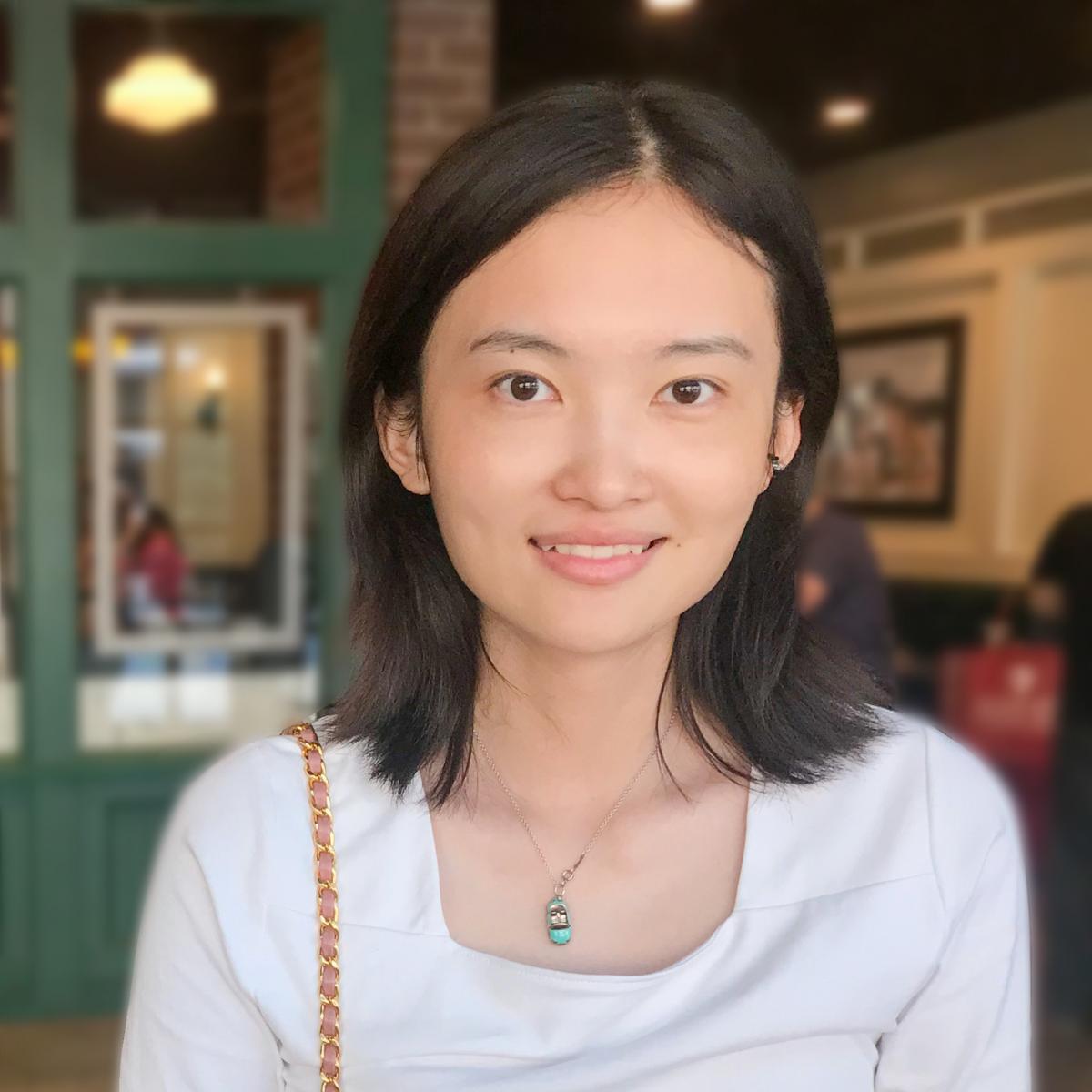
I am a multilingual international PhD student and I am passionately pursuing my program of research, which has combined applied behavior analysis (ABA) and Acceptance and Commitment Training (ACT), inside a contextual behavioral framework, for expanding behavioral science into more diverse populations that have traditionally been under-addressed by contextual behavioral science research. Children with autism from multicultural backgrounds are often diagnosed at a later age compared to white and English-speaking children. As a result, parents with diverse cultural backgrounds face more challenges given the lack of behavior therapists who understand or speak their native languages in the United States. Despite substantial research validating ABA approaches to supporting individuals with autism, little attention is paid to the role of cultural diversity and multilingualism in treatment. To address this gap in the field of ABA, I led the team that published the article “Multilingual Diversity in the Field of Applied Behavior Analysis and Autism: A Brief Review and Discussion of Future Directions” in the journal, Behavior Analysis in Practice. In this article, we discussed the ways in which cultural diversity, equity, and multilingualism might be better addressed within the field of ABA. Instead of recommending families receive service in English only (as is still common), we recommended that clinicians ask families about their values and cultural preferences. We recommended that a child’s treatment plan be based on culturally appropriate goals, positive reinforcers, first language, and otherwise be customized to the family’s culture. Additionally, we proposed future directions to promote diversity in ABA, including recruiting more international students in graduate programs, enhancing diversity curricula, and initiatives by professional associations. The paper was presented and won the poster competition at the California Association for Behavior Analysis Annual Convention.
In addition to autism, I continue to pursue the importance of diversity and equity in other populations and domains. Under the supervision of Dr. Jonathan Tarbox, I completed my master’s thesis, “The Effects of Multilingual Acceptance and Commitment Training (ACT) on Exercise in Bilingual University Students.” I used a multiple baseline to evaluate the effects of a multilingual ACT program for bilingual international college students who valued increasing their physical activity. The study demonstrated that ACT was effective when delivered in a combination of both English and Chinese in helping all participants to substantially increase their daily steps taken, frequency of gym visits, and work out duration. No previous research, of which we are aware, evaluated bilingual ACT for increasing physical activity in a culturally diverse population. This paper has been presented at several conferences and was published in the Journal of Contextual Behavioral Science in August 2020.
In sum, using contextual behavioral science to promote diversity and equity in behavioral research is my passion and I believe this award will help me share my successful programs of research with more individuals on how to combine applied behavior analysis and ACT, inside a contextual behavioral framework, for more fully addressing topics of diversity, equity, and inclusion.
2022 Diversity Award
2022 Diversity AwardSelected for the 2022 Diversity Award is Brian Middleton, Bearded Behaviorist (he was nominated by Summer Mingo & Clinton Fuller)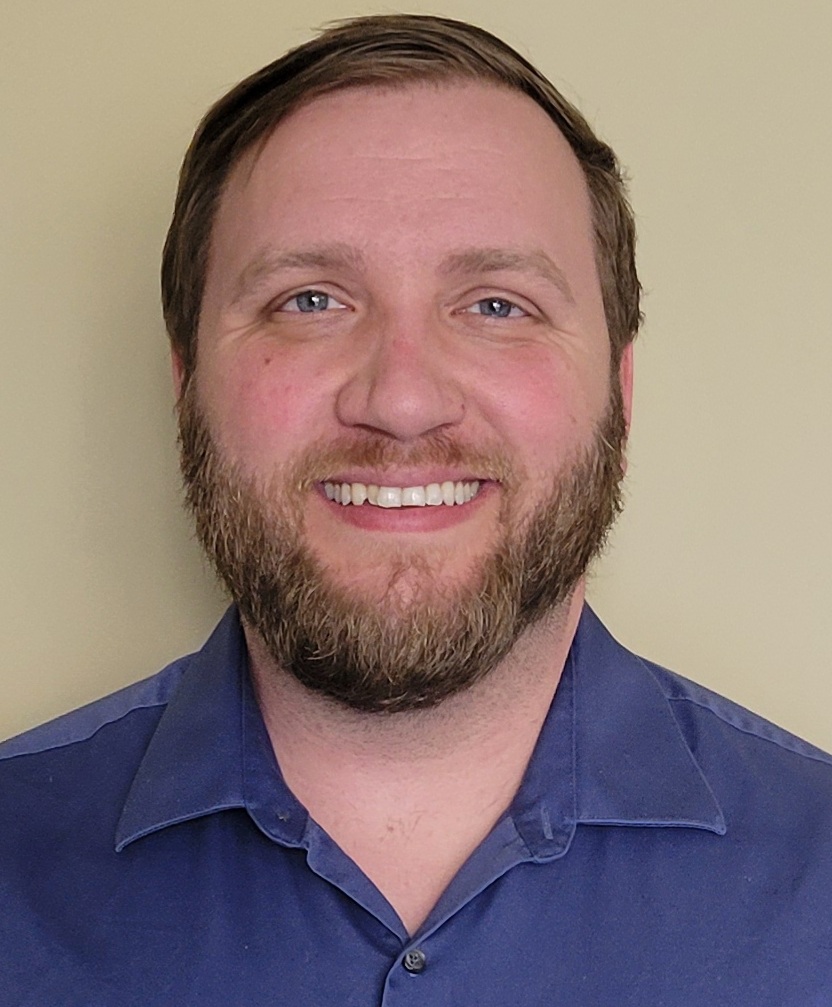
In the last year I have been working to further awareness of and inclusion of neurodivergent populations in human services, most specifically ABA. I have been fighting for disability rights, for trauma-informed and neurodivergent affirming practices, and disseminating ACT.
Brian has generously donated his free conference registration to a DEI scholarship applicant to be selected by the ACBS Diversity, Equity, and Inclusion Committee.
2023 Diversity Award
2023 Diversity AwardSelected for the 2023 Diversity Award is Khamisi Musanje (he was nominated by Rosco Kasujja)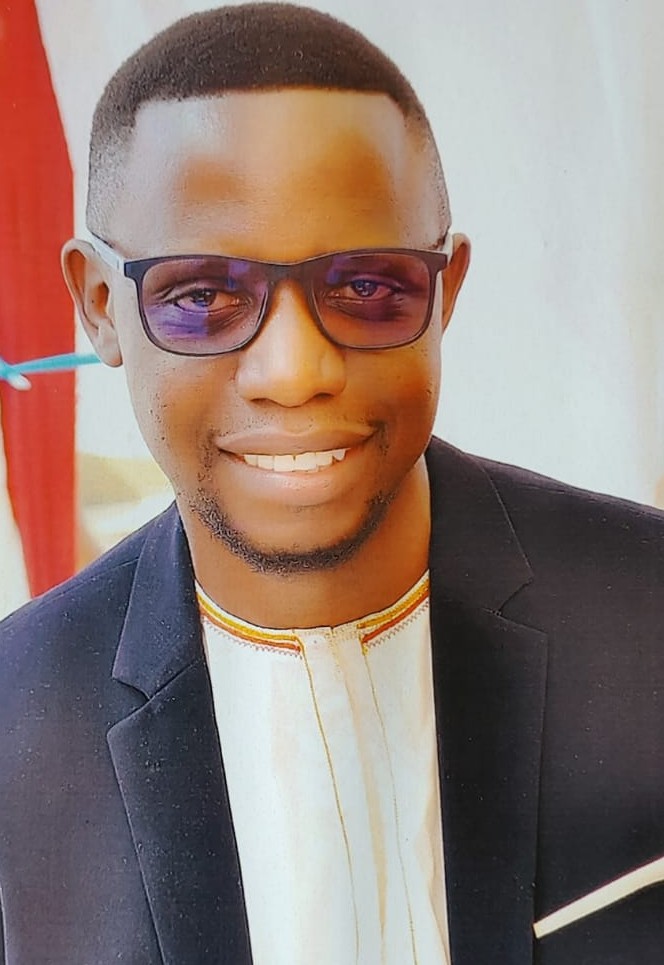
While ACT and other related mindfulness and acceptance based therapies have enjoyed a great breakthrough in the developed world, the developing world has lagged behind on this experience. An automatic copy and paste approach would quicken the spread of such therapies in the developing contexts (where they are needed most), however, the realization that contexts affect the effectiveness of psychotherapy puts a caution on such a simplistic approach. Besides, there is strong evidence that most psychotherapies coming from the developed West, fall short of expectations when used in completely different settings.
My colleagues and I, out of passion for extending the use of ACT to a developing context (Uganda), embarked on a journey to culturally translate ACT materials for use with adolescents living with HIV in Uganda. We engaged local mental health experts and others stakeholders involved in HIV care services to produce materials with cultural relevance. We further tested acceptability of the adapted materials among adolescents and health care providers in Uganda (materials were perceived to be acceptable, relevant and usable). We are currently evaluating effectiveness of the adapted materials in supporting the mental health of adolescents in a low resource context (Uganda) through a randomized trial.
I have disseminated the adaptation process and results on social validity of the material in two scientific publications; PLOS Global health journal; https://doi.org/10.1371/journal.pgph.0001605, and the Journal of Contextual Behavioral Sciences; https://doi.org/10.1016/j.jcbs.2023.07.002. I have presented the work in the 16th and 17th Joint Annual Scientific and Health Conferences-JASHC 2022 and 2023 organized in Uganda and presented at the Association of Contextual Behavioral Scientists world conference in Nicosia- Cyprus. Besides, I have held stakeholder feedback workshops with both healthcare providers and adolescents and also held one online meeting with the Ministry of Health in Uganda to kick start conversations regarding inclusion of mindfulness and acceptance strategies into standard of care services offered to adolescents living with HIV in Uganda.
ACBS Fellows
ACBS FellowsFellowship in the Association for Contextual Behavioral Science is meant to recognize professionals with a terminal degree who have made strong and positive contributions to Contextual Behavioral Science. Election as an ACBS Fellow is an honor and all Fellows are expected to meet the standards of professional ethics and scientific integrity.
Our focus is deliberately broad. Fellowship can be awarded early, mid, or late career; contributions may be in research, scholarship, training, public information, policy, prevention, organizational work, practice, or any other area of CBS and of the Association; substantive areas include philosophy of science, basic, and applied domains. Fellowship is a membership status in ACBS, but may be offered contingently to those who are not yet members.
The first few years of the Fellowship determination resulted, purposefully, in some large classes of Fellows. That number was not intended to set a precedent for future years. In more recent years we have settled into the more sustainable tradition of 4-6 Fellows. This is the class size that is seemingly appropriate to our Association size. No more than 6 Fellows will be awarded each year.
Current Fellows of ACBS can nominate new candidates. The nomination period is approximately early January through mid-February, each year. The ACBS Membership Committee facilitates the process of identifying ACBS Fellows. The Fellows Timeline, Fellows rubric information and Fellow Qualification Policy are attached at the bottom of this page.
Inducted in 2023
Mark R Dixon, Ph.D.
Evelyn Gould, Ph.D.
Rosco Kasujja, Ph.D.
Anthi Loutsiou, Psy.D.
Jennifer Shepard Payne, Ph.D.
Koa Whittingham, Ph.D.
Inducted in 2022
Georg Eifert, Ph.D.
Valerie Kiel, MSc.
Christopher McCurry, Ph.D.
Susan McCurry, Ph.D.
Ruth Anne Rehfeldt, Ph.D.
Matthew Skinta, Ph.D.
Roger Vilardaga, Ph.D.
Robert Zettle, Ph.D.
Inducted in 2021
Megan Kelly, Ph.D.
Rhonda Merwin, Ph.D.
Jean-Louis Monestès, Ph.D.
Joe Oliver, Ph.D.
Kenneth I. Pakenham, Ph.D.
Jill Stoddard, Ph.D.
Inducted in 2020
Rikke Kjelgaard, MSc.
Jenna LeJeune, Ph.D.
Akihiko Masuda, Ph.D.
Manuela O'Connell, MSc.
Francisco J. Ruiz, Ph.D.
Shinji Tani, Ph.D.
Inducted in 2019
Kenneth Fung, M.D.
Maria Karekla, Ph.D.
Michael Levin, Ph.D.
Darrah Westrup, Ph.D.
Patricia Zurita Ona, Psy.D.
Inducted in 2018
Paul Atkins, Ph.D.
Andrew Gloster, Ph.D.
Eric Morris, Ph.D.
Graciela Rovner, Ph.D.
Ross White, Ph.D.
M. Joann Wright, Ph.D
Inducted in 2017
Niloofar Afari, Ph.D.
Beate Ebert, Dipl.-Psych.
David Gillanders, Ph.D.
D.J. Moran, Ph.D.
Jacqueline Pistorello, Ph.D.
Emily Sandoz, Ph.D.
Rainer Sonntag, M.D.
Matthieu Villatte, Ph.D.
David Sloan Wilson, Ph.D.
Zhu Zhouhong, Ph.D.
Inducted in 2016
Jacqueline A-Tjak, MSc.
Hannah Bockarie
Darin Cairns, M.S.
Victoria Follette, Ph.D.
Robert Kohlenberg, Ph.D.
Raimo Lappalainen, Ph.D.
Paolo Moderato, Ph.D.
Takashi Muto, Ph.D.
Nanni Presti, M.D., Ph.D.
Harold Robb, Ph.D.
Patricia Robinson, Ph.D.
Dennis Tirch, Ph.D.
Mavis Tsai, Ph.D.
Niklas Törneke, M.D.
Inducted in 2015
Gerhard Andersson, Ph.D.
Patricia Bach, Ph.D.
Sonja Batten, Ph.D.
Ernst Bohlmeijer, Ph.D.
Joseph Ciarrochi, Ph.D.
Lisa Coyne, Ph.D.
Jonathan Kanter, Ph.D.
Todd Kashdan, Ph.D.
Kelly Koerner, Ph.D.
Amy Murrell, Ph.D.
Denis O'Hora, Ph.D.
Mike Twohig, Ph.D.
Kevin Vowles, Ph.D.
Rikard Wicksell, Ph.D.
Inducted in 2014
Yvonne Barnes-Holmes, Ph.D.
Anthony Biglan, Ph.D.
Jonathan Bricker, Ph.D.
JoAnne Dahl, Ph.D.
Mike Dougher, Ph.D.
Simon Dymond, Ph.D.
John Forsyth, Ph.D.
Russ Harris, M.D.
Louise Hayes, Ph.D.
James Herbert, Ph.D.
Carmen Luciano, Ph.D.
Jason Luoma, Ph.D.
Lance McCracken, Ph.D.
Louise McHugh, Ph.D.
Ian Stewart, Ph.D.
Kirk Strosahl, Ph.D.
Inducted in 2012
Dermot Barnes-Holmes, Ph.D.
Frank Bond, Ph.D.
Steven C. Hayes, Ph.D.
Robyn D. Walser, Ph.D.
Kelly G. Wilson, Ph.D.
ACBS Junior Investigator Poster Award
ACBS Junior Investigator Poster AwardThe purpose of this award is to recognize and help develop junior investigators conducting research in Contextual Behavioral Science and who are presenting the results of this research at the Association's annual world conference.
Requirements:
Eligible candidates for this award include undergraduates, graduate students, and post-doctoral fellows presenting first-authored posters at the annual world conference. Candidates must be a member of ACBS. Awards are determined based on submitted abstracts/information.
To be considered for the award, please self-nominate by indicating your interest when you submit your poster for the ACBS World Conference. All posters submitted prior to March 20, that qualify, will be considered for the junior investigator poster award.
Award Recipients:
2024 ACBS World Conference - Buenos Aires, Argentina
The Role of Psychological Flexibility in Psychedelic Effect on Depressive Symptoms: A Systematic Review
Aria Jaye, Towson University
Sociodemographic Representation for Anxiety-Related Disorders
Hannah Johnson, Southern Illinois University
Eficácia da Terapia de Aceitação e Compromisso na redução da ideação suicida: revisão sistemática
Luziane Kirchner, Universidade Católica Dom Bosco
Evaluating the Effectiveness of a Brief Digital ACT Intervention for Chronic Pain: a Randomized Controlled Trial
Xinya Liu, Chinese Academy of Sciences
Generalizado en México: Relación con Conducta Alimentaria y Evitación Experiencial
Rodrigo Miguel Rosales Sarabia, Universidad Iberoamericana
2023 ACBS World Conference - Nicosia, Cyprus
Role of psychological (in)flexibility in the networks of dysphoria and anxiety symptoms
Radomir Belopavlović, University of Novi Sad
Randomized controlled trial of acceptance and commitment therapy and cognitive behavioral therapy for insomnia
Renatha El Rafihi-Ferreira, Universidade de São Paulo
Virtual Reality ACT intervention for social and public speaking anxiety of university students
Simone Gorinelli, University of Jyväskylä
Investigation of the impact of relational framing on self-determination toward a distress tolerance task
Nicolas Kaczmarek, University of Lille
The Relationship Between Psychological Inflexibility Processes and Obsessive-Compulsive Symptoms: A Cluster Analysis
Jonathan Larson, Wichita State University
The Future of Pliance, Tracking, and Depression in Rule-Governed Behavior
Conor McCloskey, University College Dublin
2022 ACBS World Conference - San Francisco, USA
Experiential Avoidance and Gender nonconforming individuals
Danielle Haakinson, Texas Tech University
Examining the Factors of the Yips in Baseball: From the Perspective of Psychological Flexibility and Social Factor
Kazuya Inoue, Ph.D., Waseda University
The Interactive Role of PTSD Symptoms and Mindfulness on Mental Wellbeing
Mahsa Mojallal, M.A., University of South Dakota
One-day Acceptance and Commitment Training Workshop for Veterans and their romantic partners
Namrata Nanavaty, M.S., Michael E. DeBakey Veterans Affairs Medical Center in Houston
Educating during COVID-19: Psychological flexibility as a key process related to depression and social anxiety
Alyssa Schneider, MPH, University of Iowa
Examination of the functoin of Self-meaning stimulus used for IRAP in Japanese
Pin ZHANG, Ritsumeikan University
2021 ACBS Virtual World Conference
Associated factors of playing video games as experiential avoidance in adolescence
Luiza Brandão, M.S., Universidade de São Paulo
Relationships Between Discrimination, Self-Compassion, and Anxiety
Rebecca Browne, M.S., Suffolk University
Self-Rated Fidelity measure for ACT
Dustin Cox, PT, DPT, LSVT, CLT, Cox College
Self-help for self-stigma?: Evidence from a randomized trial of Acceptance and Commitment Therapy (ACT) and traditional cognitive behavioral therapy (CBT) for depression
Carter Davis, B.F.A., Utah State University
Contextual-behavioral model of self predicts borderline personality disorder symptoms
Jan Topczewski, M.A., SWPS University of Social Sciences and Humanities
Electronically Mediated Acceptance and Commitment Therapy and Chronic Illnesses: A Systematic Research Synthesis
Amelia Welch, M.S., Florida State University
2020 ACBS World Conference - ONLINE
Mindfulness, Culture, and Clinical Practice: Clinician Experiences Utilizing Mindfulness and Acceptance with Hispanics/Latinos
Rebeca Castellanos, M.A., Medical University of South Carolina
Understanding attitudes and perceived behavioral responsibility towards global climate change through psychological flexibility processes
Carter Davis, B.A., Utah State University
Comparison of Metacognitive and Psychological Inflexibility Models of Emotional Distress
Huan Quan, M.A., Wichita State University
Appraising Anxiety as Problematic Increases Odds of Misusing Meditation Strategies Above and Beyond Transdiagnostic Processes and Symptomatic Distress
Max Roberts, M.A., University at Albany, State University of New York
Eric Tifft, M.A., University at Albany, State University of New York
Shannon Underwood, B.S., University at Albany, State University of New York
John Forsyth, Ph.D., University at Albany, State University of New York
2019 ACBS World Conference 17 - Dublin, Ireland
How to act with narrative: A single case experimental design pilot study using a process-based psychotherapy informed by RFT
Daniel Wallsten, Karlstad University, Sweden
Thomas Parling, PhD, Karolinska Institutet, Sweden
Ciara McEnteggart, PhD, University of Ghent, Belgium
Yvonne Barnes-Holmes, PhD, University of Ghent, Belgium
Colin Harte, University of Ghent, Belgium
The Meta-Analytic Evidence of Acceptance and Commitment Therapy: A Review
Noemi Walder, BSc, University of Basel, Division of Clinical Psychology and Intervention Science
Michael Levin, Ph.D., Utah State University, USU ACT Research Group
Michael Twohig, Ph.D., Utah State University, USU ACT Research Group
Maria Karekla, Ph.D., University of Cyprus, Department of Psychology
Andrew Gloster, Ph.D., University of Basel, Division of Clinical Psychology and Intervention Science
Acceptance-based exposure and behavioral measurement: A case study of an elderly woman with obsessive compulsive disorder
Atsushi Seguchi, M.A., Ritsumeikan University
A mobile game for improving psychological flexibility skills in elementary school children
Katariina Keinonen, University of Jyväskylä
Anna-Lotta Lappalainen, M.S., Solent NHS Trust
Päivi Lappalainen, Ph.D., University of Jyväskylä
Raimo Lappalainen, University of Jyväskylä
Self-Compassion Moderates Hopelessness in Predicting Suicide Ideation Among People Living With HIV/AIDS
Lauren B. Johnson, M.Ed., M.S., Drexel University
C. Virginia O' Hayer, Ph.D., Drexel University College of Medicine
Chelsi Nurse, B.S., Drexel University College of Medicine
Assessing the efficacy of an ACT hybrid intervention for anxiety disorders and the added value of a weekly phone call: preliminary results from a randomized controlled trial
Lauriane Lapointe, D.Ps.(c), Department of Psychology, Université du Québec à Trois-Rivières
Joel Gagnon, Ph.D.(c), Department of Psychology, Université du Québec à Trois-Rivières
Guillaume Foldes-Busque, Ph.D., School of Psychology, Université Laval
Nadia Gagnon, M.Ps., Integrated Center of Health and Social Services of Chaudière-Appalaches
Frédérick Dionne, Ph.D., Department of Psychology, Université du Québec à Trois-Rivières
2018 ACBS World Conference 16 - Montréal, Canada
Predicting Child and Adolescent Functioning One Year after Major Orthopedic Surgery
Brittany Rosenbloom, MSc MA, York University
Melanie Noel, PhD, University of Calgary
Gabrielle Page, PhD, Universite de Montreal
Lisa Isaac, The Hospital for Sick Children
Fiona Campbell, The Hospital for Sick Children
Jennifer Stinson, The Hospital for Sick Children
Joel Katz, York University
An Examination Between Family Stress and Psychological Flexibility
Michael Thorn, University of Mississippi
Gina Q. Boullion, University of Mississippi
Emmie R. Hebert, University of Mississippi
Karen Kate Kellum, University of Mississippi
Kelly G. Wilson, University of Mississippi
Developing an ACT-based mobile app intervention for adults with a visible difference affected by appearance anxiety
Fabio Zucchelli, MSc, University of the West of England, Bristol
Heidi Williamson, Prof Doc (Health Psych), University of the West of England, Bristol
Olivia Donnelly, ClinPsyD, North Bristol NHS Trust
The VTCT Foundation Research Team at the Centre for Appearance Research, UWE Bristol, University of the West of England, Bristol
Fostering Meaning and Motivation
Ana Gallego, University of Jyväskylä
Raimo Lappalainen, University of Jyväskylä
Matthieu Villatte, Evidence-based institute of Seattle
Louise McHugh, University Colleague Dublin
Acceptance and Commitment Therapy for adults with head and neck cancer experiencing psychological distress: A hermeneutic single case efficacy design (HSCED) series
Nicolle Morris, University of Nottingham, United Kingdom
Nima Golijani-Moghaddam, Lincoln University, United Kingdom
Sanchia Biswas, National Health Service, United Kingdom
Anna Tickle, University of Nottingham
Targeting Psychology Flexibility, Sleep Hygiene, and Physical Activity in High School Students using the DNA-V Model
Samuel Faulkner, M.A., East Carolina University
Sean O'Dell, Ph.D., Geisinger Medical Center
Jeannie Golden, Ph.D., East Carolina University
2017 ACBS World Conference 15 - Seville, Spain
Mario Mendez, M.D., Ph.D., VA Greater Los Angeles, UCLA
Simon Grégoire, Université du Québec à Montréal
Laurence Morin, Université du Québec à Montréal
Cloé Fortin, Université du Québec à Montréal
Giovambattista Presti, University of Enna "Kore"
Annalisa Oppo, Sigmund Freud University (SFU)
Paolo Moderato, Istituto Europeo per lo Studio del Comportamento Umano (IESCUM)
2016 ACBS World Conference 14 - Seattle, USA
Sheri Turrell, Ph.D., Trillium Health Partners
Mary Bell, M.S.W., R.S.W., Trillium Health Partners
Marci Gordeyko, M.A., OISE/University of Toronto
Rosaura Orengo-Aguayo, M.A., University of Iowa
Michael O'Hara, PhD, University of Iowa
James Marchman, PhD, University of Iowa
2015 ACBS World Conference 13 - Berlin, Germany
Leili Nourian, M.A., Islamic Azad University, Najaf Abad branch, Isfahan, Iran
Jill Stoddard, Ph.D, California School of Professional Psychology
Julie Lasselin, Department of Clinical Neuroscience, Karolinska Institutet, Stockholm, Sweden
Jill Stoddard, Ph.D, California School of Professional Psychology
2014 ACBS World Conference 12 - Minneapolis, USA
Lisa W. Coyne, Ph.D., Suffolk University, Harvard Medical School/ McLean Hospital
Marie-Christine André, M.A., Suffolk University
Sara E. Shea, Ph.D., Massachusetts General Hospital
Rober D. Zettle, Ph.D., Wichita State University
Suzanne Gird, M.A., Wichita State University
Angie Hardage-Bundy, M.A., Wichita State University
Jessica Clifton, M.A., University of Vermont
Maggie Evans, B.A., University of Vermont
Diane Gottlieb, M.S.W., Ph.D., University of Vermont
Valerie Harder, M.H.S., Ph.D., University of Vermont
Karen Fondacaro, Ph.D., University of Vermont
ACBS Student Spotlight Program
ACBS Student Spotlight ProgramThe Student Spotlight Program highlights students who are doing important work in the CBS community whether for research, clinical, and/or volunteer-humanitarian efforts. It is a way to highlight their achievements, let the ACBS community know important work students are doing, and provides a platform for mentoring/collaboration/professional development/conversations around highlighted areas.
All of the spotlighted students will be featured on the ACBS website “What’s New” section of the homepage for one week as well as on various social media sites (both ACBS and Student SIG). Additionally, all the spotlighted students will get 50% off (beginning March 2021) the ACBS World Conference student registration fee (must be eligible to register as a student). This discount must be used for World conference in the year it is awarded or used for the World Conference in the following year (If you cannot use it for the 2024 Argentina Conference, keep it for the 2025 Conference!).
6 students are selected annually. In order to support basic science, 2 spots will be reserved for students who contributed to basic science.
Requirements:
Eligible students must be current ACBS members at time of submission closing. Must be considered a student in their country of study/practice. Final degree (Ph.D., M.A., other) must not be conferred until at least 3 months following the closing of the application period.
All candidates will be rated on research experience, clinical/clinical training experience, significant achievements, commitment to diversity and equality and additional considerations. ACBS members can login to see the criteria here.
We receive applications twice per year. The first round of applications will be accepted approximately November 1-November 30, annually. The second round of applications will be accepted approximately March 1-March 31 annually. Applicants need to submit a 2-page (minimum) CV and complete the application form.
Award Recipients:
Diana Cox (August 2024)
Marianna Zacharia (March 2024)
Duckhyun Jo (February 2024)
Korena Klimczak (January 2024)
Wenqian ZHAO (September 2023)
LAM Ching Yee (August 2023)
Jenna Lauren Adamowicz (March 2023)
Conor McCloskey (February 2023)
James Fowler (January 2023)
Georgia Polyviou (October 2022)
Samuel Spencer (September 2022)
Amanda Chastain (August 2022)
Huiyuan LI (July 2022)
Julie Petersen (March 2022)
Carter Haskell Davis (February 2022)
Erin Wolff (August 2021)
Niloofar Tavakoli (July 2021)
Anne I. Roche (March 2021)
Sebastian Garcia-Zambrano (February 2021)
Huanzhen Xu (January 2021)
Alison Stapleton (October 2020)
Adam Kuczynski (September 2020)
Diane Dallal (August 2020)
Clarissa Ong (December 2019)
Joshua Schultz (June 2019)
Sérgio Andrade Carvalho (April 2019)
Lauren B. Johnson (March 2019)
Ethan Lester (March 2019)
Lynn Farrell (December 2018)
Amanda Rhodes (September 2018)
Raul Vaz Manzione (September 2018)
Jessica Stark (May 2018)
Kevin Davies (April 2018)
Inês A. Trindade (March 2018)
Joanna Kaye (February 2018)
Emily Brenny Kroska (July 2017)
Wang Fenfen (May 2017)
Rajinder (Sonia) Singh (May 2017)
Victoria Ameral (March 2017)
Cainã Gomes (February 2017)
Corinna Stewart (January 2017)
Award Recipients
Award RecipientsStudent Spotlight Award Recipient - Inês A. Trindade
Student Spotlight Award Recipient - Inês A. TrindadeCongratulations to Inês A. Trindade on being selected as the Student Spotlight Award winner for March 2018!
The purpose of this award is to highlight students who are doing important work in the CBS community whether for research, clinical, and/or volunteer-humanitarian efforts.
This is a way to highlight their achievements, let the ACBS community know important work students are doing, and possibly provide a platform for mentoring/collaboration/professional development/conversations around highlighted areas.
Learn more about Inês:
Background of CBS Research/Clinical/Volunteering efforts/achievements:
I started researching in CBS during my Master’s Thesis in Clinical and Health Psychology at University of Coimbra. My thesis aimed to develop a body image-related cognitive fusion questionnaire and analyse the impact of this construct on eating psychopathology. During this time I was a clinical psychology intern at the Psychiatric Unit of the Coimbra University Hospital, where I was trained in CBS clinical practise. After my MSc I did a professional voluntary internship where I applied ACT in women with eating difficulties. At this time, I became a collaborator at CINEICC (University of Coimbra), a research centre with a strong focus on CBS, and later a PhD student at the same centre. My PhD studies have two main focuses. The first is the analysis of the impact of processes such as experiential avoidance, cognitive fusion, and shame on psychological and physical outcomes in chronic illness, which has provided interesting findings on the importance of these processes in several chronic health conditions. The most relevant published paper from my PhD studies to date has longitudinally demonstrated that cognitive fusion predicts the evolution of psychological as well as physical health among inflammatory bowel disease patients. The second focus of my PhD was to integrate acceptance, mindfulness and compassion-based psychotherapies in one intervention adapted to cancer patients, the MIND (as in “mentality” and “care”) programme. I applied this intervention to groups of breast cancer patients as principal therapist. The feasibility and preliminary efficacy of the intervention have been demonstrated (paper under review).
Autobiography:
I was born and raised in Coimbra, a city in the centre of Portugal. I’m a 4th year PhD student in Clinical Psychology at CINEICC, University of Coimbra, Portugal, working with Dr. José Pinto-Gouveia and Dr. Cláudia Ferreira. I discovered mindfulness meditation in my adolescence and have stuck with it almost ever since. In my master’s I started professional training in contemplative practices and CBS. Choosing to study CBS in chronic illness came from a personal motivation. Having been diagnosed with inflammatory bowel disease at 15, my late adolescence was marked by the adaptation to the illness, which now, after 12 years, I can say will probably never be over. This is my motivation to study chronic illness (and in particular inflammatory bowel disease) in my PhD studies, and I hope I am able to continue to do so. In my spare time I love to read and travel to places I’ve never been to. I’m also passionate about vegan cooking, interior design, and photography.
Future goals:
After my PhD, I have two main goals. The first is to adapt the MIND programme to inflammatory bowel disease and to test its efficacy on psychosocial outcomes on this population; the second (and more far away) goal is to test the effects of mindfulness and related processes on inflammation and other disease markers in inflammatory bowel disease patients.
Relevant publications:
http://onlinelibrary.wiley.com/doi/10.1111/bjhp.12280/abstract
https://link.springer.com/article/10.1007%2Fs00384-017-2774-z
http://journals.sagepub.com/doi/10.1177/1359105315587142
http://onlinelibrary.wiley.com/doi/10.1002/cpp.2035/abstract
http://journals.sagepub.com/doi/10.1177/1359105317718925
https://link.springer.com/article/10.1007/s10620-015-3786-6
https://link.springer.com/article/10.1007/s10862-015-9509-7
http://onlinelibrary.wiley.com/doi/10.1002/cpp.2125/abstract
https://link.springer.com/article/10.1007%2Fs11136-016-1378-3
http://www.tandfonline.com/doi/full/10.1080/03630242.2016.1267688
http://onlinelibrary.wiley.com/doi/10.1111/papt.12047/full
http://www.sciencedirect.com/science/article/pii/S019566631400227X
http://journals.sagepub.com/doi/abs/10.1177/1359105315573438
Student Spotlight Award Recipient - Adam Kuczynski
Student Spotlight Award Recipient - Adam KuczynskiCongratulations to Adam Kuczynskion being selected as the Student Spotlight Award winner for September 2020!
The purpose of this award is to highlight students who are doing important work in the CBS community whether for research, clinical, and/or volunteer-humanitarian efforts. This is a way to highlight their achievements, let the ACBS community know important work students are doing, and possibly provide a platform for mentoring/collaboration/professional development/conversations around highlighted areas.
Learn more about Adam:
 Background of CBS Research/Clinical/Volunteering efforts/achievements:
I am, at my core, a functional contextualist. My first experience in research was with Dr. Marsha Linehan, where I workid on a federally funded randomized trial of DBT for suicidal and self-harming adolescents. It was there where I was trained to view behavior from a functional perspective, influenced greatly by other third-wave therapies such as ACT and FAP. Shortly thereafter, I began working with Drs. Kohlenberg and Tsai in their efforts to establish a stronger empirical literature for FAP. Fast forward several years and I am now a fifth year graduate student at the University of Washington, where I have continued to pursue contextual-behavioral research agenda. For my master’s thesis, I led a multi-site scale development project aimed at measuring intimate relational functioning for use in FAP outcomes research. Since then, I have worked to develop CBS-informed interventions for couples and therapists at high risk of burnout, evaluated the current state of empirical research on FAP, and pursued research that aims to reduce the perpetration of racial microaggressions. Now, I am a lead researcher and study therapist on the largest-to-date randomized trial of FAP. My clinical work is also heavily influenced by CBS. I have worked with several clients in both inpatient and outpatient settings using ACT, FAP, and comprehensive DBT. I have reviewed several manuscript submissions for JCBS and served as the student representative for the FAP special interest group of ACBS since 2015. Last year, I served as a reviewer for the ACBS student spotlight awards.
Autobiography:
I am incredibly fortunate for the opportunities offered to me throughout my lifetime. As an undergraduate at the University of Washington, I worked with Dr. Marsha Linehan on a federally funded trial of DBT for adolescents who, despite their best efforts, struggled to build worth living. Shortly thereafter, Drs. Robert Kohlenberg and Mavis Tsai took me into their lab and trained me in the fundamental principles of FAP and contextual behavioral science. When Dr. Jonathan Kanter moved to the University of Washington, he hired me as his first research coordinator and then graduate student, we we have worked together on a variety of research projects aimed at improving social functioning and decreasing the perpetration of racial microaggressions. I am truly a product of my social environment and have worked diligently in my graduate career to pass my fortune along, particularly for underrepresented individuals in psychological science (e.g., students of color, first-generation students). For my dissertation, I am using idiographic research methods to understand how momentary feelings of loneliness are associated with changes in depressive symptomatology and hope to inform contextual-behavioral treatment efforts aimed at reducing the burden of these afflictions.
Future goals:
After graduate school, I hope to continue pursuing a research agenda focused on the ways in which social functioning outcomes can be improved by bridging the gap between CBS and relationship science.
Publications:
- Kuczynski, A. M., Kanter, J. W., & Robinaugh, D. J. (2019). Differential associations between interpersonal variables and quality-of-life in a sample of college students. Quality of Life Research. https://doi.org/10.1007/s11136-019-02298-3
- Kuczynski, A. M., Kanter, J. W., Wetterneck, C. T., Olaz, F. O., Singh, R. S., Lee, E. B., … Corey, M. D. (2019). Measuring intimacy as a contextual-behavioral process: Psychometric development and evaluation of the Awareness, Courage, and Responsiveness Scale. Journal of Contextual Behavioral Science. https://doi.org/10.1016/j.jcbs.2019.02.004
- Reyes Ortega, M. A., Kuczynski, A. M., Kanter, J. W., de Montis, I. A., & Santos, M. M. (2019). A preliminary test of a social connectedness burnout intervention for Mexican mental health professionals. The Psychological Record, 69(2), 267-276. https://doi.org/10.1007/s40732-019-00338-5
- Kanter, J. W., Kuczynski, A. M., Tsai, M., & Kohlenberg, R. J. (2018). A brief contextual-behavioral intervention to improve relationships: A randomized trial. Journal of Contextual Behavioral Science, 10, 75-84. https://doi.org/10.1016/j.jcbs.2018.09.001
- Kanter, J. W., Manbeck, K. E., Kuczynski, A. M., Maitland, D .W. M., Villas-Bôas, A., & Reyes Ortega, M. A. (2017). A comprehensive review of research on Functional Analytic Psychotherapy. Clinical Psychology Review, 58, 141-156. https://doi.org/10.1016/j.cpr.2017.09.010
- Kanter, J. W., Williams, M. T., Kuczynski, A. M., Manbeck, K. E., Debreaux, M., & Rosen, D. C. (2017). A preliminary report on the relationship between microaggressions against Black people and racism among White college students. Race and Social Problems, 9(4), 291-299. https://doi.org/10.1007/s12552-017-9214-0
- Maitland, D. W. M., Kanter, J. W., Manbeck, K. E., & Kuczynski, A. M. (2017). Relationship science informed clinically relevant behaviors in Functional Analytic Psychotherapy: The Awareness, Courage, and Love Model. Journal of Contextual Behavioral Science, 6(4), 347-359. https://doi.org/10.1016/j.jcbs.2017.07.002
- Maitland, D. W. M., Kanter, J. W., Tsai, M., Kuczynski, A. M., Manbeck, K. E., & Kohlenberg, R. J. (2016). Preliminary findings on the effects of online Functional Analytic Psychotherapy training on therapist competency. The Psychological Record, 66(4), 627-637. https://doi.org/10.1007/s40732-016-0198-8
- Haworth, K., Kanter, J. W., Tsai, M., Kuczynski, A. M., Rae, J. R., & Kohlenberg, R. J. (2015). Reinforcement matters: A preliminary, laboratory-based component-process analysis of Functional Analytic Psychotherapy's model of social connection. Journal of Contextual Behavioral Science, 4(4), 281-291. https://doi.org/10.1016/j.jcbs.2015.08.003
- Kohlenberg, R. J., Tsai, M., Kuczynski, A. M., Rae, J. R., Lagbas, E. Lo, J., & Kanter, J. W. (2015). A brief, interpersonally oriented mindfulness intervention incorporating Functional Analytic Psychotherapy's model of awareness, courage and love. Journal of Contextual Behavioral Science, 4(2), 107-111. https://doi.org/10.1016/j.jcbs.2015.03.003
Student Spotlight Award Recipient - Alison Stapleton
Student Spotlight Award Recipient - Alison StapletonCongratulations to Alison Stapleton on being selected as the Student Spotlight Award winner for October 2020!
The purpose of this award is to highlight students who are doing important work in the CBS community whether for research, clinical, and/or volunteer-humanitarian efforts.
This is a way to highlight their achievements, let the ACBS community know important work students are doing, and possibly provide a platform for mentoring, collaboration, professional development, and conversations around highlighted areas.
Learn more about Alison:
Background of CBS Research/Clinical/Volunteering efforts/achievements:
Throughout my academic career, I have been involved in CBS research projects. My undergraduate thesis (in press in JCBS) examined the relationships between health values directed behavior and engagement in health-related behaviors. My first PhD study, examining adaptive correlates of adolescents’ generalized pliance, was also recently published in JCBS. I am currently extending this line of research, doing much-needed work to consolidate theoretical perspectives on rule-governed behavior, and using text-based conversational agents (chatbots) to promote flexible rule-following. Beyond my PhD research, I am the lead on a systematic review examining the use of metaphor in ACT and on a project evaluating brief ACT interventions for academic procrastination (funded by the Higher Education Authority). I recently contributed to a paper using the Functional Self-Discrimination Measure with members of the homeless population and I am coordinating a large cross-cultural study with CBS labs around the world. I am passionate about dissemination and making CBS accessible. In addition to publishing manuscripts and presenting CBS research at national and international conferences, I produce CBS videos and blog posts with an abundance of pop culture references to facilitate effective and engaging knowledge transfer. I am also currently contributing to outreach programs that aim to provide the public with CBS skills to cope with the COVID-19 pandemic (e.g., the #FEELINGBetter initiative and Power of Small Workshops). I truly believe CBS can alleviate human suffering if we strive to collaborate, engage in effective knowledge transfer, and produce high-quality research, all practices I am committed to.
Autobiography:
I’m from Dublin, Ireland, and was the first in my family to attend university, graduating from University College Dublin with a BA in Psychology. I was introduced to CBS by my BA thesis supervisor, Professor Louise McHugh, who then took me on for my PhD. Now in the second year of my PhD, I realize how exceptionally lucky I’ve been. Being able to work and grow within the CBS community, while having an exemplary mentor who truly cares about my development, is an absolute privilege. CBS has completely changed my life, from the philosophical approach I adopt in my research, to the ACT techniques I use to manage everyday living. Through the CBS community, I have met amazing friends and collaborators who have been instrumental in supporting my research. Being able to conduct cross-cultural research within a range of contexts has been invaluable, allowing me to start making a serious contribution to the CBS literature. My main topic of interest is rule-following with regard to cultural context, gender, and socio-economic status. I am currently trying to enhance our understanding of rule-following in accordance with RFT and developing interventions to enhance adolescents’ flexible rule-following. When I am not stressing about my PhD, you can find me crying over the “purple book” and justifying my Netflix binging by saying it facilitates me living in line with my value of “Connection”. I still have a lot to learn, but I am beyond grateful for the opportunity to do so within our CBS community.
Future goals:
I want to continue increasing accessibility to CBS and engaging in collaborative projects alongside CBS labs around the world to stay in academia and make a meaningful contribution to the ACBS community.
Relevant publications:
Stapleton, A. (2020). Choosing not to follow rules that will reduce the spread of COVID-19. Journal of Contextual Behavioral Science, 17, 73-78. https://doi.org/10.1016/j.jcbs.2020.07.002
Stapleton, A. & McHugh, L. (2020). Adolescent correlates of the Generalized Pliance Questionnaire – Children. Journal of Contextual Behavioral Science, 15, 131-134. https://doi.org/10.1016/j.jcbs.2019.12.006
Stapleton, A., O’Connor, M., Feerick, E., Kerr, J. & McHugh, L. (2020). Testing the relationship between health values consistent living and health-related behavior. Journal of Contextual Behavioral Science, 17, 17-22. https://doi.org/10.1016/j.jcbs.2020.05.002
Stapleton, A., Ruiz, F. J., & McHugh, L. (2020). Comparative investigation of adolescents’ generalized pliance and psychological inflexibility across cultural contexts. The Psychological Record. https://doi.org/10.1007/s40732-020-00412-3
Stapleton, A. & McHugh, L. (2020, February 5). Rule one: No rules! [Blog post]. Retrieved from https://science.abainternational.org/rule-one-no-rules/louise-mchughucd-ie/
Student Spotlight Award Recipient - Amanda Chastain
Student Spotlight Award Recipient - Amanda ChastainThe purpose of this award is to highlight students who are doing important work in the CBS community whether for research, clinical, and/or volunteer-humanitarian efforts.
This is a way to highlight their achievements, let the ACBS community know important work students are doing, and possibly provide a platform for mentoring, collaboration, professional development, and conversations around highlighted areas.
Congratulations to Amanda Chastain on being selected as the Student Spotlight Award winner for August 2022!
Learn more about Amanda Chastain:
Background of CBS Research/Clinical/Volunteering efforts/achievements:
I have participated in the CBS community through my research and practice over the last number of years. After becoming completely captivated by what Relational Frame Theory and Acceptance and Commitment Therapy had to offer, I worked to expand my understanding of the relationship between complex verbal behavior and our environment, in generating and refining tools such as ACT to more systematically and efficiently support individuals, and in closing the gap between research and practice within complex verbal behavior and psychological well-being.
I volunteered at the University of Southern California, where I worked with the students and faculty to develop and conduct research in ACT. Examples of projects include the effects of ACT on staff burnout in ABA, physical health of college students, ACT for individuals with developmental disabilities, and studying the effects of components of ACT on delay discounting. I have also worked with a team of scientist-practitioners in the development of the ACT Functional Analysis.
During my time as a Clinician/BCBA, I was given many opportunities to train others in my field on how to incorporate RFT and ACT into their programming. Simultaneously, I was a co-author of an article outlining how ACT may be useful in promoting psychological flexibility at the beginning of the pandemic, and for the chapter on ACT in ABA in the Oxford Handbook of Acceptance and Commitment Therapy. I regularly present at conferences in the form of posters and symposia, in addition to the occasional workshop or invited talk for ABA and ACT organizations.
Autobiography:
I completed my master’s degree in Psychology (Applied Behavior Analysis) at California State University, Sacramento, where I studied verbal behavior and stimulus equivalence. Through evaluating verbal behavior around my own struggles, I realized that it plays an important role in psychological well-being and the way that we experience the world around us, leading to my obsession with ACT and RFT.
Realizing then that my lifelong academic journey was just beginning, I moved to Los Angeles to receive training and supervision in ACT. During this time, I worked as a Senior Research Associate at the University of Southern California under the supervision of Dr. Jonathan Tarbox and as a Lab Manager for the ACT/Prosocial lab with Dr. Thomas Szabo. With the support of my mentors, I worked to build upon my existing knowledge in verbal behavior, relational frame theory, and ACT, while participating in several publications and conference presentations along the way. As a result of my mentors’ ongoing support, I have also been invited to give additional trainings for BCBAs to do my part in closing the gap between research and practice.
I am currently working on my PhD in Rehabilitation Sciences at the University of Illinois at Chicago, under the co-supervision of Dr. Mark Dixon and Dr. Tamar Heller. This has allowed me the opportunity to continue basic, translational, and applied research in complex verbal behavior and Acceptance and Commitment Therapy, while also working towards making a career out of my greatest passion by becoming a professor.
Future goals:
I hope to contribute to our understanding of complex verbal behavior at the group and individual levels for the purpose of refining current interventions (e.g., ACT, Prosocial) to make them more individualized, systematic, effective, and efficient.
Relevant publications:
Tarbox, J., Chastain, A. N. & Szabo, T.G. (In press). Acceptance and commitment therapy inside behavior analysis. In Twohig, M.P., Levin, M.E., & Petersen, J.M. (Eds.), The Oxford Handbook of Acceptance and Commitment Therapy. Oxford University Press.
Chastain, A.N., Tarbox, J., Meshes, E., Wang, Y. (2022). A Pilot Study: Evaluating the Effects of Defusion on Choice Making Under Negative and Positive Reinforcement Contingencies. The Psychological Record. https://doi.org/10.1007/s40732-022-00511-3 (https://link.springer.com/article/10.1007/s40732-022-00511-3)
Chastain, A.N, Love, S., Luoma, S., Miguel, C.(2022) The Role of Irrelevant, Class-Consistent, and Class-Inconsistent Intraverbals on the Establishment of Equivalence Classes. The Psychological Record. https://doi.org/10.10071540732-021-00492-9 (https://link.springer.com/article/10.1007/s40732-021-00492-9)
Pyles, M.L., Chastain, A.N. & Miguel, C.F. (2021) Teaching Children with Autism to Mand for Information Using “Why?” as a Function of Denied Access. The Analysis of Verbal Behavior. https://doi.org/10.1007/s40616-020-00141-2 (https://link.springer.com/article/10.1007/s40616-020-00141-2)
Wang, Y., Tarbox, J., Chastain, A., Cameron, M. (2020). The Effects of Bilingual Acceptance and Commitment Training on Exercise in Bilingual International University Students. Journal of Contextual Behavioral Sciences. https://doi.org/10.1016/j.jcbs.2020.08.002 (https://www.sciencedirect.com/science/article/pii/S221214472030168X)
Tarbox, C.M., Silverman, E.A., Chastain, A.N., Little, A., Bermudez, T.L., Tarbox, J. (2020).Taking ACTion: 18 Simple Strategies for Supporting Children With Autism During the COVID-19 Pandemic. Behavior Analysis in Practice. https://doi.org/10.1007/s40617-020-00448-5 (https://www.ncbi.nlm.nih.gov/pmc/articles/PMC7466929/)
Student Spotlight Award Recipient - Amanda Rhodes
Student Spotlight Award Recipient - Amanda RhodesCongratulations to Amanda Rhodes on being selected as the Student Spotlight Award winner for September 2018!
The purpose of this award is to highlight students who are doing important work in the CBS community whether for research, clinical, and/or volunteer-humanitarian efforts.
This is a way to highlight their achievements, let the ACBS community know important work students are doing, and possibly provide a platform for mentoring/collaboration/professional development/conversations around highlighted areas.
Learn more about Amanda:
Background of CBS Research/Clinical/Volunteering efforts/achievements:
I became involved in the CBS community during the first year of my doctoral program in Combined Clinical and School Psychology at Kean University in the Greater New York City Area. I began my journey by researching psychological flexibility and emotion regulation in undergraduate students. In addition, my interest in CBS sparked my applied ACT work with clinical populations. In the past few years, I have expanded my use of ACT and other mindfulness-based approaches (ERT) to in clinical populations including college students, adult outpatient, adult inpatient, and medical populations. Through my doctoral work, I have become increasingly interested in co-occurring psychological and physiological difficulties. My doctoral dissertation examined how risk of opioid misuse is affected by pain severity, pain interference, and early aversive histories in patients with noncancerous chronic pain. My data analysis suggested that psychological flexibility (examined by the AAQ-II) plays a significant and specific role in many of these pathways, providing important information on the developing opioid crisis in the United States and around the world. I look forward to presenting this data in an accepted symposium at ACBS World Conference 16 titled “ACT for People with Pain: What We Still Have to Learn.” Next year, I am continuing my CBS journey through an APA-accredited internship at Brattleboro Retreat (Vermont, US) rolling out ACT for trauma in uniformed service personnel and a Mind-Body Pain Management program.
Autobiography:
I was born and raised in the suburbs of New York City. I am currently a 4th doctoral candidate in Combined Clinical and School Psychology at Kean University. Before my doctoral studies, I received a Bachelor’s Degree in Psychology from Lehigh University in Bethlehem, PA. I’ve been developing my theoretical orientation in contextual behavioral science my whole life, but just didn’t know it. Long hikes with my dad to remote mountain peaks were exercises in mindfulness -- tuning into the beauty of nature while observing, with curiosity, variations in my inner human experience. Growing up with the freedom to pursue my dreams and take responsibility for my own life was existentialism before I even knew how to spell it. Ultimately, I was drawn instantly to ACT with its blend of mindfulness- and acceptance-based behaviorism and values-based existentialism. I have been studying, exploring, and applying ACT since the day it was introduced to me and I look forward to a life time of inquiry and curiosity in the CBS community. Now that my dissertation is defended, I have been able to shift my attention towards other important life values like yoga, hiking with my dog, Karl, and spending time with family, friends, and husband.
Future goals:
In the near future, I have two main goals. The first is to conduct more research on the underlying mechanisms influencing the subjective experience of physical pain and become certified in Mindfulness-Based Stress Reduction (MBSR) in order to expand my applied clinical work with pain populations. My second goal (value) is to lean in to the 'full catastrophe' of everything that life as to offer and the many challenges ahead as I develop my professional identity as a future clinical health psychologist.
Student Spotlight Award Recipient - Anne I. Roche
Student Spotlight Award Recipient - Anne I. RocheCongratulations to Anne I. Roche on being selected as the Student Spotlight Award winner for March 2021!
The purpose of this award is to highlight students who are doing important work in the CBS community whether for research, clinical, and/or volunteer-humanitarian efforts.
This is a way to highlight their achievements, let the ACBS community know important work students are doing, and possibly provide a platform for mentoring, collaboration, professional development, and conversations around highlighted areas.
Learn more about Anne I. Roche:
Background of CBS Research/Clinical/Volunteering efforts/achievements:
My research as a graduate student has focused on the association between acceptance and mindfulness processes and behavioral, physical, and psychological outcomes. I have studied acceptance and mindfulness across the lifespan, from adolescence to older adulthood. My principal aim is to contribute to the identification of modifiable targets for psychological intervention. My dissertation project, mentored by my wonderful advisor Dr. Natalie Denburg, is a randomized controlled trial examining the impact of group ACT on psychological outcomes (e.g., well-being) in community-dwelling older adults. Older adults inevitably experience a variety of life changes, and the limited research focused on promoting well-being in this population is a diversity issue at both an individual and societal level. I am hopeful that my dissertation will provide useful insights into the potential utility of acceptance- and mindfulness-based interventions in this growing proportion of our population. Concurrently, our group is working to validate existing ACT measures this population. Most recently, I have contributed to research examining mental health during the COVID-19 pandemic and how ACT processes may serve as protective factors during this time period.
Clinically, I have had strong training in ACT and other CBS-based interventions from mentors such as Dr. James Marchman and Dr. Emily Kroska at the University of Iowa. Beyond the excellent training in my graduate program, I have sought additional in-person and online training workshops from CBS practitioners. I have had the opportunity to deliver CBS-based interventions in a variety of different settings and with both individuals and groups with diverse presenting concerns. I have delivered ACT interventions with domestic violence victims (group setting), with domestic violence offenders (individually), and with community-dwelling older adults (group setting). Additionally, I have had the opportunity to provide tiered teaching and supervision to junior clinical psychology students in delivering evidence-based behavioral interventions.
Autobiography:
I am a sixth-year graduate student at the University of Iowa, where I am mentored by Dr. Natalie Denburg. I am currently completing my clinical internship at the University of Kansas Medical Center. I was introduced to ACT during my first year of graduate school, and I was immediately hooked. I have had the opportunity to be trained in functional contextualism by exceptional teachers such as Dr. James Marchman and Dr. Emily Kroska who have instilled in me a passion for learning, delivering, sharing, teaching, and living ACT. I have now had the chance to attend three ACBS World Conferences which have inspired and fed my curiosity and desire to learn. I hope to pursue a career that allows me to combine clinical, research, teaching, and supervision activities that will contribute to the CBS community and help to impact lives with CBS approaches.
Outside of my graduate training, my values include my amazing and loving family and my dear friends. Years ago, I played college basketball, and I still very much enjoy following sports, being active, and spending time outdoors.
Future goals:
I hope to pursue a career that allows me to explore, deliver, teach/supervise, and disseminate ACT and other CBS-based interventions.
Relevant publications:
Kroska, E.B., Roche, A. I., Adamowicz, J.L., & Stegall, M.S. (2020). Psychological flexibility in the context of COVID-19 adversity: Associations with distress. Journal of Contextual Behavioral Science, 18, 28-33. https://www.ncbi.nlm.nih.gov/pmc/articles/PMC7406424/
Kroska, E.B., Roche, A.I., & O’Hara, M.W. (2020). How much is enough in brief acceptance and commitment therapy? Journal of Contextual Behavioral Science, 15, 235-244. https://www.sciencedirect.com/science/article/abs/pii/S2212144719302364?via%3Dihub
Green, M. A., Miles, L., Sage, E., Smith, J., Carlson, G., Hogan, K., Bogucki, J., Ferenzi, L., Hartman, E., Tao, Y., Peng, Y., Roche, A.I., Bolenbaugh, M.A., Wienkes, C., Garrison, Y., & Eilers, S. ... & Peng, Y. (2020). Cardiac biomarkers of disordered eating as a function of diagnostic subtypes. Eating Behaviors, 39, 101425.
Howren, M.B, Christensen, A.J., & Roche, A.I. (2020). Cognitive behavioral and eHealth approaches to promote engagement in treatment. In A. Hadler, S. Sutton, & L. Osterberg, (Eds), The Wiley Handbook of Healthcare Treatment Engagement (pp. 223-242). John Wiley & Sons, Inc. https://onlinelibrary.wiley.com/doi/abs/10.1002/9781119129530.ch12
Roche, A.I. (2019). Testing for testamentary capacity in the older adult: A model of ethical considerations for the clinical neuropsychologist. Frontiers in Psychology, 10, 1905.
Pierson, M.M., Roche, A.I., & Denburg, N.L. (2019). Mindfulness, experiential avoidance, and affective experience in older adults. Journal of Contextual Behavioral Science, 14, 32-36. https://www.sciencedirect.com/science/article/pii/S2212144719300341
Roche, A.I., Kroska, E.B., & Denburg, N.L. (2019). Acceptance- and mindfulness-based interventions for smoking cessation and weight loss: Systematic reviews and meta-analyses. Journal of Contextual Behavioral Science, 13, 74-93. https://www.sciencedirect.com/science/article/abs/pii/S2212144718302722
Vélez-Bermúdez, M., Christensen, A. J., Kinner, E. M., Roche, A. I., & Fraer, M. (2019). Exploring the relationship between patient activation, treatment satisfaction, and decisional conflict in patients approaching end stage renal disease. Annals of Behavioral Medicine, 53, 816-826.
Roche, A.I., Kroska, E.B., Miller, M.M., Kroska, S.K., & O’Hara, M.W. (2019). Childhood trauma and problem behaviors: Examining the mediating roles of experiential avoidance and mindfulness processes. Journal of American College Health, 67, 17-26. https://www.tandfonline.com/doi/abs/10.1080/07448481.2018.1455689
Kroska, E.B.*, Roche, A.I.*, & O’Hara, M.W. (2018). Childhood trauma and somatization: Identifying mechanisms for targeted intervention. Mindfulness, 9, 1845-1856. https://link.springer.com/article/10.1007/s12671-018-0927-y
Kroska, E. B., Miller, M. L., Roche, A. I., Kroska, S. K., & O’Hara, M. W. (2018). Effects of traumatic experiences on obsessive-compulsive and internalizing symptoms: The role of avoidance and mindfulness. Journal of Affective Disorders, 225, 326-336. https://www.sciencedirect.com/science/article/abs/pii/S0165032717308005
Manuscripts Under Review
Roche, A. I., Adamowicz, J. L., Stegall, M. S., Toovey, C.R., & Kroska, E.B. (under review). College student resilience during COVID-19: Examining the roles of mindfulness, compassion, and prosocial behavior.
Student Spotlight Award Recipient - Carter Haskell Davis
Student Spotlight Award Recipient - Carter Haskell DavisCongratulations to Carter Haskell Davis on being selected as the Student Spotlight Award winner for February 2022!
The purpose of this award is to highlight students who are doing important work in the CBS community whether for research, clinical, and/or volunteer-humanitarian efforts.
This is a way to highlight their achievements, let the ACBS community know important work students are doing, and possibly provide a platform for mentoring, collaboration, professional development, and conversations around highlighted areas.
Learn more about Carter Haskell Davis:
Background of CBS Research/Clinical/Volunteering efforts/achievements:
I was first introduced to CBS in 2013, when I volunteered to teach art classes at a psychiatric hospital where there happened to be very active ACT research and implementation going on. It changed the course of my life professionally and personally. I was working in the fine arts field at the time, and decided to switch careers and eventually pursue a PhD in Clinical Psychology. This was because I saw the potential of CBS to help so many people who were suffering deeply. It also expanded my own worldview in a way that has brought me so much joy. Professionally, I worked full time in an ACT for psychosis lab with Brandon Gaudiano at Brown University for two years. Brandon taught me how to be a scientist. I then entered grad school where I have been conducting research for four years with Michael Levin and Michael Twohig in the ACT Research Group at Utah State University. My research focuses on widespread dissemination of ACT through accessible self-help means in order to fill critical caps in public health. For instance, my dissertation project is a clinical trial of antidepressants versus a storytelling-based ACT intervention for individuals who are not currently working with a mental health professional. I also work as a therapist in an ACT speciality clinic where I treat both community members as well as Division I student-athletes at Utah State.
Autobiography:
I relate strongly to the notion of the wounded healer. A number of my family members struggled with addictions or mental health challenges when I was growing up. Embracing ACT has helped me, years later, to view their stories as complicated and courageous. I was raised in New York City, where I was fortunate to “grow up fast” and encounter cultures from all around the world. As early as I can remember, I wanted to be an artist, and I went on to study printmaking at the Rhode Island School of Design. I worked in a handful of fine arts printing presses and fell in love with the beauty and tradition of this discipline. However, an opportunity to volunteer to teach art at a psychiatric hospital nearly ten years ago changed the course of my career. I am now a 4th-year PhD student in Clinical Psychology at Utah State University. I have completely fallen for the beauty and spaciousness of the Mountain West and how it compares to my urban upbringing. I recently started painting after many years, and it has been very meaningful to awaken this part of myself again. I also lead occasional meditation groups in my city, which I see as an important means of building wellness and community.
Future goals:
I hope to become a clinical psychologist who both provides treatment and conducts research so that CBS can touch even more areas where there is suffering.
Relevant publications:
Davis, C.H., Gaudiano, B.A., McHugh, L., & Levin, M.E. (2021). Integrating storytelling into the science and practice of contextual behavioral science. Journal of Contextual Behavioral Science, 20, 155-162.
https://doi.org/10.1016/j.jcbs.2021.04.004
Davis, C.H., Krafft, J., Hicks, E.T., & Levin, M.E. (2021). The role of psychological inflexibility and perspective taking in anti-racism and anti-sexism. Personality and Individual Differences, 175.
https://doi.org/10.1016/j.paid.2021.110724
Gaudiano, B.A., Davis, C.H., Miller, I.W., & Uebelacker, L.A. (2020). Pilot randomized controlled trial of a video self-help intervention for depression based on acceptance and commitment therapy: Feasibility and acceptability. Clinical Psychology and Psychotherapy, 27(3), 396-407. https://doi.org/10.1002/cpp.2436
Student Spotlight Award Recipient - Clarissa Ong
Student Spotlight Award Recipient - Clarissa OngCongratulations to Clarissa Ong on being selected as the Student Spotlight Award winner for December 2019!
The purpose of this award is to highlight students who are doing important work in the CBS community whether for research, clinical, and/or volunteer-humanitarian efforts.
This is a way to highlight their achievements, let the ACBS community know important work students are doing, and possibly provide a platform for mentoring/collaboration/professional development/conversations around highlighted areas.
Learn more about Clarissa:
 Background of CBS Research/Clinical/Volunteering efforts/achievements:
I started researching and practicing ACT in 2015 in graduate school under the mentorship of Dr. Michael Twohig. My research in ACT initially focused on obsessive-compulsive and related presentations, especially hoarding, and broadened to functionally defined presentations like clinical perfectionism. My dissertation examined the effect of ACT on clinical perfectionism and, more broadly, tested the feasibility of using a process-based approach to treat a functionally defined concern. Currently, my research focuses on evaluating interventions and assessments through the lens of process-based therapy and using theory and data to make treatments more parsimonious, effective, and accessible to those who need them. I have also used ACT in my clinical practicums in various formats including individual therapy in a community clinic and group therapy in a residential eating disorder treatment center. While ACT is a central piece of my work, I see clinical RFT, functional contextualism, and the model of process-based therapy as comprising the theoretical backdrop for my research and clinical endeavors. Thus, I strive to actively incorporate scientific principles, empirical evidence, and considerations of individual characteristics in my case conceptualizations and study designs. Given my value of supporting others in their pursuit of fulfilling lives, I hope to use my knowledge and skills to develop effective, efficient, and accessible treatments so the mental health field can maximize the positive impact of available resources.
Autobiography:
I spent the first 18 years of my life in Singapore and attended college in Massachusetts where I grew to value social consciousness and activism. My value of equity has driven me to investigate ways to make helpful treatments more accessible and to consider how intersecting identities influence the people with whom I work including clients and colleagues. I have been living in Utah for the past 4.5 years attending graduate school at Utah State University. This is where I fell in love with the mountains and rock climbing, which is what you will find me doing when I am not working or sleeping. Besides climbing, I like reading, watching The Great British Bakeoff, scrolling through dog adoption webpages, and learning how to make downward-facing dog a resting pose in yoga.
Future goals:
My goal is to use my knowledge and skills to develop effective, efficient, and accessible treatments that will empower people to move toward the life they freely choose for themselves.
Relevant publications:
Ong, C. W., Barney, J. L., Barrett, T. S., Lee, E. B., Levin, M. E., & Twohig, M. P. (2019). The role of psychological inflexibility and self-compassion in acceptance and commitment therapy for clinical perfectionism. Journal of Contextual Behavioral Science, 13, 7-16. https://doi.org/10.1016/j.jcbs.2019.06.005
Ong, C. W., Lee, E. B., Krafft, J., Terry, C. L., Barrett, T. S., Levin, M. E., & Twohig, M. P. (2019). A randomized controlled trial of acceptance and commitment therapy for clinical perfectionism. Journal of Obsessive-Compulsive and Related Disorders, 22, 100444. https://doi.org/10.1016/j.jocrd.2019.100444
Ong, C. W.*, Lee, E. B.*, Levin, M. E., & Twohig, M. P. (2019). A review of AAQ variants and other context-specific measures of psychological flexibility. Journal of Contextual Behavioral Science, 12, 329-346. https://doi.org/10.1016/j.jcbs.2019.02.007 [*Co-first authors.]
Student Spotlight Award Recipient - Conor McCloskey
Student Spotlight Award Recipient - Conor McCloskeyCongratulations to Conor McCloskey on being selected as the Student Spotlight Award winner for February 2023!
The purpose of this award is to highlight students who are doing important work in the CBS community whether for research, clinical, and/or volunteer-humanitarian efforts.
This is a way to highlight their achievements, let the ACBS community know important work students are doing, and possibly provide a platform for mentoring, collaboration, professional development, and conversations around highlighted areas.
Learn more about Conor McCloskey:
Background of CBS Research/Clinical/Volunteering efforts/achievements:
My ongoing PhD research looks at Rule-Following in line with Relational Frame Theory, and how it can help improve clinical practice. This basic work has previously been used to develop theories about clinical communication (i.e. how clinicians should talk to their clients to maximise treatment effectiveness), such as the use of metaphors in Acceptance and Commitment Therapy. My PhD is seeking to understand the precise contribution that rule-governed behaviour plays in this process. Additionally, I am working on a rule-governed behaviour study looking at the role that generalised pliance plays within educational choice in low-income communities, as in Ireland, many individuals from underprivileged communities do not attend college despite it being free. Coming from a similar low-income background, I believe that my basic research can go on to produce better outcomes in these communities. I have published research around rule-governed behaviour and COVID-19 public health adherence in the past. I have also volunteered in a number of roles for the Association for Contextual Behavioral Science (ACBS), most notably as the incoming President of the Contextual Philosophy of Science Special Interest Group within ACBS, as well as a number of smaller roles such as a member of the EvoSci Special Interest Group Sprint Group, in which we set out to better clarify the purpose of the group. Overall, I am a passionate CBS researcher and an engaged member of ACBS.
Autobiography:
I recall being interested in psychology from a very young age, primarily stemming from a will to understand why people act badly when there is so much good in the world. This interest guided me very gradually to a to a lecture on relational frame theory (RFT) that I attended as a second year undergraduate student. The elegance of the theory instantly captured my interest more than anything I had ever come across prior to that, and since then I have spent countless hours studying RFT in order to better understand it and to understand how I can contribute to it. This passion brought me to the University College Dublin Contextual Behavioural Science lab, where I conduct research under the supervision of Professor Louise McHugh and with the guidance of the other lab members. The level of brilliance that emanates from this lab is like nothing I have ever witnessed, and I believe that the support and kindness of its coordinator and members, past and present, is the key to the research that comes out from it.
Outside of my research I am a keen reader with a particular fondness for the Irish writer James Joyce. I have written about Joyce and CBS principles for public readership in the past. I am also a keen musician – when I was younger I knew I wanted to be a famous musician if I couldn’t be a psychologist.
Future goals:
I aim to continue to work a basic RFT researcher and to explore the philosophical foundations of CBS and the developmental account of derived relational responding.
Relevant publications:
McCloskey, C., Stapleton, A., Collins, S., Hagshenas, P., Kelly, J., Kenny, S., Rodin, C., & McHugh, L. (2022). The Psychometric Properties of the Values Clarity Questionnaire and its Relationship to Psychological Flexibility. PsyArXiv. https://doi.org/10.31234/osf.io/z9p6x
Stapleton, A., McCloskey, C. & McHugh, L., (2022). Exploring the relationships between rule-governed behavior and adherence to guidelines aiming to reduce the spread of COVID-19. Journal of Contextual Behavioral Science, 25, 73-77. https://doi.org/10.1016/j.jcbs.2022.06.005
McCloskey, C. (2022). Evolutionary Science in Joyce’s Ulysses. This View of Life. https://thisviewoflife.com/evolutionary-science-in-joyces-ulysses/
McCloskey, C. (2020). Effective Communication and Vaccinations: An Uphill Battle. The College Tribune. https://collegetribune.ie/effective-communication-and-vaccinations-an-uphill-battle/
Student Spotlight Award Recipient - Diana Cox
Student Spotlight Award Recipient - Diana CoxCongratulations to Diana Cox on being selected as the Student Spotlight Award winner for August 2024!
The purpose of this award is to highlight students who are doing important work in the CBS community whether for research, clinical, and/or volunteer-humanitarian efforts.
This is a way to highlight their achievements, let the ACBS community know important work students are doing, and possibly provide a platform for mentoring, collaboration, professional development, and conversations around highlighted areas.

Learn more about Diana Cox
Background of CBS Research/Clinical/Volunteering efforts/achievements:
My first introduction to contextual behavioral science (CBS) was when I worked with veterans who had HIV in the Washington DC VA’s Infectious Disease Clinic. Though my traditional cognitive behavioral therapy knowledge was useful in this setting, I noticed that my patients, many of whom had been living with their chronic illness for years, responded positively to Acceptance and Commitment Therapy (ACT). This informed my decision to gain more intensive ACT training by working with Miranda Morris and Evan Marks at their ACT-focused private practice, True North, so I could better understand the theoretical underpinnings of this orientation. At True North, I became familiar with how functional contextualism, relational frame theory, and CBS inform ACT, which has greatly enhanced my clinical practice. After training at True North, I continued my CBS-informed training at NIH to learn how to better tailor my ACT interventions to diverse patient populations living with chronic illness and undergoing stem cell transplants. At NIH, I am developing a project focused on how illness identity is informed by principles of CBS and how the medical and psychological communities can better support individuals affected by lifelong chronic illness. I am also involved on a novel research protocol investigating the feasibility and efficacy of ACT for sleep disturbance in patients with sickle cell disease. For this project, I am providing sleep training from an ACT perspective to sickle cell patients. Furthermore, I regularly attend CBS workshops hosted by ACBS practitioners in my geographic area and across the country.
Autobiography:
My first experience with chronic disease was when my father was diagnosed with medullary thyroid cancer. As a young girl, I did not fully grasp the intensity of his cancer treatment and how it impacted his physical and mental health. It was only years later when he shared a diary he kept of his treatment experiences that I began to understand what he went through. This diary not only opened my eyes to the pain and isolation he experienced as a cancer patient, but also his resilience in a time of great adversity. My reflections upon his cancer journey and the lasting impact it had on me and my family drove me to pursue a career dedicated to supporting the emotional needs of medical patients navigating challenging diagnoses.
When I started graduate school, learning therapy filled me with excitement as my professional dreams were becoming fully realized. Beneath my enthusiasm, I had questions about how certain therapeutic techniques would generalize to medical patient populations. How would I use cognitive restructuring with a cancer patient who has concerns about remission? How would I adapt behavioral activation for someone with a disability status due to their chronic condition? These questions lead me to learning ACT and I immediately felt at home in its theoretical orientation. ACT helps me conceptualize my chronic illness patients from a more humanistic perspective and less diagnostically. As I look towards my future career, I hope to continue helping patients improve their quality of life through values-based living.
Future goals:
My career goal is to clinically and empirically apply principles of contextual behavioral science to improve the quality of life of individuals and caregivers impacted by chronic illness.
PEER-REVIEWED BOOK CHAPTERS
Cox, D. J., Behar, E., Gunthert, K. C. Tripartite Model of Anxiety and Depression (in press). In D. G. Friedman-Wheeler (Ed.), The SAGE Encyclopedia of Mood and Anxiety Disorders. Sage Publications.
Cox, D. J., Sullivan, T. R., E., Mereish, E. H. Facilitating Identity Development and Affirmation among LGBTQ+ People (under revision). In N. Livingston, B. Feinstein, & P. Galupo (Eds.), Addressing Minority Stress and Enhancing Resilience in Therapy with Diverse LGBTQ+ Clients. Springer Nature.
PEER-REVIEWED JOURNAL ARTICLES
Murphy, E.R., Cox, D. J., Fisseha, F., Gunthert, K.C., (2023) Category-Specific Stress Mindsets: Beliefs about the Debilitating Versus Enhancing Effects of Specific Types of Stressors among Young Adults. Behavioral Sciences, 13(9), 709. https://doi.org/10.3390/bs13090709
Mereish, E. H., Cox, D. J., Goldbach, J. T. (2022). Homophobic Bullying Victimization and Perpetration and Substance Use among Heterosexual Adolescents. International Journal of Behavioral Medicine. https://doi.org/10.1007/s12529-022-10109-2
Mereish, E. H., Cox, D. J., Harris, J. C., Anderson, Q. R., Hawthorne, D. J. (2020). Familial Influences, Shame, Guilt, and Depression among Sexual Minority Adolescents. Family Relations. 70(5), 1546-1555. https://doi.org/10.1111/fare.12514
MANUSRCRIPTS UNDER REVIEW & IN PREPARATION
Loucas, C., Taouk, L., Cox, D. J., Gunthert., K. C. The Efficacy of a Three-Week Stress Mindset Intervention with Daily Rehearsal on Psychological Health and Daily Cognitive-Emotional Functioning (under revision). Anxiety, Stress, and Coping.
Student Spotlight Award Recipient - Diane Dallal
Student Spotlight Award Recipient - Diane DallalCongratulations to Diane Dallal on being selected as the Student Spotlight Award winner for August 2020!
The purpose of this award is to highlight students who are doing important work in the CBS community whether for research, clinical, and/or volunteer-humanitarian efforts.
This is a way to highlight their achievements, let the ACBS community know important work students are doing, and possibly provide a platform for mentoring/collaboration/professional development/conversations around highlighted areas.
Learn more about Diane:
 Background of CBS Research/Clinical/Volunteering efforts/achievements:
Since beginning graduate school, I have developed a deep interest in understanding, developing, and improving mindfulness and acceptance-based interventions for behavioral health populations. In joining a research lab devoted to optimizing ACT for individuals with obesity and eating disorders, I have had the opportunity to receive extensive research and clinical training in these interventions. As my interest in ACT – and CBS more broadly – has grown, I have begun pursuing an independent line of research devoted to identifying and evaluating mechanistic factors that influence ACT treatment outcomes for individuals with obesity. Recently, I completed my CBS-driven Master’s thesis project, in which I dismantled and isolated the values component of ACT for weight control, developed an analog values-based weight loss intervention, and evaluated target engagement of theorized mechanisms inherent in the valuing process. I have also developed of the field’s first measure of values clarity and values awareness, presented my independent CBS-based research at four national conferences, and co-authored two manuscripts and book chapters on innovations in ACT for obesity and physical activity. In tandem with my research, my clinical interests have grown to center around CBS interventions for individuals with weight and eating disorders, anxiety disorders, and mood disorders. In my current practicum placement and study therapist roles, I have been able to deliver ACT in both group and individual treatments. I have also had the opportunity to receive supervision in the application of CBS principles for weight and eating disorders, and to provide didactic training to my peers.
Autobiography:
I am a native Californian who was born and raised in Los Angeles. After receiving my Bachelor of Arts in Psychology from the University of California, Los Angeles, I worked as a research coordinator at the UCLA Anxiety and Depression Research Center. Currently, I am a third year Clinical Psychology doctoral student at Drexel University working under the mentorship of Evan Forman, Ph.D., where my clinical and research interests center around developing and improving treatments for individuals with obesity and eating disorders. In particular, I am interested in the use of mindfulness and acceptance-based treatments to understand and intervene on cognitive and affective mechanisms that maintain unhealthy eating. Upon completion of my doctoral training, I hope to continue integrating ACT into my research and practice as a clinical psychologist for individuals struggling with behavioral health disorders. I believe my continued efforts to grow as an ACT practitioner will aid in my ability to help individuals build lives in line with the values that drive them. In pursuit of a values-driven life of my own, I enjoy reading, performing at open mic nights, watching musical theater, and spending quality time with loved ones (and their dogs).
Future goals:
Upon completion of my doctoral training, I hope to continue integrating ACT into my research and practice as a clinical psychologist for individuals struggling with behavioral health disorders.
Publications:
- Lillis, J., Dallal, D.H., & Forman, E.M. (in press). Innovations in applying ACT for obesity and physical activity. In Levin, M.E., Twohig, M.P., & Krafft, J. (Eds.), Innovations in Acceptance and Commitment Therapy: Clinical advancements and applications in ACT. (Chapter 9). Oakland, CA: New Harbinger Publications.
- Forman, E.M., Manasse, S.M., Butryn, M.L., Crosby, R.D., Dallal, D.H., & Crochiere, R.J. (2019). Long-term follow-up of the Mind Your Health Project: Acceptance-based versus standard behavioral treatment for obesity. Obesity, 27(4), 565-571.
Manuscripts in Preparation:
- Dallal, D.H. & Forman, E.M. (Manuscript in preparation). Can an acceptance-based smartphone application for weight loss promote change in ACT-based mechanistic processes?
- Dallal, D.H. & Forman, E.M. (Manuscript in preparation). Clarifying the role of values in weight control: A pilot study of a values-based intervention to promote weight loss.
- Dallal, D.H. & Forman, E.M. (Manuscript in preparation). The Values Interview: Developing and validating a new measure of values clarity and values awareness.
Conference Presentations:
- Dallal, D.H. & Forman, E.M. (2020, July). The Values Interview: Developing and validating a new measure of values clarity and values awareness. In Assessing CBS constructs with precision and validity. Paper to be presented at the 18th Annual World Conference of the Association for Contextual Behavioral Science.
- Dallal, D.H. & Forman, E.M. (2020, April). Clarifying the role of values in weight control: A pilot study of a values-based intervention to promote weight loss. Poster to be presented at the 41st Annual Meeting & Scientific Sessions of the Society of Behavioral Medicine, San Francisco, CA.
- Dallal, D.H. & Forman, E.M. (2019, Nov.). Can an acceptance-based smartphone application for weight loss promote change in ACT-based mechanistic processes? Poster presented at the Behavioral Medicine and Integrated Primary Care Special Interest Group Exposition at the 53rd Annual Convention of the Association for Behavioral and Cognitive Therapies, Atlanta, GA.
- Dallal, D.H., Manasse, S.M., Lampe, E., & Forman, E.M. (2019, March). Examining the utility of three acceptance-based skills in facilitating weight change in the behavioral treatment of obesity. Poster presented at the 40th Annual Meeting & Scientific Sessions of the Society of Behavioral Medicine, Washington, D.C.
- Forman, E.M., Butryn, M.L., Manasse, S.M., Crosby, R.D., Dallal, D.H., & Crochiere, R.J. (2019, March). RCT of an acceptance-based behavioral treatment for obesity: Weight and quality of life across 3 years. Paper presented at the 40th Annual Meeting & Scientific Sessions of the Society of Behavioral Medicine, Washington, D.C.
- Dallal, D.H., Shaw Tronieri, J., Manasse, S.M., & Forman, E.M. (2018, April). Development of a measure of values clarity in a behavioral weight loss-seeking sample. Poster presented at the 39th Annual Meeting & Scientific Sessions of the Society of Behavioral Medicine, New Orleans, LA.
Student Spotlight Award Recipient - Duckhyun Jo
Student Spotlight Award Recipient - Duckhyun JoCongratulations to Duckhyun Jo on being selected as the Student Spotlight Award winner for February 2024!
The purpose of this award is to highlight students who are doing important work in the CBS community whether for research, clinical, and/or volunteer-humanitarian efforts.
This is a way to highlight their achievements, let the ACBS community know important work students are doing, and possibly provide a platform for mentoring, collaboration, professional development, and conversations around highlighted areas.
Learn more about Duckhyun Jo
Background of CBS Research/Clinical/Volunteering efforts/achievements:
My scholarly works are firmly rooted in the framework of Contextual Behavioral Science (CBS), a systematic and pragmatic approach to the understanding of human behavior. My research program focuses on three key strategic areas. First, my research has centered on understanding the process of change within the CBS. Over the past few years, I have concentrated on assessing the conceptual and psychometric validity of various measures within the CBS. I have applied both traditional and modern test theory techniques to establish validity evidence for recently developed measures. Furthermore, I have investigated the roles of each process in various contexts, such as eating disorders and mood disorders. Second, I have examined potential risk and protective factors for mental health within diverse populations. Hawai‘i, due to its racial diversity, has provided an ideal environment for my research, and I have recently expanded the understanding of this population within the framework of the CBS. Finally, my interest extends to the application of innovative modalities in intervention sciences. Following the COVID-19 pandemic, novel forms of psychotherapy have gained widespread adoption, and I have conducted research on the effectiveness of metaverse psychotherapy. My ultimate goal is to explore the effects of psychotherapies informed by CBS within newly developed platforms, such as the metaverse or virtual reality.
Autobiography:
I am currently a fourth-year doctoral student pursuing clinical psychology at the University of Hawaii at Manoa. My academic focus centers on understanding the intricate, dynamic, and transdiagnostic aspects of psychological flexibility. To achieve this, I am keen on employing diverse methodologies, including item response theory, network analysis, and mixed-effect modeling. My educational background includes a bachelor's degree in Psychology and a master's degree in Clinical and Counseling Psychology, both earned from Korea University. Additionally, I have accumulated over five years of experience in Sri Lanka, Laos, and Thailand, actively contributing to international development initiatives aligned with the UN Sustainable Development Goals. Outside my academic pursuits, I relish spending quality time with my family, exploring the beautiful landscapes of Hawaii, particularly its picturesque mountains and beaches.
Future goals:
I aspire to pursue a career as a clinical researcher in an academic setting to contribute to the advancement of scientific knowledge in the field of CBS.
Publications:
11. Im, S., Jo, D., & Lee, S. (Accepted). Exploring the Impact of Therapeutic Presence on Working Alliance in Metaverse Counseling. Counseling Psychologist
10. Jo, D., Seong, B., & Yang, E. (2023). Psychometric properties of the Psy-flex scale: A validation study in a community sample in Korea. Journal of Contextual Behavioral Science. 30, 70-79. https://doi.org/10.1016/j.jcbs.2023.09.004
9. Jo, D., Im, S., Suh, D., Spencer, S. D., & Masuda, A. (2023). The Personalized Psychological Flexibility Index (PPFI): An Item Response Theory Analysis with Racially Diverse College Students. Journal of Psychopathology and Behavioral Assessment, 1-15. https://doi.org/10.1007/s10862-023-10076-2
8. Jo, D. & Kim, H. (2023). Network Analysis of Depressive Symptoms in South Korean Adults: Similarities and differences between women and men. Current Psychology, 1-12. https://doi.org/10.1007/s12144-023-04824-6
7. Jo, D., Woo, S., & Yang, E. (2022). Role of Family Acculturation Stress in Career Development Among Adolescents From Multicultural Families in Korea. Journal of Career Development. https://doi.org/10.1177/08948453221131362
6. Spencer, S. D., Jo, D., Hamagami, F., Antonio, M., Qinaʻau. J., Masuda, A., & Hishinuma, E. (2022). A Preliminary Psychometric Validation of Contextual Cognitive Behavioral Therapy-Informed Measures with Racially and Ethnically Diverse Adults. Journal of Contextual Behavioral Science, 25, 61-72. https://doi.org/10.1016/j.jcbs.2022.06.004
5. Nakamura, L., Jo, D., & Masuda, A. (2022). Mental Health Help-Seeking Experience and Attitudes in Asian American, Multiracial American, and White. International Journal for the Advancement of Counselling 44(3), 432-452. https://doi.org/10.1007/s10447-022-09470-4
4. Jo, D., Spencer, S. D., & Masuda, A. (2022). Mindfulness as a Moderator of the Relationship between Engaged Living and Depression in Emerging Adulthood. Mindfulness, 1-9. https://doi.org/10.1007/s12671-022-01831-9
3. Jo, D., Spencer, S. D., & Masuda, A. (2022). Mindfulness attenuates the positive association between disordered eating cognition and disordered eating behavior in a sample of college women. Current Psychology, 1-9. https://doi.org/10.1007/s12144-020-00969-w
2. Jo D., & Yang E. (2019). The role of awareness and cognitive fusion with food craving in the relationship between depression and binge eating. Journal of Contextual Behavioral Science, 13, 126-133. https://doi.org/10.1016/j.jcbs.2019.08.001
1. Son Y. M., Woo S., Jo D., & Yang E. (2018). The role of relationship quality on social media in college-to-work transition of Korean college students: The longitudinal examination of intimacy on social media, social capital, and loneliness. Japanese Psychological Research. https://doi.org/10.1111/jpr.12234
Student Spotlight Award Recipient - Emily Brenny Kroska
Student Spotlight Award Recipient - Emily Brenny KroskaCongratulations to Emily Brenny Kroska on being selected as the Student Spotlight Award winner for July 2017!
The purpose of this award is to highlight students who are doing important work in the CBS community whether for research, clinical, and/or volunteer-humanitarian efforts.
This is a way to highlight their achievements, let the ACBS community know important work students are doing, and possibly provide a platform for mentoring/collaboration/professional development/conversations around highlighted areas.
Learn more about Emily:
Background of CBS Research/Clinical/Volunteering efforts/achievements:
I began learning ACT during my first year at the University of Iowa from Dr. James Marchman. Since that time, I have focused much of my research on exploring avoidance as a target for intervention, as well as intervention and prevention efforts with ACT. I completed a meta-analysis of the association between avoidance and pain intensity among chronic pain patients, as well as several studies examining avoidance as a mediator of the association between traumatic experiences and adverse outcomes, including obsessive-compulsive symptoms, internalizing symptoms, somatic symptoms, and problematic health behaviors. In addition, I have collaborated with community organizations, including an alternative high school and the Iowa Department of Corrections, to develop and implement interventions within these contexts to integrate ACT into the community. As a volunteering effort, I worked with children involved in Boys and Girls Club in Iowa to deliver brief ACT interventions to both the children and their parents. Furthermore, my dissertation is examining the question of how much is enough in brief Acceptance and Commitment Therapy, comparing three single session time-variant group ACT interventions.
Autobiography:
I am a fifth year doctoral candidate at the University of Iowa, where I work with Dr. Michael O'Hara. In my time at Iowa, I have been fortunate to learn about functional contextualism from Dr. James Marchman, an expert clinician whose depth of ACT knowledge is remarkable. I was introduced to ACT in my first year at Iowa, and I have been able to work clinically with at-risk adolescents, prisoners, migraine patients, and depressed adults. My passion for ACT has grown as I have collaborated with community organizations and providers to integrate ACT into broader systems, including the Iowa Department of Correctional Services. In the future, I hope to broaden the contexts into which I can disseminate ACT and become an ACT trainer. I have found that the fundamental ACT processes apply to those from all walks of life, and the common humanity involved when implementing ACT creates space for clients to grow and evolve into a more flexible self. I firmly believe that if exposed to these skills at an early age, children and adolescents may experience a radical change in trajectory with regard to psychopathology, but more importantly, connection with values--both emotionally and behaviorally. In particular, children and adolescents who are at-risk may be particularly likely to benefit from early intervention. It is my hope that my career can be dedicated to the dissemination and implementation of ACT into contexts where I can directly intervene with at-risk populations, such as schools, medical settings, and prisons.
Future goals:
As a researcher, mentor, and clinician, I hope to disseminate acceptance- and mindfulness-based therapies into broader contexts of at-risk populations, where the principles can have a far-reaching impact upon both the individuals and the context itself.
Relevant publications:
Emily B.Kroska (2016) A meta-analysis of fear-avoidance and pain intensity: The paradox of chronic pain. Scandinavian Journal of Pain, Volume 13, Pages 43-58. http://www.sciencedirect.com/science/article/pii/S1877886016300799
Student Spotlight Award Recipient - Erin Wolff
Student Spotlight Award Recipient - Erin WolffCongratulations to Erin Wolff on being selected as the Student Spotlight Award winner for August 2021!
The purpose of this award is to highlight students who are doing important work in the CBS community whether for research, clinical, and/or volunteer-humanitarian efforts.
This is a way to highlight their achievements, let the ACBS community know important work students are doing, and possibly provide a platform for mentoring, collaboration, professional development, and conversations around highlighted areas.
Learn more about Erin Wolff:
Background of CBS Research/Clinical/Volunteering efforts/achievements:
During my four years of graduate training thus far, I have been fortunate to be able to apply a CBS framework with a variety of clinical populations, including college counseling, addictions, and outpatient mental health counseling as well as non-clinical populations undergoing leadership coaching.
Early in my training, I developed a structured interview based on the Hexaflex model. Although I was only a first-year student, licensed clinicians referred their clients to me to identify stuck points and make treatment recommendations based on this interview. Additionally, I utilized the CFQ and AAQ-II to measure progress for my individual and group therapy clients, and the results of these analyses were presented to the executive board of the organization to exemplify the utility of ACT in a dual-diagnosis setting.
At my current internship placement, I utilize a CBS framework to provide culturally-responsive, inclusive therapy to clients suffering the consequences of severe, complex trauma, chronic health conditions, severe mood disorders, psychotic symptoms, issues pertinent to LGBTQIA+ folx, and minority stress.
Outside of clinical placements, I am wrapping up work on my dissertation, which I presented as a poster at last year’s ACBS World Conference, titled “Utilizing ACT to Treat Suicidality: Addressing the Needs of Both the Client and Clinician.” I also serve as a student representative on the executive board for the Pennsylvania chapter of ACBS.
Prior to COVID-19, I also worked with the research and development committee within the Women in ACBS SIG to identify barriers to leadership within ACBS in hopes of creating a more inclusive community.
Autobiography:
In Fall 2021, I will be beginning my fifth, and final, year of my graduate program where I am pursuing a joint-degree PsyD in Clinical Psychology and MBA in Healthcare Management at Widener University’s Institute for Graduate Clinical Psychology. I am a transplant to the East Coast after growing up in the Chicagoland area and attending UW-Madison for my undergraduate degree. Prior to beginning my graduate training, I was able to explore my interests within the vast opportunities available in the mental health field through a combination of research and clinical opportunities, including psychopathy research in a forensic setting, clinical work with adolescent girls who had been involved in the sex trade, and case management and group work with adults with intellectual and developmental disabilities. While I have loved all of the opportunities I have had in this field, I have particular interest in working with clients struggling with suicidality. This passion has been the driver behind my volunteer work with the American Foundation for Suicide Prevention and Crisis Textline.
I am devoted to increasing access to mental healthcare for all individuals, especially those who have been systemically marginalized. In my current work, I am passionate about providing culturally-responsive, inclusive therapy to folks across a variety of identity dimensions and experiences while maintaining a sex-positive, kink-positive, and poly-aware stance.
Outside of my clinical work, I love to attend concerts and stand-up comedy shows, explore farmer's and art markets, and check out local bookstores and coffee shops.
Future goals:
I hope to work in hospital administration, implementing ACT-based policies on an organizational level, while continuing to clinically utilize ACT with individual and group therapy clients and in the supervision of other clinicians and students.
Relevant publications:
Poster: Utilizing Acceptance and Commitment Therapy to Treat Suicidality: Addressing the Needs of Both the Client and the Clinician Why Do Clinical Psychology Graduate Students Choose ACT? https://contextualscience.org/wc2020online_program_posters
Student Spotlight Award Recipient - Ethan Lester
Student Spotlight Award Recipient - Ethan LesterCongratulations to Ethan Lester on being selected as the Student Spotlight Award winner for March 2019!
The purpose of this award is to highlight students who are doing important work in the CBS community whether for research, clinical, and/or volunteer-humanitarian efforts.
This is a way to highlight their achievements, let the ACBS community know important work students are doing, and possibly provide a platform for mentoring/collaboration/professional development/conversations around highlighted areas.
Learn more about Ethan:
Background of CBS Research/Clinical/Volunteering efforts/achievements:
I am a functional contextual clinical scientist who primarily aligns with a contextual-behavioral theoretical orientation. I place a high value on the individual’s context, with consideration of the individual’s historic and current cultural factors, interpersonal dynamics, and unique learning histories. My research has broadly focused on the exploration and application of mindfulness and acceptance-based practices using novel experimental and intervention-based designs. I have studied the effects of an 8-week Mindfulness-Based-Stress Reduction intervention for college students with ADHD, the acquisition of mindfulness via a behavior analytic matching-to-sample task, and the effects of mindfulness and acceptance-based practices for older adults’ experiences of ageism. Much of my clinical work operates from an Acceptance and Commitment Therapy (ACT) approach, in which behavioral, relational, and humanistic-existential theories and philosophies emerge from my work. I am currently on my clinical internship at Massachusetts General Hospital/Harvard Medical School where I both research and implement mind-body interventions for medical populations. In particular, I treat patients who are experiencing neurological illnesses and adjustment difficulties due to their medical status. At MGH/HMS, I see older adult outpatients from a philanthropic neurology clinic who are experiencing emotional distress related to recent neurological diagnoses and health anxiety. I also work in the neurocritical intensive care unit with patients and families who have experienced acute neurological injuries (e.g., strokes, tumor resections), and participate on a DBT team and group. I am in love with what I do and I always incorporate contextual behavioral sciences into my science and practice. It just fits.
Autobiography:
My differences matter to me. I grew up a Hispanic Jew as a product of my parents’ interracial-interreligious marriage. My next-door neighbors were Muslim and Hindu, and I celebrated Christmas with my grandmother and her entire Spanish-speaking neighborhood. I was fortunate that my experience of diversity was always welcomed and celebrated. My doctoral education has allowed me to further explore through clinical research the meaning of my own diversity and fellow humans’ experiences. Consciously working with diversity is ever present in my clinical work, teaching, and research. I have counseled members of marginalized groups and have actively and compassionately advocated with and for these groups. My training has brought me closer to a multitude of individuals’ experiences, including those of children and college students with ADHD, sexual minorities, older adults with neurocognitive impairments, inpatients with disabilities and traumas, and outpatients with little financial stability and social support.
With the guidance of my major professor telling me to “pursue research that matters”, my journey has led me to seek out and meaningful research experiences in contextual behavioral sciences. My hope is that my research tells a story – one of commitment to the alleviation of human suffering through empirically-supported CBS treatment techniques. I am an enthusiastic clinical scientist with a drive to pursue research that matters. In all, I am a person who feels deeply about others - I am in love with the art and science of psychology and plan to do the work that matters for years to come.
Future goals:
I plan to continue working at MGH/HMS as a postdoctoral fellow in psychology in the Integrated Brain Health Clinical and Research Program honing skills in intervention development and clinical research design and implementation for the forseeable future.
Relevant publications:
Lester, E.G., … Vranceanu, A-M. (under review). The Resilient Youth with Neurofibromatosis (RY-NF) Mind-Body Intervention: An Adolescent RCT. Neurology
Murrell, A.R., Hulsey, T.C., Ergüder, L., Lester, E.G. (under review). Supporting Parents, Teachers, School Psychologists and School Counselors Using ACT, Compassion, and Mindfulness.
Lester, E.G. & Murrell, A.R. (in review). Becoming Mindful of Measurement: An experimental-experiential study of state mindfulness measures. Mindfulness. Manuscript submitted for review.
Lester, E.G., Murrell, A.R., & Dickson, D. (2018). A Mixed Methods Approach to Understanding Misconceptions of Mindfulness Meditation. OBM Integrative and Complementary Medicine. Accepted for publication
Al-Jabari, R., Murrell, A.M., Callahan, J.L., Cox, R.J., & Lester, E.G. (In press), Do Distress Level and Waitlists Impact Termination in a Training Clinic. Teaching and Education in Professional Psychology.
Lester, E. G., & Murrell, A. R. (2018). Mindfulness Interventions for College Students with ADHD: A Multiple Single Case Research Design. Journal of College Student Psychotherapy, 1-22.
Moyer, D. N., McMakin, D. Q., Page, A. R., Murrell, A. R., Lester, E. G., & Walker, H. A. (2018). The Impact of Acceptance and Commitment Therapy on Positive Parenting Strategies Among Parents who have Experienced Relationship Violence. Journal of Family Violence, 33, 4.
Murrell, A. R., Lester, E. G., Moyer, D. N., & Lincoln, T. (2018). Three tweets to the wind: Providing context via simulated social media to decrease stigma toward problematic drinking. The Behavior Therapist, 41, 4
Murrell, A. R., Jackson, R., Lester, E.G., Hulsey, T.C. (2016). Psychological Flexibility and Resilience in Parentally Bereaved College Students. OMEGA Journal of Death and Dying, 76, 3. doi: 10.1177/0030222817693154
Murrell, A. R., Lester, E.G., & Sandoz, E.K. (2015). Grounding Turbulent Minds: The Challenges of Mindfulness-Based Interventions for College Students with ADHD and How to Overcome Them. The Journal of College Student Psychotherapy.
Student Spotlight Award Recipient - Georgia Polyviou
Student Spotlight Award Recipient - Georgia PolyviouThe purpose of this award is to highlight students who are doing important work in the CBS community whether for research, clinical, and/or volunteer-humanitarian efforts.
This is a way to highlight their achievements, let the ACBS community know important work students are doing, and possibly provide a platform for mentoring, collaboration, professional development, and conversations around highlighted areas.
Congratulations to Georgia Polyviou on being selected as the Student Spotlight Award winner for October 2022!
Learn more about Georgia Polyviou:
Background of CBS Research/Clinical/Volunteering efforts/achievements:
I first heard about ACT during my third year as an undergraduate psychology student at University of Cyprus. Since then, I realized that this approach aligns with my career goals, personal values and beliefs. To expand my knowledge and experience in ACT and CBS, I decided to join ‘ACTHealthy’ research laboratory where I had my first research experience under the supervision of Dr. Maria Karekla. In my bachelor thesis we examined values clarification, psychological flexibility, body image acceptance and action and self-compassion as possible risk factors for developing an eating disorder. Now, as a first-year master’s student at the university of Cyprus I have had the opportunity to be a research assistant in multiple projects that examine psychological flexibility and body image perception distortions among women at high-risk for developing an eating disorder. Also, as my research interests focus on eating disorders, currently I am implementing a multi-user virtual reality values augmented exposure early-intervention for women at high-risk for developing an eating disorder in order to test its effectiveness. The combination of ACT with innovative technologies not only do highlight new possible ways to understand and treat mental illnesses but also gives us the opportunity to design more efficient prevention and intervention programs.
Autobiography:
I was born and grew up in Cyprus. I received my bachelor’s degree in psychology from the University of Cyprus where I am currently a first-year master’s student in applied school psychology. I am a research assistant in ‘ACT Healthy’ lab under the supervision of Dr. Maria Karekla and my research interests focus on eating disorders’ prevention and intervention. ACT and RFT have always attracted my interest as I believe that they approach and explain human behavior in a humanistic, anthropocentric way that aligns with my perspective and point of view. Additionally, I consider myself lucky as mindfulness, psychological flexibility and values-based living are constructs that crossed my path early in life and they have changed the way I look towards myself, other people and my personal experiences. As a result, ‘‘I feel the responsibility’’ to share these ideas with people who suffer, who are marginalized, who believe that life is not worth living. This is one of the main reasons that I have chosen to work with children, I strongly believe that prevention, intervention programs, mindfulness, meditation and values clarification at early age can have long term effects and serve as protective factors especially in the hard times that we are living.
Even though questions like what fulfills you or which are your personal values are hard to answer, I am grateful cause I can name few things that make me feel connected with myself like solo travelling, hiking, photography and spending time with my family and friends.
Future goals:
My goal is to continue my personal development and expand my knowledge and skills in order to apply ACT-based practices that will help people achieve a value-driven meaningful life.
Student Spotlight Award Recipient - Huanzhen Xu
Student Spotlight Award Recipient - Huanzhen XuCongratulations to Huanzhen Xu on being selected as the Student Spotlight Award winner for January 2021!
The purpose of this award is to highlight students who are doing important work in the CBS community whether for research, clinical, and/or volunteer-humanitarian efforts.
This is a way to highlight their achievements, let the ACBS community know important work students are doing, and possibly provide a platform for mentoring, collaboration, professional development, and conversations around highlighted areas.
Learn more about Huanzhen Xu:
Background of CBS Research/Clinical/Volunteering efforts/achievements:
I became interested in contextual behavioral approaches early in graduate school, and this interest has grown into a passion through my journey in research and clinical practice. As a researcher and clinician with a uniquemulticultural background, I committed significant efforts towards the identification and reduction of acculturative stress experienced by my fellow international students - an enormous student body that has been long neglected. I designed a treatment-outcome study with Chinese international students using ACT because of the similarities between ACT components and Buddhism. The results showed that ACT significantly reduced these students' psychological distress and physical symptoms. Moreover, I found that participants’ familiarity with Buddhism made it easier for them to understand value-driven living and “Acceptance”. I also found that the self-disclosure aspect of ACT was especially effective with Chinese participants due to their “acquaintance culture”. My findings were published in the Journal of Contextual Behavioral Science. Additionally, I was involved in multiple research projects relevant to contextual behavioral therapies, including a R21 grant that investigated the efficacy and effectiveness of ACT in treating work-related distress among nursing aides and a pilot study in which we developed a DBT protocol for college students who experience difficulty in physical exercise.
My passion in contextual behavioral science extends to my clinical practice. I assess the form, function, and reinforcing factors of presenting problems. Based on client fit, I strive to draw ingredients from various third-wave therapies and deliver them in an integrative fashion.
Autobiography:
My hometown is Leshan, Sichuan, one of the most famous Buddhistic cities in China. Growing up by The Leshan Giant Buddha, numerous Buddhistic temples and buddha stone figures, I naturally became familiar with Buddhistic values and practices without traces of learning. Though living nearby popular attractions for Chinese tourists, I had almost never seen a person who did not look like myself. A brief summer trip to America in 2009 revealed my talent for and passion in connecting with diverse people. In 2013, I left China for Minnesota, where I completed my bachelor’s degree. I knew I wanted to be a clinical psychologist because, not only would I finally experience diversity daily, but I would also provide concrete help to people of differing backgrounds. If speaking English enabled me to communicate with diverse individuals, training in psychology allowed me to truly connect with them.
Upon graduation, I was accepted into the BGSU clinical psychology PhD program, where I began to combine my passion for diversity with psychological services and research. Through this journey, I discovered my strength in acceptance- and values-based approaches, as they align well with my culturally rooted knowledge and experience in Buddhism. Additionally, I observed that minority populations often happen to be the most underserved in America. As a Chinese international student myself, I found an urgent importance to provide a voice to minority groups. Therefore, I decided to put my strength into good use and devote my research efforts to studies relevant to ACT and acculturation.
Future goals:
I aim to continue growing my capacity in CBS research and practice, and I wish to become a generalist practitioner with multicultural competency and a specialization in CBS.
Relevant publications:
Xu, H., O’Brien, W. H., & Chen, Y. (2020). Chinese international student stress and coping: A pilot study of Acceptance and Commitment Therapy. Journal of Contextual Behavioral Science, 15, 135–141. https://doi.org/10.1016/j.jcbs.2019.12.010
O’Brien, W. H., Wang, S., Xu, H., Wang, S., Yang, Z., Yang, T., Liu, Q., Zhang, X., Tang, L., Varga, A. V., Sims, T., Lim, C. X., Jarukasemthawee, S., & Pisitsungkagarn, K. (2021) Psychological reactions to COVID-19: Survey data assessing perceived susceptibility, distress, mindfulness, and preventive health behaviors. Data In Brief, 34. https://doi.org/10.1016/j.dib.2020.106687
O’Brien, W. H., Wang, S., Varga, A. V., Xu, H., Sims, T. E., Horan, K. A., & Lim, C. X. (2020). Predicting PPE use, post-traumatic stress, and physical symptoms during the early weeks of COVID-19 lockdowns in the USA. MedRxiv. https://doi.org/10.1101/2020.07.27.20162057
Chen, Y., Peng, Y., Xu, H., & O’Brien, W. H. (2017). Age Differences in Stress and Coping: Problem-Focused Strategies Mediate the Relationship Between Age and Positive Affect. International Journal Of Aging & Human Development, 86(4), 347–363. https://doi.org/10.1177/0091415017720890
Student Spotlight Award Recipient - Huiyuan LI
Student Spotlight Award Recipient - Huiyuan LICongratulations to Huiyuan LI on being selected as the Student Spotlight Award winner for July 2022!
The purpose of this award is to highlight students who are doing important work in the CBS community whether for research, clinical, and/or volunteer-humanitarian efforts.
This is a way to highlight their achievements, let the ACBS community know important work students are doing, and possibly provide a platform for mentoring, collaboration, professional development, and conversations around highlighted areas.
Learn more about Huiyuan LI:
Background of CBS Research/Clinical/Volunteering efforts/achievements:
My PhD project is about developing and examining an ACT-based intervention program based on Chinese cultural context and conduct it among patients with advanced lung cancer to test its effectiveness in improving fatigue interference and health-related quality of life among the population.
My phase I study was a systematic review to examine the effects of ACT on health outcomes in patients with advanced cancer (Li, H., Wong, C. L., Jin, X., Chen, J., Chong, Y. Y., & Bai, Y. (2021). Effects of Acceptance and Commitment Therapy on health-related outcomes for patients with advanced cancer: A systematic review. International Journal of Nursing Studies, 103876. (2020 IF = 5.837. Q1. Ranking 1/124 in Nursing)). Phase II study was a qualitative study to explore their fatigue experience and how they perceive fatigue experience under of framework of ACT model. Phase III study was a full-scale RCT to examined the fatigue-oriented ACT-based intervention in patients with advanced lung cancer (The paper of the pilot study is under review for Asia-pacific Journal of Oncology Nursing).
I enriched my ACT experience by attending workshops and world conferences. Seven presentations related to ACT research have been oral/poster presented on difference conferences. I also received the group supervision organized by ACBS China Chapter. Two world conference scholarships (The 18th Association of Contextualized Behavior Science World Conference Student Scholarship, The 19th Association of Contextualized Behavior Science 2021 Developing Nations Scholar Award, link for the report: https://contextualscience.org/china_dissemination_activities_2021 ) and one research award (Y. K. Pao Foundation Scholarship 2021-22) were obtained.
Autobiography:
I am Huiyuan LI, Melody, and I come from China. I was born in a beautiful city in northern China, Jinzhong, Shanxi Province. Growing up in a loving and warm family, my family gave me great support in my studies and life. Currently I am a year three PhD candidate in nursing, an ACT learner and practitioner. I got the Bachelor of Medicine in 2016 and Master of Nusing Science in 2019 in Central South University.
Currently, I am working with Dr. Wong Cho Lee (Jojo) on ACT interventions among cancer patients in China. My research interests are mental health among cancer patients and psychological interventions to improve their quality of life among cancer patients, especially in advanced stage. Those interest push me to learn more about ACT based on the preliminary findings on the effectiveness of ACT on patients with advanced cancer. I believe my continued efforts to grow as a true ACT interventionist will have significant value for those patients with advanced lung cancer patients in China.
Besides my school-related responsibilities, I like singing, doing physical exercise, such as running, and playing pingpang, going hiking, travelling, and trying different delicious food and hope to learn to swim and dive later on.
I am a lively and cheerful person who like to listen to other people's stories, which also gives me the ability to empathize with others, as I hope to help more people as much as I can.
Future goals:
I hope to extend the ACT to more patients with advanced cancer in China and truly improve the terminal quality of nursing care and quality of life of the population.
Relevant publications:
1. Systematic review paper: https://doi.org/10.1016/j.ijnurstu.2021.103876
2. Systematic review paper 2: https://doi.org/10.1111/jan.14798
Student Spotlight Award Recipient - James Fowler
Student Spotlight Award Recipient - James FowlerCongratulations to James Fowler on being selected as the Student Spotlight Award winner for January 2023!
The purpose of this award is to highlight students who are doing important work in the CBS community whether for research, clinical, and/or volunteer-humanitarian efforts.
This is a way to highlight their achievements, let the ACBS community know important work students are doing, and possibly provide a platform for mentoring, collaboration, professional development, and conversations around highlighted areas.
Learn more about James Fowler:
Background of CBS Research/Clinical/Volunteering efforts/achievements:
As a researcher, I have been involved in the evaluation of YOLO, a web-based, ACT program for university students, outcomes of which are published in the Journal of Contextual Behavioural Science (JCBS) (See Viskovish et al below). My PhD builds on this work implementing and evaluating the use of YOLO with LGBTQIA+ community members. This will be the first randomised control trial and use of a web-based ACT program with this community. As part of this work, I have published a systematic review evaluating how ACT has been used with LGBTQIA+ clients in JCBS and presented as a poster on this paper at the ACBS world-conference in 2022. I will also be leading two LGBTQIA+ focused workshops at the ANZ ACBS chapter conference this November.
I previously volunteered with the ANZ ACBS as the Communications Officer. This role had me coordinate social media calendars and partway address the gap between research and clinical practice by sharing research and facilitate initiatives such as the ANZ ACBS Book Club. My proudest achievement was the creation of the Author Spotlight Series, which provided a platform for members of ANZ ACBS to share their work throughout the ANZ ACBS network.
As a Lead Tutor within the School of Psychology at The University of Queensland I have been responsible for the teaching of ACT theory and application to students for three years. This involves facilitating lectures on ACT principles, and teaching hundreds of undergraduate students about the impact of ‘dropping the struggle’.
Autobiography:
I am a Doctor of Philosophy (PhD) Candidate within The University of Queensland (UQ) School of Public Health (SPH). My work involves the use of mixed-methodologies and community-based participatory research to address the needs of vulnerable communities – with a specialist focus on LGBTQI+ issues. My PhD focuses on the co-design and implementation considerations of a web-based Acceptance and Commitment Therapy program for the LGBTQI+ community. I also project manage two Australian government funded, multi-site projects exploring gender-affirming hormone therapy and syphilis in pregnancy. I am also co-investigator on projects exploring the needs of the aromantic community, gratitude in university students, and the continual evaluation of a web-based ACT program for university students. I am committed to teaching and mentorship, and currently supervise medical students and psychology masters students completing research placements at UQ. I also hold positions of Lead Academic Tutor and Sessional Lecturer within UQ School of Psychology. In these roles, I have been responsible for integration of LGBTQI+ specific curricula into the teaching programs in two undergraduate courses within UQ School of Psychology (Positive Psychology and Psychotherapies & Counselling). In 2021 I launched the UQ Positive Psychology Lab Group to continue education and research into positive psychology at UQ. I also currently serve on the advisory board for Lady Gaga’s Born This Way Foundation. I have 6 peer-reviewed publications (3 as first author; h index 2, 23 citations, Google Scholar 2022), and 18 national and international conference presentations and invited talks.
Future goals:
To create a world where access to healthcare is equitable and everyone has a chance to heal, grow, and thrive.
Relevant publications:
Fowler, J.A., Viskovich, S., Buckley, L., & Dean, J.A. (2022). A call for ACTion: A systematic review of empirical evidence for the use of Acceptance and Commitment Therapy (ACT) with LGBTQI+ individuals. Journal of Contextual Behavioral Science
https://www.sciencedirect.com/science/article/pii/S221214472200059X?via%3Dihub
Viskovich, Shelley, Pakenham, Kenneth and Fowler, James A. (2021). A mixed-methods evaluation of experiential intervention exercises for values and committed action from an Acceptance and Commitment (ACT) Therapy mental health promotion program for university students. Journal of Contextual Behavioral Science, 22, 108-118. doi: 10.1016/j.jcbs.2021.10.001 https://www.sciencedirect.com/science/article/pii/S2212144721000983
Student Spotlight Award Recipient - Jenna Lauren Adamowicz
Student Spotlight Award Recipient - Jenna Lauren AdamowiczCongratulations to Jenna Lauren Adamowicz on being selected as the Student Spotlight Award winner for March 2023!
The purpose of this award is to highlight students who are doing important work in the CBS community whether for research, clinical, and/or volunteer-humanitarian efforts.
This is a way to highlight their achievements, let the ACBS community know important work students are doing, and possibly provide a platform for mentoring, collaboration, professional development, and conversations around highlighted areas.
Learn more about Jenna Lauren Adamowicz:
Background of CBS Research/Clinical/Volunteering efforts/achievements:
I have been involved in the CBS community since 2019, when I began working with my academic advisor Emily Kroska Thomas. Regarding research, I have authored several CBS-related articles, including an investigation into psychological flexibility in the context of COVID-19, a meta-analysis examining the association between fatigue severity and avoidance in chronic disease populations, a network analysis exploring connections between ACT processes and internalizing symptoms, and a factor analysis of two psychological flexibility measures in a sample of older adults. Further, I have presented research via poster and oral presentation at the ACBS World Conferences in 2020, 2021, and 2022. Clinically, I use ACT in my work with psychotherapy clients and in two clinical research studies as a study interventionist: a) a telephone-based intervention examining the efficacy of ACT for perinatal anxiety (PI: E. Thomas); and b) a contextual behavioral virtual group intervention for rural women Veterans with chronic pain (PI: K. Hadlandsmyth). I also put together a three-hour clinical workshop to teach ACT skills to practitioners caring for patients with chronic fatigue syndrome. This workshop was accepted to the International Association of Chronic Fatigue Syndrome/Myalgic Encephalomyelitis scientific conference; however, the conference was cancelled due to the COVID-19 pandemic. Concerning volunteering, in 2019 I co-lead a conference presentation on acceptance and intentionality to patients with a rare kidney disease (C3g/DDD) and their family members. Finally, in the Spring 2023 I will be leading a “Lunch and Learn” hour about ACT for the National Alliance of Mental Illness Northeast Iowa Chapter.
Autobiography:
I am a fifth-year student in the clinical science program at the University of Iowa. I am a first-generation college student, and I received my B.A. in Psychology at St. Joseph’s College and my M.A. in Psychology at Stony Brook University. Prior to graduate school, I worked at Stony Brook Medicine under the mentorship of Fred Friedberg. I was introduced to ACT and contextual behavioral science as a second-year doctoral student by my current academic advisor, Emily Kroska Thomas. It was then I developed an interest in investigating the efficacy of ACT and CBS-based interventions for fatigue severity in populations such as chronic fatigue syndrome, fibromyalgia, and other chronic diseases where elevated fatigue severity is prevalent (e.g., multiple sclerosis, cancer, etc.). I have had the opportunity to present my CBS research at the 2020, 2021, and 2022 Association of Contextual Behavioral Science World Conferences. I have also published my CBS research in peer-reviewed journals such as Journal of Contextual Behavioral Science, Journal of Psychosomatic Research, Clinical Gerontologist, and Journal of Affective Disorders. It is my hope that during my clinical internship next year (2023-2024), I will be able to continue my CBS research and clinical efforts, with the long-term goal of working in a professional setting where I can integrate CBS research, clinical practice, and interdisciplinary training and supervision. When I am not working, I enjoy sending time with my fiancé Luke, cooking vegetarian meals, and playing board games. I am also the proud aunt to two nieces and a nephew.
Future goals:
I hope to pursue a career that integrates ACT and CBS research, clinical practice, and interdisciplinary training and supervision.
Relevant publications:
Below is a list of relevant CBS publications (+ denotes co first-authorship)
Roche, A. I., Adamowicz, J. L., Stegall, M., Toovey, C., Sirotiak, Z., & Thomas, E. B. K. College student resilience during COVID-19: Examining the roles of mindfulness, compassion, and prosocial behavior. (in press). Adversity and Resilience Science. https://doi.org/10.1007/s42844-022-00083-9
+Eadeh, H., +Adamowicz, J. L., Markon, K., & Thomas, E. B. K. Using network analysis to explore connections between Acceptance and Commitment Therapy (ACT) therapeutic processes and internalizing symptom and well-being domains in a sample of undergraduates. (in press). Journal of Affective Disorders. 320:1; 701-709. https://doi.org/10.1016/j.jad.2022.10.004
Adamowicz, J. L., Thomas, E. B. K., Hsu, T., Denburg, N. L., Roche, A. I. A preliminary investigation into the factor structure of two psychological flexibility measures in a sample of community-dwelling older adults. (in press). Clinical Gerontologist. http://doi.org/10.1080/07317115.2022.2131496
Adamowicz, J. L., Vélez-Bermúdez, M., & Thomas, E. B. K. Fatigue severity and avoidance among individuals with chronic disease: A meta-analysis. (2022). Journal of Psychosomatic Research, 159, 110951. https://doi.org/10.1016/j.jpsychores.2022.110951
Kroska E. B., Roche, A. I., Adamowicz, J. L., Stegall, M. Psychological flexibility in the context of COVID-19 adversity: Associations with distress. (2020). Journal of Contextual Behavioral Science. 18, 28-33. https://doi.org/10.1016/j.jcbs.2020.07.011
Media coverage: Forbes, Science Daily, Iowa Now, cited in New York Times
Student Spotlight Award Recipient - Jessica Stark
Student Spotlight Award Recipient - Jessica StarkCongratulations to Jessica Stark on being selected as the Student Spotlight Award winner for May 2018!
The purpose of this award is to highlight students who are doing important work in the CBS community whether for research, clinical, and/or volunteer-humanitarian efforts.
This is a way to highlight their achievements, let the ACBS community know important work students are doing, and possibly provide a platform for mentoring/collaboration/professional development/conversations around highlighted areas.
Learn more about Jessica:
Background of CBS Research/Clinical/Volunteering efforts/achievements:
I have done various types of work in CBS including clinical work, research, and volunteering, and have also received ongoing training. Clinically, I currently use CBS to inform my internship work at HealthPoint doing primary care behavioral health. The primary population with whom I work in this setting is low-income, including people who are uninsured or underinsured, unemployed, homeless, addicted to drugs, those who have significant medical and mental illness, and new refugees including using interpreters regularly. For research, I worked on Dr. Jonathan Bricker’s team at Fred Hutchinson Cancer Research Center for two years on a study comparing ACT for smoking cessation with typical CBT quit line treatment; in contributing to this research, I provided interventions to primarily low-income, uninsured populations. I also volunteered for two years at South King County Clinic in Seattle providing mental health services, including short interventions such as FACT, to community members who needed free medical, dental, and vision care. Additionally, I have been a student member of ACBS since 2014, was a member of the SIG Review Committee last year, and was the Graduate Student Representative of Washington State Psychological Association for 1.5 years. Lastly, I have attended various CBS-focused conferences including a two-day seminar hosted by the Washington ACBS Chapter with speakers such as Drs. Patty Robinson, Kirk Strosahl, Robert Kohlenberg, and Mavis Tsai, and I have attended multiple online webinars hosted by ACBS’s Dr. D.J. Moran and others.
Autobiography:
I am in my final year towards getting my PsyD at Antioch University Seattle, which has a social justice mission. I have a clinical, empirically-based practice focus to my work, and have a passion working with low-income and underserved populations. I have worked in various clinical settings including in primary care and pediatric clinics, in community mental health, at a school for developmentally differently-abled kids, and an adult psychiatric in-patient facility. I love working with the LGBT community, pregnant and new moms, and individuals on medication assisted treatment for opioid dependence among others, and love being a generalist through the primary care behavioral health (PCBH) model. My dissertation was on video game psychology and what it means for individuals to play the game, The Sims, and find it important to embrace how video games and online communities can contribute to positive identity development. I connected with the Washington State Psychological Association community early in my graduate schooling, connecting to the ACBS community through Dr. Chris McCurry. Since then I have fully embraced using ACT as my main modality for clinical work and conceptualizations, as honed through my training and work with Dr. Jonathan Bricker’s team at Fred Hutchinson Cancer Research Center using ACT for smoking cessation. I have also been fortunate enough to learn about FACT, and its applications in PCBH directly from its creators, Drs. Patty Robinson and Kirk Strosahl. As I plan to graduate in summer 2018, I look forward to seeing what the future holds for me!
Future goals:
I hope to continue to provide CBS-based clinical care to underserved populations through primary care behavioral health.
Student Spotlight Award Recipient - Joanna Kaye
Student Spotlight Award Recipient - Joanna KayeCongratulations to Joanna Kaye on being selected as the Student Spotlight Award winner for February 2018!
The purpose of this award is to highlight students who are doing important work in the CBS community whether for research, clinical, and/or volunteer-humanitarian efforts.
This is a way to highlight their achievements, let the ACBS community know important work students are doing, and possibly provide a platform for mentoring/collaboration/professional development/conversations around highlighted areas.
Learn more about Joanna:
Background of CBS Research/Clinical/Volunteering efforts/achievements:
My interest in ACT has strongly influenced my research, clinical work, teaching, and volunteering positions. In the realm of research, I became interested in ACT research as the graduate student research coordinator of an RCT in my lab comparing ACT and traditional CBT for social anxiety disorder. For my Master’s thesis, I developed online values clarification and goal-setting programs to determine the extent to which values clarification adds incremental benefit to goal-setting strategies in helping undergraduate freshmen adjust to college. For my doctoral dissertation, I paired my interest in ACT with my interest in exposure therapy. My study aims to reduce the impact of therapists’ discomfort on their clinical decision-making during exposure therapy by incorporating ACT techniques into their training. My hope with this project is that therapists will use ACT techniques to practice willingness to experience discomfort during exposure therapy in the service of their values related to their clinical work, and that ACT strategies will help therapists make more effective clinical decisions.
In my clinical work, I have used ACT with dozens of clients with a range of symptom presentations. I am currently an advanced peer supervisor in our graduate training clinic, where I help supervise graduate students in their delivery of ACT in our mood and anxiety clinic.
Additionally, I am teaching a Master’s-level CBT course that has included a focus on ACT. Finally, I am the Student Representative on the Pennsylvania ACBS Board, where I help to organize ACT-focused training events.
Autobiography:
I grew up in Virginia Beach, VA, and received my BA in Psychology and Spanish from Emory University in Atlanta, GA. I am currently a fourth-year graduate student at Drexel University working with James Herbert and Evan Forman. My clinical and research interests center on acceptance-based treatments and exposure therapy for anxiety disorders. I am drawn to the ACT emphasis on values in all of my clinical work, regardless of whether I am utilizing a full ACT framework. I am interested in the utility of an ACT framework to increase patients’ willingness to engage in difficult behavior change and sustain that behavior change after ending treatment, particularly in the context of exposure therapy for anxiety disorders.
My interest in ACT has also been influenced by my father. He is an anesthesiologist by profession, but has had a passion for mindfulness meditation for many years. I attended meditation meet-up groups with him in high school and college. My interest in ACT was a natural evolution from my experiences with mindfulness meditation in my adolescence. My father is now beginning a second career of sorts by training to become a Mindfulness-Based Stress Reduction teacher, and we often joke about opening a center for mindfulness- and acceptance-based treatments after I finish my training. In my spare time, I love traveling, going to dog parks, trying new restaurants, doing yoga, going on long walks in cute neighborhoods, and hosting dinner parties with friends.
Future goals:
I aim to research how acceptance-based techniques can be used to improve therapists' decision-making.
Student Spotlight Award Recipient - Joshua Schultz
Student Spotlight Award Recipient - Joshua SchultzCongratulations to Joshua Schultz on being selected as the Student Spotlight Award winner for June 2019!
The purpose of this award is to highlight students who are doing important work in the CBS community whether for research, clinical, and/or volunteer-humanitarian efforts.
This is a way to highlight their achievements, let the ACBS community know important work students are doing, and possibly provide a platform for mentoring/collaboration/professional development/conversations around highlighted areas.
 Learn more about Joshua:
Background of CBS Research/Clinical/Volunteering efforts/achievements:
I have been studying and practicing Acceptance and Commitment therapy for the past three years in my graduate program, and have been integrating the theory into both my research and clinical placements. I am currently working on my dissertation, which proposes a model for executive coaching using ACT to help leaders cultivate self-compassion, and increase compassion in the workplace culture. I am working with a client, a department head at my university, implementing the ACT coaching model that I am developing. I also use ACT techniques in my current internship placement as a therapist at an inpatient residential drug and alcohol rehabilitation center, where I conduct both individual and group therapy. Through helping my clients identify their values and develop mindfulness skills, I help them take action to accept their demons and act in valued ways. Through developing coping skills and bringing mindful awareness to the choice point, I help my clients get ready for the next phase of their treatment and lives. ACT is an invaluable tool, because it helps me help my clients to stop struggling against themselves.
Autobiography:
I am 25 years old, from Holland, Pennsylvania, and currently live in Philadelphia. I have been studying psychology for the past 8 years, the last 4 in my graduate program. When I am not studying, I am usually spending time with friends and family, and I like to create both art and music. I write poetry and short stories, I paint, and I play the drums in a band which plays shows around the greater Philadelphia area. I am also developing a spiritual practice, grounded in the mindfulness teachings of John Kabat-Zinn and others, as well as my upbringing as a Jewish person. I am growing each day as both a clinician and a human being, and I am excited for the next steps in my life and career.
Future goals:
I hope to work as both an executive coach and therapist, using ACT to help my clients become more compassionate with themselves and others.
Student Spotlight Award Recipient - Julie Petersen
Student Spotlight Award Recipient - Julie PetersenCongratulations to Julie Petersen on being selected as the Student Spotlight Award winner for March 2022!
The purpose of this award is to highlight students who are doing important work in the CBS community whether for research, clinical, and/or volunteer-humanitarian efforts.
This is a way to highlight their achievements, let the ACBS community know important work students are doing, and possibly provide a platform for mentoring, collaboration, professional development, and conversations around highlighted areas.
Learn more about Julie Petersen:
Background of CBS Research/Clinical/Volunteering efforts/achievements:
I was first introduced to ACT in graduate school under the mentorship of Dr. Michael Twohig. Once I learned about ACT, I knew I was meant to be an ACT therapist. As I progressed through graduate school, I subsequently focused my research on the adaptation, implementation, and dissemination of ACT for youth across a variety of contexts. For example, my master’s thesis was the first randomized controlled trial (RCT) of DNA-V for adolescents with anxiety; I worked directly with local high schools to implement DNA-V groups into the school day to provide students with extra mental health support. Currently I am working on my dissertation, a RCT of telehealth ACT for adolescents with transdiagnostic health-related anxiety. I also contributed to the creation and testing of ACT Guide for Adolescents, an online, self-help intervention for youth.
Clinically, I am passionate about using acceptance-based approaches like ACT to empower youth to explore and pursue what they find most meaningful. I have worked in an ACT community clinic for the last two years, primarily working with young people. I have also specifically spent the last several months working with undergraduate athletes, collaboratively using ACT to empower them to discover their best selves within and outside of athletic achievement. I am inspired daily by the strength of the young people I work with and strive to use humor and engaging activities to make treatment meaningful and fun, whether it be in a traditional clinic, telehealth, schools, or self-help.
Autobiography:
I grew up in New Jersey, USA, and have a special place in my heart for the Garden State. I completed my undergraduate degree in psychology at Haverford College, where I had my first experiences in psychology research. Before coming to USU for graduate school in clinical psychology, I had the opportunity to gain first-hand experience with treatment research through my role as a research assistant for Dr. Edna Foa at the University of Pennsylvania's Center for the Treatment and Study of Anxiety. Presently, I am a fourth-year doctoral student in the combined clinical/counseling psychology program at Utah State University (USU). I work primarily with Drs. Michael Twohig and Michael Levin. Through USU and my mentors, I fell in love with ACT and have been passionate about acceptance-based therapies ever since. My research at USU is primarily centralized around ACT and obsessive-compulsive-related concerns and anxiety, particularly for children and adolescents. I love working with young people and feel deeply connected to the suffering, power, and imagination of adolescence. I learn from the youth I work with every day and am especially grateful for their willingness and strength. Beyond psychology, I love nail art, reading, music, and reality TV. Everyone in my life knows way more about ACT than they probably ever thought they would—I am grateful for all the love and support I have received from my family, friends, and mentors.
Future goals:
I hope to further research and disseminate ACT for young people in most need of the tools to live life in service of what is most meaningful to them.
Relevant publications:
Petersen, J.M., Hayes, L., Gillard, D., & Ciarrochi, J. (In press). ACT for children and adolescents. In Twohig, M.P., Levin, M.E., & Petersen, J.M. (Eds.), The Oxford Handbook of Acceptance and Commitment Therapy. Oxford University Press.
Twohig, M.P., Levin, M.E., & Petersen, J.M., (In press). The Oxford Handbook of Acceptance and Commitment Therapy. Oxford University Press.
Twohig, M. P., Petersen, J. M., Fruge, J., Ong, C. W., Barney, J. L., Krafft, J., Lee, E. B., & Levin, M. E. (in press). A pilot randomized controlled trial of online-delivered ACT-enhanced behavior therapy for trichotillomania in adolescents. Cognitive and Behavioral Practice.
Petersen, J.M. & Twohig, M.P. (in press). Sexual orientation intrusive thoughts and well-being: The mediating role of psychological inflexibility. Journal of Cognitive Psychotherapy.
Krafft, J., Ong, C.W., Davis, C.H., Petersen, J.M., Levin, M.E., & Twohig, M.P. (in press). An open trial of group acceptance and commitment therapy (ACT) with an adjunctive mobile app for generalized anxiety disorder (GAD). Cognitive and Behavioral Practice.
Ong, C.W., Lee., E.B., Petersen, J.M., Levin, M. E., & Twohig, M.P. (in press). Is perfectionism always unhealthy? Examining the moderating effects of psychological flexibility and self-compassion. Journal of Clinical Psychology.
Petersen, J.M., Durward, C., Levin, M. (2021). Psychological inflexibility as a mediator between weight self-stigma and health-related outcomes. Bulletin of Menninger Clinic, 85(3), 316-330
Ong, C.W., Krafft, J., Panoussi, F., Petersen, J. M., Levin, M. E., & Twohig, M.P. (in press). In-person and online-delivered acceptance and commitment therapy for hoarding disorder: A multiple baseline study. Journal of Contextual Behavioral Science.
Zemestani, M., Salavati, M., Seyedolshohadaii, A., Petersen, J., Twohig, M., & Ghaderi, E. (2020). An Iranian randomized controlled trial of acceptance and commitment therapy (ACT) versus exposure and response prevention (ERP) for patients with obsessive-compulsive disorder on an optimal dose of SSRIs. Behavior Modification, 0145445520982977.
Petersen, J.M., Ong, C.W., Hancock, A., Gillam, R., Levin, M.E., & Twohig, M.P. (2020). An examination of the relationship between perfectionism and neurological functioning. Journal of Cognitive Psychotherapy, 1.
Ong, C. W., Pierce, B. G., Petersen, J. M., Barney, J. L., Fruge, J. E., Levin, M. E., & Twohig, M. P. (2020). A psychometric comparison of psychological inflexibility measures: Discriminant validity and item performance. Journal of Contextual Behavioral Science, 18, 34-47.
Davazdahemami, M. H., Bayrami, A., Petersen, J. M., Twohig, M. P., Bakhtiyari, M., Noori, M., Kheradmand, A. (2019). Effectiveness of acceptance and commitment therapy for death anxiety in Iranian clients diagnosed with OCD. Bulletin of the Menninger Clinic, 1.
Petersen, J. M., Krafft, J., Twohig, M. P., Levin, M. E. (2019). Evaluating the open and engaged components of acceptance and commitment therapy in an online self-guided website: Results from a pilot trial. Behavior Modification. 0145445519878668.
Twohig, M.P., Levin, M.E., & Petersen, J.M., (In press). Introduction to Oxford University Press Handbook of Acceptance and Commitment Therapy. In Twohig, M.P., Levin, M.E., & Petersen, J.M. (Eds.), The Oxford Handbook of Acceptance and Commitment Therapy. Oxford University Press.
Krafft, J., Petersen, J.M., & Twohig, M.P. (In press). Acceptance and commitment therapy for obsessive-compulsive and related disorders. In In D. McKay, J. Abramowitz, & E. Storch (Eds.). Complexities in Obsessive-Compulsive and Related Disorders. New York: Oxford Press.
Twohig, M. P., Ong, C. W., Petersen, J. M., Barney, J. L., & Fruge, J. E. (2020). Acceptance and Commitment Therapy and Exposure Exercises. In M. E. Levin, M. P. Twohig, & J. E. Krafft (Eds.). Innovations in ACT. New Harbinger: Oakland, CA.
Student Spotlight Award Recipient - Kevin Davies
Student Spotlight Award Recipient - Kevin DaviesCongratulations to Kevin Davies on being selected as the Student Spotlight Award winner for April 2018!
The purpose of this award is to highlight students who are doing important work in the CBS community whether for research, clinical, and/or volunteer-humanitarian efforts.
This is a way to highlight their achievements, let the ACBS community know important work students are doing, and possibly provide a platform for mentoring/collaboration/professional development/conversations around highlighted areas.
Learn more about Kevin:
Background of CBS Research/Clinical/Volunteering efforts/achievements:
I am currently in my second year of the master's program of counseling psychology at UW-Madison, and I was first alerted to ACT as a possible theoretical orientation for my clinical work this past summer. Since then, I have been eating up the literature on Acceptance and Commitment Therapy, and have been using ACT with my clients. Since there are very few colleagues in my program that use ACT, I have essentially trained myself in the approach, using books, podcasts, ACBS resources, and discussions with peers. I have also begun to teach my cohort about ACT and have given presentations on ACT-based interventions and case conceptualizations. I have found Acceptance and Commitment Therapy to be extremely useful in my approach with clients, and in my own personal growth.
Autobiography:
I am a second-year master's student in the Department of Counseling Psychology at the University of Madison-Wisconsin. Currently, I am working directly with individual clients and couples, and I have been working with Dr. Carmen Valdez on research surrounding family-based interventions for Latinx families. My main interests are improving access to mental health services at the community level, along with improving quality of care for typically undeserved populations. Those interests have led me on an exciting career, which has included serving adults with developmental disabilities, providing suicide-prevention crisis aid, and volunteering as a family counselor.
I grew up in Cincinnati, Ohio, but have lived in Wisconsin for about 4.5 years now. When I am not working, I enjoy spending time with friends and family, playing guitar, playing board games, and watching clouds. Moving forward, I have just finished my applications to doctoral programs in clinical and counseling psychology, and I’m interested in working with elderly individuals.
Future goals:
I'm looking forward to further developing my skills and knowledge surrounding CBS, and I aim to engage with the ACBS community!
Student Spotlight Award Recipient - Korena Klimczak
Student Spotlight Award Recipient - Korena KlimczakCongratulations to Korena Klimczak on being selected as the Student Spotlight Award winner for January 2024!
The purpose of this award is to highlight students who are doing important work in the CBS community whether for research, clinical, and/or volunteer-humanitarian efforts.
This is a way to highlight their achievements, let the ACBS community know important work students are doing, and possibly provide a platform for mentoring, collaboration, professional development, and conversations around highlighted areas.
Learn more about Korena Klimczak
Background of CBS Research/Clinical/Volunteering efforts/achievements:
I became involved with the CBS community in 2019, when I first began graduate school at Utah State University under Dr. Michael Levin’s mentorship. I have since pursued lines of research investigating ACT-based digital mental health interventions, and issues related to adherence, engagement, and implementation. This research includes the development of a novel ACT-based peer coaching intervention to improve adherence to the 10-week online ACT self-help program called ACT Guide. I tested this peer-coaching intervention through an RCT and subsequently implemented it as an available service for Utah State University student users of ACT Guide. I have additionally conducted a meta-analysis on online ACT interventions and have taken lead roles in developing online self-guided ACT-based interventions that are or will be available for public use outside of research contexts. This includes a single-session ACT program that takes 45 minutes to complete called ACT Guide Lite, and an online 6-session ACT program tailored to autistic adults.
I have also provided service to the CBS community through my role as a SIG-leader for the ACTing with Technology SIG over the past two years. In this role, I revamped the SIG website (https://actingwithtech.wordpress.com/) to make it more openly accessible as a resource for researchers and therapists seeking information about technology-supported ACT and CBS work, and have organized online talks, panels, and networking events to facilitate community growth within the SIG. I have also given workshops on ACT, training therapists on ACT more generally as well as on digital tools for enhancing clinical practice.
Autobiography:
I grew up in south Florida and completed my BA in Psychology in Virginia at Old Dominion University in 2019. I have enjoyed my time in Utah over the past five years as a student in the Combined Clinical and Counseling Psychology PhD program at USU with Dr. Michael Levin as my mentor. I have always had a fascination with technology and the internet’s role in culture, society, and the human condition. I ultimately wanted to pursue a career where I can help shape and manifest technologies that support people in living meaningful lives and pursued this through studying psychology. I want to capitalize on technology’s potential to increase the accessibility of mental health resources for all, and to offer new novel tools for helping people live better lives that would not otherwise be possible. This led me to my research interest in clinical applications of technology, with a specific focus on ACT. I care deeply about making the products of research relevant and useful to real-world contexts, and thus prioritize work that translates evidence-based findings to real-life services. I also enjoy implementing advanced statistical methods and rigorous methodology, as these tools can help shed light on making sense of data in interesting ways and make clinical psychology a better science. Outside of work, I love playing games, picking up new hobbies, and doing deep dives into interesting topics, some of these over the past few years including roller skating, mechanical keyboards, speculative evolution, and the history of tattooing!
Future goals:
I hope to use my skills as a clinical psychologist to help implement and improve real-life digital interventions available to the public.
Publications:
Davis, C. H., Klimczak, K.S., Aller, T. B., Twohig, M. P., & Levin, M.E. (In press). Reach, adoption, and maintenance of online acceptance and commitment therapy at a university: An implementation case study. Psychological Services.\
Klimczak, K.S., & Levin, M.E. (2023). Acceptance and commitment therapy. In: Friedman, H.S., Markey, C.H. (Eds.), Encyclopedia of Mental Health (Third Edition), vol. 1. Elsevier, Academic Press, pp. 1–9. https://doi.org/10.1016/B978-0-323-91497-0.00121-1.
Klimczak, K. S., Schwartz, S. E., Donahue, M. L., Capel, L. K., Snow, J. L.*, & Levin, M. E. (2023). Disentangling trait and state psychological inflexibility: A longitudinal multilevel approach. Journal of Contextual Behavioral Science, 29, 13-22. https://doi.org/10.1016/j.jcbs.2023.05.006
Klimczak, K. S., San Miguel, G. S., Mukasa, N. M., Twohig, M. P., & Levin, M. E. (2023). A systematic review and meta-analysis of online Acceptance and Commitment Therapy as a transdiagnostic self-help intervention. Cognitive Behaviour Therapy, 52(3), 269-294. https://doi.org/10.1080/16506073.2023.2178498
Klimczak, K. S., Twohig, M. P., Peacock, G. G., & Levin, M. E. (2023). Using peer-support coaching to improve adherence to online ACT self-help for college mental health: A randomized controlled trial. Behaviour Research and Therapy, 160, 104228. https://doi.org/10.1016/j.brat.2022.104228
Krafft, J., Klimczak, K. S., & Levin, M. E. (2022). Effects of cognitive restructuring and defusion for coping with difficult thoughts in a predominantly white female college student sample. Cognitive Therapy and Research, 46, 86-94. https://doi.org/10.1007/s10608-021-10242-4
Student Spotlight Award Recipient - LAM CHING-YEE
Student Spotlight Award Recipient - LAM CHING-YEECongratulations to LAM Ching Yee on being selected as the Student Spotlight Award winner for August 2023!
The purpose of this award is to highlight students who are doing important work in the CBS community whether for research, clinical, and/or volunteer-humanitarian efforts.
This is a way to highlight their achievements, let the ACBS community know important work students are doing, and possibly provide a platform for mentoring, collaboration, professional development, and conversations around highlighted areas.
Learn more about Ching Yee:
Background of CBS Research/Clinical/Volunteering efforts/achievements:
My PhD study is about developing and examining feasibility of an ACT-based intervention program for promoting psychological wellbeing in adolescent nursing students. Personally, I experienced great challenge during role transition from nurse learner to staff nurse. Now, as a nurse educator, I hope my students would experience an easier role transition by using ACT.
Thanks to Dr Asher's family, the Behavior Therapy Associates, and the ACBS Award Committee, I recently received the Michael J. Asher Student Dissertation Award (First Prize). With the monetary award from this award, I plan to study further on promoting children and adolescents’ psychological wellbeing as well as promoting their psychological flexibility. More, I made ACT-related research presentations via poster and oral presentations at the ACBS World Conferences and other conferences. Currently, I am in the final stage of my PhD study and am preparing manuscripts based on my study findings.
Regarding volunteering efforts, I have been involved in the CBS community since 2020 when I was selected as the Student Representative of ABCS Board. After that, I continue serve the ACBS community as a Co-Chair of Student SIG till now and I join the Research Support, JEDI Team this year. Also, I am a member of Asian SIG and Hong Kong Chapter. About introducing ACT to Chinese community, I served as one of the trainers and developers in a ACT program which focused on parenting, and conducted the “Lunch and Learn - Mental Break” for employees of an international bank in Hong Kong.
Autobiography:
I am a PhD student studying at the School of Nursing, Hong Kong Polytechnic University, Hong Kong. I obtained my Master of Philosophy (MPhil) and Master of Nursing (MNurs) at The University of Hong Kong, and Bachelor of Nursing (BNurs) at the La Trobe University.
My research interests are promoting psychological wellbeing in adolescents and people who might be at risk of suffering. To start with, I focus on applying ACT to promote psychological wellbeing in adolescent nursing students. Thanks to my supervisor, Dr Yim-wah Mak, she brings me to the world of CBS. Where, I find ACT very beneficial, both to myself and others, as it promotes psychological flexibility and sheds light on valued-driven behavior, and it helps people to live with dilemma of human suffering. Other thanks go to my co-supervisor, Dr Sau-fong Leung, she shows me insights from perspectives of mental nursing. This is new experience which I have not learnt during my previous studies in general nursing. Many thanks go to my family, friends and students as they provide me a lot of opportunities in understanding suffering and applying ACT in daily life.
I am passionate in identifying culturally competent approach to facilitate people of different backgrounds to live with their struggles. My next step is to further promote the use of ACT in Hong Kong/Chinese community.
More, I am also a trainer in healthcare simulation and debriefing. In my spare time, I enjoy spending time with my family and friends, and traveling.
Future goals:
My goal is to identify and develop culturally appropriate ACT-based practices for people who are suffering. Thus, I hope to facilitate people to abandon suffering and obtain happiness, and to achieve a valued-driven life.
Relevant publications:
Zhang; X, Ma, H., Lam, C.Y., Ho, G.W.K and Mak, Y.M. Effectiveness of Acceptance and Commitment Therapy on self-care, psychological symptoms, and quality of life in patients with cardiovascular disease: A systematic review and meta-analysis. Journal of Contextual Behavioral Science. (submitted).
Lam, C.Y., Mak, Y.W. and Leung, S.F. The acceptance and commitment therapy for promoting psychological wellbeing in new graduate nurses: a study protocol. (in preparation).
Lam, C.Y., Mak, Y.W. and Leung, S.F. The feasibility and acceptability of ACT-based role transition program for new graduated nurse. (in preparation).
Wong, S. L., Baljit-Kaur, G., Chan, J. H. M., Cheung, A. P. H., Charm, C. Y. C., Fung, K. M., Lam, C. Y., Tong, M. Y. T., Lo, C. K. Y., Tsang, A. Y. K., & Nestel, D. (2021). School-based research agenda on healthcare simulation for nursing education in Hong Kong. BMJ Simulation & Technology Enhanced Learning, 7 (5).
Lam, C.Y., Lo, C.K.Y., and Charm, C.Y.C. (2019). Substitution of traditional clinical experience with simulated clinical experience in pre-licensure nursing programme: a scoping review. In Technological Innovation in Nursing Education and Practice. Hong Kong: OUHK.
Charm, C.Y.C., Lo, C.K.Y., and Lam, C.Y. (2019). Standardized patients in nursing education: challenges ahead. In Technological Innovation in Nursing Education and Practice. Hong Kong: OUHK.
Lo, C.K.Y., Charm, C.Y.C., Lee, C.N.Y., and Lam, C.Y. (2019). Performance in high-fidelity simulation training on respiratory failure management: an evaluation study. In Technological Innovation in Nursing Education and Practice. Hong Kong: OUHK.
Student Spotlight Award Recipient - Lauren Johnson
Student Spotlight Award Recipient - Lauren JohnsonCongratulations to Lauren B. Johnson on being selected as the Student Spotlight Award winner for March 2019!
The purpose of this award is to highlight students who are doing important work in the CBS community whether for research, clinical, and/or volunteer-humanitarian efforts.
This is a way to highlight their achievements, let the ACBS community know important work students are doing, and possibly provide a platform for mentoring/collaboration/professional development/conversations around highlighted areas.
Learn more about Lauren:
Background of CBS Research/Clinical/Volunteering efforts/achievements:
While completing my first clinical practicum, I had the opportunity to receive significant training and supervision in ACT while implementing the intervention with several patients. Following that experience, my interest in CBS continued to grow, which prompted my application to serve as a student representative for the Pennsylvania Board of ACBS. Being a student representative has allowed me to engage with other like-minded individuals interested in enhancing their practice of CBS interventions while also contributing to the goals of increasing student engagement in ACBS, planning training events, and creating a strong CBS community within the greater Philadelphia and surrounding areas. Recently, our chapter initiated an ACT consultation group based on the Portland Model, which has been yet another excellent chance to continue growing as an ACT practitioner through peer-to-peer consultation, skill-building, and other valuable activities. At my current practicum placement, there is a significant focus on utilizing ACT and I have been able to advance my skill-set greatly through the diverse training opportunities available. Outside of individual therapy, I receive supervision from an ACT perspective and will begin co-leading an ACT group in the upcoming month. Additionally, I serve as a therapist for two clinical research studies centered on using ACT for individuals with chronic medical conditions. The first focuses on using ACT to reduce shame, stigma, and depression among individuals living with HIV. The second, ACT with Cystic Fibrosis, focuses on reducing depressive and anxiety symptoms in individuals with CF and uses a telehealth adaptation to enhance accessibility.
My engagement in the CBS community has grown immensely through my position as a student representative for the Pennsylvania Chapter of ACBS, use of ACT in clinical practice with diverse populations, participation in ACT consultation/supervision, and role as a therapist for research studies examining the impact of ACT for individuals with HIV and Cystic Fibrosis. These activities have continued to remind me of the applicability of CBS interventions to a vast number of psychological and health-related conditions as well as enhanced my ability to effectively apply ACT to address the diverse challenges that my patients face. I plan to continue advancing my knowledge in CBS through ongoing engagement in my current activities, starting to co-lead an ACT group, and seeking to present CBS-related research at the 2019 ACBS conference.
Autobiography:
I was born in Washington, D.C., but grew up in the suburbs of Atlanta, GA. I received my BA from Vanderbilt University where I triple-majored in Psychology, Sociology, and Philosophy. Subsequently, I completed a Master of Education in Human Development and Psychology at Harvard University. Currently, I am a third-year clinical psychology PhD student at Drexel University working with Dr. Arthur Nezu and Dr. Christine Maguth Nezu. My clinical and research interests center around trauma and suicide, with a particular focus on military and veteran populations. Given my significant interest in military mental health, I decided to pursue military service and recently commissioned into the Air Force. Upon completion of my doctoral studies, I will begin my active duty service as an Air Force clinical psychologist. Over the past couple years, my research, clinical, and volunteer experiences focused on ACT have been immensely beneficial in adding a powerful intervention to my clinical toolbox. I believe my continued efforts to grow as an ACT practitioner will have significant value as I currently treat and will continue to treat military personnel. Stepping outside of my school-related responsibilities, I engage in numerous activities in support of a values-driven life. I enjoy reading (especially books that are adapted into films), doing yoga, travelling, eating seafood, and hanging out with my adorable Burmese cat, Tilly.
Future goals:
I have a clinical interest in utilizing ACT to address the mental health needs of military personnel and a burgeoning research interest in examining ACT principles and strategies to enhance the treatment of moral injury and/or PTSD within military and veteran populations.
Student Spotlight Award Recipient - Lynn Farrell
Student Spotlight Award Recipient - Lynn FarrellCongratulations to Lynn Farrell on being selected as the Student Spotlight Award winner for December 2018!
The purpose of this award is to highlight students who are doing important work in the CBS community whether for research, clinical, and/or volunteer-humanitarian efforts.
This is a way to highlight their achievements, let the ACBS community know important work students are doing, and possibly provide a platform for mentoring/collaboration/professional development/conversations around highlighted areas.
Learn more about Lynn:
Background of CBS Research/Clinical/Volunteering efforts/achievements:
I first came across CBS research through an introduction to Relational Frame Theory (RFT) and the Implicit Relational Assessment Procedure (IRAP) during my undergraduate degree in Maynooth University. This inspired me to research implicit relational responding, specifically how we implicitly relate gender to Science, Technology, Engineering and Math (STEM) fields. Following this research path led me to University College Dublin (UCD) where I became a member of the CBS lab there, led by Dr. Louise McHugh. Here, I have had the opportunity to collaborate on a number of other research projects including examinations of cyberbullying, citation analysis and publication trends. I received a postgraduate scholarship from the Irish Research Council to continue pursuing my research into the nature and malleability of gender-STEM bias using the IRAP. To date I have published two papers on this topic in the JCBS and have disseminated this work both nationally and internationally. Along with a diverse team of inspiring fellow RFT researchers, I’ve been involved in the development and delivery of a workshop aimed at helping others to conduct RFT research and form research collaborations. This workshop was most recently delivered at the ACBS World Conference in Seville (2017). I am also currently one of the student representatives on the board for the Women in ACBS SIG, a position that has broadened my knowledge of how a CBS-based approach can contribute to social change.
Autobiography:
I’m from Dublin, Ireland and was the first in my family to graduate from university when I achieved my BA in Psychology from Maynooth University. My introduction to RFT changed how I approached research and topics of interest to me in ways I had never imagined. While working in UCD I was fortunate enough to be invited to join the CBS lab there. In my time as a member of this wonderful lab I have been introduced to some of the incredible people behind CBS research and its many diverse strands, including an introduction to ACT. Though I may never be the first to volunteer for ACT role-play exercises (“experiential avoidance!” I hear you cry), I do try to incorporate ACT consistent techniques into my life and live in accordance with my values. I’ve made some wonderful friends and have had the support of incredible mentors within the CBS community. My recent involvement in the Women in ACBS SIG has only strengthened this sense of community. I hope to continue to develop as a researcher and contribute to research that is both meaningful and useful, particularly in the vast area of equality. I am currently trying to develop interventions that strengthen positive relations between women and STEM to counter stereotypes within this domain. I have much still to learn but am grateful for the opportunity to do so with curiosity and compassion within the ACBS community.
Future goals:
I hope to continue to research and promote issues relevant to equality and diversity and to continue to develop as a researcher within the ACBS community.
Relevant publications:
Farrell, L. & McHugh, L. (2017). Examining gender-STEM bias among STEM and non-STEM students using the Implicit Relational Assessment Procedure (IRAP). Journal of Contextual Behavioural Science. DOI: 10.1016/j.jcbs.2017.02.001 https://www.sciencedirect.com/science/article/pii/S2212144717300042
Farrell, L., Cochrane, A., & McHugh, L. (2015). Exploring attitudes towards gender and science: The advantages of an IRAP approach versus the IAT. Journal of Contextual Behavioural Science, 4(2), 121-128. DOI: 10.1016/j.jcbs.2015.04.002 https://www.sciencedirect.com/science/article/pii/S2212144715000204
O’Connor, M., Farrell, L., Munnelly, A., & McHugh, L. (2017). Citation analysis of relational frame theory: 2009–2016. Journal of Contextual Behavioral Science, 6(2), 152-158. https://www.sciencedirect.com/science/article/pii/S2212144717300339
Munnelly, A., Farrell, L., O’Connor, M., & McHugh, L. (2017). Adolescents’ Implicit and Explicit Attitudes Toward Cyberbullying: an Exploratory Study Using the Implicit Relational Assessment Procedure (IRAP) and Self-Report Measures. The Psychological Record, 1-10. https://link.springer.com/article/10.1007/s40732-017-0261-0
Student Spotlight Award Recipient - Marianna Zacharia
Student Spotlight Award Recipient - Marianna ZachariaCongratulations to Marianna Zacharia on being selected as the Student Spotlight Award winner for March 2024!
The purpose of this award is to highlight students who are doing important work in the CBS community whether for research, clinical, and/or volunteer-humanitarian efforts.
This is a way to highlight their achievements, let the ACBS community know important work students are doing, and possibly provide a platform for mentoring, collaboration, professional development, and conversations around highlighted areas.
Learn more about Marianna Zacharia
Background of CBS Research/Clinical/Volunteering efforts/achievements:
I am a member of the ACThealthy: Clinical Psychology and Behavioral Medicine laboratory, supervised by Dr Maria Karekla since 2016. Thanks to my supervisor, I have been involved with various projects at ACThealthy laboratory, particularly in the ALGEA project for chronic pain and a smoking cessation project. I also provided individual interventions for a project on internal cues and drug dependency based on ACT. I have participated in the ACBS conferences since 2018 by presenting posters, panels, and symposia and several of these papers have been published. Thanks to the Association of Contextual Behavioral Science, I have been awarded the 2020 - 2021 ACBS Research Development Grant, which enabled me to conduct my PhD research project, an Intervention for female breast CANcer: Acceptance and Commitment Therapy (I-CAN-ACT) for depression and physical pain. I am currently in the process of data analysis and write-up of my thesis.
Through my clinical placements, I have been trained in the use of ACT and other behavioral therapies (DBT) and use the CBS principles when providing psychological support to people with cancer and their families as well as individuals with disabilities, which are the populations I mostly work with.
Regarding volunteering, I was selected as the Student Representative of the ABCS Board in 2021-2022. Also, I served as the student representative of the Greece and Cyprus chapter and now as a member of the chapter. Additionally, I was a member of the organizing committee for the ACBS conference in July 2023 in Nicosia.
Autobiography:
I am a doctoral student in Clinical Psychology at the University of Cyprus and a Registered Clinical Psychologist working in palliative care at the Cyprus Association of Cancer Patients and Friends providing psychological support to people with cancer and their families. I obtained a First-Class Honours BSc Degree in Psychology from the University of Southampton in 2012. Subsequently, I completed a three-year MSc degree in Clinical Psychology at the University of Nicosia in Cyprus, with a GPA of 4/4. My MSc thesis was on risk and resilience factors for post-traumatic stress disorder symptoms in Cypriot police officers. I worked as a trainee clinical psychologist at the Centre for Therapy, Training and Research of the University of Nicosia (K.E.S.Y), at PASYKAF, the Hostel and Day Center “St. Catherine”, at Somateio Skapaneas (for people with disabilities), at the Adult Day Care Centre for Disabled from Communities District Morphou (for people with disabilities) and at the Psychiatric Hospital of Athalassa in Cyprus. I also provided individual psychotherapy to adults and parental counseling at the Counselling Center of the Municipality of Aglantzia, the Breast Center of Cyprus, as well as psychometric assessments to students at the Mental Health Center of the University of Cyprus.
As a researcher, I am particularly interested in the effectiveness of psychotherapeutic interventions in women with breast cancer. Thus, my thesis focused on the development of a brief Acceptance and Commitment Therapy-based intervention for improving the quality of life of women with breast cancer who experience depressive symptoms or sadness and physical pain.
Future goals:
I hope that my thesis, the I-CAN-ACT project, will improve the psychological treatment currently offered for women with breast cancer by targeting the processes that are more related with improved treatment effects and that it will help in developing prevention programs to facilitate better physical pain management and diminish the likelihood of developing psychopathology in this cancer population. My goal is to contribute at least to some extent in alleviating people’s suffering and aiding them in achieving a valued-driven meaningful life.
Publications:
▪ Zacharia, M., & Karekla, M. (2022). The Role of Psychologists and Psychological Approaches in Cancer Care. In A. Kassianos (Ed.), Handbook of Quality of Life in Cancer (pp. 311-337). Springer Nature Switzerland AG, Cham.
▪ Zacharia, M., & Karekla, M. (2021). The Acceptance and Commitment Therapy Perspective: Case Conceptualization and Treatment of Depression in Cancer. In C. Charis & G. Panayiotou (Eds.), Depression conceptualization and treatment (pp. 123-147). Cham, Switzerland: Springer Nature Switzerland AG. https://doi.org/10.1007/978-3-030-68932-2_9
▪ Zacharia, M., Ioannou, M., Theofanous, A., Vasiliou, V. S., & Karekla, M. (2021). Does Cognitive Fusion show up similarly across two behavioral health samples? Psychometric properties and invariance of the Greek–Cognitive Fusion Questionnaire (G-CFQ). Journal of Contextual Behavioral Science, 21, 212-221.
▪ Gloster, A. T., Zacharia, M., & Karekla, M. (2020). Psychological aid for frontline healthcare workers. Clinical Neuropsychiatry, 17(4), 253-254.
▪ Theofanous, A., Ioannou, M., Zacharia, M., Georgiou, S. N., & Karekla, M. (2020). Gender, Age, and Time Invariance of the Child and Adolescent Mindfulness Measure (CAMM) and Psychometric Properties in Three Greek-Speaking Youth Samples. Mindfulness, 1- 10. https://doi.org/10.1007/s12671-020-01350-5
▪ Karekla, M., Zacharia, M., & Koushiou, M. (2018). Accept Pain for a Vital Life: Acceptance and Commitment Therapy for the Treatment of Chronic Pain. In C. Charis & G. Panayiotou (Eds.), Somatoform and Other Psychosomatic Disorders (pp. 163-191). Cham, Switzerland: Springer Nature Switzerland AG.
Student Spotlight Award Recipient - Niloofar Tavakoli
Student Spotlight Award Recipient - Niloofar TavakoliCongratulations to Niloofar Tavakoli on being selected as the Student Spotlight Award winner for July 2021!
The purpose of this award is to highlight students who are doing important work in the CBS community whether for research, clinical, and/or volunteer-humanitarian efforts.
This is a way to highlight their achievements, let the ACBS community know important work students are doing, and possibly provide a platform for mentoring, collaboration, professional development, and conversations around highlighted areas.
Learn more about Niloofar Tavakoli:
Background of CBS Research/Clinical/Volunteering efforts/achievements:
I have engaged in CBS related research and clinical work by providing ACT-based interventions in a VA setting, academic-medical institution, and research-based interventions. I am currently completing my practicum training at the Houston VA working in the General Mental Health Clinic and Pain Evaluation Center providing ACT-based interventions to Veterans who experience behavioral health concerns. As a research interventionist, I am providing an ACT-based smoking cessation intervention for Latinx individuals who also experience depression and/or anxiety. In this regard, I also assisted with the development of the participant as well as the counselor manuals. Previously, I have worked at an academic-medical setting providing ACT for substance use disorders for ethnic minority individuals. In this setting, I also provided group-based ACT intervention for individuals at risk for HIV. Scholastically, I have led or co-authored two manuscripts and four presentations relevant to CBS. Topics included psychological inflexibility in regard to anxiety-related experiences and psychometric work on the utility of the AAQ-II in an ethnically diverse sample.
Autobiography:
I am a second-year doctoral student in the Health Psychology track of the Counseling Psychology program at the University of Houston (UH). Born in Iran and raised in Houston, I completed both my B.S. in Psychology and M.Ed. in Counseling at UH. I currently hold a license to independently practice as a Licensed Professional Counselor (LPC) in the state of Texas. My research interests include anxiety, smoking/substance abuse, and psychological flexibility/inflexibility among ethnic minority individuals; with a special interest in creating culturally tailored psychological and health-related interventions. I am currently a graduate scholar in a partnership between UH and M.D Anderson Cancer Center to reduce cancer-related disparities among ethnic minorities, in which I am a research assistant and interventionist on an ACT-based smoking program for Latinx who experience anxiety/depression. I am completing my practicum training at the Michael E DeBakey Veteran Affairs Medical Center. This fall, I trained in the Pain Evaluation Center and provided CBT and ACT for chronic pain. Currently, I am in the General Mental Health Clinic providing CBT and Interpersonal Therapy for depression, in addition to co-facilitating two groups. In regard to service, I serve as APA Division 17- Counseling Psychology student representative at UH. In pursuit of my goals to become a more informed and prepared clinician and researcher, I have received formal training as a Tobacco Treatment Specialist as well as an Acceptance and Commitment Therapist. In my spare time, I enjoy working out, spending time with family/friends, playing with my puppy, and traveling.
Future goals:
My goal is to become a well-rounded clinician and researcher in the area of contextual behavioral science, focusing on the role of psychological flexibility/inflexibility on behavioral health related concerns among ethnic minorities.
Relevant publications:
Tavakoli, N., Broyles, A., Reid, E. K., Sandoval, J. R., & Correa-Fernández, V. (2019). Psychological inflexibility as it relates to stress, worry, generalized anxiety, and somatization in an ethnically diverse sample of college students. Journal of Contextual Behavioral Science, 11, 1-5. ISSN 2212-1447. https://www.sciencedirect.com/science/article/abs/pii/S2212144718301698
Correa-Fernández, V., McNeel, M. M., Sandoval, J. R., Tavakoli, N., Kahambwe, J. K., & Kim, H. (2020). Acceptance and Action Questionnaire II: Measurement invariance and associations with distress tolerance among an ethnically diverse university sample. Journal of Contextual Behavioral Science, 17, 1-9. ISSN 2212-1447. https://www.sciencedirect.com/science/article/abs/pii/S2212144719302911
Langdon, K. J., Bakhshaie, J., Lopez, A., Tavakoli, N., Garey, L., Raines, A.M., Kauffman, B. Y., Schmidt, N. B., & Zvolensky, M. J. (2018). Anxiety Sensitivity Physical and Cognitive Concerns in Relation to Smoking-Oriented Cognition: An Examination among Treatment-Seeking Adults Who Smoke. Journal of Addiction Medicine, 12(3), 212–219. https://www.ncbi.nlm.nih.gov/pmc/articles/PMC5970020/
Correa-Fernández, V., Tavakoli, N., Motsenbocker, M., & Kim, H. (2021). Hispanics/Latinos' Cigarette and E-cigarette Use: Behavioral and Self-rated Health. American Journal of Health Behavior, 45(1), 95-110. https://www.ingentaconnect.com/contentone/png/ajhb/2021/00000045/00000001/art00008
Student Spotlight Award Recipient - Raul Vaz Manzione
Student Spotlight Award Recipient - Raul Vaz ManzioneCongratulations to Raul Vaz Manzione on being selected as the Student Spotlight Award winner for September 2018!
The purpose of this award is to highlight students who are doing important work in the CBS community whether for research, clinical, and/or volunteer-humanitarian efforts.
This is a way to highlight their achievements, let the ACBS community know important work students are doing, and possibly provide a platform for mentoring/collaboration/professional development/conversations around highlighted areas.
Learn more about Raul:
Background of CBS Research/Clinical/Volunteering efforts/achievements:
I started researching in CBS last year (2017) at the RFT Lab at Centro Paradigma, where I received a scholarship for my specialization course to work as an RFT-researcher, and I've worked with Roberta Kovac, my clinical supervisor and fellow researcher, in her Doctoral thesis which is called "Measuring effects of ACT interventions on the transformation of function in arbitrarily related stimuli". I've also translated Steven C. Hayes 1984 paper - Making Sense of Spirituality (the translation is in press) which is part of my ongoing effort to bring important CBS material to non-English speakers that are interested in CBS here in Brazil. I've translated Matthieu Villatte powerpoint presentation to Brazilian Portuguese on a workshop he ministered in São Paulo. As for my own basic CBS research project this year I am running a research, which is part of my specialization thesis, on examining the reinforcing properties of Relational Coherence under the framework of the MDML and DAARRE models. I’m an ACT Therapist working at private practice and I write to a behavior analysis blog called Portal Comporte-se: Psicologia Científica, where I make blog posts about ACT and RFT to the website’s ACT column. I’ve attended to my first ACBS World Conference in Sevilla, 2017, and been to ACT and CBS-related trainings, both in Brazil and International, with names such as Steve Hayes, Kelly Wilson, Kirk Strosahl, Matthieu Villatte, Robert Kohlenberg, Mavis Tsai and others. Currently I'm working as the Student Representative at the ACBS Brazil Chapter.
Autobiography:
My name is Raul Manzione and I'm a CBS student/researcher/practitioner coming from a strong (and somewhat conservative) behavior analytic/Skinnerian background. I first got in touch with behavior analysis and Radical Behaviorism back in 2011 and with CBS back in 2015, where I've first heard about ACT from my supervisor at the time, Cássia Thomaz. Ever since I've heard of it I started my [never-ending] journey into the universe of CBS and focusing on ACT and RFT. I've also helped organizing behavior analytic/CBS events here in Brazil. I was able to meet very important CBS-practitioners here in Brazil which helped me a lot (and still do) to my formation. I attended to my first ACBSWorldcon in Sevilla, Spain, and been to ACT/RFT trainings both there and here in Brazil. I try to be very active in the Brazilian CBS community with the goal of "spreading the word" to Brazilian Psychologists and Health Professionals. I am an ACT Therapist working at private practice and an RFT-researcher at Centro Paradigma de Ciências do Comportamento.
Future goals:
For my future goals: For next year (2019) I plan to keep studying and researching on the Relational Coherence topic; I also plan to apply to do my Masters and PhD on it and next year I plan to apply to the Peer-Reviewed ACT Trainer program so I can run ACT Trainings here in Brazil and the last, but not least, future goal of mine is to write an ACT book (or help to write one).
Relevant publications:
https://www.comportese.com/2017/12/o-valor-da-dor
Student Spotlight Award Recipient - Samuel Spencer
Student Spotlight Award Recipient - Samuel SpencerThe purpose of this award is to highlight students who are doing important work in the CBS community whether for research, clinical, and/or volunteer-humanitarian efforts.
This is a way to highlight their achievements, let the ACBS community know important work students are doing, and possibly provide a platform for mentoring, collaboration, professional development, and conversations around highlighted areas.
Congratulations to Samuel Spencer on being selected as the Student Spotlight Award winner for September 2022!
Learn more about Samuel Spencer:
Background of CBS Research/Clinical/Volunteering efforts/achievements:
I can fondly recall pivotal moments in my early graduate school years of reading behavior analysis literature and learning about the interesting historical juxtaposition of ‘acceptance vs. change’ within the ‘third wave’ movement. These early experiences ignited in me a profound interest in understanding the mechanisms of both psychopathology and well-being. During graduate school, I have had many opportunities to pursue these interests from a contextual behavioral science (CBS) framework, with a particular focus on acceptance and commitment therapy (ACT). My current research, working under the mentorship of Dr. Akihiko Masuda at the University of Hawaii, focuses mainly on investigating ACT within a process-based therapy framework, applied to transdiagnostic mental and behavioral health concerns centered around the generalized processes of engaged living and experiential avoidance. We are quite fortunate to have this research supported by an ACBS Research Development Grant (2021). I also conduct quantitative- and psychometric-based research on the relationships among CBS-related constructs and psychological health and vulnerability factors, and how these constructs can be most optimally assessed, especially within culturally diverse contexts. Lastly, I have enjoyed pursuing research and clinical work focused on furthering our understanding and practice of cultural competence, humility, and culturally sensitive adaptations to contextual CBTs- a pressing concern within our multiculturally diverse world. In addition to research, I have also enjoyed serving as a founding member on the board of directors of our newly formed local Hawaii ACBS chapter (est. 2019), as well as regularly organizing panel discussions and symposia at ACBS World Conferences.
Autobiography:
Born and raised in Minnesota, I received a B.S. in psychology and an M.A. in clinical psychology from Minnesota State University, Mankato. I have since traded in my winter parka for beach gear, and currently reside in Honolulu, Hawaii where I am a clinical psychology Ph.D. candidate at the University of Hawai'i at Mānoa working under the mentorship of Dr. Akihiko Masuda. I will be completing my pre-doctoral internship during the 2022-2023 training year at Baylor College of Medicine OCD and Related Disorders Track in Houston, Texas. My research interests broadly include acceptance and commitment therapy (ACT), psychotherapy process and outcome research, measurement of contextual behavioral science (CBS)-related constructs, and historical and philosophical traditions of CBT and CBS. My dissertation research focuses on examining the mechanisms of change within process-based ACT for transdiagnostic mental and behavioral health concerns and working to improve assessment and measurement of key process and outcome variables. In my clinical work, I utilize an empirically supported process-based CBT framework and empathic therapeutic connection, along with a focus on cultural humility and competency, to assist individuals in overcoming suffering and pursuing values-based living. While I appreciate the broad utility of a transdiagnostic, process based therapeutic approach, much of my clinical training experiences to date have focused on exposure techniques for anxiety disorders, as well as values-based behavioral activation for depression, along with a focus on multiculturalism. I am also actively involved in ACBS at local and international levels, regularly teach undergraduate psychology classes, and enjoy mentoring students.
Future goals:
My future goals involve pursuing an academic career that involves pursuing research that aids our understanding and alleviation of psychological struggles and training the next generation of researchers and behavioral health providers to further those ends.
Relevant publications:
Jo, D., Spencer, S. D., & Masuda, A. (2022). Mindfulness as a moderator of the relationship between engaged living and depression in emerging adulthood. Mindfulness, 13(2), 742 – 750. https://doi.org/10.1007/s12671-022-01831-9
Spencer, S. D., Pokhrel, P., Helm, S., Wilczek, K., Galimov, A., & Sussman, S. (2021). Emerging adulthood attributes and substance use in a sample of Asian and Native Hawaiian and Other Pacific Islander college students. Asian American Journal of Psychology. https://doi.org/10.1037/aap0000254
Hashimoto, K., Muto, T., Spencer, S. D., & Masuda, A. (2020). Mitigating behavioral assimilation to age stereotypes: A preliminary analogue investigation of a contextual behavioral science approach. Journal of Contextual Behavioral Science, 18, 48 – 52. https://doi.org/10.1016/j.jcbs.2020.08.006
Martin, T. J., Spencer, S. D., & Masuda, A. (2020). Mindfulness mediates the relationship between mental health self-stigma and psychological distress: A cross-sectional study. Current Psychology. DOI:10.1007/s12144-020-01050-2
Jo, D., Spencer, S. D., & Masuda, A. (2020). Mindfulness attenuates the positive association between disordered eating cognition and disordered eating behavior in a sample of college women. Current Psychology. DOI:10.1007/s12144-020-00969-w
Masuda, A., Barile, J., Spencer, S. D., Juberg, M., Martin, T. J., & Vibell, J. F. (2020). Mindful awareness moderates the association between psychological inflexibility and distress variables: A cross-sectional investigation. Journal of American College Health, 70(2), 607 – 614. DOI: 10.1080/07448481.2020.1759607
Hill, M. L., Schaefer, L. W., Spencer, S. D., & Masuda, A. (2020). Compassion-focused acceptance and commitment therapy for women with restrictive eating and problematic body-checking: A multiple baseline across participants study. Journal of Contextual Behavioral Science, 16, 144 – 152. https://doi.org/10.1016/j.jcbs.2020.04.006
Spencer, S. D., & Masuda, A. (2020). Acceptance and commitment therapy as a transdiagnostic approach to treatment of behavioral health concerns: A concurrent multiple baseline design across participants. Clinical Case Studies, 19(3), 163 – 179. DOI: 10.1177/1534650119897412
Spencer, S. D., Buchanan, J. A., & Masuda, A. (2019). Preliminary findings from a comparison of brief acceptance- and control-based interventions for reducing experiential avoidance in socially-anxious individuals. Behavior Modification, 44(6), 841 – 864. https://doi.org/10.1177/0145445519854321
Juberg, M., Spencer, S. D., Martin, T. J., Vibell, J. F., de Costa Ferro, A., Kam, B. R., & Masuda, A. (2019). A mindfulness-based intervention for college students, faculty, and staff: A preliminary investigation. Clinical Case Studies, 18(3), 185 – 199. DOI:10.1177/1534650119836166
Haynes, S. N., Spencer, S. D., Laba, T. M. (in press). Principles and practices of behavioral assessment. In M. Bagby & G. Asmundson (Eds.) Comprehensive clinical psychology, 2nd Ed. Elsevier.
Masuda, A., Morgan, L., Spencer, S.D., Oina’au, J., & Jo, D. (in press). Cultural adaptations of acceptance and commitment therapy. In Twohig, M.P., Levin, M.E., & Petersen, J.M. (Eds.), The Oxford Handbook of Acceptance and Commitment Therapy. Oxford University Press.
Masuda, A., & Spencer, S. D. (in press). Advantages of third wave behavior therapies. In W. T. O’Donohue & A. Masuda (Eds.) Behavior therapy: First, second, and third waves.
Student Spotlight Award Recipient - Sebastian Garcia-Zambrano
Student Spotlight Award Recipient - Sebastian Garcia-ZambranoCongratulations to Sebastian Garcia-Zambrano on being selected as the Student Spotlight Award winner for February 2021!
The purpose of this award is to highlight students who are doing important work in the CBS community whether for research, clinical, and/or volunteer-humanitarian efforts.
This is a way to highlight their achievements, let the ACBS community know important work students are doing, and possibly provide a platform for mentoring, collaboration, professional development, and conversations around highlighted areas.
Learn more about Sebastian Garcia-Zambrano:
Background of CBS Research/Clinical/Volunteering efforts/achievements:.jpg)
As part of his studies in the United States, Sebastian joined the SIU Center for Autism and Spectrum Disorders (CASD), where he was part of a team focused on verbal behavior, social skills, and Acceptance and Commitment Training for children and adolescents diagnosed with ASD.
He considered that the most significant achievement is to improve the quality of life of individuals with disabilities through the use of Acceptance and Commitment Training. His thesis was focused on the evaluation of the effects of deictic framing and defusion on the rate of verbalizations associated with self-as-context in individuals with disabilities. Results were presented at the 2018 ACBS conference and published in the JCBS in 2019. Moreover, he conducted a study with Dr. Mark Dixon, Dr. Becky Barron, and Dr. Natalia Baires to evaluate the effects of ACT-based exercises before the session on staff rigidity and positive interactions among therapists for children with ASD. Results of this study were presented at the 2019 ABAI conference.
In addition, he conducted a study under the supervision of Dr. Shane Koch to evaluate the feasibility of an RFT-based codification of relational frames. Results are under review in the JCBS. As an extension of this study, he is working on the development of a computer-based program to code spatial, temporal, and conditional frames.
Also, he helped Dr. Natalia Baires in the design and reliability measurement of a cultural adaptation of ACT for Hispanic/Latinx caregivers of children with autism. This study was a partial fulfillment of the requirements for the degree of Doctor of Philosophy for Dr. Natalia Baires and it was presented in the 2020 Virtual Congress of the Iberoamerican Society of Psychology.
Currently, he is developing a protocol to extend previous studies on perspective-taking under the supervision of Dr. Shane Koch. He wants to connect the latest findings on Contextual Behavioral Science with the current status of cognitive research on "Theory of Mind". Also, he is working on the development of an RFT-based protocol to evaluate deictic frames involved in visual, emotional, and cognitive perspective-taking skills.
Autobiography:
Sebastian Garcia-Zambrano is a Colombian doctoral candidate at the School of Psychological and Behavioral Sciences, Southern Illinois University Carbondale. He is part of the lab of Dr. Shane Koch, and his research interests are verbal behavior, self-awareness, and Relational Frame Theory. He studied his masters at Southern Illinois University under the supervision of Dr. Ruth Anne Rehfeldt and his bachelor's at Konrad Lorenz Fundación Universitaria in Bogotá, Colombia.
Sebastian has been working for more than ten years with individuals with disabilities and is currently working at a residential facility. He started his professional life by providing behavioral services to children and adolescents diagnosed with autism at an agency called Horizontes ABA in Bogotá, Colombia. Then, Sebastian moved to the United States to study under the supervision of Dr. Rehfeldt. He joined the SIU Center for Autism and Spectrum Disorders (CASD), where he was part of a team focused on verbal behavior, social skills, and Acceptance and Commitment Training for children and adolescents.
Currently, he is developing a protocol to extend previous studies on perspective-taking under the supervision of Dr. Shane Koch. He wants to connect the latest findings on Contextual Behavioral Science with the current status of cognitive research on "Theory of Mind". Currently, he is working on the development of an RFT-based protocol to evaluate deictic frames involved in visual, emotional, and cognitive perspective-taking skills.
Future goals:
My goal is to extend previous studies on perspective-taking and connect the field with traditional perspectives on perspective-taking. I am also working on a project to develop a computer-based program to identify relational frames from transcripts and discourses.
Relevant publications:
https://www.researchgate.net/profile/Sebastian_Garcia-Zambrano
Book Chapters
Garcia, Y., Rosales, R., & Garcia-Zambrano, S., Rehfeldt, R.A. Basic Verbal Behavior (2020). In M. J. Fryling, R.A. Rehfeldt, J. Tarbox, & L. Hayes (Eds.), Applied behavior analysis of language and cognition: Core concepts and principles for practitioners. Oakland, CA: New Harbinger.
Peer-Reviewed Publications
García- Zambrano, S., Rehfeldt, R. A., Hertel, I. P., Boehmert, R. (2019). Effects of deictic framing and defusion on the development of self-as-context in individuals with disabilities. Journal of Contextual Behavioral Science, 12, 55-58. https://www.sciencedirect.com/science/article/pii/S2212144718302047
García, Y. A., Cristiano, L., & García, S. (2013). Development of language in children: A behavior analysis perspective. Horizontes Pedagógicos, 15(1), 8.
Works under Review
Tilden, V., Barron, B., Dixon, M.R., & García-Zambrano, S. (under review). Effects of mindfulness and ACT-based exercises on positive interactions among therapists for children with Autism Spectrum Disorder. Journal in Contextual Behavioral Science.
García-Zambrano, S., Baires, N. A., Catrone, R. G, Goyal, M. K., Hinman, J. M., Babbra, A. S., & Koch, D. S. (under review). A Preliminary Analysis on the Reliability of Coding Political Discourses According to Relational Frames. Journal in Contextual Behavioral Science.
Baires, N., García-Zambrano, S., & Koch, D. S. (under review). Missing Identities: Who is Participating in Teaching Behavior Analysis within Higher Education? Behavior Analysis in Practice.
Britwum, K., García-Zambrano, S., Baires, N. A., Koch, D. S. (under review). Policing and Values: A Behavioral Conceptualization of the Values that Influence actions of Police. Behavior Analysis in Practice.
Student Spotlight Award Recipient - Sérgio Andrade Carvalho
Student Spotlight Award Recipient - Sérgio Andrade CarvalhoCongratulations to Sérgio Andrade Carvalho on being selected as the Student Spotlight Award winner for April 2019!
The purpose of this award is to highlight students who are doing important work in the CBS community whether for research, clinical, and/or volunteer-humanitarian efforts.
This is a way to highlight their achievements, let the ACBS community know important work students are doing, and possibly provide a platform for mentoring/collaboration/professional development/conversations around highlighted areas.
Learn more about Sérgio:
Background of CBS Research/Clinical/Volunteering efforts/achievements:
I have started studying CBS in 2010, as a Masters student at University of Coimbra, Portugal. My master thesis was supervised by José Pinto-Gouveia, and we explored the relationship between socialization of emotions, emotional schemas, cognitive fusion and psychopathological symptoms in the general population. After completing my Masters and with a newly discovered interest in ACT, I went to Edinburgh for 5-month and learnt with David Gillanders more about CBS research and ACT with chronic pain patients. I have been conducting research on the efficacy of CBS-based interventions in different health conditions (psychosis, binge eating in obesity, chronic pain), and on the relationship between psychological processes and health outcomes. I am a research member of projects that are testing ICT-delivered contextual-behavioral interventions (for binge eating and chronic pain), including an Horizon2020 European consortium (NoHoW) that is developing and testing the efficacy of an ICT-delivered multi-center intervention for weight-loss maintenance. I have been particularly interested in self-compassion, and I am a member of an international project that explores cross-cultural differences in the meaning and experience of compassion. I am currently on the 3rd year of my PhD, which has two main goals: 1) to test the adding value of two self-compassion sessions in a 6-session ACT group intervention for women with chronic pain (COMP.ACT), and 2) to better understand the relationship between self-compassion and ACT core processes, through both cross-sectional and three-wave 1-year longitudinal designs. Several papers on this have been published or are currently under review.
Autobiography:
I was born on an island (São Miguel) of a beautiful Portuguese archipelago (Azores). In 2006, I went to Coimbra, a city at the heart of Portugal mainland, to study Psychology, which was a transformative experience, both at an academic and personal level. I´m a 3rd year PhD student in Clinical Psychology, and I am currently developing my research on self-compassion and ACT in chronic pain. I have found CBS to be a useful tool that has enriched my interpersonal relationships, and shifted my understanding of what being human is all about. Since my graduation in 2011, I have been conducting research on CBS, and have recently embraced the challenge of being a partner of a private practice organization (https://gabinetepsicologiacoimbra.com) that provides different educational and clinical services, including transfer knowledge on mental health literacy to the general population. In addition to my PhD studies, I am also part of several projects, including on CBS and Gender and Sexual Minorities, which interests me both as a researcher and as an activist. In addition to studying clinical psychology, the recent global political events have made me very interested in the interface between CBS and politics, particularly on the evolutionary basis for group-thinking, and both the potential and limitations of interpersonal-level social change. I am an avid consumer of music (from Progressive Metal to Soul and Spirituals), a lover of books (from poetry to science communication), and a proud uncle of two smart, beautiful and overly-active 6-year old kids.
Future goals:
In addition to continuing doing research on clinical psychology, after completing my PhD, I am very much interested in exploring CBS as a science-based route for social change, especially the use of evidence-based knowledge as tools for social justice, and more specifically to develop research that integrates social psychology topics (e.g. social representation) and CBS as useful lenses to understand the role of identity and discrimination, and promoting social acceptance of diversity.
Relevant publications:
- https://estudogeral.sib.uc.pt/handle/10316/47269 [Petrocchi, N., Matos, M., Carvalho, S. & Baiocco, R. (2016). Compassion-Focused Therapy in the Treatment of Shame-Based Difficulties in Gender and Sexual Minorities. In Skinta, M.D. & Curtin, A. (2016), Mindfulness and Acceptance for Gender and Sexual Minorities. Oakland, CA: Context Press. 1st Edition, pp. 69-86.]
- https://www.sciencedirect.com/science/article/pii/S2212144718301509 [Carvalho, S.A., Palmeira, L., Gillanders, D., Pinto-Gouveia, J., & Castilho, P. (2018). The utility of the valuing questionnaire in chronic pain. Journal of Contextual Behavioral Science, 9, 21-29. doi: 10.1016/j.jcbs.2018.06.002]
- https://www.tandfonline.com/doi/full/10.1080/00223980.2018.1507990 [Carvalho, S.A., Pinto-Gouveia, J., Gillanders, D., & Castilho, P. (2018). Pain and depressive symptoms: exploring cognitive fusion and self-compassion in a moderated mediation model. The Journal of Psychology: Interdisciplinary and Applied. doi: 10.1080/00223980.2018.1507990]
- https://www.research.ed.ac.uk/portal/en/publications/an-implementation-trial-of-actbased-bibliotherapy-for-irritable-bowel-syndrome(ae011e00-1616-454e-afdb-87548294c3cd).html [Gillanders, D., Ferreira, N. B., Angioni, E., Carvalho, S. A., & Eugenicos, M. P. (2017). An Implementation Trial of ACT-Based Bibliotherapy for Irritable Bowel Syndrome. Journal of Contextual Behavioral Science, 6(2), 172-177. doi: 10.1016/j.jcbs.2017.04.006].
- http://self-compassion.org/wp-content/uploads/2017/01/Pinto-Gouveia2016.pdf [Pinto-Gouveia, J., Carvalho, S., Palmeira, L., Castilho, P., Duarte, C., Ferreira, C., Duarte, J., Cunha, M., Matos, M. & Costa, J. (2016). Incorporating psychoeducation, mindfulness and self-compassion in a new program for binge eating (BEfree): exploring processes of change. Journal of Health Psychology. Epub ahead of print. doi: 10.1177/1359105316676628].
- https://core.ac.uk/download/pdf/94982315.pdf [Lapa, T. A., Carvalho, S., Viana, J. S., Ferreira, P. L., & Pinto-Gouveia, J. (2016). Stressors in anaesthesiology: development and validation of a new questionnaire: A cross-sectional study of Portuguese anaesthesiologists. European Journal of Anaesthesiology (EJA), 33(11), 807-815. doi: 10.1097/EJA.0000000000000518].
- https://estudogeral.sib.uc.pt/handle/10316/47036?locale=pt_PT [Baião, R., Gilbert, P., McEwan, K., & Carvalho, S. (2015). Forms of self‐criticising/attacking & self‐reassuring scale: Psychometric properties and normative study. Psychology and Psychotherapy: Theory, Research and Practice, 88(4), 438-452. doi: 10.1111/papt.12049].
Student Spotlight Award Recipient - Wang Fenfen
Student Spotlight Award Recipient - Wang FenfenCongratulations to Wang Fenfen on being selected as the Student Spotlight Award winner for May 2017!
The purpose of this award is to highlight students who are doing important work in the CBS community whether for research, clinical, and/or volunteer-humanitarian efforts. This will be a way to highlight their achievements, let the ACBS community know important work students are doing, and possibly provide a platform for mentoring/collaboration/professional development/conversations around highlighted areas.
Learn more about Wang:
Background of CBS Research/Clinical/Volunteering efforts/achievements:
I have been learning CBS, conducting related studies and disseminating ACT and RFT since 2015 when I started working with Dr. Zhu Zhuohong for Master’s degree.
Over the past nearly two years, I have published 32 popular science articles about ACT and RFT on the website and WeChat public platform, which is the most popular social media in China, of Computer Network Information Center of Chinese Academy of Sciences and some newspapers. Also, I am the coordinator of translation of three books and also one of the translators, one of which was published (i.e., the Chinese version of ACT Made Simple by Dr. Russ Harris).
The main research project I finished was the pilot study that attempted to construct and evaluate the learning model of metaphorical reasoning for children with ASD in China. We utilized multiple exemplar training to teach them to establish the relational frames among subjects in a metaphor based on RFT. Participants included four children, aged 12-16, with a diagnosis of ASD. The results revealed their success in post-training phase and probe session, for accuracy data in all sessions reached above 80%. Two of them even got 100% in the fifth or sixth session. I submitted a manuscript based on this study along with another review manuscript, and both of them are still under review. What’s more, I have also helped with more than seven Master’s students’ studies on ACT and RFT in our research team and four of them almost finish it.
Autobiography:
My name is Wang Fenfen. I am a second-year Master’s student in Psychological Flexibility/Applied Psychology at the Institute of Psychology, Chinese Academy of Sciences, Beijing, China. I did my B.S. in Psychology at the Zhejiang University, Hangzhou, China.
I’m very positive and earnest. I love children, and I believe that everyone was born with great ability and assets, sometimes it is subtle and needs to be discovered. Now, I’m working on my Master’s degree under the supervision of Dr. Zhu Zhuohong, who is the president of the China Chapter of ACBS. My works include the application of ACT and mindfulness-based practice in daily life, counseling and the study of training derived relational responding for children with Autism Spectrum Disorders based on RFT.
Also, I used to work as the editor for several websites and social media at Zhejiang University and University of Chinese Academy of Sciences. Therefore, I’m quite skilled in editing and typesetting. I also write popular science articles. Over the past two years, I have done many works on our group’s WeChat public platform to disseminate CBS, ACT, and RFT to professionals and the general public.
Future goals:
I hope I will succeed in the future study on the assessment and training of derived relational responding for children with Autism Spectrum Disorders based on RFT.
Relevant publications:
http://epaper.ynet.com/html/2016-01/07/content_175404.htm?div=-1&from=singlemessage&isappinstalled=1
http://mp.weixin.qq.com/s/6ZulGJRtIVEmNIL8-c65WQ
http://mp.weixin.qq.com/s/4YRXjWcBq9HDcjf-5t2D-w
http://mp.weixin.qq.com/s/pawMPS8cdx5kynCLNn-zag
http://mp.weixin.qq.com/s/FlxrQvsssAcMwOPtFi8c-g
http://mp.weixin.qq.com/s?__biz=MjM5NDg4OTEwMQ==&mid=207335546&idx=1&sn=512d942ff11d1bef4aefa003ad851ea7&scene=1#rd
http://mp.weixin.qq.com/s?__biz=MjM5MDcxNjI4Nw==&mid=236066581&idx=3&sn=96643f318b4c970dd8cecc875ad956bc&scene=1#rd
http://xwxj.blog.kepu.cn/20160509142028.html
http://xwxj.blog.kepu.cn/20160329111995.html
http://xwxj.blog.kepu.cn/20160303111966.html
http://xwxj.blog.kepu.cn/20160205131953.html
http://xwxj.blog.kepu.cn/20151230131916.html
http://xwxj.blog.kepu.cn/20151208131893.html
http://xwxj.blog.kepu.cn/20151116141868.html
http://xwxj.blog.kepu.cn/20151103151845.html
http://xwxj.blog.kepu.cn/20150922091810.html
http://xwxj.blog.kepu.cn/20150831141735.html
http://xwxj.blog.kepu.cn/20150817151702.html
http://xwxj.blog.kepu.cn/20150811141688.html
http://xwxj.blog.kepu.cn/20150723151647.html
http://xwxj.blog.kepu.cn/20150515151542.html
http://xwxj.blog.kepu.cn/20150420091498.html
http://xwxj.blog.kepu.cn/20150330151475.html
http://xwxj.blog.kepu.cn/20150302161434.html
Student Spotlight Award Recipient - Wenqian ZHAO
Student Spotlight Award Recipient - Wenqian ZHAOCongratulations to Wenqian ZHAO on being selected as the Student Spotlight Award winner for September 2023!
The purpose of this award is to highlight students who are doing important work in the CBS community whether for research, clinical, and/or volunteer-humanitarian efforts.
This is a way to highlight their achievements, let the ACBS community know important work students are doing, and possibly provide a platform for mentoring, collaboration, professional development, and conversations around highlighted areas.
Learn more about Wenqian ZHAO:
Hi, my name is Wenqian ZHAO, Chaney. I come from a lovely family in a beautiful city named Lanzhou, Gansu province, north of China. I am a person with a wide range of hobbies, including passionate guitar playing and singing, and quiet and subtle traditional Chinese painting. These experiences have allowed me to develop a character that is both passionate and careful.
I am now working on my PhD study with the supervision of Prof. Wai Tong Chien, and Prof. Yuen Yu CHONG, at The Chinese University of Hong Kong. I hope that through my research, we can find more effective ways to help cancer patients recover faster and better. I am now also interested in the combined application of art therapy such as music and painting in the context of behavioural science, hoping to become a professional ACT interventionist and bring my enthusiasm for life to everyone who is going through or has suffered horrible experiences.
Future goals:
I will further make efforts in research works about the combination utilization of contextual behavioural science and nursing science, especially the ACT-based interventions on cancer patients’ and their families’ health-related outcomes.
Background of CBS Research/Clinical/Volunteering efforts/achievements:
I have been learning ACT for five years and have participated in more than 40 hours of learning about ACT theoretical knowledge, and more than 30 hours of training and supervision on ACT skills. I have been doing research on the application of ACT in breast cancer patients, including a master's project and a doctoral project. In my master’s study, I validated the Chinese version of the cognitive fusion questionnaire (CFQ) and conducted a randomized controlled trial to test the effectiveness of ACT-based intervention on sleep quality and psychological well-being in breast cancer patients. In my doctoral study, I also translated the the original version of CompACT into Mandarin and validated it in the breast cancer survivors. I am now doing a PhD research project about the effectiveness of ACT-based intervention on breast cancer patients’ body image disturbance.
So far, I have published three related articles and five conference presentations, and got the 2022 ACBS Foundation Grant in the areas of behavioural context-optional and nursing science. I will continue conducting research on the combination of behavioural context science and nursing science to promote the development of clinical psychological nursing work as well as the patient's well-being.
Relevant publications:
He, X., Ng, M. S., Wang, X., Guo, P., Li, L., Zhao, W., . . . So, W. K. (2021). A dance program to manage a fatigue-sleep disturbance-depression symptom cluster among breast cancer patients receiving adjuvant chemotherapy: A feasibility study. Asia-Pacific Journal of Oncology Nursing, 8(3), 337-339. https://doi.org/10.4103/2347-5625.308677
X.He, W.K.W.So, K.C.Choi, L.Li, W.Zhao, & M.Zhang. (2019). CN83Symptom cluster of fatigue, sleep disturbance and depression and its impact on quality of life among Chinese breast cancer patients undergoing adjuvant chemotherapy: A cross-sectional study. Annals of Oncology,
30(5), v840. https://doi.org/10.1093/annonc/mdz276.015
Zhou, K., Wang, W., Zhao, W., Li, L., Zhang, M., Guo, P., . . . Li, X. (2020). Benefits of a WeChatbased multimodal nursing program on early rehabilitation in postoperative women with breast cancer: A clinical randomized controlled tria. International Journal of Nursing, 106, 103565. https://doi.org/10.1016/j.ijnurstu.2020.103565
赵雯倩,李璐璐,王雪,李小妹. (2021). 乳腺癌病人经验性回避与认知融合现状及关系框架分析 [Study on the status of empirical avoidance and cognitive fusion in breast cancer patients and their correlation]. Nursing research, 19(02):153-157.
赵雯倩,李小妹,王雯,李璐璐,张蒙悦. (2020). 中文版认知融合问卷在乳腺癌人群中的信效度研究 [Reliability and validity of Chinese version of cognitive fusion questionnaire in breast cancer patients]. Contemporary Nurse, 27(06):25-26.
赵雯倩,李璐璐,张蒙悦,白雪,李小妹. (2020). 术后化疗期乳腺癌患者心理痛苦及其心理僵化相关 影响因素研究 [Study on psychological distress and its influencing factors in breast cancer patients undergoing postoperative chemotherapy]. Journal of Nursing Science, 35(13):65-68.
李璐璐,李小妹,韩冬芳,李佳颖,赵雯倩,张蒙悦. (2020). 乳腺癌患者心理痛苦轨迹及影响因素的纵 向研究 [A longitudinal study of identification and predication of psychological distress trajectories among breast cancer patients]. Chinese Journal of Nursing, 55(08):1140-1146.
李璐璐,张蒙悦,赵雯倩,王雯,李小妹. (2019). 中文版 10 项目大五人格量表在乳腺癌病人中应用的 信效度分析 [Reliability and Validity Analysis of Chinese Version 10 Big Five Personality Scale in Breast Cancer Patients]. Nursing Research, 33(06): 970-973.
王雯,周凯娜,赵雯倩,李璐璐,张蒙悦,郭萍利,周灿,李敏捷,安靖华,李小妹. (2019). 网络化持续康复 护理支持对乳腺癌术后化疗病人健康相关生活质量的影响 [Effects of networked continuous rehabilitation nursing on health-related quality of life in postoperative chemotherapy patients
with breast cancer]. Nursing Research,33(11):1821-1826.
Student Spotlight Award Winner - Cainã Gomes
Student Spotlight Award Winner - Cainã GomesCongratulations to Cainã Gomes on being selected as the Student Spotlight Award winner for February 2017!
The purpose of this award is to highlight students who are doing important work in the CBS community whether for research, clinical, and/or volunteer-humanitarian efforts. This will be a way to highlight their achievements, let the ACBS community know important work students are doing, and possibly provide a platform for mentoring/collaboration/professional development/conversations around highlighted areas.
Learn more about Cainã:
Background of CBS Research/Clinical/Volunteering efforts/achievements:
Despite the few opportunites we have here in Brazil, I was fortunate enough to meet some colegues (William Perez, Roberta Kovac, Julio de Rose and Diana Bast) who introduced me to RFT and ACT. Since then, I have been studying RFT for the past three years on a weekly basis. We have a research group that has been very active and developing fast. I've completed two year course of specialization in clincal behavior therapy, which gave me basis to start a clincal practice this year. Despite that, I have little formal ACT formation so far, just a week-length workshop with Carmen Luciano last year. I've been volunteering for the past two years in the child psychiatric area of Universidade de São Paulo hospital with children who have OCD, it's a public hospital and the symptoms are frequently severe and the work is very rewarding.
Autobiography:
I had a very conservative behavior analyst formation during my undergraduate years, despite of that, I was never fully convinced that the traditional skinnerian framework of verbal and rule-governed behavior was adequate. The insatisfatcion became even greater when I started my clinical practice: the complexity of verbal relations I was seeing just couldn't be explained by tradicional behavior analytic accounts. Something was missing.
That was when I heard about RFT. At first, the vocabulary just seemed very odd and the experiments very difficult to understand. But after a while, the experimental data became so convincing that I wasn't able to go back. In addition, the ACT framework became more clear once I started applying, not only reading, specially to anxiety disorders patients. So far, the results have been much better than with tradicional behavioral therapy. I hope I can continue to learn more and bring CBS to Brazil, where there are a lot of behavior analysts, but very few willing to study RFT and ACT. There is, still, a lot of prejudice towards CBS.
In my masters I’m developing an experimental research about rule-governed behavior and transformation of stimulus functions.
In the first three months of 2017, I’ll be at Ghent University to collect all the data for my masters, under the supervision of Dermot Barnes-Holmes. By the time of the next conference, I'll have some interesting data to show.
Future Goals:
I'm committed to the development of experimental research in rule-governed behavior from an RFT perspective with collaboration of more experienced researchers.
Relevant publications:
Bast, D.F., Linares, I.M.P., Gomes, C. et al. The Implicit Relational Assessment Procedure (IRAP) as a Measure of Self-Forgiveness: The Impact of a Training History in Clinical Behavior Analysis. Psychol Rec 66, 177–190 (2016). https://doi.org/10.1007/s40732-016-0162-7
Student Spotlight Award Winner - Corinna Stewart
Student Spotlight Award Winner - Corinna StewartCongratulations to Corinna Stewart on being selected as the Student Spotlight Award winner for January 2017!
The purpose of this award is to highlight students who are doing important work in the CBS community whether for research, clinical, and/or volunteer-humanitarian efforts. This will be a way to highlight their achievements, let the ACBS community know important work students are doing, and possibly provide a platform for mentoring/collaboration/professional development/conversations around highlighted areas.
.jpg)
Learn more about Corinna:
Background of CBS Research/Clinical/Volunteering efforts/achievements:
I completed my Psychology degree at NUI Maynooth (NUIM), where I undertook modules in behaviourism and Relational Frame Theory (RFT). My final year research project used the Implicit Relational Assessment Procedure (IRAP) to investigate gender and self-esteem. After graduating, I worked as a Research Assistant in NUIM investigating smoking cessation using the IRAP. I then worked on an RCT of ACT for depression in psychosis in Glasgow University, where I became interested in paranoia and how a CBS approach might inform our understanding of and help normalize these experiences. I was awarded a scholarship to undertake a PhD on this topic at NUI Galway and recently publish a paper on a CBS approach to delusions in JCBS. My research utilizes the IRAP and other RFT-based methods to explore paranoia from a CBS perspective. I have presented this work at local and international conferences and submitted two of my studies for publication. I joined the ACBS Psychosis SIG taskforce and currently manage our social media. I have pursued my interest in global mental health and CBS in my role as research leader with commit and act, an NGO that provides psychotherapeutic support in Sierra Leone. We have published an evaluation of our ACT training workshops in JCBS and a chapter in the Palgrave Handbook of Global Mental Health. I have also presented our work at ACBS World and UK Chapter conferences. Recently, we were awarded an ACBS grant for our ‘DARE to connect’ program, which supports couples affected by domestic violence.
Three sentence summary of CBS research/clinical/volunteering efforts/achievements (for social media use if you win): I am a final year PhD student at NUI Galway, studying RFT and paranoia using the IRAP. I’m also the research team leader at commit and act – an international NGO that uses ACT, PROSOCIAL, and CBS principles to promote mental health and wellbeing in Sierra Leone. I have been a member of ACBS for over 8 years - I love the warmth, support and fun that this community brings to the science of alleviating suffering and promoting prosociality and vitality.
Autobiography:
I’m from Derry in Northern Ireland. I first became interested in mental health when I studied A Level Psychology at secondary school. I went on to complete a BA in Psychology at NUI Maynooth, where I was first introduced to RFT and CBS. After my degree, I attended an ACT workshop at the ACBS World Conference in Enschede. These experiences had a profound effect on me – I found ACT to be personally transformative and empowering and CBS changed the way I see the world entirely. I am committed to studying and contributing to our understanding of how CBS principles can be used to alleviate suffering and promote wellbeing through my PhD work on paranoia and voluntary work with the ACBS Psychosis SIG and commit and act. These activities have also introduced me to some truly incredible people, who have become mentors and lifelong friends.
I also try to apply CBS to my everyday life. I often find myself saying things like “I wonder what the function of their behavior is?”, “Thank your mind for that”, and “Those transformation of stimulus functions can be pretty rough alright!” I find that having few friends gives me more time for my research and other hobbies! When I’m not "RFTing" (even though technically we are constantly RFTing or “AARRing” once we become verbal), you’ll find me baking and cooking for friends and family, in downward dog or savasana on my yoga mat, or walking along the Prom or beautiful hills of Connemara in Galway.
Future goals:
After my PhD, I plan to continue investigating paranoia from a CBS perspective working with researchers and clinicians from various backgrounds and perspectives. I will also continue working with commit and act to establish structures for research that will help us better understand local issues and improve our work.
Relevant publications:
Stewart, C., Ebert, B., & Bockarie, B. (in press). commit and act in Sierra Leone (Book chapter). In R. White, U. Read, S. Jain, & D. Orr (Eds.). The Palgrave Handbook of Global Mental Health: Socio-cultural Perspectives. Palgrave Publishers Ltd. ISBN: 978-1-137-39510-8 http://www.palgrave.com/us/book/9781137395092
Stewart, C., Stewart, I., & Hughes, S. (in press). A functional account of (persecutory) delusions. Journal of Contextual Behavioral Science. DOI: 10.1016/j.jcbs.2016.09.002
Stewart, C., White, R., Ebert, B., Mays, I., Nardozzi, J., & Bockarie, H. (2016). A preliminary evaluation of Acceptance and Commitment Therapy training in Sierra Leone. Journal of Contextual Behavioral Science. DOI: 10.1016/j.jcbs.2016.01.001
Gumley, A., White, R. G., Briggs, A., Ford, I., Barry, S., Stewart, C., Beedie, S., Clarke, C., MacLeod, R., Lidstone, E., Nam, J., & McLeod, H. (2015). A Parallel group Randomised Open Blinded Evaluation of Acceptance and Commitment Therapy for Depression After Psychosis: A Pilot Trial Protocol (ADAPT). Psychosis: Psychological, Social and Integrative Approaches. DOI: 10.1080/17522439.2015.1100669
Student Spotlight Award Winner - Rajinder (Sonia) Singh
Student Spotlight Award Winner - Rajinder (Sonia) SinghCongratulations to Sonia Singh on being selected as the Student Spotlight Award winner for May 2017!
The purpose of this award is to highlight students who are doing important work in the CBS community whether for research, clinical, and/or volunteer-humanitarian efforts. This will be a way to highlight their achievements, let the ACBS community know important work students are doing, and possibly provide a platform for mentoring/collaboration/professional development/conversations around highlighted areas.
Learn more about Sonia:
Background of CBS Research/Clinical/Volunteering efforts/achievements:
I am a true believer in the scientist-practitioner model and work to be strong in both CBS research and practice. Through my masters program at the University of Houston-Clear Lake and through my doctoral study at Bowling Green State University, I have several years of direct experience utilizing CBS-based therapies to treat several different populations. For example, during my first year at BGSU, I developed and utilized a single-subject design study using Functional Analytic Psychotherapy for nursing home residents. Further, I am actively involved in a two-year randomized control trial research study funded by the Bureau of Workers Compensation assessing the use of Acceptance and Commitment Therapy (ACT) to reduce work stress, assault, injury, and abuse in nurses and nurse aides in long-term care settings compared to a wait-list control. I have also co-facilitated several ACT groups and developed the ACT protocol that is currently being used at my clinical externship site, the Toledo Veterans Affair Outpatient Clinic, as well as attended numerous multi-day national and international conferences and workshops based on various CBS therapies. I also helped co-author a chapter focused on using Functional Analytic Psychotherapy to treat shame in gender and sexual orientation minorities, and will be hosting Matthew Skinta and Aisling Curtin's upcoming webinar "Out of the Closet: Into the Context."
Autobiography:
I am a third year graduate student in clinical psychology at Bowling Green State University working with Dr. Bill O'Brien. Prior to moving to cold northwest Ohio, I was first introduced to contextual behavior therapies at the University of Houston-Clear Lake in Houston, TX, where I obtained my MA in clinical psychology. During my time there, I developed a passion for utilizing ACT and FAP, which then lead to my research interest in CBS. My thesis project was an examination of the efficacy of FAP single-subject research studies, and I hope my dissertation will be an evaluation of mindfulness and acceptance for work stress in sexual orientation minorities. I am also extremely interested CBS as it applies to anxiety disorders and OC-spectrum conditions, as a result of my work at UH-CL with Dr. Chad Wetterneck. I have been a part of the ACBS world for 5 years now, and I love attending conferences, workshops, and connecting with other like minded people.
Future goals:
I hope to land in academia and become a stronger scientist-practitioner in the world of ACBS and utilize contextual behavior therapies with underserved and stigmatized populations.
Relevant publications:
Singh, S., O’Brien, W.H. Functional Analytic Psychotherapy for Nursing Home Residents: A Single-Subject Investigation of Session-by-Session Changes. J Contemp Psychother 47, 173–180 (2017). https://doi.org/10.1007/s10879-016-9352-5
Student Spotlight Award Winner - Victoria Ameral
Student Spotlight Award Winner - Victoria AmeralCongratulations to Victoria Ameral on being selected as the Student Spotlight Award winner for March 2017!
The purpose of this award is to highlight students who are doing important work in the CBS community whether for research, clinical, and/or volunteer-humanitarian efforts. This will be a way to highlight their achievements, let the ACBS community know important work students are doing, and possibly provide a platform for mentoring/collaboration/professional development/conversations around highlighted areas.
Learn more about Victoria:
Background of CBS Research/Clinical/Volunteering efforts/achievements:
I began my clinical training in ACT as a second year graduate student, and now, as a fifth year, I am an advanced peer supervisor for second year students in Clark University’s ACT practicum. ACT and RFT have influenced all of my independent research endeavors as a graduate student. My master’s thesis evaluated the differential impact of negative and positive reinforcement processes on quality of life in depression. In addition to using this general measure of functioning, I also tested the model in a mixed sample to evaluate its impact across the well-being continuum. My dissertation research, for which I received a student research grant from APA Division 50, is an experimental test of values clarification in opioid use disorder. I am investigating whether a brief values clarification exercise increases motivation for abstinence, and whether it does so by improving the ability to delay gratification.
I also consider my personal outreach efforts to be a sort of CBS volunteer effort. While working as a full time research assistant at Massachusetts General Hospital, I made a number of friends who are now training in second wave CBT programs. I very much enjoy engaging in active discussions with them around the differences between ACT and CBT. I think these conversations can be a powerful tool for making ACT accessible to those who did not receive third-wave training as graduate students.
Autobiography:
I am a fifth year doctoral candidate in clinical psychology at Clark University, where I work with Dr. Kathleen Palm Reed. I graduated summa cum laude from the University of Massachusetts, Amherst in 2008, where I completed my honors thesis in cognitive neuroscience. I then spent four years as a research assistant at Massachusetts General Hospital prior to starting graduate school.
As a result of my undergraduate and post-baccalaureate experiences, I am drawn to research and clinical approaches that address the limitations of our diagnostic system, and bridge the gap with related fields such as neuroscience. I became interested in substance use disorders through my clinical work, and over the past 2+ years have continued to work with this population. I am passionate about supporting individuals with substance use disorders to rebuild a valued life, a focus which inherently rejects the notion that addiction is the result of some moral failing. Addiction research has also long highlighted the role of reinforcement in substance use disorders, and I am excited by the potential links between reinforcement processes and values work.
In addition to this focus on substance use disorders, I have a broader interest in work that improves the lives of stigmatized groups, including victims of interpersonal violence and sexual and gender minority individuals. At the end of my career, I hope to be described as an affirming and respectful clinical scientist who was passionate about my work.
Future goals:
I aim to build a clinical research career bridging the gap between clinical science and practice in the treatment of substance use disorders, with a particular focus on processes related to values and motivation.
Student Spotlight Program Evaluation Criteria
Student Spotlight Program Evaluation CriteriaPlease list any research experience:
- CBS research published in JCBS or other peer-reviewed journal.
- Received a grant or other outside of graduate program funding for conducting CBS research.
- Presented CBS research (oral/poster presentation) at a national professional conference
- Conducted CBS research individually or as part of a research team.
Please list any clinical experience or training:
- CBS workshops or conferences (includes webinars).
- Published a book or book chapter on clinical applications of CBS.
- Provided supervision to other students learning and applying CBS principles in therapy.
- Used CBS principles in therapy with individual or group clients.
Please list any significant achievements:
- Leadership positions within ACBS, the student's school department/program (CBS-related), or otherwise demonstrates leadership in the CBS community.
- Awards for CBS related work.
- Student worked in a novel or innovative way to contribute to the CBS community (e.g. clinical work in a unique population, research in development of new measure, volunteer work in developing nations, etc.)
Commitment to diversity and equality. For example:
- Provided volunteer services to underserved populations and/or conducts research with underserved or minority populations.
- Provided clinical services and/or conducted CBS research in a culturally competent manner and/or in multiple languages, increasing accessibility to CBS.
- Involved in humanitarian organization to alleviate human suffering and/or inequality.
ACBS WC Developing Nations & Diversity Scholarships
ACBS WC Developing Nations & Diversity ScholarshipsThese are two similar, but distinct, scholarships to attend the ACBS World Conference. One is for individuals from a Developing Nation and one is for individuals of a diverse background (e.g., disenfranchised or minority) and with financial need.
One way to distinguish the ACBS Diversity, Equity and Inclusion Committee from the Developing Nations Fund is to say that:
- The Diversity, Equity and Inclusion Committee (DEI) works to address inequities WITHIN countries (for example by promoting inclusion of disenfranchised or minority groups to benefit their health and well-being) whereas
- The Developing Nations Fund (DN) addresses inequalities and inequities BETWEEN countries (for example by serving to build capacity and infrastructure to promote health and well-being in developing nations).
For this year’s applications, the questions below will help applicants decide which scholarship to apply to.
- Are you a member of a developing nation? If yes, you may click here to apply.
- Are you from a diverse background? If yes, you may click here to apply.
Developing Nations World Conference Scholars
Developing Nations World Conference ScholarsACBS is an international society but in many corners of the world it is difficult for professionals to attend ACBS conferences and trainings due simply to cost. The Developing Nations Fund helps disseminate CBS in the developing world and provides scholarships for attendees from developing nations to attend the world conference. We know that our members from diverse backgrounds contribute depth and richness to the organization and this program will lead to a better ACBS for all of us.
We need your help! If you're able, please consider donating to the Developing Nations Training Fund here. Every Dollar/Euro/Yen/Peso/Farthing helps!
What ACBS offers:
The available scholarships include both pre-conference and conference in-person fee waivers. The scholarship must be used in in the year awarded and can not be delayed to future years.
Requirements:
To be eligible for these Developing Nations Conference Scholarships, applicants must complete the following application detailing their motivations to attend the conference, as well as a plan to share the knowledge and skills acquired with their home community. Applicants can complete the application in any language available on Google translate (we may contact you if there are responses that are difficult to understand). Applicants must also currently be residing in one of the nations listed here.
Priority will be given to applicants who demonstrate limited access to training and development resources in their current contexts, and a strong commitment to foster the dissemination and implementation of CBS in their communities.
Scholarship recipients will be required to present a brief description of their current work at this year’s conference poster session and a written report of their dissemination activity (500 words minimum) within 6 months following the conference. (Please click on an Award Recipient's name to read their activity report.)
Submission Deadline: The deadline for submissions is February 1st by 11:59pm Eastern Daylight Time (EDT). No submissions will be allowed after the deadline. Incomplete submissions will be disqualified. Notifications of scholarship recipients will be made via email.
Award Recipients:
ACBS World Conference 2024 - Buenos Aires, Argentina
Barbara Camila Silva, Argentina
Essa Abdullah, Egypt
Oscar Cordoba, Colombia
Veronica Marquez Barraquer, Colombia
ACBS World Conference 2023 - Nicosia, Cyprus
José Ignacio Florentín Gonzalez, Paraguay
Bryan Guerrero Trujillo, Perú
Seyed ali Kolahdouzan, Iran
Lydiah Maingi, Kenya
Dina Masoud Abdelhafez Abdraboh, Egypt
Dinara Tussupkaliyeva, Kazakhstan
ACBS World Conference 2022 - San Francisco, USA
Mario Guarderas, Ecuador
Veysel Güleç, Türkiye
Doaa Hussein, Egypt
Enver Denizhan Ramakan, Türkiye
Wenqian Zhao, China
2021 Virtual World Conference
Mohamed Abdelalem Aziz Ahmed, Egypt
Edmond Joe Bodie Brandon, Sierra Leone
Lara Dobrkovic, Serbia
Huiyuan Li, China
Jamie Nyaa, Sierra Leone
Nevern Subermoney, South Africa
Maria Jose Vuckovich, Paraguay
ACBS World Conference 2020 ONLINE
Abu Onesimus Bockarie, Sierra Leone (unable to attend)
Tran Thi Ngoc Lan, Vietnam (attended the 2021 Virtual World conference)
Emina Osmanovic Basic, Bosnia and Herzegovina (attended the 2021 Virtual World conference)
2019 ACBS World Conference 17 - Dublin, Ireland
Khamisi Musanje, Uganda
Gabriel Sebastian Lizada, Philippines
Meryem Laamouri, Morocco
Dario Lipovac, Bosnia/Herzegovina
2018 ACBS World Conference 16 - Montréal, Canada
Iqbalzada Abdul Hadi, Afghanistan - Unable to Attend
Fresia Hernandez, Mexico
Kizito Wamala, Uganda
2017 ACBS World Conference 15 - Seville, Spain
2016 ACBS World Conference 14 - Seattle, USA
Edmond Brandon, Sierra Leone - Unable to Attend
Fatema Ahmadi, Afghanistan - Unable to Attend
2015 ACBS World Conference 13 - Berlin, Germany
Roscoe Kasujja, Uganda
Sook Huey Lee, Malaysia
Mario Maričić, Bosnia and Herzegovnia
2014 ACBS World Conference 12 - Minneapolis, USA
2013 ACBS World Conference 11 - Sydney, Australia
2012 ACBS World Conference 10 - Washington D.C., USA
Juan Pablo Coletti, Argentina
Chhori Laxmi Maharjan, Nepal
Christian Vonjoe, Sierra Leone
2011 ACBS World Conference 9 - Parma, Italy
Silvia Lucia Melgar Bravo, Peru
Sylvester Kiche, Sierra Leone
Hannah Bockarie, Sierra Leone
Krisztina-Gabriella Szabo, Romania
Fatih Yavuz, Türkiye
Belal Mustafa, Jordan
Fabian Maero, Argentina
2010 ACBS World Conference 8 - Reno, USA
2011 Dissemination Activities
2011 Dissemination Activities Douglas LongArgentina Dissemination Activities 2011
Argentina Dissemination Activities 2011I'm a clinical psychologist working in Argentina. My main area of interest (and the main reason for attending to the conference), is the dissemination and training of EST in Argentina, specially low-cost interventions with a wide spectrum. In terms of therapies, this means ACT and also BATD (values-driven behavioral activation, Lejuez et al).
And, since Parma, a lot of good things had happened. First of all, we've created the SIG for Dissemination (the majority of the scholarship's recipients are on the SIG), which is a whole challenge on itself (I think there are as many languages as people on the SIG, it is a beautiful thing), and we are giving our firsts steps with it.
Specifically in Argentina, we had our first BATD and ACT workshops a couple of months ago. Particularly, the ACT workshop (with Kelly Wilson), had more than 80 attendees, which is just crazy in a country with a long standing psychoanalytic tradition (even CBT is relatively new around here). I've been giving some short lectures on several places (including the university of buenos aires, which in a sense is like teaching in Freud's backyard. Highly rewarding.), and we are having our first "native" workshop next month. In addition to that, we are starting to work on a research project using behavioral activation for depression. Im particularly interested on the act-related mediational factors for BA, so maybe in a couple of years we'll get back to you with some data about it (and btw, research funding for psychology is nearly zero, so almost everything in this is just will-supported).
If you interested in any of the things we are working on, drop me an email, join the SIG http://groups.yahoo.com/group/acbsdisseminationsig/, or buy me a beer at DC this year :-)
Peace,
Fabian Maero
Are you wondering how you can help to disseminate CBS in the developing world through scholarship opportunities like this? Please consider donating to the Developing Nations Fund via Paypal by using the button below. Your donation will help us continue to bring attendees and presenters from developing nations to the ACBS world conference.
Every dollar/euro/yen goes to helping those in need -- not a nickel goes to administration. Money collected for this fund is distributed by an ACBS Developing Nations Fund committee. Scholarships are awarded based on need and merit.
Please note that this contribution does not qualify as a tax-deductible charitable contribution, according to USA tax law ... but it's a nice thing to do.
Jordan Dissemination Activities 2011
Jordan Dissemination Activities 2011I, Belal Mustafa, am a fresh graduate from the Jordan University of Sciences and Technology (JUST) located in Middle East country of Jordan, currently holding a master degree in applied behavior analysis.
I have participated in the ninth ACBS world conference held last year in the city of Parma- Italy as being awarded a scholarship by ACBS’s committee to attend that international event gathering. The invaluable benefits I gained through that event have significantly helped achieve my learning and performance objectives. Eventually, the exposure and presentation I had through the course of the conference was translated into an experience I am currently sharing with the rest of applied behavior research community in the region (Middle East and North Africa).
My main objectives are centered at enhancing my RFT, ACT and other contextual behavior science knowledge and experience, and serving the community specially those whom are suffering worldwide. More specifically, it is on how these conferences positively contribute to my personal and academic goals.
Through the course of these conferences I have established relations with professionals from all over the world. Preconference workshops were a great opportunity to exchange experience and knowledge about ACT that continued and extended to a network of relations that I am very proud of. The conference was a valuable opportunity to acquire up to date knowledge on latest ACT & RFT research introduced by most known professors in the track of contextual behavior science from overall the world. It is worth mentioning that, Behavior Analysis science is still a new field in my entire region that is why more effort is extremely needed in educating ACT, RFT, and other contextual science theories. In this context and since my attendance in the ninth conference till now I am working hard to hopefully implement ACT, RFT at our university’s hospital. Moreover, after attending the conference I've started preparing a research paper analyzing the “Arab spring” phenomenon and current region nations revolutions from an RFT perspective, I may considered myself a pioneer with this approach at both my university and within the entire region, where as this is the first psychological and behavioristic analysis to this phenomenon, in addition I believe that I am one of the first people in middle east region who worked on relational frame theory (RFT).
Considering RFT, ACT, and contextual behavior science becoming the most interesting fields in behavior analysis and psychology in general, , I was all the time keen to get advanced knowledge through my attendance at the ninth conference. Following my ambitious in this regard, I proposed establishing an ACBS chapter in the Middle East region and North Africa ; Since then I have made serious endeavors at initiating this promising chapter that disseminate ACBS values, serve professionals and students from one side, and patients whom indeed need to be treated deploying this prominent science from the other side.
I cannot ignore the positive impact and experience I gained by being a member of the “CBS Dissemination in Developing Nations” Special Interest Group (SIG). Finally, beside all of what I have mentioned before, I cannot emphasizes enough one of the benefits the ninth conference have served, which is getting acquainted with seasoned professors and scientist which in return gave me the chance to get consultation and guidance on many issues related to this science and others. Furthermore, I am communicating with other ACBS official chapters to enhance my presentation in future scientific conferences, looking to maximize my educational knowledge in this prominent track as well. In essence, I consider this conference a precious and priceless event I cannot bear to miss.
Many Thanks and Best Regards
Belal Mustafa
A member of Jordanian Applied Behavior Analysis Association.
Bsn,RN,Master Degree at ABA program in Jordan University of Sciences and Technology.
Irbid, Jordan
Are you wondering how you can help to disseminate CBS in the developing world through scholarship opportunities like this? Please consider donating to the Developing Nations Fund via Paypal by using the button below. Your donation will help us continue to bring attendees and presenters from developing nations to the ACBS world conference.
Every dollar/euro/yen goes to helping those in need -- not a nickel goes to administration. Money collected for this fund is distributed by an ACBS Developing Nations Fund committee. Scholarships are awarded based on need and merit.
Please note that this contribution does not qualify as a tax-deductible charitable contribution, according to USA tax law ... but it's a nice thing to do.
Peru Dissemination Activities 1 2011
Peru Dissemination Activities 1 2011My name is Manuel Garayar and I’m from Peru. Since I’ve got back to my country, I've continued with my scientific blog about CBS in Spanish (http://conductistaenperu.wordpress.com/). It worked very well because, a few months later, I received an invitation to give a presentation about some topic related to Functional Contextualism. For my audience, I choosed the title: “Functional Contextualism: A contemporary monistic perspective to understand and influence on cognitive events” and my goal was to give a broad perspective about philosophical issues that underly CBS, and an introduction about their theoretical (RFT) and applied dimensions (ACT).
As I said in my poster presentation at Parma, I’ve continued doing workshops, helping others learn about ACT and Psychological Flexibility as a way of promoting personal development. I think that CBS can be promoted by demonstrating that its products are useful for the problems that common people label with their own words (low self-esteem, anger control, leadership, etc.). The interventions were planned, for example, using notions like self as context vs. self as content for deminishing the discriminative functions of the “negative” self-statements known as “low self-esteem”. I’ve shared some of this work through the ACT listserv (a power point presentations called “Lidiando con emociones no deseadas” [“Dealing with unwanted emotions”] for someone who was looking for some material in Spanish for his client).
As a therapist, I’ve been working with children, adolescents and adults (especially, parents). My experience is that the psychological flexibility model is a powerful and useful approach for the therapist in his role of helping the client to get a valuable life for him/her. A clear advance after the conference is that I’ve made an initial adaptation of the “feeding the tiger” metaphor for working with unwanted emotions in children, which I call “the story of the monster” who is presented as an analog of their emotions and thoughts and the notion that the problem comes when you always do “what the monster says”, adding to this some training in basic mindfulness repertoires.
In the same way, my Peruvian partner (Silvia Melgar) and I are preparing an experiential seminar with the goal of giving an introductory level of knowledge about CBS (ACT/FAP, RFT, FC). In April, I’ll travel to Buenos Aires (Argentina) to give a class about Functional Contextualism. Besides this class, I’m co-working on the possibility of a seminar about CBS topics too. For October, Silvia and I are organizing an ACT workshop (with Patricia Zurita) which will be the first one in my country.
In my country, it’s really important to show in both contexts, academic and professional, that there’s a powerful scientific approach, which emerging from the past behavioral and cognitive interventions, is giving new solutions from a contextual behavioristic point of view. The scholarship received from the ACBS (my new family around the world) was, of course, fundamental because I received more tools for achieving this goal. I’m sure that CBS approach can fill the void of dealing with suffering with verbal subjects in a human, pragmatic and scientific way. Our clients, the people who trust in us, will receive this benefit.
Are you wondering how you can help to disseminate CBS in the developing world through scholarship opportunities like this? Please consider donating to the Developing Nations Fund via Paypal by using the button below. Your donation will help us continue to bring attendees and presenters from developing nations to the ACBS world conference.
Every dollar/euro/yen goes to helping those in need -- not a nickel goes to administration. Money collected for this fund is distributed by an ACBS Developing Nations Fund committee. Scholarships are awarded based on need and merit.
Please note that this contribution does not qualify as a tax-deductible charitable contribution, according to USA tax law ... but it's a nice thing to do.
Peru Dissemination Activities 2 2011
Peru Dissemination Activities 2 2011Silvia Melgar
My Peruvian partner (Manuel Garayar) and I are preparing an experiential seminar with the goal of giving an introductory level of knowledge about CBS (ACT/FAP, RFT, FC). In October, Manuel and I are organizing an ACT workshop (with Patricia Zurita) which will be the first one in my country.
Are you wondering how you can help to disseminate CBS in the developing world through scholarship opportunities like this? Please consider donating to the Developing Nations Fund via Paypal by using the button below. Your donation will help us continue to bring attendees and presenters from developing nations to the ACBS world conference.
Every dollar/euro/yen goes to helping those in need -- not a nickel goes to administration. Money collected for this fund is distributed by an ACBS Developing Nations Fund committee. Scholarships are awarded based on need and merit.
Please note that this contribution does not qualify as a tax-deductible charitable contribution, according to USA tax law ... but it's a nice thing to do.
Romania Dissemination Activities 2011
Romania Dissemination Activities 2011Report by Krisztina G. Szabó, PhD
Psychotherapist, trainer and supervisor in Ericksonian Pyschotherapy and Client- Centered Psychotharapy (Focusing)
Cluj, Romania
The scholarship represented a unique opportunity to participate in an intensive 14 hours pre-conference workshop and in 6 other workshops during the conference. Through this experience, I got a comprehensive understanding of the core processes of ACT and learned ways of using related concepts and techniques based on the model to develop therapeutic and supervision interventions. My previous readings about ACT have already provided me with a new understanding of processes related to therapeutic change, adding more effectiveness to my work; but it has been so important to actually see how different ACT professionals work, because for me this created a “shortcut” to the deep and living sense of what ACT means.
Another tremendous gain was to meet the ACBS community live and to experience that declared values really are the compass of acting and interacting within it. I consider this kind of experience really vital, especially when coming from a community still paying tribute to authority- and hierarchy-driven relationships.
So far, my dissemination activities have consisted in:
- using ACT in clinical practice
- introducing the ACT model trough all my teaching and training activities (seminars in clinical psychology and psychotherapy, trainings in psychotherapy/CE, as well as in supervision);
- bringing with me a colleague to the conference, who actively supported me further in all of the following activities:
- organizing a summer-camp (30 hours of training) on the topic of fostering psychological flexibility, where we presented the ACT model and specific techniques and also discussed ways of using the model in clinical practice; we also offered access to all the relevant materials (books and articles) we have. The program was credited with 30 CE credits by the Romanian College of Psychologists (August, 2011);
- developing a personal development program for adolescents based on ACT (ACT flexibly!); the program is thought to be an 8-week group activity, with the aim of fostering psychological flexibility; we organized a two-day intensive training (16 hours) for counselors and therapists interested in applying the program and also continuous assistance; we offered a brochure containing the specific topic and the objectives targeted in each session, as well as samples of recommended activities and guidelines. So far we have 20 therapists involved in the program, from different towns, and are still more interested. This program is sustained on a volunteer basis (the training and the assistance is free, as well as the participation in the group); we offered access to all the materials we have (books, articles etc.) and which are relevant to the topic;
- have submitted our proposal to translate into Romanian the best-seller Get out of your mind and into your life to a prestigious publisher;
- founding the Institute for Contextual Psychological Technologies which basically aims to promote values, views and principles grounded in functional contextualism, and to contribute to the dissemination and enrichment of knowledge and technologies based on that (the process in ongoing);
- have translated into Hungarian (in addition to the Romanian version) the Acceptance and Action Questionnaire-II and we are working on its validation; we have translated into Romanian and Hungarian the Avoidance and Fusion Questionnaire for Youth (for the Hungarian versions we have collaborated with a colleague from Hungary);
It is to be mentioned that we conducted our teaching and training activities being certified trainers by the Romanian College of Psychologists; we did not presented ourselves as ACT-trainers, but shared our understanding and experience with it.
Are you wondering how you can help to disseminate CBS in the developing world through scholarship opportunities like this? Please consider donating to the Developing Nations Fund via Paypal by using the button below. Your donation will help us continue to bring attendees and presenters from developing nations to the ACBS world conference.
Every dollar/euro/yen goes to helping those in need -- not a nickel goes to administration. Money collected for this fund is distributed by an ACBS Developing Nations Fund committee. Scholarships are awarded based on need and merit.
Please note that this contribution does not qualify as a tax-deductible charitable contribution, according to USA tax law ... but it's a nice thing to do.
Sierra Leone Dissemination Activities 1 2011
Sierra Leone Dissemination Activities 1 2011From Hannah Bockarie Sierra Leone West Africa.
Subject. Report on ACBS Conference Attended 2011.
The painful and bitter experience of the war in Sierra Leone left most people with traumatic experiences and the feeling of unstable minds, the ACBS conference has help me touch many lives. It helped build my skills that I use to help people with mental health problems. With the help of these tools, major achievements have been done in the following ways:
1. After the ACBS Conference, training was organized for eight therapists in Bo Southern part of Sierra Leone at my place of work. The topic ACT for Life was presented, for which they were very much grateful. They were able to understand the basic concept, and learned some new skills for dealing with clients.
2. A supervision meeting for therapists in Freetown the capital city was organized where I facilitate on the topic ACT and the Treatment of Trauma. This helps therapists learn the usefulness of ACT in the treatment of trauma, a new tool of dealing with traumatic cases which helps them better understand the painful feelings, unstable minds, and unwanted thoughts clients goes through as a result of the traumatic experience. These tools are used by most therapists.
3. The training has help me with new skills which I use to help my clients with different cases in both individual and group counseling and the communities.
4. A workshop is organized for thirty participants which is going to be facilitated by Beate and her team from the 5th to the 7th of March 2012 to help therapists with new tools in working with clients with mental health problems. (Scroll down for pictures).
Action Plan
1 . I have written a proposal in which the objective is to open a Commit and ACT center in Bo, the second capital city of Sierra Leone. I am seeking funds to help facilitate the process.
2. To continue supporting other therapists through trainings, and to continue with individual and group sessions for both old and new clients.
Pictures from the March 2012 Sierra Leone ACT Workshop

^ ACBS Members, left to right: Beate Ebert, Hannah Bockarie, Ross White

^ ACT workshop participants complete the "Life Line" exercise together.

^ The group who participated in the Seirra Leone ACT Workshop March 5th-7th, 2012
Are you wondering how you can help to disseminate CBS in the developing world through scholarship opportunities like this? Please consider donating to the Developing Nations Fund via Paypal by using the button below. Your donation will help us continue to bring attendees and presenters from developing nations to the ACBS world conference.
Every dollar/euro/yen goes to helping those in need -- not a nickel goes to administration. Money collected for this fund is distributed by an ACBS Developing Nations Fund committee. Scholarships are awarded based on need and merit.
Please note that this contribution does not qualify as a tax-deductible charitable contribution, according to USA tax law ... but it's a nice thing to do.
Sierra Leone Dissemination Activities 2 2011
Sierra Leone Dissemination Activities 2 2011My vision of life has changed.
As a Catholic priest, I use ACT in my sermons. Sometimes, instead of preaching, I use a mindfulness exercise related to the Word of God of the day. During some retreats, I preach about acceptance. Many people appreciate this.
Last year, on August 15th, 2011, I gathered fifty disabled people to give them food and drink, and to talk about acceptance. Many of them are frustrated, and therefore have become aggressive, smoke, or drink alcohol. Many journalists came to cover that event and presented it in radio, TV, and newspapers. Many people called to congratulate me.
Also, as chaplain of school, I coordinated with the Ministry of Education in the training of many teachers.
My project now is how to disseminate to francophone (French-speaking) countries. Because I’m a francophone working in Anglophone (English-speaking) country.
For me ACT-ACBS can be used to build Peace in the world.
Thanks to you.
Rev. Fr KICHE
Are you wondering how you can help to disseminate CBS in the developing world through scholarship opportunities like this? Please consider donating to the Developing Nations Fund via Paypal by using the button below. Your donation will help us continue to bring attendees and presenters from developing nations to the ACBS world conference.
Every dollar/euro/yen goes to helping those in need -- not a nickel goes to administration. Money collected for this fund is distributed by an ACBS Developing Nations Fund committee. Scholarships are awarded based on need and merit.
Please note that this contribution does not qualify as a tax-deductible charitable contribution, according to USA tax law ... but it's a nice thing to do.
Turkey Dissemination Activities 2011
Turkey Dissemination Activities 2011The Parma Conference was a unique experience for me. I am a psychiatrist and CBT therapist. The ACBS community is so warm, energetic compared to our communities. At the Parma Conference I have reached what I could consider an intermediate level about ACT, metaphors and mindfulness techniques.
When I returned to Turkey I decided to study more on ACT and related topics. I have started to try to treat my patients from the ACT point of view. I see that creative hopelessness, in particular, is a very useful technique for resistant patients and it can be useful for CBT too.
I have been working at a full time inpatient clinic for three months. With ACT techniques I’m helping my patients to accept and be mindful about their hallucinations and delusions without any response. I finished two of my client’s therapy with only ACT techniques. One is PTSD and the other one hypochondriasis. I realized that ACT provides motivation quickly for functional behavioral change.
I organized a half day workshop called “Three waves of Behaviorism” at the National psychiatry congress which was held on October 2011. It includes basic RFT principles and RFT views of psychopathology, too. At the same congress we organized a session about “new behavioral therapies” and I did a presentation called “What ACT brings to Cognitive and Behavioral Therapy?”
I am working at the biggest Psychiatry Hospital in Turkey. On December 2011, I did a presentation called “Acceptance and Commitment Therapy: A new behavioral model for psychopathology” at my hospital. At the same time I am teaching and reading together with my psychiatry residents about ACT at my inpatient clinic.
Nowadays I am working about meta-cognitions (rumination, avoidance, thought action fusion, etc.) and have some researches with these processes. Soon I will start to research for the reliability and validity of Turkish version of AAQ-2. I took permission from the authors. I think this will be an important experience for me.
I am a founder member of a new association in Turkey called “Association for Cognitive and Behavioral Therapies of Turkey”. I am responsible for the ACT unit of this association. I am planning to arrange workshops and trainings about ACT and RFT in midterm.
I am planning a two days workshop at a psychotherapy training center in Istanbul. The content will be about the history of behaviorism and Acceptance and Commitment Therapy. With this workshop I want to constitute a basic level for further trainings.
This year there will be two psychiatry congresses in Turkey. I will suggest half or full day ACT workshops to congresses’ committees.
With my colleagues this year I am planning to start to translate one of the ACT books into Turkish.
It seems that my direction is on the ACT path at this point in my professional development...
K.Fatih Yavuz, MD
Psychiatrist
Bakirkoy Psychiatry Education and Research Hospital
Istanbul, Turkey
Are you wondering how you can help to disseminate CBS in the developing world through scholarship opportunities like this? Please consider donating to the Developing Nations Fund via Paypal by using the button below. Your donation will help us continue to bring attendees and presenters from developing nations to the ACBS world conference.
Every dollar/euro/yen goes to helping those in need -- not a nickel goes to administration. Money collected for this fund is distributed by an ACBS Developing Nations Fund committee. Scholarships are awarded based on need and merit.
Please note that this contribution does not qualify as a tax-deductible charitable contribution, according to USA tax law ... but it's a nice thing to do.
2012 Dissemination Activities
2012 Dissemination Activities ACBS staffArgentina Dissemination Activities 2012
Argentina Dissemination Activities 2012Having attended WC10 has been a very fruitful experience for me because it was a great opportunity to train therapeutic skills in experiential ways. Much of my knowledge in contextual therapy has been self-taught and has a clear deficit in experiential training. Attending the conference was very useful for me in that sense. My current efforts are focused on the ability to convey this knowledge to colleagues in my country and for this purpose I have organized a study group without charge. We meet once every two weeks (for 3 hours) and we read papers, book chapters and watch videos, then we have very fruitful discussions to deepen our knowledge. It is a stable group that aspires to become a clinical team working consistently with behavior contextual sciences.
Attending to the conference has also allowed me to meet colleagues from different places around the world, with whom I keep in contact to facilitate the exchange of knowledge and experiences.
Some of my actions committed to disseminating contextual behavioral science in my country were: paper presentations and workshops at various conferences in Argentina, such as Argentine Psychiatrists Association (APSA) in the city of Mar del Plata, Latin American Association Analysis and Behavior Modification (ALAMOC) in CABA, Buenos Aires and the American Association of Clinical and Health (APICSA) in the province of Cordoba (Argentina).
I've also been able to complete the first promotion course of Contextual Third Generation Therapies that I have organized and coordinated in Fundacion Foro (institution focused on promotion and research in mental health), where 13 professionals from various disciplines of mental health learned about theoretical and practical contents of ACT, FAP and Mindfulness. Another achieved goal for 2012 has been to organize Schoendorff Benjamin´s workshop during the month of October, also in the Fundacion Foro.
After establishing contact with colleagues in my country interested in contextual behavioral sciences I have organized a two-day workshop in the province of Cordoba, attended by 15 professionals who learned ACT and FAP principles in an experiential way with a very good response from the audience.
I am currently working with a colleague Dr. Fabian Olaz, (National University of Cordoba), in designing a research project that will begin soon. It was really valuable for me being able to attend the conference in Washington and I take this opportunity to thank again the support I have received from ACBS to make this possible.
- Juan Pablo Coletti, Argentina
Are you wondering how you can help to disseminate CBS in the developing world through scholarship opportunities like this? Please consider donating to the Developing Nations Fund via Paypal by using the button below. Your donation will help us continue to bring attendees and presenters from developing nations to the ACBS world conference.
Every dollar/euro/yen goes to helping those in need -- not a nickel goes to administration. Money collected for this fund is distributed by an ACBS Developing Nations Fund committee. Scholarships are awarded based on need and merit.
Please note that this contribution does not qualify as a tax-deductible charitable contribution, according to USA tax law ... but it's a nice thing to do.
Nepal Dissemination Activities 2012
Nepal Dissemination Activities 2012By Chhori Laxmi Maharjan
FNC/Ankur Counseling Center
Chhori Maharjan is the senior counselor and program director for Friends of Needy Children, a non-profit organization dedicated to providing psychosocial therapy to disadvantaged children and young people of Nepal. Chhori and her team of psychologists at the Ankur Counseling Center provide counseling to adults and children in the Kathmandu area and the income generated through this counseling helps to fund free treatment for disadvantaged children, many of whom struggle with trauma, disability, and homelessness. Since 2006, Chhori’s group has provided training to over 700 mental health providers, including counselors, child care professionals, Buddhist monks, and women’s groups from all over Nepal. Here, Chorri describes what she has been up to since attending ACBS World Conference X.
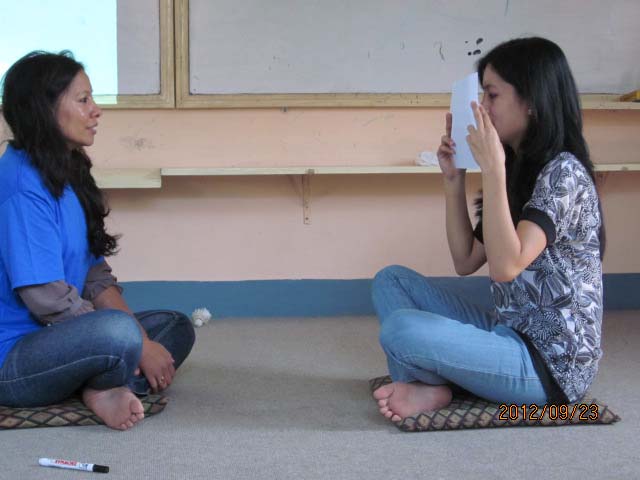
I am thankful to the team of ACBS for providing me a chance to participate in the conference last year. It was my first exposure to the international expertise in contextual behavior science and ACT. Because of the scholarship from ACBS I got an additional chance to attend Sand play therapy as well as an exposure visit to Antioch group and Bradley University, where I started to share about ACT and its effectiveness. We discussed ACT with students, practicing psychologists, psychotherapists, sand play therapists, as well as some of administrative staff.
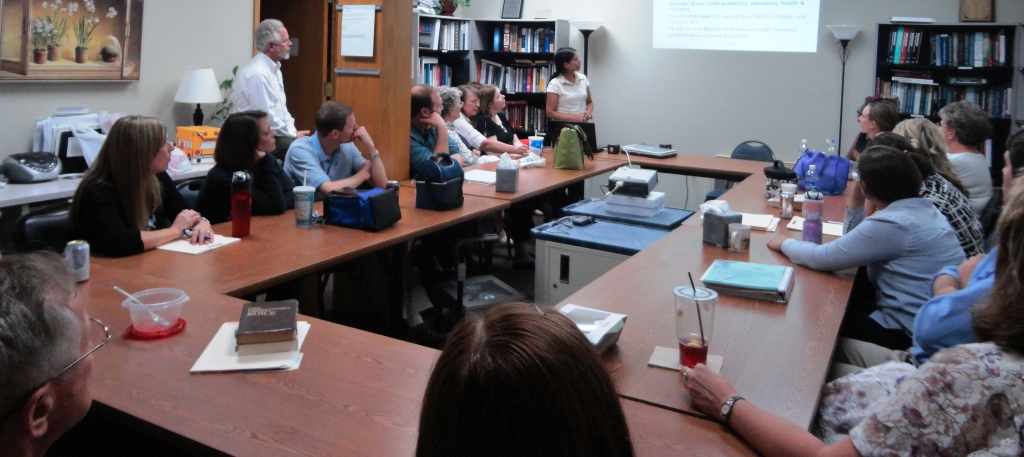
Being a beginner and an enthusiastic learner in ACT therapy, before starting orientation classes in Nepal, I referred ‘ACT made simple’, ‘Get Out of Your Mind and into Your Life for Teens’ and consultation with Dr.Louise along with my experiences. I organized orientation programs 2-3 hours long for staff members of my organization.
Similarly, in the last six months, five orientation classes were organized for teachers, students of clinical and counseling psychology, students of Buddhism studies, private and government colleges, along with the only Mental Hospital in Nepal. Also, during world mental health day (October 10), I had a chance to share about ACT.
After my orientation session, students, teachers have been visiting Ankur counseling center seeking books on ACT, and they have provided positive feedback to Ankur. They have shown their keen interest to learn more, have trainings, and planning to apply for the upcoming world conference in Sydney.
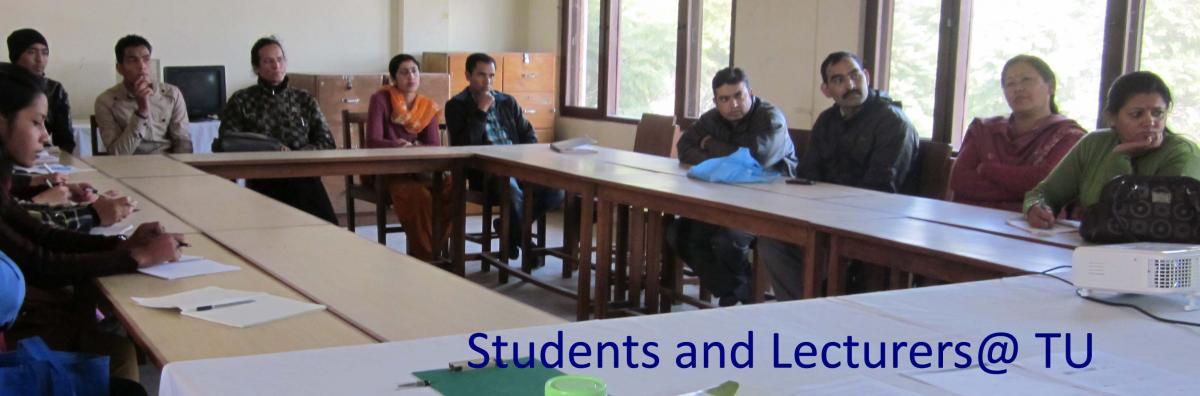
‘ACT Made Simple’, ‘I just want to be Me’, and ’Get Out of Your Mind and Into Your Life for Teens’ are commonly used books by the readers in Ankur library.
According to the need, I have been using some of the interventions effectively during counseling sessions such as diffusion, mindfulness, workability, mindfull movement, values base living, and more.
I translated ‘Leaves on the Stream’ and am currently translating a values exercise for teens by Dr. Louise into Nepali language for easiness and for its effectiveness.
Publicly I gave two Radio Interviews and one talk program.
Currently, I have prepared a training manual including ACT and its interventions as a major component. The training is named “Trauma counseling.” It lasts for five days, and is specially designed for volunteer peer counselors who have been rescued from servitude, and have had various traumatic past life experiences.
In addition, I have been communicating with some of the professionals for their commitment to give training on ACT in Nepal. Dr.Louise, Tim and Sandra are planning to come this year.
Dr.Louise and Ankur team have been in Skype for clinical supervision monthly.
Lastly, I would like to state that the five days exposure to ACT is just an appetizer, so I need to learn and get trained on ACT more and more just like a full meal course. Hence, all of my colleagues and I are looking forward to get a floor of ACT with a thrust again and again.
- Chhori Laxmi Maharjan, Nepal
Are you wondering how you can help to disseminate CBS in the developing world through scholarship opportunities like this? Please consider donating to the Developing Nations Fund via Paypal by using the button below. Your donation will help us continue to bring attendees and presenters from developing nations to the ACBS world conference.
Every dollar/euro/yen goes to helping those in need -- not a nickel goes to administration. Money collected for this fund is distributed by an ACBS Developing Nations Fund committee. Scholarships are awarded based on need and merit.
Please note that this contribution does not qualify as a tax-deductible charitable contribution, according to USA tax law ... but it's a nice thing to do.
Sierra Leone Dissemination Activities 2012
Sierra Leone Dissemination Activities 2012Christian Vonjoe is a Senior Health Education Officer at the Health Education Division of the Ministry of Health and Sanitation in Sierra Leone. Christian’s program develops and disseminates educational initiatives and behavioral interventions that promote healthy behavior change at both the individual and community levels. Christian uses a contextual behavioral approach to develop culturally appropriate health messages that combat stigma, discrimination, and the persistence of inaccurate information about HIV, tuberculosis, reproductive health, and immunization. Christian also provides counseling to individuals with HIV and tuberculosis, emphasizing values and flexibility in their approach to managing their illness and engaging with their communities. To learn about his activities since ACBS World Conference X, read his report below.
REPORT ON ACBS ACTIVITIES IN SIERRA LEONE
INTRODUCTION
Knowledge and skills gained form the ACBS conference in Washington D.C. was disseminated through staff meeting with the Ministry of Health and Sanitation and a one day orientation meeting held on the 25th September, 2012 with members from line ministries and a cross–section of university students. My presentation focused on the following concepts:
• Background information of ACBS and its objectives
• Promoting Behavior Change in Primary Health care
• Acceptance and values in Behavior Medicine
• ACT as a behavioral medicine to improve health- pain management and smoking cessation
• Promoting Healthy behavioral life choices
A one day orientation meeting was supported by the Directorate of Non communicable diseases in the Ministry of Health and Sanitation in Sierra Leone.
NEXT STEP
• A National Contextual Behavioral Science (NCBS) committee was formulated and has been identified by the ministry of health to collaborate with health partners to promote healthy behavioral lifestyle choices .
• The executive structure of the committee was developed.
• Committee meets monthly to discuss issues that required to be address through the use of CBS, RFT and ACT concepts.
• Coordination with the broad ACBS umbrella was highly suggested.
• Mobilize resource for the implementation of CBS activities.
• The committee wrote project proposal to promote healthy behavioral lifestyle choices in communities
ACHIEVEMENT
• Committee meets twice each month to identify issues required to be address and among them were: Unhealthy diet, physical inactivity, tobacco and alcohol consumption.
• The committee is now a member of the national taskforce on non-communicable diseases in the Ministry of health and sanitation.
• The Health Education Programme in the Ministry of Health and Sanitation is a member of this committee and has now incorporated some CBS principles to heighten community awareness on health issues.
• The committee has written a project proposal to solicit support form NGO partners and to create awareness on healthy behavioral lifestyle choices ( physical exercise, healthy diet and the prevention and control of tobacco and alcohol in communities).
• So far we are awaiting feedback from our donor partners.
CONCLUSION
The committee noted the importance of securing e a technical support from ACBS and additional resources to effectively implement pending CBS projects. The committee also identified the need for additional training on CBS concepts to scale up behavioral interventions in the country.
Submitted by:
Christian Vonjoe
Senior Health Education Officer
Ministry of Health and Sanitation
Sierra Leone
Are you wondering how you can help to disseminate CBS in the developing world through scholarship opportunities like this? Please consider donating to the Developing Nations Fund via Paypal by using the button below. Your donation will help us continue to bring attendees and presenters from developing nations to the ACBS world conference.
Every dollar/euro/yen goes to helping those in need -- not a nickel goes to administration. Money collected for this fund is distributed by an ACBS Developing Nations Fund committee. Scholarships are awarded based on need and merit.
Please note that this contribution does not qualify as a tax-deductible charitable contribution, according to USA tax law ... but it's a nice thing to do.
South Africa Dissemination Activities 2012
South Africa Dissemination Activities 2012Time has flown since the Worldcon in July and so many things have been happening. I want to first thank everyone at ACBS for creating and supporting the opportunity for me to attend the conference and the training before. I would like to especially thank Chris Wemple and Suzan Stafford who made me feel so comfortable when hosting me so far from home, and giving me greater insight into life in DC.
The pre-conference workshop I attended was presented by Paul Gilbert and Dennis Tirch on Compassion Focused Therapy. I found the workshop very inspiring, and I began to apply what I had learned to my personal process and my work with individual clients immediately. In September, I used some of these principles and exercises in a facilitator training and a leadership camp for cultural diversity intelligence, called Umthombo Wesizwe (Spring of the Nation, see www.uwfund.org) near Cape Town. The facilitators were especially moved by the compassionate approach, and there was a lot of positive feedback about how this helped them to deepen their connection with themselves, others, and within the group.
Over the past 5 months I have been involved in a process of exploring a research topic relating to the process of transformation in South Africa. I find that I have been deeply affected by the work on shame that we explored with Paul Gilbert, and I am intending to follow in this line by exploring "white shame" and its consequences in terms of transformation in South Africa.
On the ACT front I continue to apply an ACT approach with many of my clients and I continue to grow in this work. I have also done an introductory presentation on ACT to a group of mental health professionals at the military hospital in Cape Town that I based on an introductory pamphlet that I compiled for distribution to health professionals. The pamphlet has been well received and I had some requests for more from interested General Practitioners.
I had made plans for an introductory workshop on ACT in November/December to be presented by an international ACT trainer, though due to time and communication constraints this did not happen.
I have subsequently come into contact with others that are also working with ACT, and have been asked to do another ACT presentation in a neighboring town in the near future.
Overall the opportunity to participate in the conference was a great inspiration to my work in various areas. I have had numerous conversations with people since that time discussing my experience and sharing the knowledge gained in D.C., and I continue to contemplate Worldcon X in Cape Town.
Thank you again to all of those that have supported this wonderful opportunity.
Regards,
Yoav Van der Heyden
Cape Town, South Africa
Are you wondering how you can help to disseminate CBS in the developing world through scholarship opportunities like this? Please consider donating to the Developing Nations Fund via Paypal by using the button below. Your donation will help us continue to bring attendees and presenters from developing nations to the ACBS world conference.
Every dollar/euro/yen goes to helping those in need -- not a nickel goes to administration. Money collected for this fund is distributed by an ACBS Developing Nations Fund committee. Scholarships are awarded based on need and merit.
Please note that this contribution does not qualify as a tax-deductible charitable contribution, according to USA tax law ... but it's a nice thing to do.
2013 Dissemination Activities
2013 Dissemination Activities ACBS staffChina Dissemination Activities 1 2013
China Dissemination Activities 1 2013Dear Association of Contextual Science,
Thank you for providing us with this opportunity to come to Australia and attend the 13th World Conference of ACBS. There is a number of good news to be reported here for ACT promotion and training in China.
In September 2013, we had held a small Salon inviting around 15 professionals (professors and psychologists), and we presented on both ACT and RFT for introduction. The attendees were excited in training, researching, and developing culturally adaptable techniques for ACT.
A larger forum for “Chinese culture and post-modern applied psychology” was held by the Key Laboratory of Mental Health and the Mental Health Promotion Center of our institute during early December 2013. This forum was for the promotion and development of post-modern psychological practices in China based on Chinese cultural backgrounds. In this event, Dr. Kenneth Fung from Canada joined us, and we provided a brief session on the core techniques and practices of ACT and its relationships to the wisdoms of Zen. Around 200 attendees come together from 20 universities and centers from America, Canada, Germany, Taiwan, and across China. The ACT session was well-received, and ACT practices may be applied in the vast public servant population in China.
Soon after, a three day elementary training program for the Acceptance and Commitment Therapy was provided from 27th to 29th of December by Dr. Yan Li and I. Yan had prior trainings in ACT and is based at the Counseling and Psychological Services center at Duke University. More than 50 people including lecturers, research staffs, clinical psychologists, and graduate students attended the event. The training was based on theories and activities to introduce the hexflex model. After the theoretical session, Yan lead the games of “the passengers”, “tug-of-war with difficulties”, “self-labeling”, several role play sessions and others. These games provided learners with deeper understandings and applications of each of the core processes in the ACT model.
We had also discussed with Professor Hayes for introducing the Boot Camp to China. Now, we have started the elementary package offered by Chinese ACT trainers, and a third training event will be held soon. These preparations as discussed were to create public awareness for the ACT therapy. Following from such local events, we would welcome International trainers to come to China for an intermediate package, and finally an advanced package by arranging Chinese audiences to come the US Boot Camp. We hope that this would progress well in the years to come.
Besides training, we never cease to introduce ACT to the wider Chinese audiences. For instance, we have continued to use microblogs and blogs to spread news on ACT. More importantly, the translation of the 2nd Edition of the ACT text is near completion. We make sure more professional guides on ACT will be appeared in the Chinese market in addition to the best sellers on the same topic. We express our gratitude for the hospitality of the ACBS team in giving us the opportunity to come to the 13th world conference and the careful arrangements during the conference. During the time of Chinese New Year, we wish you a happy Year of the Horse.
Yours sincerely,
Dr. Zhuohong Zhu
Are you wondering how you can help to disseminate CBS in the developing world through scholarship opportunities like this? Please consider donating to the Developing Nations Fund via Paypal by using the button below. Your donation will help us continue to bring attendees and presenters from developing nations to the ACBS world conference.
Every dollar/euro/yen goes to helping those in need -- not a nickel goes to administration. Money collected for this fund is distributed by an ACBS Developing Nations Fund committee. Scholarships are awarded based on need and merit.
Please note that this contribution does not qualify as a tax-deductible charitable contribution, according to USA tax law ... but it's a nice thing to do.
China Dissemination Activities 2 2013
China Dissemination Activities 2 2013Dear Association of Contextual Behavioral Science,
Being the recipient of the developing world scholarship of the 2013 Sydney world conference for contextual behavioral science, I hereby express my gratitude for this wonderful opportunity to learn, discuss, and share insights in the theory and practice of this burgeoning field. In the following, I will be happily present what we have accomplished in terms of the empirical researches of psychological flexibility carried out by myself and our team after the conference.
In Chinese, we submitted two papers on the validations of the Acceptance and Action Questionnaire 2nd Edition as well as the Cognitive Fusion Questionnaire, both validation papers (entitled “Reliability and validity in a Chinese version of the Acceptance and Action Questionnaire – 2nd Edition (AAQ-II) in college students” and “Reliability and validity of the Chinese version of the Cognitive Fusion Questionnaire”) have been accepted by the Chinese Mental Health Journal, and will be appeared in the upcoming printed journal soon. Together with the two earlier review papers on ACT and RFT, these papers would lay down the conceptual foundation for further theoretical and interventional researches in China.
Following the validation papers, we have further analyzed the associations between psychological flexibility measures (PS) and generalized psychological well-being scales. This included the relationships of PS with differential psychological symptoms (SCL-90-R) among college students, together with post traumatic stress (PCL-C) and post traumatic growth (PTGI) among college student earlier influenced by the Wenchuan Earthquake. Our results showed that PS is a good predictor for psychological well-being, and these two papers have both submitted for review (entitled “Psychological flexibility model in predicting post-traumatic stresses and growth” and “Psychological flexibility as a predictor for levels of psychological distress and gender differences in its predictability among college students”).
I personally have completed a paper on the reliability, construct and incremental validity of the AAQ-II questionnaire in English. The paper after slight amendments will be submitted to the Journal of Behavioral Therapy, following Dr. Frank Bond’s original paper on the development of the AAQ-II questionnaire. The paper has been read by Professor Steven Hayes, and he considered the incremental validity studies were important conceptually, and encouraged us to take part in longitudinal studies for the predictive roles of psychological flexibility in future.
Moreover, we have completed a study among 40 college students on the associations between psychological flexibility and cognitive flexibility based on a computerized modified Wisconsin Card Sorting Task, our preliminary results suggested that cognitive flexibility are not as context specific, thus were more associated with the concept of present moment awareness. This study will be prepared into a manuscript in the near future.
Unfortunately, our paper on a microblogged suicide case “Zou-Fan” was not accepted into the Journal of Contextual Behavioral Science due to its qualitative nature. We consider the paper not as a rigorous empirical research but a mixed policy article. Although the paper may not be readily accepted as agreed by most of our team, we believe that this endeavor in assessing a real life case would shed many insights to the new field of data mining and computer aided assistance, which is going to be more and more based on a pragmatic contextual philosophy.
These are the little “milestones” we have accomplished after last year’s world conference on contextual behavioral science. I hoped that we can produce more empirical researches of contextual behavioral science. Again, thank you for providing me the precious opportunity to come to UNSW in Sydney, and we wish the ACBS to have an ever more fruitful year in 2014.
Yours sincerely,
Yang Ji
Are you wondering how you can help to disseminate CBS in the developing world through scholarship opportunities like this? Please consider donating to the Developing Nations Fund via Paypal by using the button below. Your donation will help us continue to bring attendees and presenters from developing nations to the ACBS world conference.
Every dollar/euro/yen goes to helping those in need -- not a nickel goes to administration. Money collected for this fund is distributed by an ACBS Developing Nations Fund committee. Scholarships are awarded based on need and merit.
Please note that this contribution does not qualify as a tax-deductible charitable contribution, according to USA tax law ... but it's a nice thing to do.
2014 Dissemination Activities
2014 Dissemination Activities Anonymous (not verified)Peru Dissemination Activities 2014
Peru Dissemination Activities 2014On the next weeks after coming back to Peru, I made a call to begin with meetings around discussing and providing some guidance to a formal study and practice at different levels of CBS, all for free. The middle-term goal linked to this was the one of stablishing a regional chapter, which would be the Peruvian Chapter of the ACBS. I was not alone on this, since Silvia Melgar, another CBS folk, has been working with me. This meant the born of the CBS Peruvian Community and since the first session we had discussed scientific articles around functional contextualism, RFT and more applied issues related to ACT. Our community also has worked through a virtual space where the members share CBS literature and where I share specific readings that could help in this first stage of the CBS dissemination in a more formal way (as long as we are following a route that beging on the philosophical level of analysis and its connection with more applied issues that constitutes the technological level). Some time of other sessions were dedicated to questions and answers. But what I think is the most exciting part of it is that our CBS Peruvian community has born with a strong orientation not only on dissemination activities (as it could be the case of a study group) but on practicing all that CBS can provide as a way of contributing to the history of human evolution, to say, for example, sharing certain values that create the context for the occurrence and manteinance of flexible repertoires across its members, in terms of how we relate each other (kindly, with good sense of humor, etc.) and with our society (i.e. curiosity about the needs of our regional context, so we can plan some intervention according to them). So our community is not just a mere academic group but I hope it could achieve the goal of being useful for our context and, in certain way, to contribute to evolution of humanity using CBS. This is the soul of this community, or at least, I'll work with Silvia to make it work in that way. I truly believe that we can do this by giving just little steps momment to momment. Besides this CBS community, another important activity that took place in the last months was the ACT workshop that I leaded on November about ACT since an RFT perspective where a group of participants could get a closer contact with the power of using behavior analysis since a functional contextual point of view in the direction of alleviating human suffering. Finally some of the sessions of the community have also been dedicated to discuss about the benefits and requirements to become a formal ACBS chapter. Until now we got and sent all the signatures required, which meant at least 10 new members from Peru in the ACBS. A good number that calls for happiness and good expectations, considering that we are, as I usually say, so far from the places where things happen. Now I'm just preparing the by-laws to send it to the ACBS so our community could become formally a chapter, which I think is a more practical way to get involved, interested and committed with the whole community around the world. My second attendance to the Conference was determinant on giving these steps which I hope can be the beginning of a more active role of the Peruvian folks in the world community.
- Manuel Garayar, Peru
Are you wondering how you can help to disseminate CBS in the developing world through scholarship opportunities like this? Please consider donating to the Developing Nations Fund via Paypal by using the button below. Your donation will help us continue to bring attendees and presenters from developing nations to the ACBS world conference.
Every dollar/euro/yen goes to helping those in need -- not a nickel goes to administration. Money collected for this fund is distributed by an ACBS Developing Nations Fund committee. Scholarships are awarded based on need and merit.
Please note that this contribution does not qualify as a tax-deductible charitable contribution, according to USA tax law ... but it's a nice thing to do.
South Africa Dissemination Activities 2014
South Africa Dissemination Activities 2014I would like to thank all those who made it possible for me to have the opportunity to attend Worldcon in Minneapolis. Although I have managed to attend before and have been practising ACT for sometime, my relocation to South Africa and the accompanying financial constraints would have made attendance at this particular Worldcon impossible; yet I felt that precisely because of my relocation it was imperative to attend to focus on what can be done in South Africa to disseminate ACT.
During the buildup to Worldcon I had the privilege of meeting Bertus Swanepoel in an introduction to ACT workshop that I facilitated over a few days in my hometown. He lives in Gauteng and specifically in the most densely populated area in South Africa, where he can have the greatest influence in the mental health professional community. I will leave it to him to tell you of the great work he has been doing there.
I live in a very small town which also happens to have the most diverse population group – from the very rich, multiple home-owner holiday-makers and retirees to the very poorest unemployed and homeless. I have chosen to focus on the latter, although in my private practice I have had the opportunity to promote ACT within the local medical community: for example with report back especially with chronic pain patients.
In my work within the poor community, I am developing a protocol that I hope to be able to provide a simple model for dissemination amongst the disadvantaged and sometimes illiterate communities. Some years ago I studied the success rates of ‘foreign’ models that are brought into Africa by both religious and secular groups and discovered a high rate of failure. This was mainly due to a lack of consideration of the structures already in place, mainly leadership structures and ‘natural’ sources of healing. These are often older members of the society who, in contrast to some other societies, gain respect and reverential treatment as they age; also some influential younger persons who are considered to have ‘special’ powers who may, or may not agree to consider what is being offered.
As a result of my previous studies I decided to become a ‘participant observer’ and to this end have been part of a group of about 30-40 people in a church in the poorest area, and have been attending their meetings for three years now. I am accepted by most now, and sometimes (increasingly) asked to speak. I have identified the natural leaders and done two one-day workshops with them this year, and another two with any members of the community who care to attend. These were well attended, and the idea of willingness has been very well received. The cycle of poverty requires a great deal of stoic endurance for some, and especially for most of this group who are economic refugees (and some political). Families and support systems are often far away, and it has been a privilege to watch the transformation from stoicism to willingness as values have been brought into the picture.
The wonderful work in Sierra Leone has inspired me to prepare the ground here should we ever have to tackle that epidemic. The practice of handling, kissing and being present with the dead during lengthy repatriation is similar to Sierra Leone. It is, however, topical as we already have an epidemic of note, namely HIV. As this is mainly a church group, although others are attracted to come and listen by the great drumming and singing (!), it has been a welcome relief, I believe, to be introduced to a view that is based on compassion and yet moving towards health, as opposed to rules and judgement. The discussion of sex or anything approaching such a discussion is taboo in this community and a very delicate issue as I am a ‘foreigner’ but we get around this also with careful wording around values.
We had some wonderful discussions at Worldcon around different possibilities for dissemination and we are trying them out. We came home to the advent of spring, summer, holidays and end of year exams and deadlines and so it has been a different dynamic from what would be experienced in the northern hemisphere. I am confident that early 2015 will provide more opportunities for professional workshops and other opportunities as people will be more focussed on work and less distracted by immediate necessities.
Thank you to Jenn Gregg for her continued help in getting my training videos ‘up to speed’ so that I can finally hand in my portfolio to apply for peer recognition as a trainer. This will go a long way toward establishing my credibility in the professional arena in South Africa – and also toward providing videos that can be used in our sprawling and transport challenged count.
Ingrid Ord, South Africa
Are you wondering how you can help to disseminate CBS in the developing world through scholarship opportunities like this? Please consider donating to the Developing Nations Fund via Paypal by using the button below. Your donation will help us continue to bring attendees and presenters from developing nations to the ACBS world conference.
Every dollar/euro/yen goes to helping those in need -- not a nickel goes to administration. Money collected for this fund is distributed by an ACBS Developing Nations Fund committee. Scholarships are awarded based on need and merit.
Please note that this contribution does not qualify as a tax-deductible charitable contribution, according to USA tax law ... but it's a nice thing to do.
South Africa Dissemination Activities 2014
South Africa Dissemination Activities 2014Report on Dissemination Activities in South-Africa
I would firstly like to thank ACBS for their kind gesture to provide me with complimentary conference and pre-conference registration. It made it possible to attend as our currency isn't very strong against the dollar. I also appreciated the the lunch/dinner escorts with whom we could converse and learn from.
It was a privilege to meet people and attend sessions where theory and what I have read in books became alive in practical illustrations and discussions.
It was surely the beginning of a long term relationship with the ACBS.
Since being at the conference my Private Practice has been booming. I think it is a combination of being more mindful in sessions as well as having a better functional contextual understanding of behaviour. My best month was in September 2014 where I had 80 sessions for the month.
I have had the privilege to share the Matrix with two grade groups (15 and 16 year olds) and the staff at a High School in my community with great feedback. The school management and I are currently integrating the values of the school into behavioural outcomes and it seems to make the values more real to the children and the staff.
I also had several meetings with a representative of the Sereti Institue who does community projects like Violence and crime prevention as well as Football for youth.
We were at a stage where the involvement of PROSOCIAL was considered with possible meetings with a University to come on board, but unfortunately the person from the Sereti Institute had to deal with personal issues and the discussions were halted up until now.
He has contacted me a few weeks ago and told me that we must meet in the new year. Hopefully I can convince him to engage with PROSOCIAL but will ask for some guidance from PROSOCIAL if it comes to that.
I must admit that I was very excited about the above-mentioned possibilities and disappointed at the same time that nothing has happened yet, but I am learning to be patient.
I also networked with a few CPD (continuous professional development) forums and I have been given the opportunity to introduce ACT in January 2015 at two different forums. I also want to use these opportunities to invite interested persons to an ACT workshop which Ingrid Ord and I are planning to have in the Johannesburg area in March 2015.
Ingrid and I keep in contact on a regular basis and and although she is 1000 km away, it is nice to have someone knowledgeable in South-Africa to brainstorm with.
Hopefully we can bring new faces with us to Berlin next year.
Kind Regards
Bertus Swanepoel
Are you wondering how you can help to disseminate CBS in the developing world through scholarship opportunities like this? Please consider donating to the Developing Nations Fund via Paypal by using the button below. Your donation will help us continue to bring attendees and presenters from developing nations to the ACBS world conference.
Every dollar/euro/yen goes to helping those in need -- not a nickel goes to administration. Money collected for this fund is distributed by an ACBS Developing Nations Fund committee. Scholarships are awarded based on need and merit.
Please note that this contribution does not qualify as a tax-deductible charitable contribution, according to USA tax law ... but it's a nice thing to do.
2015 Dissemination Activities
2015 Dissemination Activities Anonymous (not verified)Malaysia Dissemination Activities 2015
Malaysia Dissemination Activities 2015Greetings from Malaysia!
I can still feel the excitement while writing this dissemination report seven months after attending the ACBS World Conference 13 in Berlin. It was my first international conference, and this was made possible because of ACBS Developing Nation Scholarship. I am very grateful for the learning opportunity and am committed to share my learning back in my home country. This dissemination report will briefly describe my initial dissemination activities thus far and the future plans.
In contrast to learning from written materials, the six days conference has provided me with great conceptual and experiential learning on ACT, adding valuable amount of my repertoire on the application of the psychological flexibility processes. With the effective training method, the two days preconference workshops on ACT skill building by Steven Hayes has especially given me a good balanced of theoretical and practical input on ACT. During the conference, I attended workshops in accordance to my interest in young people and chronic pain, trying to gain as much as I can within the six days.
After returning to Malaysia, I started utilizing ACT modality with greater confidence in my private practice with individuals with mental disorders. For group work, I have also started to facilitate the participants' psychological flexibility to increase their work functioning while conducting a Return to Work program. In my work at pain clinic Hospital Kuala Lumpur, I have started to incorporate ACT approach to guild patients to manage chronic pain.
In addition to some informal sharing with my colleagues in Malaysia, I have organized a workshop on managing exam anxiety with ACT for students in Methodist College Kuala Lumpur in October 2015. In February 2016, I will be facilitating another ACT workshop on increasing psychological flexibility for special needs children in the Special Education Network in Asia Conference (SENIA).
For prospective plans, after securing a good funding, I will start my doctorate study on the area of ACT for young people with pain condition under Dr Lance McCracken. I am also looking for opportunities to observe ACT chronic pain group program, as I wish to implement one in the pain clinic that I am working in. Besides that, I plan to equip myself on the use of ACT on young children by attending workshops by Louise Hayes. Lastly, my longterm goal is to become a peer review trainer and share this wonderful approach and community to my fellow colleagues in Malaysia.
Thank you, ACBS!
With gratefulness,
Lee Sook Huey
Clinical Psychologist, Malaysia
Are you wondering how you can help to disseminate CBS in the developing world through scholarship opportunities like this? Please consider donating to the Developing Nations Fund via Paypal by using the button below. Your donation will help us continue to bring attendees and presenters from developing nations to the ACBS world conference.
Every dollar/euro/yen goes to helping those in need -- not a nickel goes to administration. Money collected for this fund is distributed by an ACBS Developing Nations Fund committee. Scholarships are awarded based on need and merit.
Please note that this contribution does not qualify as a tax-deductible charitable contribution, according to USA tax law ... but it's a nice thing to do.
Afghanistan Dissemination Activities 2015
Afghanistan Dissemination Activities 2015Report to ACBS on using ACT to train Lay Counselors in Afghanistan
Reported by Norman Gustavson, Phd
Feb. 17, 2016
First, thank you for your support and the ongoing work of ACBS
"Lay counseling" is a very new concept in Afghan communities attempting to deal with a vulnerable population dealing with many physical/structural demands and psychosocial issues. In this project, in spite of the expected challenges, the volunteers who were trained were very determined in their community outreach and very enthusiastic about the tools that they acquired in the PARSA trainings. This project demonstrated that the foundational work done this year has created the possibility of a healthy and effective community response to mental health issues. Methodology adapted from cognitive behavior therapy and Acceptance and Commitment Therapy (ACT) by Dr. Gustavson and Dr. Sabour proved effective in reaching clients in vulnerable communities.
During this period, three workshops on awareness of psychosocial problems and three trainings on “Introduction to Counseling Skills” were designed, developed and implemented in Kabul, Kandahar and Nangarhar provinces.
In the workshops on “Introduction to Counseling Skills” 53 people were certified as “Village Psychosocial Counselors” (VPSC) to provide counseling to clients in internal refugee camps in these three provinces on a volunteer basis.
These 53 VPSCs reached 793 people utilizing their "lay counseling" skills.
The first awareness workshop was held in Kabul in February 2015 for five days for 16 staff from WarChild-Canada (WCC).
The second MH awarness training for staff of the WCC contract provider, “Organnization for Human Welfare” (OHW) in February for 17 participants, male and female staff of OHW.
The third staff development-awareness of MH issues workshop was conducted in Kandahar in April for staff of (OHW) with 17 staff participants.
The first trainings for Village Psychosocial Counselors (VSPC)was conducted in in April in Kabul’s Charahe Qambar “Internally Displace Persons” (IDP) refugee camp.
The second and third trainings for VPSCs were conducted in June in Kandahar and Jalalabad. The training method included several hours of practical exercise from actual case studies as well as simplified case vignettes from the trainer’s clinics and International Assistance Mission (IAM) mental health clinic materials.
Methods:
Observing, listening without judging is a basic counseling skill that crosses many counseling methodologies as does “active listening” and form a basis for PARSA’s work. What we have added are principles form Acceptance and Commitment Training (ACT), an evidence based program of training and therapy. ACT does not focus on diagnosis but on the concerns of the client and helping the client to discover unworkable avoidance patterns that tend keep the client “stuck” in a “vicious cycle” that attempts to avoid painful, distressing feelings but that actually tend to keep the client focused on the painful emotions. The focus of ACT is to foster acceptance of distress as it is while building on the clients stated (and elaborated values, i.e., who and what are truly important to the client. The client is assisted to formulating behaviors they can take on that support these values. Acceptance plus increases in valued behavior aid the client in improved functioning, i.e., living a more productive and valued life. In this way an overview of psychosocial problems was developed for trainees without needing to go into great detail about psychopathology and diagnosis. The orientation of counseling is pragmatic.
The model used to help trainees understand how clients get stuck in problematic patterns of behavior or “suffering” with negative emotions was drawn from the ACT approach known as “The Matrix” (“the ACT Matrix”, Edited by Kevin Polk, PhD and Benjamin Schoenhorff, MA, 2014, New Harbinger Publications, Inc.).
The Matrix was used to develop both a way of conceptualizing a clients issues; a focus on recognizing things that trigger problem behavioral reactions or emotions and a path for finding more productive behaviors while learning to accept negative feelings as they come up without getting fixated on them. The basic approach has counselors help clients list what and who is really valuable to the client and then use these values to develop positive actions toward personal goals instead of getting caught in behaviors or feelings they have learned in an attempt to avoid unwanted feelings and reactions. For example actions to engage in social activity that is valued, like doing things with friends and family instead of trying to avoid negative feelings by self-isolating, drug use or other escape behaviors.
Outcomes:
The success of this program is quantifiable and exceeded our expectations. Using 53 volunteers at a low level of education trained to be Village Psychosocial Counselors (VPSC's), PARSA has documented an outreach to 793 beneficiaries in IDP camps in Kabul, Kandahar, and Nangarhar by the completion of the first year program.
|
Beneficiaries served |
VPSC |
Beneficiairies |
|
Total number of VPSC male clients in Kabul |
9 |
97 |
|
Total number of VPSC female clients in Kabul |
4 |
346 |
|
Total number of VPSC male clients in Kandahar |
11 |
4 |
|
Total number of VPSC female clients in Kandahar |
9 |
126 |
|
Total number of VPSC male clients in Jalalabad |
11 |
80 |
|
Total number of VPSC female clients in Jalalabad |
9 |
140 |
|
Total beneficiaries who participated in the VPSC outreach |
53 |
793 |
In Kabul the training started in two separate locations for male and female groups and was conducted for 10 women and 12 men.
The VPSC workshop in Kandahar was conducted May 30th through June 5th for 11 females, and in a concurrent but separate workshop during the same dates for 14 males.
In Jalalabad the VPSC workshop was conducted from June 13th through the 17th in concurrent groups for 16 females and 17 males. The trainees were a group of men and women from districts where IDPs were living (Daman District).
In addition to traditional training components for lay counselors like “active listening” and taking a nonjudgmental stance in relation to the client with whom the counselor is working, the ACT Matrix was used to help the VPSCs to listen for and share with clients the experiential avoidance patters that clients revealed as their issues or “struggles”. A (I believe) new exercise was also developed (shown in our Poster) called “this is not a tree”. Here participants were asked to recall an early image of “tree” as they learned to associate the word with objects in their environment and then to draw their personal image of “tree”. The next step was for them to add to the drawing an early experience associated with their “tree” (to other things and actions in the larger “frame” of their tree. After sharing their tree and related story/frame the ‘take away’ from the exercise was for the trainees to see that no ones “tree” and framework is any better than anyone else’s. no ones tree is more or less valid than any other person’s. All points of view are valid. This work supported other exercises to build a nonjudgmental stance in relation to their clients. The exercise also helped to reinforce the idea of observing and giving feedback to clients on patterns of avoidance and behaviors that move toward who and what is important without advise giving, i.e., helping clients discover and sort out unworkable patterns of behavior from moves toward their stated values.
The matrix exercise was done with individuals creating their own matrix using pictures to past into the four quadrants of the matrix. This was a very success process based on presentations each participant made to describe their own matrix of values, internal (mental) thoughts and feelings, actions to avoid these feelings (stuck places) and new behaviors to move toward values to enrich their lives.
Are you wondering how you can help to disseminate CBS in the developing world through scholarship opportunities like this? Please consider donating to the Developing Nations Fund via Paypal by using the button below. Your donation will help us continue to bring attendees and presenters from developing nations to the ACBS world conference.
Every dollar/euro/yen goes to helping those in need -- not a nickel goes to administration. Money collected for this fund is distributed by an ACBS Developing Nations Fund committee. Scholarships are awarded based on need and merit.
Please note that this contribution does not qualify as a tax-deductible charitable contribution, according to USA tax law ... but it's a nice thing to do.
Bosnia & Herzegowina Dissemination Activities 2015
Bosnia & Herzegowina Dissemination Activities 2015My name is Mario Maricic, and I have been awarded a scholarship for Developing Nations ACBS World Conference in Berlin 2015. It`s been a long time since I was in Berlin and enthusiasm I felt there is somewhat present here. Beautiful people and World Class teachers. For me, it was as I have been to the Moon.
I would like to reflect on activities that my colleagues and I have done after WC13. Over the past ten months, a lot of things was going on. For the first time, I was part of the ACT training in Serbia, as a workshop co-facilitator with my mentor and teacher Igor Krnetic, Ph.D.
Since Berlin, ACT is what I'm practicing and learning with the clients and colleagues I see daily, although I was practicing ACT for and with myself for years.
In December of 2014, my professor and I had created and started an Association for promoting and developing psychotherapeutic practice and science "Center for Mindfulness". Under that roof, we have begun with Student counseling services in October 2015. Students from the University of Banjaluka (Bosnia&Herzegowina) now can get counseling and can get into psychological treatment based on 3rd wave behavioral therapies free of charge. We have started continuous peer support and supervision in Center for Mindfulness, for therapists who work with the students.
(see our Facebook page)
Also, we had started group activities with the goal to promote, create and practice living meaningful lives. We had started a pilot project named "Practicing, developing and building meaningful lives". This group offers support for psychotherapists and non-psychologists in the area. We all learn and practice to respond to others needs with authentic courage and love and spread and share those experiences with our families, friends, clients, etc. We had used an online app to organize these activities (see link http://www.meetup.com/Banja-Luka-Mindfulnes-Meetup/)
In the March 2016., we had organized an event for promoting mental health in the local community "Days of mental health in local community - Banja Luka". We had five days of different events with the focus on creating peer support groups in the local community, and with a particular interest in persons with psychotic experience, and hearing voices.
I would like to thank all of you who made it possible for me to attend ACBS world conference in Berlin. Thank you all who made some effort and support people like me, and countries like mine. I would like to say thanks personally to a big-hearted Kristin Marjalla from Norway who financially supports me even these days, months after the World Conference 13 and who is investing in my personal and professional future. I want to say thanks to Dr. Igor Krnetic, my mentor, who is supportive beyond limits, warm and kind person who puts his efforts and made it possible for me and my colleagues to contribute to our local community and make a change. They both are investing in the future of my family, my friends, clients that I live and work with, investing into my colleagues trough me. Thank you! I could never say or do anything to match gratefulness I experience. Thank you all!
With kindness and love, Mario Maricic.
Are you wondering how you can help to disseminate CBS in the developing world through scholarship opportunities like this? Please consider donating to the Developing Nations Fund via Paypal by using the button below. Your donation will help us continue to bring attendees and presenters from developing nations to the ACBS world conference.
Every dollar/euro/yen goes to helping those in need -- not a nickel goes to administration. Money collected for this fund is distributed by an ACBS Developing Nations Fund committee. Scholarships are awarded based on need and merit.
Please note that this contribution does not qualify as a tax-deductible charitable contribution, according to USA tax law ... but it's a nice thing to do.
Uganda Dissemination Activities 2015
Uganda Dissemination Activities 2015ACCEPTANCE & COMMITMENT THERAPY IN UGANDA: 12 MONTHS ON
Time has flown since the Worldcon in July last year and so many things have been happening. I want to first thank everyone at ACBS for creating and supporting the opportunity for me to attend the conference in Berlin. I would like to especially thank Ross White, Jennifer Gregg, and everyone else who made me feel so comfortable when hosting me while so far from home, and giving me greater insight into life in Berlin. I have to say that I felt so welcome and supported all throughout my stay in Berlin. Thanks too, to Courtney and the rest of the organizers.
The pre-conference workshop I attended was presented by Steve Hayes on Advanced ACT. I personally found the workshop to be very enriching and inspiring, and I began to apply what I had learned to my personal process and my work with individual clients immediately. The workshop offered me an opportunity to experience ACT as an individual which gave me confidence to use it further. It’s now my first choice in my private practice. I have got to say that most clients here in Uganda also respond well to ACT.
I personally receive supervision from Ingrid who is based in Cape Town, South Africa. This has offered me an invaluable opportunity to have someone guide me through my case whenever I get stuck but also, just to have another person guiding me while I take on ACT. She has been extremely supportive and understanding because some times power or internet do not enable us to start on time but she is always willing to attend to me whenever I need her. She has been so supportive that it made my work seem so worth it. I had an opportunity to take on Matthew’s online course which runs for a year but the internet and the very busy schedule couldn’t allow me to complete. I still feel awful about not completing it but, I guess sometimes things like that happen.
In November last year we had a visitor from Bosnia (Igor) who visited Uganda for two weeks and offered ACT training workshops to over 40 students of psychology. These students were from three different programs including the Masters of Arts in Counseling (12 students), Masters of Science in Clinical Psychology (25), and Post-Graduate Diploma in Counseling Psychology (3). Some of these students had already benefitted from an Introductory course from Ross White who had visited Uganda the previous year. The coming of Igor boosted the students’ motivation and passion for ACT. In fact, most of them are continuing to use ACT as their major approach during psychotherapy. In December last year we had a visitor from UK (Taslim) who also conducted a half day workshop on ACT to over 60 students of psychology. This was a very interesting group of students (partly because more than 15 students were from the organizational psychology department).
I have also done an introductory presentation on ACT to a group of mental health professionals including a Clinical Psychologist who works with African Center for Treatment and Rehabilitation of Torture Victims (ACTV), and another School Psychologist who works with two International Secondary Schools here in Uganda. These mental health workers continue to use ACT in their day to day work are part of the team forming the Uganda Chapter.
Makerere University has now officially embraced ACT and I am receiving support to continue offering short courses and supervision to students on all post-graduate psychology programs. I continue to look for volunteers who are willing to come and offer support. In fact, as I speak with have someone from Denmark (Anne Anderson) who is going to be with the students for a month just to part of an ACT workshop series that will be running at Makerere University from the 19th of July until the 19th of August. This is very encouraging.
We are also expecting Joe Oliver to come over to Uganda some times in December. This will surely benefit the first years who are coming in this August. I hope that Joe Oliver will be keen on meeting a group of mental health workers who also are thirsty for more trainings. These attended Dr, Ross White’s introductory course but have since then not got so much attention. I also continue to coordinate the nurse’s stress reduction program using ACT. Cerdic Hall is supporting that program and both of us continue to work together.
There’s a very good opportunity for ACT to continue growing but sometimes both time and money remain a constraint.
Thank you again to all of those that have supported this wonderful opportunity.
Regards,
Rosco Kasujja
Kampala, Uganda.
Are you wondering how you can help to disseminate CBS in the developing world through scholarship opportunities like this? Please consider donating to the Developing Nations Fund via Paypal by using the button below. Your donation will help us continue to bring attendees and presenters from developing nations to the ACBS world conference.
Every dollar/euro/yen goes to helping those in need -- not a nickel goes to administration. Money collected for this fund is distributed by an ACBS Developing Nations Fund committee. Scholarships are awarded based on need and merit.
Please note that this contribution does not qualify as a tax-deductible charitable contribution, according to USA tax law ... but it's a nice thing to do.
2017 Dissemination Activities
2017 Dissemination Activities CommunityUganda Dissemination Activities 2017
Uganda Dissemination Activities 2017Time has gone and it only seems like yesterday when the ACBS World Conference in Seville, Spain happened. I work at the School of Psychology, Makerere University and I am engaged in therapy as well as a Counseling Psychologist.
I would like to take this opportunity to thank all members that tirelessly engaged in supporting me to participate in the World Conference in June 2017. I would like to specifically appreciate Courtney and Laura for the great communication links that I managed to reach safely in a new land and continent. I would like to thank Dr. Ross White, Dr. Joe Oliver, Dr. Rosco Kasujja for the contact, believing in me and initiation process. Grateful to Louis Hayes, Tom Szabo, Jennifer, and Beate and the whole Commit and Act family for support during the conference.
I attended the two-day Pre-conference workshop that is Process-based ACT by Steven Hayes. The Intermediate sessions were helpful in grounding different processes of the ACT model especially the use of different exercises, case formulation and suggesting alternative exercises in session. The workshop had an experiential approach and different participants had an opportunity to share experiences with different clients and the role plays were helpful. I have been able to incorporate the learning from this workshop in my work with clients and in training other therapists.
Over the past six months, I have been engaged in individual and group therapy as well as ACT trainings.
- I was involved in organizing an ACT Introductory training for University students from 4th-5th July 2017. A number of them were hearing about ACT for the first time but picked interest and are engaged in further learning of the ACT model.
- In September 2017, I engaged in further learning by doing an on-line course called ACT for Anxiety and Depression with Dr. Russ Harris. It was insightful in how to work with anxious and depressed clients on their journey to coping and recovery.
- On 19th Nov 2017, I organized members of the Uganda Council of Psychologists for a session with Prof. Sath Cooper from South Africa. I had the privilege of introducing the other psychologists in attendance to the ACT model as well as inviting them to ACT trainings.
- I also engaged in the Uganda Counselling Association Conference and invited members to learn how to use ACT with clients by attending the training workshops.
- From October to November 2017, I planned community service sessions with 2nd and 3rd year university students to focus on the substance use challenges in Bukesa parish and Kikoni village (these are slums around the University). They had sessions in the schools and communities and used the ACT model to have sessions with different members and groups.
- From 21st-22nd December 2017, I facilitated a Prosocial training in Butabika hospital for Service Users organized under Peer Nation based at the Recovery College. I did this training with Dr. Rosco Kasujja and Mr. Wamala Kizito.
- I am continually engaged with Strong minds and Virtuous Women teams; training them how to engage with the ACT model in their personal experiences as well as for their clients.
- In December 2017, I participated in a Camp of over 600 youths and used the ACT model while I engaged in the session about Relationships in Adolescence.
- In February 2018, we organized an ACT Introductory Training for 2nd and 3rd years as well as Masters students. It had an attendance of 72 participants and the response to the use of the model was positive. We plan to follow them up to do an intermediary training and grow though supervision.
- I am currently engaged with Research processes to use the ACT model for my PhD studies.
- I have continually used the ACT model for sessions with my clients both in individual and group sessions.
More to that, the ACBS Developing Nations Committee is engaging many stakeholders like students, NGOS, banks, practitioners, Academia so that we offer them Introductory ACT workshops. We also are on the look out to partner with other members in the ACBS community to come and give advanced courses. The undergraduate and master’s classes are being introduced to the ACT model and ACBS work.
Generally, getting engaged with the ACBS community is a joy indescribable and I am growing as a professional through all the available resources. Conference attendance was a great privilege and inspiration in various areas of my work. I am also engaging members of the ACT community on how to take the ACT work further in Uganda especially with the ACBS Developing Nations Committee. We are growing the ACT community and supporting each other in the work we are involved with.
Lastly, thank you again for generously supporting me to have this grand opportunity to attend the ACBS World Conference.
Best Regards,
Racheal D. Nuwagaba-K
Are you wondering how you can help to disseminate CBS in the developing world through scholarship opportunities like this? Please consider donating to the Developing Nations Fund via Paypal by using the button below. Your donation will help us continue to bring attendees and presenters from developing nations to the ACBS world conference.
Every dollar/euro/yen goes to helping those in need -- not a nickel goes to administration. Money collected for this fund is distributed by an ACBS Developing Nations Fund committee. Scholarships are awarded based on need and merit.
Please note that this contribution does not qualify as a tax-deductible charitable contribution, according to USA tax law ... but it's a nice thing to do.
2018 Dissemination Activities
2018 Dissemination Activities office_1Mexico Dissemination Activities 2018
Mexico Dissemination Activities 2018Fresia Hernandez, Mexico
Thanks to the support of the Developing Nations Chapter-Committee Scholarship, for which I was one of the winners of the scholarship to attend the ACBS World Conference Montreal 2018, I had the opportunity to attend and could not explain how fortunate I felt during all the days of the conference.
First, I want to thank Courtney Zirkle, Abbie Lanning, Emily N. Rodrigues and all ACBS staff who supported me before the day of the conference, as well as Roscoe Kasujja and the Developing Nations Chapter committee, for selecting me as winner of the scholarship.
At the pre-conference I attended, I was able to learn about ACT assessment with Kelly G. Wilson, it was a great experience, and I was able to learn many things that have contributed to the improvement of my private practice and as a psychology teacher.
On the second day of pre-conference, I presented a poster with research results in ACT that I made with the help of students, in my country. It was also a great experience to be able to share my work with other colleagues from all over the world.
I also had the opportunity to meet during the conference with Steven C. Hayes, Kelly G. Wilson, Robyn D. Walser and Emily Sandoz, all of them incredible people who shared their valuable time with me and I hope later they can visit my country and share with us their knowledge. It really was a dream come true!
When I returned to my country, Mexico, I was able to apply immediately the knowledge acquired with a group of undergraduate students in clinical and health psychology, to whom I gave an introduction in ACT, so that they would know this approach and fall in love with this wonderful processes-based therapy. I have to mention that my students have been very interested in continuing to learn about ACT. With this group I also shared the videos with messages that kindly allowed me to record Steven C. Hayes and Kelly G. Wilson, so they would know how great and friendly they are and be able to bring them closer to the third-generation therapies, from the invitation of these two great leaders.
In the month of September, I gave a workshop to 150 students, in groups of 25 on the management of stress using ACT, this as part of the comprehensive training of students of all careers in an activity called "Health Challenge". In the month of October, I gave a workshop on psychological flexibility and anxiety in the week of mental health organized at my university. In the month of November, I gave the stress management workshop through ACT for high school students interested in studying psychology.
In December, I shared an ACT induction with my students in the chronic and terminal patient psychology course on how to apply this therapy in people with chronic diseases.
In addition, as a clinical supervisor I began to guide my students and provide them with tools for the implementation of ACT in the attention to clients of the Academic Center of Attention in Integral Wellbeing, in which psychological counseling is provided to people from a low-income community.
I am currently in talks with my superiors to offer ACT training to our teachers and students with national and international speakers, and to be able to host ACT training in our region.
Undoubtedly, my country needs a lot of diffusion and training in third-generation psychological therapies, and I extend my commitment and interest in continuing to train and dissemination.
I'm really grateful for this opportunity to get closer to the ACBS community, they really are a very friendly association committed to scientific psychology for the relief of human suffering. I fell in love!
Thank you very much for your support to attend the 16 ACBS World Conference Montreal, 2018, I’m see you at Dublin 2019.
Are you wondering how you can help to disseminate CBS in the developing world through scholarship opportunities like this? Please consider donating to the Developing Nations Fund via Paypal by using the button below. Your donation will help us continue to bring attendees and presenters from developing nations to the ACBS world conference.
Every dollar/euro/yen goes to helping those in need -- not a nickel goes to administration. Money collected for this fund is distributed by an ACBS Developing Nations Fund committee. Scholarships are awarded based on need and merit.
Please note that this contribution does not qualify as a tax-deductible charitable contribution, according to USA tax law ... but it's a nice thing to do.
Uganda Dissemination Activities 2018
Uganda Dissemination Activities 2018Kizito Wamala, Uganda
At the conference
I was a scholarship winner; I was fully facilitated by ACBS to participate in the WC16. I arrived at the conference venue, the Fairmont the Queen Elizabeth, on 23rd July 2018. I participated in very educative and skills-building pre-conference workshops that were conducted for two full days – 24th and 25th July. I participated also in the conference symposia and trainings on 26th to 29th during which I also presented a poster on my work in Uganda – a copy was submitted to the organizing contact. At the conference, I benefitted beyond my expectation. I learnt so many new things from experiences of great ACBS experts for example meeting with Steven Hayes, Kelley Wilson, Robyn D Walser; research findings; experiences in practice and research of many presenters and facilitators; met new people for professional and personal friends; and received a Certificate of Participation in the Continuing Education Activity of ACBS World Conference 16.
Post-Conference
On return to Uganda, I engaged myself in four main activities:
1. Promotion of ACT theory and therapy among practicing counselors. I started with compiling materials, especially for training counselors and psychologists in the North of Uganda. I was able to convince my line manager to include 8 hours of training on Introduction to ACT in my organisational clinical capacity building training program. That program was and still is a 300-hours training in counseling theoretical approaches and skills plus 45-hours of clinical supervision spread over a period of 11 months per year. Participants in the program are counselors and psychologists working with different organisations and institutions where their main job is offering counseling to organisational clients. On 2nd October 2018, I was able to conduct the first 8-hour training on Introduction to ACT with thirteen (17) trainees plus my line manager and a psychotherapist/ trainer of The center for Victims of Torture (CVT). Thereafter, the psychotherapist/trainer recommended that the staff of my organisation – CVT – also receive the same training. On 15th October 2018, I conducted the same 8-hour training with seven (7) CVT staff. The feedback given by participants of both trainings was very positive. All the participants acknowledged that ACT was a new concept, process and approach of counseling for them and that they needed more hours of theoretical input, practice and supervision in order ground their skills in using ACT for themselves and for their clients. I have already scheduled to conduct the same ACT training in October 2019 with 19 trainees who have enrolled for our clinical capacity building.
2. Consistent use of ACT in my work with my clients. CVT as an organisation doesn’t subscribe to ACT as the organisational therapeutic approach but neither does it prevent its staff from using ACT as a personally preferred approach in individual counseling. I therefore decided to use ACT consistently in my individual sessions and I am witness to the positive feedback that I frequently receive from my clients relating to their experiences in ACT. I feel very satisfied with that feedback and I am committed to continuing with ACT as my first line therapeutic approach.
3. I consistently facilitate mindfulness exercises with my organisational clinical team at both individual and group supervision sessions that I conduct every week. This has been our practice since September 2018. I feel happy and proud to report that my team enjoys the exercises because, they say, those exercises bring each one to the present moment enabling them to experience life as it is. All my six team members (my supervisees) have reported back to me that since we started the practices in mindfulness, their lives have greatly changed. They struggle less with both past and future bothers and life is more livable than before in terms of both personal private lives and life at work.
4. And at the moment, I am personally writing my PhD project aiming at carrying out a randomised controlled clinical trial using ACT for treatment of Trauma in Uganda. Having used ACT consistently for the last six or so months, I find its efficacy promising for my context in Uganda. I therefore think that engaging myself in validating it with evidence will be a great contribution to ACBS and the evidence-base of therapeutic approaches in developing nations, especially Sub-Saharan Africa. This points to a great hope for ACBS’ future here in the developing world.
Challenges
1. Working in the north of Uganda, far away from Kampala, has disabled me from participating in peer supervision sessions with my colleagues of the ACT special-interest group that was initiated by Dr. Kasujja Rosco. I am very grateful however that whenever I meet clinical challenges related to my use of ACT, Dr. Kasujja Rosco makes efforts to avail himself to me. He is very supportive and very generous with time, reading and visual materials.
2. My new contract with my organisation has barred me from lecturing for universities. I have therefore lost the opportunity of introducing ACT at Bugema University.
3. This report has no pictures because my organisation protects its clients and stakeholders’ confidentiality very strictly and I believe that it’s okay. Therefore, you cannot see any pictorials which sometimes say more about the report narratives of activities.
Conclusion
The scholarship I received from the ACBS was a great honor and opportunity for me to participate in such a high caliber professional world conference in Montréal in 2018. The benefits of my participation are and will remain innumerable for me personally and for my country and beyond. I commend ACBS for their decision and effort to facilitate some interested professionals, to such conferences, who cannot afford on their own. It is one of the many ways ACBS is supporting the promotion of quality evidence-based mental health practices in the developing world and the world-over. Thank you so much ACBS.
Are you wondering how you can help to disseminate CBS in the developing world through scholarship opportunities like this? Please consider donating to the Developing Nations Fund via Paypal by using the button below. Your donation will help us continue to bring attendees and presenters from developing nations to the ACBS world conference.
Every dollar/euro/yen goes to helping those in need -- not a nickel goes to administration. Money collected for this fund is distributed by an ACBS Developing Nations Fund committee. Scholarships are awarded based on need and merit.
Please note that this contribution does not qualify as a tax-deductible charitable contribution, according to USA tax law ... but it's a nice thing to do.
2019 Dissemination Activities
2019 Dissemination Activities office_1Bosnia/Herzegovina Dissemination Activities 2019
Bosnia/Herzegovina Dissemination Activities 2019Dario Lipovac - Bosnia/Herzegovina
Hi, I am Dario Lipovac, Psychologist M.A., Cognitive – Behavioral Therapist (CBT) and ACT Therapist (Acceptance and Commitment Therapy) from Bosnia and Herzegovina, a small beautiful country located on the Balkan Peninsula in Europe.
Being a young Psychologist working with deprived, vulnerable and marginalized children and families, back in the 2011, I made a decision to attend an ACT experiential workshop and explore what is it all about, as I wanted to upgrade my skills and find some philosophy of life close to my values. The workshop was organized by Igor Krnetić, PhD, a mentor and colleague, who inspired a small group of psychologists to go deeper into ACT. That is how my ACT journey began, and how my shift towards values-based life started! Thank you Igor!
Speeding up to 2019, after some years of dynamic changes in the journey we’re calling life, I have found myself (now humanitarian worker, and CBT and ACT therapist) applying for the Developing Nations Fund Scholarship to attend WC17 in Dublin for the first time in my life. It seemed impossible to get this award, but I was thinking: Why not give it a try? The moment I have received a feedback I was selected as one of the Developing Nations Scholars for WC17 was one of those moments of joy and a feeling that something close to your heart is unfolding!
Of course, before my journey to Dublin I booked all workshops in the WC17 program that I could! I booked the pre-conference workshop “ACT Made Simple: A Quick Start Guide to ACT Basics and Beyond” facilitated by one and only Russ Harris. I enjoyed these 2 days with full attention to learn, experience and share as much as I could! I wanted to learn how to make ACT simple and easy to digest by my clients, colleagues and by myself, and I wanted to network with as many people as possible. Russ Harris and this workshop exceeded my expectations completely! Thanks Russ for showing me how to deliver ACT in a simple but very powerful manner, and for your openness to share knowledge and support.
WC17 continued with the program, where I booked workshops, workshops, workshops! ready to experience this amazing opportunity. I attended nine workshops over the Conference, focusing mainly on how to facilitate peer-to-peer supervision groups, exploring values, learning the power of metaphors, being more compassionate towards myself and others, and expanding the limits of my self-exploration. I met beautiful, supportive, smart and funny people, created many networks and enjoyed mindfully every moment of energy this Conference offered. I had a poster presentation named: “Encouraging young therapists to explore - Finding your own blueprint (REBT – ACT – CFT – integration)”, where I shared my experiences with other attendants of the Conference, and I was amazed how many people were interested to hear, ask and share with me, saying this poster was very inspiring and interesting. What a feeling! The conference was amazing and ACBS staff and volunteers were great. Support I got from ACBS through this award was really professional and I’m very grateful for everything! I had a lot of ideas for bringing back everything I experienced, and share with my clients and colleagues.
But as life often takes unexpected turns, just before the Conference, I got an amazing opportunity to work in the global humanitarian context, getting a chance to make this world better for all children and their families. This has not left me the time I was planning to have for CBS/ACT dissemination after the Conference. However, with a lot of self-compassion, I re-consolidated myself and decided to share my experiences with clients and my colleagues in the next months following the Conference, making a solid ground for strengthening CBS/ACT in my community, in Bosnia and Herzegovina for future.
I noticed my work with clients now is more open, flexible and enjoyable than ever before. Based on my client’s feedback, they noticed I’m doing therapy with more clarity and mindfulness, making it more useful for them.
As ACT is part of my life, I continued to practice it and living it in my life, and being in Dublin brought my personal growth on a whole new level.
I shared some of the experiences with my colleagues in a peer-to-peer supervision group I initiated before the Conference, where we are having online and face-to-face discussions and sharing our learnings together (our online Facebook group - ACTion in Sarajevo).
I shared my knowledge and experiences with the young therapists attending CBT training in Sarajevo, introducing them to ACT and Compassion Focused Therapy (CFT). Bringing the “third wave” to the trainees of CBT training I found very interesting and helpful, as I got the feedback they now better understand that CBT can be done with more emotions, not just protocols.
I have plans to strengthen our ACT community in the following years in Sarajevo, Bosnia and Herzegovina more, to expand our peer-to-peer supervision group and present ACT to the wider community, throughout lectures, presentations, sharing events, and make it more popular. Moreover, as the humanitarian worker providing technical assistance in the field of global Mental Health and Psychosocial Support (MHPSS) programs across the world, I want to bring ACT on the radar, and support piloting programs for supporting most marginalized and vulnerable children and their families using ACT as a base.
For me, a psychologist from Bosnia and Herzegovina, a still developing country in Europe, getting the chance to attend the WC17 was an amazing opportunity for my personal and professional growth! Thank you ACBS for giving me this opportunity, and for making Bosnia and Herzegovina and whole Western Balkans region more resourceful for expanding CBS! In the post-conflict societies like ours, having the strong ACT community is needed more than ever. Thank you and see you next time!
Are you wondering how you can help to disseminate CBS in the developing world through scholarship opportunities like this? Please consider donating to the Developing Nations Fund via Paypal by using the button below. Your donation will help us continue to bring attendees and presenters from developing nations to the ACBS world conference.
Every dollar/euro/yen goes to helping those in need -- not a nickel goes to administration. Money collected for this fund is distributed by an ACBS Developing Nations Fund committee. Scholarships are awarded based on need and merit.
Please note that this contribution does not qualify as a tax-deductible charitable contribution, according to USA tax law ... but it's a nice thing to do.
Morocco Dissemination Activities 2019
Morocco Dissemination Activities 2019Meryem Hajji Laamouri - Morocco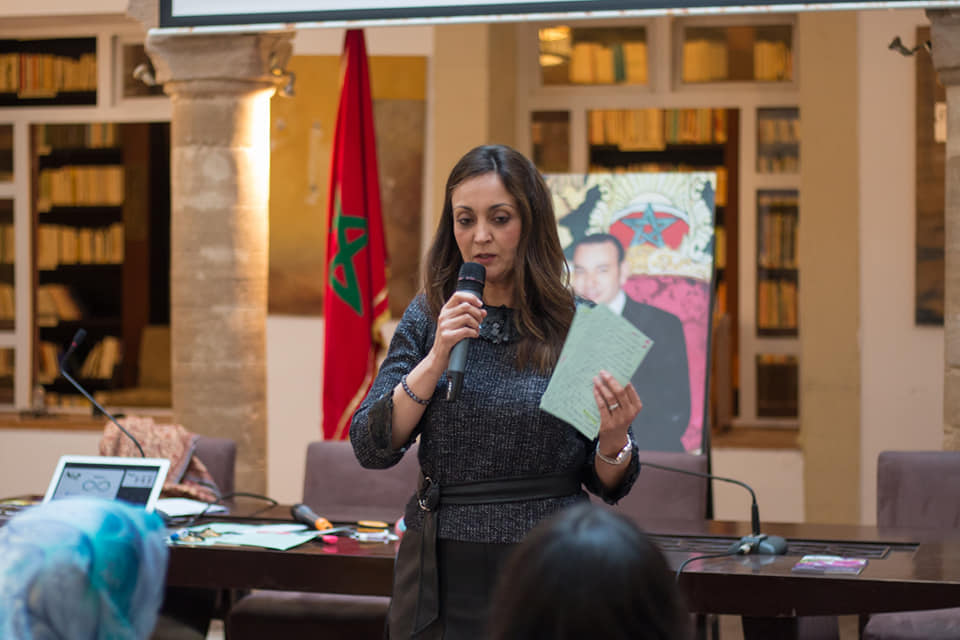
About three years ago, I received my training to become an ACT practitioner in parallel with my Master in Life and Business Coaching program. The ACT training transformed completely my life and opened my mind, my heart and vision on meaningful and mindful ways of working and living. Since then, my passion for the use of ACT in particular and the Cognitive and Behavior Science in general has been growing. I have become keen about enhancing my learning and know-how in ACT and Mindfulness therapies.
As a matter of fact, I was really happy to receive an email with the good news that I was selected as a an ACBS Scholarship recipient to participate at the ACBS World Conference that took place in Dublin, Ireland (June 25th - 30th, 2019). This great opportunity allowed me to enhance my competencies in ACT and acquire new skills, such as CFT and other ACT-related techniques that I am using in my work with my clients, during individual and group sessions, and workshops. The following report will therefore present my experience during at the conference and after the conference.
At the Conference:
I arrived on June 23rd, 2019 afternoon at the Dublin City University. I was nicely welcomed by both the DCU boarding and conference staff and provided with all the information and guidance for the conference.
I was so impressed by the program. It was filled with a huge amount of information, amazing workshops, amazing speakers, presenters, facilitators, big names in the world of psychotherapy, neuroscience, CBS, ACT…I was lost and not knowing what to chose as every inch of the program was important. I wanted to be in all the workshops and the conferences.
My pre-conference workshop was about “Mastering Compassion Focused Therapy: Taking CFT Beyond the Basics” by Ph.D Dennis Tirch, PsyD Laura Silberstein-Tirch, and Clin. Psy. Mary Welford. The reason why I chose this workshop and not another one was because I wanted to learn how to integrate effectively compassion therapy in my work with act. I felt blessed to be part of this 2-Day Intensive Workshop. Not only I learned the true meaning of compassion but I experienced its process. It was a profound and amazing emotional experience for me: I have acquired compassion focus therapeutic skills and techniques to help myself and my clients feel and act compassionately, to learn new ways of interactions with unpleasant emotions, and of clarifying values.
During the workshop, I was inspired by the notion of the Compassionate flexibility in comparison with ACT’s Psychological flexibility and how to help clients develop it in order to work on the feelings of not being worthy, shame and how to deal with self-criticism. These therapeutic skills allowed me to enhance my competencies during my work with my female clients. Most of the problems they have are linked the feelings of shame and self-criticism. By helping them develop a mindful compassionate mind, I become able to solve several challenges and help them engage effectively towards their values and what gives meaning to their lives.
In addition, I had the opportunity to enhance my knowledge and acquire further skills during the conference part as well. Although the choice was challenging for me, I was able to attend different conferences and presentations, namely the workshop about how to Deliver ACT effectively with high performing, busy people which I enjoyed a lot; Russ Harris conference on the self as a context-made simple; Robyn Walser Conference on ACT from a Therapeutic Stance. I attended Steven Hays and Kelly Wilson conferences…I attended the Women SIG meeting to connect with the women and learn more about them.
Moreover, the fun part was when I presented my poster at the cathedral. The title of my poster was about “Combining ACT and Creative Expression Therapy for Women’s Empowerment and Transformation.” I was happy to see that so many people were interested in the subject and research presented by my poster (copy attached). The poster highlights the efficiency of ACT when combined with a creative expression therapy: It can be done through music, painting, creative writing or any other creative activity.
Overall, both the pre-conference and the conference allowed me to acquire competencies that I used in my work with my clients and my workshops during right after I returned home. It also allowed to connect and exchange with so many inspiring people.
Post-Conference:
Upon my return, and during the past 6 months, I have taken the following actions:
‣ I have integrated the Compassion Focused Therapeutic techniques in my coaching-therapy work with my female clients. I am very satisfied because CFT really enhanced the results of the ACT therapy.
‣ I am receiving more and more positive feedback from my clients about how ACT changed their lives both at work and at their personal lives. ACT-CFT are my favored working therapies that I use and adapt according to the needs of all my clients. In fact, the conference helped me become more self-confident about accompanying my clients to achieve their desired results, transform their lives, and go for a meaningful life.
‣ I have facilitated a series of mindfulness workshops with a group of women teaching them the power to be in the present moment through Mindfulness exercises and also how to deal with their self-criticism through self-compassion.
‣ I have also participated in a 3 day study about the Human Enterprise during which I shared the magic of ACT as a Mindfulness- based cognitive and behavior therapy.
‣ I have facilitated a 2 day workshop with over 70 future leaders and entrepreneurs, 80% of whom were female participants. During this workshop, I guided the participants through mindfulness practice and how to integrate it in their daily life, especially during the execution of their action plans.
‣ I am currently preparing for other workshops that I will be facilitating at multinational organizations in order to help employees find their life-work balance and lead a meaningful life through ACT.
‣ Also, I am launching the ACT therapy for women empowerment starting from March.
‣ I have been volunteering to review ACBS fellows scholarship and I am an active member of the Creating a Culture of Empowerment and Productivity Team.
Overall, my participation at the conference helped me acquire an important knowledge and competencies that have really supported my work as a Life Empowerment Strategist (Coach-Therapist, Strategic Consultant, and a Trainer). I am very grateful for this great opportunity and for all the wonderful ACBS people who made it possible for me. Thank you!
You can read the complete report below!
Are you wondering how you can help to disseminate CBS in the developing world through scholarship opportunities like this? Please consider donating to the Developing Nations Fund via Paypal by using the button below. Your donation will help us continue to bring attendees and presenters from developing nations to the ACBS world conference.
Every dollar/euro/yen goes to helping those in need -- not a nickel goes to administration. Money collected for this fund is distributed by an ACBS Developing Nations Fund committee. Scholarships are awarded based on need and merit.
Please note that this contribution does not qualify as a tax-deductible charitable contribution, according to USA tax law ... but it's a nice thing to do.
Philippines Dissemination Activities 2019
Philippines Dissemination Activities 2019Gabriel S. N. Lizada, Philippines
I was fortunate to be given the Developing Nations scholarship and attend the ACBS World Conference 17 in Dublin, Ireland. From the time I received the acceptance letter up to the last moments of the event, I felt very welcomed by the ACBS community. This was my first time to attend this conference, and I can honestly say that I felt the warmth of the community.
Pre-conference Workshops
There were many pre-conference workshops that caught my attention. But, as a practitioner who is just starting his journey in the field, I decided to attend the workshop by Russ Harris, focusing on ACT for beginners. Russ's workshop did not disappoint as I gained new information, re-learned previous knowledge, and learned new techniques from seasoned professionals. I was also able to deepen my knowledge of the basics of ACT in this two-day workshop.
Aside from the workshop proper, I also got the opportunity to meet new practitioners in the field. I felt that our zest for learning made our workshop experience more meaningful and insightful. It helped me lessen the feeling of imposter syndrome within me. My conversations with my fellow practitioners, who like me, are also just starting their journey provide me a blanket of security.
The two-day pre-conference was already filled with learning and positive outcomes and made me so excited to experience the actual conference in the coming days.
ACBS World Conference
The ACBS World Conference 17 was one of the best conferences (if not the best) I had attended in my entire life. There were about 1000 delegates, but I never felt that everyone was distant to first-time attendees like myself. During the conference, I was able to attend workshops, hear lectures, experience live demonstrations, and establish connections from practitioners all over the world. The conference gave enough sessions for attendees to listen to prominent ACBS figures. I attended sessions led by Steven Hayes, Robyn Walser, DJ Moran, Jason Luoma, and Jenna LeJeune. I was able to listen and get information from other practitioners who were producing equally important researches.
The conference also introduced the Ambassador and Ambassade (A&A) program sponsored by the ‘The Women in ACBS SIG’ and ACBS Membership Committee. This program helped first-time attendees in pairing them with a member of the ACBS community in helping them feel more welcomed during the conference. The program was beneficial to me, and I know it was for all those who enrolled as well.
Then, there was also a bookshop where you could shop all day and have them signed by the authors attending the conference.
ACBS Community
The ACBS community is a very warm and welcoming community where you don't feel that you are lost. People in the ACBS community are open, approachable, friendly, and helpful. They even host the 'Follies,' the community's version of a gathering. The Follies is a unique and fun night that should not be missed by attendees.
Upon Return
After returning from the conference, I had so much to share with everyone who wanted to listen and benefit from it. Here are the activities that I did:
(1) I enhanced my ACT skills and applied them to my clients. The new learnings I had were very helpful to them because both they were able to move forward with their life and live a value-based life. They expressed that when I came back, the sessions were more helpful to them. As a result of this feedback, I decided to be more consistent with my ACT therapy and follow the protocols for specific concerns more rigidly to improve my practice.
(2) I also was able to share the knowledge with my graduate students who did not know the ACT exists or have just heard it once. Some students were so amazed by what ACT is and asked for books to read so they can enhance their knowledge more about ACT.
(3) Currently, I am trying to talk to local organizations to bring ACT prominent figures to the Philippines. From the conversations I had with ACT practitioners in Dublin, they were willing to travel to this side of the world to help spread ACT. The local counterparts are open to this idea, and negotiations are currently on-going.
(4) In the university that I am teaching in, there is currently a plan to improve mental health practices to students, faculty, and staff of the university. I have suggested to teach some aspects of this program and incorporate ACT and mindfulness practices to help participants build their psychological flexibility.
Conclusion
The experience I gained from joining the ACBS World Conference is something that I cannot put into words. I can honestly say that I am a better practitioner, teacher, person, and human being because of my learnings. I would like to thank the ACBS Community and the Developing Nations Committee for giving me this opportunity. I hope that I will be able to attend another ACBS World Conference in the future.
Are you wondering how you can help to disseminate CBS in the developing world through scholarship opportunities like this? Please consider donating to the Developing Nations Fund via Paypal by using the button below. Your donation will help us continue to bring attendees and presenters from developing nations to the ACBS world conference.
Every dollar/euro/yen goes to helping those in need -- not a nickel goes to administration. Money collected for this fund is distributed by an ACBS Developing Nations Fund committee. Scholarships are awarded based on need and merit.
Please note that this contribution does not qualify as a tax-deductible charitable contribution, according to USA tax law ... but it's a nice thing to do.
Uganda Dissemination Activities 2019
Uganda Dissemination Activities 2019Khamisi Musanje - Uganda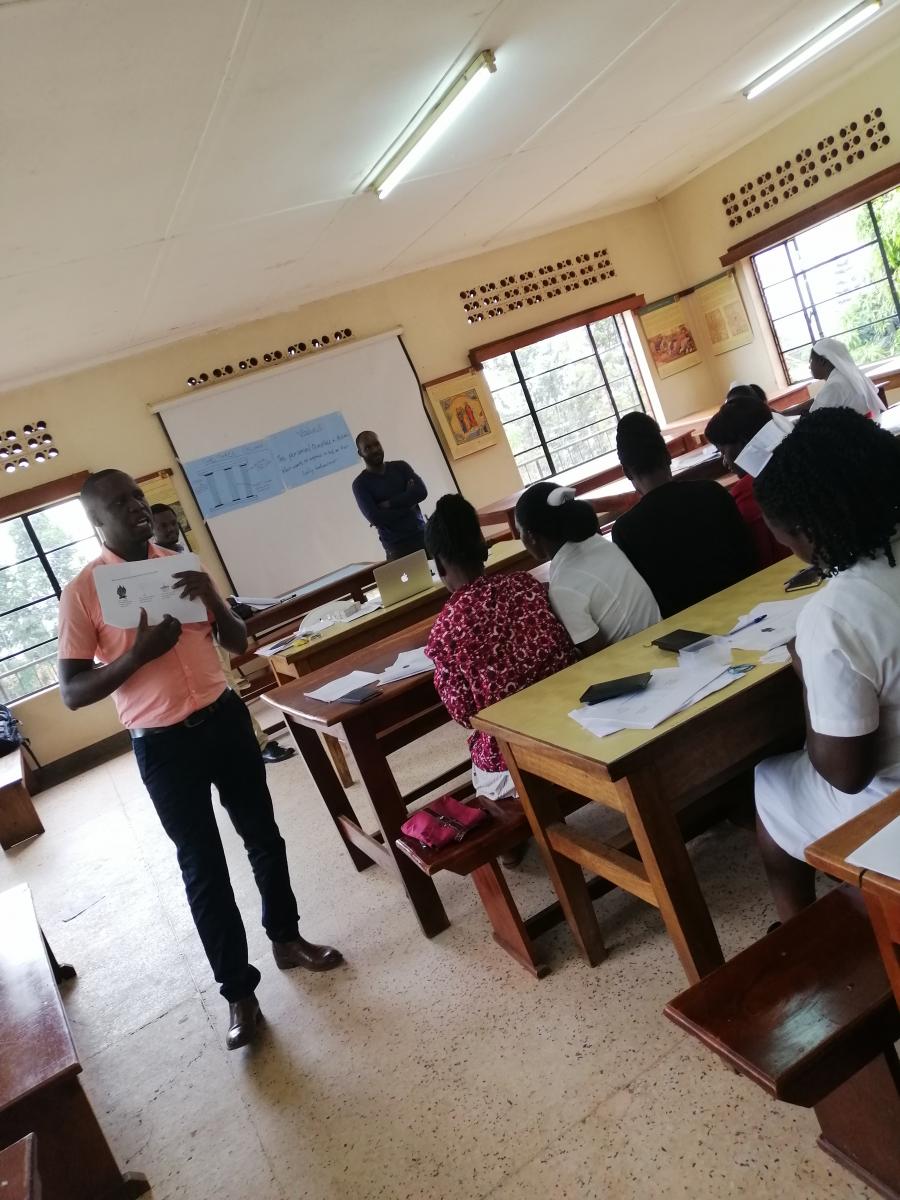
Attending the 2019 ACBS world conference in Dublin, still gives me chills to date. It’s a couple of months ago but memories seem fresh. Special thanks to the ACBS community for the generosity that saw some of us attend such an event which would otherwise not been possible without your support. As an award winner, I am grateful to the developing nations committee and the entire leadership at ACBS. Special thanks to Emily N Rodriguez, and Roscoe Kasujja.
At the conference
Warmth, kindness and love is what welcomed me to Dublin. As a first timer, everything seemed new, exciting and confusing at the same time. I allowed myself to feel the experience mindfully, noticing every detail while maximizing every opportunity. Thanks to the ACBS staff that supported me all the time. For the pre-conference workshop, I purposely attended pro-social facilitated by David Sloan Wilson, Paul Atkins, Silva and Wiser, although occasionally, I would sneak into Russ Harris’s sessions. The pro-social team was very amusing, brilliant and educative. I passionately loved the pro-social matrix because it seemed so obvious while at the same time new.
Beyond the pre-con, all presentations were interesting. I suffered the madness of running from one session to another to be able to deal with the temptation. The session chaired by Frank Bond that had presentations on ACT in the workplace was a perfect match. I got lots of insights on how to apply ACT in the workplace as an organizational Psychologist. I also made a poster presentation at St. Patrick cathedral (where religion met science).
Beyond content covered, networking was part of my greatest benefits. I built myself a rich network that is supportive to date and my life has never been the same again. Not forgetting the follies.
Post conference
Upon returning home, I embarked on a journey to popularize ACT in Uganda. I began with completing work I had presented on the poster “ACT for nurses in Uganda”. Partnering with Nic Hooper, Roscoe Kasujja and Taslim Tharani, we expanded the concept and shall be offering the first intervention to a group of 150 nurses in a private hospital in Kampala in January 2020. In September, I offered ACT and prosocial to a group of master card scholars at Makerere University and also advocated for inclusion of ACT in the Master’s curriculum. I am currently supervising 4 students researching psychological flexibility in organizations. In October, together with Roscoe, we entered into an understanding with Paul Flaxman and Ross McIntosh to adopt the ACT training for trainer’s manual in Uganda. We are currently leveling the ground but implementation will start in June 2020. I also have a plan to offer ACT to teachers, workers in a call center and to University students before end of next year. I am currently a member of the ACT for LAMIC group chaired by Claudette that aims at promoting ACT in developing contexts.
Are you wondering how you can help to disseminate CBS in the developing world through scholarship opportunities like this? Please consider donating to the Developing Nations Fund via Paypal by using the button below. Your donation will help us continue to bring attendees and presenters from developing nations to the ACBS world conference.
Every dollar/euro/yen goes to helping those in need -- not a nickel goes to administration. Money collected for this fund is distributed by an ACBS Developing Nations Fund committee. Scholarships are awarded based on need and merit.
Please note that this contribution does not qualify as a tax-deductible charitable contribution, according to USA tax law ... but it's a nice thing to do.
2020 Dissemination Activities
2020 Dissemination Activities office_1Bosnia and Herzegovina Dissemination Activities 2020
Bosnia and Herzegovina Dissemination Activities 2020Emina Osmanovic Basic, Bosnia and Herzegovina
Hi, I am Emina, and I come from a small beautiful country Bosnia and Herzegovina. I am a psychologist and CBT therapist. And now I could say also ACT therapist.
A few years ago, while I was still practicing CBT under supervision I was introduced to ACT and CFT thanks to Igor Krnetic. I attended ACT and CFT workshops led by Igor and was amazed. Honestly, I was skeptical at first, but at the end of the workshop, I completely changed my mind. It was a really special experience for me and it left its mark on my private and professional life. This helped me take a different approach to personal problems. I started reading more about ACT and CFT and it gave me the confidence to try the ACT approach in therapy sessions. Right after the workshops, I noticed that my work with clients started to get better, to give more and more positive results and positive responses from clients. I was naive to wonder where the change came from because I thought I was doing everything the same way as before. Then I realized I had become more present, more mindful, more compassionate, and more self-compassionate in contact with clients. ACT has helped me to become more aware of the whole therapy process and be more complete as a professional.
A few years later, thanks to my dear colleague Dario Lipovac, I heard about ACBS World Conference and was encouraged to apply for the Developing Nations Scholarship to attend World Conference 18 in New Orleans. I couldn't believe it, but I got it. I was very happy about it and started planning my trip. Unfortunately, at that time a pandemic hit us and it was not yet known whether the conference would be held online or as planned in New Orleans. Therefore, the friendly ACBS staff offered me to extend my scholarship for the conference next year - through 2021. Many thanks to them for this flexibility and opportunity. So I participated in World Conference 19 in 2021. As no one expected the situation with COVID-19 to last this long, the Conference in 2021 had to be held online as well instead of in Poland. I was really happy to have had the opportunity to be a part of such a big and significant event in the field of psychotherapy even in these difficult times caused by the pandemic.
From the first contact with the ACBS staff, I felt welcome. From the moment I received a scholarship until the end of the Conference, all staff members showed a warm and friendly approach, were open to all questions, and were ready to help in any way.
The hardest part was choosing the topics I planned to attend among all the big names, amazing workshops, presenters, facilitators. I decided to book the pre-conference workshop "Be A Brief and Powerful Clinician: Use Focused Acceptance and Commitment Therapy (FACT) to Help Many" led by Kirk Stroshal, Ph.D., and Patricia Robinson, Ph.D. I was really surprised that at the end of this two-day workshop we were given a whole set of tools on how to approach clients in primary care behavioral health to help people with physical, mental, social, and general health. I found so many useful things that I can use in working with clients.
During the 4-day Conference, I tried to take this opportunity to attend lectures and presentations as much as possible. I learned a lot about using ACT and CFT in working with different types of problems like social anxiety, addressing discrimination in working with transgender people, youth and the transition to adulthood, CFT for anxiety, learning more about the therapy process and our role as a therapist through cultivating sacred moments in psychotherapy and recognizing our own avoidance repertoires, about nonattachment in order to let go and become free. Attending lectures by big names like Stroshal, Robinson, Tirch, Fleming, Kocovski...was an invaluable experience. Although it was an online event, we had a lot of experiential exercises, time and space for discussion with presenters and other participants. Discussion rooms, chat opportunities, and a lot of networking activities allowed me to meet wonderful people from all over the world and share with them ideas, work, my own insecurities and connect on a deeper level.
The whole experience during the Conference has given me so many ideas that I can incorporate into my work with clients and my life. Immediately after the Conference, I started buying books to learn more about the use of ACT in therapy. I felt more confident using ACT metaphors and techniques in sessions with clients. It was more natural for me to include some experiential exercises or use ACT explanations for different types of client difficulties. And I felt I was explaining them better.
Motivated and inspired by the Conference, I enrolled in Mindfulness training and started practicing mindfulness daily. It helped me a lot to learn more about the way my mind works and to have the freedom to take a different stance at a given time and situation.
Thanks to World Conference 19, I was encouraged to expand my own practice and share my knowledge of ACT and CFT with my colleagues through various educations and training.
My goal for 2022 is to launch an ACT workshop for parents of children with disabilities to share with them all the benefits of the ACT approach to life. I also see this as my personal goal or to call it an obligation, because a few years ago as a professional I found myself having so little to give in working with parent groups. Now with ACT, I feel like I have in my hands tools of inestimable usefulness that I can share with parents.
For me this Conference was not just an educational session to learn about ACT and CFT, it was the whole ACT and CFT experience. Many thanks to all ACBS members.
While awarded in 2020, Emina attend the virtual conference in 2021.
Vietnam Dissemination Activities 2020
Vietnam Dissemination Activities 2020Tran Thi Ngoc Lan, Vietnam
Hi, I am Lan from Vietnam. I am a counselor in training at HELP University, Malaysia. As a meditator for over ten years, when I began my journey into psychology study, a friend presented me a book named “Acceptance and Commitment Therapy, Second Edition: The Process and Practice of Mindful Change by Steven Hayes, Kirk Strosahl, and Kelly Wilson”. The initial exposure to ACT was captivating. Through ACT, I saw the mindfulness processes clearer and I was able to help others understand mindfulness easier. Importantly, I found the behavioral processes which was the missing piece to my practice. ACT fit perfectly into who I am as a person and my value as a counselor. I began to study ACT through books and online courses. In 2018, I contacted Dr. Steven C. Hayes who was very kind to guide me to ACBS community.
I was jumping off the roof when I found out I was given the ACBS 2020 Developing Nations Scholar Award to participate in the ACBS World Conference that took place in New Orleans, USA (July 14th - 19th, 2020). However, due to the break of the COVID-19 pandemic, I had postponed my attendance to ACBS Virtual World Conference (June, 24th – 27th, 2021). Initially, I did not have much exposure with the ACBS community, however I did not once felt alone because ACBS staff was patiently guiding me along the whole journey.
Pre-conference Workshop
I began the conference with the guidance of Dr. Nguyen Thanh Tam who regularly checked on me before, during and after the conference to support my learning process in the best way possible. I entered my first workshop with no expectation and great curiosity. What I found was beyond my imagination and left me out of words to describe Dr. Robyn Walser as a person, as an ACT trainer and ACT therapist who was conducting the workshop. She showed so much depth in simplicity, practicality and humanity. The way I understand ACT forever changed.
Unexpectedly, I also found so much comfort in the transparency and empathy of the participant’s sharing. I shared at the workshop that “I came to this conference to find a way to be a better counselor, but what I found is that we are all in this together and I do not feel alone anymore”. I could see encouragement, empowerment and love in the eyes of the participants clearly despite the distance and the screen.
At the ACBS World Conference
I had attended as many talks as I could during the conference. It would not be fair for me to mention only certain specific individuals who had impacted me in the conference, because each person whom I had a chance to connect with impacted my development in their ways.
But if I was to quote an experience, I can pick the time when I was listening to Dr. Kelly Wilson’s talk, my tears drop like the sky cries through the rain. My mind did not understand yet, but something in me felt deeply seen. I re-watched the talk many times, each time I continued to cry.
The award helped me, a young girl who felt far and invisible from an underdeveloped nation to finally realize many beautiful humans in the world who do not discount another human base on continent, race, status, or any labels. Being in the ACBS World Conference connected me with the spirit of the people who were there to care, support and grow together. It was one of the best conferences I had ever attended. I felt nurtured and belonged. I can still remember the joy and liberations that kept me awake every night after the conference because I felt so charged and alive.
ACBS Community
Even though the conference only took place in four days, yet I have continued to access the support from ACBS community until today. I became friends with Rachel Chan, a counselor from Hong Kong who included me in her ACT Peer Consulting Group and supported me in my ACT study journey. She carries the ACBS spirit and lit the fire in me every time we talk.
I was connected with the president of ACBS Malaysia Chapter, Mr. Eugene Koh Boon Yau who guided me with the supports available in Malaysia. He also connected me with Dr. Wendy and Dr. Nicholas Pang Tze Ping to support my ACT development journey in my internship at Universiti Malaysia Sabah.
I met Paulo Cesar Bozza Junior in the ACBS LAMIC group, who has become my Functional Contextualism, Relational Frame Theory and ACT supervisor. I cannot imagine a human being as beautiful and generous as Paulo.
Post-Conference
1. I decided to further my education as I continued to take online courses such as FACT by Dr. Russ Harris, ACT Immersion by Dr. Steven C. Hayes, Value in ACT by Dr. Kelly Wilson. It crystalizes my confidence moving forward with ACT as ACT proves to be deeply congruent with my direction in life, and career.
2. As I enhanced my ACT skills, I applied them to my clients in my practicum and internship cases. I decided to be more consistent with ACT therapy as the foundational approach to my practice.
3. I completed and presented a second research paper on “Zen Practitioners’ Lived Experiences in Marriages” based on theoretical framework of Relational Frame Theory.
4. I offered free training and discussion to my university peers at HELP University, Malaysia.
5. I presented ACT to the wider community, throughout webinars, presentations, sharing events at universities such as Multimedia University Malaysia, bank and corporate organizations such as CIMB Bank Malaysia, and ACT group process which popularize ACT to thousands of Vietnamese within three months through the program Ban oi Khoe Khong, a Vietnam project to support mental health during the pandemic to popularize ACT in both English and Vietnamese.
Conclusion
For me, there are no words precise enough to describe my experiences and gratitude for the chance to attend the ACBS World Conference. The best way I can sum up is “Thank you ACBS for giving me this opportunity.”
While awarded in 2020, Lan attend the virtual conference in 2021.
2021 Dissemination Activities
2021 Dissemination Activities office_1China Dissemination Activities 2021
China Dissemination Activities 2021Huiyuan Li, Melody, China
Could you please tell us a little about you and your background?
Hi, I am Huiyuan LI, Melody, and I come from China. I am a year three PhD candidate in nursing, an ACT learner and practitioner. I would like to express my sincere thanks to ACBS committee for selecting me as a scholarship recipient and having the opportunity to learn more about theories, practices and sharing my insights on ACT.
How did you become interested in CBS?
I first knew about ACT after listening to a scholar's sharing at an academic conference, and after that I became very interested in ACT and firstly attended an ACT workshop organized by ACBS China Chapter and ACBS World Conference 18 online, starting a continuous learning on CBS and ACT, and making it my PhD research topic.
Could you tell us about your research and application interests?
I am interested in helping patients with advanced cancer accept their cancer experience and promoting life meaning. I am also interested in cultivating my personal ACT competency, being open and mindful to the participants’ thoughts and experience, rather than getting trapped into complex stories and not believe in self abilities. Participating in the ACBS conference is the best opportunity to learn about all ACT-related research, technical training and guidance, and related theoretical frontiers. This is of great help to my research in terms of theory and technical practice. In the following, I would like to present the experience during at the conference and after the conference.
Could you tell us about your experience at the World Conference this year?
My pre-conference workshop was about ‘Life from the Feet Up: Supporting Client Change through ACT Process and Therapeutic Relationship’ by Dr Robyn Walser. She is so passionate and warm that I was inspired by the two-day workshop, especially on how intrapersonal and interpersonal behavioral patterns inform a functional approach, how ACT metaphors and experiential exercises can be tailored to fit the client’s experience and language practices including the social and cultural contexts, how to work through barriers to fluid implementation of ACT in an ACT consistent fashion, and the role of personal values in guiding the work done in ACT therapy. This helped cultivate my competences well when communicating with patients with advanced cancer, which has made me think about my relationship with my clients all the time that the therapist maintains a stance that instigates and reinforces psychological flexibility.
During the conference, I actively participated in various forms of lectures and presentations. A Plenary allowed me to hear from Prof Hayes their latest insights on process-based therapy. Banjamin's impressive workshop allowed me to quickly and accurately master the six steps to improve psychological flexibility with the matrix. Dr Fung’s presentation gave me a deep impression on the differences on the development and implementation of ACT based on different cultural contexts. The symposiums allowed me to learn about the research progress of scholars in different fields according to my own interests. The SIG meeting is an interesting part where I can share any insights about ACT practices with ACTors in different parts of the world. During this conference, I also gave oral presentations on ‘Patients’ experience of experiential avoidance on the trajectory of being diagnosed with advanced lung cancer: a qualitative study’ and ‘Acceptance and Commitment Therapy for improving fatigue interference and health-related quality of life in patients with advanced lung cancer: Protocol for a feasibility randomized controlled trial’, and I was honored to share my research findings on ACT to different scholars.
Was there anything that stood out to you about the CBS community?
Through this conference, I was also fortunate to meet my mentor, Dr Anastasia Keller-Collins, who provided great support for my effective learning during the conference and the communication after the conference. Overall, the conference this year and my mentor helped answer many of my questions about the ACT practice, improved my awareness of many practices issues and enhanced my confidence in implementing exercises.
What did you take back from your experience that has been helpful to you?
Inspired by the Conference, I was encouraged to buy more ACT practice and theory books to broaden my knowledge, and share ACT-related knowledge to clinical nurses. I was also encouraged to actively participate in the ACT advanced theory study and group supervision training organized by ACBS China Chapter. After mastering certain skills, I consummated the ACT intervention manual for patients with advanced lung cancer in China and conducted an ACT intervention among 160 patients with advanced lung cancers in China to examine its effectiveness, which is a process of constantly clarifying personal values and applying ACT skills more skillfully. I hope I can share ACT as much as possible with every patient with advanced cancer in China and make them know about it and truly benefit themselves.
Do you have anything else that you would like to share with the community?
Although ACT began to prevail in China, ACT implementation directly by clinical nurses is still very rare. My goal after completing the PhD project is to continue to share ACT knowledge towards clinical nurses and inspire them to realize the importance of ACT and the feasibility and practicality of ACT, no matter for the quality of life of patients or their own career development, and there will be potential practical value for clinical nurses as an alternative deliverer of ACT in the future.
I would like to spread more useful information about ACT to Chinese cancer patients, so that more patients can be familiar with it, and make it an important choice to enhance their meaning of cancer life. I will also continue to accumulate my own ACT toolbox to enrich my experience and apply ACT to guide my own life.
Many thanks to the conference committee and all members. Hope to see you next time!
Egypt Dissemination Activities 2021
Egypt Dissemination Activities 2021Mohamed Abdelalem Aziz Ahmed, Egypt.jpeg)
Hi, I am Mohamed Abdelalem Aziz, Psychiatrist, Cognitive behavioral therapist (CBT), Dialectical Behavior therapist (DBT), and ACT therapist (Acceptance and Commitment Therapy) from Egypt. A country located in the north of mother AFRICA.
When I started my career as a psychiatry resident in 2015, I did not believe in the efficacy of psychotherapy, may be due to the lack of training of psychotherapy in Egypt. After some time I started noticing that some of my clients do not need medications but they have problems and also prescribing medications does not change thoughts nor the feelings. I got confused and my thoughts take me to change my specialty but something inside me was curious about psychotherapy. I registered for my first CBT course here in Egypt, it was quite expensive but I was very curious if there is something will help the clients to deal with things that medications can not deal with such as thoughts, feelings, traumatic memories and Grief.
After finishing my first CBT course, I was fascinated with theoretical background of this model and started reading more and more about it. I started working with my clients using it, it was good but I have always had the feeling that there is something missing and that I am pushing the patient towards the positive attitude. I used CBT on myself and I got the same feelings and my mind started questioning me – where do these negative thoughts and feelings come from? And why do they keep coming? - I became obsessed searching for every negative thought and challenging it and sometimes the thoughts came without feelings and sometimes feelings came without thoughts.
One of my clients who was struggling with anxiety related problems told me that he sometimes woke up in the morning and had a bad mood and I kept asking him – what did you have in mind when you woke up? And he kept answering me that he had nothing in his mind (his mind was blank). I noticed something after this client session, I am facing the same problem - sometimes I wake up with a bad mood and I did not know why. Another thing, the CBT was not effective at all with borderline personality disorder clients. All these situations left me with many questions about CBT, its theory, and effectiveness.
One day, after a very difficult session with one of my clients who was struggling with chronic depression, I came back home disappointed and started revising the great CBT course of Beck Institute. I noticed a word called (ACT) was mentioned by one of the instructors of the course about the new waves of cognitive behavior therapy models and how this model is gaining evidence. I started searching about ACT books where I found Dr. Russ Harris great book (ACT made simple, 1st edition). I just finished the first chapter which explains the (caveman mind theory) and I started dancing- yes, yes, I was literally dancing shouting that’s amazing, amazing. I started reading about ACT with a great motivation and watching Russ Harris and Prof. Steven C. Hayes videos.
Acceptance and Commitment therapy not only changed my way of practicing psychotherapy but also, changed my whole life. Two concepts make me realize how ACT is so amazing. The first one was (the misery of human kind) - I was shocked that the main feelings for humans were the feeling which we were calling negative feelings such as fear, anxiety, panic, etc. not happiness and they are all normal feelings. I read Prof. Steven books and realized that he was searching for the source of humankind suffering even in religions. And since I am a Muslim, I did the same thing looking in my religion if there is something telling me and giving me evidence about human suffering. Guess what, I found many things in the holy book of Islam telling the same things Prof. Hayes told us. The second concept was Psychological Flexibility which gave me ways how to deal with all these difficult situations, thoughts, and feelings.
I finished all Dr. Harris and Prof. Hayes courses also read almost every book they wrote and many other authors. 2018, I started to introduce ACT to my clients and I was fascinated by the effectiveness and flexibility of this model. I started integrating other modalities to ACT especially Compassion Focused therapy and Self-Compassion exercises develop by Dr. Kristen Kneff.
I joined ACBS community which opened a huge door with its marvelous members, professionals, and resources. Unfortunately, I did not get the opportunity to travel to any world ACBS conference but I attended two virtual conferences. They were amazing, with many professionals introducing the most recent research studies and with plenty of wonderful workshops which helped me to advance in my ACT practice.
Now and after more than four years of practicing ACT myself and with different problems facing clients, I am writing my first ACT book which is in ARABIC language and also making my final touches in a series of ACT courses for Egyptians and Arabic therapists, all in Arabic language. My most important goal is to develop an ACBS community (Egypt branch).
Finally, from all my heart, thank you ACBS community for all the support and guidance you are giving to therapists in every country around the world especially developing countries. And I am looking forward to meeting you again in the next world ACBS conference. Thanks.
Paraguay Dissemination Activities 2021
Paraguay Dissemination Activities 2021Maria Jose Vuckovich, Paraguay
Could you please tell us a little about you and your background?
Hi, my name is Maria Jose Vuckovich but mostly go by Josie. I am a 35 year old Clinical Psychologist from Asunción, Paraguay a small country located in South America. I work in a private practice, where I see teens, adults and couples.
How did you become interested in CBS?
I was first trained in psychoanalysis as it was (and probably still is) is the main psychological orientation in Paraguay. When I was in university I never heard of Contextual Sciences or any of the CBS based therapies. As I said, I started with psychoanalysis but I did not feel content with the results of my work, nor could I explain why sometimes it seemed to work and sometimes it seemed to not work. I got to CBS by getting to know Mindfulness first. I found that through the practice of mindfulness I got to change behaviors in myself and my clients that I hadn't been able to get to through psychoanalysis (and in a much shorter time). Mindfulness led me to DBT training which later led me to ACT and I have been passionately studying about CBS ever since.
Could you tell us about your research and application interests?
I am interested in understanding the roots of behavior change. Learning ACT from its roots. I have been specially interested lately in furthering my understanding of RFT and have been taking particular interest in issues
relating the SELF and body related issues.
Could you tell us about your experience at the World Conference this year?
I was very excited to participate in WorldCon this year. Last year was my first and this was my second year attending. I found very interesting talks and was very glad that we had some time later to catch up on the talks we
weren't able to attend. I was especially interested in the talks about interbehaviorsim, the talk about psychodynamic defense mechanisms from a behavioral lense, RFT related sessions and Body Image sessions.
Was there anything that stood out to you about the CBS community?
What has always stood out to me from the CBS community is the sense that there is a genuine interest in understanding and furthering the science and sticking to the roots. At the same time it was a very welcoming community, very humble and helpful with people like me who where just starting, and very human.
What did you take back from your experience that has been helpful to you?
New people I got to know and who are exploring subjects that I am interested in. I met my current mentor through the ACBS world conference last year and contacted her after hearing a few of her talks. I definitely feel I am a much better clinician because of her and I feel that ACBS world con gives me that. A context to get to know people who are working in this field, who I can later contact to train with them or to get resources. It gets me excited and motivated to keep moving towards my values as a clinician and it gives me a sense of belonging to a bigger community.
Do you have anything else that you would like to share with the community?
I would love to bring CBS to Paraguay. Get psychologist to at least know about CBS and that it exists and that it is a real option. To get my colleagues here to know that there is more than just psychoanalysis or CBT and to help new clinicians train in this model by translating to spanish what I can.
Serbia Dissemination Activities 2021
Serbia Dissemination Activities 2021Lara Dobrkovic, Serbia
As graduate medical doctor and attendee of third year of CBT/ REBT training, I am mainly focused on broader CBT interventions and working with clients primarily with anxious and depressive symptoms. My main area of psychotherapeutic work is in individual sessions and clients, as well as training groups on selected topics, and experience share within peer groups and professional conferences and gatherings.
Herewith I would like to give my warm thanks and appreciation for being part of ACBS virtual conference of 2021. Topics that were covered in the conference were very relevant and useful for broader CBT therapists. In my county I attend CBT and REBT psychotherapy trainings and I am part of broader CBT community. My main activities after that conference were focused on sharing knowledge, perspectives, and insights with my peers from the same training program I am attending to. Also, during national psychotherapy congress, that was held in late 2021, I was able to discuss in small groups topics of interested from third wave of CBT and direct co-participants into the area of further investigation about ACBS areas of work and staying tuned for future possibilities and attendance of ACBS conferences. Areas that was broadly shared and discussed within our professional circles were Acceptance and Commitment (ACT) therapy in practice, and it’s supreme position in defining and leveraging on client values. I had facilitated experience group with peers where we discussed values from REBT, broader CBT perspective and ACT perspective.
In addition to sharing verbally impressions and knowledge obtained from the conference with my peers, and facilitating experience sharing sessions, I also have embedded ACT and values into training material that I use for group workshops open for non-professional attendance. Clients are responding to values concept taken from ACT quite well and applying my modest knowledge from ACT and third wave has proven to be very useful and likable by my clients. This experience of attending ACBS virtual conference of 2021 has broaden my CBT perspective as well, and intend to attend further third wave conferences and also look up for some formal training in ACT in future.
Topics that were focus for my further practice and sharing my lessons learnt with my peers were Mindfulness based interventions and Compassionate focus therapy interventions. Both were present to my peers in context of primarily anxious and depressed clients, but were also considered in wider spectrum as well. Mindfulness is growing in popularity in my country, within both professional and non-professional circles. And Compassionate focus therapy and its interventions are very useful for clients who had some childhood trauma and have suffered from poor self-image. Through my attendance of the conference I really felt the power of compassion and I was enabled to carry this knowledge, but even more importantly, this emotional and motivational insight forward. My experiencing it first hand myself, I was better equipped to take it further, share with my peers, attendance of the training and my clients.
ACBS conference was great experience for me and I am very thankful for the opportunity to attend it.
South Africa Dissemination Activities 2021
South Africa Dissemination Activities 2021Nevern Subermoney, South Africa
Could you please tell us a little about you and your background?
My name is Nevern and I am a clinical psychologist from Johannesburg, South Africa.
How did you become interested in CBS?
I have always had an interest in mindfulness meditation, which led me looking into third wave therapies, which led to ACT. The second pathway was my interest in looking at psychotherapy integration, for which I found the PBT model incredibly helpful.
Could you tell us about your research and application interests?
I use process-based therapy and ACT in my clinical practice. I plan to do a PhD with Joe Ciarrochi as a co-supervisor on a PBT topic.
Could you tell us about your experience at the World Conference this year?
My experience was lovely. There were so many top quality talks and opportunities for engagement. It was overwhelming in a good way.
Was there anything that stood out to you about the CBS community?
I love that the CBS community is so pragmatically values driven. I also love the focus on the alleviation of suffering and promotion of flourishing. And so far, the CBS members I interact with really embody that.
What did you take back from your experience that has been helpful to you?
I took back some very helpful information on the integration of CFT with ACT, as well as some newer digital possibilities for therapy.
Do you have anything else that you would like to share with the community?
I would like to thank the ACBS for giving me the opportunity to attend the conference, which I think played a role in me being promoted to a chapter leader in SA!
2022 Dissemination Activities
2022 Dissemination Activities office_1China Dissemination Activities 2022
China Dissemination Activities 2022Wenqian Zhao, China
Could you please tell us a little about you and your background?
Hi, I am Wenqian ZHAO, Chaney, a year three PhD candidate in nursing from China. I am doing research on the utilization of contextual behavioral science in oncology care. I appreciate the ACBS committee for selecting me as a scholarship recipient so I can learn more about theories and practices and share my insights on ACT-related research.
How did you become interested in CBS?
I first learned about ACT from published papers about using ACT-based intervention to address cancer patients’ depression when doing my master's research. I learned basic knowledge about ACT in the training courses of Prof. Zhu Zhuohong, professor of the Chinese Academy of Psychological Sciences. I first learned about ACBS when I was going to start my PhD study from my co-supervisor Prof. Chong, who is also a professional member of ACBS. Prof Chong recommended I register as an ACBS student member to get more information about contextual behavioral science as I am interested in using ACT in my PhD study. Then, I attended ACT workshops organized by ACBS World Conference from 2020 to now, further learning about CBS and ACT to support my PhD research.
Could you tell us about your research and application interests?
I am interested in using ACT to promote the rehabilitation of breast cancer patients. In my previous studies, I focused on the sleep disturbance of those patients, and now on their body image disturbance. But there is a big challenge for me to deliver ACT as I do not have so much experience in using ACT in clinical sites. I always lack confidence in my ACT competency, getting trapped into anxieties about the research results, instead of focusing on the study process. ACBS conference provides me the best opportunity to learn more about experiences of using ACT in research and clinical treatment, which help me a lot in design and problem solving during my research.
Could you tell us about your experience at the World Conference this year?
This year, I attended the pre-conference workshop on “Enhancing the effectiveness of Applied Behavior Analysis through Acceptance and Commitment Training (ACT)” presented by Dr. Luisa Cañon. In this workshop, Dr. Cañon introduced a behavior analytic framework for doing ACT. The basic philosophical assumptions and principles of behavior analysis underlying ACT could provide ongoing assessment and intervention of verbal behavior within the scope of practice of behavior analysts. The roleplay and experiential exercises throughout the workshop gave me an entire repertoire to use ACT, so I was better equipped to deal with the challenges in my research sessions. During this conference, I also submitted a poster presentation on “Effectiveness of cognitive-based interventions for improving body image and psychological distress of breast cancer patients: A systematic review and meta-analysis”, and I was honored to share my research findings on the ACT with scholars from all over the world.
The workshop I participated in this year gave me a lot of inspiration, including how to understand some repressed and neglected inner activities when patients describe and narrate their personal experiences. At the same time, my supervisor, Professor Chong, also commented on my ability to guide patients to practice and put forward suggestions for improvement.
What did you take back from your experience that has been helpful to you?
Inspired by the Conference, I actively participated in more clinical ACT practice activities, such as SIG of Body Image organized by friends I met in ACBS, and clinical supervision training organized by the ACBS China Chapter. I also conducted my PhD study, an ACT-based intervention program among breast cancer patients in China. During my research, I shared my experience with the patients, their families, doctors and nurses who worked in the surgery department at the research sites. The patients and their families showed a great interest in ACT and its unique attitudes toward the negative experience. The doctors and nurses in the department also showed interest in related research topics, such as ACT, CBT, and Mindfulness. I will continue to expand my research areas and make my efforts to promote the utilization of ACT in clinical nursing care.
Do you have anything else that you would like to share with the community?
Thanks again for this opportunity to attend this great conference. Looking forward to seeing you next year!
Türkiye Dissemination Activities 2022
Türkiye Dissemination Activities 2022Enver Denizhan Ramakan, Türkiye
Could you please tell us a little about you and your background?
Hi, I’m Denizhan Ramakan from Türkiye. I’m working as a resident in psychiatry department of a rooted mental health hospital and I am a member of ACBS Türkiye.
How did you become interested in CBS?
I first met with CBS when I started my residency education, thanks to Fatih YAVUZ and after him Sevinç ULUSOY who are two of the founders of ACBS Türkiye. After that I’ve got into CBS work day by day. I took ACT course from ACBS Türkiye. I’ve been a member of the chapter and got part in the CBS family. I’ve been welcomed with warmth and inclusiveness and I saw the same warmth and inclusiveness from the CBS society around the world. I’d been choosen for the secretaria duty of ACBS Türkiye. I took part in congress arrangement within ACBS Türkiye. As ACBS Türkiye we made three congresses.
Could you tell us about your research and application interests?
I usually use ACT in my practice with or without pharmacotherapy. I find lots of chance to practice with both inpatients and outpatients with varieties of troubles in their lives. I have chance to see and manage patients with severe mental disorders like schizophrenia and I experience that ACT interventions really help people with psychotic symptoms. Our hospital also has an alcohol and substance dependence center and we’re currently doing a research with people who suffers from alcohol and substance use disorders. We're planning to arrange intervention for these patients. We have an affective disorders center. We've initiated a study which is an ACT group therapy for people with bipolar disorder. We’ve experienced two groups so far and we’re going to experience more in the coming days. World Con helped me develop my therapeutic skills and so contributed this process. This development is not just by new therapeutic interventions that I learned, also by enhancing my therapeutic relationship and understanding clients.
What did you take back from your experience that has been helpful to you?
I am in contact with psychiatry specialists, residents, clinical psychologists, social workers and psychiatry nurses. When I met them, I see that they didn’t know what CBS, RFT and ACT are or they knew very few of ACT. Introducing them CBS and seeing them thinking about it is priceless. After World Con, I had found chance to transfer my take outs to them and introduce them our world wide community. I take part of the education of other residents and medical students. We're doing research in the context of CBS with some of them. We're doing reading groups about CBS papers. I’m more into RFT. We’ve initiated a working group named Language and Behaviour Research Working Group within ACBS Türkiye. In this group, we’re deepening our knowledge about RFT and planning to do some research in this field. RFT sessions in the conference updated me and encouraged to initiate researches. We have some ideas that we are preparing to bring to life.
Do you have anything else that you would like to share with the community?
ACBS made communication easier to us and helped me to see the openness to share. Thanks to our community for this opportunity that helped me to connect people who makes great valued works, to update myself and develop my therapeutic skills and my therapist stance; encouraged me to transform my effort to scientific work. I think that’s important to contribute and develop together.
Türkiye Dissemination Activities 2022
Türkiye Dissemination Activities 2022Veysel GÜLEÇ Türkiye
Could you please tell us a little about you and your background?
I am 29 years old, I am studying as a psychiatrist in a training hospital in Istanbul and I am actively examining patients. I am about to complete my 5th year in the profession. I am currently a member of the acbs turkey chapter.
How did you become interested in CBS?
In Turkey, ACT is known among psychiatrists and used clinically by some psychiatrists. In the trainings given in Turkeye, behavioral sciences are explained in areas such as functional contextualism. Since I was also interested in the theoretical side of CBS, I continued additional reading groups and trainings after I received the training. During this time, I participated in groups where books such as “the ABCs of human behavior” and “Learning RFT” were read, and I worked as a coordinator in a group. I was joined a group that started years before I trained. We've been meeting weekly for years. Even though the content changes, we do readings and practices every week under the heading of CBS. I am also an active member of the turkey chapter. I took part in the organizing team of the ACT congresses, which will be held for the 4th time next year and attended by different professional groups working in the field of mental health.
Could you tell us about your research and application interests?
Apart from psychiatric clinical diagnoses, I am interested in couple relationships, we have a working group that we conduct on the basis of contextual behavioral sciences. In this group, we are planning projects related to more application areas. I made my thesis to investigate the factors that predict dyadic adjustment in bipolar patients. I examined variables such as stigma and psychological rigidity within this framework.
Could you tell us about your experience at the World Conference this year?
The ACBS world conference I attended this year was the first for me. I think it's been effective. After a workshop I attended at the precongress, I made a presentation in my own unit at the hospital. The workshop about “single case design” was interesting for me. After the congress, I made additional readings on the subject. In addition, I had the chance to talk about the sessions and share experiences with my friends who attended the congress in my close circle. In general, I was also pleased that both the presenters and the participants were extremely helpful and friendly at the congress.
Was there anything that stood out to you about the CBS community?
Everyone I knew was diligent, helpful, and kind. I can say that I have seen again what it means to be value-oriented.
What did you take back from your experience that has been helpful to you?
If I evaluate not only this world congress but also my acquaintance with CBS, I can say the following. I have been following patients with ACT for about 4 years, I have had patients that I have followed with therapy, as well as with medication and therapy. Although we evaluate patients through a diagnosis-oriented and deterministic approach during examinations in the hospital, I use the CBS approach during patient examination, while formulating patients' complaints. I think the contribution of CBS to understanding my patients is great. In an environment where the mechanistic perspective is dominant, it is an advantage to consider clinical situations as a functional contextualist. Functional contextualist formulation is useful when diagnosing and determining treatment.
2023 Dissemination Activities
2023 Dissemination Activities office_1Actividad de Difusión de Perú 2023
Actividad de Difusión de Perú 2023Bryan Guerrero Trujillo, Lima – Perú
¿Podrías contarnos un poco sobre ti y tus antecedentes?
Hola soy Bryan, psicólogo y psicoterapeuta individual y de pareja. No se si catalogarme como psicoterapeuta ACT, pero lo vengo estudiando y entrenándome desde hace 6 años, la terapia de aceptación y compromiso (ACT) y la terapia integral conductual de pareja (IBCT) son las que más he estudiado, me he formado y he dictado cursos.
¿Cómo te interesaste en CBS?
Mi forma de entrar al mundo de la ciencia conductual contextual puedes ser resumida como un amor a primer oído. Estudié psicología en la Universidad Autónoma del Perú en mis inicios estaba muy entusiasmado por ver lo que iba a aprender y recuerdo que en el curso de Análisis experimental del comportamiento cuando me hablaron del conductismo, Skinner, los principios de aprendizaje, experimentos con ratas me pareció algo increíble y desde ese momento entre al mundo del conductismo desde entonces empecé a leer y conocer más. La Facultad de Psicología de mi universidad todos los años hace un Congreso Internacional donde reúne a diferentes psicólogos donde se realiza ponencias de diferentes temáticas, recuerdo que entre a un simposio de psicología clínica y psicoterapias contemporáneas, es allí donde escuche por primera vez sobre ACT, cuando escuche de lo que se trataba la terapia se me hizo muy conductual y a la vez muy cálida y amable con el consultante así mismo me llamo la atención que era una terapia basada en evidencia. Cuando acabo el simposio recuerdo que le pedí a los ponentes que me briden sus correos para que me pasen libros y donde podría formarme en eso. Desde ese momento me entusiasme en ACT y RFT, leía libros, veía videos sobre eso también recuerdo que realice un curso en ACT, siendo estudiante de sexto ciclo de la carrera, solo éramos 5 alumnos que estábamos haciendo ese curso en un centro de formación aquí en lima. Luego de ello tuve la oportunidad de pertenecer a un grupo de estudio sobre terapias basadas en evidencia y conocí más de ACT, luego con un grupo de compañeros creamos un grupo de estudio en nuestra propia universidad con el objetivo de que nuestros compañeros conozcan sobre las terapias contextuales. Realice mis practicas pre profesionales en el mismo centro en el cual escuche por primera vez ACT, termine la universidad con una tesis basada en ACT, me dieron trabajo en el mismo centro donde conocí ACT por primera vez luego por motivos externos tuve que retirarme y es allí donde abrí mi propio Centro de Formación en Terapias Contextuales, desde hace 6 años me he formado en ACT, RFT, IBCT, FAP, BA en diferentes países, he participado como ponente en charlas y talleres sobre ACT, hace 2 años me invitaron a la universidad donde estudie para hablar sobre ACT y fue en el congreso donde hace 6 años yo había estado como asistente y oyente, pero ahora mis valores me habían guiado ha estar al frente de unos alumnos intentado trasmitir lo que años antes alguien me había trasmitido y era esta chispa por conocer ACT y temas que no nos enseñaban en las universidad.
¿Podría contarnos sobre sus intereses de investigación y aplicaciones?
Mis intereses actualmente están muy relacionados a aplicar ACT en grupos, difundir ACT y RFT también la IBCT, mi población es adultos y parejas.
¿Podría contarnos su experiencia en la Conferencia Mundial de este año?
Mi experiencia en el congreso mundial fue increíble aprendí mucho a pesar de solo entender lengua castellana, ver a los máximos exponentes de ACT fue maravilloso aún así allá sido virtual. El próximo año lo harán en argentina así que estoy muy muy entusiasmado por eso también porque al fin podré verlos en persona.
¿Tienes algo más que te gustaría compartir con la comunidad?
Agradezco infinitamente a la ACBS por brindar esas becas que son de mucha ayuda para las personas que no podemos costear el ingreso por nuestra situación económica, están ayudando y apoyando a que la comunidad crezca y que cada uno nos acerquemos a nuestros valores como profesionales y terapeutas.
Egypt Dissemination Activities 2023
Egypt Dissemination Activities 2023  Dina Masoud Abdelhafez Abdraboh, Egypt
I am a psychiatrist and psychotherapist using ACT for 3 years now and I have special interest about using it with children and adolescents. But I also use it with adults.
I wrote a book about it then took course with Dr. Steven Hayes and admired his way of therapy alot. I used it in many disorders in adults and also with adolescents with great results.
I am interested in research with adolescents and children.
It was amazing actually.. I took to different people and learned alot from the sessions.
They are very helpful people and appreciate science and doing their best so we can all share our experiences together.
Better understanding of ACT in my practice and to be more deep when using it... I had better understanding of the concept of transdiagnostic approach.
Iran Dissemination Activities 2023
Iran Dissemination Activities 2023Seyed Ali Kolahdouzan, Iran
Could you please tell us a little about you and your background?
I was born and raised in Iran. When I was nineteen years old, I immigrated to the United States to live and continue my education. There, I have received my bachelor's degrees in "Biological Sciences" and "English Literature" from University of Maryland, Baltimore County, and then I've got my master degree in "Interdisciplinary Studies in Humanities" from Towson University. When I returned back home, I continued my study in psychology and I've got my Ph.D. in Psychology from University of Isfahan, Iran. Currently, I am a faculty member in the psychology of health department at Isfahan University of Medical Sciences.
How did you become interested in CBS?
During my Ph.D., I became familiar with ACT and I fall in love with it. I wanted to learn ACT first handed, so as a sabbatical leave, I went to University of Nevada for one semester to be trained and work under the supervision of Dr. Steven C. Hayes. There, I attended many Ph.D. classes and I got a chance to learn about other forms of therapies in CBS. As I returned back home, I became a member of the ACBS Persian chapter and five years later, I became the president of the chapter. So, for the last eight years, ACT and CBS were part of my main focuses in my academic fields.
Could you tell us about your research and application interests?
My Ph.D. thesis was "Designing two therapeutic packages based on ACT and Abrahamic Religions to evaluate the effect of death anxiety on psychological health and quality of life of cancer patients." My main research and clinical interest is on palliative care and end-of-life care psychotherapy. I am also interested in spiritual care & health, logotherapy, existential psychotherapy and psychology of death. Currently, I am the head of the behavioral research center at Isfahan University of Medical Sciences.
Could you tell us about your experience at the World Conference this year?
If I want to say it in a simple sentence, I shall say, "it was an absolute pleasure and an amazing gift for me." I had this opportunity to get in touch with many great CBS scholars, scientists, researchers and psychotherapists, and relearned and evolved my ACT and other CBS knowledge. I attended a two-day workshops on "Trauma" by Robyn Walser. It was a pure pleasure and amazingly informative. Then, I spent a couple of days swimming in an ocean of amazing subjects and topics related to CBS. Especially, I found many interesting topics on "palliative care," "end-of-life" and "death and dying." It was really good. Moreover, finding new connections and networks during the World Conference was another thing that made me so grateful.
Was there anything that stood out to you about the CBS community?
Participating in the conference was very beneficiary for me. I got updated from various new research topics and innovations in the field of psychology and learned new methods and concepts of different psychotherapies in CBS. The great attitude and welcoming culture of the CBS community was truly beautiful. I am so glad to be part of such an outstanding warm culture.
What did you take back from your experience that has been helpful to you?
Even though none of prominent CBS and ACT founders have ever been in Iran, Iran has one of the highest number of publication of ACT articles in the world. There are so many people in Iran who want to learn about ACT and CBS from the main sources, but they simply do not have the opportunity to act upon. When I got a chance to participate in the World Conference, I tried to pass on my experiences and knowledge to the Iranian academics who were so eager to be updated from ACT and CBS. I can proudly say that in the World Conference, I was the representative of at least several thousand Iranian people who passionately love to learn about ACT and CBS. I tried to pass my experiences in the workshops, classes, webinars and seminars that I participated all over the countries. All of my students really appreciated the rich contents that they have been introduced to.
Do you have anything else that you would like to share with the community?
I know I am asking too much, but if each year, at least one Iranian can have this opportunity to participate in the world conference, I think that would elevate the knowledge and understanding of so many Iranians who missed to be part of this amazing culture and community. In the Persian chapter, we would like to expand the CBS into the public forum and show general public how they can benefit from ACT and CBS in their daily lives. So, we need to learn new methods and protocols of teaching and therapy, so we can pass these knowledge as best as possible. We hope the CBS community helps us to reach this goal.
Kazakhstan Dissemination Activities 2023
Kazakhstan Dissemination Activities 2023  Dinara Tussupkaliyeva, Kazakhstan
Could you please tell us a little about you and your background?
I am Dianara Tussupkaliyeva, a native of Kazakhstan, currently pursuing a master's degree in the psychology of intercultural relations. My research focuses on the attitudinal and cultural aspects of gender-based violence.
As a consulting psychologist, I specialize in assisting adults with relationship issues, identity crises, acculturation stress, and complex post-traumatic stress disorder (CPTSD), while also incorporating an intersectional approach to my work. Additionally, I focus on systemic discrimination within various contexts, examining its impact on individuals and communities.
How did you become interested in CBS?
Following my introduction to the ACT method, self-study of its manuals, and completion of an online course led by Steven Hayes,I began applying ACT in my daily work with clients and for personal development. Shortly after, I joined ACBS and participated in an online conference.
Could you tell us about your research and application interests?
My research focuses on understanding the socio-cultural factors that affect people's tolerance of gender-based violence, along with systemic discrimination in different settings. I aim to create evidence-based interventions to reduce systemic gender-based discrimination, particularly when it's justified by cultural or societal norms. I'm particularly keen on utilizing the CBS approach, particularly values work, for its potential in effectively addressing these issues.
Could you tell us about your experience at the World Conference this year?
Attending the conference in Cyprus was a highlight of my year! I found myself among like-minded individuals who shared my enthusiasm for learning - nerdy, compassionate, and humorous individuals dedicated to alleviating human suffering. Meeting and talking with colleagues from around the globe was particularly enjoyable. In Kazakhstan, the community of practitioners working in CBS is still relatively small, and it can be quite lonely. So, hearing firsthand experiences from those who have gone through similar journeys was especially gratifying. Despite geographical, linguistic, and cultural differences, we all share something much deeper. Experiencing this unity at the conference was personally reassuring and a reminder that the path to developing the CBS community in my country may be long, but the important thing is to keep moving forward. I found the lectures and practical seminars on existential topics and sessions by guest speakers to be particularly enjoyable. Witnessing the development of CBS in addressing societal and ecological issues has deepened my admiration for the community. Additionally, I would like to extend my heartfelt appreciation to the conference organizers for creating an atmosphere that was both welcoming and inclusive. It truly enhanced my overall enjoyment and made me feel valued as a participant.
Was there anything that stood out to you about the CBS community?
The inclusivity and warmth of the CBS community truly stood out to me. I genuinely appreciated the welcoming atmosphere and the opportunity to connect with like-minded individuals from diverse backgrounds. It was a wonderful experience, and I'm incredibly grateful for the opportunity to participate in the conference.
What did you take back from your experience that has been helpful to you?
Apart from feeling a sense of belonging to the broader community of CBS practitioners, I gained practical tools to enhance my work with clients. The feedback received during my poster session affirmed the relevance and potential for further advancement of my research. Additionally, forming new friendships with whom I anticipate reconnecting at future ACT trainings was enriching. Lastly, these experiences collectively inspired fresh ideas for implementing the CBS approach with different populations.

Kenya Dissemination Activities 2023
Kenya Dissemination Activities 2023Lydiah Maingi, Kenya
Could you please tell us a little about you and your background?.jpg)
I am a counselling Psychologist and Lecturer at the department of Psychology in Kenyatta University, Nairobi, Kenya. There is limited mention, use and training of CBS concepts/principles in Kenya. and hence I had never interacted with it in my training or therapy work.
How did you become interested in CBS?
I learnt about ACT in the process of reviewing literature on appropriate interventions for cancer survivors. I contacted Prof. Steve Hayes who connected me with Joanna Arch, a mentor I have to date. I participated in ACT training via ACT immersion and continue to further my knowledge and skills through the ACBS resources. I also learnt about ACBS community and joined the organisation in 2020 and continue to benefit from the resources available via the website.
Could you tell us about your research and application interests?
My research interests are in Mental health, specifically on Compassion Fatigue among health care providers, Depression and Anxiety and on Psychosocial support for Cancer survivors. I desire to support cancer patients to accept and improve their quality of life despite their cancer experiences in a country where treatment accessibility is low. I successfully applied for the ACBS Development Research Award in 2021 courtesy and together with Joanna Arch to conduct a study on "Gaps in Supportive Care for Cancer Patients in Kenya: Recommendations for Acceptance and Commitment Therapy Intervention". Later in the year (2022) I applied and was granted the ACBS Developing Nations Award to attend the ACBS 2023 conference where I would present the preliminary findings of the ACBS funded project. Currently, I am developing an ACT intervention to address the gaps faced by cancer survivors in Kenya.
Could you tell us about your experience at the World Conference this year?
The experience at the ACBS world conference at Nicosia, Cyprus is very memorable. The workshops came in handy for me and helped to grasp the ACT metaphors and to experience the exercises personally and practically. I particularly learnt how to utilise ACT from where I am through the Pre-conference workshop by David Gillanders "Starting where you are at: How to integrate ACT and other Contextual Behavioural Principles into your work". The fact that I could follow more conference sessions later after the conference made it easier for me to select the sessions that were more practical during the physical conference at Nicosia. This gave me the opportunity to maximise more conference presentations than would have been possible in a few days of physical presence. I commend the conference organisers for this.
Was there anything that stood out to you about the CBS community?
The CBS community comprises of very friendly and down to earth members who made my first time experience at the ACBS conference easy and memorable. The enthusiasm, love and utilisation of the CBS concepts in research and client work as illustrated in most presentations demonstrated not only a belief in but also the usability and effectiveness of CBS and ACT specifically. This was very inspiring for me.
What did you take back from your experience that has been helpful to you?
I have been able to integrate ACT in my client work and also in my teaching. The books that I bought at the conference and other resources as well as the exposure I got has continued to motivate me to utilise the CBS principles. I have developed a proposal for an ACT intervention with Cancer Survivors and hope to get funding to roll it out. I look forward to having more of my colleagues engage in ACBS. I also hope to soon publish my recent findings in a journal which will enhance dissemination of ACT in Kenya, a Low and Middle Income Country (LMIC).
Do you have anything else that you would like to share with the community?
There is need to disseminate the CBS principles and the existence of ACBS in Kenya. While I hope to make that happen, any other efforts towards that will be highly appreciated.
I am very grateful for the Developing Nations Award that made it possible for me to attend the conference that I would have otherwise not been able to. To the committee and the conference organisers, thank you all for a well planned event.
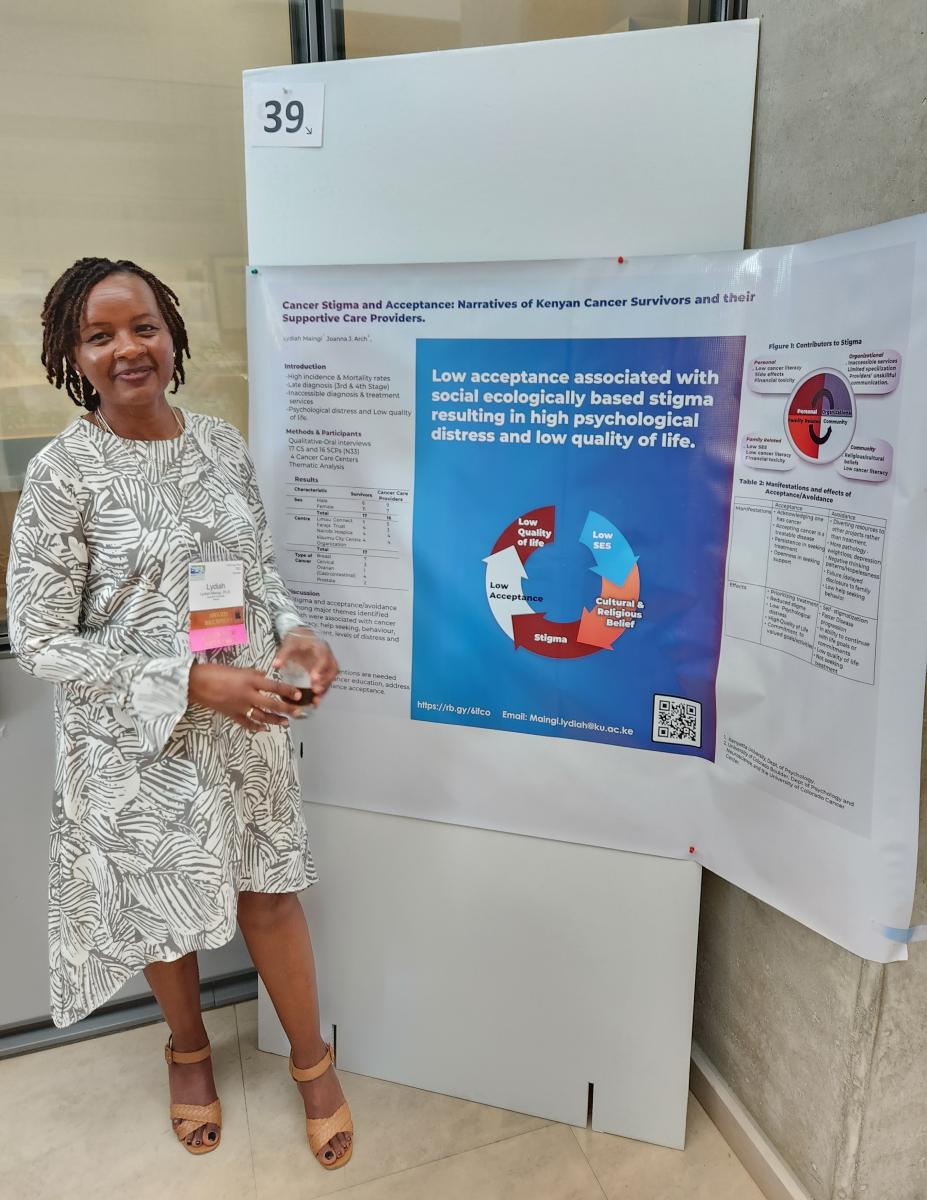
Eligible Developing Nations
Eligible Developing NationsDetermined using World Bank Country and Lending Groups data (including Low-Income Economies" or “Lower-Middle Income Economies” or “Upper-Middle Income Economies”) and IMF classifications for Developing Nations.
Albania
Algeria
American Samoa
Angola
Antigua and Barbuda
Argentina
Armenia
Azerbaijan
Bahamas
Bahrain
Bangladesh
Barbados
Belarus
Belize
Benin
Bhutan
Bolivia
Bosnia and Herzegovina
Botswana
Brazil
Bulgaria
Burkina Faso
Brunei Darussalam
Burundi
Cabo Verde
Cambodia
Cameroon
Central African Republic
Chad
Chile
China
Colombia
Comoros
Congo, Dem. Rep.
Congo, Rep.
Costa Rica
Cote d'Ivoire
Croatia
Cuba
Djibouti
Dominica
Dominican Republic
Ecuador
Egypt, Arab Rep.
El Salvador
Equatorial Guinea
Eritrea
Eswatini
Ethiopia
Fiji
Gabon
Gambia
Ghana
Grenada
Guatemala
Guinea
Guinea-Bissau
Guyana
Haiti
Honduras
Hungary
India
Indonesia
Iran, Islamic Rep.
Iraq
Jamaica
Jordan
Kazakhstan
Kenya
Kiribati
Korea, Dem. People's Rep
Kosovo
Kuwait
Kyrgyz Republic
Lao PDR
Lebanon
Lesotho
Liberia
Libya
Madagascar
Malawi
Malaysia
Mali
Maldives
Marshall Islands
Mauritania
Mauritius
Mexico
Micronesia, Fed. Sts.
Moldova
Mongolia
Montenegro
Morocco
Mozambique
Myanmar
Namibia
Nauru
Nepal
Nicaragua
Niger
Nigeria
North Macedonia
Oman
Pakistan
Panama
Papua New Guinea
Paraguay
Peru
Philippines
Qatar
Romania
Russian Federation
Rwanda
Samoa
Sao Tome and Principe
Saudi Arabia
Senegal
Serbia
Seychelles
Sierra Leone
Solomon Islands
Somalia
South Africa
South Sudan
Sri Lanka
St. Kitts and Nevis
St. Lucia
St. Vincent and the Grenadines
Sudan
Suriname
Syrian Arab Republic
Tajikistan
Tanzania
Thailand
Timor-Leste
Togo
Tonga
Trinidad and Tobago
Tunisia
Türkiye
Turkmenistan
Tuvalu
Uganda
Ukraine
United Arab Emirates
Uruguay
Uzbekistan
Vanuatu
Venezuela, RB
Vietnam
West Bank and Gaza
Yemen, Rep.
Zambia
Zimbabwe
Diversity, Equity and Inclusion World Conference Scholars
Diversity, Equity and Inclusion World Conference ScholarsThe Diversity, Equity, and Inclusion (DEI) Committee is aiming to bring increased diversity to our annual conferences by providing funds for individuals who come from diverse backgrounds and who would not be able to attend an ACBS conference without this added financial support. Both trainees and professionals are eligible. Please note that this is a separate scholarship from the Developing Nations Fund.
We need your help! If you're able, please consider donating to the Diversity, Equity, and Inclusion Committee Fund here. Every Dollar/Euro/Yen/Peso/Farthing helps!
Requirements:
To be eligible for these DEI World Conference Scholarships, applicants must complete an application detailing their motivations to attend the conference, as well as a plan for how to use the knowledge and resources gained at the conference in the pursuit of their careers.
The available scholarships include conference fee waivers. In addition, some of the scholarships may include a small amount of funding to assist with travel costs (this amount will likely change or vary by scholar). If your scholarship includes funds to off-set some of the cost of your travel, the ACBS staff will provide reimbursement of the awarded amount at the conference. The scholarship must be used in in the year awarded and can not be delayed to future years.
Priority will be given to applicants who come from a diverse background, who have not attended an ACBS World Conference before, who demonstrate financial need in order to be able to attend, and who live in countries near the region where the conference is taking place.
Scholarship recipients will be required to submit a written report of how they have utilized what they have learned or connections they have made during the ACBS conference within 6 months following the conference. (Please click on an Award Recipient's name to read their activity report.)
Submission Deadline: The deadline for submissions is February 1st by 11:59pm Eastern Daylight Time (EDT). No submissions will be allowed after the deadline. Incomplete submissions will be disqualified. Notifications of scholarship recipients will be made via email.
Award Recipients:
ACBS World Conference 2024, Buenos Aires, Argentina
Sara Cristina Robayo Perez, Colombia
Ana Katarine Dos Santos Silva, Brazil
Raphaela Stürmer, Brazil
ACBS World Conference 2023 - Nicosia, Cyprus
Annie Chen, Georgia, USA - Unable to attend
Devin Guthrie, Texas, USA
Nickolas Harman, Ontario, Canada
Melody Sylvain, Abu Zaby, UAE
ACBS World Conference 2022 - San Francisco, USA
Ela Ari, Istanbul, Türkiye
Dottie Beck, California, USA
Luana Karina Pereira, Bahia, Brazil
Michael Robinson, California, USA
Steven Tran, California, USA
2021 Virtual World Conference
Bianca Augustine, Norfolk, VA, USA
Tanya Bankston, Eastpointe, MI, USA
Shatangela Gibbs, Southfield, MI, USA
William Hwang, Milwaukie, OR, USA
Deirdre James, Houston, TX, USA
Melody Sylvain, Abu Dhabi, UAE
ACBS World Conference 2020 ONLINE
Desmond Bull, Lanham, MD, USA
Sandi James, Malaysia
Fady Safwat, Egypt (planning to attend a future conference)
Nguyen Tran, Seattle, WA, USA
2019 ACBS World Conference 17 - Dublin, Ireland
Laís Nicolodi, Brazil
Taslim Tharani, United Kingdom
Jan Topczewski, Poland
2018 ACBS World Conference 16 - Montréal, Canada
Gillian Grannum, Ephrata, PA
Margaret McLauchlan, Blenheim, ON, Canada - Unable to Attend
Emily Munoz, Corpus Christi, TX
Paola Ricardo, Parlin, NJ
2017 ACBS World Conference 15 - Seville, Spain
2016 ACBS World Conference 14 - Seattle, USA
Jamila Zuqayed, Riverside, CA
2015 ACBS World Conference 13 - Berlin, Germany
2017 ACBS Diversity Committee Scholars
2017 ACBS Diversity Committee Scholars CommunityFrance Dissemination Activities 2017
France Dissemination Activities 2017Lea Stephany, France
Could you please tell us a little about you and your background?:
My name is Lea Stephany, I am a first-year Master student in Psychology at the University Toulouse 2 Jean Jaurès. Since the beginning of high school, I have been interested in behavioural science and wished to pursue my studies in a subject related to that field. Later on as I chose psychology, the lack of information and lessons about other behavioural sciences in the undergraduate years pushed me to read a lot on my own, and to start an independent learning on subjects such as linguistics, cognitive and behavioural therapies for instance. As I went through my Erasmus exchange in Turkey, I had become a fervent defender of CBT. But throughout this exchange, I met many people from diverse backgrounds, and I went through a period of questioning and rethinking. I became aware of certain flaws in the traditional CB approach, and became interested in mindfulness, metaphors, and acceptance. I started once again an independent learning on these subjects, and as I came back to France to carry on with my first year of Master, I had the opportunity to work on the study of a Mindfulness Acceptance and Commitment Based Group Therapy. Throughout my curriculum I had the opportunity to study in 3 different universities. I spent my first undergraduate year at the university of Strasbourg (France) and then moved to Toulouse (France) where I was selected in third year to go on an exchange program to Izmir (Turkey). Being able to study in different universities was of great benefit for my personal experience, as the professors often approached common psychology subjects from a different perspective. Some of the courses that I attended at Yasar University in Izmir even came in profound contradiction with my own assumptions. Facing divergence in basic opinions pushes me to question myself, and these divergences are often the motor of my reflexion.
How did you become interested in CBS?:
I think I always was interested in CBS! Since my early teenage years, I was interested in language and its effect on people as well as brain processes, behaviours and so on. Many questions that I asked myself about the impact of bilingualism, voice hearing processes, the use of metaphors through literature, music in our heads etc…, motivated me to make researches on my own, and the more I learned, the more I wanted to know! Many of these questions, that stayed with me along the years, were partly answered by the study of the Relational Frame Theory. I now believe that RFT is a major psychological theory that allows us to explain numerous human behaviours, and that its contribution to a better understanding of human functioning is only starting.
Could you tell us about your research and application interests?:
Throughout the past year, I worked on a research project which aimed to compare two groups of patients struggling with anxiety syndromes. We compared the evolution of the symptoms as well as the changes in the psychological flexibility at post-therapy and at long term. The results were very interesting, as we discovered that patients who took part in the therapy up to 4 years before, and who continued practicing the exercises and the techniques taught in the therapy, saw their psychological flexibility increase even after the therapy. Even though the group was small, it was great to come up with positive results allowing us to take into account the importance of follow up sessions and of the weekly practise of the exercises. As for my application interest, I wish to be accepted in the University of Grenoble, which hosts a Master’s degree specialised in third waves psychotherapies. And after the acquisition of my M.A., I aim to carry out abroad internship’s to perfect my practical experiences.
Could you tell us about your experience at the World Conference this year?:
Going to Seville in June was a completely unique experience. After working on ACT and RFT for only a year, being suddenly propelled in this bright environment was more than I could ever hope. I was able to assist to workshops wonderfully presented, to meet open minded, diverse and kind people, to express myself freely, question, and be answered, and most of all, I felt fully welcomed in the ACBS community, even though I had begun only shortly.
Was there anything that stood out to you about the CBS community?:
Yes. The main thing that stood up for me was the total rupture with the conventional hierarchical system. As a student, only recently discovering the professional world, it seems to me that French society has profound roots in the respect and courtesy due to higher ups, and depending on your social and economic status, a set of implicit rules are meant to be followed. If my first experience with the ACBS community was so unforgettable, it may be thanks to the open and horizontal relations that took place in the World Conference. Being able to step up to anyone, say hello and introduce myself, no matter one’s reputation, amazed me and enabled me to gain confidence in myself.
What will you be taking back from your experience that might be helpful to you?:
Besides the great deal of unvaluable knowledge acquired by attending the conferences and workshops, I came back to Toulouse with the deep motivation of pursuing my studies on ACT and RFT. The encounter with professionals coming from all over the world, who shared with me their practises and experiences, reinforced my will to learn more, practise and exchange on ACT. I also came back with a huge list of books and articles to read, websites to explore, and podcasts to listen! I am now as motivated as ever to continue on this path, and proof at hand: I will be going to an ACT workshop in Lyon in mid-October !
Do you have anything else that you would like to share with the community?:
I am more than thankful to have been given this opportunity, and hope that many other students will benefit from the diversity scholarship. I can only thank the whole ACBS community for providing me with these unforgettable memories, and hope the amazing community spirit stays on trend!
Are you wondering how you can help to disseminate CBS in the developing world through scholarship opportunities like this? Please consider donating to the Diversity, Equity and Inclusion Fund via Paypal by using the button below. Your donation will help us continue to bring increased diversity to our annual conferences by providing funds for individuals who come from diverse backgrounds and who would not be able to attend an ACBS conference without this added financial support.
Every dollar/euro/yen goes to helping those in need -- not a nickel goes to administration. Money collected for this fund is distributed by an ACBS Diversity, Equity and Inclusion committee. Scholarships are awarded based on need and merit.
Please note that this contribution does not qualify as a tax-deductible charitable contribution, according to USA tax law ... but it's a nice thing to do.
New Zealand Dissemination Activities 2017
New Zealand Dissemination Activities 2017Claire Turner, New Zealand
Could you please tell us a little about you and your background?:
I grew up in Auckland, New Zealand. Aspects of my childhood were very difficult, and led to psychological difficulties. These impacted my relationships, my studies, and my quality of life. I am slowly making my way through an undergraduate degree in psychology at the University of Auckland, while focusing on my recovery. I aim to become a clinical psychologist in the future.
How did you become interested in CBS?:
I was first introduced to contextual behavioural science through participating in individual and group Acceptance Commitment Therapy. I found adopting a curious, open and compassionate stance to my difficult experiences to be transformative. I was drawn to ACT’s non-pathologizing and pragmatic approach, and its emphasis on values based living.
Could you tell us about your research and application interests?:
Currently I am interested in RFT as a clinical intervention. I am also interested in applying a phenomenological approach to mental distress, and in the peer movement and peer co-development of research projects.
Could you tell us about your experience at the World Conference this year?:
This was my first world conference. It was interesting, engaging and valuable. I met with and talked to others pursuing values-based lives, and felt reassured and encouraged. One highlight was presenting about my lived experience in an ACT for groups and ACT for acute experiences symposium. Another was witnessing challenging and honest roleplays. There was a great mix of intellectual and emotive material, and didactic and partner work. In bringing memories of the World Con to mind, I feel very grateful for my experiences, and encouraged in both my personal and professional journey.
Was there anything that stood out to you about the CBS community?:
On a social outing, I witnessed a community member cry at the beauty of the Seville Cathedral. His bravery in sitting with and expressing his emotion was very inspiring, and encapsulates, I believe, the essence of the ACBS community. I talked to people who were not just talking the talk, but were walking the walk. Their humanness and pursuit of values directed living, particularly honesty and authenticity, bring a lightness to my heart.
When I think of the CBS community, I am reminded of the quote, “who are you when nobody is watching?” To act in a values consist way honours not only others, but myself, and as I learn the importance of this, I keep in mind the thousands of others throughout the world sharing not only my interests but the values underlying the pursuit of these interests.
What will you be taking back from your experience that might be helpful to you?:
In attending the World Conference, I clarified what I most valued and found important to me. I was able to put my current difficulties around completing my university degree into a wider perspective, and investigate how, in small ways, I can live out my values in my daily life.
Since the conference I have been learning to slow down, to use patience, and to trust in my journey and that I will return to university to finish my degree when I am well enough.
The opportunity to view presentations and also to present to others has encouraged me to spread the word about ACT in my local community. Since arriving home I have presented a workshop on ACT to a group of peer support workers. I have represented the health consumer perspective on a digital health strategy in New Zealand, and on the issues of housing and employment for mental health service users. I have submitted an application to consult on issues for consumers within inpatient wards.
Do you have anything else that you would like to share with the community?:
Thank you, most sincerely, for the opportunity to learn at the World Conference. Thank you to those who donated to the diversity scholarship fund, and thank you to those that I talked with. Seville 2017 was and is very important to me.
Are you wondering how you can help to disseminate CBS in the developing world through scholarship opportunities like this? Please consider donating to the Diversity, Equity and Inclusion Fund via Paypal by using the button below. Your donation will help us continue to bring increased diversity to our annual conferences by providing funds for individuals who come from diverse backgrounds and who would not be able to attend an ACBS conference without this added financial support.
Every dollar/euro/yen goes to helping those in need -- not a nickel goes to administration. Money collected for this fund is distributed by an ACBS Diversity, Equity and Inclusion committee. Scholarships are awarded based on need and merit.
Please note that this contribution does not qualify as a tax-deductible charitable contribution, according to USA tax law ... but it's a nice thing to do.
New Zealand Dissemination Activities
New Zealand Dissemination ActivitiesSara Runga, New Zealand
Could you please tell us a little about you and your background?:
Kia ora! My name is Sara, I am of indigenous Māori decent, and I come from New Zealand! I am currently undertaking my thesis for the degree of Master of Applied Psychology in Behaviour Analysis (MAppPsy-BA) at The University of Waikato. My decision to journey into postgraduate studies stemmed from my personal experience battling a mental health illness. I understand that times such as these can be extremely tough for individuals and their loved ones, and I want to be able to provide these people with the tools they need to lead healthy and rewarding lives.
How did you become interested in CBS?:
I was introduced to CBS during the first year of my masters program in 2016. ACT seemed like a natural extension to the behaviour analytic work I had started becoming passionate about! I was excited to come across an approach that felt like something I could, and have been, applying to my own life! One of the many things I love about ACT, is that it incorporates a holistic approach to achieving health and wellbeing, thus aligning with indigenous Māori frameworks of health.
Could you tell us about your research and application interests?:
I am interested in the application of ACT to health-related issues such as obesity, particularly for indigenous populations. In New Zealand, we have extremely high rates of obesity amongst our indigenous Māori and Pasifika communities, and I am interested in adapting ACT principles to weight loss methods.
Could you tell us about your experience at the World Conference this year?:
My experience at the World Conference this year was beyond amazing! The environment facilitated my learning in ways that I hadn’t expected! I particularly enjoyed the practical workshops that incorporated role play exercises as they provided ideas for integrating the ACT matrix into practice.
Was there anything that stood out to you about the CBS community?:
One thing that I find really inspiring about the CBS community is that we share the same values. It’s as though we all have a common purpose, and it goes beyond our work into our everyday lives. Everyone I met was genuinely supportive and caring of one another, and I just love that!
What will you be taking back from your experience that might be helpful to you?:
Attending this conference has been such a rewarding experience and it is really difficult to pinpoint one exact moment that has been helpful because the truth is, the whole experience was totally invaluable! Receiving this scholarship gave me the opportunity to connect with fellow students, researchers, and practitioners from across the world, whom of which I would never had met had I not been in attendance! Listening to the presentations of the many world renowned researchers at the conference was awe-inspiring, and allowed me to attain skills and knowledge that I can take forward into my research pursuits, employment, community volunteering, and my own life!
Do you have anything else that you would like to share with the community?:
Thank you to the diversity committee for choosing me as a recipient of this scholarship! I am incredibly grateful for the experiences I had, and the people I met as a result of attending the conference! Also, a big thank you to those who contributed to the diversity fund, without your support, I would not have made it here and attending the world conference has truly made a difference to my work, my education, and my life!
Are you wondering how you can help to disseminate CBS in the developing world through scholarship opportunities like this? Please consider donating to the Diversity, Equity and Inclusion Fund via Paypal by using the button below. Your donation will help us continue to bring increased diversity to our annual conferences by providing funds for individuals who come from diverse backgrounds and who would not be able to attend an ACBS conference without this added financial support.
Every dollar/euro/yen goes to helping those in need -- not a nickel goes to administration. Money collected for this fund is distributed by an ACBS Diversity, Equity and Inclusion committee. Scholarships are awarded based on need and merit.
Please note that this contribution does not qualify as a tax-deductible charitable contribution, according to USA tax law ... but it's a nice thing to do.
2018 ACBS Diversity Committee Scholars
2018 ACBS Diversity Committee Scholars office_1New Jersey Dissemination Activities 2018
New Jersey Dissemination Activities 2018Paola Ricardo, New Jersey
Could you please tell us a little about you and your background?
My name is Paola and I am currently a third-year doctoral student pursuing a combined degree in Clinical and School Psychology at Kean University. I am Colombian born and migrated to the U.S. in my teens. While this transition was not easy at the time, I can now say that I am grateful that my parents made the difficult decision to uproot our family, so we could pursue new opportunities. My experience as an immigrant who has been able to navigate two different cultural experiences has informed my desire to pursue a higher degree and to support the work with underserved populations, as in my experience psychological treatment is not as widely available as it should be. I also happen to be a student who returned to graduate school after having worked six years in the mental health field and though I wish I would have started graduate school sooner, this experience has truly enriched my graduate school experience.
How did you become interested in CBS?
Prior to pursuing a graduate degree, I had become a yoga teacher and a meditator. The value that I found in acceptance and contemplative practices through my own experience colored the lens through which I saw the human experience. When searching for graduate programs, I realized how important it was for me to find a training program where I could incorporate these interests and where this kind of work would be supported. In addition, having worked with teenage girls experiencing behavioral difficulties prior to graduate school, shaped the way I conceptualized mental health challenges and it peaked my interest in learning about behavioral science. In finding Kean University, I found mentors that could support my work and interests and who introduced me to contextual behavioral science and ACT.
Could you tell us about your research and application interests?
My research interests are found in the intersection where mental health and the development or maintenance of chronic health difficulties meet. At this time, I am especially interested in how our relationship with food can influence chronic health difficulties that occur as a result of poor lifestyle choices. I am especially interested in the use of acceptance-based practices, yoga, and meditation as a means of cultivating behavioral changes that can lead to changes in lifestyle.
Could you tell us about your experience at the World Conference this year?
2018 was my first year at ACBS World Conference as I culminated my second year of graduate school. I had the opportunity to meet a number of wonderful people who were truly open to share knowledge, useful information, and who wanted to ensure I ventured to meet others within a community that prides itself in its generosity and willingness to share. In signing up as an ambasadee through the ambassador and ambasadee program, I met Grant Dewar, a health psychologist who introduced me to a number of people and who encouraged me to talk to participants of diverse interests while sharing with me what is like to be a health psychologist. I especially remember meeting for lunch with the Diversity Equity and Inclusion Committee, the committee that facilitated and made possible my participation at ACBS world conference. Its members were as generous, open, and easy going as I thought they would be based on my virtual interactions with them and what my experience at ACBS world con had shown me so far. Given my experience with them and my shared interests with the committee’s mission, I asked whether it would be possible to join as a student member. Luckily for me it was.
Was there anything that stood out to you about the CBS community?
Yes, I think their desire to share and cultivate a community that pursues shared values. In my interactions with those who have been part of this community for some time, I noticed that there was a desire to make me feel like part of this community. There did not seem to be a hierarchy which is something I truly appreciated as a student.
What did you take back from your experience that has been helpful to you?
Besides learning from the valuable workshops and presentations, I was able to learn more about the community and its values. Attending the conference also increased my confidence as an ACT practitioner, leading me to take on the opportunity to co-lead a workshop with one of my mentors while presenting to experienced practicing licensed psychologists.
Do you have anything else that you would like to share with the community?
Yes, I want to express my gratitude to the Diversity, Equity, and Inclusion Committee and its members for the valuable work they perform. Because of them I was able to engage in the enriching experience of presenting at ACBS World Conference and today I get the opportunity to learn from a diverse group of professionals through my participation as a student member in the committee. I also want to extend my gratitude to those who make this scholarship possible through their donations and for giving developing professionals the opportunity to bring their work to this valuable space.
Are you wondering how you can help to disseminate CBS in the developing world through scholarship opportunities like this? Please consider donating to the Diversity, Equity and Inclusion Fund via Paypal by using the button below. Your donation will help us continue to bring increased diversity to our annual conferences by providing funds for individuals who come from diverse backgrounds and who would not be able to attend an ACBS conference without this added financial support.
Every dollar/euro/yen goes to helping those in need -- not a nickel goes to administration. Money collected for this fund is distributed by an ACBS Diversity, Equity and Inclusion committee. Scholarships are awarded based on need and merit.
Please note that this contribution does not qualify as a tax-deductible charitable contribution, according to USA tax law ... but it's a nice thing to do.
Pennsylvania Dissemination Activities 2018
Pennsylvania Dissemination Activities 2018Gilliam Grannum, Pennsylvania
Could you please tell us a little about you and your background?
My name is Gillian Grannum and I am a clinical psychologist from Philadelphia, Pennsylvania, U.S. I am newly licensed in Pennsylvania and am pursuing my license in California. I completed my masters and doctoral degrees at Fuller Graduate School of Psychology in Pasadena, CA. Currently, I am living in a small town in east-central Pennsylvania and am providing individual and group therapy within a large behavioral health organization.
How did you become interested in CBS?
I was introduced to contextual behavioral science by way of instruction in acceptance and commitment therapy in my graduate program. I was drawn to ACT because it honors the person’s experience by recognizing the universality of these human experiences but remaining focused on how a particular individual can navigate the inevitable emotional pain of life. As one who has studied theology and is interested in spirituality, I also really appreciated how ACT draws from wisdom and spiritual traditions in incorporating forgiveness, acceptance, peace, openness, equality, and mindfulness. I was able to incorporate ACT in my clinical work during my internship and postdoctoral residency, and was fortunate to have a postdoctoral supervisor whose primary treatment approach was acceptance and commitment therapy. However, aside from ACT, I had relatively little exposure to contextual behavioral science more broadly until the ACBS World Conference.
Could you tell us about your research and application interests?
Contextual behavioral science principles have been central tenets in my clinical work. One area of growing specialty is with clients from racial/ethnic, gender, and sexual minority backgrounds, and I am increasingly concerned about the current political climate within the U.S. and the vulnerability of those from disempowered communities. I do believe that ACT’s principles of respect of one’s experience, concern about one’s values, and acknowledgement of the reality of pain and suffering – all of which are often minimized, challenged, and denied by the larger society in the lives of marginalized peoples – are crucial to allow me to provide care that truly honors my clients and their experiences. With regard to research interests, my doctoral graduating class included seven African American women and we have remained personally and professionally connected via an informal network. The principles of acceptance and commitment have been key components of the foundation that has contributed to our continued growth and development, and I am excited about opportunities to share our experiences with broader research and clinical communities. We will be leading a symposium at the American Psychological Association convention this year on how our “Sister Circle” approach to social networks has contributed to our own professional development and selfcare, and much of my contribution to our presentation has been influenced by values-based work within the context of community, which I experienced firsthand this year at the ACBS conference. I am also exploring opportunities for community education and dissemination of research in the context of spirituality and mental health; to that end, I will be presenting on issues of emotional health to people of faith in the Los Angeles area this spring.
Could you tell us about your experience at the World Conference this year?
I found the World Conference to be intellectually stimulating, personally refreshing, and incredibly rewarding. The broad range of topics and rich content was initially overwhelming and vastly exceeded my expectations. One of my goals in attending the conference was to find “my tribe,” clinically speaking, and, by the end of the first day, I definitely felt that I was surrounded by like-minded people. It was extremely helpful to participate in experiential workshops where the instructors were not only teaching skills to use with clients, but were modeling generosity, vulnerability, courage, and acceptance with every exercise and role play. I felt very welcome by the Diversity Committee and its co-chairs, and am happy to now be working with the committee in promoting issues of diversity, equity, and inclusion for ACBS.
Was there anything that stood out to you about the CBS community?
Although I attended the conference alone and did not know anyone when I first arrived, I was immediately struck with the sense of community that infused the World Conference. The feeling of openness and welcome was a pleasant surprise, and it was easy to meet people and form connections. It is a cliché to say that learning should be fun, but unfortunately, in far too many settings, there seems to be an assumption that having fun is frivolous and unbecoming and that there is little room for individuality, creativity, subjectivity, or expressiveness in professional contexts. The CBS community certainly challenges that notion by making space for laughter, tears, vulnerability, challenge, and growth within a context of mutual respect and acceptance.
What did you take back from your experience that has been helpful to you?
The biggest challenge I faced throughout the conference was constantly weighing my desire to obtain information that could be helpful for my colleagues, peers, and trainees at my job against my hunger to engage with presentations and workshops that resonated with me and addressed my own professional and personal needs. Ultimately, I came to understand that much of what was personally appealing to me would also benefit others, because it tended to center around living into and out of one’s values. Although at times I wish I could have cloned myself to be able to attend several workshops at once in order to be exposed to cutting-edge research, learn new clinical techniques, and be guided by the wisdom of masters in the field, I was continually reminded that the effectiveness of the work that I hope to do is not predicated on my knowing as much as I can, but on my accepting my capabilities and my limitations as I open myself to a life of authenticity and wholeness.
Do you have anything else that you would like to share with the community?
I’m very grateful to the entire ACBS community and Diversity Committee for providing this opportunity and hope to continue my involvement with ACBS for years to come.
Are you wondering how you can help to disseminate CBS in the developing world through scholarship opportunities like this? Please consider donating to the Diversity, Equity and Inclusion Fund via Paypal by using the button below. Your donation will help us continue to bring increased diversity to our annual conferences by providing funds for individuals who come from diverse backgrounds and who would not be able to attend an ACBS conference without this added financial support.
Every dollar/euro/yen goes to helping those in need -- not a nickel goes to administration. Money collected for this fund is distributed by an ACBS Diversity, Equity and Inclusion committee. Scholarships are awarded based on need and merit.
Please note that this contribution does not qualify as a tax-deductible charitable contribution, according to USA tax law ... but it's a nice thing to do.
Texas Dissemination Activities 2018
Texas Dissemination Activities 2018Emily Munoz, Texas
Could you please tell us a little about you and your background?
My name is Emily Munoz and I am from Corpus Christi, TX! I’ve recently completed a M.A. in Clinical Psychology from Texas A&M University - Corpus Christi. I currently work for a non-profit organization that provides services to victims of intimate partner violence and I continue to be involved in research at TAMUCC. I hope to pursue a Ph.D. in Clinical Psychology in the near future.
How did you become interested in CBS?
I became interested in CBS after being exposed to Acceptance and Commitment Therapy in a class. I found ACT really interesting, and a natural extension of my developing interest in behavioral approaches to psychological difficulties. I eventually joined a research lab that focused on social intimacy, as well as Functional Analytic Psychotherapy, which gave me the opportunity to learn more about CBS.
Could you tell us about your research and application interests?
I am interested in the application of CBS to the area of interpersonal violence, particularly sexual violence and dating/domestic violence.
Could you tell us about your experience at the World Conference this year?
I had a great experience at the World Conference! This was my first time attending and presenting at an international conference and I left feeling very inspired by the community, and the work that I was exposed to there.
Was there anything that stood out to you about the CBS community?
One thing that stood out to me about the CBS community was how supportive and friendly everyone was. I also really enjoyed the panel discussions on the #metoo movement and Women in CBS. I thought it was really great that the conference provided a space to discuss social issues and how these issues impact the work that we do.
What did you take back from your experience that has been helpful to you?
Something that I have taken with me from my experience at ACBS actually came from Dr. Lisa Coyne’s plenary talk. She encouraged the audience to accept the fear and uncertainty we often face as clinicians and scientists. I believe she said, “what if we stepped into the magnitude of the problem - into the uncertainty - into the vulnerability to see what is possible.” This was particularly impactful for me both personally and professionally, and it’s something that I think about often as I move forward in my career.
Do you have anything else that you would like to share with the community?
Thank you to the Diversity Committee for selecting me for this scholarship!
Are you wondering how you can help to disseminate CBS in the developing world through scholarship opportunities like this? Please consider donating to the Diversity, Equity and Inclusion Fund via Paypal by using the button below. Your donation will help us continue to bring increased diversity to our annual conferences by providing funds for individuals who come from diverse backgrounds and who would not be able to attend an ACBS conference without this added financial support.
Every dollar/euro/yen goes to helping those in need -- not a nickel goes to administration. Money collected for this fund is distributed by an ACBS Diversity, Equity and Inclusion committee. Scholarships are awarded based on need and merit.
Please note that this contribution does not qualify as a tax-deductible charitable contribution, according to USA tax law ... but it's a nice thing to do.
2019 ACBS Diversity, Equity and Inclusion Scholars
2019 ACBS Diversity, Equity and Inclusion ScholarsBrazil Dissemination Activities 2019
Brazil Dissemination Activities 2019Laís Nicolodi, Brazil
Could you please tell us a little about you and your background?
My name is Laís Nicolodi, I’m Brazilian and I live in the city of São Paulo. I’m currently a Master’s Degree student at University of São Paulo in the field of Behavioral Science and Feminism Issues, and my main object of study are the effects of how a patriarchal culture can influence in society as well, such as the power imbalance between men and women in general. I’m also a clinical psychologist in São Paulo, working especially with women issues and LGBT community.
How did you become interested in CBS?
I’ve started to learn more about the CBS when I was an undergraduate student of psychology. Since I’ve started to become more involved with the Brazilian community of ACBS, I had the opportunity to discuss with great people how could we add efforts to think of a way to promote welfare of political minorities in our environment, especially as clinical psychologists professionals. I’ve had clinical supervisors that were experts in FAP, and it was amazing to find out that there were already studies in the field of behavioral therapies that sought to consider gender and racial variables inside the relation between the patient and therapist.
Could you tell us about your research and application interests?
As a clinical psychologist committed with the values of Human Rights, especially considering the background where I’m inserted in (the Latin-American community of women) I believe that Behavioral Contextual Science, mainly Acceptance and Commitment Therapy, can contribute to develop therapeutic processes that contemplates the reality of vulnerable women who have suffered gender violence, in a sensitive and generous way, and that considers the social background of a structural racism and sexist social system.
Could you tell us about your experience at the World Conference this year?
The year of 2019 was the year of my first ACBS World Conference, and it was also my first International Conference of my entire life. I’m so grateful and honored to have had the opportunity to meet incredible people from all over the world. The conference had not just contributed to me in a professional way as a better psychologist, but also contributed to me in my personal development as a human being. Meeting Steven Hayes in person and having the opportunity to learn with him more about ACT was very inspiring and stimulating.
The ambassador and ambasadee program also made me feel very welcomed because I’ve met great women who were very friendly and welcoming with me, such as Holly Yates, Miranda and Temple Morris, and Mary Hughes. Everybody from the Diversity Equity and Inclusion Committee were amazing too, people like Lucia Loureiro helped me a lot to make me feel more included in the ACBS Conference. Also, the Women’s SIG and the Diversity Equity and Inclusion SIG provided me great opportunities for meeting people from different countries from all over the world, such as Poland and Hong Kong, and share our experiences in common as students with different backgrounds and who lived very far from there. It was very warming to find out the members of Latin America that were present there too, because it made me feel even more connected with the ACBS community. And finally, it was wonderful to meet all the Brazilian community who were present in the ACBS Conference, I would never been able to meet them inside Brazil if it wasn't for the Conference of this year.
Was there anything that stood out to you about the CBS community? I would like to highlight one of the best moments I’ve had in the ACBS Conference. The Janet Helms Plenary about Power Dynamics of White Racial Identity in Social Interactions was very potent and inspiring because of everything I believe in. I was positively surprised by CBS community for choosing such a great and inspiring professional such as Janet Helms for the plenary. It was great to feel that everybody in the audience were so open-minded to discuss about white privilege and power relations among society. It made me feel honored to be a part of a community that includes racial debates inside the context of psychology and contextual behavioral sciences.
What did you take back from your experience that has been helpful to you?
I could say that 100% of my entire experience in the Conference was very helpful to me. Considering my main values as a psychologist committed with political values that fights against violence against women and structural racism, I would say that the lessons I’ve learn in Janet Helms’s plenary I will carry with me in my practice as a psychologist for all time. The Steven Hayes’s lectures that I’ve participated in, as well, have also helped me a lot to improve my professional skills as an ACT therapist. Those were the 2 most helpful events for me during the conference because both of them were very aligned with everything I believe in, especially in my clinical application as a contextual behavioral therapist.
Do you have anything else that you would like to share with the community?
I would never been able to live all these great experiences if it wasn’t for the scholarship program developed by the Diversity Equity and Inclusion Committee. Thank you once more for everything you provided. And congratulations for the initiative, I hope even more students from all over the world from different background, especially political minorities, may have the same opportunities very soon.
Are you wondering how you can help to disseminate CBS in the developing world through scholarship opportunities like this? Please consider donating to the Diversity, Equity and Inclusion Fund via Paypal by using the button below. Your donation will help us continue to bring increased diversity to our annual conferences by providing funds for individuals who come from diverse backgrounds and who would not be able to attend an ACBS conference without this added financial support.
Every dollar/euro/yen goes to helping those in need -- not a nickel goes to administration. Money collected for this fund is distributed by an ACBS Diversity, Equity and Inclusion committee. Scholarships are awarded based on need and merit.
Please note that this contribution does not qualify as a tax-deductible charitable contribution, according to USA tax law ... but it's a nice thing to do.
Poland Dissemination Activities 2019
Poland Dissemination Activities 2019Jan Topczewski, Poland
Could you please tell us a little about you and your background?
My name is Jan Topczewski. I am a 1st year student of PhD programme in psychology at SWPS University of Social Sciences and Humanities in Warsaw, Poland. I’m also engaged in LGBTQ mental health activism - I work as acounsellor and training consultant in LGBTQ crisis hotline hosted by Lambda Warsaw Association. We are one of the very few organisations providing free mental health services (individual and group therapy, workshops, email counselling, crisis hotline) for gender and sexually diverse folks, and currently the only one doing it on a country-wide scale. We serve individuals who experienced extreme violence and abuse based on their sexual orientation and gender identity, “conversion therapy” survivors, LGBTQ minors or people coming from low socioeconomic background who cannot afford counselling with properly trained and culturally-sensitive clinicians.
How did you become interested in CBS?
In 2014, during my 1st year of BA in psychology, I attended Joe Oliver’s brief workshop on using ACT with people with unusual (psychotic) experiences. It was my first contact with Relational Frame Theory and concept of experiential avoidance. I found it really compelling, but I had not fully appreciated it until I started reading about CBS approach in general. For me pragmatic roots, depathologizing stance towards human suffering and sensitivity to social justice were especially important aspects. It turned out that combining scientific “precision, scope and depth” with deep social engagement is possible and people are already doing it. I knew I had to get on board.
Could you tell us about your research and application interests?
My PhD research project is focused on functional-contextual account of self/perspective taking difficulties in people coming from violent, invalidating environments (and commonly labeled as having “borderline personality disorder”). My hope is that recent developments in RFT will prove to be useful in understanding self(ing)-related challenges faced by people with such experiences.
As a practitioner, I’m very much interested in applying mindfulness and acceptance-based approaches to empower the LGBTQ community. Moreover, the intersection between critical psychology and contextual behavioral science is very relevant for my work. Every day I see how providing psychological support for individuals without addressing cultural practices contributing to "problems in living" is not enough. Hence, my interest is also in PROSOCIAL approach, the work of Bernard Guerin and in experimental communities inspired by B.F. Skinner’s Walden Two.
Could you tell us about your experience at the World Conference this year?
It was a period of intensive experiential learning. I was doing mainly RFT track and every day I had some "aha" moments. Entering new community without knowing almost anyone was very challenging, but it gave me the opportunity to talk and share with many people. There was a lot of "small things" that made a huge difference - smiles, meaningful conversations, acts of encouragement, tears, hugs. After six months, the memories are still vivid and heartwarming.
Was there anything that stood out to you about the CBS community?
Egalitarianism. People were approachable and warm regardless of their degree and profession. I felt the spirit of openness and cooperation instead of competition. Scientific culture shaped in such manner is absolutely unique.
What did you take back from your experience that has been helpful to you?
I refined my understanding of empirical and conceptual advances in RFT, which really helps me with my doctoral research. I also had the opportunity to take first steps towards collaboration with other CBS labs.
At the same time it was an important week for clinical skills building. Attending workshops such as “Process-based CBT, Sexual Orientation, and Gender Diversity” facilitated by Aisling Curtin, Matthew Skinta and lore dickey reoriented my development as a counsellor. During deeply moving real-play with Aisling, I remember thinking: “This is really how I want to work...”
Do you have anything else that you would like to share with the community?
I'd like to express my gratitude to DEI Committee and numerous donators. This experience wouldn't be possible without your hard work and support. Thank you!
Are you wondering how you can help to disseminate CBS in the developing world through scholarship opportunities like this? Please consider donating to the Diversity, Equity and Inclusion Fund via Paypal by using the button below. Your donation will help us continue to bring increased diversity to our annual conferences by providing funds for individuals who come from diverse backgrounds and who would not be able to attend an ACBS conference without this added financial support.
Every dollar/euro/yen goes to helping those in need -- not a nickel goes to administration. Money collected for this fund is distributed by an ACBS Diversity, Equity and Inclusion committee. Scholarships are awarded based on need and merit.
Please note that this contribution does not qualify as a tax-deductible charitable contribution, according to USA tax law ... but it's a nice thing to do.
2020 ACBS Diversity, Equity and Inclusion Scholars
2020 ACBS Diversity, Equity and Inclusion ScholarsLanham, Maryland (USA) Dissemination Activities 2020
Lanham, Maryland (USA) Dissemination Activities 2020Desmond Bull, Lanham, Maryland (USA)
Could you please tell us a little about you and your background?
I am Desmond Bull. I am originally from Sierra Leone, West Africa. I currently work as an ABA Therapist in Washington DC and Maryland. Being in the field for the last two years has been an eye-opener for understanding behavior and means to shape them. I like to spend my time researching ways to build my skills and learn new intervention techniques.
How did you become interested in CBS?
My interest in contextual behavior science stems from being in the field of behavior analysis and intervention.
Could you tell us about your research and application interests?
I am interested in researching more about ACT and how mindfulness can be therapeutic in certain situations. The concept has always intrigued me. I currently research and implement breathing and other mindfulness techniques in ABA, but ACT would be an interesting new path to research.
Could you tell us about your experience at the World Conference this year?
The conference in 2020 was like none other. It was initially scheduled to take place in New Orleans, but because of the covid 19 pandemic, it went virtual! Virtual, though somewhat limiting, provided opportunities for new learning and a different form of coming together. At the beginning, I had some issues with stable internet access. Once my internet struggles were over, I was able to participate in the conference fully. I listened to a variety of speakers as they went over several behavior shaping techniques. My personal favorite was the small breakout rooms. While it was an opportunity for more personal learning, it also provided us the chance to network and get to know other participants.
Was there anything that stood out to you about the CBS community?
The CBS community is particularly dedicated to impacting knowledge of contextual behavioral science in different forms. From the conference, the community projects a deep willingness to help interested individuals understand this concept. The community is full of professionals working in the field and they are willing to share their experience in a moment's notice. This is indeed the most noticeable part of the community - a community of professionals who understand the need to impact knowledge through their own experiences in the field.
What did you take back from your experience that has been helpful to you?
There have been a couple of meaningful takeaways I got from the conference. Unfortunately, from the onset of the Covid 19 pandemic, our work has been limited to online and limited in-person contact. The various sessions that taught us techniques to adjust certain behaviors and identifying triggers for them were particularly helpful. Being in the field and seeing some of the behaviors displayed on regular basis helped me put the speakers' words in better applicable contexts. Some of the strategies I learnt have been helpful in everything from de-escalating problematic behaviors to teaching alternative soothing behaviors to individuals. I look forward to having the opportunity to implement some of these techniques in a consistent manner when normalcy returns.
Are you wondering how you can help to disseminate CBS in the developing world through scholarship opportunities like this? Please consider donating to the Diversity, Equity and Inclusion Fund via Paypal by using the button below. Your donation will help us continue to bring increased diversity to our annual conferences by providing funds for individuals who come from diverse backgrounds and who would not be able to attend an ACBS conference without this added financial support.
Every dollar/euro/yen goes to helping those in need -- not a nickel goes to administration. Money collected for this fund is distributed by an ACBS Diversity, Equity and Inclusion committee. Scholarships are awarded based on need and merit.
Please note that this contribution does not qualify as a tax-deductible charitable contribution, according to USA tax law ... but it's a nice thing to do.
Malaysia Dissemination Activities 2020
Malaysia Dissemination Activities 2020Sandi James, Malaysia
Could you please tell us a little about you and your background?
My name is Sandi James. I am a registered Psychologist from Australia, currently living and working in Malaysia as a Senior Lecturer and Psycholgist in the Faculty of Medicine and Health Science, Univeristi Malaysia Sabah. I arrived in Sabah in 2014, and was recently able to return to accept a new contract for that position after living and working in the addiction field in Thailand for 2 years and spending most of 2020 stuck in the UK after the borders closed due to COVID-19 in March. I worked in public and private mental health services in Australia prior to coming to Sabah and am currently a PhD candidate with La Trobe Univeristy researching alcohol use in the Kadazan culture here in Sabah. I am also completing my certification for registration with the International Association for Eating Disorder Professionals (IAEDP).
How did you become interested in CBS?
I first came across ACT via Russ Harris and his book TheHappiness Trap. In my work I focus quite a lot of the words we use and the connections between words, feelings and actions. RFT fit nicely into this exploration and after looking into this further I was directed to the ACBS. Since that time I have joined, and been active in, a few SIGS and interest groups with a particular interest in LMIC and practice with diverse communities.
Could you tell us about your research and application interests?
Initially I planned to present research we have been doing looking at Ultra Brief Psychological Interventions, a protocol a colleaugue and I produced in 2017 to assist health service staff in Malaysia provide brief psychological interventions to patients they are seeing. Time restraints and workload has previously not enabled medical professionals and other health service staff to provide any interventions other than pharmacotherapy treatment.
Could you tell us about your experience at the World Conference this year?
I attended a number of sessions during the world conference and was most inspired by the range and diversity of the other particpants and presenters. My own personal circumstances throughout 2020 meant that I was unable to commit to the live sessions a lot of the time but when I did I found the speakers and presentations to be interesting and hopeful. I will attend again in 2021 in hopefully better circumstances for us all.
Was there anything that stood out to you about the CBS community?
The warmth, compassion and understanding of the CBS community is something that always stands out for me, and this was again evident throughout the conference.
What did you take back from your experience that has been helpful to you?
The thing that impacted me most was the level of passion and engagement within CBS community. This is the stand out feature for me and something that increased further during the conference.
Are you wondering how you can help to disseminate CBS in the developing world through scholarship opportunities like this? Please consider donating to the Diversity, Equity and Inclusion Fund via Paypal by using the button below. Your donation will help us continue to bring increased diversity to our annual conferences by providing funds for individuals who come from diverse backgrounds and who would not be able to attend an ACBS conference without this added financial support.
Every dollar/euro/yen goes to helping those in need -- not a nickel goes to administration. Money collected for this fund is distributed by an ACBS Diversity, Equity and Inclusion committee. Scholarships are awarded based on need and merit.
Please note that this contribution does not qualify as a tax-deductible charitable contribution, according to USA tax law ... but it's a nice thing to do.
Seattle, Washington (USA) Dissemination Activities 2020
Seattle, Washington (USA) Dissemination Activities 2020Nguyen Tran, Seattle, Washington (USA)
Could you please tell us a little about you and your background?
My name is Nguyen Tran. I am currently a Clinical Research Coordinator at Seattle Children’s Hospital. Professionally, I am helping a team of psychologists developing virtual behavioral parent training for children with ADHD. On the side, I am working on developing questionnaires to measure homophobia using ACT framework. I am a first-generation Vietnamese immigrant, person-of-color, and LGBTQ-identified ACT enthusiast. I am an aspired researcher and psychologist. My research interest is in equity and LGBTQ issues.
How did you become interested in CBS?
In 2015, I got my first job as a clinical case manager at a local non-profit, where I fell in love with clinical work and ACT. Since then, I’ve learned more about CBS. In 2017, I often attended the Washington Chapter meeting and it was then that I was introduced to Dr. Jonathan Kanter, who is mentoring me throughout my research journey/adventure. Dr. Kanter also gave me a book on FAP, which piqued my interest in CBS as a whole.
Could you tell us about your research and application interests?
As mentioned above, equity is an important value of mine. At the moment, Dr. Kanter and I are developing a new way to measure homophobia. In the future, I would like to contribute some more in using ACT in the LGBTQ+ community, as well as increasing access to care and decreasing stigma.
Could you tell us about your experience at the World Conference this year?
ACBS was the first World AND virtual conference that I attended. The experience was immensely positive. I was in awe listening to incredibly knowledgeable and passionate folks presenting their findings and experience. Two talks stood out to me the most, which was “Looking Back to Stay Ahead: Recasting ACT as Behavior Analysis” by Dr. Emily Sandoz and “Functional Analytic Psychotherapy (FAP) and the Soul of the Clinician: Cultivating the Sacred in Therapy and Beyond” by Dr. Mavis Tsai and Dr. Robert Kohlenberg. Dr. Sandoz’s talk stood out to me because she explained ACT in a way that was understandable to someone like me, who doesn’t have a clue about behavior analysis. Dr. Tsai and Kholenberg’s presentation solidifies and demonstrates what I know about FAP for the very first time.
I attended multiple SIG meetings, getting to know people from all around the world, and am now part of the leadership team of the Sexual Gender Minority SIG. These opportunities will never come across without the help of the DEI Scholarship.
Overall, the conference is an experiential exercise. I learned, laughed, and bonded with people who are staying up past midnight to attend a talk that interests them. I was assigned to a breakout room with folks from New Zealand, half a world away.
Was there anything that stood out to you about the CBS community?
It is not an understatement to say the CBS community is extraordinarily welcoming. I was also struck by how willing to help everyone was to me. As a proclaimed outsider, who is not a clinician or researcher, I entered the conference timid and unsure of what I have to say. But I was constantly supported and my voice was always uplifted when I speak.
What did you take back from your experience that has been helpful to you?
Everything I experienced had been helpful for me, both professionally and personally. I was able to connect with Dr. Skinta, who helped me with my LGBTQ project with Dr. Kanter. I was able to know and work with amazingly brilliant folks in the SGM SIG. I learned different research methods and ways to look at data differently, which now informs my research.
Do you have anything else that you would like to share with the community?
I am incredibly grateful that the community welcomes everyone with open arms, especially me. Without a doubt, I commit to pay this opportunity forward and I hope the organization will continue supporting new students and other non-traditional learners/CBS-enthusiasts in the future.
Are you wondering how you can help to disseminate CBS in the developing world through scholarship opportunities like this? Please consider donating to the Diversity, Equity and Inclusion Fund via Paypal by using the button below. Your donation will help us continue to bring increased diversity to our annual conferences by providing funds for individuals who come from diverse backgrounds and who would not be able to attend an ACBS conference without this added financial support.
Every dollar/euro/yen goes to helping those in need -- not a nickel goes to administration. Money collected for this fund is distributed by an ACBS Diversity, Equity and Inclusion committee. Scholarships are awarded based on need and merit.
Please note that this contribution does not qualify as a tax-deductible charitable contribution, according to USA tax law ... but it's a nice thing to do.
2021 ACBS Diversity, Equity and Inclusion Scholars
2021 ACBS Diversity, Equity and Inclusion Scholars office_1Abu Dhabi, UAE Dissemination Activities 2021
Abu Dhabi, UAE Dissemination Activities 2021Melody Sylvain, Abu Dhabi, UAE
Could you please tell us a little about you and your background?.jpg)
I am a BCBA and have 11 years of experience in the field. My clinical interests include strengthening psychological flexibility and working with children & adolescents on the autism spectrum.
How did you become interested in CBS?
ACT and RFT have been wonderful in terms of the contribution to my skills and knowledge as a professional. I believe that it is very important for behavior analysts to be more and more concerned with the application of ACT within our work.
Could you tell us about your research and application interests?
Adolescents and young adults with autism, conducting ACT functional analyses, supporting parents of individuals with autism, and using ACT in supervisory and mentoring relationships.
Could you tell us about your experience at the World Conference this year?
It was phenomenal. I learned a great deal and truly enjoyed presentations from Emily Sandoz, Tom Szabo, and Evelyn Gould.
Was there anything that stood out to you about the CBS community?
I enjoy the fact that the majority of the CBS community is open, vulnerable and exemplifies what it looks like to apply behavioral science to their own lives. I would like to see more diversity and representation among the
speakers and more people of color at the next conference.
What did you take back from your experience that has been helpful to you?
Clinical applications particularly from the interbehaviorism perspective.
Do you have anything else that you would like to share with the community?
No. Thank you very much for the opportunity to attend. I have truly enjoyed it.
Houston, TX (USA) Dissemination Activities 2021
Houston, TX (USA) Dissemination Activities 2021Deirdre James, Houston, TX, USA
Could you please tell us a little about you and your background?
Hello my name is Deirdre James and I am a Licensed Marriage and Family Therapist. I am originally from Philadelphia but I am currently practicing in Texas. I work full time in an academic setting and also provide therapy to clients in my private practice. I have spent some time working as a behavior therapist with children in multiple environments. I also enjoy working with people coping with trauma, grief, women's issues, couples, and individuals with anxiety and depression. I hope to continue to enhance my therapeutic skills to help as many people as possible manage the challenges of life.
How did you become interested in CBS?
I originally became interested in Contextual Behavioral Science through a professional therapist social media group. They introduced me to my first official Acceptance and Commitment Therapy training. In that group I joined a cohort and was able to learn more about the application of ACT with clients. The mentor group lead me to the ACBS website and suggested I attend the conference.
Could you tell us about your research and application interests?
I hope to write and publish a book about feelings for elementary students using ACT and RFT as a basis for the book. I would like to highlight release activities for children to see ways they can physically express their emotions appropriately. I am also interested in researching how ACT can be helpful with Perinatal mental health and grief.
Could you tell us about your experience at the World Conference this year?
I really enjoyed the conference. One of my favorite parts was the small interest group meetings that gave me the chance to talk to some leaders in the ACBS community. One of my favorite quotes was "Just because you said it once doesn’t mean you shouldn’t say it again. You don’t always need something new. Educate your clients to see. Keep repeating. Keep singing the same songs until the client sings along. Repetition is the mother of learning." I believe that has helped me grow as a therapist and know that sometimes you do have to encourage clients with the same information. Before I felt the need to always give them something new to try in fear of sounding like a broken record. It just gives me comfort in knowing that repetition is important. The meditation/yoga sessions were also a great addition to a virtual conference. It allowed me to get movement and stay engaged in the learning and community.
Was there anything that stood out to you about the CBS community?
The thing that stood out to me the most was how welcoming everyone was during the conference. People were willing to share resources to help further my knowledge of contextual behavioral science. There is an abundance of information in the CBS community. I look forward to continuing learning from the people I met and the resources they shared.
What did you take back from your experience that has been helpful to you?
I honestly learned more about Relational Frame Theory and contextualism. But one of the most helpful things I learned from the conference is to incorporate writing time into my sessions. I now prompt my clients to write letters of compassion to themselves when they find it difficult to be compassionate. I have facilitated multiple experiential exercises for clients to notice what they are feeling and to separate themselves from the feeling.
Do you have anything else that you would like to share with the community?
I really appreciate the opportunity to learn and grow from the conference and look forward to being a part of the community. I would love to volunteer in some capacity if there are opportunities available to do so.
Milwaukie, OR (USA) Dissemination Activities 2021
Milwaukie, OR (USA) Dissemination Activities 2021William Hwang, Milwaukie, OR, USA
Could you please tell us a little about you and your background?
I am a clinical psychologist practicing in the Portland Metro Area in Oregon. I received my Psy.D. degree in Clinical Psychology from the Graduate School of Professional Psychology at the University of Denver. Before my graduate school training, I worked at a behavioral health facility for at-risk children and adolescents in Leesburg, Virginia and spent some summers working as a camp counselor at a summer camp for children who needed extra help with emotional and behavioral challenges.
How did you become interested in CBS?
I was exposed to ACT, really for the first time, during my graduate school training at the University of Denver and was immediately drawn to it. In 2014, I attended the ACT bootcamp in Reno, Nevada (perhaps you were at the Eldorado too!) which furthered my interest in all things CBS. Afterwards, I continued to further my understanding of concepts like RFT and helped other students grasp these ideas as a graduate assistant for our program's ACT course. I have continued to utilize CBS throughout my work, primarily with individual clients in an outpatient setting.
Could you tell us about your research and application interests?
My interests lie predominantly in the application side of things as opposed to research - you would understand why if you viewed my grades in my past statistics courses. I am interested in helping people let go of limiting beliefs and living freer, fuller lives. CBS has been a wonderful organizing framework by which change has been possible both for the clients I work with as well as myself in being able to relate to ourselves with more kindness, courage, and confidence. I believe there is still a lot of work that can be done to help us humans, especially with nondominant identities, discover and defuse from the subconscious messages we have internalized about what society says we can and cannot be in this world. Values work in ACT has been extremely helpful in giving my clients the motivation to overcome stigma and self-doubt.
Could you tell us about your experience at the World Conference this year?
It was amazing to attend the World Conference this year and engage in workshops led by ACBS practitioners around the globe. The virtual nature of the conference allowed for access in a way that may have been prohibitive in another year due to travel limitations. I appreciated being able to get a more intimate glimpse into what life might be like for fellow ACBS members and presenters by seeing people in their personal milieu during the video conference meetings.
Was there anything that stood out to you about the CBS community?
I loved to see the CBS community's great sense of humor be showcased throughout this year's World Conference. It touched my heart and made me quite proud when multiple presenters paid homage to the native and indigenous peoples who have been displaced from the land on which the presenters' very institutions are situated. This spoke to how deeply embodied and enacted the values of diversity, equity, and inclusion are in the culture of ACBS. Lastly, it inspired me to see a multitude of mental health practitioners of different races, ethnicities, and other diverse backgrounds serving not only as attendees but as presenters. This sort of role modeling and representation is what has given me the confidence to become a psychologist myself and I imagine it means the world to other burgeoning therapists and researchers as well.
What did you take back from your experience that has been helpful to you?
These annual conferences help remind me of the reasons I chose this calling in the first place and help me connect to a shared cause bigger than myself or another one ACBS member. I learned so much this year from how we can experience guilt and do it anyway to the way to conceptualize attachment as a form of psychological inflexibility to how to gamify therapy. These ideas have been poignant ones that I have been able to incorporate into my subsequent work with clients.
Do you have anything else that you would like to share with the community?
Keep on changing and inspiring the world! Hope to see you next year!
Norfolk, VA (USA) Dissemination Activities 2021
Norfolk, VA (USA) Dissemination Activities 2021Bianca R. Augustine, Norfolk, VA, USA
Could you please tell us a little about you and your background?
I identify as a Black, French-Creole female, originally from a small town in the Acadian area of Louisiana, USA. Throughout my upbringing, I was often one of few, if not the only, person of color in many spaces that I occupied. This continued throughout college, my master’s program, my doctoral program, and now in my professional spheres. Additionally, I am a first-generation college student and recently completed my Ph.D. in Counselor Education and Supervision at a large university in Virginia, USA. Now that I have completed my studies, I work as a Resident in Counseling in Virginia, specializing in trauma and sex/sexuality concerns. ACT is my primary modality for treatment and has been beneficial in serving my clients, most of whom belong to minoritized populations. Additionally, I teach master's counseling courses for two universities in the USA as an adjunct professor. Sadly, many of the students I have taught were not familiar with ACT, nor other CBS modalities of counseling. It brings me so much joy to introduce ACT, CFT, and other CBS.
How did you become interested in CBS?
During my master's and Ph.D. programs, none of the faculty in my departments studied, researched, taught, or utilized ACT, leaving me to learn about this modality independently with limited mentorship. Fortunately, two of my peers in my master's program independently attended an ACT workshop, and shared their newfound knowledge with me. This ignited my interest and passion for ACT, fostering my exploration of ACT modalities, books, research, and trainings and later CFT!
Could you tell us about your research and application interests?
My clinical and research interests revolve around two broad areas- trauma and sex/sexuality concerns. More specifically, within the field of trauma counseling, I am especially interested in and specialize in traumas unique to individuals identifying within historically oppressed and minoritized populations, especially those identifying within the Black diaspora. I am also very passionate about and specialize in counseling sexology, or counseling issues related to sex, sexuality, and gender. I have found ACT very useful in helping my clients engage in valued living as a means to healing from and/or coping with trauma, including race-based traumas, while further developing their resilience. Similarly, ACT has been extremely beneficial in my work within the field of counseling sexology, as I aim to help clients identify and live within their sexuality-related values, defuse from uncomfortable thoughts and feelings, and live a fuller life!
Could you tell us about your experience at the World Conference this year?
My experience at the 2021 World Conference was nothing short of amazing! I attended numerous workshops that were very beneficial for my personal and professional growth. At this year's World Conference, I was also introduced to CFT!!
Was there anything that stood out to you about the CBS community?
An aspect of the CBS community that stands out the most to me is its dedication to social justice and multiculturalism. Of the multiple professional organizations I belong to and numerous conferences I have attended, CBS continues to not only discuss social justice and multiculturalism, but also puts these discussions into action.
What did you take back from your experience that has been helpful to you?
There were so many concepts and ideas I took back from the World Conference 2021! At this year's conference, I was exposed to CFT. As a result, I have begun integrating CFT into my clinical work and have begun teaching my master's counseling classes about it. Furthermore, the conference provided me with further information regarding the implementation of ACT that I have infused into my clinical work. Workshops I attended at the World Conference also strengthened my overall knowledge of and passion for ACT and provided me with valuable information that I was able to share with my students, mentees, and colleagues. Furthermore, workshops I attended inspired me to develop workshops/presentations on the use of ACT with the populations I am most passionate about, including individuals within the Black diaspora, those in romantic partnerships, and individuals identifying as affectionate or gender expansive.
Southfield, MI (USA) Dissemination Activities 2021
Southfield, MI (USA) Dissemination Activities 2021Shatangela Gibbs, Southfield, MI, USA
Could you please tell us a little about you and your background?
I am Shatangela Gibbs, I am currently work as a high school counselor and Psychotherapist in Michigan. I have been in the field for the last 3.5 years and it has been very rewarding as well as an educational journey.
How did you become interested in CBS?
I became interested in contextual behavior science after taking a training in ACT.
Could you tell us about your research and application interests?
I am interested in doing more research in ACT with women of color experiencing trauma. Learning how mindfulness could be implemented to assist with managing triggers.
Could you tell us about your experience at the World Conference this year?
My experience with the World Conference this year was very interesting. Once i figured things out it was exciting to participate in the different sessions and meeting other professionals from different parts of the world was refreshing and inspirational to a new clinician like myself.
Was there anything that stood out to you about the CBS community?
Diversity and the willingness of the professionals who participated in the conference to impart knowledge and to assist with connecting me to other professionals who had similar interest that could mentor me and help me to explore CBS much deeper than I had imagined.
What did you take back from your experience that has been helpful to you?
Learning about different techniques that can be used to assist clients with deescalation, understanding of self, and coping strategies that can be adaptive to any client. It was an overwhelming amount of knowledge and I am
grateful that I had this opportunity to connect with so many professionals.
2022 ACBS Diversity, Equity and Inclusion Scholars
2022 ACBS Diversity, Equity and Inclusion Scholars office_1Bahia, Brazil Dissemination Activities 2022
Bahia, Brazil Dissemination Activities 2022Luana Karina Pereira, Bahia, Brazil
Could you please tell us a little about you and your background?
I'm a black woman from Bahia, a state in Brazil, and I finished my bachelor in Psychology in 2017. In 2018 I started to work as a clinical psychologist, and while I was doing that, I started to notice that some people (as black and LGBTQ+ ones) didn't fit really well in cases I used to read in books or listen to at conferences. Because of that, I started to research about minorities and specially black people's subjectivity. Since then I study, write and talk about antiracist clinical practices in Behavior Analysis.
How did you become interested in CBS?
Since I was in my first year at the university I'm interested in Behavior Analysis, because it made sense for me since the first time I heard about Skinner's work and the way radical behaviorism understands the human behavior. After my first contact with the field I volunteered myself to help in conferences as a monitor, and my interest only grew. When I had contact with the Acceptance and Commitment Therapy it also made sense to me, because it gives to people hope and choice to be the person they want to be guided by their own values, I think that's beautiful. So when I discovered ACBS I knew it would be the perfect place to learn and improve my practice as psychologist (and as a person as well), and it's been a real pleasure to be part of this community.
Could you tell us about your research and application interests?
I'm interested in subjects related to minorities' mental health, as women, black people, LGBTQIA+ people, and the interseccionality of race, sexual orientation and gender. My research at this moment is focused on how Acceptance and Commitment Therapy and Functional Analytic Psychotherapy can help black people to face racism and improve their mental health.
Could you tell us about your experience at the World Conference this year?
It was an awesome experience for me. Firstly, because I was completely grateful for the opportunity to represent my country and my people there. Secondly, because it was my first ACBS Conference at all, and I couldn't be there if the ACBS team didn’t have a scholarship like this. Thirdly, because I could learn so much from every researcher and speaker that was there too! I never imagined that one day I would meet Mavis Tsai and Steven Hayes in person. They are my big references as clinical psychologist since the beginning of my career! It was a pleasure to meet them, meet other speakers I admire and be closer to people that have the same concerns as I do about how to implement diversity, equity and inclusion in our field.
Besides, I met many different people, from many different places, and everyone was very kind, receptive to me. It was new and funny to get emotional in some workshops (as Mavis' ones) with people I never saw in my life! This happened because I felt confortable to be open and experience everything, so once again, thanks to all ACBS team. It was also a great opportunity to be closer to the Brazil chapter of ACBS, and other Brazilian researchers that do really interesting works here in Brazil that I didn't know. Beyond the profesional side, I'm sure I can say I made friends there, and this is really valuable to me.
Was there anything that stood out to you about the CBS community?
In general, it was a great surprise seeing themes related to Diversity, Equity and Inclusion in many researchs and speeches. I didn't see this kind of discussion at CBS a few years ago, and now I can see many researchers doing important efforts to fix that gap. I want to highlight the plenary of Matthew Skinta about how CBS community needs to be engaged to eliminate prejudice, because this is our responsability too. It was also great to see some diverse people as speakers there, as Táhcita Mizael, Janini Vaidya, Rhonda Magee, etc. It's really important to have diverse people as speakers, because people like me can relate to them, and this inspires us to keep doing what we do, even knowing how hard it is.
What did you take back from your experience that has been helpful to you?
I came back to Brazil with the inspiration and desire to get closer to CBS community, because now I know that has a large space to research about Diversity, Equity and Inclusion on our field. It was wonderful learning more about Process Based Therapy, because it's new and very promising in our field, and I think it can help a lot to improve minorities' mental health. I also could learn more about CBS applied to minorities, what helped me to be a better researcher and therapist. After the Conference I started to write papers in partnership with one of the researchers I got closer there, and I also got in groups of interests in Brazil Chapter. A few weeks ago I was invited to be speaker in a workshop from ACBS Brazil conference to talk about Racism and Psychotherapy, and there I could talk a little bit about my experience in the World Conference. It was really great to do that and I want to keep doing it!
Do you have anything else that you would like to share with the community?
I just want to say thank you again, and ask you guys to keep doing things like this. I'm sure our field only grows with the inclusion of diverse people, because there are many valuable contributions we can make, but this is possible only if we have the opportunity to be there, to improve our knowledge and to show our perspectives about the world.
California, USA Dissemination Activities 2022
California, USA Dissemination Activities 2022Steven Tran, Oakland, California, USA
Could you please tell us a little about you and your background?
My name is Steven Tran. I am originally from Boston, MA and currently live in Oakland, CA. I am a third-year doctoral student in Clinical Psychology at the PGSP-Stanford Psy.D. Consortium at Palo Alto University. My current practicum placement is at the San Francisco Veterans Affairs Medical Center, where I primarily work with Veterans who struggle with substance use. My clinical interests include LGBTQIA+ psychology, substance use, mood disorders, group psychotherapy, and individuals with marginalized cultural identities.
How did you become interested in CBS?
My first exposure to CBS was a workshop led by a local ACBS San Francisco chapter member during my first year of graduate school. I was drawn to Relational Frame Theory and the principles of Acceptance and Commitment Therapy. This initial exposure led me to further explore this framework and how I can apply them in my clinical work.
Could you tell us about your research and application interests?
My current research is on investigating adolescent substance use. I am working with Dr. Karen Osilla at Stanford University School of Medicine in the Department of Psychiatry and Behavioral Sciences. I hope to utilize the research literature in CBS to further inform my research.
As a trainee, I hope to continue applying acceptance and change-based approaches in my work with individual and group settings.
Could you tell us about your experience at the World Conference this year?
I attended the World Conference 2022 in San Francisco, California. This was the first in-person conference since the beginning of the COVID-19 pandemic. I was excited about the World Conference since I have not attended any in-person conferences since beginning graduate school in Fall 2020. Through this experience, I was able to meet many researchers and fellow students who are engaged in cutting-edge research and clinical work. This conference sparked a new level of motivation and interest in integrating CBS into my graduate school training and coursework. I am truly grateful for the connections that I have made.
Was there anything that stood out to you about the CBS community?
In attending the World Conference, I am inspired by the warmth and passion that the CBS community exudes. The countless presenters and attendees were extremely open to meeting new people and explaining concepts in ways that met people where they were at. I also enjoyed how the CBS community is attuned to diversity, equity, and inclusion in research and clinical work.
What did you take back from your experience that has been helpful to you?
Since the World Conference, I have been reflecting on what I learned. I hope to continue bringing in my takeaways into the classroom and my clinical work.
Do you have anything else that you would like to share with the community?
I would like to thank the ACBS DEI Committee and those that made the World Conference 2022 possible. This experience is a highlight in my graduate school training. I hope to continue participating in the ACBS community and my local chapter in the many years to come in my professional career. Thank you so much!
Istanbul, Türkiye Dissemination Activities 2022
Istanbul, Türkiye Dissemination Activities 2022Ela Ari, Istanbul, Türkiye
Could you please tell us a little about you and your background?
I am Dr. Ela Ari from Istanbul, Turkey. I am a full-time faculty in psychology department in Istanbul Medipol University. I am also an ACT therapist and co-founder of “Resilience Akademi”. My research and teaching is mostly on Organizational Psychology and Resilience.
How did you become interested in CBS?
Early in 2017-18 I started to do behavioral research on mindfulness and self-compassion. Then, I encountered the use of ACT model in organizational psychology. During Covid, I got my clinical psychology master’s degree. Then, I became an ACBS member and got more familiar with CBS. Recently, I integrated some ACT principles/exercises in the resilience programs to employees and communities that I am working with.
Could you tell us about your research and application interests?
I established a Resilience Lab in my university. Currently, we are working with implicit emotion regulation and its relationship with psychological symptoms, developing a multifactorial resilience scale. Recently, we published a research article on how we disenfranchise for others and self-disenfranchise grief and loss. We are planning to include compassion interventions to take this research to another level. We are also experimenting on time perception and psychological flexibility. Currently, we are working on a mobile application for end users to build mental resilience. I would like to collaborate with different CBS researchers in these areas and/or cross-cultural aspects.
Could you tell us about your experience at the World Conference this year?
It was a wonderful experience for my academic, research and practice purposes. Meeting my former friends and hanging out in San Francisco was lovely. Meeting with new people was also exciting. I had an ignite talk where I tap danced to show how to regulate emotions between therapy sessions. This might be the most joyful talk that I’ve ever given with all audience tap dancing with me. I also had a poster presentation about “Retrospective Time Perception: The influence of heart rate on time estimation on Anxiety and Mindfulness”. The questions and comments for the study were very lifting.
Was there anything that stood out to you about the CBS community?
Definitely yes. First, it was an inspiring experience in terms of research applications that are conducted around the World. On the other hand, I learned a lot in terms of clinical practice. I enjoyed every moment of all three days that I was there.
What did you take back from your experience that has been helpful to you?
I had a chance to meet famous CBS researchers in person and was surprised to see how approachable, humble, and helping they were. I want to try to come again or join online. It was very nurturing.
Do you have anything else that you would like to share with the community?
I have been in many conferences throughout my academic life. This was the best experience I have ever had, including Follies Night!
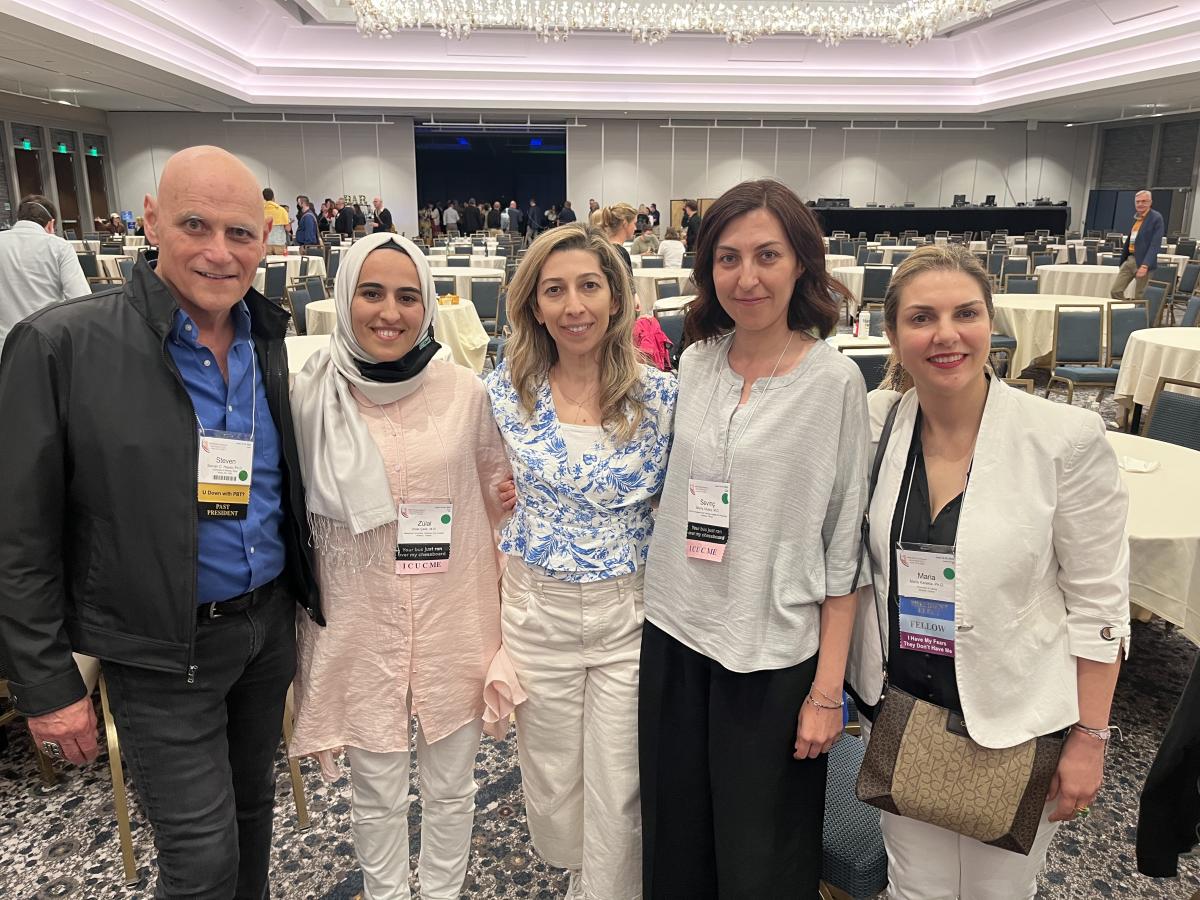
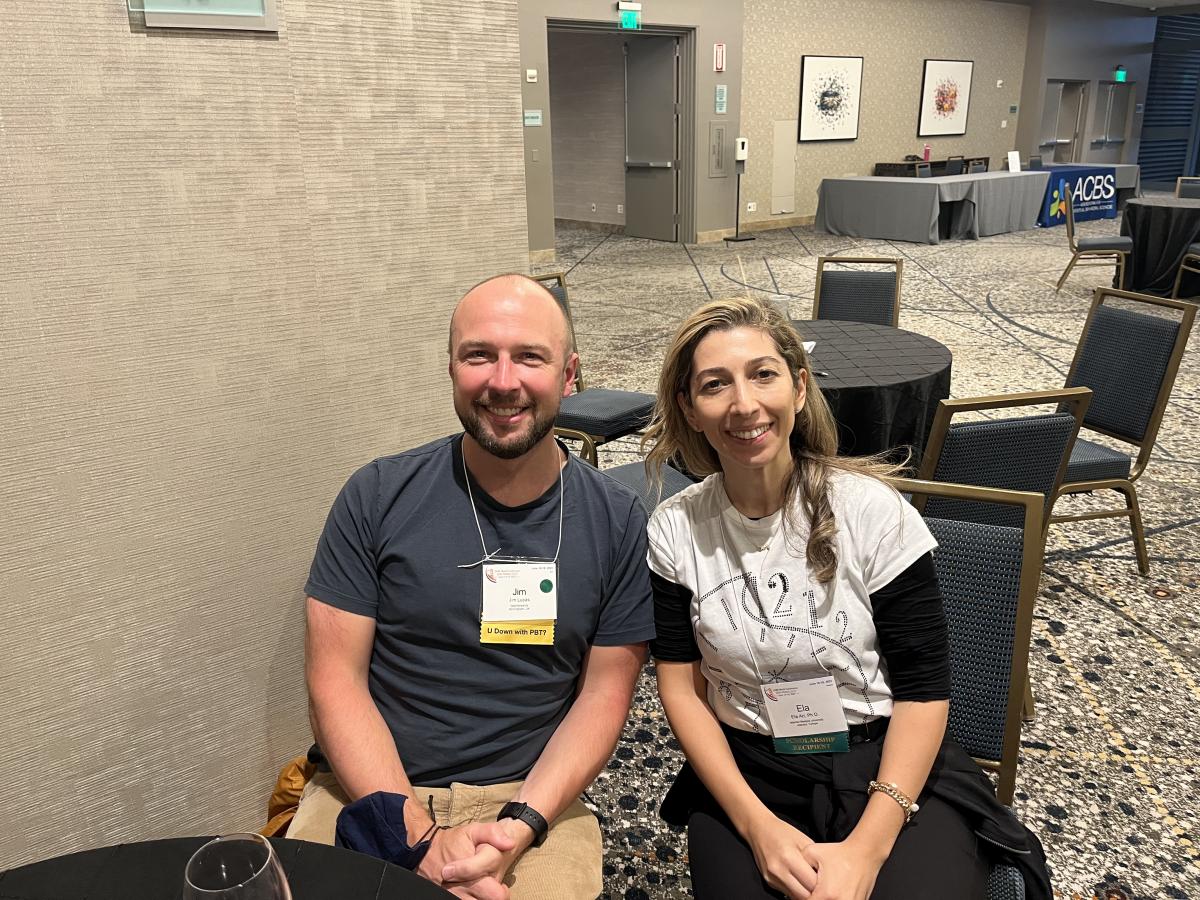
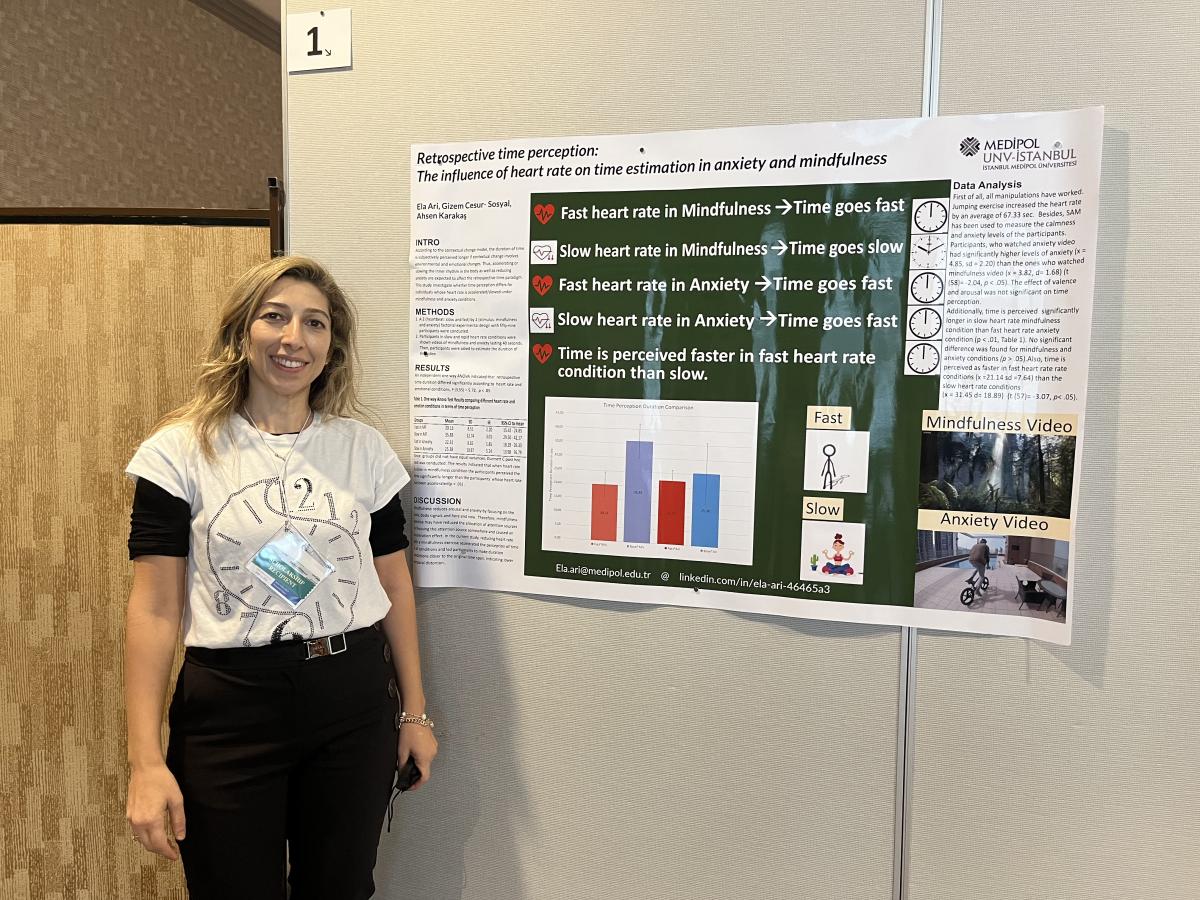
2023 ACBS Diversity, Equity and Inclusion Scholars
2023 ACBS Diversity, Equity and Inclusion Scholars office_1Abu Zaby, UAE Dissemination Activities 2023
Abu Zaby, UAE Dissemination Activities 2023Melody Sylvain, Abu Zaby, United Arab Emirates
Could you please tell us a little about you and your background?
I am a Haitian-American Behavior Analyst born and raised in Florida, USA. I have lived in the UAE for the past few years with my partner where I have worked in schools, homes and centers providing behavior analytic training and mental health support for families and educators. I love nature, yoga, traveling and all things mental health and wellness and do my best to treat others with kindness and respect while advocating for a more just world.
How did you become interested in CBS?
I became interested in CBS through my own challenges with anxiety in 2019 as well as through my experiences working with anxious individuals. I sought support and consultation from ACT trainers in order to become a more knowledgeable clinician when working with those who struggle with anxiety. I found ACT and CBS so helpful for myself and my clients and I have been connected with the ACBS community ever since.
Could you tell us about your research and application interests?
I am interested in the application of ACT to support parents and school teams who support individuals experiencing behavioral challenges. I am also interested in the applications of movement, yoga, and physical embodiment as it relates to overall mental health and wellness.
Could you tell us about your experience at the World Conference this year?
I enjoyed meeting so many new faces and presentations from people all over the world such as Brazil and Kenya. It was nice to see so many incredible projects and how people have benefited globally from CBS. I especially appreciated connecting with such a variety of different professionals outside of behavior analysis which I always love.
Was there anything that stood out to you about the CBS community?
I was able to commute with some people who were staying near to my accommodation, when we met at a coffee shop one morning before the conference. I was also able to do the same thing when leaving the conference on a few occasions. I really appreciate the effort that many CBS community members make to connect and collaborate in these small ways.
What did you take back from your experience that has been helpful to you?
I really enjoyed the panel discussion on interbehaviorism and continued my research and readings on this topic once I returned home.
Do you have anything else that you would like to share with the community?
The CBS community at the World Conference in Cyprus was not as diverse as I would have liked, and I only met two other Black people in attendance at the conference. I would love to see more people who look like me at future conferences.
Texas, USA Dissemination Activities 2023
Texas, USA Dissemination Activities 2023Devin Guthrie, Texas, USA
Could you please tell us a little about you and your background?
I’m a disabled, nonbinary, existential psychologist and acceptance and commitment coach from Texas. I trained as a clinical psychologist for several years at Texas A&M University and graduated with a PhD in social and personality psychology in August 2023. Although I’m keeping a hand in terror management and end-of-life care research and am always open to new collaborations, since graduation I’ve focused on beginning to practice as a “Life & Death Coach” (using my clinical experience as a foundation for life coaching, my end-of-life doula experience for death coaching, and ACT to ground them both). My abiding interests are meaning in life, death & dying, and the psychology of climate crisis.
How did you become interested in CBS?
As soon as I learned about ACT in my second semester of my clinical psychology PhD program, I knew I wanted to practice it. Entering graduate school, I had reservations about cognitive behavioral therapy. Thought challenging seemed often unproductive and while I understood the pragmatic necessity of behavioral activation, it can be a very reductive approach. Originally, I had been most interested in practicing existential-humanistic therapy. This too, however, was unsatisfying in a way that was difficult to pin down. For instance, when I asked Kirk Schneider in a workshop how to help a physically suffering client find meaning worth living for, he told me, “All you can do is say, ‘I’m here with you.’” From one frame of reference, that is profoundly true. From another, I believe clients have a right to receive more guidance from a therapist. In ACT, I saw a workable marriage of the behavioral and existential approaches. So, I began to train in and practice ACT and eventually research and publish on it by the end of my PhD.
Could you tell us about your research and application interests?
As a person with chronic pain, I’ve witnessed ACT’s applications in my own life, and I enjoy using it in my work with disabled clients. However, I’m even more excited about continuing to push the boundaries of what ACT can do in two other areas: Death anxiety and eco-anxiety. As an existential psychologist and terror management theorist, most of my research has focused on what makes life meaningful in spite (or because) of the inevitability of death. Now, working in hospice and other end-of-life contexts, I get to use ACT as a guide to help individuals answer that question for themselves.
I view eco-anxiety as a form of death anxiety, only amplified because it regards the death of the species as well as that of the individual. Applying ACT to this new and growing problem is what I’m most passionate about and what I presented on at the conference.
Could you tell us about your experience at the World Conference this year?
This was my first World Conference, and it was so much more than I expected and so much better than any other work-related trip I’ve been on. Everyone I met was both interested and interesting, and the workshops were incredible! If I hadn’t known I could watch all of them online after the fact, I’m not at all sure I could have appropriately defused from the opportunity cost regret.
Going into the conference, I had two major fears: The first was discrimination, for either my gender or requiring a motorized wheelchair. The second was that my presentation topic, how to use ACT to cope with imminent ecological collapse, wouldn’t be well-received. These had all been major issues for me in my academic communities in Texas, and they were all groundless with ACBS. No one made me feel excluded or burdensome for my differences, and everyone who saw my presentation or who I discussed it with separately was very encouraging and eager to talk about ACT and climate crisis.
I was deeply impressed by the quality of the conference’s organization, content, and the people I met there. I’m extremely grateful to have received the DEI scholarship that allowed me to attend, and I hope to return!
Was there anything that stood out to you about the CBS community?
So many things! The warmth, welcome, kindness, curiosity, openness, passion, and compassion I saw at the ACBS World Conference was remarkable, a drastic contrast from other professional communities I’ve known. The attendees had so much more than a common interest; we had a shared set of values that instantly made me feel like I belonged. I was excited about the diversity of the community and the attention given to diversity in the conference content. The number of presentations specifically dedicated to DEI issues like race, gender, queerness, disability, neurodivergence, and social justice was really encouraging. Of all the excellent presentations I watched, what stood out and impressed me most were those that included subjects that are still fairly far outside of mainstream awareness such as polyamory and even ones that make me personally uncomfortable like client-therapist romantic feelings. The subjects people feel uncomfortable addressing are often the ones where the most the most progress needs to be made.
What did you take back from your experience that has been helpful to you?
So many things! After graduating only two weeks after the conference ended, I began practicing in hospice and other end-of-life contexts, so while I learned from every recorded presentation, the things I learned about death and grief from Robin Walser, Jennifer Gregg, Ray Owen, and the creators of the BEACHeS intervention have helped me most directly in my practice.
I met many amazing people, all of whom encouraged me to get more involved. Post-conference, I’ve become active in the peer supervision group, Pain SIG, and Climate Justice and Action SIG, and will be cohosting a ClimatACT Workshop with my SIG on 1/13/24.
The last and possibly most personally important thing I took back with me was the knowledge that I’m now part of a community, that people want to hear what I have to say, and that I have a role to play. Based on the exemplary models I watched, the discussions I had, and the encouragement to develop my IGNITE talk into a full workshop I received, I’ll be hosting my own, original ACT for Apocalyptic Anxiety Workshop in just a few days. I’m nervous and very excited!
Do you have anything else that you would like to share with the community?
Right now, I just want to share again my deep gratitude for the DEI scholarship I received, the people who accepted my presentation, and everyone who welcomed me into this wonderful community. I’m so glad I get to be a part this. And (committees willing) I hope to have quite a bit more to share with you this summer in Argentina!
Diverse Background Definition
Diverse Background DefinitionThe Diversity Committee endorses a broad definition of diversity that includes but is not limited to professional discipline and setting, communities of color, minority status, cultural and language perspectives, religious and spiritual beliefs, socioeconomic status, as well as sex, age, race, ethnicity, nationality, sexual orientation, gender identity, and disability. We seek to provide programs and resources that enhance inclusion, build and support relationships with other ACBS committees, and encourage greater diversity within the membership and leadership of ACBS.
Early Career Research Paper Award
Early Career Research Paper AwardThis award recognizes an outstanding empirical research abstract from an early career researcher, with the goal of stimulating that person's long term participation in the ACBS conference as an outlet for presenting empirical science within the broad domain of CBS. The winner will receive a certificate and complimentary (non-transferable) registration to the ACBS World Conference.
Requirements:
The winner must be both the first author AND the presenting author of a paper accepted for oral presentation at the ACBS World Conference (one entry per person). If you completed your terminal degree within the past 7 years (or 10 years if you took time off for personal reasons such as family), you are eligible and would be considered “Early Career.” Awards are determined based on submitted abstracts/information. Invitations to apply for this award are sent to those with papers accepted either individually or as part of a symposium.
An ad hoc subcommittee of researchers in the ACBS community will read the accepted abstracts for the significance of the research question and methodological quality. CVs will be reviewed for quality of academic training and scholarship. One paper will be selected for the award. The winner will be announced on the ACBS social media, on the ACBS website, and at a plenary session at the World Conference.
Award Recipients:
2023 ACBS World Conference - Nicosia, Cyprus
Amanda Muñoz-Martínez, Ph.D.: Relationship of Perceived Social Connection and Supportive Relational Context with Healthy Eating Recommendation in Cardiac Rehabilitation Patients: Acceptability of an Ecological Momentary Assessment
Dr. Muñoz-Martínez is an Associate Professor at Universidad de los Andes. Amanda's research examined social connection and supportive relationships in relation to healthy eating behaviors for cardiac patients. Cardiovascular diseases are the leading cause of death in the world. Cardiac rehabilitation programs seek to promote healthy habits in people who have experienced a cardiac event in order to reduce future cardiac events and mortality. Contextual behavioral factors such as perceived social connection and supportive relational contexts (i.e., positive reinforcing) have been found as key to promoting healthy behaviors (e.g., healthy eating). Functional Analytic Psychotherapy (FAP) is a behavioral interpersonal therapy focused on strengthening interpersonal functioning (e.g., intimacy) and perceived social connection. This study aimed to assess the acceptability and usability of a one-month ecological momentary assessment to evaluate the relation of perceived social connection and supportive relationships in the adherence to healthy recommendations within- and between-person. Exploratory analysis found that those who reported greater levels of perceived social connection reported higher adherence to rehab recommendations. In addition, on those days that they reported higher perceptions of social connection they tend to eat healthier food. Participants evaluated EMA as acceptable and useful for measuring their adherence to cardiac rehabilitation.
2022 ACBS World Conference - San Francisco, CA, USA
Amie Zarling, Ph.D.: A randomized clinical trial of Acceptance and Committment Therapy and the Duluth Model Classes for men court-mandated to a domenstic violence program
Dr. Zarling is an Associate Professor at Iowa State University. Her research is the first randomized controlled trial to compare Acceptance and Commitment Therapy (ACT) with the Duluth Model curriculum, which took place in community-based corrections for the treatment of men convicted of domestic violence. Outcomes included criminal justice data (domestic violence charges, other violent charges, and non-violent charges) incurred during the one year following program drop-out or completion, and victim reports of intimate partner violence (IPV; aggression, controlling behaviors, and stalking/harassment). Results showed in intent-to-treat comparisons to Duluth, ACT participants did not show a difference in domestic assault charges at one year post-treatment (p = .44). ACT participants acquired significantly fewer violent charges (p = .04) and non-violent charges (p = .02) compared to Duluth participants. Data from victims indicated that victims of ACT participants reported significantly fewer IPV behaviors than victims of Duluth participants on the Conflict Tactics Scale (d = .78), the Controlling Behaviors Scale (d = .66) and the Stalking Behavior Checklist (d = .71) at one year post-treatment. Conclusions indicated an ACT-based group intervention delivered in community corrections reduced violent and non-violent criminal charges compared to the Duluth intervention. Domestic violence charges did not differ between groups but victim reports indicated that ACT participants engaged in fewer IPV behaviors.
2021 ACBS Virtual World Conference
Emily Kroska, PhD: Evaluating an ACT-based mobile micro-intervention for distressed first-generation college students
Dr. Kroska is a Clinical Assistant Professor with the University of Iowa. Her research details the findings of a randomized micro-intervention trial wherein assessments and ACT-based interventions were delivered via a mobile application for 6 weeks with distressed first-generation college students. Students completed assessments of mood, stress, and behavior twice daily, followed by randomization to assessment only versus intervention. Assessments of behavioral function indicated that 74.1% of reported behaviors were identified as values-based. Interventions emphasized openness, awareness, and engagement. Qualitative analyses indicated that 93% of free-text responses aligned with the addressed ACT process. Quantitative longitudinal results will detail proximal change in mood, stress, and behavior. Findings suggest a possible brief mobile intervention to promote self-awareness and behavioral change among an at-risk population.
2019 ACBS World Conference – Dublin, Ireland
Felicity Brown, PhD, MPsychClin: The Effectiveness of an ACT-Based Guided Self-Help Intervention for South Sudanese Refugee Women in Uganda
Dr. Brown is a Senior Researcher with War Child Holland, Netherlands. She contributed to an RCT (in partnership with HealthRight, Johns Hopkins University, the Ministry of Health Uganda, WHO, and UNHCR) to measure the effectiveness of an ACT-Based Guided Self-Help Intervention for South Sudanese Refugee Women in Uganda. The intervention was delivered in 5 workshops, using scripted audio recordings to deliver key content; ensuring fidelity and reducing training needs. Villages (n=14) were randomly assigned to receive either SH+ or enhanced usual care, and a total of 724 women participated. Results indicated significant improvements in the primary outcome of psychological distress from baseline to 3 month follow up, and significant improvements on a range of secondary outcomes.
2018 ACBS World Conference 16 - Montréal, Canada
Yuen-yu Chong: Dr. Chong is a newly minted Ph.D. in nursing from Hong Kong Polytechnic University. For her doctoral dissertation, she conducted an elegant randomized controlled trial to test the efficacy of an ACT program (as compared to an education program) to help parents of young children with asthma respond more effectively to their children's asthma behaviors. This study of 168 parents, with a 96% follow-up, showed that a mere four sessions of ACT for parents lowered the risk of their child's hospital emergency room visits by 80%. That's a big deal. Her paper is very positive news for ACT research and for clinical practice.
Michael J. Asher Student Dissertation Award
Michael J. Asher Student Dissertation AwardThese awards will be given to two students based on their doctoral dissertation proposal related to the use of Contextual Behavioral Science with children/adolescents. Accompanying this honor will be a monetary award of $750.00 USD for each of the two award-winners to be used in support of research (e.g., to pay participants, to purchase testing equipment) and/or to facilitate travel to the ACBS annual conference. These awards are made possible by a generous donation from Susan Paradise (the widow of Dr. Asher) and Behavior Therapy Associates in Somerset, New Jersey (USA). Behavior Therapy Associates is a private group practice of psychologists and BCBAs, founded in 1979 by Steven B. Gordon, Ph.D., ABPP, and the Executive Director is Michael C. Selbst, Ph.D., BCBA-D.
 Michael J. Asher, Ph.D., ABPP passed away in 2016 and was a clinical psychologist at Behavior Therapy Associates, P.A. since 1988. He served as Coordinator of Consultation Services and was Board Certified in Cognitive and Behavioral Psychology by the American Board of Professional Psychology. Dr. Asher was an Adjunct Associate Professor with the Department of Psychiatry, Rutgers Medical School where he supervised Psychiatric Fellows and taught Child Cognitive Behavior Therapy, and he was a field supervisor for the Graduate School of Applied and Professional Psychology at Rutgers University. Dr. Asher co-authored several books on the topic of behavior disorders and children. He was passionate about his work, loved psychology, cognitive behavior therapy, and especially enjoyed learning about and practicing Acceptance and Commitment Therapy (ACT). Dr. Asher greatly impacted the lives of many and his contribution to the field of psychology and education was significant. He will be remembered fondly.
Requirements:
- Candidates must be student members of ACBS at the time of application,
- Topic area of dissertation research must be of direct relevance to CBS applied to the development, maintenance, and/or treatment in children and/or adolescents.
- The dissertation must have been successfully proposed. Proposals with preliminary results included are preferred.
Award Recipients:
Khamisi Musanje, Makerere University (2024)
Adapting and evaluating a mindfulness and acceptance-based intervention supporting mental health and adherence to anti-retroviral therapy among older adolescents in Kampala, Uganda (First Prize)
Daniel Wallsten, Karlstad University (2024)
Shifting the lens on heterogenous psychological suffering - Exploring and evaluating novel psychological treatment approaches to comorbid mental disorders (Second Prize)
Ching Yee Lam, The Hong Kong Polytechnic University (2023)
Acceptance and commitment therapy for promoting psychological wellbeing among adolescent nursing students: A randomized controlled trial (First Prize)
Anna-Lotta Lappalainen, University of Jyvaskyla (2023)
Promoting youth mental health through digital brief interventions: individual differences in intervention response (Second Prize)
Dafni Morroni, University of Cyprus (2022)
Acceptance and Commitment Therapy for Unaccompanied Minors (First Prize)
Julie Petersen, Utah State University (2022)
Telehealth acceptance and commitment therapy for adolescents with transdiagnostic health-related anxiety: A randomized controlled trial (Second Prize)
Evaluating the Effects of an Acceptance and Commitment Therapy Behavioral Parent Training Program on Children with Autism Spectrum Disorder and their Parents (Second Prize)
Self-compassion: Promoting resilience and well-being in adolescent populations
Outreach and Impact Award
Outreach and Impact AwardThis award acknowledges individuals for their unique contributions to the development and dissemination of Contextual Behavioral Science.
Award Recipients:
Tom Lavin MFT, LCADC (2014)
Tom Lavin MFT, LCADC, is a Reno, Nevada psychotherapist who provides therapy to people suffering with anxiety, depression, addiction, cooccurring disorders, and chronic physical illness.
With ACBS Member Psychiatrist Dr. Nicole Pavlatos and staff, Tom is currently developing interdepartmental, interdisciplinary ACT-informed clinical services at Northern Nevada Adult Mental Health Services for those clients diagnosed with a serious mental illness or with a co-occurring disorder. His “Live Better” patient psychoeducation series (anxiety, depression, forgiveness, taking responsibility-making amends, healthy relationships, meditate journal-share, etc.) can be viewed here.
With a strong commitment to community health education, since 1995 Tom has produced and hosted the community health and wellness television show “New Skills for Living”, on the Reno, Nevada ABC affiliate. Seventeen (17) select interviews, with ACT co-founders and other clinical experts focusing on Acceptance and Commitment Therapy may be viewed here.
Ned Carter, Kenneth Nilsson, and Psychology Partners (2012)
The Association for Contextual Behavioral Science acknowledges with appreciation the lasting contributions of Ned Carter, Kenneth Nilsson, and Psychology Partners* to the development of contextual behavioral science by helping to organize the first World Conference on ACT, RFT, and the New Behavioral Psychology.
*Psychology Partners - Håkan Wisung and Olle Wadstrom
Other partners who had a role were Gisela Wisung, Thomas Gustavsson, Johan Holmberg, Alberto Santi, Fredrik Gunnarsson, Magnus Stalby, Hanna Stalby Olofsdotter, Cecilia Gustavsson, Sara Hillbom, and Marielle Ryberg. With additional thanks to Sofia Olsson.
Barry Silverstein (2008)
The late Barry Silverstein was a philanthropist and a caring visionary who saw the promise of ACT, RFT, and CBS and became the first major donor to our Association at a critical moment in its development. Barry funded the first filming of major talks at the ACBS World Conference (in London, in 2006) which helped increase our worldwide impact, and in 2007 he provided the staff resources needed to rescue our website when it had become so degraded it was impossible to update.
His technological and media assistance allowed ACBS to survive our early years as an organization when our membership was a tenth of our current size and set us on a path for future success. ACBS offered this award to Barry Silverstein for "All you have done to further the work of ACT, RFT, and Contextual Behavioral Science on behalf of those who suffer".
Student Scholarships for the ACBS World Conference
Student Scholarships for the ACBS World ConferenceA goal of the ACBS Foundation is to support existing activities within ACBS. The ACBS Foundation Student Scholarship will enable students to attend the annual ACBS World Conference. The scholarship will cover the full student conference registration fee. To read more about the ACBS Foundation or donate to the Foundation click here.
The mission of the ACBS Student SIG is to work to support students of contextual behavioral science by advocating for their professional and personal development and facilitating their contribution to ACBS and the larger community. One step in moving towards this mission has been to create the Student World Conference Scholarship that will help subsidize the costs of attending the annual ACBS World Conference. (We need your help! If you're able, please consider donating to the Student Fund here. Every Dollar/Euro/Yen/Peso/Farthing helps!)
Requirements:
Nominees must be:
- Student members of ACBS in good standing (i.e., membership dues are up to date);
- Currently enrolled as a student in an undergraduate or graduate program;
- Presenting a poster, a paper as part of a symposium, or IGNITE presentation. Please note that these submissions MUST be submitted by February 15, even though the general poster submission deadline is later for the conference. (In the event that your oral/symposium presentation is not accepted, scholarship recipients will be guaranteed a poster acceptance on the same topic/research.)
We encourage applications from first time ACBS conference attendees, students from under-represented groups in ACBS (e.g. developing nations), and students who demonstrate financial need. We define “financial need” as including one or more of the following, but understand that there might be other examples:
- You do not have student assistantships (i.e., paid Teaching Assistant or Research Assistant appointments). You are funding all of your studies with student loans and/or working other jobs outside of school.
- Your school will not provide any reimbursement or funding for this trip. You are funding this trip 100% by yourself.
- You have recently gone through personal situations that have put a strain on you financially.
- You live in one of the nations listed here.
This scholarship must be used in in the year awarded and can not be delayed to future years.
Submission Deadline: The deadline for submissions is February 15th by 11:59pm Eastern Daylight Time (EDT). The Student World Conference Scholarship and ACBS Foundation Student Scholarship use the same application. No submissions will be allowed after the deadline. Incomplete submissions will be disqualified. Notifications of scholarship recipients will be made via email by March 31st.
Award Recipients:
ACBS World Conference 2024 - Buenos Aires, Argentina
Paula Rodríguez, Fundación Universitaria Konrad Lorenz (ACBS Foundation Student Scholarship)
Ezaeza Gaby Sanz Galvan, Edge Hill University (ACBS Foundation Student Scholarship)
Golnaz Atefi, Maastricht University
Getaneh Mulualem Belay, Hong Kong Polytechnic University
ACBS World Conference 2023 - Nicosia, Cyprus
Yass Radd, City University of London (ACBS Foundation Student Scholarship)
Xu Wang, Chinese University of Hong Kong (ACBS Foundation Student Scholarship)
Devin Guthrie, Texas A&M University
Megan Mayo, Antioch University New England
ACBS World Conference 2022 - San Francisco, USA
Zacharias Christensen, University of Copenhagen, Denmark (ACBS Foundation Student Scholarship)
Jiayin Ruan, The Hong Kong Polytechnic University, China (ACBS Foundation Student Scholarship)
Jessica Criddle, Murray State University
Sean Friedman, University of the Witwatersrand
Lauren Griffin, Suffolk University
Ben Spaloss, University of North Carolina at Charlotte
ACBS Virtual World Conference 2021
Jin Xiaohuan, The Chinese University of Hong Kong, China (ACBS Foundation Student Scholarship)
Pinelopi Konstantinou, University of Cyprus, Cyprus (ACBS Foundation Student Scholarship)
Jennifer DiBartolomeo, Widener University
Léo Guarnieri, Universidade de São Paulo, Instituto de Psiquiatria do Hospital das Clínicas da Faculdade de Medicina
Hannah Johnson, Utah State University
Joseph Lavelle, University College Dublin
Luke Mather, University College Dublin
Victoria Visscher, The Chicago School of Professional Psychology
Heloisa Ribeiro Zapparoli, Federal University of São Carlos
Zhang Xuelin, The Hong Kong Polytechnic University
Zhao Wenqian, The Chinese University of Hong Kong
ACBS World Conference 2020
Nadina Pantea, Babeș-Bolyai University (ACBS Foundation Student Scholarship)
Alison Stapleton, University College Dublin (ACBS Foundation Student Scholarship)
Rebeca Castellanos, University of South Carolina
Joseph Lavelle, University College Dublin
Huiyuan LI, The Chinese University of Hong Kong
Jill Loving, University of Denver
Marissa Sbrilli, University of Illinois at Urbana-Champaign
ACBS World Conference 17 – Dublin, Ireland
Kate Barrett, University College Dublin
Catriona Connelly, University College Dublin
Lauren Johnson, Drexel University
Stephen Richer, Bournemouth University
Eric Tifft, University at Albany, SUNY
ACBS World Conference 16 - Montréal, Canada
Zülal ÇELİK, Bakirkoy Research & Training Hospital for Psychiatry, Neurology and Neurosurgery
Michael McGlenn, Alliant International University, California School of Professional Psychology
Benjamin Ramos, University of Edinburgh
Karoly Schlosser, Institute of Management Studies, Goldsmiths, University of London
Merve Terzioglu, Bakirkoy Research & Training Hospital for Psychiatry, Neurology and Neurosurgery
ACBS World Conference 15 - Seville, Spain
ACBS World Conference 14 - Seattle, USA
Jia Hui Chaw, Wichita State University
Rebecca Schneider, University of Colorado Boulder
ACBS World Conference 13 - Berlin, Germany
Connie Chong, Hong Kong
Naftally Israeli, Israel
Paolo Lucena Santos, Portugal
Board of Directors
Board of Directors2023-2024 ACBS Board
President:
Andrew Gloster, Ph.D., University of Lucerne (Switzerland)
President - Elect:
Rhonda Merwin, Ph.D., Duke University Medical Center (USA)
Past President:
Maria Karekla, Ph.D., University of Cyprus (Cyprus)
Secretary Treasurer:
David Gillanders, DClinPsychol, University of Edinburgh (UK)
Member at Large 1:
Valerie Kiel, MSc, ACT-Akademie, (Netherlands)
Member at Large 2 (basic science):
Staci Martin, Ph.D., National Cancer Institute (USA) (Dr. Martin is serving in her personal capacity)
Member at Large 3 (basic science):
Jennifer Shepard Payne, Ph.D., LCSW-C, Johns Hopkins University/ Kennedy Krieger Institute (USA)
Member at Large 4:
Jacob Martinez, LPC, Private Practice (USA)
Student Representative:
Sandro Voi, University of Hertfordshire (UK)
The Bios and Platform statements for the board members are below:
President
 Andrew Gloster, Ph.D.
University of Lucerne
Andrew Gloster, ACBS Fellow and professor at the University of Lucerne, Switzerland. Trained in the U.S.A., he has worked in Europe since 2006. Andrew is international in his outlook and sensitivities. He has published over 150 scientific papers, books and treatment manuals. His contextual behavioral science research program has empirically tested numerous aspects of the CBS model including clinical trials, public health, biological & genetic variables, pro-social behaviors in groups, and technological interventions. He is a licensed psychotherapist and a passionate mentor and trainer. Andrew actively works to disseminate and communicate science across professional lines and to the general public. Andrew has served ACBS in numerous capacities including secretary/treasurer of the Board, ACBS Foundation president, program chair (2015 Berlin), and is an Associate Editor of JCBS.
President- Elect
Rhonda M. Merwin, Ph.D.
Duke University, School of Medicine
Rhonda Merwin, PhD is an Associate Professor at Duke University Medical Center, a Peer-Reviewed ACT Trainer, and the Founder of ACT at Duke, a research, clinical and training program in Duke University’s School of Medicine. She also has the honor of being a Fellow of ACBS and a current Member-at-Large Board Member. She chairs the ACBS Publications Committee, dedicated to the quality and success of the Journal of Contextual and Behavioral Science, a committee that she has served on since 2015. She currently directs CBS SuperLab, an effort to bring together CBS researchers and labs from around the world to advance CBS research. Dr. Merwin is also a clinician and a teacher, and the author of ACT for Anorexia Nervosa: A Guide for Clinicians. Her research is funded by the National Institutes of Health (among other sponsors), and focuses on multi-level, multi-dimensional factors that influence maladaptive eating and weight control, and the delivery personalized interventions in real time.
Statement: "Act as though what you do makes a difference. It does."-William James. What we do matters; how we spend our time, where we invest our energy. I choose to spend it here- in an organization of passionate individuals devoted to the alleviation of human suffering. As I type those words, I appreciate the significance of this charge. How might we reimagine ourselves or our organization to maximize our impact? Because, while all acts matter, I believe we have untapped potential to address the challenges facing human beings. “Never doubt that a small group of thoughtful, committed, organized citizens can change the world.”-Margaret Mead. I believe that CBS can make a difference; that we can make a difference with the strength of our collective and diverse ideas and skills, and a structure that empowers and inspires individuals to engage and reminds them that what they do matters. As President, I will identify ways to maximize our potential, keeping science at the forefront (as clinicians, researchers, teachers, etc.) and empowering individuals to work together toward common values/goals.
Past President
 Maria Karekla, Ph.D.
University of Cyprus
Maria Karekla, Ph.D.,Licensed clinical psychologist, peer-reviewed ACT trainer, ACBS fellow, and Associate Professor, University of Cyprus, is heading the “ACTHealthy” laboratory. Her doctorate is from the University at Albany, SUNY with residency at the University of Mississippi Medical Center & VA Hospital. Her research received numerous local, European and international grants, and awards by (among others) the European Council and Pompidou’s group, Society of Behavioral Medicine, and Association for the Advancement of Behavior Therapy. She is the convenor of the European Federation of Psychology Associations’ Psychology and Health committee and member of the e-health task force. Recently, she was appointed to the National Psychological Aid for COVID committee. Notable past positions: chair, the Cyprus Bioethics Committee and member, Psychologists Licensing Board. In 2018 she was nominated as Cyprus “Woman of the Year: Academic/Researcher.” Her first ACT psychotherapeutic childrens’ book was nominated for the National Literary Awards (2017) in the category Children/Adolescents.
Statement: “When Oedipus encountered the Sphinx, his answer to its riddle was: «Human». That simple word destroyed the monster” (Seferis)- homage to our common humanity. Growing up in the Greek culture, ancient myths and allegories shaped my values in life. Values, I have encountered within ACBS, the work, the organization and its people. My experiences, drive and love for this association and its members, will enable me to continue to serve from the post of President, with continued fervor towards our values, disseminating the science, expanding our reach and service so as to achieve alleviation of human suffering globally. Numerous life areas have been impacted by the pandemic and our science is needed more than ever. Having being intimately involved in ACBS strategic planning, I would aid in our visions materializing and moving ACBS to its next level of development in research, training, education, practical applications, inclusiveness, diversity, impact and reach.
Secretary Treasurer
 David Gillanders, DClinPsychol
University of Edinburgh
I am a Clinical Psychologist and Senior Lecturer at the University of Edinburgh. I’ve been learning ACT since 2004 and now teach as a Peer Reviewed Trainer. I’m also a Fellow of ACBS. My research programme focusses on ACT for long term health conditions, and more recently I have specialised in ACT for cancer and end of life. I’ve previously served ACBS as Chair of the Training Committee from 2011 to 2015, and as President, then Past President of the UK and Republic of Ireland Chapter from 2017 to 2020. I served on the Conference Strategy Committee from 2017 to 2020 and was joint programme chair for the World Conference in Dublin in 2019. I have been Head of Clinical Psychology at the University of Edinburgh from 2018 and have just finished that role.
Statement: I have previously served ACBS in several different roles as described in my bio. In these roles I bring good organisational skills, careful and sensitive diplomacy and an ability to commit and follow through. I am able to listen to multiple perspectives and to help groups to reach consensus. As Training Committee Chair I led the committee in developing greater transparency of process and greater detail of evaluating the basic science competencies for peer reviewed trainers. These experiences show my abilities in working on international committees.
Member at Large 1
 Valerie Kiel, MSc
ACT-Akademie
My career began twenty years ago as a social psychologist with the United Nations in Kenya, where I became interested in community building, continuing education, online learning, and helping others create fulfilling and dignified lives. After moving to the Netherlands in 2010 and transitioning into clinical work, I became deeply involved with ACT, BA, RFT, FC, FAP. Within ACBS I am passionate about creating initiatives that bring people together to work collaboratively: I am a founding member of the German-speaking chapter in 2012 (on whose board I served twice; 2014-1015, 2017-2018), I co-founded the online drop-in peer supervision meetings (2013-2016, now ACBS Affiliate), and I sat on the Dutch-speaking training committee (2018-2019). I love continuing professional development and regularly attend and present at ACBS conferences. One topic that is very close to my heart is the ACBS-wide dissemination of the Portland Model. Since last year, I have been a co-host of the CBS Trainers Lunch 'n Learn session.
Statement: When I began my clinical training in my early thirties, I sometimes felt ashamed of my nonlinear career path when dealing with other members of the community. Over the years -and to my great surprise!-, I found that my "otherness" proved to be a great advantage in some situations. From this, I've learned that it becomes easier to authentically support others when we ask ourselves, "What does this person bring to ACBS that is unique and could fill a gap in our community or in a particular context?" This helps me to actively seek out and promote diversity in our community. At the same time, given the steady growth of ACBS, it seems important to me to keep reinforcing our commonalities (especially our community values) so that, for all our differences, there is always a steady social cohesion and connection. As a MAL, I want to help our community maintain our shared values AND create space for the recognition of personal differences. Because both are, in my opinion, necessary conditions for the advancement of ACBS.
Member at Large 2 (basic science)
 Staci Martin, Ph.D.
National Cancer Institute*
Statement: I have been involved in ACBS in various capacities for over a decade, including having leadership roles in chapters and special interest groups. In line with my professional and personal values, I am ready to serve on the ACBS board as Member at Large (MAL) – basic science. As a clinical researcher at the National Institutes of Health, I am engaged in ACT-based research on a daily basis. If elected, I plan to focus on bringing together researchers and clinicians through conferences and committees. Specifically, I will encourage clinical workshops at ACBS World Conferences to present evidence-based techniques and to prioritize research symposiums that emphasize clinical implications. I am committed to furthering the quest to bridge the clinician-research gap. Other aims are to assess the need for a mentorship program for established ACBS researchers to support early career researchers and to foster awareness of systemic bias against underrepresented minorities in research.
Member at Large 3 (basic science)
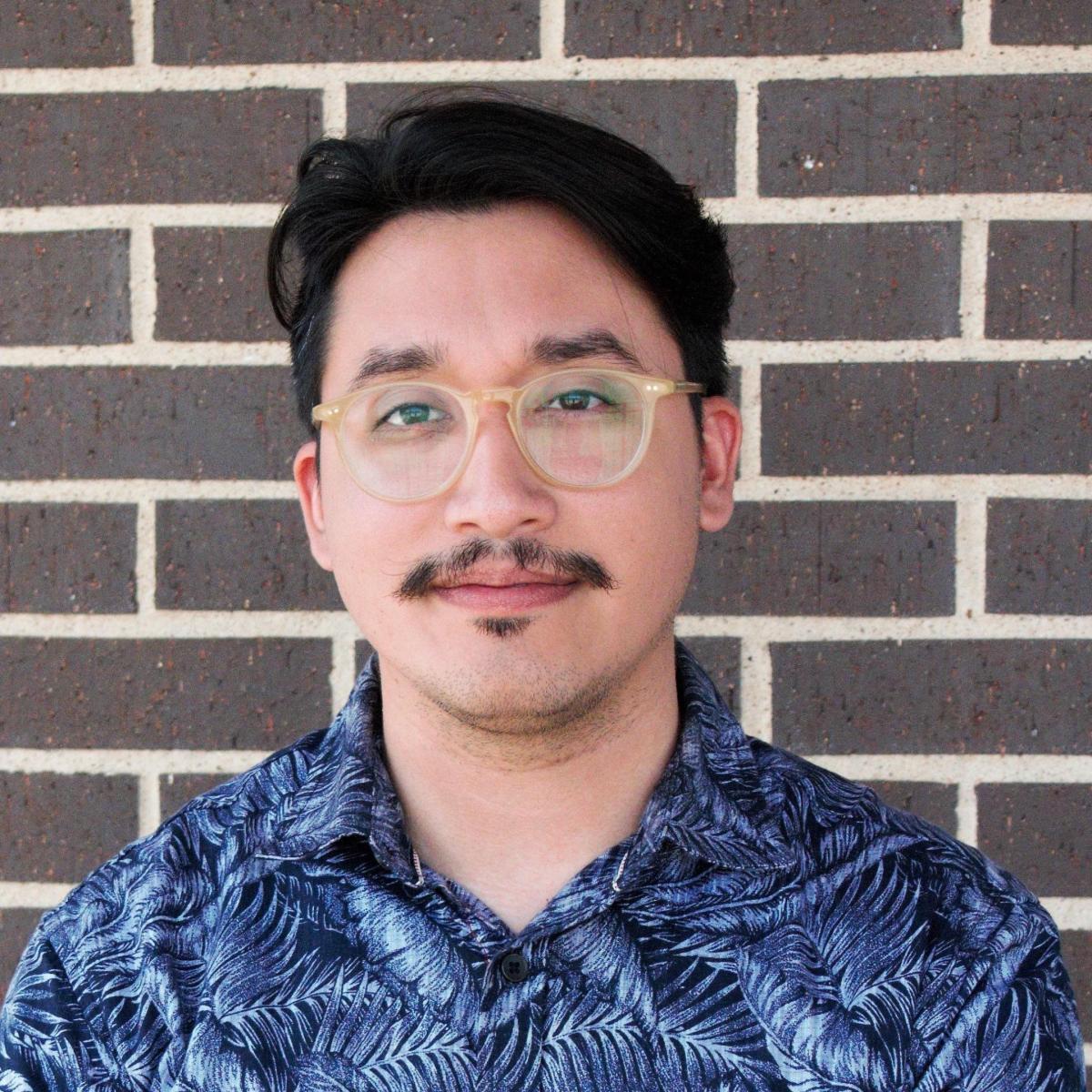 Jacob Martinez, LPC
Private Practice
Jacob Martinez is a licensed professional counselor in the state of Wisconsin, USA. He is currently the chair of the ACBS Diversity, Equity, and Inclusion Special Interest Group; a member of the ACBS DEI Committee, and a member of the ACBS Membership Committee. Jacob is committed to making ACBS more accessible and inclusive, and has a particular interest in non-hierarchical organizational and community structures. When Jacob is not in the therapy room you can find him organizing his rare pencil collection and perfecting his Texas-style Smoked Brisket.
Statement: The vision of ACBS as dedicated to “the alleviation of human suffering and the advancement of human well-being through contextual behavioral science” can only be achieved through a strong commitment to and affirmation of the global community that makes up this organization.
ACBS will thrive or die only so far as we are willing to be stewards of this community. Stewards for no other reason but because a shared set of values motivates us. Members of ACBS deepening connection across lines of geography, age, cultural background, ability, education, and profession is a form of mutual aid that benefits us all; and which ultimately sets ACBS apart from other organizations of its type.
My goal in serving as member-at-large is to promote a culture of community stewardship that every member of ACBS can partake in confidently. To advocate for channels of cooperation, communication, and relationship building across this community.
Member at Large 4
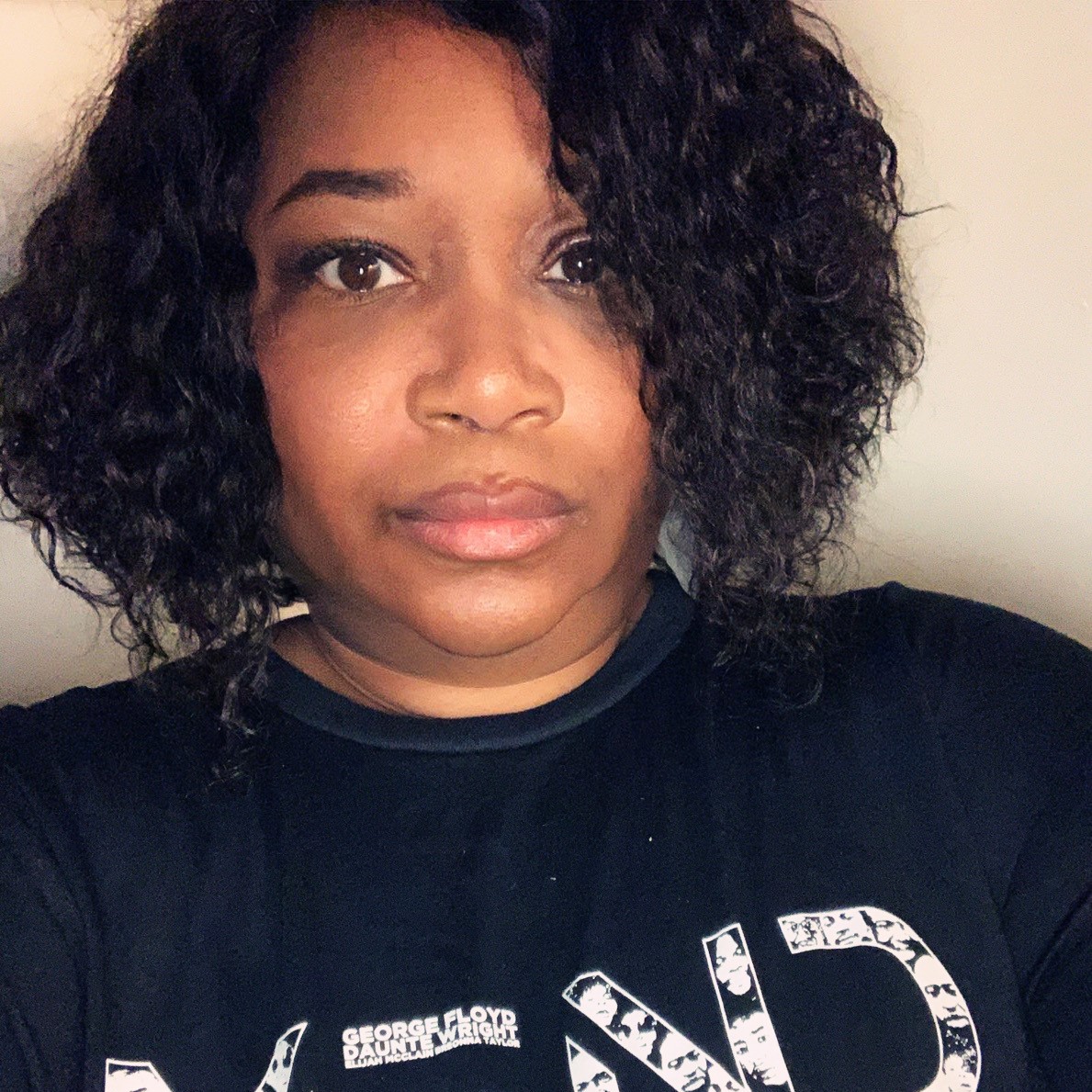 Jennifer Shepard Payne, Ph.D., LCSW-C
Johns Hopkins University/ Kennedy Krieger Institute
Jennifer Shepard Payne, Ph.D., LCSW-C, is a Research Scientist at the Kennedy Krieger Institute in the Center for Child and Family Traumatic Stress (CCFTS) and the Center for the Neuroscience of Social Injustice. She is also an Assistant Professor at the Johns Hopkins University School of Medicine within the Department of Psychiatry.
She received her doctorate in Social Welfare from UCLA and is a Licensed Clinical Social Worker with many years of experience in mental health clinical practice and administration. For several years, Dr. Payne has been working on culturally tailoring Acceptance and Commitment Therapy (ACT) for African American communities experiencing racial trauma. She developed a culturally tailored version of ACT called POOF: www.POOF-PullingOutOfFire.com
Additionally, her book, Out of the Fire: Healing Black Trauma Caused by Systemic Racism Using Acceptance and Commitment Therapy, can be obtained from New Harbinger, Barnes and Noble, Target, Amazon, and other booksellers.
Soon after joining ACBS, I joined the DEI-SIG because while I loved ACT, I wondered why few persons who looked like me (persons of color) were visible in ACBS. I wanted to change that, and that desire intensified after George Floyd was murdered. June 2020 was a turning point in my life, as I am sure it was a turning point in the lives of many others. I desire to recruit and retain more diverse participants into the ACBS family.
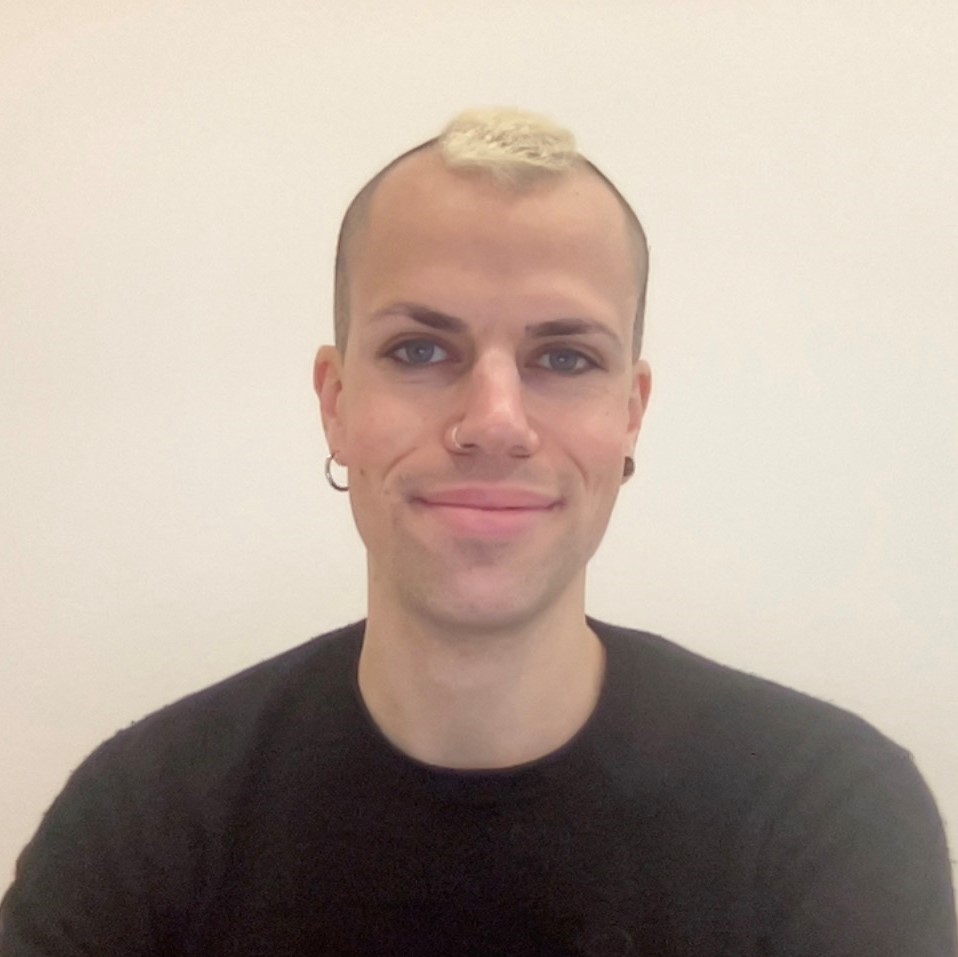 Sandro Voi
University of Hertfordshire
Hi! You can call me Sandro or Sandra (They/Them). I am doing a Doctorate in Clinical Psychology at the University of Hertfordshire (United Kingdom). I started psychology 10 years ago, when I did my BSc on mindfulness-based approaches. Following that, I kept engaging with the CBS community more and more, from conferences, to ACT and RFT workshops and various forms of supervision. Alongside my studies and clinical role, I have always been involved in community-led organisations, and/or charities. I am also a passionate comedian and improv theatre performer. My doctoral thesis is a qualitative research project on the sexualities for trans and non-binary people. In the future, I would love to bring all my interests together: CBS, the arts, and embodiment. I am not sure which shape this might take, but I know my values and I know where to aim- I’ve done my Matrix!
Statement: As a student and member of the ACBS, if I was elected, I would be receptive to students’ needs and requests. I want to help students’ voices to feel heard and valued. Having been a student myself for a number of years, I have gone through periods of low salaries and poor opportunities. Thus, I am motivated in knowing more what we are already doing now that is working for students, and what we are doing that is not working to support students/prospective students, and finally what we as community could be offering to students in the future.
The ACBS bylaws say:
The officers of the Association shall consist of a President, President-Elect, Past-President, Secretary-Treasurer, a student representative, and four Members-at-Large of the Board of Directors. Each shall perform the usual duties of the respective office and specific duties provided elsewhere in these Bylaws or as assigned by the Board of Directors. Elections for officers shall be held every year. The President, President-Elect, Past-President, and student representative shall each serve a one-year term and may not hold any other offices within the Association. The Members-at-Large shall be elected every two years. In each two-year cycle one of the Members-at-Large shall have a strong background and interest in basic science relevant to the purposes of the Association. The Secretary-Treasurer shall serve a three year term.
ACBS Board Meeting Minutes
ACBS Board Meeting MinutesACBS Organizational Structure
ACBS Organizational StructureAttached.
Board Position Descriptions
Board Position DescriptionsElections
ElectionsACBS elections are an opportunity for passionate members to volunteer their valuable time for a worthwhile mission. ACBS members have the annual opportunity to choose their representatives from among the nominees on the ballot.
To make the process and criteria clear for all, we are making it available below.
ACBS Bylaws Article 3: The officers of the Association shall consist of a President, President-Elect, Past-President, Secretary-Treasurer, a student representative, and four Members-at-Large of the Board of Directors. Elections for officers shall be held every year. The President, President-Elect, Past-President, and student representative shall each serve a one-year term and may not hold any other offices within the Association. The Members-at-Large shall be elected every two years. In each two-year cycle one of the Members-at-Large shall have a strong background and interest in basic science relevant to the purposes of the Association. The Secretary-Treasurer shall serve a three year term.
General Timeline
- January 9, 2024 - Call for nominations opens
- February 8, 2024 - Nomination period ends
- March 5 - 15, 2024 - Election (open for 10 days)
- Late March / Early April 2024 - Results emailed to ACBS members
Election Committee:
The Election Committee includes the Chairs of the Diversity, Membership, Developing Nations, and Training Committee, as well as the ACBS Board President, Past-President, President Elect, and Secretary-Treasurer. If the Secretary-Treasurer is running for additional office during one of the election cycles, then the past-president chooses one of the Board members who is not running for office to serve on the committee for that year.
The Election Committee screens the slate of nominees based on a number of criteria, including: their assessment of the nominee's involvement with and dedication to the Association (including previous committee/chapter/sig volunteerism); the nominee's demonstrated leadership qualities; the absence of personal, business, or financial conflicts that might interfere with their ability to focus on their duties; representation of the membership; and the absence of serious conflicts with Board members, staff, or existing policies that could lead to internal conflicts.
Restrictions on nomination:
A person can only be president once, and may not serve as president thereafter. However, a person may be nominated for president more than once should she/he/they fail to become president in an election cycle.
People can serve multiple times for the other Board positions. However, if the person wishes to run for the same position as previously held, they must wait for 2 years before running for that position again.
Only ACBS members are eligible to run for the Board.
Students who will not qualify for student status for at least 6 months of the 1 year term, are ineligible to run for the Student Representative position.
Campaigning:
ACBS does not have detailed rules about how one can campaign, but we also want the election to be fair. In an attempt to help make the election fairer, we are indicating some of the ways people have campaigned in the past. We are not suggesting that you need to campaign; people have been elected with no campaigning.
Here are some ways people in ACBS have campaigned:
- E-mail colleagues
- Have colleagues e-mail their colleagues
- Facebook or the like
There are also less obvious things such as:
- Being active on the ACBS Listservs
- Being active at ACBS in other ways that gets your name known
We have seen these methods at other organizations:
- Make a webpage where people can read about your vision
- Mail flyers
Again, we are not suggesting any of these. We simply hope that knowing that these types of things may happen will make the process fairer to all candidates.
Voting:
The Board Member election will take place in March of each year. Email notifications of the candidates, their information, and how to vote online, will be sent to all current members of ACBS. At least one reminder email will be sent. Balloting will be open for 10 days.
Members can only be elected with a majority of the votes cast. If a slate has more than 2 candidates, and no candidate receives more than 50% of the votes, a run-off election of the top 2 vote recipients will immediately be held, following the election rules above. The balloting period for a run-off election is 7 days.
If there is a tie in votes between two candidates, a coin toss will determine the winner.
Board participation:
The ACBS Board’s purpose is to work with members and ACBS management to advance ACBS’ vision, provide collective wisdom and direction to ACBS, and oversee the ways that ACBS creates member value.
Business of the ACBS Board is conducted via a monthly zoom/phone call as well as during intensive meetings that take place at the World Conference.
A few example duties of Board members include sub-committee work and acting as a liaison between ACBS committees and the Board. More specific information about Board positions and duties can be found here.
Additional Information:
ACBS members can log into the website to see the attachments below. Attachments include detailed Election process steps and direction to the Election Committee about selecting candidates for the ballot, including the best predictor of a high quality board member, which is robust past service to the organization.
Learn more about why all nominees do not appear on the ballot.
Board of Directors - Member Communications
Board of Directors - Member CommunicationsMember Communications
July 1, 2023
Dear ACBS Community,
As my term as president commences, I notice a few conflicting emotions. I’m thrilled to step up to the helm of our ACBS vessel. At the same time, I see stormy and raising waters all around us: signs of global warming and its harrowing consequences are accelerating; intimidation, violence, and war increasingly masquerade as effective solutions to disputes; racism and discriminations of nearly infinite form continue to inflict tremendous pain; intergroup villainization blinds us to our common humanity; and signs of mental anguish abound.
Despite these stormy waters, I remain stubbornly hopeful. Hopeful that the members of ACBS will continue to meaningfully contribute nurturing solutions to these vexing challenges. Hopeful that with open hearts and minds we can find new opportunities. And hopeful that our community will support each other through the rough patches. It is not naive hope, but hope built on experience. The experience of watching our members address numerous challenges with ingenuity, compassion, and integrity over the 18 years of its existence.
And the experience of serving on the ACBS board of directors for the past year and the board of directors of the ACBS Foundation the three years prior. I am continually impressed with the passion and dedication that board members and ACBS staff display while grappling with multiple issues – always with the goal of bettering ACBS. Even though I cannot promise that we will reach new shores or that I can steer our ACBS vessel in a manner that we don’t feel the bumps, I am confident that together we will steady the course quickly and efficiently.
It is with this enthusiasm that I wish to thank you for your trust. More importantly, I want to thank everyone for creating and contributing to the special community called ACBS.
Hope to see you in Cyprus!
Andrew Gloster
Moving forward together - Meetings with the ACBS Board
Moving forward together - Meetings with the ACBS BoardThe ACBS Board held an informal meeting and idea swap in May and October of 2022 (to accommodate our time zones around the world). The board was excited to talk with members about what the board has been doing this past year and what they hope to do moving forward.
This was a time to hear from members - Ask questions and share suggestions about challenges we face. The board welcomed ideas about possible solutions.
We are on mission and - as best captured in the African Proverb - “If you want to go far, go together.” So come with us, and help us shape the future of ACBS!
The recording of the first meeting held in May of 2022.
The recording of the second meeting held in October of 2022.
Position on Public Statements
Position on Public StatementsThe ACBS Board's position on making public statements is attached below.
- adopted November 2016
2023-2024 Board of Directors
2023-2024 Board of Directors2023-2024 ACBS Board
President:
Andrew Gloster, Ph.D., University of Basel (Switzerland)
President - Elect:
Rhonda Merwin, Ph.D., Duke University Medical Center (USA)
Past President:
Maria Karekla, Ph.D., University of Cyprus (Cyprus)
Secretary Treasurer:
David Gillanders, DClinPsychol, University of Edinburgh (UK)
Member at Large 1:
Valerie Kiel, MSc, ACT-Akademie, (Germany)
Member at Large 2 (basic science):
Staci Martin, Ph.D., National Cancer Institute (USA) (Dr. Martin is serving in her personal capacity)
Member at Large 3 (basic science):
Jennifer Shepard Payne, Ph.D., LCSW-C, Johns Hopkins University/ Kennedy Krieger Institute (USA)
Member at Large 4:
Jacob Martinez, LPC, Private Practice (USA)
Student Representative:
Sandro Voi, University of Hertfordshire (UK)
The Bios and Platform statements for the board members are below:
President
Andrew Gloster, Ph.D.
University of Basel
Andrew Gloster, ACBS Fellow and professor at the University of Basel, Switzerland, heads the Division of Clinical Psychology and Intervention Science and is Director of Clinical Training in Process-based Psychotherapy. Trained in the U.S.A., he has worked in Europe since 2006. Andrew is international in his outlook and sensitivities. He has published over 150 scientific papers, books and treatment manuals. His contextual behavioral science research program has empirically tested numerous aspects of the CBS model including clinical trials, public health, biological & genetic variables, pro-social behaviors in groups, and technological interventions. He is a licensed psychotherapist and a passionate mentor and trainer. Andrew actively works to disseminate and communicate science across professional lines and to the general public. Andrew has served ACBS in numerous capacities including secretary/treasurer of the Board, ACBS Foundation president, program chair (2015 Berlin), and is an Associate Editor of JCBS.
President- Elect
Rhonda M. Merwin, Ph.D.
Duke University, School of Medicine
Rhonda Merwin, PhD is an Associate Professor at Duke University Medical Center, a Peer-Reviewed ACT Trainer, and the Founder of ACT at Duke, a research, clinical and training program in Duke University’s School of Medicine. She also has the honor of being a Fellow of ACBS and a current Member-at-Large Board Member. She chairs the ACBS Publications Committee, dedicated to the quality and success of the Journal of Contextual and Behavioral Science, a committee that she has served on since 2015. She currently directs CBS SuperLab, an effort to bring together CBS researchers and labs from around the world to advance CBS research. Dr. Merwin is also a clinician and a teacher, and the author of ACT for Anorexia Nervosa: A Guide for Clinicians. Her research is funded by the National Institutes of Health (among other sponsors), and focuses on multi-level, multi-dimensional factors that influence maladaptive eating and weight control, and the delivery personalized interventions in real time.
Statement: "Act as though what you do makes a difference. It does."-William James. What we do matters; how we spend our time, where we invest our energy. I choose to spend it here- in an organization of passionate individuals devoted to the alleviation of human suffering. As I type those words, I appreciate the significance of this charge. How might we reimagine ourselves or our organization to maximize our impact? Because, while all acts matter, I believe we have untapped potential to address the challenges facing human beings. “Never doubt that a small group of thoughtful, committed, organized citizens can change the world.”-Margaret Mead. I believe that CBS can make a difference; that we can make a difference with the strength of our collective and diverse ideas and skills, and a structure that empowers and inspires individuals to engage and reminds them that what they do matters. As President, I will identify ways to maximize our potential, keeping science at the forefront (as clinicians, researchers, teachers, etc.) and empowering individuals to work together toward common values/goals.
Past President
Maria Karekla, Ph.D.
University of Cyprus
Maria Karekla, Ph.D.,Licensed clinical psychologist, peer-reviewed ACT trainer, ACBS fellow, and Associate Professor, University of Cyprus, is heading the “ACTHealthy” laboratory. Her doctorate is from the University at Albany, SUNY with residency at the University of Mississippi Medical Center & VA Hospital. Her research received numerous local, European and international grants, and awards by (among others) the European Council and Pompidou’s group, Society of Behavioral Medicine, and Association for the Advancement of Behavior Therapy. She is the convenor of the European Federation of Psychology Associations’ Psychology and Health committee and member of the e-health task force. Recently, she was appointed to the National Psychological Aid for COVID committee. Notable past positions: chair, the Cyprus Bioethics Committee and member, Psychologists Licensing Board. In 2018 she was nominated as Cyprus “Woman of the Year: Academic/Researcher.” Her first ACT psychotherapeutic childrens’ book was nominated for the National Literary Awards (2017) in the category Children/Adolescents.
Statement: “When Oedipus encountered the Sphinx, his answer to its riddle was: «Human». That simple word destroyed the monster” (Seferis)- homage to our common humanity. Growing up in the Greek culture, ancient myths and allegories shaped my values in life. Values, I have encountered within ACBS, the work, the organization and its people. My experiences, drive and love for this association and its members, will enable me to continue to serve from the post of President, with continued fervor towards our values, disseminating the science, expanding our reach and service so as to achieve alleviation of human suffering globally. Numerous life areas have been impacted by the pandemic and our science is needed more than ever. Having being intimately involved in ACBS strategic planning, I would aid in our visions materializing and moving ACBS to its next level of development in research, training, education, practical applications, inclusiveness, diversity, impact and reach.
Secretary Treasurer
David Gillanders, DClinPsychol, University of Edinburgh (UK)
Member at Large 1
Valerie Kiel, MSc
ACT-Akademie
My career began twenty years ago as a social psychologist with the United Nations in Kenya, where I became interested in community building, continuing education, online learning, and helping others create fulfilling and dignified lives. After moving to the Netherlands in 2010 and transitioning into clinical work, I became deeply involved with ACT, BA, RFT, FC, FAP. Within ACBS I am passionate about creating initiatives that bring people together to work collaboratively: I am a founding member of the German-speaking chapter in 2012 (on whose board I served twice; 2014-1015, 2017-2018), I co-founded the online drop-in peer supervision meetings (2013-2016, now ACBS Affiliate), and I sat on the Dutch-speaking training committee (2018-2019). I love continuing professional development and regularly attend and present at ACBS conferences. One topic that is very close to my heart is the ACBS-wide dissemination of the Portland Model. Since last year, I have been a co-host of the CBS Trainers Lunch 'n Learn session.
Statement: When I began my clinical training in my early thirties, I sometimes felt ashamed of my nonlinear career path when dealing with other members of the community. Over the years -and to my great surprise!-, I found that my "otherness" proved to be a great advantage in some situations. From this, I've learned that it becomes easier to authentically support others when we ask ourselves, "What does this person bring to ACBS that is unique and could fill a gap in our community or in a particular context?" This helps me to actively seek out and promote diversity in our community. At the same time, given the steady growth of ACBS, it seems important to me to keep reinforcing our commonalities (especially our community values) so that, for all our differences, there is always a steady social cohesion and connection. As a MAL, I want to help our community maintain our shared values AND create space for the recognition of personal differences. Because both are, in my opinion, necessary conditions for the advancement of ACBS.
Member at Large 2 (basic science)
Staci Martin, Ph.D.
National Cancer Institute*
Statement: I have been involved in ACBS in various capacities for over a decade, including having leadership roles in chapters and special interest groups. In line with my professional and personal values, I am ready to serve on the ACBS board as Member at Large (MAL) – basic science. As a clinical researcher at the National Institutes of Health, I am engaged in ACT-based research on a daily basis. If elected, I plan to focus on bringing together researchers and clinicians through conferences and committees. Specifically, I will encourage clinical workshops at ACBS World Conferences to present evidence-based techniques and to prioritize research symposiums that emphasize clinical implications. I am committed to furthering the quest to bridge the clinician-research gap. Other aims are to assess the need for a mentorship program for established ACBS researchers to support early career researchers and to foster awareness of systemic bias against underrepresented minorities in research.
Member at Large 3 (basic science)
Jacob Martinez, LPC
Private Practice
Jacob Martinez is a licensed professional counselor in the state of Wisconsin, USA. He is currently the chair of the ACBS Diversity, Equity, and Inclusion Special Interest Group; a member of the ACBS DEI Committee, and a member of the ACBS Membership Committee. Jacob is committed to making ACBS more accessible and inclusive, and has a particular interest in non-hierarchical organizational and community structures. When Jacob is not in the therapy room you can find him organizing his rare pencil collection and perfecting his Texas-style Smoked Brisket.
Statement: The vision of ACBS as dedicated to “the alleviation of human suffering and the advancement of human well-being through contextual behavioral science” can only be achieved through a strong commitment to and affirmation of the global community that makes up this organization.
ACBS will thrive or die only so far as we are willing to be stewards of this community. Stewards for no other reason but because a shared set of values motivates us. Members of ACBS deepening connection across lines of geography, age, cultural background, ability, education, and profession is a form of mutual aid that benefits us all; and which ultimately sets ACBS apart from other organizations of its type.
My goal in serving as member-at-large is to promote a culture of community stewardship that every member of ACBS can partake in confidently. To advocate for channels of cooperation, communication, and relationship building across this community.
Member at Large 4
Jennifer Shepard Payne, Ph.D., LCSW-C
Johns Hopkins University/ Kennedy Krieger Institute
Jennifer Shepard Payne, Ph.D., LCSW-C, is a Research Scientist at the Kennedy Krieger Institute in the Center for Child and Family Traumatic Stress (CCFTS) and the Center for the Neuroscience of Social Injustice. She is also an Assistant Professor at the Johns Hopkins University School of Medicine within the Department of Psychiatry.
She received her doctorate in Social Welfare from UCLA and is a Licensed Clinical Social Worker with many years of experience in mental health clinical practice and administration. For several years, Dr. Payne has been working on culturally tailoring Acceptance and Commitment Therapy (ACT) for African American communities experiencing racial trauma. She developed a culturally tailored version of ACT called POOF: www.POOF-PullingOutOfFire.com
Additionally, her book, Out of the Fire: Healing Black Trauma Caused by Systemic Racism Using Acceptance and Commitment Therapy, can be obtained from New Harbinger, Barnes and Noble, Target, Amazon, and other booksellers.
Soon after joining ACBS, I joined the DEI-SIG because while I loved ACT, I wondered why few persons who looked like me (persons of color) were visible in ACBS. I wanted to change that, and that desire intensified after George Floyd was murdered. June 2020 was a turning point in my life, as I am sure it was a turning point in the lives of many others. I desire to recruit and retain more diverse participants into the ACBS family.
Sandro Voi
University of Hertfordshire
Hi! You can call me Sandro or Sandra (They/Them). I am doing a Doctorate in Clinical Psychology at the University of Hertfordshire (United Kingdom). I started psychology 10 years ago, when I did my BSc on mindfulness-based approaches. Following that, I kept engaging with the CBS community more and more, from conferences, to ACT and RFT workshops and various forms of supervision. Alongside my studies and clinical role, I have always been involved in community-led organisations, and/or charities. I am also a passionate comedian and improv theatre performer. My doctoral thesis is a qualitative research project on the sexualities for trans and non-binary people. In the future, I would love to bring all my interests together: CBS, the arts, and embodiment. I am not sure which shape this might take, but I know my values and I know where to aim- I’ve done my Matrix!
Statement: As a student and member of the ACBS, if I was elected, I would be receptive to students’ needs and requests. I want to help students’ voices to feel heard and valued. Having been a student myself for a number of years, I have gone through periods of low salaries and poor opportunities. Thus, I am motivated in knowing more what we are already doing now that is working for students, and what we are doing that is not working to support students/prospective students, and finally what we as community could be offering to students in the future.
The ACBS bylaws say:
The officers of the Association shall consist of a President, President-Elect, Past-President, Secretary-Treasurer, a student representative, and four Members-at-Large of the Board of Directors. Each shall perform the usual duties of the respective office and specific duties provided elsewhere in these Bylaws or as assigned by the Board of Directors. Elections for officers shall be held every year. The President, President-Elect, Past-President, and student representative shall each serve a one-year term and may not hold any other offices within the Association. The Members-at-Large shall be elected every two years. In each two-year cycle one of the Members-at-Large shall have a strong background and interest in basic science relevant to the purposes of the Association. The Secretary-Treasurer shall serve a three year term.
2022-2023 Board of Directors
2022-2023 Board of Directors2022-2023 ACBS Board
President:
Maria Karekla, Ph.D., University of Cyprus (Cyprus)
President - Elect:
Andrew Gloster, Ph.D., University of Basel (Switzerland)
Past President:
Miranda Morris, Ph.D., Founder, True North Therapy and Training (USA)
Secretary Treasurer:
Jill Stoddard, Ph.D., The Center for Stress and Anxiety Management (USA)
Member at Large 1:
Valerie Kiel, MSc, ACT-Akademie, (Germany)
Member at Large 2 (basic science):
Staci Martin, Ph.D., National Cancer Institute (USA)
Member at Large 3 (basic science):
Rhonda Merwin, Ph.D., Duke University Medical Center (USA)
Member at Large 4:
Sindhu BS, MS, Private Practice (India)
Student Representative:
Melissa Miller, Wichita State University (USA)
The Bios and Platform statements for the board members are below:
President
Maria Karekla, Ph.D.
University of Cyprus
Maria Karekla, Ph.D.,Licensed clinical psychologist, peer-reviewed ACT trainer, ACBS fellow, and Associate Professor, University of Cyprus, is heading the “ACTHealthy” laboratory. Her doctorate is from the University at Albany, SUNY with residency at the University of Mississippi Medical Center & VA Hospital. Her research received numerous local, European and international grants, and awards by (among others) the European Council and Pompidou’s group, Society of Behavioral Medicine, and Association for the Advancement of Behavior Therapy. She is the convenor of the European Federation of Psychology Associations’ Psychology and Health committee and member of the e-health task force. Recently, she was appointed to the National Psychological Aid for COVID committee. Notable past positions: chair, the Cyprus Bioethics Committee and member, Psychologists Licensing Board. In 2018 she was nominated as Cyprus “Woman of the Year: Academic/Researcher.” Her first ACT psychotherapeutic childrens’ book was nominated for the National Literary Awards (2017) in the category Children/Adolescents.
Statement: “When Oedipus encountered the Sphinx, his answer to its riddle was: «Human». That simple word destroyed the monster” (Seferis)- homage to our common humanity. Growing up in the Greek culture, ancient myths and allegories shaped my values in life. Values, I have encountered within ACBS, the work, the organization and its people. My experiences, drive and love for this association and its members, will enable me to continue to serve from the post of President, with continued fervor towards our values, disseminating the science, expanding our reach and service so as to achieve alleviation of human suffering globally. Numerous life areas have been impacted by the pandemic and our science is needed more than ever. Having being intimately involved in ACBS strategic planning, I would aid in our visions materializing and moving ACBS to its next level of development in research, training, education, practical applications, inclusiveness, diversity, impact and reach.
President- Elect
Andrew Gloster, Ph.D.
University of Basel
Andrew Gloster, ACBS Fellow and professor at the University of Basel, Switzerland, heads the Division of Clinical Psychology and Intervention Science and is Director of Clinical Training in Process-based Psychotherapy. Trained in the U.S.A., he has worked in Europe since 2006. Andrew is international in his outlook and sensitivities. He has published over 150 scientific papers, books and treatment manuals. His contextual behavioral science research program has empirically tested numerous aspects of the CBS model including clinical trials, public health, biological & genetic variables, pro-social behaviors in groups, and technological interventions. He is a licensed psychotherapist and a passionate mentor and trainer. Andrew actively works to disseminate and communicate science across professional lines and to the general public. Andrew has served ACBS in numerous capacities including secretary/treasurer of the Board, ACBS Foundation president, program chair (2015 Berlin), and is an Associate Editor of JCBS.
Past President
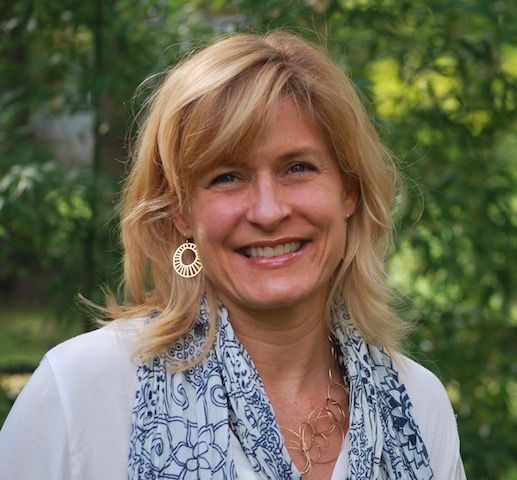 Miranda Morris, Ph.D.
Founder, True North Therapy and Training
I am a psychologist in private practice just outside Washington, D.C. In 2010, after a few years of trying to build a private practice, I stumbled on my local ACBS community. Finding my tribe changed everything. Within a year, we had founded the Mid-Atlantic Chapter of ACBS. Committed to disseminating ACT, our chapter holds multiple workshops each year, provides free training to students, and has grown to well over 250 members. In 2016, I found the courage to step up and serve at the next level of ACBS and have since had the honor of serving on the Chapter & SIG and DEI Committees as well as the Women’s SIG Board. In 2018, I was honored to join our community of peer-reviewed ACT trainers, and I began service as Member at Large on the ACBS Board. My passion is building the ACBS community locally and globally.
Statement: In Improv, players start each show by patting each others’ backs and promising "I've got your back!” In this way, we let each person know that we'll be there to support them and make them shine. It’s not about the individual - it’s about the team and our collective power to lift each other up. On a larger scale, it is this promise, this commitment to one another that we need in order to realize the four pillars of our ACBS Strategic Plan: nurturing community, centering science, enhancing competency, and expanding our presence. The pillars are designed to grow ACBS and disseminate our science in the service of alleviating human suffering. To do this, we’ll need to have each others’ backs - all of them - the powerful, the published, the underrepresented, the disconnected, the disadvantaged. All of us. Let’s keep building an ACBS in which we all have each others’ backs.
Secretary Treasurer
.jpg) Jill Stoddard, Ph.D.
Jill Stoddard, Ph.D.
The Center for Stress and Anxiety Management
Dr. Jill Stoddard is a clinical psychologist and director of The Center for Stress and Anxiety Management, an outpatient clinic specializing in ACT and CBT for anxiety and related problems. Her life mission is to disseminate ACT to the public in accessible ways. As such, she has authored two ACT books, The Big Book of ACT Metaphors: A Practitioner’s Guide to Experiential Exercises and Metaphors in Acceptance and Commitment Therapy and Be Mighty: A Woman's Guide to Liberation from Anxiety, Worry, and Stress Using Mindfulness and Acceptance. Dr. Stoddard is an award-winning teacher, TEDx speaker, peer-reviewed ACT trainer, and co-host of the popular Psychologists Off The Clock podcast. She writes the ACT-based Be Mighty Blog for Psychology Today and her other writing has appeared in Thrive Global, Scary Mommy, The Good Men Project, and Mindful Return. She makes frequent media appearances as a podcast guest and expert news source. She received her PhD from Boston University in 2007.
Statement: World Conference 2014 opened my eyes to the way a professional organization can and should be—welcoming, egalitarian, science based but open to all types of practitioners, cutting edge, and fun. Since then, I have dedicated much of my free time to being an active member of the community. I have loved watching the community grow and the pillars take shape. I have been honored to be part of a strong board who works tirelessly to make ACBS thrive. I believe CBS can change the world. With a global pandemic, climate change, social injustice, and deep divisions across the world, we are at a historical crossroads. I would like to tap the resources of our vastly talented and caring community to expand our reach in new and creative ways. I would be honored to continue on the Board, giving back to the organization that has given so much to me.
Member at Large 1
Valerie Kiel, MSc
ACT-Akademie
My career began twenty years ago as a social psychologist with the United Nations in Kenya, where I became interested in community building, continuing education, online learning, and helping others create fulfilling and dignified lives. After moving to the Netherlands in 2010 and transitioning into clinical work, I became deeply involved with ACT, BA, RFT, FC, FAP. Within ACBS I am passionate about creating initiatives that bring people together to work collaboratively: I am a founding member of the German-speaking chapter in 2012 (on whose board I served twice; 2014-1015, 2017-2018), I co-founded the online drop-in peer supervision meetings (2013-2016, now ACBS Affiliate), and I sat on the Dutch-speaking training committee (2018-2019). I love continuing professional development and regularly attend and present at ACBS conferences. One topic that is very close to my heart is the ACBS-wide dissemination of the Portland Model. Since last year, I have been a co-host of the CBS Trainers Lunch 'n Learn session.
Statement: When I began my clinical training in my early thirties, I sometimes felt ashamed of my nonlinear career path when dealing with other members of the community. Over the years -and to my great surprise!-, I found that my "otherness" proved to be a great advantage in some situations. From this, I've learned that it becomes easier to authentically support others when we ask ourselves, "What does this person bring to ACBS that is unique and could fill a gap in our community or in a particular context?" This helps me to actively seek out and promote diversity in our community. At the same time, given the steady growth of ACBS, it seems important to me to keep reinforcing our commonalities (especially our community values) so that, for all our differences, there is always a steady social cohesion and connection. As a MAL, I want to help our community maintain our shared values AND create space for the recognition of personal differences. Because both are, in my opinion, necessary conditions for the advancement of ACBS.
Member at Large 2 (basic science)
Staci Martin, Ph.D.
National Cancer Institute*
Statement: I have been involved in ACBS in various capacities for over a decade, including having leadership roles in chapters and special interest groups. In line with my professional and personal values, I am ready to serve on the ACBS board as Member at Large (MAL) – basic science. As a clinical researcher at the National Institutes of Health, I am engaged in ACT-based research on a daily basis. If elected, I plan to focus on bringing together researchers and clinicians through conferences and committees. Specifically, I will encourage clinical workshops at ACBS World Conferences to present evidence-based techniques and to prioritize research symposiums that emphasize clinical implications. I am committed to furthering the quest to bridge the clinician-research gap. Other aims are to assess the need for a mentorship program for established ACBS researchers to support early career researchers and to foster awareness of systemic bias against underrepresented minorities in research.
Member at Large 3 (basic science)
Rhonda Merwin, Ph.D.
Duke University Medical Center
I am an Associate Professor at Duke University, a Peer-Reviewed ACT Trainer, and the Founder and Director of ACT at Duke, a clinical, research and training program in Duke University’s School of Medicine. I chair the ACBS Publications Committee, and have been part of this committee’s efforts to promote the quality and success of the Journal of Contextual Behavioral Science (JCBS) for the past 5 years. I am Co-Chair of the CBS Research Task Force and the 2021 ACBS World Scientific Program Conference Committee. My research has been funded by the National Institutes of Health and uses ecological momentary assessment and mobile technology to study factors that influence maladaptive eating and weight control, and deliver intervention in the moment. I also study related constructs (e.g., interoceptive awareness, self-regulation) using sensors and other technologies. I am the author of the book ACT for Anorexia Nervosa: A Guide for Clinicians.
It is hard to think of a more meaningful and far-reaching call. I have been a member of this community since 2003 (before it was ACBS). I cherish it. And I believe that CBS can make a difference in the world. If I am elected to the board, I will work to facilitate greater impact of our work. I will focus on how we can enhance our research; form productive collaborations that bridge basic and applied work; invite new people in and outside the community to participate (and bring new ideas, talents and skills); leverage technology in our science; and create greater accessibility and visibility of our work. I started my research career studying stimulus equivalence/RFT. I have spent years thinking about what makes high quality CBS research, and my career creating and disseminating its products.
Member at Large 4
 Sindhu BS, MS
Private Practice
Sindhu BS is a psychotherapist and an ACT practitioner working in Bangalore, India. Sindhu is hugely passionate about CBS and founded the India Chapter with an intention to disseminate ACT and RFT across her country. In her private practice, working majorly from the ACT approach, she strongly believes that ACT is remarkably effective for the Indian cultural context.
Statement: If elected I would like to facilitate integration of CBS framework to support cultural diversity across the world in different contexts. Furthermore, I would like to make the ACBS board more accessible, so that people from low-and-middle income countries (LAMIC) are more likely to reach out and voice their concerns. I would also like to assist in the understanding peer-reviewed trainer process and make it easier for people from Asian and African continents to apply.
 Melissa Miller
Wichita State University
Melissa is a doctoral student in Wichita State University’s (WSU) Clinical and Community Psychology program. At WSU, she works with Dr. Robert Zettle in the Contextual Behavioral Science Lab and Dr. Jennifer Demers in The Social Action, Violence, & Inequities Research Group. She has a B.A. in Psychology from the University of Mississippi and a M.S. in Psychology from the University of Louisiana at Lafayette. She currently serves as the student representative of the Women's SIG for ACBS and is the president of the Psychology Graduate Student Organization (PGSO) and the Sexual Health Advocacy, Resources, and Education (SHARE) organization at WSU. She also serves as the Editorial Coordinator for the podcast, Psychologists Off the Clock. Her research interests include CBS, grief and bereavement, language, and social justice. When she isn’t doing school and research work, she’s probably hanging out with her two cats, listening to podcasts, or watching Harry Potter.
Statement: In 2016, I was lucky enough to take Dr. Kelly Wilson’s Abnormal Psychology Class at the University of MS. Since then, I have continually sought out ways to learn about and contribute to CBS. This diverse community has modeled value-driven action and fostered a compassionate, cutting-edge way of approaching science, practice, and professionalism. This way of approaching the world has impacted me in innumerable ways, and I have been honored to serve as the student representative of the Women’s SIG, a group who tirelessly advocates for equity in ACBS. If granted the privilege of serving as the student representative for ACBS, I would strive to amplify voices of minority groups within our community, including those of ACBS’s incoming community of professionals, the students. ACBS has fostered so much of my professional and personal growth, and I would be truly honored to give back to this community as the student representative.
The ACBS bylaws say:
The officers of the Association shall consist of a President, President-Elect, Past-President, Secretary-Treasurer, a student representative, and four Members-at-Large of the Board of Directors. Each shall perform the usual duties of the respective office and specific duties provided elsewhere in these Bylaws or as assigned by the Board of Directors. Elections for officers shall be held every year. The President, President-Elect, Past-President, and student representative shall each serve a one-year term and may not hold any other offices within the Association. The Members-at-Large shall be elected every two years. In each two-year cycle one of the Members-at-Large shall have a strong background and interest in basic science relevant to the purposes of the Association. The Secretary-Treasurer shall serve a three year term.
2021-2022 Board of Directors
2021-2022 Board of Directors2021-2022 ACBS Board
President:
Miranda Morris, Ph.D., Founder, True North Therapy and Training (USA)
President - Elect:
Maria Karekla, Ph.D., University of Cyprus (Cyprus)
Past President:
Lisa Coyne, Ph.D., Harvard Medical School (USA)
Secretary Treasurer:
Jill Stoddard, Ph.D., The Center for Stress and Anxiety Management (USA)
Member at Large 1:
Jenna LeJeune, Ph.D., Portland Psychotherapy Clinic, Research, and Training Center (USA)
Member at Large 2 (basic science):
Nigel Vahey, Ph.D., Technological University Dublin (Ireland)
Member at Large 3 (basic science):
Rhonda Merwin, Ph.D., Duke University Medical Center (USA)
Member at Large 4:
Sindhu BS, MS, Private Practice (India)
Student Representative:
Marianna Zacharia, University of Cyprus (Cyprus)
The Bios and Platform statements for the board members are below:
President
Miranda Morris, Ph.D.
Founder, True North Therapy and Training
I am a psychologist in private practice just outside Washington, D.C. In 2010, after a few years of trying to build a private practice, I stumbled on my local ACBS community. Finding my tribe changed everything. Within a year, we had founded the Mid-Atlantic Chapter of ACBS. Committed to disseminating ACT, our chapter holds multiple workshops each year, provides free training to students, and has grown to well over 250 members. In 2016, I found the courage to step up and serve at the next level of ACBS and have since had the honor of serving on the Chapter & SIG and DEI Committees as well as the Women’s SIG Board. In 2018, I was honored to join our community of peer-reviewed ACT trainers, and I began service as Member at Large on the ACBS Board. My passion is building the ACBS community locally and globally.
Statement: In Improv, players start each show by patting each others’ backs and promising "I've got your back!” In this way, we let each person know that we'll be there to support them and make them shine. It’s not about the individual - it’s about the team and our collective power to lift each other up. On a larger scale, it is this promise, this commitment to one another that we need in order to realize the four pillars of our ACBS Strategic Plan: nurturing community, centering science, enhancing competency, and expanding our presence. The pillars are designed to grow ACBS and disseminate our science in the service of alleviating human suffering. To do this, we’ll need to have each others’ backs - all of them - the powerful, the published, the underrepresented, the disconnected, the disadvantaged. All of us. Let’s keep building an ACBS in which we all have each others’ backs.
President- Elect
Maria Karekla, Ph.D.
University of Cyprus
Maria Karekla, Ph.D.,Licensed clinical psychologist, peer-reviewed ACT trainer, ACBS fellow, and Associate Professor, University of Cyprus, is heading the “ACTHealthy” laboratory. Her doctorate is from the University at Albany, SUNY with residency at the University of Mississippi Medical Center & VA Hospital. Her research received numerous local, European and international grants, and awards by (among others) the European Council and Pompidou’s group, Society of Behavioral Medicine, and Association for the Advancement of Behavior Therapy. She is the convenor of the European Federation of Psychology Associations’ Psychology and Health committee and member of the e-health task force. Recently, she was appointed to the National Psychological Aid for COVID committee. Notable past positions: chair, the Cyprus Bioethics Committee and member, Psychologists Licensing Board. In 2018 she was nominated as Cyprus “Woman of the Year: Academic/Researcher.” Her first ACT psychotherapeutic childrens’ book was nominated for the National Literary Awards (2017) in the category Children/Adolescents.
Statement: “When Oedipus encountered the Sphinx, his answer to its riddle was: «Human». That simple word destroyed the monster” (Seferis)- homage to our common humanity. Growing up in the Greek culture, ancient myths and allegories shaped my values in life. Values, I have encountered within ACBS, the work, the organization and its people. My experiences, drive and love for this association and its members, will enable me to continue to serve from the post of President, with continued fervor towards our values, disseminating the science, expanding our reach and service so as to achieve alleviation of human suffering globally. Numerous life areas have been impacted by the pandemic and our science is needed more than ever. Having being intimately involved in ACBS strategic planning, I would aid in our visions materializing and moving ACBS to its next level of development in research, training, education, practical applications, inclusiveness, diversity, impact and reach.
Past President
 Lisa Coyne, Ph.D.
Harvard Medical School (USA)
Statement: ACBS is a loving, compassionate community of scientists and practitioners. As we grow and diversify, we have an opportunity to create a stronger organization. To do so, we must be strategic; grounded and visionary at the same time.
I want us to make ACBS an equitable, inclusive, global home that values and empowers all of its members. There is an Ubuntu saying – I am because we are. It is in our differences that we will discover our strength.
I want us to nurture young scientists by funding innovative science, and to support clinicians by developing standards for excellent practice. I want us to develop streamlined ways of giving scientists and clinicians better access to our collective resources.
I want us to better disseminate our science through expanding our digital presence and skill in technology, communication, and public relations. Fellow travelers, with kindness and admiration, let’s help ACBS thrive.
Secretary Treasurer
Jill Stoddard, Ph.D.
The Center for Stress and Anxiety Management
Dr. Jill Stoddard is a clinical psychologist and director of The Center for Stress and Anxiety Management, an outpatient clinic specializing in ACT and CBT for anxiety and related problems. Her life mission is to disseminate ACT to the public in accessible ways. As such, she has authored two ACT books, The Big Book of ACT Metaphors: A Practitioner’s Guide to Experiential Exercises and Metaphors in Acceptance and Commitment Therapy and Be Mighty: A Woman's Guide to Liberation from Anxiety, Worry, and Stress Using Mindfulness and Acceptance. Dr. Stoddard is an award-winning teacher, TEDx speaker, peer-reviewed ACT trainer, and co-host of the popular Psychologists Off The Clock podcast. She writes the ACT-based Be Mighty Blog for Psychology Today and her other writing has appeared in Thrive Global, Scary Mommy, The Good Men Project, and Mindful Return. She makes frequent media appearances as a podcast guest and expert news source. She received her PhD from Boston University in 2007.
Statement: World Conference 2014 opened my eyes to the way a professional organization can and should be—welcoming, egalitarian, science based but open to all types of practitioners, cutting edge, and fun. Since then, I have dedicated much of my free time to being an active member of the community. I have loved watching the community grow and the pillars take shape. I have been honored to be part of a strong board who works tirelessly to make ACBS thrive. I believe CBS can change the world. With a global pandemic, climate change, social injustice, and deep divisions across the world, we are at a historical crossroads. I would like to tap the resources of our vastly talented and caring community to expand our reach in new and creative ways. I would be honored to continue on the Board, giving back to the organization that has given so much to me.
Member at Large 1
 Jenna LeJeune, Ph.D.
Portland Psychotherapy Clinic, Research, and Training Center
I have been an active member of ACBS since its founding in 2005. I am a peer-reviewed ACT trainer, a supervisor, and co-founder and President of Portland Psychotherapy Clinic, Research, and Training Center. I am also co-author of the book Values in Therapy. I am the founding President of the Oregon Chapter of ACBS and serve on the ACT Training Committee. And at my heart, I am primarily a therapist. But if you know me, hopefully you will know me as someone who is guided by my values. Those values tell you more about who I am than any list of accomplishments or roles. I am committed to being someone whose actions are in the service of welcoming connection, inclusivity, open-hearted generosity, compassion, gracious warmth, and kindness. These are the things that matter most to me about who I am and what I do in this world.
Statement: As a clinician, I have seen ACT transform lives. However, ACBS is broader than ACT, and we have an opportunity to harness our diversity of perspectives and talents to have a much larger impact on the world. If elected, I would work toward inclusive connection as part of implementing the board’s three-year strategic plan. I believe we can improve the effectiveness and productivity of our committees by connecting members who want to be involved but haven’t found a way to contribute or maybe haven’t felt welcomed. I want to help ACBS become more connected with the broader professional and public community by expanding and improving our digital presence. And as more people around the world become trained in ACT, I want to ensure that those trainings remain connected to the science underlying our technologies while also honoring diversity. I would be honored to help serve our community in these ways.
Member at Large 2 (basic science)
Nigel Vahey, Ph.D.
Technological University Dublin
I am a newly tenured lecturer in psychology at Technological University Dublin and a visiting research fellow at Trinity College Dublin’s Institute of Neuroscience (TCIN). After completing my PhD with Prof. Dermot Barnes-Holmes in 2015, I worked for three years as a senior post-doctoral researcher with Prof. Robert Whelan at TCIN in collaboration with Prof.’s Louise McHugh and Jonathan Bricker. I am keenly interested in translational research relating the IRAP, RFT and ACT to addiction, impulsivity, neuroscience, open science, web/smartphone-based interventions, and inclusive education (see https://bit.ly/3tR5lvx). My research has attracted 500+ academic citations and €485,000+ of grants/awards/scholarships. Latterly, while teaching/working with social workers, community workers and counsellors, I’ve been particularly focused on the socially-constructed nature of self; and how it relates to public health messaging, trauma, stigma, inclusion/exclusion, prosociality, and multi-level group selection. I was recently invited to write an ABAI blog about some of this ongoing research here: https://bit.ly/2RQy5aL.
Member at Large 3 (basic science)
Rhonda Merwin, Ph.D.
Duke University Medical Center
I am an Associate Professor at Duke University, a Peer-Reviewed ACT Trainer, and the Founder and Director of ACT at Duke, a clinical, research and training program in Duke University’s School of Medicine. I chair the ACBS Publications Committee, and have been part of this committee’s efforts to promote the quality and success of the Journal of Contextual Behavioral Science (JCBS) for the past 5 years. I am Co-Chair of the CBS Research Task Force and the 2021 ACBS World Scientific Program Conference Committee. My research has been funded by the National Institutes of Health and uses ecological momentary assessment and mobile technology to study factors that influence maladaptive eating and weight control, and deliver intervention in the moment. I also study related constructs (e.g., interoceptive awareness, self-regulation) using sensors and other technologies. I am the author of the book ACT for Anorexia Nervosa: A Guide for Clinicians.
It is hard to think of a more meaningful and far-reaching call. I have been a member of this community since 2003 (before it was ACBS). I cherish it. And I believe that CBS can make a difference in the world. If I am elected to the board, I will work to facilitate greater impact of our work. I will focus on how we can enhance our research; form productive collaborations that bridge basic and applied work; invite new people in and outside the community to participate (and bring new ideas, talents and skills); leverage technology in our science; and create greater accessibility and visibility of our work. I started my research career studying stimulus equivalence/RFT. I have spent years thinking about what makes high quality CBS research, and my career creating and disseminating its products.
Member at Large 4
Sindhu BS, MS
Private Practice
Sindhu BS is a psychotherapist and an ACT practitioner working in Bangalore, India. Sindhu is hugely passionate about CBS and founded the India Chapter with an intention to disseminate ACT and RFT across her country. In her private practice, working majorly from the ACT approach, she strongly believes that ACT is remarkably effective for the Indian cultural context.
Statement: If elected I would like to facilitate integration of CBS framework to support cultural diversity across the world in different contexts. Furthermore, I would like to make the ACBS board more accessible, so that people from low-and-middle income countries (LAMIC) are more likely to reach out and voice their concerns. I would also like to assist in the understanding peer-reviewed trainer process and make it easier for people from Asian and African continents to apply.
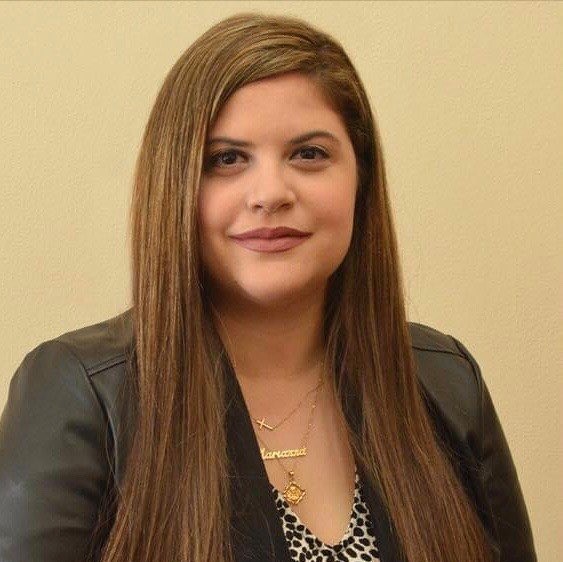 Marianna Zacharia
University of Cyprus
Since the age of 13, I remember telling my parents that I wish to become a psychologist so as to provide help and support to suffering individuals. Since 2016, I am a Registered Clinical Psychologist in Cyprus and I work with children, adolescents and adults at various clinical settings (e.g., cancer patients and their caregivers, people with disabilities, individuals suffering from severe psychopathology). I started researching and practicing ACT in 2016, when I embarked on my PhD journey in Clinical Psychology at the University of Cyprus. Being a member of the ACThealthy Laboratory research team, supervised by Dr Maria Karekla, I became involved in projects relating to ACT interventions for chronic pain (ALGEA), smoking cessation and drug addiction. I have recently received a grant award for conducting my PhD research project An Intervention for female breast CANcer: Acceptance and Commitment Therapy (I-CAN-ACT) for depression and physical pain from the ACBS.
Statement: I am grateful for being part of the CBS community, which offers me the opportunity to meet exceptional individuals in the field and augment my knowledge as well as clinical and research skills in ACT. I would like to offer back and contribute to the ACBS vision of expanding research and clinical work to accomplish amelioration of individuals’ quality of life and alleviation of human suffering. This community has transformed my personal and professional life and my conceptualization of mental health. The most important value in my life is reflected in the following quote: "The strongest force in our universe is not overriding power, but love"- Carl Rogers. My love for ACBS is fuelling my desire to promote and enhance communication of ACBS student members and professionals and advocate for students’ ideas to the board. I look forward to meeting new friends and colleagues from diverse backgrounds and challenging myself!
The ACBS bylaws say:
The officers of the Association shall consist of a President, President-Elect, Past-President, Secretary-Treasurer, a student representative, and four Members-at-Large of the Board of Directors. Each shall perform the usual duties of the respective office and specific duties provided elsewhere in these Bylaws or as assigned by the Board of Directors. Elections for officers shall be held every year. The President, President-Elect, Past-President, and student representative shall each serve a one-year term and may not hold any other offices within the Association. The Members-at-Large shall be elected every two years. In each two-year cycle one of the Members-at-Large shall have a strong background and interest in basic science relevant to the purposes of the Association. The Secretary-Treasurer shall serve a three year term.
2020-2021 Board of Directors
2020-2021 Board of Directors2020-2021 ACBS Board
President:
Lisa Coyne, Harvard Medical School (USA)
President - Elect:
Miranda Morris, Ph.D., Founder, True North Therapy and Training (USA)
Past President:
Dennis Tirch, Ph.D., The Center for Compassion Focused Therapy (USA)
Secretary Treasurer:
Maria Karekla, Ph.D., University of Cyprus (Cyprus)
Member at Large 1:
Jenna LeJeune, Ph.D., Portland Psychotherapy Clinic, Research, and Training Center (USA)
Member at Large 2 (basic science):
Diana Ferroni Bast, National University of Ireland Galway (Ireland)
Member at Large 3 (basic science):
Lance McCracken, Ph.D., Uppsala University (Sweden)
Member at Large 4:
Jill Stoddard, The Center for Stress and Anxiety Management (USA)
The Bios and Platform statements for the board members are below:
President
Lisa Coyne, Ph.D.
Harvard Medical School (USA)
I want us to make ACBS an equitable, inclusive, global home that values and empowers all of its members. There is an Ubuntu saying – I am because we are. It is in our differences that we will discover our strength.
I want us to nurture young scientists by funding innovative science, and to support clinicians by developing standards for excellent practice. I want us to develop streamlined ways of giving scientists and clinicians better access to our collective resources.
I want us to better disseminate our science through expanding our digital presence and skill in technology, communication, and public relations. Fellow travelers, with kindness and admiration, let’s help ACBS thrive.
President- Elect
Miranda Morris, Ph.D.
Founder, True North Therapy and Training
I am a psychologist in private practice just outside Washington, D.C. In 2010, after a few years of trying to build a private practice, I stumbled on my local ACBS community. Finding my tribe changed everything. Within a year, we had founded the Mid-Atlantic Chapter of ACBS. Committed to disseminating ACT, our chapter holds multiple workshops each year, provides free training to students, and has grown to well over 250 members. In 2016, I found the courage to step up and serve at the next level of ACBS and have since had the honor of serving on the Chapter & SIG and DEI Committees as well as the Women’s SIG Board. In 2018, I was honored to join our community of peer-reviewed ACT trainers, and I began service as Member at Large on the ACBS Board. My passion is building the ACBS community locally and globally.
Statement: In Improv, players start each show by patting each others’ backs and promising "I've got your back!” In this way, we let each person know that we'll be there to support them and make them shine. It’s not about the individual - it’s about the team and our collective power to lift each other up. On a larger scale, it is this promise, this commitment to one another that we need in order to realize the four pillars of our ACBS Strategic Plan: nurturing community, centering science, enhancing competency, and expanding our presence. The pillars are designed to grow ACBS and disseminate our science in the service of alleviating human suffering. To do this, we’ll need to have each others’ backs - all of them - the powerful, the published, the underrepresented, the disconnected, the disadvantaged. All of us. Let’s keep building an ACBS in which we all have each others’ backs.
Past President
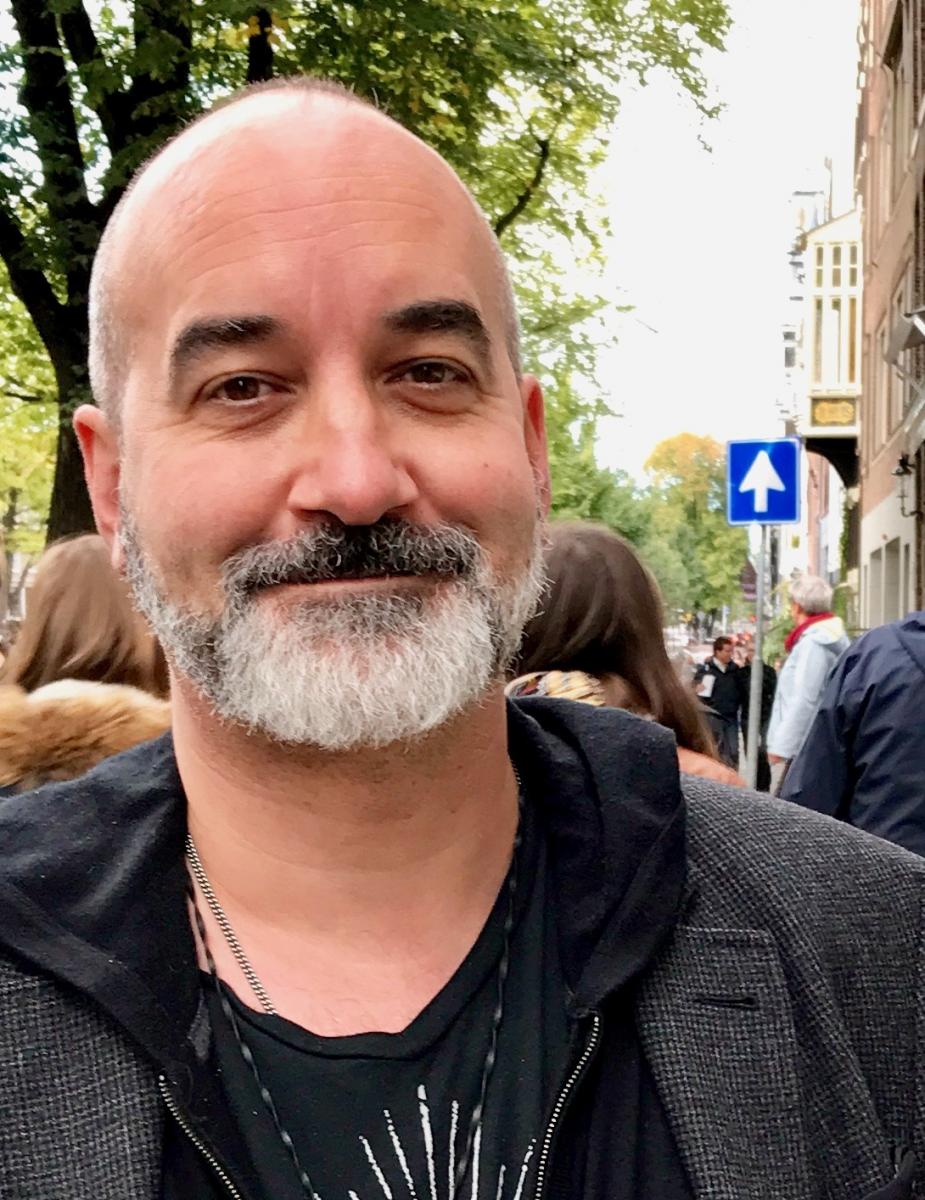 Dennis Tirch, Ph.D.
The Center for Compassion Focused Therapy (USA)
Dr. Tirch is the Founder and Director of The Center for Compassion Focused Therapy, and President of The Compassionate Mind Foundation USA. Dr. Tirch also serves as an Associate Clinical Professor at Icahn Medical School at Mt. Sinai, NY. He is a co-author of 6 books, and numerous chapters and peer reviewed articles on ACT, CFT & CBT. Dr. Tirch is a Fellow of ACBS; Diplomate, Fellow & Certified Consultant & Trainer for The Academy of Cognitive Therapy; Founding Fellow and the Past-President of The NYC-CBT Association; Founding Past-President of The New York City Chapter of ACBS; and Founding Past-President of the Compassion Focused SIG of ACBS. Dr. Tirch is an Associate Editor of The Journal of Contextual Behavioral Therapy. He has served on the faculty of Cornell Weill Medical College and Albert Einstein Medical School. Dr. Tirch regularly conducts ACT and CFT trainings, consultation & workshops globally.
By 2020, ACT can be a household word throughout the world. ACT is arguably the most advanced and comprehensively researched form of evidence based psychotherapy, yet it remains little known outside of psychological science. My aim is to help our community to radically expand public awareness of CBS, ACT & related technologies like CFT, FAP & RFT, so that people the world over will know there is a wiser and scientifically stronger way to address their suffering. We face a global mental health crisis, and political movements that threaten pro-sociality, compassion and altruism. The CBS community is uniquely well armed with the tools, talent and heart needed to address these problems. We can no longer afford to keep these advances out of the public eye. The successful realization of this mission will generate exponential growth of public awareness of CBS through a coordinated and international media, implementation and dissemination effort
Secretary Treasurer
 Maria Karekla, Ph.D.
University of Cyprus (Cyprus)
Maria is a licensed clinical psychologist, Assistant Professor, chairing the Clinical Psychology Doctorate program and the “ACThealthy” laboratory at the University of Cyprus. She completed her doctorate from the University at Albany, SUNY and her residency at the University of Mississippi Medical Center. Her research focuses on health promotion and the investigation of individual difference factors as they relate to the development and maintenance of behavioural difficulties. She examines the treatment of these difficulties utilizing CBS interventions and innovative delivery methods (e.g., digitalized interventions, virtual reality). Her research received awards from: European Council and Pompidou’s group, ABCT, and Society of Behavioral Medicine; and grants from national and EU funds. She is chairing the Cyprus Bioethics Committee, is a member of the Psychologist Licensing Board, and the European Federation of Psychology Associations’ Psychology and Health and e-health task forces. In the past two years she served as a member-at-large of ACBS.
“As you set out for Ithaka
hope the voyage is a long one,
full of adventure, full of discovery…” (Kavafis)
Growing up in the island of Cyprus, I had Kavafis’ poems and his allegorical meanings deeply influencing my choices in life. These same meanings I have found in the ACBS community, which drew me to this work, the organization and its people. I have been a part of ACBS almost from its inception and I have tried to serve the association through various capacities: serving on conference committees, boards of various SIGs, becoming an ACT trainer, starting the Cyprus-Greece ACBS chapter, and serving on the ACBS executive board as member-at-large. My experiences, my drive and love for this association and the group of individuals who constitute it, will enable me to continue to serve ACBS from the post of secretary/treasurer, with continued fervor towards excellence.
Member at Large 1
Jenna LeJeune, Ph.D.
Portland Psychotherapy Clinic, Research, and Training Center
I have been an active member of ACBS since its founding in 2005. I am a peer-reviewed ACT trainer, a supervisor, and co-founder and President of Portland Psychotherapy Clinic, Research, and Training Center. I am also co-author of the book Values in Therapy. I am the founding President of the Oregon Chapter of ACBS and serve on the ACT Training Committee. And at my heart, I am primarily a therapist. But if you know me, hopefully you will know me as someone who is guided by my values. Those values tell you more about who I am than any list of accomplishments or roles. I am committed to being someone whose actions are in the service of welcoming connection, inclusivity, open-hearted generosity, compassion, gracious warmth, and kindness. These are the things that matter most to me about who I am and what I do in this world.
Statement: As a clinician, I have seen ACT transform lives. However, ACBS is broader than ACT, and we have an opportunity to harness our diversity of perspectives and talents to have a much larger impact on the world. If elected, I would work toward inclusive connection as part of implementing the board’s three-year strategic plan. I believe we can improve the effectiveness and productivity of our committees by connecting members who want to be involved but haven’t found a way to contribute or maybe haven’t felt welcomed. I want to help ACBS become more connected with the broader professional and public community by expanding and improving our digital presence. And as more people around the world become trained in ACT, I want to ensure that those trainings remain connected to the science underlying our technologies while also honoring diversity. I would be honored to help serve our community in these ways.
Member at Large 2 (basic science)
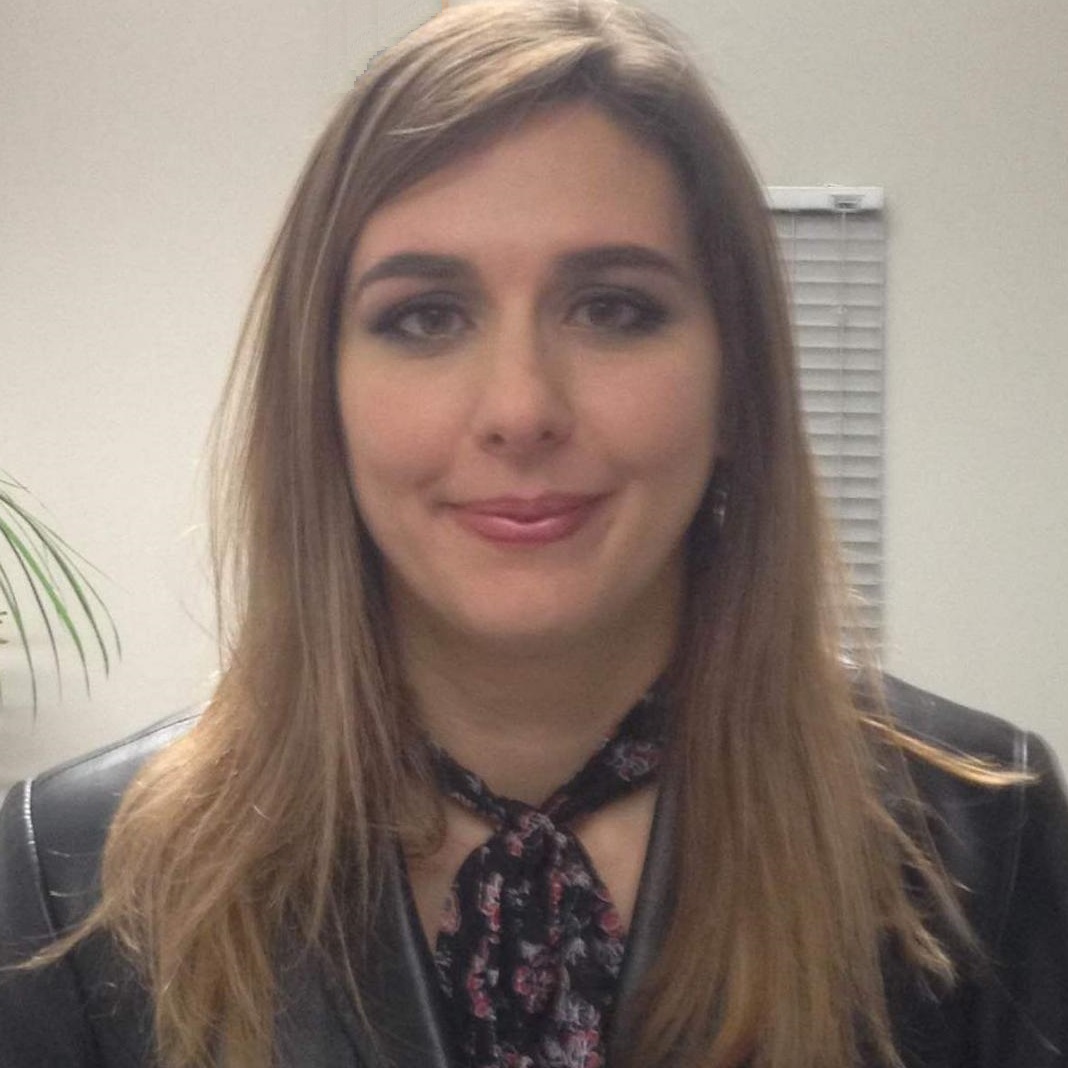 Diana Ferroni Bast, Ph.D.
Trinity College Dublin (Ireland)
I’m a Brazilian/Italian BCBA, clinical psychologist, and researcher presently living in Ireland. I started my career working and researching in the psychiatric hospital of São Paulo University. In 2011, I did my doctorate in Maynooth University under the supervision of Professor Dermot Barnes-Holmes and then did postdoctoral research under the supervision of Dr. Celso Goyos (UFSCAR, Brazil) in collaboration with Dr. Ian Stewart (NUI Galway). Recently, I’ve become course director of the Applied Behavior Analysis Masters program in Trinity College Dublin. I’m interested in the dynamic interaction between basic and applied research and have worked in a number of areas of RFT/ACT focus including the Implicit Relational Assessment Procedure (IRAP), hierarchical relational framing, Prosocial, RFT analysis of ACT processes and translational research. My work has been funded by various agencies (FAPESP, BEPE, CAPES, Enterprise Ireland) and has involved collaboration with a variety of international researchers and a multidisciplinary team.
Statement: My experience as a researcher and clinician, and as a member of different overlapping scientific communities (Behavior Analysis and ACBS), as well as of diverse national chapters within ACBS (Brazil and UK) gives me extensive perspective on the challenges faced by researchers in terms of research priorities, conference attendance, community involvement, and issues of inclusion. The future of our community lies in actively working on creating bridges between basic and applied science, and between different communities and in fostering a democratic science. I will help achieve this through support of members and sponsors via several initiatives including (i) developing an accessible online conference (ii) developing programs for assistance in writing funding grants (iii) promoting members’ participation and discussion, especially of those from developing countries (iv) promoting new online channels to support international cooperation and collaboration (v) promoting greater accessibility of RFT to a broad public including especially investors.
Member at Large 3 (basic science)
Member at Large 4
Jill Stoddard, Ph.D.
 Lam Ching Yee
The Hong Kong Polytechnic University
Ching-yee Lam is a doctoral candidate in School of Nursing at The Hong Kong Polytechnic University. Also, she is a senior lecturer in the School of Nursing and Health studies at The Open University of Hong Kong. She got her Bachelor of Nursing from La Trobe University, and Master of Nursing and Master of Philosophy at The University of Hong Kong. Her PhD thesis focuses on developing and evaluating ACT applications for promoting mental wellbeing in university nurse learners. With raising rates of stress in people and resulting human suffering, she is interested in researching ACT as an intervention for general public at primary care setting. She has been a member of ACBS for over four years and has attended three previous World Conference. Also, she is a member of Asian Culture and CBS SIG, China Chapter and Hong Kong Chapter.
Statement: I am passionate about researching and translating theoretical knowledge into applied practices. Apart from attending the World Conference, while there are experts of contextual behavioral science in the community, I always curious about what student members could learn more from them. Also, I wonder how to bring CBS more accessible and relevant to people of different background. To achieve this, my goal is to build networks and supports for student members to collaborate on researching and to share resources amongst members. With a dual identity of a university teaching faculty and a part-time PhD student, as a student representative, I hope to facilitate students’ growth in the field of contextual behavioral science and to help increase students’ engagement in the ACBS community.
The ACBS bylaws say:
The officers of the Association shall consist of a President, President-Elect, Past-President, Secretary-Treasurer, a student representative, and four Members-at-Large of the Board of Directors. Each shall perform the usual duties of the respective office and specific duties provided elsewhere in these Bylaws or as assigned by the Board of Directors. Elections for officers shall be held every year. The President, President-Elect, Past-President, and student representative shall each serve a one-year term and may not hold any other offices within the Association. The Members-at-Large shall be elected every two years. In each two-year cycle one of the Members-at-Large shall have a strong background and interest in basic science relevant to the purposes of the Association. The Secretary-Treasurer shall serve a three year term.
2024-2025 Board of Directors
2024-2025 Board of Directors
President:
- Rhonda Merwin, Ph.D., Duke University Medical Center (USA)
- Rhonda Merwin, PhD is an Associate Professor at Duke University Medical Center, a Peer-Reviewed ACT Trainer, and the Founder of ACT at Duke, a research, clinical and training program in Duke University’s School of Medicine. She also has the honor of being a Fellow of ACBS and a current Member-at-Large Board Member. She chairs the ACBS Publications Committee, dedicated to the quality and success of the Journal of Contextual and Behavioral Science, a committee that she has served on since 2015. She currently directs CBS SuperLab, an effort to bring together CBS researchers and labs from around the world to advance CBS research. Dr. Merwin is also a clinician and a teacher, and the author of ACT for Anorexia Nervosa: A Guide for Clinicians. Her research is funded by the National Institutes of Health (among other sponsors), and focuses on multi-level, multi-dimensional factors that influence maladaptive eating and weight control, and the delivery personalized interventions in real time.
Statement: "Act as though what you do makes a difference. It does."-William James. What we do matters; how we spend our time, where we invest our energy. I choose to spend it here- in an organization of passionate individuals devoted to the alleviation of human suffering. As I type those words, I appreciate the significance of this charge. How might we reimagine ourselves or our organization to maximize our impact? Because, while all acts matter, I believe we have untapped potential to address the challenges facing human beings. “Never doubt that a small group of thoughtful, committed, organized citizens can change the world.”-Margaret Mead. I believe that CBS can make a difference; that we can make a difference with the strength of our collective and diverse ideas and skills, and a structure that empowers and inspires individuals to engage and reminds them that what they do matters. As President, I will identify ways to maximize our potential, keeping science at the forefront (as clinicians, researchers, teachers, etc.) and empowering individuals to work together toward common values/goals.
President-Elect:
- Manuela O'Connell, Lic. (Argentina)
 Clinical psychologist specialize in ACT, Mindfulness, FAP and CFT. Peer Reviewed ACT Trainer and Fellow for ACBS. ACT trainer and supervisor along Latin America in the Spanish speaking population. Board President of ACL Foundation (Live with Awareness, Courage and Love). Certified Mindfulness Meditation Teacher with Tara Brach and Jack Kornfield. I have been involved also in body work and somatic training for the last 30 years also a certified Eutony teacher. In this area I have been integrating somatic experiences with Mindfulness and ACT in the form of Embodied Metaphor into my clinical work and has presented around this topic extensively. Author of a general public book Una vida valiosa from Random Penguin House in Spanish and delivered ACT for the general public interventions. Co-author of The ACT Workbook for Anger with Dr. Robyn Walser and wrote several publications in the area of the therapeutic relationship and couples work.
Statement: I have been serving ACBS for the last 11 years so I know it's heart and soul. As a South American non-native English speaker, I am driven by a passionate commitment to fostering diversity, promoting inclusion, and effecting meaningful change within our community. Diversity is a fundamental pillar of strength. Our field flourishes when we embrace a wide spectrum of perspectives, experiences, and voices. As president, I pledge to prioritize initiatives that amplify underrepresented voices and cultivate a culture of belonging where every member feels valued and empowered to contribute their unique insights and talents. I am also dedicated to creating an environment where individuals from all walks of life feel welcomed and supported in their professional journeys. By fostering a culture of openness and collaboration, we can harness the full potential of our diverse membership to tackle the complex challenges facing our field and society at large.
Past President:
- Andrew Gloster, Ph.D., University of Lucerne (Switzerland)
- Andrew Gloster, ACBS Fellow and professor at the University of Lucerne, Switzerland. Trained in the U.S.A., he has worked in Europe since 2006. Andrew is international in his outlook and sensitivities. He has published over 150 scientific papers, books and treatment manuals. His contextual behavioral science research program has empirically tested numerous aspects of the CBS model including clinical trials, public health, biological & genetic variables, pro-social behaviors in groups, and technological interventions. He is a licensed psychotherapist and a passionate mentor and trainer. Andrew actively works to disseminate and communicate science across professional lines and to the general public. Andrew has served ACBS in numerous capacities including secretary/treasurer of the Board, ACBS Foundation president, program chair (2015 Berlin), and is an Associate Editor of JCBS.Statement: ACBS is a special organization. It is the only organization I know of that seriously cares about the hearts and minds of its members, while simultaneously supporting activities to increase well-being across the world. The breadth of professions and geographical regions at home in ACBS is a testament to the mission, spirit, and values of its members. This is simultaneously a strength and challenge.In my previous roles within ACBS, I gained a detailed understanding of the issues ACBS and its members face. If elected, I will utilize this knowledge and contribute with my international, scientist-practitioner perspective. I will work with the board and membership to continue identifying additional ways that ACBS can serve its members. Additionally, I will work to preserve the core values of ACBS while we continue the important work of expanding the science and refining our interventions. It would be my honor to serve as president.
Secretary-Treasurer:
- David Gillanders, DClinPsy, University of Edinburgh (Scotland)
- I am a Clinical Psychologist and Senior Lecturer at the University of Edinburgh. I’ve been learning ACT since 2004 and now teach as a Peer Reviewed Trainer. I’m also a Fellow of ACBS. My research programme focusses on ACT for long term health conditions, and more recently I have specialised in ACT for cancer and end of life. I’ve previously served ACBS as Chair of the Training Committee from 2011 to 2015, and as President, then Past President of the UK and Republic of Ireland Chapter from 2017 to 2020. I served on the Conference Strategy Committee from 2017 to 2020 and was joint programme chair for the World Conference in Dublin in 2019. I am a member of the Strategic Pillar on Competency and Dissemination.
Statement: I have previously served ACBS at the Chapter level and Internationally. In these roles I bring good organisational skills, careful and sensitive diplomacy and an ability to commit and follow through. I am able to listen to multiple perspectives and to help groups to reach consensus. As Training Committee Chair I led the committee in developing greater transparency of process and greater detail of evaluating the basic science competencies for peer reviewed trainers. These experiences show my abilities in working on international committees. I was elected to the role of Secretary / Treasurer in October 2023 to complete the term of office of the previous role holder. I would like to continue to serve the organisation in this role. I have contributed to discussion of sensitive issues with tact and diplomacy, and have at times brought a critical perspective to the board, whilst talking from the heart.
Members at Large (Basic Science):
- Jennifer Shepard Payne, Ph.D., LCSW-C, Johns Hopkins University/ Kennedy Krieger Institute (USA)
- Jennifer Shepard Payne, Ph.D., LCSW-C, is a Research Scientist at the Kennedy Krieger Institute in the Center for Child and Family Traumatic Stress (CCFTS) and the Center for the Neuroscience of Social Injustice. She is also an Assistant Professor at the Johns Hopkins University School of Medicine within the Department of Psychiatry.
She received her doctorate in Social Welfare from UCLA and is a Licensed Clinical Social Worker with many years of experience in mental health clinical practice and administration. For several years, Dr. Payne has been working on culturally tailoring Acceptance and Commitment Therapy (ACT) for African American communities experiencing racial trauma. She developed a culturally tailored version of ACT called POOF: www.POOF-PullingOutOfFire.com
Additionally, her book, Out of the Fire: Healing Black Trauma Caused by Systemic Racism Using Acceptance and Commitment Therapy, can be obtained from New Harbinger, Barnes and Noble, Target, Amazon, and other booksellers.Statement: Although I have been in ACBS for less than ten years, I embraced it fully when I joined. Being active in ACBS is a value of mine because ACT has become so valuable to me. From the time that I learned about ACT and stepped into my first training, I was intrigued and hooked. Thus, my involvement with and dedication to the Association has been constant since I joined.
Soon after joining ACBS, I joined the DEI-SIG because while I loved ACT, I wondered why few persons who looked like me (persons of color) were visible in ACBS. I wanted to change that, and that desire intensified after George Floyd was murdered. June 2020 was a turning point in my life, as I am sure it was a turning point in the lives of many others. I desire to recruit and retain more diverse participants into the ACBS family. - Alison Stapleton, Ph.D., University College Dublin (Ireland)
 Dr Alison Stapleton is a Chartered Psychologist of the Psychological Society of Ireland, Postdoctoral Fellow at Smithsfield Clinic and University College Dublin, and a Lecturer in Psychology at Dublin Business School and the Institute of Integrative Counselling and Psychotherapy. Alison coordinates the Association for Contextual Behavioral Science (ACBS) Neurodiversity-Affirming Research and Practice Special Interest Group (SIG), served on the Steering Committee for the ACBS Relational Frame Theory SIG, and currently works at ACT Now Purposeful Living, a leading provider of ACT training in Ireland. Alison regularly delivers national and international level trainings, and has experience working in psychological services to identify, accommodate, and support a range of neurotypes. Alison has published two book chapters and 13 scientific articles, most recently contributing to The Oxford Handbook of ACT and a systematic review of adults’ experiences of being identified as autistic in adulthood (manuscript submitted for publication).Statement: I want to strengthen the impact of process-based therapy and relational frame theory inside ACBS and beyond the "bubble". Disseminating CBS while collaboratively and collegially refining our science is imperative if we are to self-correct and meaningfully advance as a field.
I want to make ACBS a welcoming space for all, particularly neurominorities and "first-generation" academics. Collective strength lies in diversity, and harnessing that strength depends on accessibility; inclusion isn't just a "seat at the table" - it's having a voice and being heard too. I want to bolster meaningful inclusion in ACBS.
I want to improve communication between ACBS members and non-members. Productive collaborations and mutual exchanges of ideas and methodological approaches will increase variability in the field, highlight areas for redress and growth, and better our science.
Members at Large:
- Jacob Martinez, LPC, Private Practice (USA)
- Jacob Martinez is a licensed professional counselor in the state of Wisconsin, USA. He is currently the chair of the ACBS Diversity, Equity, and Inclusion Special Interest Group; a member of the ACBS DEI Committee, and a member of the ACBS Membership Committee. Jacob is committed to making ACBS more accessible and inclusive, and has a particular interest in non-hierarchical organizational and community structures. When Jacob is not in the therapy room you can find him organizing his rare pencil collection and perfecting his Texas-style Smoked Brisket.
Statement: The vision of ACBS as dedicated to “the alleviation of human suffering and the advancement of human well-being through contextual behavioral science” can only be achieved through a strong commitment to and affirmation of the global community that makes up this organization.
ACBS will thrive or die only so far as we are willing to be stewards of this community. Stewards for no other reason but because a shared set of values motivates us. Members of ACBS deepening connection across lines of geography, age, cultural background, ability, education, and profession is a form of mutual aid that benefits us all; and which ultimately sets ACBS apart from other organizations of its type.
My goal in serving as member-at-large is to promote a culture of community stewardship that every member of ACBS can partake in confidently. To advocate for channels of cooperation, communication, and relationship building across this community. - Sevinç Ulusoy, M.D., Cansagligi Foundation, Center for Contextual Behavioral Science (Türkiye)
 I am a psychiatrist and currently working as a researcher at Cansagligi Foundation, Center for Contextual Behavioral Science. My medical education was completed at Istanbul University Istanbul Faculty of Medicine in 2008, followed by my psychiatry residency at Istanbul Bakirkoy Prof. Dr. Mazhar Osman Research and Training Hospital for Psychiatry and Neurology in 2014. Throughout my psychiatry residency training, I have dedicated my focus to Cognitive Behavioral Therapy approaches, conducting research in various areas including emotion, affective disorders, stigma, and trans-diagnostic processes. Since 2013, my involvement with ACT and RFT has been profound. I am a founding member of the Turkiye chapter and previously served as president of the Turkiye chapter (2015-2017).
I contribute as a trainer and supervisor in Acceptance and Commitment Therapy trainings facilitated by the Turkish Association for Contextual Behavioral Science. Recently, my specialization has extended into psycho-oncology and trauma.Statement: I’ve been engaged with the ACBS community for over a decade and have been deeply impressed by its non-judgmental and accepting attitude since day one. This inclusive stance, welcoming of differences, cultivates a profound sense of belonging. My ongoing participation underscores the alignment of this community with my core values: openness, compassion, teamwork, togetherness, and continuous learning. If elected, I am committed to advancing these values further, and here are some of my objectives:
- Uniting clinicians and researchers from diverse geographic locations who may have varying approaches to psychotherapy education and practice but encounter similar challenges under the umbrella of ACBS, fostering greater communication among them and promoting collaborative efforts.
- Expanding the ACBS network into countries where community networks are still developing, introducing CBS principles to newcomers.
- Creating supportive environments for early-career researchers and clinicians to engage meaningfully with experienced ACBS members.
Student Representative:
- Sanna Turakka, Terapia- ja ohjauspalvelut Elonkuohu, Private Practice / University of Jyväskylä (Finland)
 I have Master's degrees in Special Education and Sport and Exercise Psychology, and at the moment I am working on my PhD research on Perfectionism and Self-compassion in Competitive Sports, at the University of Jyväskylä. I am an accredited Psychotherapist and a Psychotherapist Trainer and Supervisor in Finland. I have my private practice from where I do psychotherapy, sport and performance psychology coaching and consultation, supervision, and trainings. I also work as a psychotherapist trainer at Tampere University. My personal and professional lenses are built of contextual behavioral science and compassion focused approaches and I want to advance the application and research of these approaches to contexts beyond the field of clinical psychology (for example education, sport, wellbeing, primary healthcare). In Finland, I am actively involved in our ACBS community and our Sport Psychology community (for example as Board member of the Finnish Association of Sport Psychology).
Statement: I have been applying ACT and functional contextual approaches to my life and work since 2009. At that point I was training to be a psychotherapist, and attended a workshop by JoAnne Dahl, where my understanding on managing human emotions was (fortunately) blown into gazillion pieces. My professional mission has been to do my part in distributing evidence based contextual behavioral approaches to people in different contexts and professions. In 2021-2022 I was the Finnish representative of the ACBS Language and National Chapters, as chapter leaders worked together using PROSOCIAL principles to communicate, cooperate, identify, and solve problems to build a stronger community. While that process was interrupted, when the world situation urged us to work on other topics, I strongly support furthering this evolution of a stronger community driven by regular communication and co-operation of our ACBS members from different language areas, cultures, and professions.
2019-2020 Board of Directors
2019-2020 Board of Directors2019-2020 ACBS Board
President:
Dennis Tirch, Ph.D., The Center for Compassion Focused Therapy (USA)
President - Elect:
Lisa Coyne, Ph.D., Harvard Medical School (USA)
Past President:
Louise Hayes, Ph.D., The University of Melbourne (Australia)
Secretary Treasurer:
Maria Karekla, Ph.D., University of Cyprus (Cyprus)
Member at Large 1:
Miranda Morris, Ph.D., Private Practice (USA)
Member at Large 2 (basic science):
Diana Ferroni Bast, Ph.D., National University of Ireland Galway (Ireland)
Member at Large 3 (basic science):
Lance McCracken, Ph.D., Uppsala University (Sweden)
Member at Large 4:
Jill Stoddard, Ph.D., The Center for Stress and Anxiety Management (USA)
The Bios and Platform statements for the board members are below:
President
 Dennis Tirch, Ph.D.
The Center for Compassion Focused Therapy (USA)
Dr. Tirch is the Founder and Director of The Center for Compassion Focused Therapy, and President of The Compassionate Mind Foundation USA. Dr. Tirch also serves as an Associate Clinical Professor at Icahn Medical School at Mt. Sinai, NY. He is a co-author of 6 books, and numerous chapters and peer reviewed articles on ACT, CFT & CBT. Dr. Tirch is a Fellow of ACBS; Diplomate, Fellow & Certified Consultant & Trainer for The Academy of Cognitive Therapy; Founding Fellow and the Past-President of The NYC-CBT Association; Founding Past-President of The New York City Chapter of ACBS; and Founding Past-President of the Compassion Focused SIG of ACBS. Dr. Tirch is an Associate Editor of The Journal of Contextual Behavioral Therapy. He has served on the faculty of Cornell Weill Medical College and Albert Einstein Medical School. Dr. Tirch regularly conducts ACT and CFT trainings, consultation & workshops globally.
By 2020, ACT can be a household word throughout the world. ACT is arguably the most advanced and comprehensively researched form of evidence based psychotherapy, yet it remains little known outside of psychological science. My aim is to help our community to radically expand public awareness of CBS, ACT & related technologies like CFT, FAP & RFT, so that people the world over will know there is a wiser and scientifically stronger way to address their suffering. We face a global mental health crisis, and political movements that threaten pro-sociality, compassion and altruism. The CBS community is uniquely well armed with the tools, talent and heart needed to address these problems. We can no longer afford to keep these advances out of the public eye. The successful realization of this mission will generate exponential growth of public awareness of CBS through a coordinated and international media, implementation and dissemination effort
President- Elect
 Lisa Coyne, Ph.D.
Harvard Medical School (USA)
I want us to make ACBS an equitable, inclusive, global home that values and empowers all of its members. There is an Ubuntu saying – I am because we are. It is in our differences that we will discover our strength.
I want us to nurture young scientists by funding innovative science, and to support clinicians by developing standards for excellent practice. I want us to develop streamlined ways of giving scientists and clinicians better access to our collective resources.
I want us to better disseminate our science through expanding our digital presence and skill in technology, communication, and public relations. Fellow travelers, with kindness and admiration, let’s help ACBS thrive.
Past President
 Louise Hayes, Ph.D.
The University of Melbourne (Australia)
Community and connection has become the centre of my work and I will use this focus to benefit ACBS members. I was introduced to ACT in 2003 and became a member of ACBS in 2006. I am a peer reviewed ACT trainer. I run a training business, a private practice, and I am a Senior Fellow with The Centre for Youth Health at The University of Melbourne. My passions lie in my philanthropic work; most recently Mindful Adventures where we provide experiences for professionals, give poor people wages, and raise money to help educate remote children in Nepal. I have held a number of roles within ACBS including: Member-at-Large of the international board, President of the Australian and New Zealand Chapter, committee member for the Training Committee, the Conference Strategy Committee, the Developing Nations Committee, and lastly Program Chair for the Sydney World Conference.
Statement: I would be humbled and honoured to serve as ACBS President. My vision is to focus on evolving a professional society with two key agendas – (1) a continued strong science and research platform that is home to all types of professionals interested in the human condition; and (2) strengthen our membership through inclusiveness, cooperation, and community building. ACBS has seen wonderful growth and I see this as a major challenge for us all – the bigger we get, the easier it is to feel lost. It seems timely to me that evolution science and principles of group selection and cooperation, along with Ostrom’s principals for managing the commons will help us grow the ACBS community we want. I would seek to use our knowledge in these areas to stay connected as a community and work together in our scientific interests, our training and networking, and our SIGs and Chapters.
Secretary Treasurer
Maria Karekla, Ph.D.
University of Cyprus (Cyprus)
Maria is a licensed clinical psychologist, Assistant Professor, chairing the Clinical Psychology Doctorate program and the “ACThealthy” laboratory at the University of Cyprus. She completed her doctorate from the University at Albany, SUNY and her residency at the University of Mississippi Medical Center. Her research focuses on health promotion and the investigation of individual difference factors as they relate to the development and maintenance of behavioural difficulties. She examines the treatment of these difficulties utilizing CBS interventions and innovative delivery methods (e.g., digitalized interventions, virtual reality). Her research received awards from: European Council and Pompidou’s group, ABCT, and Society of Behavioral Medicine; and grants from national and EU funds. She is chairing the Cyprus Bioethics Committee, is a member of the Psychologist Licensing Board, and the European Federation of Psychology Associations’ Psychology and Health and e-health task forces. In the past two years she served as a member-at-large of ACBS.
“As you set out for Ithaka
hope the voyage is a long one,
full of adventure, full of discovery…” (Kavafis)
Growing up in the island of Cyprus, I had Kavafis’ poems and his allegorical meanings deeply influencing my choices in life. These same meanings I have found in the ACBS community, which drew me to this work, the organization and its people. I have been a part of ACBS almost from its inception and I have tried to serve the association through various capacities: serving on conference committees, boards of various SIGs, becoming an ACT trainer, starting the Cyprus-Greece ACBS chapter, and serving on the ACBS executive board as member-at-large. My experiences, my drive and love for this association and the group of individuals who constitute it, will enable me to continue to serve ACBS from the post of secretary/treasurer, with continued fervor towards excellence.
Member at Large 1
Miranda Morris, Ph.D.
Private Practice (USA)
Miranda is a Clinical Psychologist in private practice just outside of Washington, DC. She received her PhD in Clinical Psychology at the University of Missouri - St. Louis under the mentorship of Patricia Resick, PhD. She is the founder of DC ACT, a consortium of therapists who provide training in ACT to professionals in the region. Miranda helped found the Mid-Atlantic Chapter of ACBS (MAC-ACBS) and has served on the MAC-ACBS Board for six years. She and her MAC colleagues regularly conduct free ACT workshops for students and professionals in their region. She also serves as Manager of the ACBS Women’s SIG and as a member of the Diversity and Chapter/SIG committees. In addition, she teaches Psychology and Social Justice a local cooperative high school. Miranda lives in Takoma Park, MD with her partner, two kids and two impossibly small dogs.
ACBS has been a home to me for ten years. In that time, my experiences within our community have inspired and shaped me. ACBS has provided me a context in which I can move continuously toward my values of community building and sharing CBS. My desire to serve as MAL was born of these values. Given the opportunity, I would like to focus on creating a more inclusive community, one attuned to the needs of groups nested within ACBS (e.g., Chapters. SIGs) as well as individuals from diverse professional and personal backgrounds. Our membership is growing — maintaining a sense of connection within ACBS will be an ongoing challenge. I’d like us to invest in creating support for the diverse groups/individuals that make ACBS the vibrant community I love. My hope is to help make ACBS as much a home for others as it has been for me.
Member at Large 2 (basic science)
Diana Ferroni Bast, Ph.D.Trinity College Dublin (Ireland)
I’m a Brazilian/Italian BCBA, clinical psychologist, and researcher presently living in Ireland. I started my career working and researching in the psychiatric hospital of São Paulo University. In 2011, I did my doctorate in Maynooth University under the supervision of Professor Dermot Barnes-Holmes and then did postdoctoral research under the supervision of Dr. Celso Goyos (UFSCAR, Brazil) in collaboration with Dr. Ian Stewart (NUI Galway). Recently, I’ve become course director of the Applied Behavior Analysis Masters program in Trinity College Dublin. I’m interested in the dynamic interaction between basic and applied research and have worked in a number of areas of RFT/ACT focus including the Implicit Relational Assessment Procedure (IRAP), hierarchical relational framing, Prosocial, RFT analysis of ACT processes and translational research. My work has been funded by various agencies (FAPESP, BEPE, CAPES, Enterprise Ireland) and has involved collaboration with a variety of international researchers and a multidisciplinary team.
Member at Large 3 (basic science)
Member at Large 4
 Jill Stoddard, Ph.D.
 Varsha Eswara Murthy
The ACBS bylaws say:
The officers of the Association shall consist of a President, President-Elect, Past-President, Secretary-Treasurer, a student representative, and four Members-at-Large of the Board of Directors. Each shall perform the usual duties of the respective office and specific duties provided elsewhere in these Bylaws or as assigned by the Board of Directors. Elections for officers shall be held every year. The President, President-Elect, Past-President, and student representative shall each serve a one-year term and may not hold any other offices within the Association. The Members-at-Large shall be elected every two years. In each two-year cycle one of the Members-at-Large shall have a strong background and interest in basic science relevant to the purposes of the Association. The Secretary-Treasurer shall serve a three year term.
2018-2019 Board of Directors
2018-2019 Board of Directors2018-2019 ACBS Board
President:
Louise Hayes, Ph.D., The University of Melbourne (Australia)
President - Elect:
Dennis Tirch, Ph.D., The Center for Compassion Focused Therapy (USA)
Past President:
Giovambattista "Nanni" Presti, M.D., Ph.D., University Kore, Enna (Italy)
Secretary Treasurer:
Maria Karekla, Ph.D., University of Cyprus (Cyprus)
Member at Large 1:
Miranda Morris, Ph.D., Private Practice (USA)
Member at Large 2 (basic science):
Lisa Coyne, Ph.D., McLean/Harvard Medical School (USA)
Member at Large 3 (basic science):
Amy R. Murrell, Ph.D., University of North Texas (USA)
Member at Large 4:
Jonathan Bricker, Ph.D., Fred Hutchinson Cancer Research Center & University of Washington (USA)
The Bios and Platform statements for the board members are below:
President
Louise Hayes, Ph.D.
The University of Melbourne (Australia)
Community and connection has become the centre of my work and I will use this focus to benefit ACBS members. I was introduced to ACT in 2003 and became a member of ACBS in 2006. I am a peer reviewed ACT trainer. I run a training business, a private practice, and I am a Senior Fellow with The Centre for Youth Health at The University of Melbourne. My passions lie in my philanthropic work; most recently Mindful Adventures where we provide experiences for professionals, give poor people wages, and raise money to help educate remote children in Nepal. I have held a number of roles within ACBS including: Member-at-Large of the international board, President of the Australian and New Zealand Chapter, committee member for the Training Committee, the Conference Strategy Committee, the Developing Nations Committee, and lastly Program Chair for the Sydney World Conference.
Statement: I would be humbled and honoured to serve as ACBS President. My vision is to focus on evolving a professional society with two key agendas – (1) a continued strong science and research platform that is home to all types of professionals interested in the human condition; and (2) strengthen our membership through inclusiveness, cooperation, and community building. ACBS has seen wonderful growth and I see this as a major challenge for us all – the bigger we get, the easier it is to feel lost. It seems timely to me that evolution science and principles of group selection and cooperation, along with Ostrom’s principals for managing the commons will help us grow the ACBS community we want. I would seek to use our knowledge in these areas to stay connected as a community and work together in our scientific interests, our training and networking, and our SIGs and Chapters.
President- Elect
Dennis Tirch, Ph.D.
The Center for Compassion Focused Therapy (USA)
Dr. Tirch is the Founder and Director of The Center for Compassion Focused Therapy, and President of The Compassionate Mind Foundation USA. Dr. Tirch also serves as an Associate Clinical Professor at Icahn Medical School at Mt. Sinai, NY. He is a co-author of 6 books, and numerous chapters and peer reviewed articles on ACT, CFT & CBT. Dr. Tirch is a Fellow of ACBS; Diplomate, Fellow & Certified Consultant & Trainer for The Academy of Cognitive Therapy; Founding Fellow and the Past-President of The NYC-CBT Association; Founding Past-President of The New York City Chapter of ACBS; and Founding Past-President of the Compassion Focused SIG of ACBS. Dr. Tirch is an Associate Editor of The Journal of Contextual Behavioral Therapy. He has served on the faculty of Cornell Weill Medical College and Albert Einstein Medical School. Dr. Tirch regularly conducts ACT and CFT trainings, consultation & workshops globally.
By 2020, ACT can be a household word throughout the world. ACT is arguably the most advanced and comprehensively researched form of evidence based psychotherapy, yet it remains little known outside of psychological science. My aim is to help our community to radically expand public awareness of CBS, ACT & related technologies like CFT, FAP & RFT, so that people the world over will know there is a wiser and scientifically stronger way to address their suffering. We face a global mental health crisis, and political movements that threaten pro-sociality, compassion and altruism. The CBS community is uniquely well armed with the tools, talent and heart needed to address these problems. We can no longer afford to keep these advances out of the public eye. The successful realization of this mission will generate exponential growth of public awareness of CBS through a coordinated and international media, implementation and dissemination effort
Past President
 Giovambattista "Nanni" Presti, M.D., Ph.D.
University Kore, Enna (Italy)
Nanni was trained as a Medical Doctor and attended a Clinical School in Psychotherapy as a post-doc, and received his Ph.D. in Behavior Analysis. As Associate Professor at Kore University in Enna, he coordinates the undergrad program in Psychology. Nanni has a broad experience of teaching and living outside Italy and helped establishing as Treasurer the European Association for Behavior Analysis. He founded and co-managed IESCUM, which has fostered the diffusion of CBS in Italy. He deepened my research interests in BA and ABA focusing on the early equivalence studies and then RFT. Alternating clinical and basic science interests, he encountered ACT at the turning of the millennium, after knowing its first steps. Nanni served ACBS co-chairing the meeting in Parma and serving on the Conference Committee for Washington. He has served on the ACBS Board as a member-at-large for the past two years and co-founded the Italian ACBS Chapter.
Statement: I will be honored to continue to bring my national and international experience at the service of ACBS and foster its mission. I would like to see ACBS grow as a strong international contextual behavior association as the house for behaviorally oriented clinicians, educators, social workers, physicians, psychologists, and researchers. ACBS needs to to strengthen this common house of professional and researchers and I envision the need to serve also members beyond the original clinical core that are focused on the application of a CBS to other areas, like education, workplace and health, to mention only a few. As a growing organization I recognize that members have different needs according to their “seniority”, interests, professional role and area of the globe were they live and work. So there is a need to insure that the International members are served and Diversity being cultivated.
Secretary Treasurer
Maria Karekla, Ph.D.
University of Cyprus (Cyprus)
Maria is a licensed clinical psychologist, Assistant Professor, chairing the Clinical Psychology Doctorate program and the “ACThealthy” laboratory at the University of Cyprus. She completed her doctorate from the University at Albany, SUNY and her residency at the University of Mississippi Medical Center. Her research focuses on health promotion and the investigation of individual difference factors as they relate to the development and maintenance of behavioural difficulties. She examines the treatment of these difficulties utilizing CBS interventions and innovative delivery methods (e.g., digitalized interventions, virtual reality). Her research received awards from: European Council and Pompidou’s group, ABCT, and Society of Behavioral Medicine; and grants from national and EU funds. She is chairing the Cyprus Bioethics Committee, is a member of the Psychologist Licensing Board, and the European Federation of Psychology Associations’ Psychology and Health and e-health task forces. In the past two years she served as a member-at-large of ACBS.
“As you set out for Ithaka
hope the voyage is a long one,
full of adventure, full of discovery…” (Kavafis)
Growing up in the island of Cyprus, I had Kavafis’ poems and his allegorical meanings deeply influencing my choices in life. These same meanings I have found in the ACBS community, which drew me to this work, the organization and its people. I have been a part of ACBS almost from its inception and I have tried to serve the association through various capacities: serving on conference committees, boards of various SIGs, becoming an ACT trainer, starting the Cyprus-Greece ACBS chapter, and serving on the ACBS executive board as member-at-large. My experiences, my drive and love for this association and the group of individuals who constitute it, will enable me to continue to serve ACBS from the post of secretary/treasurer, with continued fervor towards excellence.
Member at Large 1
Miranda Morris, Ph.D.
Private Practice (USA)
Miranda is a Clinical Psychologist in private practice just outside of Washington, DC. She received her PhD in Clinical Psychology at the University of Missouri - St. Louis under the mentorship of Patricia Resick, PhD. She is the founder of DC ACT, a consortium of therapists who provide training in ACT to professionals in the region. Miranda helped found the Mid-Atlantic Chapter of ACBS (MAC-ACBS) and has served on the MAC-ACBS Board for six years. She and her MAC colleagues regularly conduct free ACT workshops for students and professionals in their region. She also serves as Manager of the ACBS Women’s SIG and as a member of the Diversity and Chapter/SIG committees. In addition, she teaches Psychology and Social Justice a local cooperative high school. Miranda lives in Takoma Park, MD with her partner, two kids and two impossibly small dogs.
ACBS has been a home to me for ten years. In that time, my experiences within our community have inspired and shaped me. ACBS has provided me a context in which I can move continuously toward my values of community building and sharing CBS. My desire to serve as MAL was born of these values. Given the opportunity, I would like to focus on creating a more inclusive community, one attuned to the needs of groups nested within ACBS (e.g., Chapters. SIGs) as well as individuals from diverse professional and personal backgrounds. Our membership is growing — maintaining a sense of connection within ACBS will be an ongoing challenge. I’d like us to invest in creating support for the diverse groups/individuals that make ACBS the vibrant community I love. My hope is to help make ACBS as much a home for others as it has been for me.
Member at Large 2 (basic science)
 Lisa Coyne, Ph.D.
McLean/Harvard Medical School (USA)
Lisa W. Coyne, PhD is a licensed clinical psychologist who has worked to improve the psychological well-being of children, teens and families for nearly 20 years. After teaching as a tenured professor in the APA-Accredited Clinical Psychology at Suffolk University for 9 years, she is now on the Faculty of Harvard Medical School/McLean Hospital in the Division of Child and Adolescent Psychiatry, where she founded the McLean Child and Adolescent OCD Institute (OCDI Jr.) in 2015. She is a peer-reviewed Acceptance and Commitment Therapy (ACT) Trainer, and a Faculty member of the Behavior Therapy Training Institute (BTTI) of the International OCD Foundation (IOCDF). She has published numerous peer-reviewed articles and chapters on anxiety, OCD, and parenting and is the author of The Joy of Parenting: An Acceptance and Commitment Therapy Guide to Effective Parenting in the Early Years.
ACBS is my academic family. I am grateful to have been nurtured by it since the beginning of my career in 2004, and would be honored to return that kindness. If chosen to serve this community as a Member-At-Large, I commit to helping our organization to strengthen our prosociality, to support the scientific rigor and collaborative nature of our research, especially with youths and families, to support students, and to help disseminate our work effectively so that we can make a meaningful difference in the world for the people we serve. I hope to support the full participation of underrepresented groups such as women, individuals of minority cultural, racial, sexual, and disability status, and to ensure that ACBS fully benefits from diverse perspectives. I believe our diversity strengthens us and our ability as an organization to adapt and thrive.
Member at Large 3 (basic science)
 Amy Murrell, Ph.D.
University of North Texas (USA)
I earned my Ph.D. in clinical psychology from the University of Mississippi in 2005, under Kelly Wilson's mentorship. I started working at the University of North Texas, where I am now a clinician and an Associate Professor, that same year. I have been a member of ACBS since its beginning, and I have run a CBS consistent lab for over 10 years. I have received 4 grants to research RFT and ACT. I have graduated 18 Ph.D. students, all of whom have gone on to contribute to ACBS. I am an ACBS Fellow and a Peer-Reviewed ACT Trainer. I have conducted over 50 RFT and ACT workshops and authored approximately 30 peer-reviewed manuscripts on RFT and ACT in addition to coauthoring The Joy of Parenting and several other manuscripts.
Statement: I am passionate about bidirectionally informed research and application. I believe that basic science and practice continually shape each other in ongoing, important ways and that communication about the two services cannot be truly separated. I think we do a disservice to those we attempt to reach when we make efforts to divide research and application, yet I think we are not doing enough to share basic research in accessible ways or disseminate applications in diverse settings. I want to work with the Board and various ACBS committees (as well as ACBS membership as a whole) to share more evidenced-based protocols that bridge the gap between basic science and application in diverse ACBS settings (not just ACT clinical work), and I am committed to increase aware of CBS related basic-applied topics outside of ACBS as well.
Member at Large 4
 Jonathan Bricker, Ph.D.
Fred Hutchinson Cancer Research Center & University of Washington (USA)
I learned behavioral theory and therapies, and the science of conducting inclusive research at the University of Washington clinical psychology doctoral program. After graduating in 2003, I joined the faculty of Seattle's Fred Hutch Cancer Research Center. I am Full Member and Affiliate Professor of psychology at University of Washington. I lead a multidisciplinary and diverse team focused on testing ACT for stopping smoking—a behavior that disproportionality affects the underserved. With $15 million US dollars in funding, we are conducting the largest studies of ACT. I have a private practice devoted to ACT. I am the president of the Washington State ACBS, a member of the Technology SIG, and was a member of the ACBS 2016 conference planning committee. In 2014, I became an ACBS Fellow. I serve on the diversity leadership committee at Fred Hutch.
Statement: I love ACBS. An active member since 2007, my first conference experience was parasailing over Clear Lake in Houston TX. Over the years, I have become passionate about three inter-related initiatives. The first is to make CBS science more accessible and relevant to our expanding worldwide membership. The second initiative is to give CBS away by communicating CBS theories, concepts, and techniques to the general public--similar to what I did with my TEDx talk "The Secret to Self-Control." The third is to promote CBS-based interventions delivered through mobile technologies (e.g., apps), as they can help overcome enormous disparities in access to effective behavioral care. The essence of these initiatives is inclusion: tools to empower all ACBS members to tell their story and share their knowledge--to each other, to their patients, and to the public.
 Sonia Singh
Bowling Green State University (USA)
I am currently a fourth-year doctoral candidate at Bowling Green State University. Prior to arriving at BGSU, I received my masters of arts degree from the University of Houston-Clear Lake in clinical psychology. My clinical and research interests include understanding and utilizing different CBS-based approaches, specifically ACT and FAP. I am also interested in diversity-related issues, anxiety disorders, and shame. My thesis project was a quantitative synthesis of FAP single-subject research and was recently approved for publication in JCBS. My dissertation project will be an intervention study utilizing acceptance and mindfulness for sexual minorities experiencing work stress. I have also co-authored a chapter on rejection sensitivity and FAP as a treatment for gender and sexual minority clients. I have been a member of ACBS for over five years and have attended two previous World Conferences. Currently, I am serving as Student Representative in the Functional Analytic Psychotherapy SIG.
I believe my life has changed because of contextual behavioral science. Learning about CBS taught me how to find my values and follow them, how to lean into discomfort, and how to build community through connection. This transformation started on a small scale when I first encountered these ideas in my MA program. However, it has continued to grow and expand as I came into contact with more of the ACBS community. To me, ACBS feels like home. I look forward to seeing smiling faces of friends and colleagues, challenging myself with experiential workshops, and expanding my knowledge of contextual behavioral science through symposia, panels, and plenaries. This experience is what I hope to bring to the position of student representative. I want to do what I can to help students foster community, learn new ideas and prospective, gain mentorship and connection with professionals, and most importantly - find home.
The ACBS bylaws say:
The officers of the Association shall consist of a President, President-Elect, Past-President, Secretary-Treasurer, a student representative, and four Members-at-Large of the Board of Directors. Each shall perform the usual duties of the respective office and specific duties provided elsewhere in these Bylaws or as assigned by the Board of Directors. Elections for officers shall be held every year. The President, President-Elect, Past-President, and student representative shall each serve a one-year term and may not hold any other offices within the Association. The Members-at-Large shall be elected every two years. In each two-year cycle one of the Members-at-Large shall have a strong background and interest in basic science relevant to the purposes of the Association. The Secretary-Treasurer shall serve a three year term.
2017-2018 Board of Directors
2017-2018 Board of Directors2017-2018 ACBS Board
President:
Giovambattista "Nanni" Presti, M.D., Ph.D., University Kore, Enna (Italy)
President - Elect:
Louise Hayes, Ph.D. (Australia)
Past President:
Daniel "D.J." Moran, Ph.D., MidAmerican Psychological Institute/ Pickslyde Consulting (USA)
Secretary Treasurer:
Andrew Gloster, Ph.D., University of Basel (Switzerland)
Member at Large 1:
Maria Karekla, Ph.D., University of Cyprus (Cyprus)
Member at Large 2 (basic science):
Emily K. Sandoz, Ph.D., University of Louisiana at Lafayette (USA)
Member at Large 3 (basic science):
Amy R. Murrell, Ph.D., University of North Texas (USA)
Member at Large 4:
Jonathan Bricker, Ph.D., Fred Hutchinson Cancer Research Center & University of Washington (USA)
The Bios and Platform statements for the board members are below:
President
Giovambattista "Nanni" Presti, M.D., Ph.D.
University Kore, Enna (Italy)
Nanni was trained as a Medical Doctor and attended a Clinical School in Psychotherapy as a post-doc, and received his Ph.D. in Behavior Analysis. As Associate Professor at Kore University in Enna, he coordinates the undergrad program in Psychology. Nanni has a broad experience of teaching and living outside Italy and helped establishing as Treasurer the European Association for Behavior Analysis. He founded and co-managed IESCUM, which has fostered the diffusion of CBS in Italy. He deepened my research interests in BA and ABA focusing on the early equivalence studies and then RFT. Alternating clinical and basic science interests, he encountered ACT at the turning of the millennium, after knowing its first steps. Nanni served ACBS co-chairing the meeting in Parma and serving on the Conference Committee for Washington. He has served on the ACBS Board as a member-at-large for the past two years and co-founded the Italian ACBS Chapter.
Statement: I will be honored to continue to bring my national and international experience at the service of ACBS and foster its mission. I would like to see ACBS grow as a strong international contextual behavior association as the house for behaviorally oriented clinicians, educators, social workers, physicians, psychologists, and researchers. ACBS needs to to strengthen this common house of professional and researchers and I envision the need to serve also members beyond the original clinical core that are focused on the application of a CBS to other areas, like education, workplace and health, to mention only a few. As a growing organization I recognize that members have different needs according to their “seniority”, interests, professional role and area of the globe were they live and work. So there is a need to insure that the International members are served and Diversity being cultivated.
President- Elect
Louise Hayes, Ph.D.
The University of Melbourne (Australia)
Community and connection has become the centre of my work and I will use this focus to benefit ACBS members. I was introduced to ACT in 2003 and became a member of ACBS in 2006. I am a peer reviewed ACT trainer. I run a training business, a private practice, and I am a Senior Fellow with The Centre for Youth Health at The University of Melbourne. My passions lie in my philanthropic work; most recently Mindful Adventures where we provide experiences for professionals, give poor people wages, and raise money to help educate remote children in Nepal. I have held a number of roles within ACBS including: Member-at-Large of the international board, President of the Australian and New Zealand Chapter, committee member for the Training Committee, the Conference Strategy Committee, the Developing Nations Committee, and lastly Program Chair for the Sydney World Conference.
Statement: I would be humbled and honoured to serve as ACBS President. My vision is to focus on evolving a professional society with two key agendas – (1) a continued strong science and research platform that is home to all types of professionals interested in the human condition; and (2) strengthen our membership through inclusiveness, cooperation, and community building. ACBS has seen wonderful growth and I see this as a major challenge for us all – the bigger we get, the easier it is to feel lost. It seems timely to me that evolution science and principles of group selection and cooperation, along with Ostrom’s principals for managing the commons will help us grow the ACBS community we want. I would seek to use our knowledge in these areas to stay connected as a community and work together in our scientific interests, our training and networking, and our SIGs and Chapters.
Past President
 Daniel D.J. Moran, Ph.D.
MidAmerican Psychological Institute/ Pickslyde Consulting (USA)
Leadership and contextual behavioral science skills supported my career accomplishments, and I will use those skills to benefit ACBS members. As founder of the MidAmerican Psychological Institute and Pickslyde Consulting, I put ACT in practice while achieving prosocial goals. I’ve trained ACT on six continents and aim to continue disseminating CBS to a greater diversity of professionals. As Secretary-Treasurer of ACBS, my actions significantly improved our organization’s finances, leading to substantial benefits for all members. I worked to increase investments in research grants, travel grants, Journal of CBS advancements, staff hiring, and extraordinary conference programs. I review ACBS’s budget every month and know how to offer even more membership benefits. For 21 years, I’ve contributed to developing our community, and the important project I’m leading now is the Investment Committee, through which my personal interaction with financial specialists outside our organization will continue to safeguard ACBS’s long-term economic health.
Statement:I have a genuine vision for continuing to expand the reach of ACBS. During my five years serving on the Board, I’ve worked hard to generate broader diversity in our membership, and a wider range of environments for our scientific applications. I’m very aware of our Membership Survey results and understand what our community wants for the future. I will strengthen the Board’s focus on the Diversity Committee, local chapters, international Training Institutes, the Developing Nations Fund, and our Conference programs. I will continue making participation in ACBS affordable and beneficial for all members. My recent publications focus on ACT for organizations and leadership, and I will apply effective ACT principles while leading the Board. I hope I have earned your trust, not just based on my extensive volunteer service and successful track record on the membership’s behalf, but for the vision I have for our lovely organization.
Secretary Treasurer
 Andrew Gloster, Ph.D.
University of Basel (Switzerland)
I am currently a research scientist at the University of Basel in Switzerland, where I research several aspects of CBS that include epidemiological/public health approaches, technology enhanced assessment and treatment, and randomized controlled trials. I offer regular workshops, seminars, and supervision in ACT and have been an active member of both ACBS and the German-speaking Chapter. Together with my lab and collaborators, I have published numerous publications as well as created and translated various instruments relevant for ACBS. I am a licensed psychotherapist and a passionate mentor.
Statement: ACBS is my intellectual and professional home. Born and trained in the U.S.A., I have worked at German and Swiss universities since 2006. My work concentrates on ACT/RFT in my research, training, supervision, and therapy. Proudly, I have trained hundreds of students and professionals in ACT, while supporting some of the first studies in German speaking countries. I have served on the 1st German Chapter board, ACBS program committees, and am the Program Chair for this year’s conference in Berlin. I want to continue giving back to an organization that has given me much personally and professionally. As secretary/ treasurer, I would capitalize on my experience of running multi-site studies – including their finances – and of already working closely with our executive director (Emily). If elected, I will contribute my international perspective and experiences to help deal with the challenges/ develop the opportunities that face ACBS.
Member at Large 1
 Maria Karekla, Ph.D.
University of Cyprus (Cyprus)
Maria is a licensed Clinical Psychologist (works part time at the Center for Cognitive Behavioral Psychology), an Assistant Professor at the University of Cyprus and a peer-reviewed Acceptance and Commitment Therapy (ACT) trainer. At the University of Cyprus, she is heading the ACThealthy: Anxiety Disorders and Behavioral Medicine Clinical Psychology Laboratory. She completed her doctorate in Clinical psychology from the University at Albany, State University of New York and her residency at the University of Mississippi Medical Center, Jackson, MS. She has received numerous local and European grants to fund her research in the areas of anxiety disorders, smoking and smoking cessation, asthma, diabetes, cancer and thalassemia and in the evaluation of Acceptance and Commitment Therapy for various conditions. Her research on prevention and smoking cessation among high-risk adolescents in Cyprus provided her with a European Drug Prevention Prize in 2010 from the Pompidou group and the European Council.
Statement: Ancient Greek philosophers were among the first to speculate about human nature. Epicurean Philosophers for example noted the therapeutic nature of values and believed that we should abandon our restraints and live in the moment. Expanding on my ancestor’s ideas, I have tried to further the field of contextual behavioral science in my country as well as the region around me. I have been a part of ACBS almost from its inception and I have tried to serve the association through various capacities: serving on conference committees, on the board of various SIGs, becoming an ACT trainer, and starting the Cyprus-Greece ACBS chapter. I believe my experiences, my drive for research training and helping all those in need, and my love for this association and group of individuals will help serve this association with a continued fervor towards excellence in all aspects; research, practice, training, and human development in general.
Member at Large 2 (basic science)
 Emily K. Sandoz
University of Louisiana at Lafayette (USA)
Dr. Emily K. Sandoz is the Emma Louise LeBlanc Burguieres/BORSF Endowed Professor of Social Sciences in the Psychology Department at the University of Louisiana at Lafayette. Emily is the Director of the Louisiana Contextual Science Research Group and Editor of the Journal of Contextual Behavioral Science. She has co-authored three books on acceptance and commitment therapy for struggles with eating and body image, along with chapters and journal articles on ACT, values, the therapeutic relationship, and psychological flexibility. Emily has led more than 40 professional training workshops around the world, and serves as a peer-reviewed ACT trainer. She also practices as a Clinical Psychologist in Lafayette, Louisiana, where she lives with her husband and three children.
Statement: I love karaoke. The thing that gets me is that Everybody sings. Not everyone gets in front of the crowd and pours their heart out. But everybody does sing. Something about being surrounded by familiar music and a chorus of unfamiliar voices opens folks up to find their own voice - even if it's a voice only heard if you look into their eyes. I've bet a chunk of my life on the idea that ACBS can be like that, providing a place where we can come together in different roles, from different corners of the world, acknowledging our universal struggle, finding where our own voices fit and matter. My hope is that, if elected to serve, I might have the opportunity to celebrate the variability and the harmony in our voices, especially the ones without much space or practice. I want ACBS to be a place where everybody sings.
Member at Large 3 (basic science)
Amy Murrell, Ph.D.
University of North Texas (USA)
I earned my Ph.D. in clinical psychology from the University of Mississippi in 2005, under Kelly Wilson's mentorship. I started working at the University of North Texas, where I am now a clinician and an Associate Professor, that same year. I have been a member of ACBS since its beginning, and I have run a CBS consistent lab for over 10 years. I have received 4 grants to research RFT and ACT. I have graduated 18 Ph.D. students, all of whom have gone on to contribute to ACBS. I am an ACBS Fellow and a Peer-Reviewed ACT Trainer. I have conducted over 50 RFT and ACT workshops and authored approximately 30 peer-reviewed manuscripts on RFT and ACT in addition to coauthoring The Joy of Parenting and several other manuscripts.
Statement: I am passionate about bidirectionally informed research and application. I believe that basic science and practice continually shape each other in ongoing, important ways and that communication about the two services cannot be truly separated. I think we do a disservice to those we attempt to reach when we make efforts to divide research and application, yet I think we are not doing enough to share basic research in accessible ways or disseminate applications in diverse settings. I want to work with the Board and various ACBS committees (as well as ACBS membership as a whole) to share more evidenced-based protocols that bridge the gap between basic science and application in diverse ACBS settings (not just ACT clinical work), and I am committed to increase aware of CBS related basic-applied topics outside of ACBS as well.
Member at Large 4
Jonathan Bricker, Ph.D.
Fred Hutchinson Cancer Research Center & University of Washington (USA)
I learned behavioral theory and therapies, and the science of conducting inclusive research at the University of Washington clinical psychology doctoral program. After graduating in 2003, I joined the faculty of Seattle's Fred Hutch Cancer Research Center. I am Full Member and Affiliate Professor of psychology at University of Washington. I lead a multidisciplinary and diverse team focused on testing ACT for stopping smoking—a behavior that disproportionality affects the underserved. With $15 million US dollars in funding, we are conducting the largest studies of ACT. I have a private practice devoted to ACT. I am the president of the Washington State ACBS, a member of the Technology SIG, and was a member of the ACBS 2016 conference planning committee. In 2014, I became an ACBS Fellow. I serve on the diversity leadership committee at Fred Hutch.
Statement: I love ACBS. An active member since 2007, my first conference experience was parasailing over Clear Lake in Houston TX. Over the years, I have become passionate about three inter-related initiatives. The first is to make CBS science more accessible and relevant to our expanding worldwide membership. The second initiative is to give CBS away by communicating CBS theories, concepts, and techniques to the general public--similar to what I did with my TEDx talk "The Secret to Self-Control." The third is to promote CBS-based interventions delivered through mobile technologies (e.g., apps), as they can help overcome enormous disparities in access to effective behavioral care. The essence of these initiatives is inclusion: tools to empower all ACBS members to tell their story and share their knowledge--to each other, to their patients, and to the public.
The ACBS bylaws say:
The officers of the Association shall consist of a President, President-Elect, Past-President, Secretary-Treasurer, a student representative, and four Members-at-Large of the Board of Directors. Each shall perform the usual duties of the respective office and specific duties provided elsewhere in these Bylaws or as assigned by the Board of Directors. Elections for officers shall be held every year. The President, President-Elect, Past-President, and student representative shall each serve a one-year term and may not hold any other offices within the Association. The Members-at-Large shall be elected every two years. In each two-year cycle one of the Members-at-Large shall have a strong background and interest in basic science relevant to the purposes of the Association. The Secretary-Treasurer shall serve a three year term.
2016-2017 Board of Directors
2016-2017 Board of Directors2016-2017 ACBS Board
President:
Daniel "D.J." Moran, Ph.D., MidAmerican Psychological Institute/ Pickslyde Consulting (USA)
President - Elect:
Giovambattista "Nanni" Presti, M.D., Ph.D., University Kore, Enna (Italy)
Past President:
Michael P. Twohig, Ph.D., Utah State University (USA)
Secretary Treasurer:
Andrew Gloster, Ph.D., University of Basel (Switzerland)
Member at Large 1:
Maria Karekla, Ph.D., University of Cyprus (Cyprus)
Member at Large 2 (basic science):
Emily K. Sandoz, Ph.D., University of Louisiana at Lafayette (USA)
Member at Large 3 (basic science):
Nic Hooper, Ph.D., University of the West of England (UK)
Member at Large 4:
Niloo Afari, Ph.D., University of CA, San Diego and Department of Veterans Affairs San Diego Healthcare System (USA)
Student Representative:
Houyuan Luo, University of Alberta (Canada)
The Bios and Platform statements for the board members are below:
President
 Daniel D.J. Moran, Ph.D.
MidAmerican Psychological Institute/ Pickslyde Consulting (USA)
Leadership and contextual behavioral science skills supported my career accomplishments, and I will use those skills to benefit ACBS members. As founder of the MidAmerican Psychological Institute and Pickslyde Consulting, I put ACT in practice while achieving prosocial goals. I’ve trained ACT on six continents and aim to continue disseminating CBS to a greater diversity of professionals. As Secretary-Treasurer of ACBS, my actions significantly improved our organization’s finances, leading to substantial benefits for all members. I worked to increase investments in research grants, travel grants, Journal of CBS advancements, staff hiring, and extraordinary conference programs. I review ACBS’s budget every month and know how to offer even more membership benefits. For 21 years, I’ve contributed to developing our community, and the important project I’m leading now is the Investment Committee, through which my personal interaction with financial specialists outside our organization will continue to safeguard ACBS’s long-term economic health.
Statement:I have a genuine vision for continuing to expand the reach of ACBS. During my five years serving on the Board, I’ve worked hard to generate broader diversity in our membership, and a wider range of environments for our scientific applications. I’m very aware of our Membership Survey results and understand what our community wants for the future. I will strengthen the Board’s focus on the Diversity Committee, local chapters, international Training Institutes, the Developing Nations Fund, and our Conference programs. I will continue making participation in ACBS affordable and beneficial for all members. My recent publications focus on ACT for organizations and leadership, and I will apply effective ACT principles while leading the Board. I hope I have earned your trust, not just based on my extensive volunteer service and successful track record on the membership’s behalf, but for the vision I have for our lovely organization.
President- Elect
 Giovambattista "Nanni" Presti
University Kore, Enna (Italy)
Nanni was trained as a Medical Doctor and attended a Clinical School in Psychotherapy as a post-doc, and received his Ph.D. in Behavior Analysis. As Associate Professor at Kore University in Enna, he coordinates the undergrad program in Psychology. Nanni has a broad experience of teaching and living outside Italy and helped establishing as Treasurer the European Association for Behavior Analysis. He founded and co-managed IESCUM, which has fostered the diffusion of CBS in Italy. He deepened my research interests in BA and ABA focusing on the early equivalence studies and then RFT. Alternating clinical and basic science interests, he encountered ACT at the turning of the millennium, after knowing its first steps. Nanni served ACBS co-chairing the meeting in Parma and serving on the Conference Committee for Washington. He has served on the ACBS Board as a member-at-large for the past two years and co-founded the Italian ACBS Chapter.
Statement: I will be honored to continue to bring my national and international experience at the service of ACBS and foster its mission. I would like to see ACBS grow as a strong international contextual behavior association as the house for behaviorally oriented clinicians, educators, social workers, physicians, psychologists, and researchers. ACBS needs to to strengthen this common house of professional and researchers and I envision the need to serve also members beyond the original clinical core that are focused on the application of a CBS to other areas, like education, workplace and health, to mention only a few. As a growing organization I recognize that members have different needs according to their “seniority”, interests, professional role and area of the globe were they live and work. So there is a need to insure that the International members are served and Diversity being cultivated.
Past President
 Michael P. Twohig, Ph.D.
Utah State University (USA)
Michael P. Twohig, Ph.D. received his B.A. in Psychology and M.S. in Behavior Analysis from the University of Wisconsin-Milwaukee, his Ph.D. in Clinical Psychology from the University of Nevada, Reno, and completed his CBT-focused internship at the University of British Columbia Hospital. He is a licensed psychologist and an Associate Professor of Psychology. Mike runs a research laboratory and a clinic focusing on ACT for anxiety disorders and the translation of basic behavioral principles into clinical psychology. His research is funded through the NIMH and the International OCD Foundation. He has published over 80 works including two books. Mike successfully facilitates links with other organizations in psychology. In 2012 he edited an issue on ACT in Cognitive and Behavioral Practice, in 2014 co-edited an issue of the Journal of the Experimental Analysis of Behavior on RFT, and he is an Associate Editor of the Journal of Contextual Behavioral Science (JCBS).
Statement: After serving on ACBS’s board for the past two years, serving on many additional committees within ACBS, and being part of JCBS, I feel as though I have a good grasp of how ACBS is growing as an organization. Serving as president would allow me the opportunity to continue to help ACBS grow while staying consistent with the values of the organization.
ACBS serves people throughout the world and across disciplines and professions. We need to continue to find ways to increase our availability of resources to our membership. This includes increasing materials and resources offered on our website, continuing to make conferences and training available across the globe, supporting scientific development, and working to make ACBS accessible to all members regardless of financial status or where they live. If elected president, I will work to offer new, useful materials via the website, increase the number of events that ACBS organizes, support contextual behavioral sciences by bolstering our grant program as well as our journal, and disseminate research and clinical resources to all members. An additional goal is to bring people into ACBS who share contextual behavioral values but work in applied or research fields that are underrepresented at ACBS such as education, social work, and the biological and neurosciences. As ACBS grows, I will strive to keep any changes consistent with our values of openness, support, humor, and compassion. Finally, I am fully aware of the time and effort this position takes and I am excited for the possible opportunity to represent ACBS in this essential position. I am happy to offer my personal time to ACBS and am pleased Utah State University has also offered support by releasing me from some University duties so I can best serve ACBS.
Secretary Treasurer
 Andrew Gloster, Ph.D.
University of Basel (Switzerland)
I am currently a research scientist at the University of Basel in Switzerland, where I research several aspects of CBS that include epidemiological/public health approaches, technology enhanced assessment and treatment, and randomized controlled trials. I offer regular workshops, seminars, and supervision in ACT and have been an active member of both ACBS and the German-speaking Chapter. Together with my lab and collaborators, I have published numerous publications as well as created and translated various instruments relevant for ACBS. I am a licensed psychotherapist and a passionate mentor.
Statement: ACBS is my intellectual and professional home. Born and trained in the U.S.A., I have worked at German and Swiss universities since 2006. My work concentrates on ACT/RFT in my research, training, supervision, and therapy. Proudly, I have trained hundreds of students and professionals in ACT, while supporting some of the first studies in German speaking countries. I have served on the 1st German Chapter board, ACBS program committees, and am the Program Chair for this year’s conference in Berlin. I want to continue giving back to an organization that has given me much personally and professionally. As secretary/ treasurer, I would capitalize on my experience of running multi-site studies – including their finances – and of already working closely with our executive director (Emily). If elected, I will contribute my international perspective and experiences to help deal with the challenges/ develop the opportunities that face ACBS.
Member at Large 1
 Maria Karekla, Ph.D.
University of Cyprus (Cyprus)
Maria is a licensed Clinical Psychologist (works part time at the Center for Cognitive Behavioral Psychology), an Assistant Professor at the University of Cyprus and a peer-reviewed Acceptance and Commitment Therapy (ACT) trainer. At the University of Cyprus, she is heading the ACThealthy: Anxiety Disorders and Behavioral Medicine Clinical Psychology Laboratory. She completed her doctorate in Clinical psychology from the University at Albany, State University of New York and her residency at the University of Mississippi Medical Center, Jackson, MS. She has received numerous local and European grants to fund her research in the areas of anxiety disorders, smoking and smoking cessation, asthma, diabetes, cancer and thalassemia and in the evaluation of Acceptance and Commitment Therapy for various conditions. Her research on prevention and smoking cessation among high-risk adolescents in Cyprus provided her with a European Drug Prevention Prize in 2010 from the Pompidou group and the European Council.
Statement: Ancient Greek philosophers were among the first to speculate about human nature. Epicurean Philosophers for example noted the therapeutic nature of values and believed that we should abandon our restraints and live in the moment. Expanding on my ancestor’s ideas, I have tried to further the field of contextual behavioral science in my country as well as the region around me. I have been a part of ACBS almost from its inception and I have tried to serve the association through various capacities: serving on conference committees, on the board of various SIGs, becoming an ACT trainer, and starting the Cyprus-Greece ACBS chapter. I believe my experiences, my drive for research training and helping all those in need, and my love for this association and group of individuals will help serve this association with a continued fervor towards excellence in all aspects; research, practice, training, and human development in general.
Member at Large 2 (basic science)
Emily K. Sandoz
University of Louisiana at Lafayette (USA)
Dr. Emily K. Sandoz is the Emma Louise LeBlanc Burguieres/BORSF Endowed Professor of Social Sciences in the Psychology Department at the University of Louisiana at Lafayette. Emily is the Director of the Louisiana Contextual Science Research Group and Editor of the Journal of Contextual Behavioral Science. She has co-authored three books on acceptance and commitment therapy for struggles with eating and body image, along with chapters and journal articles on ACT, values, the therapeutic relationship, and psychological flexibility. Emily has led more than 40 professional training workshops around the world, and serves as a peer-reviewed ACT trainer. She also practices as a Clinical Psychologist in Lafayette, Louisiana, where she lives with her husband and three children.
Statement: I love karaoke. The thing that gets me is that Everybody sings. Not everyone gets in front of the crowd and pours their heart out. But everybody does sing. Something about being surrounded by familiar music and a chorus of unfamiliar voices opens folks up to find their own voice - even if it's a voice only heard if you look into their eyes. I've bet a chunk of my life on the idea that ACBS can be like that, providing a place where we can come together in different roles, from different corners of the world, acknowledging our universal struggle, finding where our own voices fit and matter. My hope is that, if elected to serve, I might have the opportunity to celebrate the variability and the harmony in our voices, especially the ones without much space or practice. I want ACBS to be a place where everybody sings.
Member at Large 3 (basic science)
 Nic Hooper, Ph.D.
University of the West of England (UK)
Nic completed his Ph.D. at Swansea University under the supervision of Dr. Louise McHugh. Following this, Nic lectured at a number of Universities before accepting his current position at UWE. Most of Nic’s research falls under the rubric of Contextual Behavioural Science, and can be divided into two areas; firstly, he uses Derived Stimulus Relations to explain how thought suppression attempts may narrow our behavioural repertoire. Secondly, he compares avoidance against components of ACT in the management of unwanted thoughts. Thus far, his research has displayed that acceptance-based techniques are useful in managing spider fear, learned helplessness, eating behaviour, stereotype threat and the fundamental attribution error. Nic also contributes to CBS in other ways; he writes a popular blog (http://nichooper.com/blog/), he will soon publish a book detailing the “Research Journey of ACT” and he has talked about ACT/RFT in many contexts; CBS relevant conferences, invited University talks and local radio.
Statement: At the end of every CBS conference an event happens in which people from the audience get up on stage and provide some sort of entertainment. This event is called ‘The Follies’. I love the follies. Not because it is thoroughly entertaining, but because it encapsulates what I like to call ‘The ACBS Spirit’. The idea that all of us are connected by our humanity, that no one person at our conferences is more important than anyone else, and that our small group of people, for better or for worse, and in unison, will continue to search for an adequate way to help people manage psychological struggles. I breathe the ACBS spirit, and although I would use my position on the board to promote and encourage basic and applied research activities in the community, it is this spirit that would shape my contribution across the range of topics discussed.
Member at Large 4
 Niloo Afari, Ph.D.
University of CA, San Diego and Department of Veterans Affairs San Diego Healthcare System (USA)
I received my Ph.D. in clinical psychology from University of Nevada, Reno in 1996, under the mentorship of Steve Hayes. I am an associate professor of Psychiatry at the University of California, San Diego and hold leadership roles at VA San Diego Healthcare System and the VA Center of Excellence for Stress and Mental Health. My work involves clinical and research administration, funded research, and mentorship of doctoral graduate students. Since 1996, I’ve had continuous research funding for interdisciplinary research to examine the mechanisms of health conditions like pain and obesity; ACT-based interventions; and implementation of eHealth technology for monitoring of physical and mental health symptoms. I’ve been a member of ACBS since its beginning, have served as the founding Chair of the ACBS Diversity Committee for the last 3 years, and work closely with the Farsi-speaking Chapter to make sure individuals from Iran have access to ACBS resources.
Statement: I would be honored to serve on the ACBS Board and believe that my skills and strengths in administration, research, and mentorship could be useful to the Board and ACBS as we move our ever-growing multinational and multidisciplinary organization forward. The ACBS Diversity Committee has made a lot of progress in the past several years to highlight our organizational value of inclusion, from developing the diversity mission to establishing the Diversity Committee conference scholarships, and increasing the number and scope of diversity-related presentations at conferences. Having been immersed in that work, my goal in joining the ACBS Board is to continue advocating for inclusivity in all activities of our organization.
Student Representative
 Houyuan Luo
University of Alberta (Canada)
Houyuan Luo is a second-year doctoral student in Counseling Psychology at the University of Alberta. Houyuan Luo got his Bachelor of Science in Applied Psychology from Hunan Normal University (China) and Master of Arts in Counseling and Clinical Psychology from Nanjing Normal University (China). Houyuan Luo joined the ACBS on April, 2015. Houyuan Luo has been serving as a member of the Social Media Committee at the Student SIG since October, 2015 and the moderator of ACT for Public Listserve since February, 2016. Houyuan Luo has been attending Online ACT training at the PracticeGround since September, 2015. Houyuan Luo is doing his doctoral practicum at the Faculty of Education Teaching Clinic, University of Alberta and the Department of Psychosocial and Spiritual Resources, Cross Cancer Institute, Edmonton. Houyuan Luo lives in Edmonton, Alberta, Canada.
Statement: After I joined the ACBS as a student member, I have been always curious about what I can get out of this organization. Then I found out the listserve and the website has a lot of useful information. It made me wonder how can I get more out of this organization and how can I contribute to it as well. I think this is a common confusion that many new student members have. What I plan to do are: 1. Summarize the resources within this organization and provide it to each student members (including new members). Also, these resources can be used as a promotional capital of the ACBS. 2. Given the financial statues of students, I will try to get more cost-effective resources for students. 3. Launch a survey to investigate what student members need and make further plan. 4. Finish other tasks based on needs from relevant parties.
The ACBS bylaws say:
The officers of the Association shall consist of a President, President-Elect, Past-President, Secretary-Treasurer, a student representative, and four Members-at-Large of the Board of Directors. Each shall perform the usual duties of the respective office and specific duties provided elsewhere in these Bylaws or as assigned by the Board of Directors. Elections for officers shall be held every year. The President, President-Elect, Past-President, and student representative shall each serve a one-year term and may not hold any other offices within the Association. The Members-at-Large shall be elected every two years. In each two-year cycle one of the Members-at-Large shall have a strong background and interest in basic science relevant to the purposes of the Association. The Secretary-Treasurer shall serve a three year term.
2015-2016 Board of Directors
2015-2016 Board of Directors2015-2016 ACBS Board
President:
Michael P. Twohig, Ph.D., Utah State University (USA)
President - Elect:
Daniel "D.J." Moran, Ph.D., MidAmerican Psychological Institute/ Pickslyde Consulting (USA)
Past President:
Jason Luoma, Ph.D., Portland Psychotherapy Clinic, Research, & Training Center (USA)
Secretary Treasurer:
Andrew Gloster, Ph.D., University of Basel (Switzerland)
Member at Large 1:
Giovambattista (Nanni) Presti, M.D., Ph.D., University Kore, Enna (Italy)
Member at Large 2 (basic science):
Louise McHugh, Ph.D., University College Dublin (Ireland)
Member at Large 3 (basic science):
Nic Hooper, Ph.D., University of the West of England (UK)
Member at Large 4:
Niloo Afari, Ph.D., University of CA, San Diego and Department of Veterans Affairs San Diego Healthcare System (USA)
Student Representative:
Jessica Borushok, Bowling Green State University (USA)
The Bios and Platform statements for the board members are below:
President
Michael P. Twohig, Ph.D.
Utah State University (USA)
Michael P. Twohig, Ph.D. received his B.A. in Psychology and M.S. in Behavior Analysis from the University of Wisconsin-Milwaukee, his Ph.D. in Clinical Psychology from the University of Nevada, Reno, and completed his CBT-focused internship at the University of British Columbia Hospital. He is a licensed psychologist and an Associate Professor of Psychology. Mike runs a research laboratory and a clinic focusing on ACT for anxiety disorders and the translation of basic behavioral principles into clinical psychology. His research is funded through the NIMH and the International OCD Foundation. He has published over 80 works including two books. Mike successfully facilitates links with other organizations in psychology. In 2012 he edited an issue on ACT in Cognitive and Behavioral Practice, in 2014 co-edited an issue of the Journal of the Experimental Analysis of Behavior on RFT, and he is an Associate Editor of the Journal of Contextual Behavioral Science (JCBS).
Statement: After serving on ACBS’s board for the past two years, serving on many additional committees within ACBS, and being part of JCBS, I feel as though I have a good grasp of how ACBS is growing as an organization. Serving as president would allow me the opportunity to continue to help ACBS grow while staying consistent with the values of the organization.
ACBS serves people throughout the world and across disciplines and professions. We need to continue to find ways to increase our availability of resources to our membership. This includes increasing materials and resources offered on our website, continuing to make conferences and training available across the globe, supporting scientific development, and working to make ACBS accessible to all members regardless of financial status or where they live. If elected president, I will work to offer new, useful materials via the website, increase the number of events that ACBS organizes, support contextual behavioral sciences by bolstering our grant program as well as our journal, and disseminate research and clinical resources to all members. An additional goal is to bring people into ACBS who share contextual behavioral values but work in applied or research fields that are underrepresented at ACBS such as education, social work, and the biological and neurosciences. As ACBS grows, I will strive to keep any changes consistent with our values of openness, support, humor, and compassion. Finally, I am fully aware of the time and effort this position takes and I am excited for the possible opportunity to represent ACBS in this essential position. I am happy to offer my personal time to ACBS and am pleased Utah State University has also offered support by releasing me from some University duties so I can best serve ACBS.
President- Elect
Daniel D.J. Moran, Ph.D.
MidAmerican Psychological Institute/ Pickslyde Consulting (USA)
Leadership and contextual behavioral science skills supported my career accomplishments, and I will use those skills to benefit ACBS members. As founder of the MidAmerican Psychological Institute and Pickslyde Consulting, I put ACT in practice while achieving prosocial goals. I’ve trained ACT on six continents and aim to continue disseminating CBS to a greater diversity of professionals. As Secretary-Treasurer of ACBS, my actions significantly improved our organization’s finances, leading to substantial benefits for all members. I worked to increase investments in research grants, travel grants, Journal of CBS advancements, staff hiring, and extraordinary conference programs. I review ACBS’s budget every month and know how to offer even more membership benefits. For 21 years, I’ve contributed to developing our community, and the important project I’m leading now is the Investment Committee, through which my personal interaction with financial specialists outside our organization will continue to safeguard ACBS’s long-term economic health.
Statement:I have a genuine vision for continuing to expand the reach of ACBS. During my five years serving on the Board, I’ve worked hard to generate broader diversity in our membership, and a wider range of environments for our scientific applications. I’m very aware of our Membership Survey results and understand what our community wants for the future. I will strengthen the Board’s focus on the Diversity Committee, local chapters, international Training Institutes, the Developing Nations Fund, and our Conference programs. I will continue making participation in ACBS affordable and beneficial for all members. My recent publications focus on ACT for organizations and leadership, and I will apply effective ACT principles while leading the Board. I hope I have earned your trust, not just based on my extensive volunteer service and successful track record on the membership’s behalf, but for the vision I have for our lovely organization.
Past President
Jason Luoma, Ph.D.
Portland Psychotherapy Clinic, Research, & Training Center (USA)
Jason Luoma is a clinical psychologist, entrepreneur-scientist, and director of the Portland Psychotherapy Clinic, Research, & Training Center in Portland, Oregon, USA. His career has taken an unconventional path. After discovering ACT and behavior analysis toward the end of graduate school, he took a leap of faith in moving to Reno to become a member of Steve Hayes’ lab. He remained in Reno for four years as an intern and grant funded early-career psychologist. When he saw that federal funding possibilities for psychosocial research in the United States were drying up, he decided to use his entrepreneurial, business, marketing, and organizational skills to establish a stable line of research funding based on business revenue. The result was Portland Psychotherapy, a research and training clinic that uses an innovative business model to fund substantial clinical research and an ongoing postdoctoral research fellowship.
In terms of research, Jason’s interests focus on contextual behavioral science approaches to stigma, shame, self-compassion, and the training of evidence-based practices. This research has resulted in over two dozen articles and chapters related to ACT, a book on ACT (Learning ACT), and two successful co-authored NIH grants on stigma. He also is an internationally recognized ACT trainer and has traveled around the globe providing trainings, including Europe, Asia, and Australia, in addition to North America.
Jason has actively served ACBS since the organization began. He served as director (and instigator) of the first ACT Summer Training Institute, program director of the eighth ACBS World Conference, a founding member of the ACBS Training Committee, and past chair of the ACBS Training Committee. He currently serves as a member-at-large on the ACBS board, a member of the conference strategy committee, and president of the stigma SIG. Most importantly, he is a very active contributor to the ACBS follies where he most enjoys showing video and audio creations that he develops with other staff at Portland Psychotherapy.
Statement: We are at a very important time in the development of ACBS. As ACBS president, I will work to support ACBS in rising to the challenge of burgeoning public and professional interest in contextual behavioral science while maintaining the values that have allowed us to progress so far -- values of openness, scientific rigor, and collegiality.
As someone who has been intimately involved in ACBS operations for many years, I understand the organization from the inside and believe I have a good sense for where the organization needs further development. As both a researcher and clinician, I have the skills to support ongoing collaboration and conversation between basic researchers and applied professionals who use these principles in their work every day. As a small business owner, I have the financial and organizational skills to help guide the growth of the ACBS central office and help our organization be effective and efficient with the use of our growing budget. As an entrepreneur, I have the skills in marketing needed to develop effective and reliable campaigns that can increase the reach of contextual behavior science and bring more people into ACBS. And as a human being, I am persistently working to foster a sense of community where all have the opportunity to contribute to something larger than themselves. I will bring all these skills to bear if I am elected ACBS president.
I thought long and hard about whether I would be willing to set aside the substantial time it would take to be the kind of ACBS president I want to be. I only decided to run after I concluded that I am ready and willing to make the kind of time investment that matches the responsibility of the position. I am ready to serve and would be honored to be president of the organization that I see as my professional home.
Secretary Treasurer
Andrew Gloster, Ph.D.
University of Basel (Switzerland)
I am currently a research scientist at the University of Basel in Switzerland, where I research several aspects of CBS that include epidemiological/public health approaches, technology enhanced assessment and treatment, and randomized controlled trials. I offer regular workshops, seminars, and supervision in ACT and have been an active member of both ACBS and the German-speaking Chapter. Together with my lab and collaborators, I have published numerous publications as well as created and translated various instruments relevant for ACBS. I am a licensed psychotherapist and a passionate mentor.
Statement: ACBS is my intellectual and professional home. Born and trained in the U.S.A., I have worked at German and Swiss universities since 2006. My work concentrates on ACT/RFT in my research, training, supervision, and therapy. Proudly, I have trained hundreds of students and professionals in ACT, while supporting some of the first studies in German speaking countries. I have served on the 1st German Chapter board, ACBS program committees, and am the Program Chair for this year’s conference in Berlin. I want to continue giving back to an organization that has given me much personally and professionally. As secretary/ treasurer, I would capitalize on my experience of running multi-site studies – including their finances – and of already working closely with our executive director (Emily). If elected, I will contribute my international perspective and experiences to help deal with the challenges/ develop the opportunities that face ACBS.
Member at Large 1
Giovambattista (Nanni) Presti
University Kore, Enna (Italy)
Someone once said that the term “renaissance man” describes me. Maybe he was referring to my Italian origins, my background as a Medical Doctor, Clinical Psychologist or Behavior Analyst. I was introduced to contextualism at 22 by Sidney Bijou. Further on I deepened my research interests in BA and ABA focusing on the early equivalence studies and then RFT. Alternating clinical and basic science interests, I met ACT at the turning of the millennium, after knowing its first steps as “comprehensive distancing”. I have a broad experience of teaching and living outside Italy and helped establishing the European Association for Behavior Analysis and served as Treasurer for two years. I founded and co-managed a non-profit Italian association, IESCUM, which has fostered the expansion of a Contextual Behavioral Science in Italy. I co-chaired the ACBS meeting in Parma. I’m Associate Professor and coordinator of the undergrad program in Psychology in Enna.
Statement: I believe I can bring my national and international experience as an instructor, researcher, manager and Treasurer in an International organization at the service of the members of ACBS. I will be humbled and honored to serve in the Board, and if elected I will commit to foster the International breadth of this Organization. I share the value of ACBS and I think they are helpful pillars to help the expansion of this rapidly growing community and embed excellent science in good quality of life. I will also bring my training in understanding the point of view of different people in different cultures to expand the activities of the Association.
Member at Large 2 (basic science)
Louise McHugh, Ph.D.
University College Dublin (Ireland)
I’m a faculty member at University College Dublin. Over the past 13 years my research and teaching have centered around the experimental analysis of language and cognition and Relational Frame Theory, including especially the development of complex cognitive skills such as perspective-taking and the process-level investigation of Acceptance and Commitment Therapy. I have published widely and regularly provide training workshops on these topics. I have also been an active member in the ACBS community.
Statement: Currently I am a member of the conference steering and ACT trainer committees. Given my research focus and long standing commitment to the ACBS community I think I would have a lot to offer the community as a member of the official ACBS board. My goal in joining the board would be to encourage the ongoing development of RFT research and bridging the gap between basic work and its application to educational and clinical contexts.
Member at Large 3 (basic science)
Nic Hooper, Ph.D.
University of the West of England (UK)
Nic completed his Ph.D. at Swansea University under the supervision of Dr. Louise McHugh. Following this, Nic lectured at a number of Universities before accepting his current position at UWE. Most of Nic’s research falls under the rubric of Contextual Behavioural Science, and can be divided into two areas; firstly, he uses Derived Stimulus Relations to explain how thought suppression attempts may narrow our behavioural repertoire. Secondly, he compares avoidance against components of ACT in the management of unwanted thoughts. Thus far, his research has displayed that acceptance-based techniques are useful in managing spider fear, learned helplessness, eating behaviour, stereotype threat and the fundamental attribution error. Nic also contributes to CBS in other ways; he writes a popular blog (http://nichooper.com/blog/), he will soon publish a book detailing the “Research Journey of ACT” and he has talked about ACT/RFT in many contexts; CBS relevant conferences, invited University talks and local radio.
Statement: At the end of every CBS conference an event happens in which people from the audience get up on stage and provide some sort of entertainment. This event is called ‘The Follies’. I love the follies. Not because it is thoroughly entertaining, but because it encapsulates what I like to call ‘The ACBS Spirit’. The idea that all of us are connected by our humanity, that no one person at our conferences is more important than anyone else, and that our small group of people, for better or for worse, and in unison, will continue to search for an adequate way to help people manage psychological struggles. I breathe the ACBS spirit, and although I would use my position on the board to promote and encourage basic and applied research activities in the community, it is this spirit that would shape my contribution across the range of topics discussed.
Member at Large 4
Niloo Afari, Ph.D.
University of CA, San Diego and Department of Veterans Affairs San Diego Healthcare System (USA)
I received my Ph.D. in clinical psychology from University of Nevada, Reno in 1996, under the mentorship of Steve Hayes. I am an associate professor of Psychiatry at the University of California, San Diego and hold leadership roles at VA San Diego Healthcare System and the VA Center of Excellence for Stress and Mental Health. My work involves clinical and research administration, funded research, and mentorship of doctoral graduate students. Since 1996, I’ve had continuous research funding for interdisciplinary research to examine the mechanisms of health conditions like pain and obesity; ACT-based interventions; and implementation of eHealth technology for monitoring of physical and mental health symptoms. I’ve been a member of ACBS since its beginning, have served as the founding Chair of the ACBS Diversity Committee for the last 3 years, and work closely with the Farsi-speaking Chapter to make sure individuals from Iran have access to ACBS resources.
Statement: I would be honored to serve on the ACBS Board and believe that my skills and strengths in administration, research, and mentorship could be useful to the Board and ACBS as we move our ever-growing multinational and multidisciplinary organization forward. The ACBS Diversity Committee has made a lot of progress in the past several years to highlight our organizational value of inclusion, from developing the diversity mission to establishing the Diversity Committee conference scholarships, and increasing the number and scope of diversity-related presentations at conferences. Having been immersed in that work, my goal in joining the ACBS Board is to continue advocating for inclusivity in all activities of our organization.
Student Representative
Jessica Borushok
Bowling Green State University (USA)
I am currently a doctoral candidate in clinical psychology at Bowling Green State University in the behavioral medicine track. My research examines healthy living and ACT-based workshops/interventions in a variety of populations. Currently, my dissertation focuses on conducting a RCT with sedentary workers examining the effect of a brief ACT versus educational control workshop on physical activity, sedentary behaviors, occupational stress, and overall wellbeing. Additionally, I have also co-facilitated multiple ACT therapy groups for anxiety and depression with both college students and community members, implemented a mindfulness group for individuals with developmental disabilities, and attended multiple ACT workshop as well as last year’s ACBS Conference. One of my favorite experiences within ACBS has been serving as the Co-Chair for the Student SIG in ACBS alongside the Student Representative for the past year. As Co-Chair I helped create the first free ACBS student webinar series, which has been a rewarding experience.
Statement: This community has transformed the way I interact with the world in both my personal and professional life and profoundly influenced my career goals. I have loved the opportunity to serve as ACBS Student SIG Co-Chair this past year and hope to continue and build upon the work we have begun as Student Representative. This includes working to offer more free resources for students, ensuring that students all over the world have access to support and information from the ACBS community, and bridging the gap between students and professionals. The ACBS community is filled with a diverse array of people excited about the future of contextual behavioral science and how this approach can be applied to different populations, communities, and levels to move the world in a more values driven direction. I believe serving as Student Representative is my opportunity to work towards that.
The ACBS bylaws say:
The officers of the Association shall consist of a President, President-Elect, Past-President, Secretary-Treasurer, a student representative, and four Members-at-Large of the Board of Directors. Each shall perform the usual duties of the respective office and specific duties provided elsewhere in these Bylaws or as assigned by the Board of Directors. Elections for officers shall be held every year. The President, President-Elect, Past-President, and student representative shall each serve a one-year term and may not hold any other offices within the Association. The Members-at-Large shall be elected every two years. In each two-year cycle one of the Members-at-Large shall have a strong background and interest in basic science relevant to the purposes of the Association. The Secretary-Treasurer shall serve a three year term.
2014-2015 Board of Directors
2014-2015 Board of Directors2014-2015 ACBS Board
President:
Jason Luoma, Ph.D., Portland Psychotherapy Clinic, Research, & Training Center (USA)
President - Elect:
Michael P. Twohig, Ph.D., Utah State University (USA)
Past President:
Sonja V. Batten, Ph.D., United States Department of Veterans Affairs and Uniformed Services University of the Health Sciences (USA)
Secretary Treasurer:
Daniel "D.J." Moran, Ph.D., Pickslyde Consulting (USA)
Member at Large 1:
Giovambattista (Nanni) Presti, M.D., Ph.D., University Kore, Enna (Italy)
Member at Large 2 (basic science):
Louise McHugh, Ph.D., University College Dublin (Ireland)
Member at Large 3 (basic science):
Ian Stewart, Ph.D., NUI Galway (Ireland)
Member at Large 4:
Louise Hayes, Ph.D., University of Melbourne (Australia)
Student Representative:
Rosaura E. Orengo-Aguayo, University of Iowa (USA)
The Bios and Platform statements for the board members are below:
President
Jason Luoma, Ph.D.
Portland Psychotherapy Clinic, Research, & Training Center (USA)
Jason Luoma is a clinical psychologist, entrepreneur-scientist, and director of the Portland Psychotherapy Clinic, Research, & Training Center in Portland, Oregon, USA. His career has taken an unconventional path. After discovering ACT and behavior analysis toward the end of graduate school, he took a leap of faith in moving to Reno to become a member of Steve Hayes’ lab. He remained in Reno for four years as an intern and grant funded early-career psychologist. When he saw that federal funding possibilities for psychosocial research in the United States were drying up, he decided to use his entrepreneurial, business, marketing, and organizational skills to establish a stable line of research funding based on business revenue. The result was Portland Psychotherapy, a research and training clinic that uses an innovative business model to fund substantial clinical research and an ongoing postdoctoral research fellowship.
In terms of research, Jason’s interests focus on contextual behavioral science approaches to stigma, shame, self-compassion, and the training of evidence-based practices. This research has resulted in over two dozen articles and chapters related to ACT, a book on ACT (Learning ACT), and two successful co-authored NIH grants on stigma. He also is an internationally recognized ACT trainer and has traveled around the globe providing trainings, including Europe, Asia, and Australia, in addition to North America.
Jason has actively served ACBS since the organization began. He served as director (and instigator) of the first ACT Summer Training Institute, program director of the eighth ACBS World Conference, a founding member of the ACBS Training Committee, and past chair of the ACBS Training Committee. He currently serves as a member-at-large on the ACBS board, a member of the conference strategy committee, and president of the stigma SIG. Most importantly, he is a very active contributor to the ACBS follies where he most enjoys showing video and audio creations that he develops with other staff at Portland Psychotherapy.
Statement: We are at a very important time in the development of ACBS. As ACBS president, I will work to support ACBS in rising to the challenge of burgeoning public and professional interest in contextual behavioral science while maintaining the values that have allowed us to progress so far -- values of openness, scientific rigor, and collegiality.
As someone who has been intimately involved in ACBS operations for many years, I understand the organization from the inside and believe I have a good sense for where the organization needs further development. As both a researcher and clinician, I have the skills to support ongoing collaboration and conversation between basic researchers and applied professionals who use these principles in their work every day. As a small business owner, I have the financial and organizational skills to help guide the growth of the ACBS central office and help our organization be effective and efficient with the use of our growing budget. As an entrepreneur, I have the skills in marketing needed to develop effective and reliable campaigns that can increase the reach of contextual behavior science and bring more people into ACBS. And as a human being, I am persistently working to foster a sense of community where all have the opportunity to contribute to something larger than themselves. I will bring all these skills to bear if I am elected ACBS president.
I thought long and hard about whether I would be willing to set aside the substantial time it would take to be the kind of ACBS president I want to be. I only decided to run after I concluded that I am ready and willing to make the kind of time investment that matches the responsibility of the position. I am ready to serve and would be honored to be president of the organization that I see as my professional home.
President- Elect
Michael P. Twohig, Ph.D.
Utah State University (USA)
Michael P. Twohig, Ph.D. received his B.A. in Psychology and M.S. in Behavior Analysis from the University of Wisconsin-Milwaukee, his Ph.D. in Clinical Psychology from the University of Nevada, Reno, and completed his CBT-focused internship at the University of British Columbia Hospital. He is a licensed psychologist and an Associate Professor of Psychology. Mike runs a research laboratory and a clinic focusing on ACT for anxiety disorders and the translation of basic behavioral principles into clinical psychology. His research is funded through the NIMH and the International OCD Foundation. He has published over 80 works including two books. Mike successfully facilitates links with other organizations in psychology. In 2012 he edited an issue on ACT in Cognitive and Behavioral Practice, in 2014 co-edited an issue of the Journal of the Experimental Analysis of Behavior on RFT, and he is an Associate Editor of the Journal of Contextual Behavioral Science (JCBS).
Statement: After serving on ACBS’s board for the past two years, serving on many additional committees within ACBS, and being part of JCBS, I feel as though I have a good grasp of how ACBS is growing as an organization. Serving as president would allow me the opportunity to continue to help ACBS grow while staying consistent with the values of the organization.
ACBS serves people throughout the world and across disciplines and professions. We need to continue to find ways to increase our availability of resources to our membership. This includes increasing materials and resources offered on our website, continuing to make conferences and training available across the globe, supporting scientific development, and working to make ACBS accessible to all members regardless of financial status or where they live. If elected president, I will work to offer new, useful materials via the website, increase the number of events that ACBS organizes, support contextual behavioral sciences by bolstering our grant program as well as our journal, and disseminate research and clinical resources to all members. An additional goal is to bring people into ACBS who share contextual behavioral values but work in applied or research fields that are underrepresented at ACBS such as education, social work, and the biological and neurosciences. As ACBS grows, I will strive to keep any changes consistent with our values of openness, support, humor, and compassion. Finally, I am fully aware of the time and effort this position takes and I am excited for the possible opportunity to represent ACBS in this essential position. I am happy to offer my personal time to ACBS and am pleased Utah State University has also offered support by releasing me from some University duties so I can best serve ACBS.
Past President
Sonja V. Batten, Ph.D.
United States Department of Veterans Affairs and Uniformed Services University of the Health Sciences (USA)
I began my Contextual Behavioral Science studies in Reno in 1994 and have served ACBS as a board member for the past 6 years. I hold a leadership position in an ACBS Chapter, serve on multiple committees and was the Director for the 2005 Conference. As an original board Member-at-Large, I participated in the creation of the founding policies and procedures for ACBS; as Secretary-Treasurer since 2009, I have worked extremely closely with our Executive Director and board to ensure financial stability, analyzing when to be fiscally conservative and when to take calculated risks for our society’s growth. In my day job, I lead national mental health policy development for the largest integrated health care system in the U.S. and have learned how to balance strategic thinking with ensuring accountability and successful execution of immediate plans. Based on my ACBS experience and my professional career, I believe that I am uniquely experienced to be able to move the organization forward. Now that our society has over 5,000 members, we must learn to foster expansion without losing what is special about ACBS – our values, community, and international connections. If elected, I will promote organizational development that provides ACBS with the structures to be successful in the long-term while encouraging processes that increase personal connections, commitment, and collaboration. I feel that I have more of myself to give to our community, and I would be honored to be chosen as President to serve the brilliant, creative members of ACBS who inspire me.
Secretary Treasurer
Daniel "D.J." Moran, Ph.D.
Pickslyde Consulting (USA)
Since 1994, I have dedicated the heart of my work toward the Contextual Behavioral Sciences. I served in volunteer and appointed positions aimed at our organization’s mission, including elected Member-At-Large for the ACBS Board. Other highlights include serving on the inaugural Recognized ACTrainer committee, co-directing the 2008 ACT Summer Institute, and currently serving on our Continuing Education Board. I’ve held leadership positions in related organizations, including President of the Behavior Analysis Society of Illinois. My career prepared me to significantly contribute to ACBS as Secretary-Treasurer. Because I value helping people, I founded the MidAmerican Psychological Institute and Pickslyde Consulting. I also directed a non-profit community center for five years and staffed it with ACT practitioners. These enterprises provided services for thousands of people, and income and opportunities for ACBS members. These ventures succeed because I commit time to accounting, balancing books, paying therapists and the various financial concerns of these ACT-based businesses. I actually enjoy quarterly meetings with my accountant, read Harvard Business Review as avidly as Behavior Therapy, and get a geeky rush of excitement when QuickBooks tells me that my company ledgers reconciled! If elected, I’ll blend my ACT skills and business acumen to optimize ACBS’s financial status so we can actively broaden our mission to more fully address the challenges of the human condition. I will investigate the feasibility of getting Developing Nations Fund donations to be tax-deductible, oversee the growth of student scholarships, and contribute my ideas for reducing operating costs to preserve our organization’s future.
Member at Large 1
Giovambattista (Nanni) Presti
University Kore, Enna (Italy)
Someone once said that the term “renaissance man” describes me. Maybe he was referring to my Italian origins, my background as a Medical Doctor, Clinical Psychologist or Behavior Analyst. I was introduced to contextualism at 22 by Sidney Bijou. Further on I deepened my research interests in BA and ABA focusing on the early equivalence studies and then RFT. Alternating clinical and basic science interests, I met ACT at the turning of the millennium, after knowing its first steps as “comprehensive distancing”. I have a broad experience of teaching and living outside Italy and helped establishing the European Association for Behavior Analysis and served as Treasurer for two years. I founded and co-managed a non-profit Italian association, IESCUM, which has fostered the expansion of a Contextual Behavioral Science in Italy. I co-chaired the ACBS meeting in Parma. I’m Associate Professor and coordinator of the undergrad program in Psychology in Enna.
Statement: I believe I can bring my national and international experience as an instructor, researcher, manager and Treasurer in an International organization at the service of the members of ACBS. I will be humbled and honored to serve in the Board, and if elected I will commit to foster the International breadth of this Organization. I share the value of ACBS and I think they are helpful pillars to help the expansion of this rapidly growing community and embed excellent science in good quality of life. I will also bring my training in understanding the point of view of different people in different cultures to expand the activities of the Association.
Member at Large 2 (basic science)
Louise McHugh, Ph.D.
University College Dublin (Ireland)
I’m a faculty member at University College Dublin. Over the past 13 years my research and teaching have centered around the experimental analysis of language and cognition and Relational Frame Theory, including especially the development of complex cognitive skills such as perspective-taking and the process-level investigation of Acceptance and Commitment Therapy. I have published widely and regularly provide training workshops on these topics. I have also been an active member in the ACBS community.
Statement: Currently I am a member of the conference steering and ACT trainer committees. Given my research focus and long standing commitment to the ACBS community I think I would have a lot to offer the community as a member of the official ACBS board. My goal in joining the board would be to encourage the ongoing development of RFT research and bridging the gap between basic work and its application to educational and clinical contexts.
Member at Large 3 (basic science)
Ian Stewart, Ph.D.
NUI Galway (Ireland)
I've been a member of faculty at NUI Galway since August, 2002. A core area of my research has involved developing and evaluating behavior analytic and especially Relational Frame Theory based procedures for training and assessing derived relational responding in children and adults and in both typically developing as well as developmentally delayed populations. I'm a member of several behavioral science associations (e.g., Association for Behavior Analysis International and the Experimental Analysis of Behaviour Group) in addition to the ACBS.
I share the values of ACBS and I've gotten a lot from membership down through the years and hope I've contributed too. If given the opportunity to contribute in terms of decision making I'd push for more promotion of RFT and empirical work in ACBS meaning more RFT research at ACBS conferences and more emphasis on supporting international collaboration in terms of both research and teaching of RFT.
Member at Large 4
Louise Hayes, Ph.D.
University of Melbourne (Australia)
My involvement in ACBS has been life changing. I love that we have this incredible model for helping humans find their way -- one that it is based on science. I am an academic at Orygen Youth Health Research Centre at the University of Melbourne, an ACT peer reviewed trainer, private practitioner, and co-author of an ACT book for teens. I am committed to our future generations and supporting our young people to achieve their potential. I was introduced to ACT in 2003, and became a member of ACBS shortly after its inception. Within ACBS, I am the President Elect of the Australian and New Zealand Chapter, a member of the Training Committee, the Conference Strategy Committee, the Developing Nations Committee, and Program Chair for the Sydney World Conference.
Statement: I would be humbled and honoured to serve on the ACBS board, and would focus on developing our community within our scientific framework. ACBS has seen wonderful growth in membership and I see this as a major challenge for the board. Our rapid growth can bring disconnection, and yet I know we value our community connection so much. It seems timely to me that evolution science has become an important influence within ACBS, I would seek to use our knowledge of group behaviours to focus on how we can stay connected as a community, while we grow SIGs and Chapters, while we grow our scientific interests, and while we expand our training and networking.
Student Representative
Rosaura E. Orengo-Aguayo
The University of Iowa (USA)
Rosaura is a doctoral candidate in clinical psychology at the University of Iowa. She was born in Puerto Rico where she completed her undergraduate studies. Rosaura was awarded two national fellowships to conduct research on relationship dynamics and intimate partner violence among low-income populations. She has been actively involved in developing an ACT based intervention aiming to reduce violent behaviors among men convicted of domestic assault. For her dissertation, she is conducting an RCT with incarcerated domestic violence offenders examining the effect of ACT versus treatment-as-usual on externalizing behaviors. She has co-authored four different treatment and training manuals that focus on the delivery of ACT with high-risk externalizing populations, and helped train over 100 Department of Correction employees to facilitate ACT in forensic settings. Rosaura hopes to continue translating empirically supported therapeutic processes rooted in contextual behavioral science into interventions that can improve the quality of life of underserved populations.
Statement: The ACBS community has been instrumental in my professional and personal development. I remember going into my first ACT seminar and feeling inspired to live a life that is in the here-and-now and consistent with my values; every step of this journey has been priceless. This community has informed my research, practice, and personal life, as well as it has transformed the way that I conceptualize mental health. As a student representative, I would like to come up with innovative ways to bring ACT training to more graduate programs across the nation, promote more active dialogue amongst current ACBS student members and professionals, and serve as a liaison to the future generation of clinical scientist and practitioners informed by a contextual behavioral science approach. As Mahatma Ghandi said, we should strive to “be the change we wish to see in the world.” This is one step towards honoring that value.
The ACBS bylaws say:
The officers of the Association shall consist of a President, President-Elect, Past-President, Secretary-Treasurer, a student representative, and four Members-at-Large of the Board of Directors. Each shall perform the usual duties of the respective office and specific duties provided elsewhere in these Bylaws or as assigned by the Board of Directors. Elections for officers shall be held every year. The President, President-Elect, Past-President, and student representative shall each serve a one-year term and may not hold any other offices within the Association. The Members-at-Large shall be elected every two years. In each two-year cycle one of the Members-at-Large shall have a strong background and interest in basic science relevant to the purposes of the Association. The Secretary-Treasurer shall serve a three year term.
2013-2014 Board of Directors
2013-2014 Board of Directors2013-2014 ACBS Board
President:
Sonja V. Batten, Ph.D., United States Department of Veterans Affairs and Uniformed Services University of the Health Sciences (USA)
President - Elect:
Jason Luoma, Ph.D., Portland Psychotherapy Clinic, Research, & Training Center (USA)
Past President:
Joseph Ciarrochi, Ph.D., University of Wollongong (Australia)
Secretary Treasurer:
Daniel "D.J." Moran, Ph.D., Pickslyde Consulting (USA)
Member at Large 1:
Mary Sawyer, Psychologist, One to One Counselling and Education (Australia)
Member at Large 2 (basic science):
Michael P. Twohig, Ph.D., Utah State University (USA)
Member at Large 3 (basic science):
Ian Stewart, Ph.D., NUI Galway (Ireland)
Member at Large 4:
Louise Hayes, Ph.D., University of Melbourne (Australia)
Student Representative:
Rawya Al-Jabari, M.S., University of North Texas (USA)
The Bios and Platform statements for the new board members are below:
President
Sonja V. Batten, Ph.D.
United States Department of Veterans Affairs and Uniformed Services University of the Health Sciences (USA)
I began my Contextual Behavioral Science studies in Reno in 1994 and have served ACBS as a board member for the past 6 years. I hold a leadership position in an ACBS Chapter, serve on multiple committees and was the Director for the 2005 Conference. As an original board Member-at-Large, I participated in the creation of the founding policies and procedures for ACBS; as Secretary-Treasurer since 2009, I have worked extremely closely with our Executive Director and board to ensure financial stability, analyzing when to be fiscally conservative and when to take calculated risks for our society’s growth. In my day job, I lead national mental health policy development for the largest integrated health care system in the U.S. and have learned how to balance strategic thinking with ensuring accountability and successful execution of immediate plans. Based on my ACBS experience and my professional career, I believe that I am uniquely experienced to be able to move the organization forward. Now that our society has over 5,000 members, we must learn to foster expansion without losing what is special about ACBS – our values, community, and international connections. If elected, I will promote organizational development that provides ACBS with the structures to be successful in the long-term while encouraging processes that increase personal connections, commitment, and collaboration. I feel that I have more of myself to give to our community, and I would be honored to be chosen as President to serve the brilliant, creative members of ACBS who inspire me.
President- Elect
Jason Luoma, Ph.D.
Portland Psychotherapy Clinic, Research, & Training Center (USA)
Jason Luoma is a clinical psychologist, entrepreneur-scientist, and director of the Portland Psychotherapy Clinic, Research, & Training Center in Portland, Oregon, USA. His career has taken an unconventional path. After discovering ACT and behavior analysis toward the end of graduate school, he took a leap of faith in moving to Reno to become a member of Steve Hayes’ lab. He remained in Reno for four years as an intern and grant funded early-career psychologist. When he saw that federal funding possibilities for psychosocial research in the United States were drying up, he decided to use his entrepreneurial, business, marketing, and organizational skills to establish a stable line of research funding based on business revenue. The result was Portland Psychotherapy, a research and training clinic that uses an innovative business model to fund substantial clinical research and an ongoing postdoctoral research fellowship.
In terms of research, Jason’s interests focus on contextual behavioral science approaches to stigma, shame, self-compassion, and the training of evidence-based practices. This research has resulted in over two dozen articles and chapters related to ACT, a book on ACT (Learning ACT), and two successful co-authored NIH grants on stigma. He also is an internationally recognized ACT trainer and has traveled around the globe providing trainings, including Europe, Asia, and Australia, in addition to North America.
Jason has actively served ACBS since the organization began. He served as director (and instigator) of the first ACT Summer Training Institute, program director of the eighth ACBS World Conference, a founding member of the ACBS Training Committee, and past chair of the ACBS Training Committee. He currently serves as a member-at-large on the ACBS board, a member of the conference strategy committee, and president of the stigma SIG. Most importantly, he is a very active contributor to the ACBS follies where he most enjoys showing video and audio creations that he develops with other staff at Portland Psychotherapy.
Statement: We are at a very important time in the development of ACBS. As ACBS president, I will work to support ACBS in rising to the challenge of burgeoning public and professional interest in contextual behavioral science while maintaining the values that have allowed us to progress so far -- values of openness, scientific rigor, and collegiality.
As someone who has been intimately involved in ACBS operations for many years, I understand the organization from the inside and believe I have a good sense for where the organization needs further development. As both a researcher and clinician, I have the skills to support ongoing collaboration and conversation between basic researchers and applied professionals who use these principles in their work every day. As a small business owner, I have the financial and organizational skills to help guide the growth of the ACBS central office and help our organization be effective and efficient with the use of our growing budget. As an entrepreneur, I have the skills in marketing needed to develop effective and reliable campaigns that can increase the reach of contextual behavior science and bring more people into ACBS. And as a human being, I am persistently working to foster a sense of community where all have the opportunity to contribute to something larger than themselves. I will bring all these skills to bear if I am elected ACBS president.
I thought long and hard about whether I would be willing to set aside the substantial time it would take to be the kind of ACBS president I want to be. I only decided to run after I concluded that I am ready and willing to make the kind of time investment that matches the responsibility of the position. I am ready to serve and would be honored to be president of the organization that I see as my professional home.
Past President
Joseph Ciarrochi, Ph.D.
University of Wollongong (Australia)
Dr. Joseph Ciarrochi is an Associate lecturer at University of Wollongong and has been extensively involved in ACT sense 2001. I have authored and edited five books, and over 60 peer reviewed articles related to the promotion of mental health and emotional well-being. I've written a book on integrating ACT with CBT, and am currently working with community members on three books related to adolescence, weight issues, and ACT and positive psychology. I am leading the push to form a new journal for ACBS, a journal that is intended to be of interest to both scientists and practitioners. My main mission is to build a community that can better support people in the field to conduct psychological interventions.
Secretary Treasurer
Daniel "D.J." Moran, Ph.D.
Pickslyde Consulting (USA)
Since 1994, I have dedicated the heart of my work toward the Contextual Behavioral Sciences. I served in volunteer and appointed positions aimed at our organization’s mission, including elected Member-At-Large for the ACBS Board. Other highlights include serving on the inaugural Recognized ACTrainer committee, co-directing the 2008 ACT Summer Institute, and currently serving on our Continuing Education Board. I’ve held leadership positions in related organizations, including President of the Behavior Analysis Society of Illinois. My career prepared me to significantly contribute to ACBS as Secretary-Treasurer. Because I value helping people, I founded the MidAmerican Psychological Institute and Pickslyde Consulting. I also directed a non-profit community center for five years and staffed it with ACT practitioners. These enterprises provided services for thousands of people, and income and opportunities for ACBS members. These ventures succeed because I commit time to accounting, balancing books, paying therapists and the various financial concerns of these ACT-based businesses. I actually enjoy quarterly meetings with my accountant, read Harvard Business Review as avidly as Behavior Therapy, and get a geeky rush of excitement when QuickBooks tells me that my company ledgers reconciled! If elected, I’ll blend my ACT skills and business acumen to optimize ACBS’s financial status so we can actively broaden our mission to more fully address the challenges of the human condition. I will investigate the feasibility of getting Developing Nations Fund donations to be tax-deductible, oversee the growth of student scholarships, and contribute my ideas for reducing operating costs to preserve our organization’s future.
Member at Large 1
Mary Sawyer, Psychologist
One to One Counselling and Education (Australia)
I am a psychologist working in private practice in Sydney Australia since 1997. I was a Registered Nurse in a former life with years of clinical experience in critical care in Sydney hospitals. Later I completed my Psychology qualifications at Macquarie University. Before setting up private practice, I lectured in psychology and psychosocial care at University of Western Sydney (UWS) and Australian Catholic University ACU National in Australia and Hong Kong. My portfolio of duties included research, curriculum development, teaching and administration of offshore teaching in Hong Kong. In the past, I have been successfully contracted to a range of New South Wales (NSW) state government organisations to develop and facilitate curriculum using ACT based processes for drug and alcohol programs. Since 2003, I have been facilitating introductory ACT workshops, and conduct ACT talks for Mental Health Professionals and General Practitioners across Sydney. I am well known for my work in the local community of ACT practitioners and have hosted an ACT discussion group for several years and give free public lectures to large audiences on ACT. My latest challenge is teaching Relational Frame Theory (RFT) to our monthly ACT group. By being part of the ACBS board, I would continue to promote my passion for training and the professional development of others, especially those regions that are disadvantaged by distance and resources, such as country areas of Australia and developing nations in the South East Asian regions. I see role as a promoter of quality ACT training in collaboration with the latest research and RFT.
Member at Large 2 (basic science)
Michael P. Twohig, Ph.D.
Utah State University (USA)
I received my B.A. in Psychology and M.S. in Behavior Analysis from the University of Wisconsin-Milwaukee, my Ph.D. in Clinical Psychology from the University of Nevada, Reno, and completed my clinical internship in the CBT track at the University of British Columbia. I am a licensed psychologist in Utah and an Associate Professor of Psychology at Utah State University. I run a research laboratory and a university based clinic that focuses on using ACT and exposure therapy to treat anxiety disorders. I also do translational research on basic behavioral principles. I have published over 70 scholarly works including two books. My research is funded through multiple sources including the NIMH and International OCD Foundation. I have participated in ACBS since its beginning and watched it grow at an amazing rate. Two of the things that I believe makes ACBS special are its openness to new members and ideas and its strong scientific foundation. I feel that if we keep an open mind, allow new and contradictory ideas to exist within this organization, but hold scientific ways of knowing high regard, that ACBS will grow in a sound way for many years. I am proud of many of the new things that are occurring in ACBS such as the journal and the research grants. I am offering my services to help the organization grow in similar ways that are consistent with the values of the organization.
Member at Large 3 (basic science)
Ian Stewart, Ph.D.
NUI Galway (Ireland)
I've been a member of faculty at NUI Galway since August, 2002. A core area of my research has involved developing and evaluating behavior analytic and especially Relational Frame Theory based procedures for training and assessing derived relational responding in children and adults and in both typically developing as well as developmentally delayed populations. I'm a member of several behavioral science associations (e.g., Association for Behavior Analysis International and the Experimental Analysis of Behaviour Group) in addition to the ACBS.
I share the values of ACBS and I've gotten a lot from membership down through the years and hope I've contributed too. If given the opportunity to contribute in terms of decision making I'd push for more promotion of RFT and empirical work in ACBS meaning more RFT research at ACBS conferences and more emphasis on supporting international collaboration in terms of both research and teaching of RFT.
Member at Large 4
Louise Hayes, Ph.D.
University of Melbourne (Australia)
My involvement in ACBS has been life changing. I love that we have this incredible model for helping humans find their way -- one that it is based on science. I am an academic at Orygen Youth Health Research Centre at the University of Melbourne, an ACT peer reviewed trainer, private practitioner, and co-author of an ACT book for teens. I am committed to our future generations and supporting our young people to achieve their potential. I was introduced to ACT in 2003, and became a member of ACBS shortly after its inception. Within ACBS, I am the President Elect of the Australian and New Zealand Chapter, a member of the Training Committee, the Conference Strategy Committee, the Developing Nations Committee, and Program Chair for the Sydney World Conference.
Statement: I would be humbled and honoured to serve on the ACBS board, and would focus on developing our community within our scientific framework. ACBS has seen wonderful growth in membership and I see this as a major challenge for the board. Our rapid growth can bring disconnection, and yet I know we value our community connection so much. It seems timely to me that evolution science has become an important influence within ACBS, I would seek to use our knowledge of group behaviours to focus on how we can stay connected as a community, while we grow SIGs and Chapters, while we grow our scientific interests, and while we expand our training and networking.
Student Representative
Rawya Al-Jabari, M.S.
University of North Texas (USA)
I am in the Clinical Psychology program at the University of North Texas. I was born in Palestine, but grew up in Texas. Mental health was (and is) a taboo topic in my culture; yet, I was drawn to this profession despite the disproval of my family and relatives. At first, I wanted to “fix” and take away pain and suffering. Then, my mentor Dr. Murrell introduced me to functional contextualism and ACT and I learned that people do not need “fixing,” they have everything they need within themselves to attain their desired life. ACT has made a difference for me and I hope to make a difference for others through ACT.
Statement: In order to spread the functional contextualism and ACT philosophy there needs to be open communication between the future consumers (i.e., students) and those in charge. I hope to help facilitate the communication between the two bodies in order to meet the needs and concerns of the ACBS student members. I have done something similar to this as the clinical student representative at UNT, where I serve as the intermediate container of information between the clinical students and the clinical faculty to help bring forward changes and improvements in our program. I am confident that I can give a voice to concerns to enhance student involvement in the ACBS community.
The ACBS bylaws say:
The officers of the Association shall consist of a President, President-Elect, Past-President, Secretary-Treasurer, a student representative, and four Members-at-Large of the Board of Directors. Each shall perform the usual duties of the respective office and specific duties provided elsewhere in these Bylaws or as assigned by the Board of Directors. Elections for officers shall be held every year. The President, President-Elect, Past-President, and student representative shall each serve a one-year term and may not hold any other offices within the Association. The Members-at-Large shall be elected every two years. In each two-year cycle one of the Members-at-Large shall have a strong background and interest in basic science relevant to the purposes of the Association. The Secretary-Treasurer shall serve a three year term.
2012-2013 Board of Directors
2012-2013 Board of Directors2012-2013 ACBS Board
President:
Joseph Ciarrochi, Ph.D., University of Wollongong (Australia)
President - Elect:
Sonja V. Batten, Ph.D., United States Department of Veterans Affairs and Uniformed Services University of the Health Sciences (USA)
Past President:
Patricia Bach, Ph.D., lllinois Institute of Technology (USA)
Secretary Treasurer:
Daniel "D.J." Moran, Ph.D., Pickslyde Consulting (USA)
Member at Large 1:
Mary Sawyer, Psychologist, One to One Counselling and Education (Australia)
Member at Large 2 (basic science):
Michael P. Twohig, Ph.D., Utah State University (USA)
Member at Large 3 (basic science):
Akihiko (Aki) Masuda, Ph.D., Georgia State University (USA)
Member at Large 4:
Jason Luoma, Ph.D., Portland Psychotherapy Clinic, Research, & Training Center (USA)
Student Representative:
Maureen Flynn, M.A., University of Mississippi (USA)
President
Joseph Ciarrochi, Ph.D.
University of Wollongong (Australia)
Dr. Joseph Ciarrochi is an Associate lecturer at University of Wollongong and has been extensively involved in ACT sense 2001. I have authored and edited five books, and over 60 peer reviewed articles related to the promotion of mental health and emotional well-being. I've written a book on integrating ACT with CBT, and am currently working with community members on three books related to adolescence, weight issues, and ACT and positive psychology. I am leading the push to form a new journal for ACBS, a journal that is intended to be of interest to both scientists and practitioners. My main mission is to build a community that can better support people in the field to conduct psychological interventions.
President- Elect
Sonja V. Batten, Ph.D.
United States Department of Veterans Affairs and Uniformed Services University of the Health Sciences (USA)
I began my Contextual Behavioral Science studies in Reno in 1994 and have served ACBS as a board member for the past 6 years. I hold a leadership position in an ACBS Chapter, serve on multiple committees and was the Director for the 2005 Conference. As an original board Member-at-Large, I participated in the creation of the founding policies and procedures for ACBS; as Secretary-Treasurer since 2009, I have worked extremely closely with our Executive Director and board to ensure financial stability, analyzing when to be fiscally conservative and when to take calculated risks for our society’s growth. In my day job, I lead national mental health policy development for the largest integrated health care system in the U.S. and have learned how to balance strategic thinking with ensuring accountability and successful execution of immediate plans. Based on my ACBS experience and my professional career, I believe that I am uniquely experienced to be able to move the organization forward. Now that our society has over 5,000 members, we must learn to foster expansion without losing what is special about ACBS – our values, community, and international connections. If elected, I will promote organizational development that provides ACBS with the structures to be successful in the long-term while encouraging processes that increase personal connections, commitment, and collaboration. I feel that I have more of myself to give to our community, and I would be honored to be chosen as President to serve the brilliant, creative members of ACBS who inspire me.
Past President
Patricia Bach, Ph.D.
lllinois Institute of Technology (USA)
Patty Bach is an Assistant Professor of Psychology at the Illinois Institute of Technology training doctoral students of clinical psychology. She earned her PhD in clinical psychology at the University of Nevada. Research interests include exploring the role of verbal processes in the etiology and treatment of psychopathology, and especially relationships among core ACT processes and psychosis, obesity, and stigma; and understanding symptoms of psychosis in terms of relational frame theory. She provides applied psychological services at the Mid-American Psychological Institute conducting ACT therapy, supervision, consultation and training. Patty is a co-author of ACT in Practice: case conceptualization in Acceptance and Commitment Therapy "ACBS is special. I first became part of the ACT/RFT community while a student at the University of Nevada in the 1990’s. After moving far from the then heart of the ACT community I was thrilled to discover the ACT listserv and connect online with fellow travelers from around the world, and then to see the fledgling group grow into ACBS. I would like to see ACBS continue to innovate in disseminating ACT and RFT, providing web-based and live forums for scientists, practitioners, and students of functional contextualism to ask questions, share ideas and innovations, and provide and receive first-rate training. I’d like to further tap our collective enthusiasm and talent and see more of our membership involved in the functioning of ACBS as we continue to grow. ACBS is special; I’ve been privileged to serve as secretary/treasurer and to help organize and host an ACT summer institute, and I would be honored to serve our community in the role of president."
Secretary-Treasurer
Daniel "D.J." Moran, Ph.D.
Pickslyde Consulting (USA)
Since 1994, I have dedicated the heart of my work toward the Contextual Behavioral Sciences. I served in volunteer and appointed positions aimed at our organization’s mission, including elected Member-At-Large for the ACBS Board. Other highlights include serving on the inaugural Recognized ACTrainer committee, co-directing the 2008 ACT Summer Institute, and currently serving on our Continuing Education Board. I’ve held leadership positions in related organizations, including President of the Behavior Analysis Society of Illinois. My career prepared me to significantly contribute to ACBS as Secretary-Treasurer. Because I value helping people, I founded the MidAmerican Psychological Institute and Pickslyde Consulting. I also directed a non-profit community center for five years and staffed it with ACT practitioners. These enterprises provided services for thousands of people, and income and opportunities for ACBS members. These ventures succeed because I commit time to accounting, balancing books, paying therapists and the various financial concerns of these ACT-based businesses. I actually enjoy quarterly meetings with my accountant, read Harvard Business Review as avidly as Behavior Therapy, and get a geeky rush of excitement when QuickBooks tells me that my company ledgers reconciled! If elected, I’ll blend my ACT skills and business acumen to optimize ACBS’s financial status so we can actively broaden our mission to more fully address the challenges of the human condition. I will investigate the feasibility of getting Developing Nations Fund donations to be tax-deductible, oversee the growth of student scholarships, and contribute my ideas for reducing operating costs to preserve our organization’s future.
Member-at-large 1
Mary Sawyer, Psychologist
One to One Counselling and Education (Australia)
I am a psychologist working in private practice in Sydney Australia since 1997. I was a Registered Nurse in a former life with years of clinical experience in critical care in Sydney hospitals. Later I completed my Psychology qualifications at Macquarie University. Before setting up private practice, I lectured in psychology and psychosocial care at University of Western Sydney (UWS) and Australian Catholic University ACU National in Australia and Hong Kong. My portfolio of duties included research, curriculum development, teaching and administration of offshore teaching in Hong Kong. In the past, I have been successfully contracted to a range of New South Wales (NSW) state government organisations to develop and facilitate curriculum using ACT based processes for drug and alcohol programs. Since 2003, I have been facilitating introductory ACT workshops, and conduct ACT talks for Mental Health Professionals and General Practitioners across Sydney. I am well known for my work in the local community of ACT practitioners and have hosted an ACT discussion group for several years and give free public lectures to large audiences on ACT. My latest challenge is teaching Relational Frame Theory (RFT) to our monthly ACT group. By being part of the ACBS board, I would continue to promote my passion for training and the professional development of others, especially those regions that are disadvantaged by distance and resources, such as country areas of Australia and developing nations in the South East Asian regions. I see role as a promoter of quality ACT training in collaboration with the latest research and RFT.
Member-at-large 2 (basic science)
Michael P. Twohig, Ph.D.
Utah State University (USA)
I received my B.A. in Psychology and M.S. in Behavior Analysis from the University of Wisconsin-Milwaukee, my Ph.D. in Clinical Psychology from the University of Nevada, Reno, and completed my clinical internship in the CBT track at the University of British Columbia. I am a licensed psychologist in Utah and an Associate Professor of Psychology at Utah State University. I run a research laboratory and a university based clinic that focuses on using ACT and exposure therapy to treat anxiety disorders. I also do translational research on basic behavioral principles. I have published over 70 scholarly works including two books. My research is funded through multiple sources including the NIMH and International OCD Foundation. I have participated in ACBS since its beginning and watched it grow at an amazing rate. Two of the things that I believe makes ACBS special are its openness to new members and ideas and its strong scientific foundation. I feel that if we keep an open mind, allow new and contradictory ideas to exist within this organization, but hold scientific ways of knowing high regard, that ACBS will grow in a sound way for many years. I am proud of many of the new things that are occurring in ACBS such as the journal and the research grants. I am offering my services to help the organization grow in similar ways that are consistent with the values of the organization.
Member-at-large 3 (basic science)
Akihiko (Aki) Masuda, Ph.D.
Georgia State University (USA)
Aki Masuda is an Assistant Professor at Georgia State University (2007-present). In 2006, he received a Ph.D. in Psychology (Clinical) from University of Nevada, Reno under the supervision of Dr. Steven C. Hayes. To date Aki has published over 40 peer-reviewed papers and book chapters on ACT and related topics. His current research/clinical interests are broad, including the applicability of ACT to ethnically, culturally, and cross-nationally diverse groups of people, stigma and prejudice, disordered eating problems, Zen and Buddhism, and psychological flexibility as a corner stone of behavioral and physical health. Statement: If elected, I would like to primarily focus on two things. First, I will work for ACBS to fill in the gap between applied work and basic work within ACBS. I would like to do so by facilitating and promoting open dialogues among practitioners and researchers. Second, I would like to expand our understanding and practice of ACT within the diverse cultural and cross-national contexts. To date, ACT has been studied and practiced with diverse languages under various cultural contexts (i.e., verbal community). I think this second 2nd focus is important because Understanding ACT in diverse contexts is likely to elucidate the very essence of ACT, and such understanding is likely to bring us into one as a whole.
Member-at-large 4
Jason Luoma, Ph.D.
Portland Psychotherapy Clinic, Research, & Training Center (USA)
Jason Luoma, Ph.D., is Director of Portland Psychotherapy Clinic, Research, & Training Center. After discovering ACT in 1997, he moved to Reno where he trained with Steven Hayes as an intern and early career psychologist. He has published over a dozen articles related to ACT, a book on ACT, and co-authored two successful NIH grants on stigma. His current research focuses on stigma and shame in addictive behavior along with a secondary focus on training and dissemination. As director of a center dedicated to promoting evidence-based practice, he supervises a postdoctoral fellowship in ACT and provides training locally and internationally. He also maintains an active clinical practice.
Statement: The ACBS community has inspired me like no other professional community I have ever participated in. I am very pleased to have had the opportunity to contribute to ACBS as director of the first ACT Summer Training Institute and the 8th ACBS World Conference, a founding member of the ACBS Training Committee, and current chair of the ACBS Training Committee. I hope to continue my service as member at large. As both a researcher and clinician, one of my priorities is to support conversation and sharing between basic researchers and clinicians who apply basic principles in their work every day. As a business person, I hope to be more involved in the financial decisions of ACBS, to help this relatively new organization utilize its money wisely and efficiently. And as a human being (and enthusiastic contributor to the follies), I will work to foster a sense of community where all can feel they are contributing to something larger than themselves.
Student Representative
Maureen Flynn, M.A.
University of Mississippi (USA)
Maureen Flynn is a doctoral student at the University of Mississippi and has studied ACT with Kelly Wilson for the past 4 years. She will be interning at the Department of Veterans Affairs in Reno, Nevada this fall. She has co-authored book chapters on ACT and substance abuse, assessing, treating values processes, acceptance in CBT, and similarities and differences between ACT and traditional CBT. She is broadly interested in treatment development research, particularly mechanisms of action. Most of her research so far has focused on values and acceptance component analyses. She has co-facilitated workshops and presented papers at the ACBS World Conference and ABAI for the past 3 years.I am devoting my life to using science to help people live fuller, richer, more meaningful lives and teaching others to do the same. The ACBS community has been instrumental in this endeavor over the past few years. I would like to give something back to this community in some small way. As the student representative, I hope to help increase student engagement in the ACBS community and help make the student voice strong.
*********************************
The ACBS bylaws say:
The officers of the Association shall consist of a President, President-Elect, Past-President, Secretary-Treasurer, a student representative, and four Members-at-Large of the Board of Directors. Each shall perform the usual duties of the respective office and specific duties provided elsewhere in these Bylaws or as assigned by the Board of Directors. Elections for officers shall be held every year. The President, President-Elect, Past-President, and student representative shall each serve a one-year term and may not hold any other offices within the Association. The Members-at-Large shall be elected every two years. In each two-year cycle one of the Members-at-Large shall have a strong background and interest in basic science relevant to the purposes of the Association. The Secretary-Treasurer shall serve a three year term.
2011-2012 Board of Directors
2011-2012 Board of Directors2011-2012 ACBS Board
President: Patricia Bach, Ph.D., lllinois Institute of Technology (US)
President-Elect: Joseph Ciarrochi, Ph.D., University of Wollongong (Australia)
Past President: Robyn Walser, Ph.D., National Center for PTSD (Dissemination and Training Division), VA Palo Alto Healthcare System (US)
Secretary-Treasurer: Sonja Batten, Ph.D., Defense Centers of Excellence for Psychological Health and Traumatic Brain Injury (US)
Member-at-large 1 (basic science): Akihiko (Aki) Masuda, Ph.D., Georgia State University (US)
Member-at-large 2: Jason Luoma, Ph.D., Portland Psychotherapy Clinic, Research, & Training Center (US)
Member-at-large 3: Rikard Wicksell, Ph.D., Karolinska Institute (Sweden)
Member-at-large 4: Matthieu Villatte, Ph.D., University of Nevada, Reno (US)
Student Representative: Amie Langer, Ph.D. Candidate, University of Iowa (US)
President:
Patricia Bach, Ph.D., lllinois Institute of Technology (US)
Patty Bach is an Assistant Professor of Psychology at the Illinois Institute of Technology training doctoral students of clinical psychology. She earned her PhD in clinical psychology at the University of Nevada. Research interests include exploring the role of verbal processes in the etiology and treatment of psychopathology, and especially relationships among core ACT processes and psychosis, obesity, and stigma; and understanding symptoms of psychosis in terms of relational frame theory. She provides applied psychological services at the Mid-American Psychological Institute conducting ACT therapy, supervision, consultation and training. Patty is a co-author of ACT in Practice: case conceptualization in Acceptance and Commitment Therapy "ACBS is special. I first became part of the ACT/RFT community while a student at the University of Nevada in the 1990’s. After moving far from the then heart of the ACT community I was thrilled to discover the ACT listserv and connect online with fellow travelers from around the world, and then to see the fledgling group grow into ACBS. I would like to see ACBS continue to innovate in disseminating ACT and RFT, providing web-based and live forums for scientists, practitioners, and students of functional contextualism to ask questions, share ideas and innovations, and provide and receive first-rate training. I’d like to further tap our collective enthusiasm and talent and see more of our membership involved in the functioning of ACBS as we continue to grow. ACBS is special; I’ve been privileged to serve as secretary/treasurer and to help organize and host an ACT summer institute, and I would be honored to serve our community in the role of president."
President-Elect:
Joseph Ciarrochi, Ph.D., University of Wollongong, Australia
Dr. Joseph Ciarrochi is an Associate lecturer at University of Wollongong and has been extensively involved in ACT sense 2001. I have authored and edited five books, and over 60 peer reviewed articles related to the promotion of mental health and emotional well-being. I've written a book on integrating ACT with CBT, and am currently working with community members on three books related to adolescence, weight issues, and ACT and positive psychology. I am leading the push to form a new journal for ACBS, a journal that is intended to be of interest to both scientists and practitioners. My main mission is to build a community that can better support people in the field to conduct psychological interventions.
Past President:
Robyn Walser, Ph.D., National Center for PTSD (Dissemination and Training Division), VA Palo Alto Healthcare System (US)
Robyn D. Walser, Ph.D. is Associate Director of Dissemination and Training Division of the National Center for PTSD and Director of TL Consultation Services. As a licensed psychologist, she maintains an international training, consulting and therapy practice. Dr. Walser is an expert in Acceptance and Commitment Therapy (ACT) and has co-authored 3 books on ACT including a book on learning ACT. She has been doing ACT workshops since 1998; training in multiple formats and for multiple client problems. Dr. Walser is also an expert in traumatic stress and has authored a number of articles on this topic and has presented her research findings and papers at international and national conferences. She is invested in developing innovative ways to translate science-into-practice and continues to do research on dissemination of ACT and other therapies. As a member of the ACT/RFT community since 1991, I have been interested in its growth and committed to its values. Since the inception of ACBS I have been dedicated to supporting the organization, serving as Member at Large, serving on the committee to establish guidelines for the recognition of trainers, and serving as Ad Hoc Chair for the committee to develop bylaws for international chapters and SIGs. As president I would continue this service, focusing on growth and larger member involvement in the organization while also looking to address some of the challenges important to the organization such as training and dissemination needs. And, on a more personal note, I am dedicated to this important work that is about a progressive behavioral science that is working to more adequately address the challenge of human suffering…it would be a privilege to serve this community in that endeavor.
Secretary-Treasurer:
Sonja Batten, Ph.D., Defense Centers of Excellence for Psychological Health and Traumatic Brain Injury (US)
Sonja Batten, Ph.D., serves on behalf of the Department of Veterans Affairs as the Deputy Director of the Defense Centers of Excellence for Psychological Health and Traumatic Brain Injury. She studied ACT with Steve Hayes at the University of Nevada Reno, applying ACT to posttraumatic problems in living, substance abuse, and depression. She was a collaborative study member on the grant evaluating the efficacy of ACT for opiate addiction. She has continued treatment development of ACT for PTSD and PTSD comorbid with substance abuse, and has been fortunate to conduct ACT trainings internationally over the past decade. Statement I have been delighted to serve on the Board of ACBS since its inception in 2006. As Member-At-Large for the past three years, I have had the fun task of working with my esteemed contextual behavioral colleagues to develop a scientific organization like no other. Contributing to the decisions to adopt values-based dues and challenging ourselves to come up with a trainer recognition system that we hope is valid and engaging, being part of this Board of Directors has been a unique opportunity to give back to the community that has given me so much over the years. As Secretary-Treasurer, I would welcome the opportunity to bring my skills at being organized and detail-oriented, as well as my institutional knowledge of ACBS from its roots, to the ongoing collaboration with my ACBS colleagues in bringing our organization to its next levels of development in training, education, research, and practical applications.
Member-at-large 1:
Akihiko (Aki) Masuda, Ph.D.
Aki Masuda is an Assistant Professor at Georgia State University (2007-present). In 2006, he received a Ph.D. in Psychology (Clinical) from University of Nevada, Reno under the supervision of Dr. Steven C. Hayes. To date Aki has published over 40 peer-reviewed papers and book chapters on ACT and related topics. His current research/clinical interests are broad, including the applicability of ACT to ethnically, culturally, and cross-nationally diverse groups of people, stigma and prejudice, disordered eating problems, Zen and Buddhism, and psychological flexibility as a corner stone of behavioral and physical health. Statement: If elected, I would like to primarily focus on two things. First, I will work for ACBS to fill in the gap between applied work and basic work within ACBS. I would like to do so by facilitating and promoting open dialogues among practitioners and researchers. Second, I would like to expand our understanding and practice of ACT within the diverse cultural and cross-national contexts. To date, ACT has been studied and practiced with diverse languages under various cultural contexts (i.e., verbal community). I think this second 2nd focus is important because Understanding ACT in diverse contexts is likely to elucidate the very essence of ACT, and such understanding is likely to bring us into one as a whole.
Member-at-large 2:
Jason Luoma, Ph.D., Private Practice
Jason Luoma, Ph.D., is Director of Portland Psychotherapy Clinic, Research, & Training Center. After discovering ACT in 1997, he moved to Reno where he trained with Steven Hayes as an intern and early career psychologist. He has published over a dozen articles related to ACT, a book on ACT, and co-authored two successful NIH grants on stigma. His current research focuses on stigma and shame in addictive behavior along with a secondary focus on training and dissemination. As director of a center dedicated to promoting evidence-based practice, he supervises a postdoctoral fellowship in ACT and provides training locally and internationally. He also maintains an active clinical practice.
Statement: The ACBS community has inspired me like no other professional community I have ever participated in. I am very pleased to have had the opportunity to contribute to ACBS as director of the first ACT Summer Training Institute and the 8th ACBS World Conference, a founding member of the ACBS Training Committee, and current chair of the ACBS Training Committee. I hope to continue my service as member at large. As both a researcher and clinician, one of my priorities is to support conversation and sharing between basic researchers and clinicians who apply basic principles in their work every day. As a business person, I hope to be more involved in the financial decisions of ACBS, to help this relatively new organization utilize its money wisely and efficiently. And as a human being (and enthusiastic contributor to the follies), I will work to foster a sense of community where all can feel they are contributing to something larger than themselves.
Member-at-large 3:
Rikard Wicksell, Ph.D., Karolinska Institute (Sweden)
Rikard K. Wicksell, Ph.D., licensed clinical psychologist, a clinical researcher at the Behavioral Medicine Pain Treatment Service, Karolinska University Hospital and Department of Clinical Neuroscience, Karolinska Institutet, in Stockholm, Sweden. Since 2001, he has, in collaboration with colleagues, developed a treatment approach based on ACT for children, adolescents, and adults with chronic pain. Today, clinical activities involve both therapeutic work and supervision of psychologists, physicians, nurses, and physiotherapists. Ongoing research is primarily focused on further development of the clinical model, and includes treatment evaluations, measurement development, and analyses of change processes, as well as RFT-oriented lab-research (IRAP). He also spends time writing empirical papers and book chapters. Rikard is frequently running lectures and workshops in various settings, such as the clinical training programs for psychologists and physicians, and is continuously presenting research findings at international and national conferences. "ACBS is important for future progress within the science of psychology in general and behavior therapy in particular. The aspiration and efforts seen among those who formed this community has been reflected in the growth of clinical and empirical work conducted in clinics and departments worldwide. During the last decade, a theoretical and empirical platform has been established. Nevertheless, the ACBS community should take an active role also in further development, requiring more, larger, better, and different studies. This includes studies to clarify the relationship between RFT and ACT processes, large RCT’s with cost-effectiveness analyses and long term follow-up, and identification of predictors, moderators, and mediators. Psychological inflexibility represents a barrier for valued living and effective behaviors in many different settings. ACBS should work to increase research and development in subgroups less attended to, including children. Furthermore, we should encourage international collaborations for several reasons: multi-center studies are eagerly awaited, more ideas will be shared and created, and it will be fun. As member at large, I hope to contribute to the organization by discussing strategies to support ACBS members in conducting more and better research, implement clinical interventions, as well as receive and provide good training."
Member-at-large 4:
Matthieu Villatte, Ph.D., University of Nevada, Reno (US)
Matthieu Villatte, PhD, is a French post-doctoral fellow at the University of Nevada, Reno, in Steve Hayes’ lab. He conducted his doctoral research in Relational Frame Theory on deictic relational responding in psychosis and has published a series of papers and chapters in RFT and ACT. Among his current interests are the use of perspective-taking to enhance mindfulness, empathy and self-compassion, and the use of ACT processes in prevention interventions. He is also dedicated to the linking of RFT to ACT in research and clinical settings. Also trained as an ACT therapist, Matthieu currently co-writes a French ACT Handbook and conducts workshops in France and in the USA. "As a member-at-large, I will work at building links between ACT and other approaches to clinical psychology. ACT is a good candidate for integrating other models by remaining open and providing solid empirical analyses. However, this requires flexibility in our way of speaking with fellows coming from different traditions. I will use my experience in research and clinical practice with professionals coming from various orientations (CBT, Behavior Analysis, psychoanalysis, neuroscience, etc.) to help at spreading contextual behavioral science outside our association. As both a basic researcher and a clinician, I will also contribute to linking relationships between basic research in RFT and ACT applications. Fantastic studies are being conducted in different labs all over the world and can be directly relevant to clinicians’ practice. I believe it is crucial to improve exchanges between these two branches of ACBS."
Student Representative:
Amie Langer, University of Iowa
Amie Langer is a doctoral student in clinical psychology at the University of Iowa where she has received training in ACT, DBT, and FAP under the supervision of Dr. James Marchman. She will be starting a one year clinical internship in the Adult CBT track at Duke University Medical Center in the summer of 2011. Her interests include examining the processes of change in third-wave therapies, particularly as they relate to social and interpersonal functioning in treatment-resistant populations, and engaging in research, consulting, and teaching efforts to promote the development and dissemination of effective interventions. She is currently examining the ability of ACT-based group interventions to reduce psychological and physical aggression in clinical and forensic populations. She is collaborating with the Judicial Branch, the Coalition against Domestic Violence, and the Department of Corrections in the state of Iowa to apply ACT to the development of a new, empirically-supported intervention for court-mandated domestic violence offenders. She will continue training facilitators, collecting process and outcome data, and disseminating this new program over the next several years.
I am committed to the purpose and philosophy of contextual behavioral science in my life and work. I hope to become more involved in the ACBS learning and research community as Student Representative. ACBS has been an invaluable source of support and inspiration throughout my graduate training, and I aim to facilitate student involvement and connection to this outstanding community and all it has to offer.
The ACBS bylaws say:
The officers of the Association shall consist of a President, President-Elect, Past-President, Secretary-Treasurer, a student representative, and four Members-at-Large of the Board of Directors. Each shall perform the usual duties of the respective office and specific duties provided elsewhere in these Bylaws or as assigned by the Board of Directors. Elections for officers shall be held every year. The President, President-Elect, Past-President, and student representative shall each serve a one-year term and may not hold any other offices within the Association. The Members-at-Large shall be elected every two years. In each two-year cycle one of the Members-at-Large shall have a strong background and interest in basic science relevant to the purposes of the Association. The Secretary-Treasurer shall serve a three year term.
2010-2011 Board of Directors
2010-2011 Board of DirectorsThe board members for 2010-2011 included the following:
President: Robyn Walser, National Center for PTSD (Dissemination and Training Division), VA Palo Alto Healthcare System (US)
President-Elect: Patricia Bach, Illinois Institute of Technology (US)
Past President: Frank Bond, University of London (UK)
Secretary/Treasurer (year 2 of term): Sonja Batten, Defense Centers of Excellence for Psychological Health and Traumatic Brain Injury (US)
Member-at-large (year 1 of term): Matthieu Villatte, University of Nevada, Reno (US)
Member-at-large (year 1 of term): Rikard Wicksell, Karolinska Institute (Sweden)
Member-at-large (year 2 of term): Joseph Ciarrochi, University of Wollongong (Australia)
Member-at-large (year 2 of term): Carmen Luciano, University of Almeria (Spain)
Student representative: Jennifer Boulanger, University of Nevada, Reno (US)
Consulting Member (non-voting): Steven Hayes, University of Nevada, Reno (US)
**************************************************************
The Bios and Platform statements for newly elected members are below:
President elect: Patricia Bach, Ph.D.
Patty Bach is an Assistant Professor of Psychology at the Illinois Institute of Technology training doctoral students of clinical psychology. She earned her PhD in clinical psychology at the University of Nevada. Research interests include exploring the role of verbal processes in the etiology and treatment of psychopathology, and especially relationships among core ACT processes and psychosis, obesity, and stigma; and understanding symptoms of psychosis in terms of relational frame theory. She provides applied psychological services at the Mid-American Psychological Institute conducting ACT therapy, supervision, consultation and training. Patty is a co-author of ACT in Practice: case conceptualization in Acceptance and Commitment Therapy "ACBS is special. I first became part of the ACT/RFT community while a student at the University of Nevada in the 1990’s. After moving far from the then heart of the ACT community I was thrilled to discover the ACT listserv and connect online with fellow travelers from around the world, and then to see the fledgling group grow into ACBS. I would like to see ACBS continue to innovate in disseminating ACT and RFT, providing web-based and live forums for scientists, practitioners, and students of functional contextualism to ask questions, share ideas and innovations, and provide and receive first-rate training. I’d like to further tap our collective enthusiasm and talent and see more of our membership involved in the functioning of ACBS as we continue to grow. ACBS is special; I’ve been privileged to serve as secretary/treasurer and to help organize and host an ACT summer institute, and I would be honored to serve our community in the role of president."
Member-at-large (slate 1): Matthieu Villatte
Matthieu Villatte, PhD, is a French post-doctoral fellow at the University of Nevada, Reno, in Steve Hayes’ lab. He conducted his doctoral research in Relational Frame Theory on deictic relational responding in psychosis and has published a series of papers and chapters in RFT and ACT. Among his current interests are the use of perspective-taking to enhance mindfulness, empathy and self-compassion, and the use of ACT processes in prevention interventions. He is also dedicated to the linking of RFT to ACT in research and clinical settings. Also trained as an ACT therapist, Matthieu currently co-writes a French ACT Handbook and conducts workshops in France and in the USA. "As a member-at-large, I will work at building links between ACT and other approaches to clinical psychology. ACT is a good candidate for integrating other models by remaining open and providing solid empirical analyses. However, this requires flexibility in our way of speaking with fellows coming from different traditions. I will use my experience in research and clinical practice with professionals coming from various orientations (CBT, Behavior Analysis, psychoanalysis, neuroscience, etc.) to help at spreading contextual behavioral science outside our association. As both a basic researcher and a clinician, I will also contribute to linking relationships between basic research in RFT and ACT applications. Fantastic studies are being conducted in different labs all over the world and can be directly relevant to clinicians’ practice. I believe it is crucial to improve exchanges between these two branches of ACBS."
Member-at-large (slate 2): Rikard Wicksell
Rikard K. Wicksell, Ph.D., licensed clinical psychologist, a clinical researcher at the Behavioral Medicine Pain Treatment Service, Karolinska University Hospital and Department of Clinical Neuroscience, Karolinska Institutet, in Stockholm, Sweden. Since 2001, he has, in collaboration with colleagues, developed a treatment approach based on ACT for children, adolescents, and adults with chronic pain. Today, clinical activities involve both therapeutic work and supervision of psychologists, physicians, nurses, and physiotherapists. Ongoing research is primarily focused on further development of the clinical model, and includes treatment evaluations, measurement development, and analyses of change processes, as well as RFT-oriented lab-research (IRAP). He also spends time writing empirical papers and book chapters. Rikard is frequently running lectures and workshops in various settings, such as the clinical training programs for psychologists and physicians, and is continuously presenting research findings at international and national conferences. "ACBS is important for future progress within the science of psychology in general and behavior therapy in particular. The aspiration and efforts seen among those who formed this community has been reflected in the growth of clinical and empirical work conducted in clinics and departments worldwide. During the last decade, a theoretical and empirical platform has been established. Nevertheless, the ACBS community should take an active role also in further development, requiring more, larger, better, and different studies. This includes studies to clarify the relationship between RFT and ACT processes, large RCT’s with cost-effectiveness analyses and long term follow-up, and identification of predictors, moderators, and mediators. Psychological inflexibility represents a barrier for valued living and effective behaviors in many different settings. ACBS should work to increase research and development in subgroups less attended to, including children. Furthermore, we should encourage international collaborations for several reasons: multi-center studies are eagerly awaited, more ideas will be shared and created, and it will be fun. As member at large, I hope to contribute to the organization by discussing strategies to support ACBS members in conducting more and better research, implement clinical interventions, as well as receive and provide good training."
Student Representative: Jennifer Boulanger
Jennifer Boulanger is a doctoral student at the University of Nevada, Reno, where she has received training in ACT, DBT, and FAP. Under the supervision of Steve Hayes, she has led and co-led ACT training workshops for the Nevada State Psychological Association, University of California, Los Angeles, and Association for Behavioral and Cognitive Therapies. Her interests include explicating the processes of change in third-wave therapies and applying an RFT analysis of the self to the prevention and treatment of self-harm and suicidality. She is currently investigating the effects of mindfulness on decision-making and cognitive flexibility when applied as an emotion regulation strategy and is also involved in research examining a classroom-based ACT intervention to prevent self-harm and suicidality among college students. Jennifer is a proud member of the emerging ACBS SIG currently known as the Behavioral Collective, whose aim is to bridge the gap between research and clinical practice by making practice-based research feasible, relevant, and exciting. She is also a member of the programming committee for the 8th World Conference of ACBS in Reno, Nevada.
*********************************
The ACBS bylaws say:
The officers of the Association shall consist of a President, President-Elect, Past-President, Secretary-Treasurer, a student representative, and four Members-at-Large of the Board of Directors. Each shall perform the usual duties of the respective office and specific duties provided elsewhere in these Bylaws or as assigned by the Board of Directors. Elections for officers shall be held every year. The President, President-Elect, Past-President, and student representative shall each serve a one-year term and may not hold any other offices within the Association. The Members-at-Large shall be elected every two years. In each two-year cycle one of the Members-at-Large shall have a strong background and interest in basic science relevant to the purposes of the Association. The Secretary-Treasurer shall serve a three year term.
2009-2010 Board of Directors
2009-2010 Board of Directors2009-2010 Board of Directors:
President: Frank Bond, University of London (UK)
President-elect: Robyn Walser, National Center for PTSD (Dissemination and Training Division), VA Palo Alto Healthcare System (US)
Past President: Steven Hayes, University of Nevada, Reno (US)
Secretary/Treasurer (year 1 of term): Sonja Batten, Defense Centers of Excellence for Psychological Health and Traumatic Brain Injury (US)
Member-at-large (year 1 of term): Joseph Ciarrochi, University of Wollongong (Australia)
Member-at-large (year 2 of term): JT Blackledge, Moorehead State University (US)
Member-at-large (year 1 of term): Carmen Luciano, University of Almeria (Spain)
Member-at-large (year 2 of term): DJ Moran, Family Counseling Center, Trinity Services (US)
Student-representative: Priscilla Almada, University of Mississippi (US)
******************************************************************
The Bios and Platform statements for the newly elected members are below:
President elect: Robyn Walser, Ph.D.
Robyn D. Walser, Ph.D. is Associate Director of Dissemination and Training Division of the National Center for PTSD and Director of TL Consultation Services. As a licensed psychologist, she maintains an international training, consulting and therapy practice. Dr. Walser is an expert in Acceptance and Commitment Therapy (ACT) and has co-authored 3 books on ACT including a book on learning ACT. She has been doing ACT workshops since 1998; training in multiple formats and for multiple client problems. Dr. Walser is also an expert in traumatic stress and has authored a number of articles on this topic and has presented her research findings and papers at international and national conferences. She is invested in developing innovative ways to translate science-into-practice and continues to do research on dissemination of ACT and other therapies. As a member of the ACT/RFT community since 1991, I have been interested in its growth and committed to its values. Since the inception of ACBS I have been dedicated to supporting the organization, serving as Member at Large, serving on the committee to establish guidelines for the recognition of trainers, and serving as Ad Hoc Chair for the committee to develop bylaws for international chapters and SIGs. As president I would continue this service, focusing on growth and larger member involvement in the organization while also looking to address some of the challenges important to the organization such as training and dissemination needs. And, on a more personal note, I am dedicated to this important work that is about a progressive behavioral science that is working to more adequately address the challenge of human suffering…it would be a privilege to serve this community in that endeavor.
Secretary/ Treasurer: Sonja Batten, Ph.D.
Sonja Batten, Ph.D., serves on behalf of the Department of Veterans Affairs as the Deputy Director of the Defense Centers of Excellence for Psychological Health and Traumatic Brain Injury. She studied ACT with Steve Hayes at the University of Nevada Reno, applying ACT to posttraumatic problems in living, substance abuse, and depression. She was a collaborative study member on the grant evaluating the efficacy of ACT for opiate addiction. She has continued treatment development of ACT for PTSD and PTSD comorbid with substance abuse, and has been fortunate to conduct ACT trainings internationally over the past decade. Statement I have been delighted to serve on the Board of ACBS since its inception in 2006. As Member-At-Large for the past three years, I have had the fun task of working with my esteemed contextual behavioral colleagues to develop a scientific organization like no other. Contributing to the decisions to adopt values-based dues and challenging ourselves to come up with a trainer recognition system that we hope is valid and engaging, being part of this Board of Directors has been a unique opportunity to give back to the community that has given me so much over the years. As Secretary-Treasurer, I would welcome the opportunity to bring my skills at being organized and detail-oriented, as well as my institutional knowledge of ACBS from its roots, to the ongoing collaboration with my ACBS colleagues in bringing our organization to its next levels of development in training, education, research, and practical applications.
Member at large (slate 1) Carmen Luciano, Ph.D.
Full Professor, 1995-present in University Almería, after 1986-95 Universidad Granada. Ph.D. Psychology by Universidad Complutense, Madrid, 1984. Fulbright Post-doc, 1985 in Boston University & CCBS. Director ACT Institute (www.institutoact.es) and Máster/Doctorate Functional Analysis Program in University Almería (www.postgradoanalisis.com). Research funding by National and Autonomic govertments. Publications on basic research on language, emergence of novel behavior and transformations of functions (RFT) with applications in developmental areas, psychopathology (Experiential Avoidance Disorder) and ACT clinical methods, especially values clarification and defusion. Statement I will work for ACBS to make clear the bridge between the behavior analysis background and research on relational frame theory. I would work for promoting research on several areas: (a) the development of novelty by identifying the conditions under which relational framing takes place and the impact of transformation of functions in several human domains; (b) the isolating the conditions under which develops the verbal regulation of behavior, mainly, the destructive regulation of private events (as in destructive experiential avoidance); and (c) the necessary conditions, or transformation of functions, needed for the ACT clinical methods to generate the creative hopeless, acceptance, values clarification and defusion effects. In addition, I should improve my work for extending the impact of BA and RFT in the international domains, and by promoting research on the conditions necessary for learning the conceptualization and the abilities defining ACT.
Member at large (slate 2) Joseph Ciarrochi
I have authored and edited five books, and over 40 peer reviewed articles related to the promotion of mental health and emotional well-being. I’ve written a book with Ann Bailey on integrating ACT and CBT. I’ve also co-edited a book on ACT, and cowrote a special journal issue on the link between ACT and CBT. I have conducted ACT in organizations and produced a substantial number of free materials (e.g., visual metaphors) for ACT practitioners. Mission Statement I have spent five years helping to build a values-based ACT community in the Oceania region. If elected, I would do every thing in my power to continue building an international community that is devoted to the reduction of human suffering, promotion of vital living, and in general, the improvement of the human condition. I would like to help ACBS to do the following things: *** communicate the important ACT and RFT findings to non-ACBS members ***communicate the practical value of RFT and basic behavioural research to practitioners, ***promote a tighter link between practitioners and science, by providing a supportive environment for practitioners to discuss their research ideas and receive statistical and methodological support. ***provide support for international student travel (as the students will form the backbone of our future community)
Student Representative: Priscilla Almada
Priscilla V. Almada is a graduate student at San Jose State University under the supervision of Dr. Jennifer Gregg. She is currently pursuing research investigating the impact of different intervention strategies on psychological processes related to food cravings and actual eating behavior. Her research interests include cultural alternatives to applied ACT practices, 3rd wave behavior therapies, behavioral medicine and stigma. Platform Statement: I value continuing a conversation that Dr. Hayes began last summer concerning the Roots of Compassion. To harness the flexibility of seeing the world through the eyes of others, I would like to continue to take more mindful efforts to inspire diversity within our community. I wonder how we can further create an environment in which all aspiring behavioral scientists can be nurtured. I wonder what kinds of conversations we have missed out on by not hearing the voice of all of our global partners. I daydream about the conversations we could have.
*********************************
The ACBS bylaws say:
The officers of the Association shall consist of a President, President-Elect, Past-President, Secretary-Treasurer, a student representative, and four Members-at-Large of the Board of Directors. Each shall perform the usual duties of the respective office and specific duties provided elsewhere in these Bylaws or as assigned by the Board of Directors. Elections for officers shall be held every year. The President, President-Elect, Past-President, and student representative shall each serve a one-year term and may not hold any other offices within the Association. The Members-at-Large shall be elected every two years. In each two-year cycle one of the Members-at-Large shall have a strong background and interest in basic science relevant to the purposes of the Association. The Secretary-Treasurer shall serve a three year term.
2008-2009 Board of Directors
2008-2009 Board of Directors- President: Steve Hayes, University of Nevada, Reno (US)
- President-elect: Frank Bond, University of London (UK)
- Past President: Kelly G. Wilson, University of Mississippi (US)
- Secretary-Treasurer: Patty Bach, Illinois Institute of Technology (US)
- Member-at-large: Sonja Batten, VA Maryland Healthcare System (US)
- Member-at-large: Yvonne Barnes-Holmes, National University of Ireland, Maynooth (Ireland)
- Member-at-large: DJ Moran, Family Counseling Center, Trinity Services (US)
- Member-at-large: JT Blackledge, Moorehead State University (US)
- Student-representative: Emily Sandoz, University of Mississippi (US)
2007-2008 Board of Directors
2007-2008 Board of DirectorsPRESIDENT: Dermot Barnes-Holmes, National University of Ireland, Maynooth (Ireland)
PRESIDENT-ELECT: Steven C. Hayes, University of Nevada, Reno (US)
PAST PRESIDENT: Kelly G. Wilson, University of Mississippi (US)
SECRETARY-TREASURER: Patty Bach, Illinois Institute of Technology (US)
MEMBER AT LARGE: Yvonne Barnes-Holmes, National University of Ireland, Maynooth (Ireland)
MEMBER AT LARGE: Sonja V. Batten, VA Maryland Health Care System and University of Maryland School of Medicine (US)
MEMBER AT LARGE: Eric J. Fox, Western Michigan University (US)
MEMBER AT LARGE: Robyn D. Walser, National Center for PTSD, VA Palo Alto Health Care System (US)
STUDENT REPRESENTATIVE: Chad Drake, University of Mississippi (US)
----------------------------------------------------------------------------
The ACBS bylaws say: The officers of the Association shall consist of a President, President-Elect, Past-President, Secretary-Treasurer, a student representative, and four Members-at-Large of the Board of Directors. Each shall perform the usual duties of the respective office and specific duties provided elsewhere in these Bylaws or as assigned by the Board of Directors. Elections for officers shall be held every year. The President, President-Elect, Past-President, and student representative shall each serve a one-year term and may not hold any other offices within the Association. The Members-at-Large shall be elected every two years. In each two-year cycle one of the Members-at-Large shall have a strong background and interest in basic science relevant to the purposes of the Association. The Secretary-Treasurer shall serve a three year term. Next year, Members-at-Large, Robyn Walser and Eric Fox will rotate out of the board. A new president-elect, student rep., and 2 new members-at-large will be elected.
2006-2007 Board of Directors
2006-2007 Board of DirectorsThe first ACBS Board was:
- PRESIDENT: Kelly G. Wilson, University of Mississippi (US)
- PRESIDENT-ELECT: Dermot Barnes-Holmes, National University of Ireland, Maynooth (Ireland)
- SECRETARY-TREASURER: Patty Bach, Illinois Institute of Technology (US)
- MEMBER AT LARGE: Yvonne Barnes-Holmes, National University of Ireland, Maynooth (Ireland)
- MEMBER AT LARGE: Sonja V. Batten, VA Maryland Health Care System and University of Maryland School of Medicine (US)
- MEMBER AT LARGE: Eric J. Fox, Western Michigan University (US)
- MEMBER AT LARGE: Robyn D. Walser, National Center for PTSD, VA Palo Alto Health Care System (US)
- STUDENT REPRESENTATIVE: Jason Lillis, University of Nevada, Reno (US)
2006 Board Bio and Platform Statements
2006 Board Bio and Platform StatementsThe results of the 2006 Election are as follows: President Kelly Wilson, University of Mississippi President-Elect Dermot Barnes-Holmes, National University of Ireland, Maynooth Secretary-Treasurer Patty Bach, Illinois Institute of Technology Members at Large Sonja Batten, VA Maryland Health Care System & University of Maryland School of Medicine Yvonne Barnes-Holmes, National University of Ireland, Maynooth Eric Fox, Western Michigan University Robyn Walser, National Center for Posttraumatic Stress Disorder, Palo Alto Student Representative Jason Lillis, University of Nevada, Reno ------------------------------------------------------------------------------------------------------------------------------------------------ The ACBS Bylaws say: The officers of the Association shall consist of a President, President-Elect, Past-President, Secretary-Treasurer, a student representative, and four Members-at-Large of the Board of Directors. Each shall perform the usual duties of the respective office and specific duties provided elsewhere in the Bylaws or as assigned by the Board of Directors. Elections for officers shall be held every year. The President, President-Elect, Past-President, and student representative shall each serve a one-year term and may not hold any other offices within the Association. The Members-at-Large shall be elected every two years. In each two-year cycle one of the Members-at-Large shall have a strong background and interest in basic science relevant to the purposes of the Association. The Secretary-Treasurer shall serve a three year term. *(For the sake of continuity, the Members-at-Large will serve 2 and 3 year terms in these early years. The Members-at-Large with the assistance of the Board will determine which 2 of the 4 current members will step down after 2 years.) ------------------------------------------------------------------------------------------------------------------------------------------------- The bios and platform statements of the 2006 Board are below: Kelly Wilson (President) Kelly Wilson, Ph.D., is an assistant professor (associate in the fall) of psychology at the University at Mississippi. He received his B.A. from Gonzaga University in 1989, and his Ph.D. from the University of Nevada, Reno in 1998. After running a National Institutes on Drug Abuse clinical trial in Reno, he joined the faculty at the University of Mississippi in 2000 where he founded the Mississippi Center for Contextual Psychology. Kelly has devoted himself to the development and dissemination of ACT and RFT for the past 17 years, publishing 26 articles, 18 chapters, and 4 books. He has presented workshops to more than 3000 individuals in 10 countries, and has participated as co-investigator on a wide range of projects in the U.S., Sweden, Spain, and the United Kingdom. He is currently co-investigator on grants at the University of Houston and in the Dorset Healthcare Trust in the England.
Statement: The group that gave birth to ACBS started small. We shared a set of content interests, an analytic strategy, and importantly, a set of values. As recognition of the work has expanded, so has the size of our community. We have the opportunity to set a pattern for growth that institutionalizes the values that drew us together. If given the opportunity to serve I will work:We have an opportunity to imagine and build an ideal workgroup within ACBS. I would be honored to play a role in that development.
- to produce structures and processes within ACBS that insure its development as an inclusive, diverse, and nonhierarchical organization,
- to foster deep inclusion of students within the organization,
- to retain a strong connection among individuals doing basic and applied research and those who are applying the work in human service settings,
- to foster open-source technologies, emphasizing free and low cost access to materials that facilitate the development and dissemination of basic and applied work.
Dermot Barnes-Holmes (President-Elect) Dermot Barnes-Holmes, Ph.D. is foundation Professor and Chair of the Department of Psychology at the National University of Ireland, Maynooth. Dermot has published over 170 scientific articles, book chapters, and books, and he was ranked as the most prolific author in the world in the Experimental Analysis of Human Behavior during the period 1980 to 1999. He has served on, or is currently serving on, the editorial board of a wide range of journals. He has graduated 20 doctoral students and in the past six years has been involved in attracting approximately $800,000 in competitive funding for research on Relational Frame Theory and Acceptance and Commitment Therapy.
Statement: If elected I would focus on facilitating the development of the international basis of the ACBS, seeking to build links with other relevant organizations both inside and outside of the science and profession of psychology. I would also work towards consolidating and further developing the relationship between basic and applied research across a range of domains. Finally, I would coordinate any necessary changes in the structure and administration of ACBS that will likely emerge during the first full year of its operation as a formal organization. Here is what the by-laws say about the new Board.
Patty Bach (Secretary-Treasurer) Patty Bach, Ph.D., is an assistant professor at the Illinois Institute of Technology in Chicago. She received her PhD in clinical psychology from the University of Nevada in 2000. Her primary activities include graduate training in clinical psychology and ACT and RFT research. Her major research interests are ACT in the treatment of psychosis; the role of AADRR in psychopathology; and implicit behavior. Other professional activities include ACT training and psychotherapy practice.
Statement The ACT/RFT community has been a largely informal group and we are now large enough to benefit from an organization that will facilitate dissemination of relevant research and technology while being inclusive of all fellow travelers. ACBS can be a useful forum for the sharing of ideas and information among researchers, practitioners, educators, students, and other interested parties. This is an exciting stage in the development of functional contextual science and practice. Issues that I matter about include facilitating the dissemination of third-wave technologies and basic science while managing the growth of ACBS responsibly; I’d like to see ACBS balance the challenges of providing a unified voice for the advancement of contextual behavioral science in contexts where strength in numbers matters; promoting quality training, research and practice; and maintaining the core values of a focus on empirical science and practice, inclusion, collegiality, and benefit to others that have been the hallmarks of our tradition.
Sonja Batten (Member-At-Large) Sonja Batten, Ph.D., is Assistant Professor of Psychiatry at the University of Maryland and Coordinator of the Trauma Recovery Programs for the Veterans Affairs Maryland Health Care System, where she supervises psychology interns and staff in ACT. She studied ACT with Steve Hayes and Victoria Follette from 1994 to 1999. During that time, she primarily utilized ACT in the treatment of individuals dealing with posttraumatic problems in living, substance abuse, and depression. She was a project therapist on the grant evaluating the efficacy of ACT for polysubstance abusing opiate addicts, and collaborated with other study personnel on the development of the ACT protocol for this population. She has continued work on treatment development of ACT for PTSD and PTSD comorbid with substance abuse, collaborating with Sue Orsillo, Steve Hayes, and others. She has conducted ACT workshops since 1998 and was the Director for the 2005 ACT Summer Institute in Philadelphia.
Statement: One of my priorities within the ACT community is to ensure the quality of training that practitioners and students receive. The demand for ACT training around the world will soon outstrip the number of qualified ACT trainers. It behooves the ACT community to ensure excellence in training experiences. At the 2004 ACT Summer Institute, existing ACT trainers developed a proposal for the process of certifying new trainers. As Member-At-Large, I would like to assist in the piloting and implementation of the process for certifying new ACT trainers. Specifying how new individuals become trainers facilitates outstanding training, provides a new goal for students and trainees to strive for, and decreases the likelihood for any trainer to have a proprietary hold in a given location or specialty area. I feel that my educational, program development, and ACT trainer experiences give me the breadth to serve the ACT community well in this position.
Yvonne Barnes-Holmes (Member-At-Large) Yvonne Barnes-Holmes, Ph.D., is an Assistant Professor in the Department of Psychology at the National University of Ireland, Maynooth, where she has been on the faculty since 2001. Yvonne received her degree in Applied Psychology from the University of Ulster at Jordanstown in 1991. Her Ph.D. was concerned with the establishment of relational framing in young normally-developing children and she graduated in 2001.
Statement: My primary professional activity is academic -- 50 publications, 300 public presentations -- mostly on RFT and ACT. Doing ACT since 1998, mostly trauma and depression. I increasingly appreciate the overlap between ACT and RFT as ACT-driven questions about therapeutic processes come under scrutiny in our research and RFT begins to shape the way I think about clients' problems. This integration is what I think separates the efforts of this organisation from practically all other areas in psychology. This community seems to be about drawing together the experiences of clever, creative, skilled and committed human beings/professionals who believe that something important has been learned. As an RFT and ACT person, I am lucky to be able to appreciate the overlap between the two while having a healthy respect for the individual merits of each. Everyone has something important to contribute. I would be privileged to represent the organisation in whatever way members deem fit.
Eric Fox (Member-At-Large) Eric Fox, Ph.D, is an assistant professor of psychology at Western Michigan University. He earned his BA and MA in psychology from the University of Nevada, Reno, where he was exposed to contextual philosophy, RFT, and ACT as a member of Steve Hayes's lab. He later earned a Ph.D. in Learning & Instructional Technology from Arizona State University. His research and professional interests include instructional technology and the implications of contextualism, RFT, and ACT for educational practices.
Statement: There are two primary ways in which I would like to contribute to the development of ACBS. The first is through the continual development of the online services and technologies that underlie the ACBS website, ContextualScience.org. I believe the dynamic, collaborative nature of the site and our community can be enhanced even further, such as by integrating the various ACT and RFT mailing lists into the site’s online forums. In addition, I would like to see the association establish a peer-reviewed contextual behavioral science journal that publishes and displays in one place the remarkable breadth of ACT and RFT research currently being conducted. There are exciting new open-source software solutions to both publishing and managing peer-reviewed journals available, and I would be very interested in helping employ such solutions for this purpose.
Robyn Walser (Member-At-Large) Robyn D. Walser, Ph.D, is a psychologist for the National Center for PTSD at the VA Palo Alto and she works as a consultant, workshop presenter and therapist in private business. Dr. Walser received her degree in Clinical Psychology from the University of Nevada-Reno. During her graduate studies she developed expertise in, traumatic stress, substance abuse and Acceptance and Commitment Therapy (ACT). She has been doing ACT workshop trainings in multiple formats and for multiple client problems since 1998. She is currently developing innovative ways to translate science-into-practice and is responsible for the dissemination of state-of-the-art knowledge and treatment interventions to health care professionals and trainees across VA facilities nationally. She continues her research aspirations and is currently involved in research on several projects investigating use of mindfulness and ACT in PTSD populations. Additionally, Dr. Walser was program director for the ACT Summer Institute in 2005.
Statement: I became involved in behavior analysis and Acceptance and Commitment Therapy in the fall of 1991 when I first started graduate school at the University of Nevada, Reno. In that first year, I attended an ACT workshop and participated in research and clinical projects related to ACT and RFT. I discovered that I had joined a very exciting and valuable area of study in psychology. This approach appealed to both my scientific and clinical aspirations. It made sense to me all the way from its theoretical underpinnings to its application in therapy. Since that time I have focused a larger part of my career on ACT and its clinical application; becoming involved with research, therapy and trainings. I have presented on ACT at multiple professional conferences, written chapters and articles and am currently co-authoring two books. I have been conducting ACT workshops both nationally and internationally since 1998. I also conduct ACT therapy and supervision on an on-going basis, ACT consults for multiple VA’s and I am currently researching ACT in its application to PTSD at the National Center for PTSD. Last year, I was honored to serve as the Program Director for the ACT Summer Institute. I have enjoyed my role as a psychologist, scientist, and friend in ACT. I plan to continue my program of study and application and will always be a supporter of ACT in its commitment to reduction of human suffering. As Member at Large for ACBS, I will work to promote the values and ideals of the organization, including the open posture the organization takes and I will work to promote science and its key role in advancing our understanding of ACT and RFT.
Jason Lillis (Member-At-Large) Jason Lillis received a B.A. in Psychology from Loyola College in Maryland, M.A. in Clinical Psychology from the University of Nevada, Reno. A student of Steven Hayes he expects his Ph.D. in May 2007. In the fall he will be starting a full time clinical internship at the Palo Alto VA Hospital. He is currently doing research work on applying ACT to problems of weight loss maintenance, andto ethnic prejudice.
Statement: During my training, my most enjoyable experiences have been meeting, getting to know, and working with people in this community. Watching us all grow together has been a true joy. Now that we have matured into an organization, I think we have the chance to reach more people with our message, work, and values. As student representative I would endeavor to give a voice to student issues and concerns, while attempting to create avenues for students to get involved in the work, meet other students, and network with professionals. ACBS is the embodiment of the ACT/ RFT vision of community and I would be honored to be a part of the planning committee representing the student voice.
Bylaws
Bylaws
Article I - Name and Purpose
- The name of this organization shall be the Association for Contextual Behavioral Science (ACBS).
- The purpose of this organization shall be: To foster the international development of functional contextual cognitive and behavioral science and practice so as to alleviate human suffering and advance human well being.
- The Association is an unincorporated association organized exclusively for educational and scientific purposes.
- The Association is a non-profit association.
This organization seeks:
- The development of a coherent and progressive science of human action that is more adequate to the challenges of the human condition;
- The development of useful basic principles, workable applied theories linked to these principles, effective applied technologies based on these theories, and successful means of training and disseminating these developments, guided by the best available scientific evidence;
- The development of a view of science that values a dynamic, ongoing interaction between its basic and applied elements, and between practical application and empirical knowledge;
- Development of a community of scholars, researchers, educators, and practitioners who will work in a collegial, open, self-critical, non-discriminatory, and mutually supportive way that is effective in producing valued outcomes and in exploring the additional implications of this work, and that emphasizes open and low cost methods of connecting with this work so as to keep the focus on benefit to others;
Article 2 - Membership
- Members of the Association shall be persons who are interested in the advancement of functional contextual science and practice. Professional members and Fellows shall be entitled to the rights and privileges of the Association without restriction.
- The types of membership shall be professional, student, and affiliate.
- The minimum standard for election to professional membership shall be completion of a terminal degree relevant to the purposes of the Association. Student members shall be currently enrolled at the undergraduate or graduate level in an area of relevance to the purposes of the Association. Affiliate members are any member of the public with interests in the purpose of the Association.
- Standards for Fellow Status in the Association shall be set by the Board of Directors.
- Membership dues are set by the Board of Directors of the Association and paid to the Association annually.
- Members shall be regarded without discrimination on the basis of race, national or ethnic origin, religion, gender, sexual orientation, age, political affiliation, or mental or physical disability.
Article 3 - Officers, Duties, and Terms of Office
- The officers of the Association shall consist of a President, President-Elect, Past-President, Secretary-Treasurer, a student representative, and four Members-at-Large of the Board of Directors. Each shall perform the usual duties of the respective office and specific duties provided elsewhere in these Bylaws or as assigned by the Board of Directors. Elections for officers shall be held every year. The President, President-Elect, Past-President, and student representative shall each serve a one-year term and may not hold any other offices within the Association. The Members-at-Large shall be elected every two years. In each two-year cycle one of the Members-at-Large shall have a strong background and interest in basic science relevant to the purposes of the Association. The Secretary-Treasurer shall serve a three year term.
- Candidates for offices shall be Members of the Association. Officers shall be elected by email ballot to Members.
- The Past-President shall fulfill the duties of the President in case of the President's absence, incapacity, or resignation. In the event of the President's resignation, or lengthy absence or incapacity, the Board of Directors may, by a two-thirds vote, provide for an election of a new President before the normal voting cycle. In such a case, the Past-President shall serve as President until the new President takes office.
Article 4 – Committees
- The Committees of the Association shall consist of such standing Committees as may be provided by these Bylaws and such special Committees as may be established by the Board of Directors.
- The President, President-Elect, Past-President, Secretary-Treasurer and Members-at-Large shall constitute the voting members of the Board of Directors.
- The Board of Directors shall have general supervision of the affairs of the Association, performing the duties and abiding by the limitations specified in these Bylaws. Actions of the Board of Directors affecting Association policy are subject to approval by a majority vote of the Members voting at the annual meeting, or by a special email ballot as decided upon by the Board of Directors. A request for an email ballot of the membership of the Association may be initiated either by the Board of Directors or by five percent (5%) of the Members, at which point, an email ballot shall be circulated to the membership. Results of an email ballot of the membership constitute the final authority of the Association.
- The Membership Committee shall be selected by the Board of Directors with a chair appointed by the President and approved by the Board of Directors. It shall be the responsibility of this Committee to secure and review evidence concerning the membership qualifications of all candidates for membership or changes of membership status and to select Fellows of the Association.
- The Election Committee shall be selected by the Board of Directors, with a chair appointed by the President and approved by the Board of Directors. The Election Committee shall secure nominations by email ballot from the Members and shall ascertain whether the nominees are qualified and willing to serve if elected. The Election Committee shall be responsible for making a preferential count of the election ballots and reporting the results to the Board of Directors.
Article 5 – Activities
- The association may hold periodic meetings for the transaction of business and presentations regarding developments in contextual science, application, and the advancement of human welfare.
- The Association may engage in activities designed to accomplish its purposes, including -establishing or acquire newsletters, journals, and other publications -establishing and maintaining websites, list serves, and other media -specifying or promoting education and training criteria promoting public education
- The Board of Directors may provide for the formation and dissolution of student affiliate groups, divisions or interest groups, regional chapters, and other units within the Association.
Article 6 - Rules of Procedure
- The rules contained in the edition of Robert's Rules of Order (Newly Revised) shall govern the Association in all cases to which they are applicable and in which they are not inconsistent with these Bylaws and any special rules of order the Association may adopt.
Article 7 – Amendments
- These Bylaws may be amended by a two-thirds vote of Members who reply to an email ballot sent to the total membership. Bylaws amendments may be initiated by the Board of Directors or by petition of five percent (5%) of the total membership.
- Within five years after the adoption of these Bylaws, the Board of Directors shall appoint a special committee to review these initial Bylaws and to recommend changes in them.
Article 8 – Dissolution
- In the event of the dissolution or termination of the Association, all of the assets and title to and possession of the property of the Association shall pass to one or more scientific and professional organizations entitled to exemption from federal income tax under Section 501(c)(6).
Approved by the planning committee, October 16, 2005
Conflict of Interest Policy
Conflict of Interest PolicyACBS - Association of Contextual Behavioral Science
Conflict of Interest Policy
October 23, 2006
Article I- Purpose
The purpose of the conflict of interest policy is to protect this tax-exempt organization’s interest when it is contemplating entering into a transaction or arrangement that might benefit the private interest of an officer or director of the Organization or might result in a possible excess benefit transaction. This policy is intended to supplement but not replace any applicable state and federal laws governing conflict of interest applicable to nonprofit and charitable organizations.
Article II- Definitions
1. Interested Person
Any director, principal officer, or member of a committee with governing board delegated powers, who has a direct or indirect financial interest, as defined below, is an interested person.
2. Financial Interest
A person has a financial interest if the person has, directly or indirectly, through business, investment, or family:
a. An ownership or investment interest in any entity with which the Organization has a transaction or arrangement,
b. A compensation arrangement with the Organization or with any entity or individual with which the Organization has a transaction or arrangement, or
c. A potential ownership or investment interest in, or compensation arrangement with, any entity or individual with which the Organization is negotiating a transaction or arrangement.
Compensation includes direct and indirect remuneration as well as gifts or favors that are not insubstantial.
A financial interest is not necessarily a conflict of interest. Under Article III, Section 2, a person who has a financial interest may have a conflict of interest only if the appropriate governing board or committee decides that a conflict of interest exists.
Article III- Procedures
1. Duty to Disclose
In connection with any actual or possible conflict of interest, an interested person must disclose the existence of the financial interest and be given the opportunity to disclose all material facts to the directors and members of committees with governing board delegated powers considering the proposed transaction or arrangement.
2. Determining Whether a Conflict of Interest Exists
After disclosure of the financial interest and all material facts, and after any discussion with the interested person, he/she shall leave the governing board or committee meeting while the determination of a conflict of interest is discussed and voted upon. The remaining board or committee members shall decide if a conflict of interest exists.
3. Procedures for Addressing the Conflict of Interest
a. An interested person may make a presentation at the governing board or committee meeting, but after the presentation, he/she shall leave the meeting during the discussion of, and the vote on, the transaction or arrangement involving the possible conflict of interest.
b. The chairperson of the governing board or committee shall, if appropriate, appoint a disinterested person or committee to investigate alternatives to the proposed transaction or arrangement.
c. After exercising due diligence, the governing board or committee shall determine whether the Organization can obtain with reasonable efforts a more advantageous transaction or arrangement from a person or entity that would not give rise to a conflict of interest.
d. If a more advantageous transaction or arrangement is not reasonably possible under circumstances not producing a conflict of interest, the governing board or committee shall determine by a majority vote of the disinterested directors whether the transaction or arrangement is in the Organization’s best interest, for its own benefit, and whether it is fair and reasonable. In conformity with the above determination it shall make its decision as to whether to enter into the transaction or arrangement.
4. Violations of the Conflicts of Interest Policy
a. If the governing board or committee has reasonable cause to believe a member has failed to disclose actual or possible conflicts of interest, it shall inform the member of the basis for such belief and afford the member an opportunity to explain the alleged failure to disclose.
b. If, after hearing the member’s response and after making further investigation as warranted by the circumstances, the governing board or committee determines the member has failed to disclose an actual or possible conflict of interest, it shall take appropriate disciplinary and corrective action.
Article IV- Records of Proceedings
The minutes of the governing board and all committees with board delegated powers shall contain:
a. The names of the persons who disclosed or otherwise were found to have a financial interest in connection with an actual or possible conflict of interest, the nature of the financial interest, any action taken to determine whether a conflict of interest was present, and the governing board’s or committee’s decision as to whether a conflict of interest in fact existed.
b. The names of the persons who were present for discussions and votes relating to the transaction or arrangement, the content of the discussion, including any alternatives to the proposed transaction or arrangement, and a record of any votes taken in connection with the proceedings.
Article V- Compensation
a. A voting member of the governing board who receives compensation, directly or indirectly, from the Organization for services is precluded from voting on matters pertaining to that member’s compensation.
b. A voting member of any committee whose jurisdiction includes compensation matters and who receives compensation, directly or indirectly, from the Organization for services is precluded from voting on matters pertaining to that member’s compensation.
c. No voting member of the governing board or any committee whose jurisdiction includes compensation matters and who receives compensation, directly or indirectly, from the Organization, either individually or collectively, is prohibited from providing information to any committee regarding compensation.
Article VI- Annual Statements
Each director, principal officer and member of a committee with governing board delegated powers shall annually approve a statement which affirms such person:
a. Has approved a copy of the conflicts of interest policy,
b. Has read and understands the policy,
c. Has agreed to comply with the policy, and
d. Understands the Organization is charitable and in order to maintain its federal tax exemption it must engage primarily in activities which accomplish one or more of its tax-exempt purposes.
Article VII- Periodic Reviews
To ensure the Organization operates in a manner consistent with charitable purposes and does not engage in activities that could jeopardize its tax-exempt status, periodic reviews shall be conducted. The periodic reviews shall, at a minimum, include the following subjects:
a. Whether compensation arrangements and benefits are reasonable, based on competent survey information, and the result of arm’s length bargaining.
b. Whether partnerships, joint ventures, and arrangements with management organizations conform to the Organization’s written policies, are properly recorded, reflect reasonable investment or payments for goods and services, further charitable purposes and do not result in inurement, impermissible private benefit or in an excess benefit transaction.
Article VIII- Use of Outside Experts
When conducting the periodic reviews as provided for in Article VII, the Organization may, but need not, use outside advisors. If outside experts are used, their use shall not relieve the governing board of its responsibility for ensuring periodic reviews are conducted.
Approved unanimously by the ACBS Board, October, 23, 2006.
Newsletter
Newsletter
ACBS Official Newsletter
2023
2023 staff_12023 Newsletters
2023 Newsletters staff_12022
2022 staff_12022 Newsletters
2022 Newsletters staff_12021
2021 Community2021 #1 Newsletter (January)
2021 #1 Newsletter (January) |
|||
WHO Guidelines Recommend ACT for the Management of Chronic Pain in Children
In December 2020, the World Health Organization (WHO) published its “Guidelines on the management of chronic pain in children.” The guidelines contain exciting news for Acceptance and Commitment Therapy practitioners and researchers: ACT is specifically recommended for use. The guidelines state there is “moderate certainty evidence" in support of ACT in improving functional disability. Read more. |
|||
Call for Nominations: Board of Directors
It's time again for elections to the ACBS Board of Directors! Being on the ACBS Board is a rewarding experience, and an opportunity to help shape a vibrant CBS community. This year, we will need to elect 5 new members to the board: President, Secretary-Treasurer, 2 Members-at-large, and a Student Representative. If you would like to nominate someone, please submit the nomination by January 31. |
|||
New CBS and Cancer Special Interest Group
We are pleased to announce the newest Special Interest Group: CBS and Cancer SIG! The mission of the CBS and Cancer SIG is to facilitate collaboration and exploration between professionals, researchers, and trainees interested in the area of psycho-oncology. ACBS members can join the CBS and Cancer SIG, hop onto the SIG listserv, and learn more on the CBS and Cancer SIG's webpage. |
|||
Student Spotlight Award
It is our pleasure to introduce the most recent Student Spotlight Award recipient! This month's featured student is Huanzhen Xu, a graduate student at Bowling Green State University (USA). She designed a treatment-outcome study with Chinese international students using ACT and published part of the findings in the Journal of Contextual Behavioral Science. Read more about Huanzhen Xu. |
|||
Psychological flexibility and inflexibility as sources of resiliency and risk during a pandemic: Modeling the cascade of COVID-19 stress on family systems with a contextual behavioral science lens
In JCBS Vol. 18, Jennifer Daks, Jack Peltz, and Ronald Rogge conclude parental flexibility and inflexibility are key points of intervention for helping families navigate the current global health crisis. The paper states that parent flexibility was linked to greater family cohesion and constructive parenting. ACBS members can read the full text of all JCBS articles for free in the JCBS member portal. |
|||
Share your stories of how ACBS, CBS, or ACT has impacted and inspired you!
The ACBS Foundation is looking to highlight inspirational stories about ACBS or Contextual Behavioral Science. This is your chance to lift up the work of someone that has inspired you. We also encourage you to toot your own horn and let us know about the great work that you’ve done! Whatever your story about ACBS, CBS, or ACT, we’d love to hear from you. Share your story. |
|||
Michael J. Asher Student Dissertation Award: Application Deadline is February 1, 2021
The Awards Committee is accepting applications for the Michael J. Asher Student Dissertation Awards, which will be given to two students based on their doctoral dissertation proposal related to the use of CBS with children/adolescents. Accompanying this honor will be two monetary awards of $750 USD to be used in support of research or to attend the ACBS World Conference. Apply here. |
|||
ACBS Virtual World Conference: Oral Submission Deadline is February 15, 2021
We invite you to join us for the Annual World Conference of the Association for Contextual Behavioral Science June 24-27, 2021. The general call for oral presentations-symposia, papers, panels, ignites, and workshops-closes on February 15, 2021. Poster submissions will be accepted until March 20, 2021. |
|||
ACBS Virtual World Conference: Scholarship Application Deadlines
- Developing Nations Conference Scholars - application deadline is Feb 1 |
|||
ACBS Foundation Grant: Application Deadline is March 1, 2021
The ACBS Foundation is proud to announce a new funding mechanism for CBS projects related to the environment, social justice, and behavior in real life contexts. The ACBS Foundation Grant application period is currently open and will close on March 1, 2021. Apply for the grant here. |
|||
Recent News
New Arizona Chapter |
|||
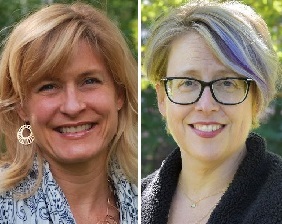

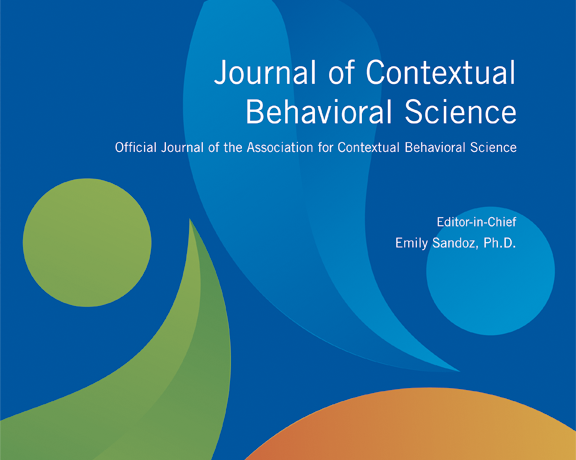

2021 #2 Newsletter (February)
2021 #2 Newsletter (February)
 |
|||
ACT is a Part of More than 150 Meta-Analyses and Systematic Reviews
Acceptance and Commitment Therapy has reached a new milestone: ACT is a now part of more than 150 Meta-Analyses and Systematic Reviews! The meta-analyses contain peer reviewed assessments of the ACT evidence base, including evidence on measures and processes of change. In many meta-analyses ACT alone is the target, while others include related methods. See the full list. |
|||
ACBS Foundation Grant: Application Deadline is March 1, 2021
The ACBS Foundation is proud to announce a new funding mechanism for CBS projects related to the environment, social justice, and behavior in real life contexts. The ACBS Foundation Grant application period is currently open and will close on March 1, 2021. Apply for the grant here. Take a look at what the Foundation has accomplished over the last year, the Foundation's 2020 annual report is now available. |
|||
2020 Diversity, Equity, and Inclusion Scholarship Recipients: What They Learned at the World Conference
In 2020, ACBS awarded Diversity, Equity, and Inclusion Scholarships to three members to attend the ACBS World Conference Online. DEI scholarship recipients Sandi James, Nguyen Tran, and Desmond Bull discuss what they learned at the conference and how they utilize CBS in the USA and Malaysia. You can read more about the DEI Scholarship here. We need your help to continue to fund these scholarships! |
|||
Student Spotlight Award
It is our pleasure to introduce the most recent Student Spotlight Award recipient! This month's featured student is Sebastian Garcia-Zambrano, a doctoral candidate at the School of Psychological and Behavioral Sciences, Southern Illinois University Carbondale (USA). Read more about Sebastian Garcia-Zambrano. Applications open March 1 to recognize a student doing important work in the CBS community. Apply here. |
|||
Curriculum-based yoga and ACT intervention for undergraduate students: A mixed-methods investigation
In JCBS Vol. 19, R. Ashlyne Mullen, Tracy Protti, Jennifer Block-Lerner, Donald R. Marks, Emily K. Sandoz, and Paola Ricardo investigate the effects of a curriculum-based intervention using ACT and yoga on psychological flexibility and distress over time in college students. ACBS members can read the full text of all JCBS articles for free in the JCBS member portal. |
|||
ACBS Membership Scholarship Deadline is March 31
ACBS is committed to outreach to scholars, practitioners, researchers, and other professionals who have a strong interest in ACT, RFT, and CBS and who have difficulty affording full membership in the organization. For those who are interested in a membership scholarship, we ask that you read the policy and complete the scholarship application. The deadline for this round of applications is March 31. Apply here. |
|||
ACBS Virtual World Conference: Registration is Open
We invite you to join us virtually for the Annual World Conference 24-27 June 2021. |
|||
Recent News
WHO recommends ACT for the management of chronic pain in children |
|||
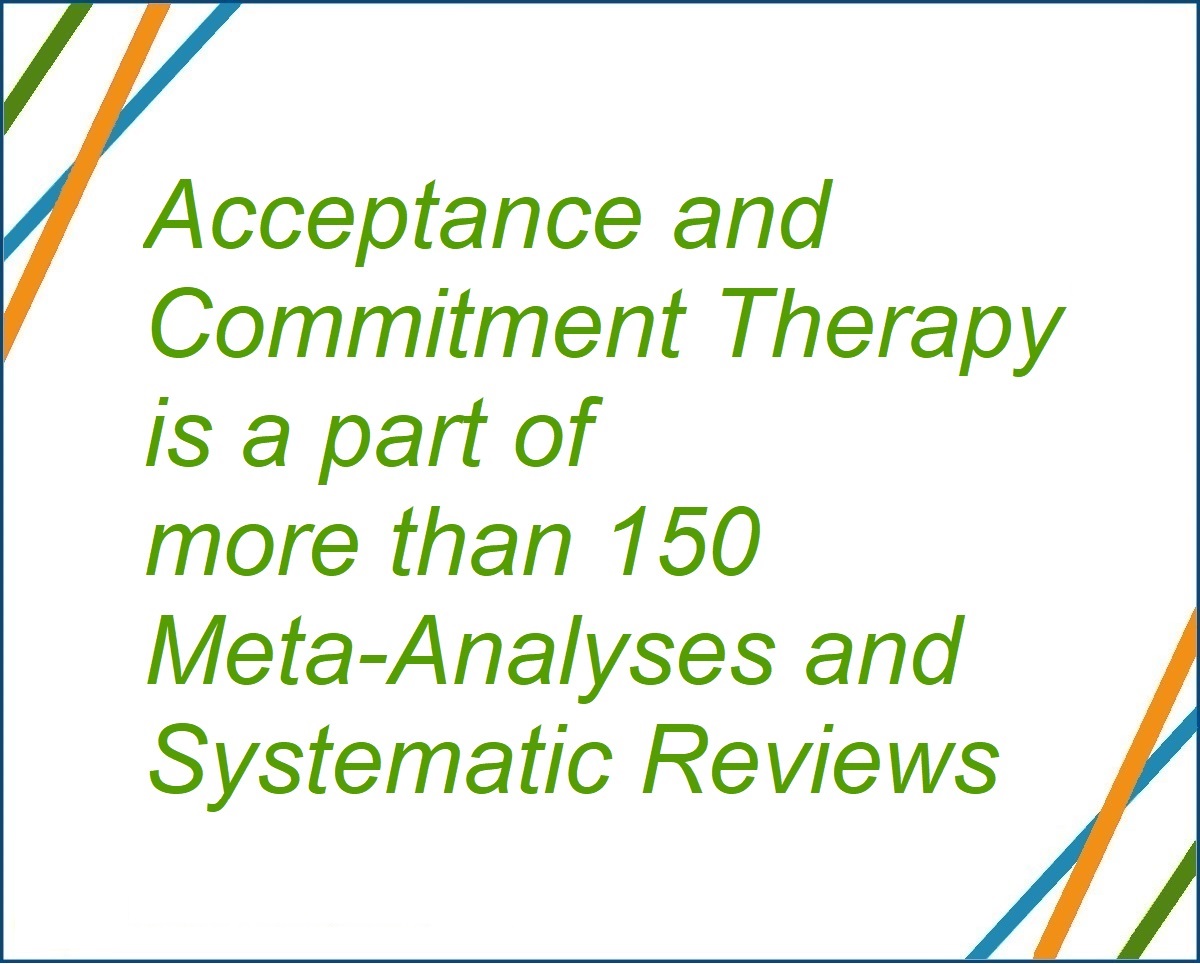



2021 #3 Newsletter (March)
2021 #3 Newsletter (March) |
|||||||||||||||||||||||||||||||||||||||||||||||||||||||||||||||||||||||||||||||||||||||||||||||||||||||||||||||||||||||||||||||||||||||||||||||||||||||||||||||||||||||||||||||||||||||||||||||||||||||||||||||||||||||||||||||||||||||||||||||||||||||||||||||||||||||||||||||||||||||||||||||||||||||||||||||||||||||||||||||||||||||||||||||||||||||||||||||||||||||||||||||||||||||||||||||||||||||||||||||||||||||||||||||||||||||||||||||||||||||||||||||||||||||||||||||||||||||||||||||||||||||||||||||||||||||||||||||||||||||||||||||||||||||||||||||||||||||||||||||||||||||||||||||||||||||||||||||||||||||||||||||||||||||||||||||||||||||||||||||||||||||||||||||||||||||||||||||||||||||||||||||||||||||||||||||||||||||||||||||||||||||||||||||||||||||||||||||||||||||||||||||||||||||||||||||||||||||||||||||||||||||||||||||||||||||||||||||||||||||||||||||||||||||||||||||||||||||||||||||||||||||||||||||||||||||||||||||||||||||||||||||||||||||||||||||||||||||||||||||||||||||||||||||||||||||||||||||||||||||
Congratulations to the New ACBS Board Members!
It is our pleasure to announce the 2021 - 2022 ACBS Board of Directors: President, Miranda Morris; President Elect, Maria Karekla; Past President, Lisa Coyne; Secretary-Treasurer, Jill Stoddard; Members-at-Large, Jenna LeJeune, Diana Ferroni Bast, Rhonda Merwin, and Sindhu BS; Student Representative, Marianna Zacharia. |
|||||||||||||||||||||||||||||||||||||||||||||||||||||||||||||||||||||||||||||||||||||||||||||||||||||||||||||||||||||||||||||||||||||||||||||||||||||||||||||||||||||||||||||||||||||||||||||||||||||||||||||||||||||||||||||||||||||||||||||||||||||||||||||||||||||||||||||||||||||||||||||||||||||||||||||||||||||||||||||||||||||||||||||||||||||||||||||||||||||||||||||||||||||||||||||||||||||||||||||||||||||||||||||||||||||||||||||||||||||||||||||||||||||||||||||||||||||||||||||||||||||||||||||||||||||||||||||||||||||||||||||||||||||||||||||||||||||||||||||||||||||||||||||||||||||||||||||||||||||||||||||||||||||||||||||||||||||||||||||||||||||||||||||||||||||||||||||||||||||||||||||||||||||||||||||||||||||||||||||||||||||||||||||||||||||||||||||||||||||||||||||||||||||||||||||||||||||||||||||||||||||||||||||||||||||||||||||||||||||||||||||||||||||||||||||||||||||||||||||||||||||||||||||||||||||||||||||||||||||||||||||||||||||||||||||||||||||||||||||||||||||||||||||||||||||||||||||||||||||||
New Process-Based Therapy SIG
A new SIG has been formed that is dedicated to the advancement of Process-Based Therapy (PBT) research, education, and clinical practice. This group aims to develop a diverse, inclusive, and value-guided social network that advances education, disseminates tools and resources to facilitate successful implementation of PBT in clinical practice. Visit here for more information, you can also join this SIG here. |
|||||||||||||||||||||||||||||||||||||||||||||||||||||||||||||||||||||||||||||||||||||||||||||||||||||||||||||||||||||||||||||||||||||||||||||||||||||||||||||||||||||||||||||||||||||||||||||||||||||||||||||||||||||||||||||||||||||||||||||||||||||||||||||||||||||||||||||||||||||||||||||||||||||||||||||||||||||||||||||||||||||||||||||||||||||||||||||||||||||||||||||||||||||||||||||||||||||||||||||||||||||||||||||||||||||||||||||||||||||||||||||||||||||||||||||||||||||||||||||||||||||||||||||||||||||||||||||||||||||||||||||||||||||||||||||||||||||||||||||||||||||||||||||||||||||||||||||||||||||||||||||||||||||||||||||||||||||||||||||||||||||||||||||||||||||||||||||||||||||||||||||||||||||||||||||||||||||||||||||||||||||||||||||||||||||||||||||||||||||||||||||||||||||||||||||||||||||||||||||||||||||||||||||||||||||||||||||||||||||||||||||||||||||||||||||||||||||||||||||||||||||||||||||||||||||||||||||||||||||||||||||||||||||||||||||||||||||||||||||||||||||||||||||||||||||||||||||||||||||||
The Sounding Board: Updates from the ACBS President
In her new blog, ACBS President Lisa Coyne discusses news from the ACBS Board of Directors, the DEI Committee, and the Conference Strategy Committee. She also highlights two inspiring members in our community, Fredrik Livheim and Duncan Gillard. Check out Lisa's blog post here. |
|||||||||||||||||||||||||||||||||||||||||||||||||||||||||||||||||||||||||||||||||||||||||||||||||||||||||||||||||||||||||||||||||||||||||||||||||||||||||||||||||||||||||||||||||||||||||||||||||||||||||||||||||||||||||||||||||||||||||||||||||||||||||||||||||||||||||||||||||||||||||||||||||||||||||||||||||||||||||||||||||||||||||||||||||||||||||||||||||||||||||||||||||||||||||||||||||||||||||||||||||||||||||||||||||||||||||||||||||||||||||||||||||||||||||||||||||||||||||||||||||||||||||||||||||||||||||||||||||||||||||||||||||||||||||||||||||||||||||||||||||||||||||||||||||||||||||||||||||||||||||||||||||||||||||||||||||||||||||||||||||||||||||||||||||||||||||||||||||||||||||||||||||||||||||||||||||||||||||||||||||||||||||||||||||||||||||||||||||||||||||||||||||||||||||||||||||||||||||||||||||||||||||||||||||||||||||||||||||||||||||||||||||||||||||||||||||||||||||||||||||||||||||||||||||||||||||||||||||||||||||||||||||||||||||||||||||||||||||||||||||||||||||||||||||||||||||||||||||||||||
ACBS Virtual World Conference - Join us!
We invite you to join us virtually for the Annual World Conference 24-27 June 2021. Register today! It is sure to be a memorable virtual learning and networking experience. New in 2021, ten simultaneous session tracks, Spanish language presentations (also translated into English), and a Portuguese language translation track. You can find more detailed information here. |
|||||||||||||||||||||||||||||||||||||||||||||||||||||||||||||||||||||||||||||||||||||||||||||||||||||||||||||||||||||||||||||||||||||||||||||||||||||||||||||||||||||||||||||||||||||||||||||||||||||||||||||||||||||||||||||||||||||||||||||||||||||||||||||||||||||||||||||||||||||||||||||||||||||||||||||||||||||||||||||||||||||||||||||||||||||||||||||||||||||||||||||||||||||||||||||||||||||||||||||||||||||||||||||||||||||||||||||||||||||||||||||||||||||||||||||||||||||||||||||||||||||||||||||||||||||||||||||||||||||||||||||||||||||||||||||||||||||||||||||||||||||||||||||||||||||||||||||||||||||||||||||||||||||||||||||||||||||||||||||||||||||||||||||||||||||||||||||||||||||||||||||||||||||||||||||||||||||||||||||||||||||||||||||||||||||||||||||||||||||||||||||||||||||||||||||||||||||||||||||||||||||||||||||||||||||||||||||||||||||||||||||||||||||||||||||||||||||||||||||||||||||||||||||||||||||||||||||||||||||||||||||||||||||||||||||||||||||||||||||||||||||||||||||||||||||||||||||||||||||||
Student Spotlight Award: Anne I. Roche
It is our pleasure to introduce the most recent Student Spotlight Award recipient! This month's featured student is Anne I. Roche, a graduate student at the University of Iowa, and is currently completing her clinical internship at the University of Kansas Medical Center (USA). Anne hopes to pursue a career that allows her to disseminate ACT and other CBS-based interventions. Read more about Anne here. The application is open until March 31. |
|||||||||||||||||||||||||||||||||||||||||||||||||||||||||||||||||||||||||||||||||||||||||||||||||||||||||||||||||||||||||||||||||||||||||||||||||||||||||||||||||||||||||||||||||||||||||||||||||||||||||||||||||||||||||||||||||||||||||||||||||||||||||||||||||||||||||||||||||||||||||||||||||||||||||||||||||||||||||||||||||||||||||||||||||||||||||||||||||||||||||||||||||||||||||||||||||||||||||||||||||||||||||||||||||||||||||||||||||||||||||||||||||||||||||||||||||||||||||||||||||||||||||||||||||||||||||||||||||||||||||||||||||||||||||||||||||||||||||||||||||||||||||||||||||||||||||||||||||||||||||||||||||||||||||||||||||||||||||||||||||||||||||||||||||||||||||||||||||||||||||||||||||||||||||||||||||||||||||||||||||||||||||||||||||||||||||||||||||||||||||||||||||||||||||||||||||||||||||||||||||||||||||||||||||||||||||||||||||||||||||||||||||||||||||||||||||||||||||||||||||||||||||||||||||||||||||||||||||||||||||||||||||||||||||||||||||||||||||||||||||||||||||||||||||||||||||||||||||||||||
An experimental investigation on the effects of perspective-taking on emotional discomfort, cognitive fusion and self compassion
In JCBS Vol. 20, Louise Boland, Dorian Campbell, Monika Fazekas, Wataru Kitagawa, Lorna MacIver, Klaudia Rzeczkowska, and David Gillanders generate a SRNT in a non-clinical sample, and capture ratings of emotion discomfort, state cognitive fusion, and state self-compassion. Click here to learn more about the results of the study! ACBS members can read the full text of all JCBS articles for free in the JCBS member portal. |
|||||||||||||||||||||||||||||||||||||||||||||||||||||||||||||||||||||||||||||||||||||||||||||||||||||||||||||||||||||||||||||||||||||||||||||||||||||||||||||||||||||||||||||||||||||||||||||||||||||||||||||||||||||||||||||||||||||||||||||||||||||||||||||||||||||||||||||||||||||||||||||||||||||||||||||||||||||||||||||||||||||||||||||||||||||||||||||||||||||||||||||||||||||||||||||||||||||||||||||||||||||||||||||||||||||||||||||||||||||||||||||||||||||||||||||||||||||||||||||||||||||||||||||||||||||||||||||||||||||||||||||||||||||||||||||||||||||||||||||||||||||||||||||||||||||||||||||||||||||||||||||||||||||||||||||||||||||||||||||||||||||||||||||||||||||||||||||||||||||||||||||||||||||||||||||||||||||||||||||||||||||||||||||||||||||||||||||||||||||||||||||||||||||||||||||||||||||||||||||||||||||||||||||||||||||||||||||||||||||||||||||||||||||||||||||||||||||||||||||||||||||||||||||||||||||||||||||||||||||||||||||||||||||||||||||||||||||||||||||||||||||||||||||||||||||||||||||||||||||||
ACBS Foundation: Successful First Open Call for Grants
The ACBS Foundation was excited to receive such a great group of applications during the recent open call. A team of volunteer reviewers will examine the applications and selections will be made based on funding criteria. Grant Awards will be announced by June 1, 2021 and shared on the Foundation page here – stay tuned to see which innovative projects are selected! |
|||||||||||||||||||||||||||||||||||||||||||||||||||||||||||||||||||||||||||||||||||||||||||||||||||||||||||||||||||||||||||||||||||||||||||||||||||||||||||||||||||||||||||||||||||||||||||||||||||||||||||||||||||||||||||||||||||||||||||||||||||||||||||||||||||||||||||||||||||||||||||||||||||||||||||||||||||||||||||||||||||||||||||||||||||||||||||||||||||||||||||||||||||||||||||||||||||||||||||||||||||||||||||||||||||||||||||||||||||||||||||||||||||||||||||||||||||||||||||||||||||||||||||||||||||||||||||||||||||||||||||||||||||||||||||||||||||||||||||||||||||||||||||||||||||||||||||||||||||||||||||||||||||||||||||||||||||||||||||||||||||||||||||||||||||||||||||||||||||||||||||||||||||||||||||||||||||||||||||||||||||||||||||||||||||||||||||||||||||||||||||||||||||||||||||||||||||||||||||||||||||||||||||||||||||||||||||||||||||||||||||||||||||||||||||||||||||||||||||||||||||||||||||||||||||||||||||||||||||||||||||||||||||||||||||||||||||||||||||||||||||||||||||||||||||||||||||||||||||||||
ACBS Member Resources
India Chapter, Emerging Voices Conference Recordings: Now Online for ACBS Members |
|||||||||||||||||||||||||||||||||||||||||||||||||||||||||||||||||||||||||||||||||||||||||||||||||||||||||||||||||||||||||||||||||||||||||||||||||||||||||||||||||||||||||||||||||||||||||||||||||||||||||||||||||||||||||||||||||||||||||||||||||||||||||||||||||||||||||||||||||||||||||||||||||||||||||||||||||||||||||||||||||||||||||||||||||||||||||||||||||||||||||||||||||||||||||||||||||||||||||||||||||||||||||||||||||||||||||||||||||||||||||||||||||||||||||||||||||||||||||||||||||||||||||||||||||||||||||||||||||||||||||||||||||||||||||||||||||||||||||||||||||||||||||||||||||||||||||||||||||||||||||||||||||||||||||||||||||||||||||||||||||||||||||||||||||||||||||||||||||||||||||||||||||||||||||||||||||||||||||||||||||||||||||||||||||||||||||||||||||||||||||||||||||||||||||||||||||||||||||||||||||||||||||||||||||||||||||||||||||||||||||||||||||||||||||||||||||||||||||||||||||||||||||||||||||||||||||||||||||||||||||||||||||||||||||||||||||||||||||||||||||||||||||||||||||||||||||||||||||||||||
|
|||||||||||||||||||||||||||||||||||||||||||||||||||||||||||||||||||||||||||||||||||||||||||||||||||||||||||||||||||||||||||||||||||||||||||||||||||||||||||||||||||||||||||||||||||||||||||||||||||||||||||||||||||||||||||||||||||||||||||||||||||||||||||||||||||||||||||||||||||||||||||||||||||||||||||||||||||||||||||||||||||||||||||||||||||||||||||||||||||||||||||||||||||||||||||||||||||||||||||||||||||||||||||||||||||||||||||||||||||||||||||||||||||||||||||||||||||||||||||||||||||||||||||||||||||||||||||||||||||||||||||||||||||||||||||||||||||||||||||||||||||||||||||||||||||||||||||||||||||||||||||||||||||||||||||||||||||||||||||||||||||||||||||||||||||||||||||||||||||||||||||||||||||||||||||||||||||||||||||||||||||||||||||||||||||||||||||||||||||||||||||||||||||||||||||||||||||||||||||||||||||||||||||||||||||||||||||||||||||||||||||||||||||||||||||||||||||||||||||||||||||||||||||||||||||||||||||||||||||||||||||||||||||||||||||||||||||||||||||||||||||||||||||||||||||||||||||||||||||||||
  |
|||||||||||||||||||||||||||||||||||||||||||||||||||||||||||||||||||||||||||||||||||||||||||||||||||||||||||||||||||||||||||||||||||||||||||||||||||||||||||||||||||||||||||||||||||||||||||||||||||||||||||||||||||||||||||||||||||||||||||||||||||||||||||||||||||||||||||||||||||||||||||||||||||||||||||||||||||||||||||||||||||||||||||||||||||||||||||||||||||||||||||||||||||||||||||||||||||||||||||||||||||||||||||||||||||||||||||||||||||||||||||||||||||||||||||||||||||||||||||||||||||||||||||||||||||||||||||||||||||||||||||||||||||||||||||||||||||||||||||||||||||||||||||||||||||||||||||||||||||||||||||||||||||||||||||||||||||||||||||||||||||||||||||||||||||||||||||||||||||||||||||||||||||||||||||||||||||||||||||||||||||||||||||||||||||||||||||||||||||||||||||||||||||||||||||||||||||||||||||||||||||||||||||||||||||||||||||||||||||||||||||||||||||||||||||||||||||||||||||||||||||||||||||||||||||||||||||||||||||||||||||||||||||||||||||||||||||||||||||||||||||||||||||||||||||||||||||||||||||||||





 |
|||||||||||||||||||||||||||||||||||||||||||||||||||||||||||||||||||||||||||||||||||||||||||||||||||||||||||||||||||||||||||||||||||||||||||||||||||||||||||||||||||||||||||||||||||||||||||||||||||||||||||||||||||||||||||||||||||||||||||||||||||||||||||||||||||||||||||||||||||||||||||||||||||||||||||||||||||||||||||||||||||||||||||||||||||||||||||||||||||||||||||||||||||||||||||||||||||||||||||||||||||||||||||||||||||||||||||||||||||||||||||||||||||||||||||||||||||||||||||||||||||||||||||||||||||||||||||||||||||||||||||||||||||||||||||||||||||||||||||||||||||||||||||||||||||||||||||||||||||||||||||||||||||||||||||||||||||||||||||||||||||||||||||||||||||||||||||||||||||||||||||||||||||||||||||||||||||||||||||||||||||||||||||||||||||||||||||||||||||||||||||||||||||||||||||||||||||||||||||||||||||||||||||||||||||||||||||||||||||||||||||||||||||||||||||||||||||||||||||||||||||||||||||||||||||||||||||||||||||||||||||||||||||||||||||||||||||||||||||||||||||||||||||||||||||||||||||||||||||||||
BIG News for ACT - NICE Recommendation
In April 2021, the National Institute for Health and Care Excellence in the United Kingdom published the guidelines “Chronic pain (primary and secondary) in over 16s: assessment of all chronic pain and management of chronic primary pain.” The guidelines contain exciting news for Acceptance and Commitment Therapy researchers and practitioners: ACT is specifically recommended for managing chronic primary pain in people aged 16 years and over. Click here to learn more. |
|||||||||||||||||||||||||||||||||||||||||||||||||||||||||||||||||||||||||||||||||||||||||||||||||||||||||||||||||||||||||||||||||||||||||||||||||||||||||||||||||||||||||||||||||||||||||||||||||||||||||||||||||||||||||||||||||||||||||||||||||||||||||||||||||||||||||||||||||||||||||||||||||||||||||||||||||||||||||||||||||||||||||||||||||||||||||||||||||||||||||||||||||||||||||||||||||||||||||||||||||||||||||||||||||||||||||||||||||||||||||||||||||||||||||||||||||||||||||||||||||||||||||||||||||||||||||||||||||||||||||||||||||||||||||||||||||||||||||||||||||||||||||||||||||||||||||||||||||||||||||||||||||||||||||||||||||||||||||||||||||||||||||||||||||||||||||||||||||||||||||||||||||||||||||||||||||||||||||||||||||||||||||||||||||||||||||||||||||||||||||||||||||||||||||||||||||||||||||||||||||||||||||||||||||||||||||||||||||||||||||||||||||||||||||||||||||||||||||||||||||||||||||||||||||||||||||||||||||||||||||||||||||||||||||||||||||||||||||||||||||||||||||||||||||||||||||||||||||||||||
Early Career Mentee Award
This is a new initiative from the Centering Science Strategic Plan Pillar aimed at supporting early career CBS researchers in securing research-focused faculty positions in research universities/academic medical centers. We are now accepting applications for our first cohort of three mentees. Learn more about this new program here. |
|||||||||||||||||||||||||||||||||||||||||||||||||||||||||||||||||||||||||||||||||||||||||||||||||||||||||||||||||||||||||||||||||||||||||||||||||||||||||||||||||||||||||||||||||||||||||||||||||||||||||||||||||||||||||||||||||||||||||||||||||||||||||||||||||||||||||||||||||||||||||||||||||||||||||||||||||||||||||||||||||||||||||||||||||||||||||||||||||||||||||||||||||||||||||||||||||||||||||||||||||||||||||||||||||||||||||||||||||||||||||||||||||||||||||||||||||||||||||||||||||||||||||||||||||||||||||||||||||||||||||||||||||||||||||||||||||||||||||||||||||||||||||||||||||||||||||||||||||||||||||||||||||||||||||||||||||||||||||||||||||||||||||||||||||||||||||||||||||||||||||||||||||||||||||||||||||||||||||||||||||||||||||||||||||||||||||||||||||||||||||||||||||||||||||||||||||||||||||||||||||||||||||||||||||||||||||||||||||||||||||||||||||||||||||||||||||||||||||||||||||||||||||||||||||||||||||||||||||||||||||||||||||||||||||||||||||||||||||||||||||||||||||||||||||||||||||||||||||||||||
VIRTUAL World Conference - REGISTER TODAY!
Join us for this memorable virtual learning and networking experience! Pre-Conference Intensive Workshops, 12 & 13 June. You will not want to miss these LIVE, clinical, and research focused workshops. World Conference 2021, 24-27 June. The program and detailed schedule are now online. |
|||||||||||||||||||||||||||||||||||||||||||||||||||||||||||||||||||||||||||||||||||||||||||||||||||||||||||||||||||||||||||||||||||||||||||||||||||||||||||||||||||||||||||||||||||||||||||||||||||||||||||||||||||||||||||||||||||||||||||||||||||||||||||||||||||||||||||||||||||||||||||||||||||||||||||||||||||||||||||||||||||||||||||||||||||||||||||||||||||||||||||||||||||||||||||||||||||||||||||||||||||||||||||||||||||||||||||||||||||||||||||||||||||||||||||||||||||||||||||||||||||||||||||||||||||||||||||||||||||||||||||||||||||||||||||||||||||||||||||||||||||||||||||||||||||||||||||||||||||||||||||||||||||||||||||||||||||||||||||||||||||||||||||||||||||||||||||||||||||||||||||||||||||||||||||||||||||||||||||||||||||||||||||||||||||||||||||||||||||||||||||||||||||||||||||||||||||||||||||||||||||||||||||||||||||||||||||||||||||||||||||||||||||||||||||||||||||||||||||||||||||||||||||||||||||||||||||||||||||||||||||||||||||||||||||||||||||||||||||||||||||||||||||||||||||||||||||||||||||||||
2021 Foundation Student Scholars
Congratulations to the 2021 ACBS Foundation Student Scholars: Pinelopi Konstantinou, University of Cyprus, Cyprus and Jin Xiaohuan, The Chinese University of Hong Kong. The ACBS Foundation, founded in 2019, provides two full scholarships that cover the student conference registration fee for attending the annual ACBS World Conference.
|
|||||||||||||||||||||||||||||||||||||||||||||||||||||||||||||||||||||||||||||||||||||||||||||||||||||||||||||||||||||||||||||||||||||||||||||||||||||||||||||||||||||||||||||||||||||||||||||||||||||||||||||||||||||||||||||||||||||||||||||||||||||||||||||||||||||||||||||||||||||||||||||||||||||||||||||||||||||||||||||||||||||||||||||||||||||||||||||||||||||||||||||||||||||||||||||||||||||||||||||||||||||||||||||||||||||||||||||||||||||||||||||||||||||||||||||||||||||||||||||||||||||||||||||||||||||||||||||||||||||||||||||||||||||||||||||||||||||||||||||||||||||||||||||||||||||||||||||||||||||||||||||||||||||||||||||||||||||||||||||||||||||||||||||||||||||||||||||||||||||||||||||||||||||||||||||||||||||||||||||||||||||||||||||||||||||||||||||||||||||||||||||||||||||||||||||||||||||||||||||||||||||||||||||||||||||||||||||||||||||||||||||||||||||||||||||||||||||||||||||||||||||||||||||||||||||||||||||||||||||||||||||||||||||||||||||||||||||||||||||||||||||||||||||||||||||||||||||||||||||||
NEW OCD and Related Disorders SIG
This SIG will broadly focus on obsessive compulsive disorder and related conditions, including, but not limited to, body dysmorphic disorder, hoarding disorder, perfectionism, illness anxiety disorder, body-focused repetitive disorders (e.g. trichotillomania and excoriation disorder), and common comorbid presentations. Clinical applications and research based in CBS as related to the OCD and related disorders will be central to this SIG. Click here to learn more about joining the SIG and the listserv. |
|||||||||||||||||||||||||||||||||||||||||||||||||||||||||||||||||||||||||||||||||||||||||||||||||||||||||||||||||||||||||||||||||||||||||||||||||||||||||||||||||||||||||||||||||||||||||||||||||||||||||||||||||||||||||||||||||||||||||||||||||||||||||||||||||||||||||||||||||||||||||||||||||||||||||||||||||||||||||||||||||||||||||||||||||||||||||||||||||||||||||||||||||||||||||||||||||||||||||||||||||||||||||||||||||||||||||||||||||||||||||||||||||||||||||||||||||||||||||||||||||||||||||||||||||||||||||||||||||||||||||||||||||||||||||||||||||||||||||||||||||||||||||||||||||||||||||||||||||||||||||||||||||||||||||||||||||||||||||||||||||||||||||||||||||||||||||||||||||||||||||||||||||||||||||||||||||||||||||||||||||||||||||||||||||||||||||||||||||||||||||||||||||||||||||||||||||||||||||||||||||||||||||||||||||||||||||||||||||||||||||||||||||||||||||||||||||||||||||||||||||||||||||||||||||||||||||||||||||||||||||||||||||||||||||||||||||||||||||||||||||||||||||||||||||||||||||||||||||||||||
Open Call for Committee Chairs through April 30th
The ACBS Board has created a new, more formal process for identifying and selecting new committee chairs to replace current chairs who are due to rotate off. The new process includes an open call to members who may be interested in becoming committee chairs. The person selected will shadow the current chair until their term ends summer 2022. The term for the position will be three years. The application deadline is April 30, 2020, submit the application here. |
|||||||||||||||||||||||||||||||||||||||||||||||||||||||||||||||||||||||||||||||||||||||||||||||||||||||||||||||||||||||||||||||||||||||||||||||||||||||||||||||||||||||||||||||||||||||||||||||||||||||||||||||||||||||||||||||||||||||||||||||||||||||||||||||||||||||||||||||||||||||||||||||||||||||||||||||||||||||||||||||||||||||||||||||||||||||||||||||||||||||||||||||||||||||||||||||||||||||||||||||||||||||||||||||||||||||||||||||||||||||||||||||||||||||||||||||||||||||||||||||||||||||||||||||||||||||||||||||||||||||||||||||||||||||||||||||||||||||||||||||||||||||||||||||||||||||||||||||||||||||||||||||||||||||||||||||||||||||||||||||||||||||||||||||||||||||||||||||||||||||||||||||||||||||||||||||||||||||||||||||||||||||||||||||||||||||||||||||||||||||||||||||||||||||||||||||||||||||||||||||||||||||||||||||||||||||||||||||||||||||||||||||||||||||||||||||||||||||||||||||||||||||||||||||||||||||||||||||||||||||||||||||||||||||||||||||||||||||||||||||||||||||||||||||||||||||||||||||||||||||
I won't comply because it is a hoax: Conspiracy beliefs, lockdown compliance, and the importance of psychological flexibility
In JCBS volume 20, M. Constantinou, A. Gloster, and M. Karekla explore how the stress and uncertainty of the COVID-19 pandemic led to conspiracy theories which can affect the way individuals behave. Is psychological flexibility a protective factor in relation to this distress? Click on the link to learn more about their findings! ACBS members can read the full text of all JCBS articles for free in the JCBS member portal. |
|||||||||||||||||||||||||||||||||||||||||||||||||||||||||||||||||||||||||||||||||||||||||||||||||||||||||||||||||||||||||||||||||||||||||||||||||||||||||||||||||||||||||||||||||||||||||||||||||||||||||||||||||||||||||||||||||||||||||||||||||||||||||||||||||||||||||||||||||||||||||||||||||||||||||||||||||||||||||||||||||||||||||||||||||||||||||||||||||||||||||||||||||||||||||||||||||||||||||||||||||||||||||||||||||||||||||||||||||||||||||||||||||||||||||||||||||||||||||||||||||||||||||||||||||||||||||||||||||||||||||||||||||||||||||||||||||||||||||||||||||||||||||||||||||||||||||||||||||||||||||||||||||||||||||||||||||||||||||||||||||||||||||||||||||||||||||||||||||||||||||||||||||||||||||||||||||||||||||||||||||||||||||||||||||||||||||||||||||||||||||||||||||||||||||||||||||||||||||||||||||||||||||||||||||||||||||||||||||||||||||||||||||||||||||||||||||||||||||||||||||||||||||||||||||||||||||||||||||||||||||||||||||||||||||||||||||||||||||||||||||||||||||||||||||||||||||||||||||||||||
Webinar Resources for ACBS Members
Asian Culture and CBS SIG Webinar - May 1, "Cultural Difference in the Understanding of Experiential Avoidance between Chinese and Western People" - JOIN with this link. Student SIG Spotlight Webinar Series - May 5, highlighting CBS student work and featuring recent ACBS Student Spotlight Award winners - REGISTER here. Recent Social Work SIG Webinar Recordings Available: Music and Defusion, ACT and Exposure Therapy for OCD and Anxiety, and ACT for Psychosis. |
|||||||||||||||||||||||||||||||||||||||||||||||||||||||||||||||||||||||||||||||||||||||||||||||||||||||||||||||||||||||||||||||||||||||||||||||||||||||||||||||||||||||||||||||||||||||||||||||||||||||||||||||||||||||||||||||||||||||||||||||||||||||||||||||||||||||||||||||||||||||||||||||||||||||||||||||||||||||||||||||||||||||||||||||||||||||||||||||||||||||||||||||||||||||||||||||||||||||||||||||||||||||||||||||||||||||||||||||||||||||||||||||||||||||||||||||||||||||||||||||||||||||||||||||||||||||||||||||||||||||||||||||||||||||||||||||||||||||||||||||||||||||||||||||||||||||||||||||||||||||||||||||||||||||||||||||||||||||||||||||||||||||||||||||||||||||||||||||||||||||||||||||||||||||||||||||||||||||||||||||||||||||||||||||||||||||||||||||||||||||||||||||||||||||||||||||||||||||||||||||||||||||||||||||||||||||||||||||||||||||||||||||||||||||||||||||||||||||||||||||||||||||||||||||||||||||||||||||||||||||||||||||||||||||||||||||||||||||||||||||||||||||||||||||||||||||||||||||||||||||
|
staff_1 2021 #5 Newsletter (May)2021 #5 Newsletter (May)
| |||||||||||||||||||||||||||||||||||||||||||||||||||||||||||||||||||||||||||||||||||||||||||||||||||||||||||||||||||||||||||||||||||||||||||||||||||||||||||||||||||||||||||||||||||||||||||||||||||||||||||||||||||||||||||||||||||||||||||||||||||||||||||||||||||||||||||||||||||||||||||||||||||||||||||||||||||||||||||||||||||||||||||||||||||||||||||||||||||||||||||||||||||||||||||||||||||||||||||||||||||||||||||||||||||||||||||||||||||||||||||||||||||||||||||||||||||||||||||||||||||||||||||||||||||||||||||||||||||||||||||||||||||||||||||||||||||||||||||||||||||||||||||||||||||||||||||||||||||||||||||||||||||||||||||||||||||||||||||||||||||||||||||||||||||||||||||||||||||||||||||||||||||||||||||||||||||||||||||||||||||||||||||||||||||||||||||||||||||||||||||||||||||||||||||||||||||||||||||||||||||||||||||||||||||||||||||||||||||||||||||||||||||||||||||||||||||||||||||||||||||||||||||||||||||||||||||||||||||||||||||||||||||||||||||||||||||||||||||||||||||||||||||||||||||||||||||||||||||||||

















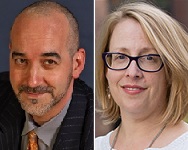

.jpg)











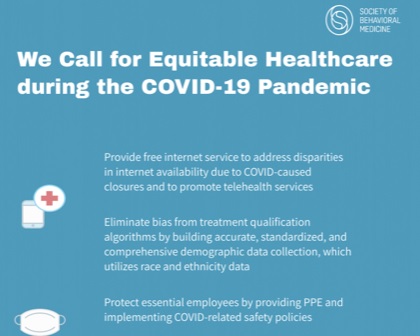








.jpg)


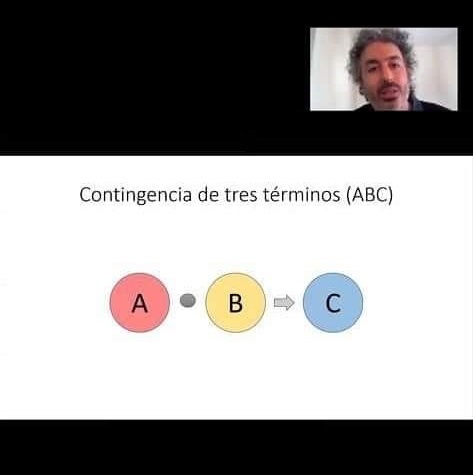


























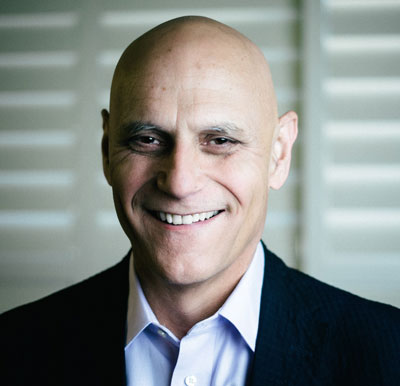


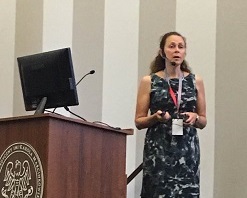














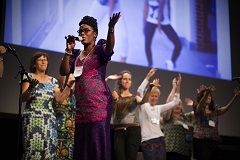

.jpg)


.jpg)






 Given the dramatic trend toward increasing childhood obesity and the subsequent rise in type II diabetes among younger demographics it follows that interventions which impact on the dietary decision making of children are highly important. Additionally the authors note the tendency among children to choose sweet or fatty foods and avoid novel foods which contributes to over 60% of American children do not eat enough fruits, vegetables, beans, and whole grains to satisfy nutritional guidelines, putting them at risk for nutritional deficiencies. An ACT-based intervention was designed which primarily focused on practicing mindfulness, present moment awareness, and defusion in a way that would engage with the 3 to 5 year old children and promote healthy food choice. Additionally, there was an ACT PLUS condition which constituted “the inclusion of an added emphasis on committed action and values via the addition of a reward contingency for eating any amount of the target food/s.” This proved to be necessary in order to increase consumption of low-preference health foods. This investigation suggests future directions in which the effects of removing the reward system are tested, the impact of the ACT alone condition in contributing to effects of the ACT PLUS reward condition are tested, and the role of choice in reinforcer effectiveness. Improving novel food choices in preschool children using acceptance and commitment therapy can be found in Volume3, Issue 4 of JCBS. ACBS members have complete access to JCBS by logging into the website and following
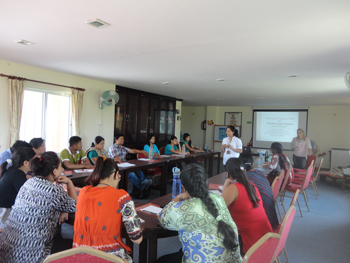 Chhori Maharjan is a PsyD candidate and is program manager and principle counselor at Ankur Counseling and Training Center. She was the recipient on an ACBS Developing Nation Scholarship which allowed her to attend the World Conference in 2012. In this short piece Maharjan reflects on her recent return to her native Nepal where she worked to support people there in the aftermath of the earthquakes that affected the population there.